Adoption Age Shapes Adult Dog Behavior
A study of 107 dogs shows that adopting puppies too early increases adult fearfulness, anxiety, and attachment-related behaviors, underscoring the importance of proper timing.
Latest news, insights, and scientific updates from the world of dog behaviour, training, health, and lifestyle. Stay up to date with Zoeta Dogsoul’s innovations, global launches, and paradigm-shifting programs — direct from our trainers, scientists, and behavioural thinkers.

A study of 107 dogs shows that adopting puppies too early increases adult fearfulness, anxiety, and attachment-related behaviors, underscoring the importance of proper timing.
Low-intensity serological screening and culling of infected dogs showed a delayed protective effect on human visceral leishmaniasis in two Brazilian municipalities.
Guardians often expect dogs to be balanced, obedient, affectionate, and deeply attuned—standards that may exceed realistic canine capabilities and strain relationships.
Automated trajectory analysis and machine learning achieved 78% accuracy in classifying dogs’ coping styles toward strangers, demonstrating strong potential for AI-driven assessment.
In the Strange Situation Test, dogs displayed more distress when isolated from a dog companion than from their owner, suggesting strong intraspecific attachment dynamics.
Large-scale predictive models show that behavioral questionnaires and early temperament tests can reliably identify dogs least likely to succeed in assistance training.
Researchers introduce K9-Blyzer, an automated system for analyzing dog behavior from video, including early tests on dog–robot interaction footage.
Dogs showed different responses to familiar versus unfamiliar people, but varying dietary tryptophan levels did not produce consistent behavioral changes.
Dogs did not reliably follow pointing gestures from a humanoid robot, suggesting they may not perceive robots as social agents in the same way they perceive humans.
Testing 49 breeds, researchers found specific genetic variants and brain-expressed gene sets associated with differences in inhibitory control, memory, and communication.
Data from over 500 citizen scientists replicated known cognitive phenomena in dogs, demonstrating the value of public participation in behavioral research.
While dogs excel at responding to human cues, evidence suggests their cognition is not uniquely human-like but shaped by life alongside people.
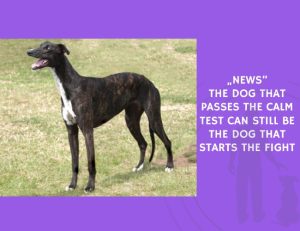
The Penn Vet Working Dog Center’s Fit to Work program formalizes strength, stability, mobility, and proprioception training through simple, progressive exercises.
Researchers developed a spontaneous-search olfaction test revealing that senior dogs perform above chance but less accurately than adults, particularly in dark conditions.
A detailed forensic investigation reveals consistent wound patterns across 17 cat fatalities, offering insight into canine aggression and attack diagnostics.
Research shows gonadectomy reduces certain behaviors like mounting and roaming but leaves others—including marking and eating—unchanged, suggesting nuanced hormonal effects.
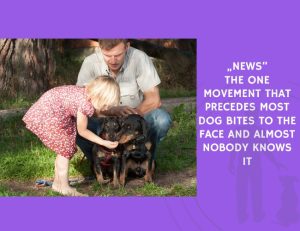
Research shows adults frequently misinterpret anxious or fearful dogs as relaxed or friendly during interactions with children, highlighting a key child-safety risk.
Marshall-Pescini et al.’s findings highlight that cooperation failures in dogs reflect context, learning, and relationship factors rather than cognitive limitations.
Research shows children struggle to recognize fear in dogs and often choose to interact despite danger, underscoring the need for stronger safety interventions.
Wolves’ cooperative strategies—dominance negotiation, post-conflict repair, and play—offer crucial insight into how dogs evolved the social skills enabling deep dog–human bonds.
Female dogs demonstrated stronger inhibitory control and greater human-oriented problem-solving behavior than males, while neutering status showed no measurable effect.
A review of 35 studies reveals inconsistent methods and interpretations in the unsolvable task and offers an ethogram and guidelines for future research.
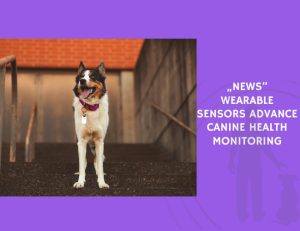
A controlled evaluation of 70 dogs shows that consumer-grade trackers reliably differentiate most canine behaviors, though distinguishing walking from sniffing remains challenging.
A Human–Animal Interactions study finds mutual benefits for student veterans and shelter dogs participating in a brief canine socializing intervention.
A Journal of Breath Research article explains why dogs’ exceptional olfactory sensitivity alone is not enough for reliable disease detection, highlighting the need to understand canine personality and behavioral consistency.
A 2024 Annual Review of Animal Biosciences article highlights the need for broader, evolution-informed approaches to uncover how genes and environment interact to shape canine behavior.
A video analysis of nearly 300 agility dogs reveals wide variation in paw placement and completion times on the dog walk, suggesting a need for more advanced gait analysis methods.
A Geo Journal of Tourism and Geosites study identifies distinct groups of dog owners with differing leisure and travel patterns, emphasizing the need for dog-inclusive tourism services.
A large-scale genomic analysis shows how thousands of high-coverage dog genomes are transforming research on behavior, morphology, disease risk, and noncoding variation.
A Genes (2024) study finds lower inbreeding in commercial breeding dogs, identifies genetic loci linked to fear behaviors, and shows fearful traits may be improved through selective breeding.
A 2011 Topics in Companion Animal Medicine review outlines molecular and behavioral factors that shape how dogs learn, remember, and problem-solve.
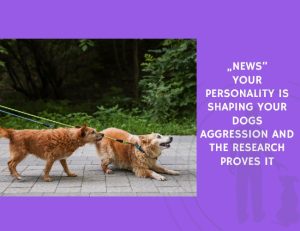
A 2018 PLoS ONE study finds that owner personality and mental health correlate with canine behavior issues, with depressed male owners far more likely to use aversive training.
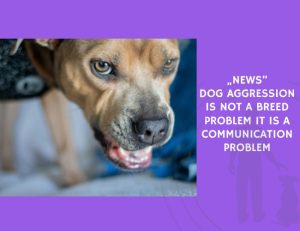
A 2024 JAVMA review shows that conflicting and incomplete mortality data hinder reliable estimates of average dog lifespan, despite evidence of steady increases over 40 years.
A 2017 PNAS study reveals that guide dog success is influenced by early maternal care, problem-solving ability, anxiety responses, and individual temperament.
A 2017 psychological review outlines how canine emotions can be inferred through human-style social cognition research, including dogs’ responses to facial expressions and social cues.
A 2020 Frontiers in Veterinary Science study finds that handler knowledge of hide numbers shifts detection team search patterns without affecting accuracy.
A 2024 Animals review summarizes evidence connecting the gut microbiome to canine behavioral disorders and explores future therapeutic options such as FMT.
A 2020 veterinary case report documents recurrent CTVT in a bull mastiff, confirmed cytologically and treated with surgical excision and vincristine therapy.
A 2022 Anthrozoös study finds that living with a dog—and feeling supported by that dog—reduces the impact of social victimization on adolescent mental health.
A 2021 Animals study shows that while very early training offers no special advantage, training before six months significantly decreases several adult behavior problems.
A 2014 study examines how emotions, attitudes, norms, and past behavior influence dog owners’ desire and intention to include their dogs in travel plans.
A 2021 arXiv study presents a real-time ML-driven treat dispenser that identifies dog behaviors and rewards them automatically.
A 2021 Military Medicine case report describes shoulder overuse injuries in a military working dog handler and discusses prevention strategies.
A 2023 Frontiers in Veterinary Science study shows urinary neurotransmitter levels do not reflect canine behavioral traits across multiple validated assessment scales.
A 2021 Animal Cognition study shows that male and female Labrador Retrievers differ in attachment responses, revealing human-like patterns in dog–owner bonds.
A 2021 Animal Cognition study reveals that dogs rescue owners who appear stressed, with oxytocin and the strength of the bond shaping rescue responses.
A 13-year survey of 303 gray wolves reveals co-circulation of multiple dog parvoviruses and canine adenovirus type 1 in northern Canada.
A 2020 PLoS ONE study identifies brain DNA methylation differences between wolves and dog breeds, pointing to epigenetic contributions to canine behavior and morphology.
A large-scale bioRxiv study shows that deep learning can classify key dog behaviors—including eating, drinking, and scratching—using a single accelerometer.
A 2021 Animals study presents the first video-based, machine-learning system for objectively evaluating ADHD-like behavior in dogs.
A 2021 Animal Cognition study reveals that dogs synchronize their behavior with children, offering new insight into dog–child social interactions.
A 2021 study in Brain Structure and Function shows how developmental brain scaling drives key temperament differences among dog breeds.
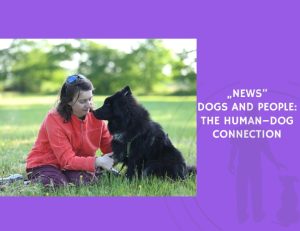
An editorial from Frontiers in Veterinary Science examining how human–dog relationships evolved, why they matter, and where the field is heading.
A study of 296 agility dogs found highly variable paw placements and completion times during the dog walk obstacle, suggesting complex biomechanics without clear patterning.
Dog10K merges canine genome, mutation, and RNA-seq data into a single platform supporting research on behavior, disease, and domestication with integrated analysis tools.
This study shows measurable associations between owner personality traits, psychological status, and canine behavior problems. Men with moderate depression were five times more likely to use aversive training, highlighting the complex emotional dynamics shaping dog behavior.
Research Study Chiang Mai, Thailand, November 29, 2025 – Sexton
This study shows that handler knowledge changes canine search patterns and handler-dependent behaviors, but does not affect detection accuracy or false alert rates in scent detection dogs.
This study explains how gut microbiome imbalance contributes to canine behavioral disorders through inflammation, neurotransmitter disruption, and HPA-axis activation, while exploring future therapies such as fecal microbiome transplantation.
This study shows that living with a family dog—and especially perceiving emotional support from that dog—can protect adolescents from stress, anxiety, depression, and behavioral problems linked to peer victimization.
This study reveals that puppy training before six months of age significantly reduces aggression, compulsive behavior, destructive tendencies, and excessive barking in adulthood—regardless of whether training occurs at 1–3, 4, or 5–6 months.
This study shows that dogs are more likely to rescue their owners when they appear stressed. Oxytocin and the strength of the dog–owner bond both influence how and when dogs attempt to help, highlighting complex emotional and social mechanisms.
This study shows that family dogs synchronize their activity, proximity, and orientation with child family members, revealing cognitive attunement, social responsiveness, and implications for safe and meaningful dog–child interactions.
Dogs possess an extraordinary olfactory system, far exceeding human capabilities. This study explores the anatomy, physiology, and behavioral dynamics that enable dogs to detect, interpret, and apply scent information across medical, environmental, and emotional contexts.
Research shows that classical music can reduce stress and calm dogs in veterinary and kennel environments—more than silence or genre-specific “dog music.”
Dogs played a central role in shaping early scientific ideas about critical periods, development, and behavioral research in America.
Working dog success depends not only on training but on underlying cognitive traits shaped by evolution and human partnership.
Behavioral traits across dog breeds are shaped by lineage-specific genetic networks—especially non-coding regulatory variation.
Treatment decisions for canine heart disease depend on owner empathy, perceived control, cost barriers, and veterinary guidance.
Smart toy interaction data—especially bite duration—can help identify dogs most likely to succeed in service roles.
Key genes and hormones influence aggression, impulsivity, stress, and social interaction—informing future behavior correction strategies.
Understanding canine stress signals, communication cues, and social behaviors enhances welfare, training, and emotional connection.
Even short educational materials help owners better recognize pain-related behavior changes and increase veterinary care decisions.
Dog–owner relationship success starts before acquisition: self-efficacy, preparation, and social norms affect future satisfaction and behavior outcomes.
This special issue showcases new research on canine welfare, preference assessment, learning, cognition, and scent detection under sparse reinforcement.
Maternal care and the complex interaction of temperament and cognition strongly influence guide dog success, even years after early development.
A framework categorizing behavioral tests into human, environmental, and motivator stimuli helps standardize dog behavior and cognition assessment.
Training dogs for MRI research enables groundbreaking insights into canine brain function, social processing, and human–dog cognitive parallels.
Training success depends not only on dog traits but also owner cognition and the quality of dog–owner interaction.
Dogs naturally focus on meaningful regions of images without training, showing preference for dog faces over humans and objects.
Dogs respond to certain human attentional cues, especially familiar ones, but do not show universal perspective taking or true mind-reading.
Dogs’ brains show activation to emotionally expressive and familiar human faces, revealing how dogs process reward, memory, and emotion in social bonding.
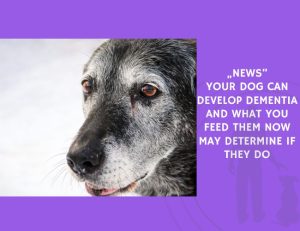
Detection dogs show age-related cognitive changes but maintain behavioral performance, unlike untrained companion dogs, and are not retired due to decline.
This review connects scientific advances in canine learning and cognition with practical training methods to improve modern working dog performance.
Dogs with higher rivalry show reduced attention to other dogs’ actions, affecting food choice and social learning in shared environments.
This study shows that canine behavior is linked to a conserved genetic network also associated with brain development, cognition, and psychopathology in humans.
Although scent is central to dogs, most cognition studies overlook olfactory controls—revealing a visual bias in methodology and interpretation.
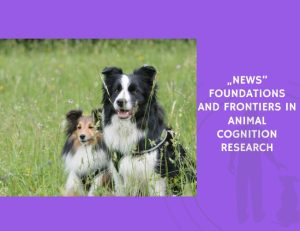
Research reveals that canine cognition is shaped by evolution, ecology, and domestication—but when compared broadly, dogs do not appear cognitively exceptional.
This research reframes canine cognition by focusing on scavenger origins, basic learning processes, and socialization rather than human-centered co-evolution.
Research reveals how thyroid imbalance and poor nutrition affect canine cognition, mood, and behavior, influencing emotional stability and human–dog relationships.
This study reveals how canine scent processing integrates cognition, motivation, semiotics, and emotional behavior, shaping communication and human–dog cooperation.
This research investigates how social plasticity explains variability in canine behavior, shaping attachment, cognition, and the strength of the dog–human bond.
This study explores how domestication shaped the dog’s ability to communicate, bond, and socially cooperate with humans, highlighting cognition and behavior.
Paired-stimulus assessments best identify reinforcers for efficient dog training.
Dog shaking isn’t always stress or water—it’s often a behavioral reset between activities.
Leadership—not dominance—is the key to behavior change in dogs. Built on trust, clarity, and emotional safety.
Dog cognition is shaped by domestication, ecological adaptation, and individual experience—but is not superior to comparable species.
Domestication transformed dogs’ social cognition, enhancing synchrony, attraction, and communication with humans—unlike wolves raised under identical conditions.
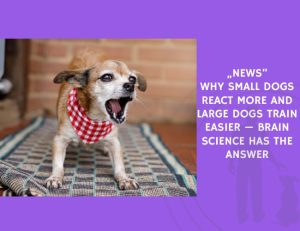
Across 49 dog breeds, smaller height strongly predicted more behavioral issues, while cephalic index (skull shape) and weight were also linked to anxiety, excitability, and social behaviors.
Shelter dogs are often returned when adopters hold overly idealized expectations about behavior, health, and bonding, despite normal early challenges like fear and training difficulties.
A study of kennelled dogs revealed that low-pitch music increases alertness, mirroring mammalian aggression cues, while tempo showed little influence—underscoring the importance of sound design in canine welfare.
A Veterinary Record study (2017) revealed that pet owners’ emotional attachments and stress around feeding and exercise contribute to obesity in dogs and cats, calling for more behaviorally informed prevention.
Mongillo (2010) showed that while older dogs maintain secure attachment to their owners, aging alters selective attention and emotional expression, linking cognitive decline to shifts in relationship dynamics.
Somppi et al. (2022) showed that the emotional quality of the dog–owner relationship shapes dogs’ physiological and behavioral responses, linking emotional closeness to calmer stress reactivity and higher HRV.
Cimarelli et al. (2020) revealed that dogs trained with inconsistent rewards during clicker sessions learned no faster and developed negative emotional biases, underscoring the importance of stable reinforcement.
Müller et al. (2012) showed that short separations from owners do not induce pessimistic bias in dogs, indicating that moderate, familiar absences do not trigger anxiety in secure canine attachments.
Belén et al. (2025) revealed that dogs with epilepsy often develop cognitive and emotional comorbidities, from anxiety to learning deficits, forming distinct neurobehavioral profiles that affect recovery and wellbeing.
Lewis (2020) challenges the dominance of attachment theory in animal behavior, proposing that dogs form mature, context-driven social bonds—and that welfare science must evolve beyond infant–caregiver analogies.
Papuc et al. (2013) found that structured behavioural therapy, guided by active owner involvement, reduces cortisol and anxiety symptoms in dogs—proving that recovery from separation distress requires full emotional realignment.
Silk et al. (2019) discovered that dogs in mid-level social ranks display the highest aggression—driven not by dominance, but by uncertainty—showing that instability, not hierarchy, predicts conflict.
Affenzeller (2020) discovered that moments of joyful play between dogs and humans immediately after training can strengthen memory recall up to a year later, revealing the long-lasting cognitive benefits of emotional engagement.
Reicher et al. (2024) found that sleep strengthens learning in dogs—especially after permissive, positive training—showing that emotional tone and rest co-shape canine memory.
Zilocchi & Carlone (2016) found that problem-solving activities help fearful dogs regain confidence—showing that curiosity can overcome fear when learning replaces avoidance.
Maoz et al. (2021) demonstrated that dog training can rewire trauma responses—helping adolescents with PTSD regain emotional regulation, focus, and relational stability through structured human–dog interaction.
Roma et al. (2024) found that how young people cope with their dogs’ unwanted behaviours reflects deeper emotional and social patterns—showing that every reaction shapes the bond itself.
Griffioen et al. (2019) discovered that children with autism synchronize more closely with their therapy dogs over time—revealing how connection, not command, drives healing in dog-assisted therapy.
In a world-first, Kiiroja et al. (2024) showed that scent-detection dogs can recognize the smell of trauma-related stress, revealing how dogs perceive invisible emotional states through scent.
Shih et al. (2020) introduced a smart leash tension meter that measures both force and direction—revealing who’s really pulling and redefining how leash dynamics shape dog welfare.
Dogs don’t just feel—they perform. Kaminski et al. (2017) discovered that dogs make more facial expressions when humans pay attention, revealing communication, not just emotion.
Dogs read movement before faces. Correia-Caeiro et al. (2021) discovered that dogs rely more on body posture than facial cues to interpret emotion—an evolutionary strategy for social survival.
Dogs don’t just see emotion—they understand it. Albuquerque et al. (2021) demonstrated that dogs infer meaning from human emotional interactions and use this insight to make adaptive social decisions.
When affection is shared, attention shifts. Karl et al. (2022) found that pet dogs react sensitively when their caregivers engage with another dog—showing signs of jealousy, social referencing, and emotional alignment.
The roots of loyalty run deeper than domestication. Wheat et al. (2022) showed that wolves, like dogs, can form attachment bonds with humans—revealing ancient emotional capacities predating the birth of the dog.
Children don’t just love their dogs—they attach. Reilly et al. (2024) explored the neural and emotional mechanisms behind child–dog bonds, revealing how attachment strength determines the depth of their mutual benefits.
Safety has a heartbeat. Gácsi et al. (2013) revealed that a dog’s owner functions as a true safe haven, lowering fear and stabilizing heart rhythms during stressful encounters with strangers.
Even in freedom, dogs seek us. Majumder et al. (2016) found that free-ranging dogs prefer denning near humans, suggesting an evolved behavioral strategy for survival within the dangers of city life.
Where freedom meets risk, space becomes data. Silva et al. (2022) mapped how free-roaming dogs in rabies-endemic regions navigate human landscapes, showing consistent habitat preferences across countries and settings.
Not all dogs without leashes are lost. Izaguirre (2013) examined village dogs in coastal Mexico, showing how free-roaming canine populations coexist with humans and why culling undermines long-term balance.
Scent tells stories where words cannot. Biswas et al. (2024) uncovered how free-ranging dogs use scent marking to communicate identity, and boundary control, redefining canine social intelligence.
Dog parks connect communities but also create conflict. Chen et al. (2022) reviewed design and management strategies that enhance canine welfare, owner satisfaction, and urban coexistence through better park planning.
Every bond tells two stories. Cimarelli et al. (2017) introduced an experimental framework to quantify how owners interact with their dogs—revealing how individual styles shape trust, emotion, and behavior.
Urban life is not just human. Gaunet et al. (2014) explored how dogs and their owners navigate city spaces, showing how shared areas reflect cultural, ethical, and environmental tensions in human–animal coexistence.
Who pulls the leash—the dog or the human? Shih et al. (2020) found that both gender and sex shape leash dynamics: male dogs pull more, while men and women interact with dogs in distinct emotional and physical ways.
When absence feels like loss, patience becomes the cure. Feuerbacher & Muir (2020) demonstrated that using owner return as a reward can gradually reduce separation-related problem behavior in dogs through operant conditioning.
Separation anxiety isn’t one emotion—it’s many. Lenkei et al. (2021) revealed that dogs’ separation responses stem from distinct emotional roots, with fear and frustration driving different behavioral patterns.
Oxytocin strengthens more than love—it strengthens connection. Nagasawa et al. (2017) discovered that intranasal oxytocin boosts mutual gazing between ancient Japanese dogs and their owners, deepening physiological bonding.
How often a dog looks at you says a lot about your relationship. Kubinyi et al. (2025) found that gaze frequency reflects personality traits like liveliness and aggression, as well as the emotional comfort dogs provide to their owners.
Dogs mirror their owners’ emotional stability. Rehn et al. (2017) revealed that an owner’s attachment style—secure, anxious, or avoidant—directly influences how their dog seeks comfort and manages stress.
Dogs’ faces reveal more than emotion—they reveal imbalance. Siniscalchi et al. (2022) found that fearful and aggressive dogs exhibit measurable facial asymmetry, linking emotional distress to physiological expression.
Dogs don’t just mirror our emotions—they may even sync their breathing with ours. Nomoto et al. (2024) found measurable respiratory synchrony between dogs and their owners using high-sensitivity magnetic sensors.
When rewards suddenly stop, dogs experience frustration—marked by withdrawal, sniffing, and vocalizing. Jakovcevic et al. (2013) show how extinction in training triggers emotional conflict similar to fear responses.
As dog ownership rises in South Korea, Kang & Lee (2025) mapped the evolution of dog owner education, revealing growing emphasis on behavioral training, ethics, and psychological support for owners through structured, government-led programs.
Can untrained dogs rescue their owners in distress? Carballo et al. (2020) found that many dogs instinctively attempt to help, suggesting emotional contagion—rather than obedience—drives their pro-social actions.
As more students bring pets to college, Willgohs et al. (2023) examined whether dogs’ stress and behaviour differ across housing environments. The study found no major differences, suggesting dogs adapt well to varied campus settings.
In veterinary and shelter environments, stress in dogs can mirror the emotions of those handling them. Grigg et al. (2022) found that growing familiarity with a handler significantly decreases heart rate and increases heart rate variability in dogs.
Do dogs empathize with strangers in distress? Rivera & Meyers-Manor (2024) found that while dogs can show empathy toward their owners, they do not display the same emotional response or helping behaviour toward unfamiliar humans.
Loud sounds can do more than startle — they can deeply affect a dog’s mental and physical well-being. Raghy et al. (2023) explain how noise exposure, breed traits, and age shape canine stress responses and welfare outcomes.
Early puppyhood experiences and daily exercise shape a dog’s emotional stability. Tiira & Lohi (2015) show that poor maternal care and limited physical activity increase the risk of anxiety and fear responses in dogs.
Roma et al. (2021) review how dog–handler–client interactions are conceptualized in Animal-Assisted Activities, calling for a holistic, relational research framework.
Gemino (2025) found that successful Philippine Coast Guard K9 handlers show high conscientiousness, emotional resilience, and strong understanding of canine behavior.
Salamon et al. (2025) discovered that dogs’ olfactory success depends on breed-specific traits rather than functional group selection, reshaping scent performance understanding.
Koskela et al. (2024) demonstrated that dogs and their owners show physiological and behavioral co-modulation, mirroring human attachment patterns.
Collins-Pisano et al. (2025) revealed that social interaction after training enhances memory in low-arousal dogs but hinders it in highly aroused ones.
Mellor et al. (2024) showed that scent-trained dogs outperform others in inhibitory control, revealing links between training discipline and cognition.
Cook (2017) proposes a neuroscience-based framework for studying dog emotion, emphasizing physiology and evolution over anthropomorphic interpretations.
Ogi et al. (2020) showed that stroking guide dogs raises oxytocin while leaving cortisol unchanged, confirming that gentle touch enhances canine well-being.
Canori et al. (2025) demonstrated that dogs mimic blinks seen in other dogs, suggesting that blinking is a subtle yet meaningful part of their social communication.
Heljakka et al. (2020) compared preschoolers’ interactions with a robot and a real dog, revealing distinct emotional and learning benefits from each.
Eretová et al. (2020) show that young children misinterpret dog vocal and visual cues, highlighting the need for supervision in early interactions.
Bastos et al. (2024) demonstrate that dogs trained with soundboard buttons can comprehend and act on human-recorded words without visual cues.
Bolló et al. (2025) suggest that dog–human relationships operate within prestige-based social systems shaped by learning, cooperation, and dependency.
Morris et al. (2021) report that cannabidiol supplementation in dogs does not affect activity levels, though it may relieve mild itching.
Morris et al. (2020) report that cannabidiol supplementation in dogs does not impair activity, suggesting safe use up to 4 mg/kg per day.
Biswas et al. (2024) revealed that free-ranging dogs use scent marks for complex social communication, territorial defense, and intrasexual competition.
Kottferová et al. (2020) examined symmetry in social play among German Shepherd litters, finding early signs of balanced and cooperative interactions.
Vecchiato et al. (2022) report that most raw meat-based diets for pets contain nutrient deficiencies, excessive fat, and microbial contamination risks.
Nieforth et al. (2024) showed that canine-assisted therapy with live dogs significantly improves human-to-human social interactions in children with ADHD.
González-Martínez et al. (2024) examine ADHD-like syndromes in dogs, revealing links between neurotransmitter imbalance, impulsivity, and comorbid behaviors.
Roth et al. (2016) found that hair cortisol reliably reflects long-term stress in dogs, showing that play and rewards reduce cortisol levels.
Guvenc-Bayram et al. (2024) reveal that Pit Bull aggression correlates with altered neuropeptide levels, suggesting a neurochemical basis for canine aggression.
González-Martínez et al. (2024) discuss ADHD-like behavior in dogs, highlighting neurotransmitter dysregulation, comorbidities, and treatment strategies.
Brozić et al. (2020) examine raw meat diets for dogs and cats, noting limited proven benefits and stressing pathogen control and balanced nutrition.
Główny et al. (2024) examine the nutritional, hormonal, and parasitic risks of raw diets for dogs and cats, emphasizing veterinary guidance for safe feeding.
Tuska-Szalay et al. (2024) revealed that raw meat diets in dogs and cats may spread parasitic oocysts into the environment, posing cross-species infection risks.
Cobb et al. (2025) emphasize that cortisol alone is an inadequate welfare marker and propose a systems-based framework using multiple physiological indicators.
Mueller et al. (2025) introduced the Teen & Dog Study, a multi-year project investigating how adolescent–dog relationships influence coping and well-being in socially anxious youth.
Petrean et al. (2023) introduced a behavioral scoring model to assess the welfare of long-term shelter dogs, identifying key positive and negative indicators.
Baria-Unwalla et al. (2024) report that dogs in prison-based training programs improved in social and obedience skills while maintaining stable stress responses.
Srithunyarat et al. (2016) identified chromogranin-derived peptides—catestatin and vasostatin—as promising physiological indicators of surgical stress in dogs.
Cobb et al. (2025) call for a systems-based approach to welfare assessment, showing why cortisol alone fails to capture dogs’ true emotional and physiological states.
Samet et al. (2025) found that while the public can identify playful or curious dogs accurately, anxious and stressed emotional states are harder to interpret.
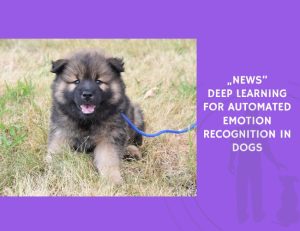
Hernández-Luquin et al. (2022) created the DEBIw dataset and trained machine learning models to classify canine emotions from natural images with strong accuracy.
Flint et al. (2024) found that behavioral cues like panting and posture, alongside hormonal measures, can reliably indicate dogs’ emotional valence and arousal.
Villaluz et al. (2024) developed an AI model that classifies canine emotions from video and image data, advancing emotion recognition in dogs through computer vision.
Demirbas et al. (2023) discovered that stress—both short and long-term—reduces dogs’ paw preference consistency, reflecting altered brain asymmetry.
Lenkei et al. (2021) revealed that dogs prone to frustration or fear react differently when separated from their owners, linking emotion to behavior.
Using the Animal Welfare Assessment Grid, Malkani et al. (2024) identified behavioral and emotional changes as early indicators of chronic pain in dogs.
Konegger (2022) demonstrated that aqua-acupuncture at specific acupoints can ease canine stress during vet exams as effectively as trazodone medication.
Bergeron (2019) reviewed how a modified open-field test with odor cues helps distinguish anxious from non-anxious dogs through motivation and behavior.
Villaluz et al. (2024) trained an AI model to recognize canine emotions from body and facial cues, advancing automated emotion detection in dogs.
Csoltova & Mehinagic (2020) summarized advances in identifying positive emotions in dogs and proposed new methods for studying canine happiness.
Flint et al. (2024) explored how behavioral and physiological signs reveal both positive and negative emotions in dogs, helping refine welfare evaluation.
Bhadury & Bhattacharjee (2024) explored canine communication and stress signals, showing how posture, tail movement, and sound reflect emotional states.
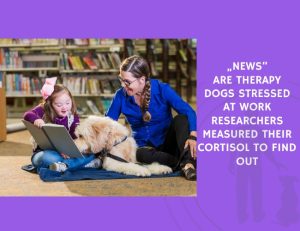
Hill et al. (2023) found that a therapy dog’s stress markers remained stable during sessions with autistic children, showing welfare was not compromised.
Denson (2018) argues that fMRI evidence from dog studies does not confirm jealousy, as amygdala activation reflects emotional relevance, not specific feelings.
Rivera & Meyers-Manor (2024) found that dogs did not rescue or react differently to distressed strangers, highlighting the importance of owner presence for empathy.
Dickinson & Feuerbacher (2025) revealed that psychological frustration disrupts search and rescue dogs’ focus and performance more than physical stress.
Dobos & Pongrácz (2024) revealed that working dog breeds learn better from humans using speech cues, unlike independent breeds that rely less on verbal communication.
D’Aniello et al. (2016) showed that dogs follow gestures over spoken words when given conflicting cues, emphasizing gesture-based communication.
Konno et al. (2023) revealed that dogs’ dark eyes likely evolved as a facial adaptation that fosters trust and emotional connection with humans.