Understanding your dog’s behavior is key to building a strong bond and resolving issues early. From decoding body language and emotional signals to identifying trauma patterns and neurobiological triggers, this section helps you interpret your dog’s actions on a deeper level. Whether you’re dealing with fear responses, unusual habits, or synchronization with human moods, these articles guide you through the science and psychology behind canine behavior.
Every meal your dog eats sends a message to their immune system. This comprehensive guide explores the science behind anti-inflammatory nutrition — from omega-3 fatty acids and gut microbiome health to antioxidant-rich whole foods and practical meal plans. Learn how to reduce chronic inflammation, support joint health, and build lasting resilience through diet.
True confidence in dogs is not fearlessness or obedience — it is an emergent state built on nervous system regulation, emotional safety, and secure attachment. This comprehensive guide explores how the NeuroBond Model helps dogs develop genuine confidence from the inside out, with practical exercises you can start today.
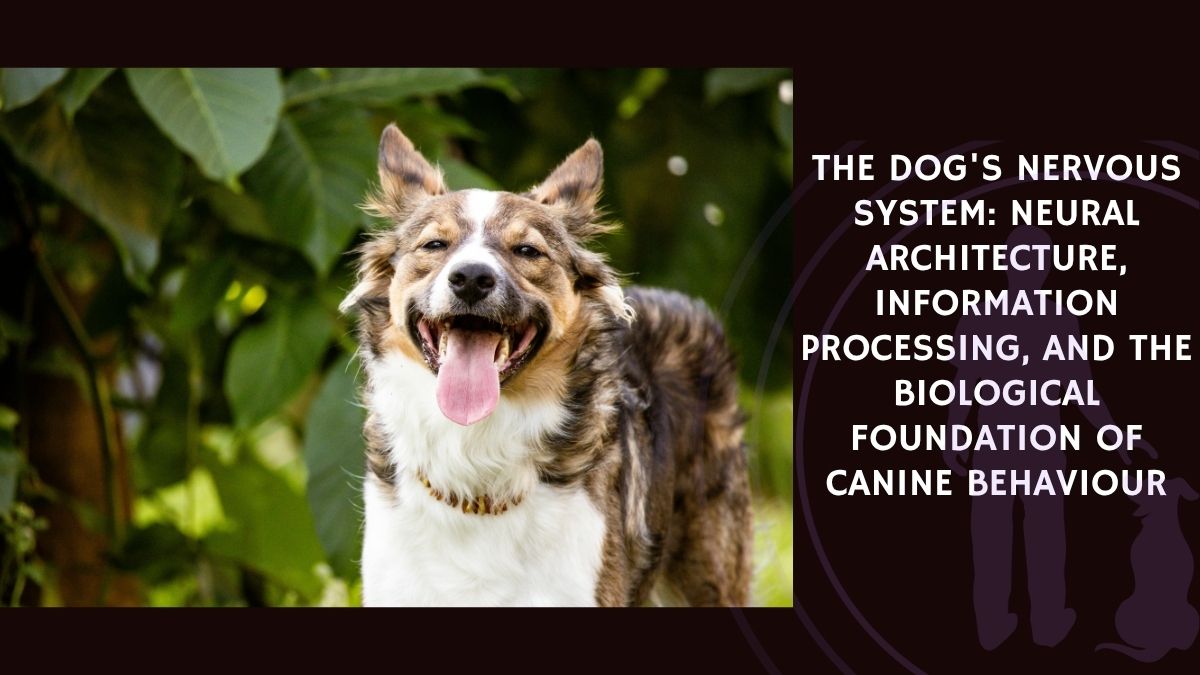
Why does your dog freeze before you even notice the threat? The answer lies deep within the nervous system. This comprehensive guide explores the neural architecture, neurochemistry, autonomic regulation, gut-brain connection, and critical developmental periods that shape every behaviour your dog displays, and what it means for training, bonding, and lifelong wellbeing.
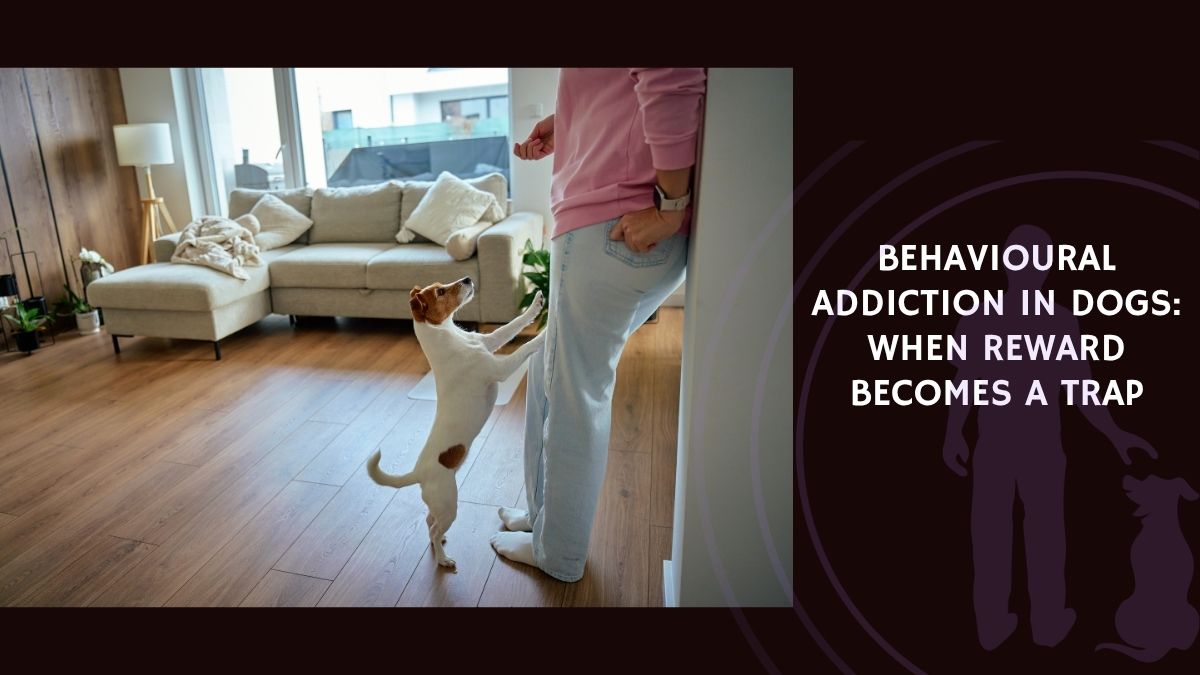
You throw the ball. Your dog brings it back. You throw it again. And again. And again. But at some point, a subtle shift happens. The game is no longer fun.
Obsessive and compulsive behaviours in dogs are far more than quirks. They arise from a convergence of neural circuit dysfunction, neurotransmitter imbalances, genetic predisposition, chronic stress, and reinforcement patterns that lock behaviour into rigid, automatic loops.
Your dogs reactive behavior isn’t a choice it’s the limbic system overriding the thinking brain. Research in canine cognition reveals that dogs possess genuine executive functions that can be strengthened through emotional safety, cognitive challenge, and collaborative partnership. Learn how to build a dog that thinks before it reacts.
Dog Training
Effective dog training isn’t just about commands – it’s about communication, trust, and timing. In this section, we dive into techniques that teach your dog through clarity and structure, not pressure. From operant conditioning and reward systems to advanced methods for off-leash control, you’ll discover how to guide behavior with purpose and precision.
Your dog’s brain never stops learning. From the explosive synaptogenesis of puppyhood through adolescent rewiring, adult consolidation, and the preserved plasticity of the senior years, science confirms that cognitive growth is lifelong. Discover how neuroplasticity, emotional safety, nutrition, sleep, and enrichment shape your dog’s learning capacity at every age.
Your hunting dog isn’t being disobedient — centuries of selective breeding created powerful motivational systems that compete with your recall cue. Explore the neuroscience behind attentional capture, dopamine-driven SEEKING, olfactory processing, and breed-specific training protocols that finally work with your dog’s brain, not against it.
True confidence in dogs is not fearlessness or obedience — it is an emergent state built on nervous system regulation, emotional safety, and secure attachment. This comprehensive guide explores how the NeuroBond Model helps dogs develop genuine confidence from the inside out, with practical exercises you can start today.
Why does your dog ignore commands at the park but obey at home? Why does punishment backfire neurobiologically? This evidence-based guide dismantles seven persistent training myths and reveals what neuroscience, ethology, and learning theory actually say about how dogs learn best.
Your dogs reactive behavior isn’t a choice it’s the limbic system overriding the thinking brain. Research in canine cognition reveals that dogs possess genuine executive functions that can be strengthened through emotional safety, cognitive challenge, and collaborative partnership. Learn how to build a dog that thinks before it reacts.
Your dog is not stubborn — their brain may simply be too stressed to learn. This deep dive into canine neuroscience reveals how emotional safety unlocks the amygdala, prefrontal cortex, and SEEKING system to create durable, lasting learning — and why pressure-based training often works against you.
Puppy Training
Early puppy training lays the foundation for a dog’s lifelong behaviour and emotional stability. It helps puppies learn essential social, emotional, and cognitive skills during their most formative period, preventing future behavioural problems and strengthening the human-dog bond from the very beginning.
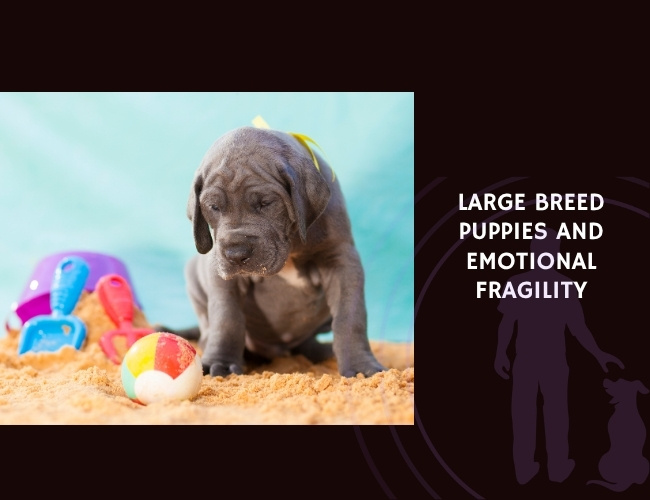
Large breed puppies occupy a uniquely challenging developmental space. They carry the emotional sensitivity of a young puppy inside a body that looks, moves, and bumps into the world like a juvenile adult.
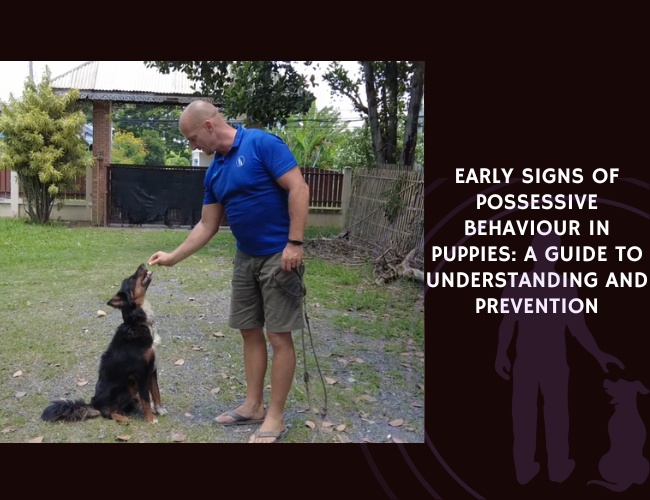
Understanding possessive behavior in puppies isn’t just about managing inconvenient moments—it’s about recognizing the emotional landscape of a developing mind.
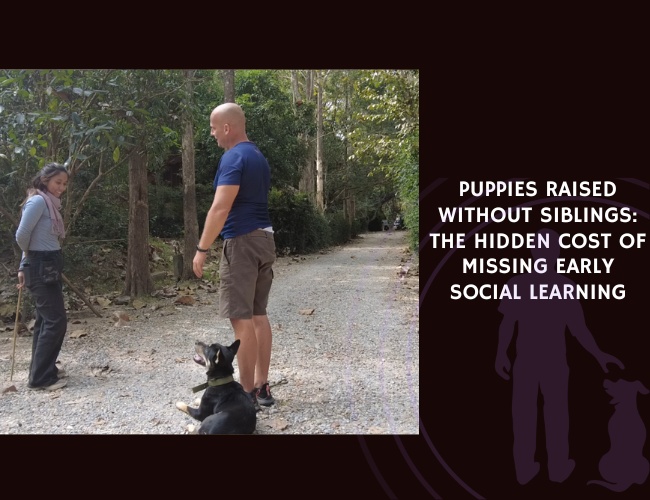
When we think about puppy development, we often focus on human socialization, training basics, and health milestones. Yet one of the most profound teachers in a young dog’s life isn’t human at all—it’s their siblings.
The moment you bring home that wiggling bundle of fur, you’re not just gaining a companion—you’re embarking on one of the most crucial periods in your dog’s entire life.
Dog Nutrition
A healthy dog starts with the right nutrition. In this section, we explore how diet impacts energy, behavior, immune function, and longevity. From raw feeding and protein balance to supplements like bone broth or omega oils, these articles help you understand what your dog really needs. Whether you’re feeding a puppy, a senior, or a high-energy working dog, the right approach to nutrition can prevent disease and boost overall wellbeing.
Vitamin K quietly powers your dog’s blood clotting, bone protein activation, and vascular health every single day. But true deficiency is rare in healthy dogs — and supplement marketing often outpaces the science. This evidence-based guide covers all three vitamin K forms, safe dietary sources, rodenticide emergencies, breed-specific risks, senior dog considerations, and when supplementation is genuinely needed.
Your dog’s brain consumes 20% of its total energy — and B vitamins power every step of that process. From neurotransmitter synthesis to myelin maintenance, these eight essential nutrients shape mood, learning, and emotional balance. Discover which breeds are most at risk, what deficiency really looks like, and how to protect your dog’s neurological health.
Vitamin E is a critical antioxidant for your dog’s brain, protecting neuronal membranes from oxidative damage, supporting mitochondrial function, and helping prevent cognitive decline. This science-based guide covers mechanisms, life-stage needs, safe dosing, food sources, and the full antioxidant team behind lasting brain health.
Your dog’s retina depends on vitamin A for every moment of sight — but too much is just as dangerous as too little. This science-based guide covers the visual cycle, deficiency signs, toxicity risks, practical food portions with IU values, fat-soluble vitamin interactions, and breed-specific sensitivities.
Dogs cannot produce vitamin D from sunlight — their diet is the only source. This comprehensive guide covers how vitamin D controls calcium balance, bone health, immune function, and brain physiology, why excess is more dangerous than deficiency, and how to make evidence-based decisions about your dog’s nutrition at every life stage.
What you put in your puppy’s bowl shapes bones, wires neural connections, and sets the trajectory for a lifetime of health. This comprehensive guide covers growth biology, energy management, DHA and brain development, mineral balance, feeding schedules, body condition scoring, and breed-specific nutrition — backed by the latest research.
Dog Health & Wellbeing
Your dog’s wellbeing goes far beyond the absence of disease. In this section, we explore holistic health strategies – from preventative care and body condition to mental stimulation and emotional balance. Learn how to detect subtle signs of discomfort, how sleep, environment, and routine affect your dog, and what it takes to maintain a balanced, happy, and healthy life throughout all stages of development.
Your dog’s refusal to eat during your absence isn’t stubbornness or manipulation. It’s a biological response rooted in ancient survival mechanisms and the modern reality of deep attachment bonds.
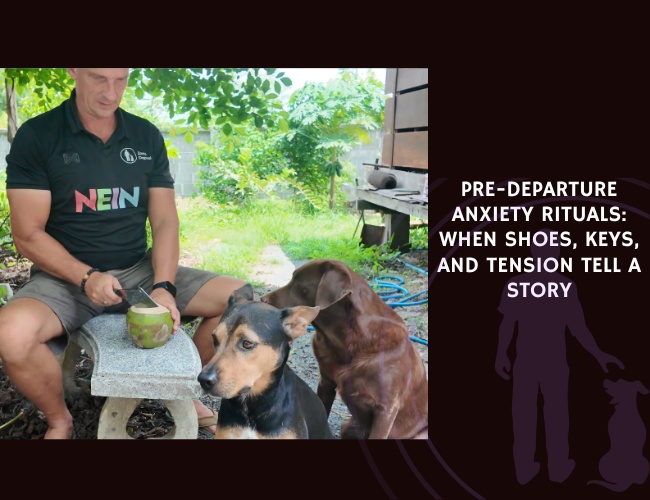
Pre-departure anxiety rituals represent one of the most fascinating intersections of canine cognition, emotional memory, and the deep bond between humans and their dogs.
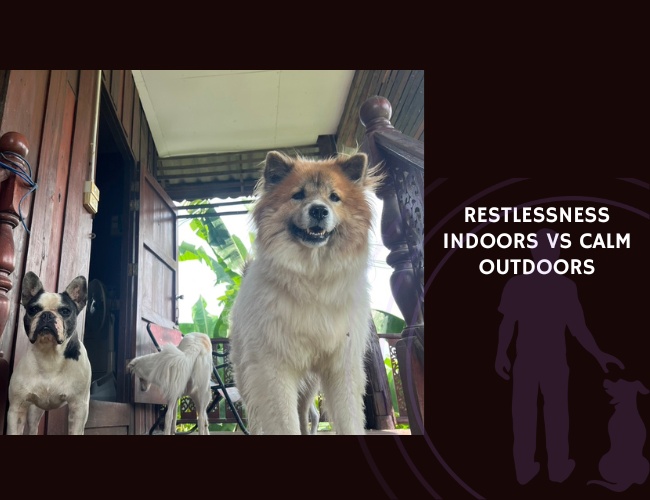
The indoor-outdoor behavioral paradox reveals something profound about how our dogs experience their world, how their internal emotional states interact with their environment, and what this means for their overall well-being.
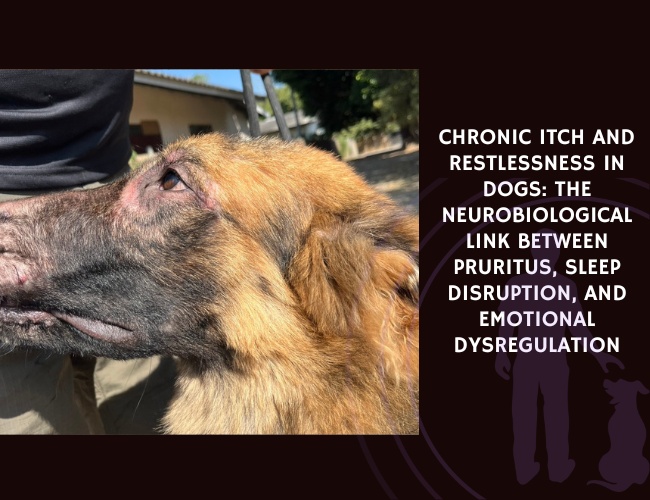
When scratching becomes constant, when your dog can’t seem to settle, when their skin shows signs of repeated trauma from persistent grooming, you’re witnessing something more significant.
The synthetic fragrances, chemical cleaners, air fresheners, and perfumed products we routinely use in our homes create what scientists call “environmental scent conflicts” – invisible stressors that can profoundly impact your dog’s emotional wellbeing, physical health, and ability to communicate.