

Did you know that your dog’s brain never truly stops learning? Whether your furry friend is a bouncy eight-week-old puppy or a dignified twelve-year-old senior, the capacity to learn, adapt, and grow remains woven into the very fabric of their neurobiology. For decades, many believed that dogs could only be “properly” trained during their early months. Everything after that? Supposedly just habit management.
Science tells a very different story.
A comprehensive body of research spanning neuroscience, developmental psychology, gerontology, and animal behaviour now reveals that dogs possess remarkable lifelong learning capacity. Their brains continuously reorganise, form new connections, and adapt to experience from the very first weeks of life through their golden years. This is not simple behavioural conditioning. It is genuine cognitive growth, shaped by neuroplasticity, cognitive reserve, emotional regulation, social bonds, nutrition, sleep, and the richness of their environment.
In this guide, we will walk you through every dimension of your dog’s learning brain. You will discover how neuroplasticity works across the canine lifespan, what happens during the sometimes confusing adolescent phase, why senior dogs still deserve cognitive challenge, and how you can actively support your dog’s brain health at every stage. Let us explore the science together, so you can give your dog the best foundation for a lifetime of learning 🐾
Neuroplasticity: Your Dog’s Brain Can Reorganise Itself for Life
What Neuroplasticity Actually Means
At its core, neuroplasticity refers to the brain’s intrinsic ability to reorganise itself. This happens through the formation of new neural connections, the modification of existing pathways, and the functional reorganisation of entire neural networks in response to experience, learning, environmental demands, and behavioural engagement.
Here is what makes this so exciting for dog owners: neuroplasticity is not limited to early development. It persists throughout the entire lifespan, though the mechanisms and extent of plasticity change across developmental stages. Your adult dog’s brain is still building and refining connections every single day.
Structural and Functional Neuroplasticity
Your dog’s brain adapts through two fundamental forms of plasticity, and understanding both helps you appreciate just how deeply experience shapes the brain.
Structural Neuroplasticity involves actual physical changes in brain anatomy. Think of it as the brain literally reshaping itself:
- Dendritic sprouting and synaptogenesis create new synaptic connections between neurons, building fresh pathways for information
- Myelination and oligodendrogenesis produce myelin-producing cells that wrap around nerve fibres, dramatically enhancing the speed and clarity of signal transmission
- Grey matter density changes occur in response to learning and practice, meaning brain regions that are used more frequently grow physically denser
- White matter reorganisation supports improved neural communication across different brain areas
Functional Neuroplasticity involves the reassignment of cognitive functions to different neural regions. This is the brain’s remarkable ability to work around limitations:
- When primary brain regions are damaged or underutilised, the brain activates compensatory alternative neural pathways to take over those functions
- The brain recruits additional regions to support learning and memory consolidation when existing resources are stretched
- Neural networks dynamically reorganise in response to environmental demands and cognitive challenge, shifting resources where they are needed most
Neuroplasticity Across the Lifespan
Research on cognitive development demonstrates clearly that neuroplasticity is not confined to early childhood but remains active throughout adulthood and into old age. The Scaffolding Theory of Maturation, Cognition, Motor Performance, and Motor Skill Acquisition (known as the SMART COMPASS framework) provides an integrative approach showing how neural, environmental, and behavioural factors jointly shape cognitive and motor performance across the entire lifespan. This framework bridges neurobiological mechanisms like neuroplasticity and cognitive reserve with psychological drivers such as autonomy and self-efficacy, and learning principles into a unified, lifespan-oriented model.
Similarly, the Neuroplastic Learning Dynamics Model (NLDM) demonstrates that synaptic modifications, cortical reorganisation, and learning-induced connectivity changes occur during educational engagement throughout life. Research on exercise-induced neuroplasticity establishes a direct link between neural adaptability and learning performance, confirming that continued engagement actively supports cognitive development at every age.
Neuroplasticity in Aging: It Does Not Stop
This is perhaps the most encouraging finding for owners of older dogs. Neuroplasticity does not cease with age. Research on adult second language learning found evidence for functional reorganisation in older learners, though the extent and pattern of change may differ from younger adults. Studies on aging and motor learning demonstrate that despite age-related declines in motor performance, older adults maintain the capacity for skill improvement through training, accompanied by neuroplastic changes in brain structure, function, and neurochemistry.
The dynamic Neurocognitive Adaptation (dNA) framework further expands our understanding of resilience in aging by defining it as a lifelong process of adaptive engagement across cognitive, physical, creative, and social domains that shape neural integrity and cognitive outcomes over time. This framework illustrates how lifelong adaptive behaviours support neural integrity and cognitive health across aging and even in the context of neurodegenerative disease risk.
What does this mean for your dog? It means that even as your companion ages, their brain retains the fundamental machinery for learning and adaptation. The key is continuing to provide the right kind of stimulation and support 🧠
What Canine-Specific Research Tells Us About Neuroplasticity
While much of our understanding of neuroplasticity draws on human and rodent research, direct canine studies have begun to paint a species-specific picture that strengthens the case for lifelong learning in dogs.
The Family Dog Project at Eötvös Loránd University in Budapest has produced some of the most significant findings in canine cognitive science. Their research has demonstrated that dogs possess sophisticated social cognitive abilities, including the capacity to follow human communicative cues, interpret pointing gestures, and adjust behaviour based on the attentional state of humans. These abilities are not fixed at birth but continue to refine through social experience across the lifespan, providing direct evidence that canine cognitive architecture remains plastic well beyond puppyhood.
The Vienna Canine Cognitive Battery, developed at the Clever Dog Lab at the University of Veterinary Medicine Vienna, offers a standardised set of cognitive tests specifically designed for dogs. Research using this battery has revealed that cognitive abilities in dogs are not monolithic. Instead, different cognitive domains such as means-end understanding, social learning, memory, and logical reasoning can develop at different rates and remain independently trainable throughout life. Key findings from canine-specific neuroplasticity research include:
- Dogs trained in complex tasks such as scent detection and assistance work show measurable changes in brain structure, including increased grey matter density in task-relevant regions
- Older dogs exposed to cognitive enrichment protocols demonstrate improved performance on problem-solving tasks compared with age-matched controls who received no enrichment
- Working dogs who continue active service into their senior years maintain higher levels of cognitive function than retired dogs of the same age
- Dogs raised in enriched environments show greater dendritic complexity and synaptic density than dogs raised in impoverished settings, and this effect persists into adulthood
- Canine neuroimaging studies using fMRI reveal that dogs process human voices and emotional tones in brain regions analogous to human voice-selective areas, and this processing can be refined through social experience
These findings confirm that the neuroplasticity principles observed in humans and laboratory animals operate robustly in domestic dogs, and that continued cognitive engagement directly supports neural health across the canine lifespan.
Lateralisation: What Your Dog’s Paw Preference Reveals About Their Brain
One of the more fascinating areas of canine neuroscience involves lateralisation, the tendency for the two hemispheres of the brain to process information differently. Just as most humans are right-handed, dogs also display paw preferences, and these preferences offer a window into their emotional processing and learning readiness.
Research on canine lateralisation has uncovered several important patterns:
- Dogs who show a strong paw preference, whether left or right, tend to display more confident and emotionally stable behaviour than ambilateral dogs (those with no consistent preference)
- Left-pawed dogs tend to score higher on measures of reactivity and may show stronger fear and anxiety responses, which is consistent with right-hemisphere dominance for processing negative emotions
- Right-pawed dogs tend to show calmer, more approach-oriented behaviour, reflecting left-hemisphere dominance for positive emotional processing
- Tail-wag asymmetry reveals emotional valence: dogs wag more to the right side of their body when experiencing positive emotions (seeing their owner) and more to the left when experiencing negative or uncertain emotions (seeing an unfamiliar dominant dog)
- Nostril use during scent investigation is lateralised, with the right nostril (right-hemisphere processing) used initially for novel or potentially threatening scents before switching to the left nostril for familiar, non-threatening ones
What does this mean for training and learning? Dogs with strong lateralisation tend to show better emotional regulation and may be more receptive to learning in novel environments. Understanding your dog’s emotional processing style can help you tailor your approach, choosing calmer environments for dogs who show signs of right-hemisphere dominance in emotional processing, and providing more structured challenge for confident, left-hemisphere-dominant learners.
Oxytocin: The Neurochemistry of the Human-Dog Bond
You have probably heard oxytocin called the “love hormone” or the “bonding hormone.” In the context of canine learning, it plays a role that goes far beyond simple feel-good chemistry. Oxytocin is a neuropeptide that directly modulates social cognition, trust, and learning capacity in both dogs and humans.
Research has revealed a remarkable finding: when dogs and their owners gaze into each other’s eyes, both experience a surge in oxytocin levels. This mutual oxytocin loop mirrors the bonding mechanism observed between human mothers and infants and is unique among domesticated animals. No other species, not even hand-raised wolves, triggers this neurochemical feedback loop with humans.
The effects of oxytocin on canine learning and behaviour are substantial:
- Oxytocin enhances social attention, making dogs more responsive to human communicative cues such as pointing, gaze direction, and verbal commands
- Dogs given intranasal oxytocin show increased gazing behaviour toward their owners and improved performance on tasks requiring social cooperation
- Oxytocin reduces cortisol levels and dampens the stress response, creating a neurochemical environment more conducive to learning
- The hormone strengthens social memory, helping dogs remember and preferentially respond to familiar, trusted caregivers
- Oxytocin promotes affiliative behaviour and social approach, which increases the frequency and quality of learning opportunities through social interaction
Through the NeuroBond approach, this oxytocin-mediated bond between human and dog becomes more than affection. It becomes the neurochemical infrastructure that supports learning at every age.
Cortisol Recovery: Why Timing Matters After Stress
Understanding your dog’s stress physiology has direct, practical implications for training timing and effectiveness. When your dog experiences a stressful event, whether a frightening encounter, a visit to the veterinarian, or an overwhelming social situation, the HPA axis activates and cortisol floods the system.
Research on canine cortisol dynamics reveals critical information for anyone who trains or lives with dogs:
- After an acute stressful event, cortisol levels in dogs typically peak within 15 to 30 minutes
- Full cortisol recovery to baseline levels generally takes between 40 minutes and 2 hours, depending on the intensity of the stressor and the individual dog’s resilience
- Some dogs, particularly those with a history of chronic stress, trauma, or insecure attachment, may show prolonged cortisol elevation lasting several hours
- Cortisol levels remain elevated for longer after social stressors (conflict with another dog, punishment from a human) compared with non-social stressors (a loud noise, a novel environment)
- Repeated stress exposure without adequate recovery time leads to cortisol dysregulation, where the dog either remains chronically elevated or develops a blunted cortisol response, both of which impair learning
The practical takeaway is clear: do not attempt to train or introduce new learning within the cortisol recovery window after a stressful event. Allow your dog time to return to baseline before engaging in any cognitive challenge. Signs that your dog has recovered and is ready to learn include:
- Relaxed body posture with soft muscles and loose movement
- Willingness to take food or engage with toys
- Returning to normal breathing patterns
- Seeking social contact or proximity voluntarily
- Showing curiosity about the environment rather than scanning for threats
Epigenetics: How a Mother’s Experience Shapes Puppy Cognition Before Birth
Before a puppy even takes its first breath, the foundation for its cognitive capacity is already being shaped by forces beyond its own genes. Epigenetics, the study of how gene expression is modified by environmental factors without changing the DNA sequence itself, reveals that a mother’s experience during pregnancy has lasting effects on her offspring’s brain development.
In canine research and closely related mammalian studies, several epigenetic pathways influence puppy cognition:
- Maternal stress during pregnancy can alter the expression of genes involved in the puppy’s HPA axis development, resulting in offspring that are more reactive to stress and slower to recover, both of which impair learning capacity throughout life
- Maternal nutrition during gestation affects the epigenetic regulation of genes involved in neurotransmitter synthesis, neural growth factor production, and synaptic plasticity in the developing puppy brain
- Prenatal cortisol exposure from a chronically stressed mother can epigenetically program the puppy’s amygdala for heightened fear reactivity, making the puppy more anxious and less exploratory from birth
- Positive maternal care after birth, including licking, grooming, and nursing behaviour, produces epigenetic changes that enhance the puppy’s capacity for emotional regulation, stress resilience, and social learning
- Early environmental enrichment during the neonatal period activates epigenetic switches that promote BDNF (brain-derived neurotrophic factor) expression, a protein critical for neuroplasticity, learning, and memory consolidation
These findings carry profound implications for breeders, rescue organisations, and puppy owners. A pregnant dog who is kept in stressful, impoverished conditions is not just suffering herself. She is epigenetically programming her puppies for compromised cognitive and emotional development. Conversely, providing a calm, enriched, and well-nourished environment for pregnant and nursing dogs gives their puppies the best possible epigenetic foundation for lifelong learning 🧡

Cognitive Reserve: Building Your Dog’s Resilience Against Decline
Understanding Cognitive Reserve
Imagine two senior dogs of the same age and breed. One has spent a lifetime engaged in varied activities, mental challenges, social interactions, and exploratory adventures. The other has lived a routine-heavy life with little cognitive stimulation. Both may show similar age-related changes in their brain tissue, yet the first dog remains sharp, adaptable, and eager to learn, while the second struggles with confusion and rigidity.
This difference is explained by cognitive reserve, the brain’s capacity to maintain cognitive function despite neuropathology, neural damage, or age-related decline. Rather than a fixed structural property, cognitive reserve is a dynamic process built through lifelong experiences, activities, and cognitive engagement that create alternative neural pathways and functional flexibility.
Cognitive reserve explains the discrepancy between the degree of brain damage and the way an individual actually responds. It is based on current brain activity, which is formed by all the experiences and activities accumulated throughout life. Two related constructs support it:
- Brain Reserve refers to the structural capacity of the brain itself, including brain size, number of neurons, and synaptic density
- Cognitive Reserve refers to the functional flexibility and efficiency of neural networks, allowing the brain to compensate for damage or decline through alternative processing strategies
How to Build Cognitive Reserve Through Lifelong Engagement
Research demonstrates that cognitive reserve can be actively built and maintained through several pathways, and every one of them has a direct parallel in your dog’s life:
Cognitive Stimulation means engaging in mentally challenging activities that demand executive function, problem-solving, memory, and learning. Successful cognitive aging can be achieved through cognitive exercise, allowing the brain to remain active and dynamic even at later ages. For dogs, this translates to puzzle toys, scent work, learning new commands, and problem-solving games that keep the mind working.
Multilingualism and Language Learning in human research shows that both lifelong multilingualism and later-life language learning contribute to developing brain and cognitive reserve by engaging cognitive control and inducing neurocognitive adaptations. New language acquisition in older adults boosts executive processes such as inhibition, selection, and conflict management, which often decline with age. In dogs, the equivalent is learning new cue systems, hand signals, or multi-step command sequences that challenge cognitive control.
Music and Multisensory Learning shows that multisensory engagement enhances cognitive and behavioural outcomes while fostering positive and inclusive learning environments that support emotional well-being and social engagement. Brain-inspired multisensory learning engages neural networks supporting executive function, memory, and social cognition. For your dog, exposure to varied sounds, textures, and complex sensory environments serves a similar function.
Gamified Learning integrates game mechanics into educational contexts, optimising learning outcomes through mechanisms that enhance brain networks, cognitive skills, and emotional regulation. Play-based training that incorporates challenge, novelty, and reward effectively gamifies your dog’s learning experience.
Physical Exercise provides powerful support for neuroplasticity through enhanced vascular function. Research suggests that starting exercise in early adulthood and continuing throughout life leads to significant neurocognitive benefits compared with starting later. Your dog’s daily walks, runs, and active play are not just physical outlets but active investments in brain health.
Lifelong Adaptive Engagement across cognitive, physical, creative, and social domains throughout the lifespan shapes neural integrity and cognitive outcomes. A dog who experiences variety, challenge, and meaningful social connection throughout life is building cognitive reserve every single day.
How Cognitive Reserve Protects Against Decline
The protective power of cognitive reserve becomes most apparent during aging and in the face of neurodegenerative disease. Dogs with higher cognitive reserve show:
- Better preservation of cognitive function despite neuropathology
- Slower rates of cognitive decline
- Greater capacity to compensate for neural damage through alternative processing strategies
- Enhanced resilience to stress and environmental challenges
This protective effect is particularly important in understanding why some older dogs maintain cognitive flexibility and learning capacity despite age-related neural changes, while others experience more pronounced decline. The difference is not just genetics. It is a lifetime of cognitive engagement 🐾
Executive Function: The Cognitive Engine Behind Learning
Executive function comprises a set of cognitive processes that enable goal-directed behaviour, adaptive decision-making, and flexible response to environmental demands. You might think of it as your dog’s cognitive control centre, and it includes several key components:
Working Memory is the ability to temporarily hold, manipulate, and integrate information necessary for ongoing cognitive tasks. Working memory supports learning by allowing your dog to maintain attention on relevant information while filtering distractions. When your dog remembers a multi-step command sequence or holds a stay while you walk away, working memory is at work.
Inhibitory Control is the capacity to suppress prepotent, meaning automatic or habitual, responses in favour of more adaptive alternatives. Inhibitory control enables dogs to override instinctive reactions and follow learned commands, particularly when competing motivations are present. A dog sitting calmly while a squirrel runs past is demonstrating inhibitory control.
Attention and Selective Focus is the ability to direct cognitive resources toward relevant information while filtering irrelevant stimuli. Attention is essential for encoding new information and maintaining focus during learning. Without it, new information simply cannot enter the learning pipeline.
Cognitive Flexibility is the capacity to shift between mental sets, adapt strategies when circumstances change, and generate novel solutions to problems. Cognitive flexibility is critical for generalising learning across contexts and adapting behaviour to new situations. A dog who can perform commands reliably in the park, at home, and at the vet demonstrates strong cognitive flexibility.
Planning and Goal-Directed Behaviour is the ability to formulate plans, anticipate consequences, and organise behaviour toward long-term objectives rather than immediate gratification.
Research on canine cognition demonstrates that breed differences exist in social cognition, problem-solving, and inhibitory control. Breeds developed for herding, obedience, or working tasks often carry genetic predispositions that enhance trainability, including attentiveness to human cues, impulse control, and willingness to cooperate. However, individual variation within breeds is substantial, and environmental factors, particularly early socialisation and training methodology, significantly influence the development and expression of executive function.
Testing Cognitive Flexibility: Reversal Learning, Detour Tasks, and Means-End Understanding
Cognitive flexibility is not an abstract concept. Researchers have developed specific tasks to measure it in dogs, and many of these can be adapted into enrichment exercises you can do at home.
Reversal Learning is one of the most well-established tests of cognitive flexibility in animal cognition. In a reversal learning task, a dog is first taught that one choice is rewarded, for example, choosing the left bowl to find a treat. Once the dog reliably selects the correct option, the reward is switched to the opposite side. The speed at which a dog adjusts to this reversal measures how flexibly their brain can abandon an established rule and adopt a new one. Dogs with strong executive function adapt quickly, while dogs with weaker cognitive flexibility persist in choosing the previously correct option. What makes reversal learning particularly informative is that it tests:
- The ability to inhibit a previously rewarded response
- The capacity to detect that environmental rules have changed
- The willingness to try a new strategy when the old one stops working
- The speed of updating internal models based on new feedback
Detour Tasks measure a dog’s ability to navigate around a transparent barrier to reach a visible reward. The dog can see the treat through the barrier but must inhibit the direct approach and instead move away from the reward in order to go around it. This requires the integration of spatial reasoning with impulse control. Dogs who solve detour tasks efficiently demonstrate sophisticated means-end understanding, the recognition that an indirect route can achieve a goal that a direct approach cannot.
Means-End Understanding refers broadly to a dog’s capacity to comprehend causal relationships between actions and outcomes. This includes tasks like pulling a string to retrieve a treat, using a tool to move food within reach, or manipulating a lever to open a container. Dogs who demonstrate strong means-end understanding show:
- Causal reasoning about object relationships
- The ability to use intermediary actions to achieve a goal
- Problem-solving that goes beyond simple trial and error
- Transfer of learned solutions to novel but structurally similar problems
You can integrate cognitive flexibility training into your dog’s daily enrichment through these practical exercises:
- Treat-under-cup reversal games where you switch which cup hides the reward after your dog has learned the pattern
- Barrier detour challenges using baby gates, furniture, or outdoor obstacles where the dog must go around to access a toy or treat
- Multi-step puzzle feeders that require sequential actions to access food
- Novel object manipulation tasks where your dog must figure out how to interact with an unfamiliar object to earn a reward
- Location reversal on walks where you change your usual route or reverse direction, requiring spatial recalibration
Puppyhood: Building the Foundation for a Lifetime of Learning
Critical and Sensitive Periods
Early puppyhood represents a period of heightened neuroplasticity and rapid learning. During this remarkable developmental window, your puppy’s brain is doing extraordinary work:
- Rapid synaptogenesis means the puppy brain forms new synaptic connections at an accelerated rate, creating the neural substrate for all future learning
- Sensitive periods for socialisation make exposure to varied people, environments, sounds, and experiences during early puppyhood shape social cognition and emotional regulation throughout life
- Foundation of emotional safety through early experiences with caregivers establishes patterns of attachment, trust, and emotional regulation that influence learning capacity and behavioural flexibility throughout life
Research demonstrates that puppies exposed to a variety of people, surfaces, sounds, and settings during early development are more adaptable and easier to train. Early socialisation experiences literally shape the developing brain, establishing neural patterns that support social learning, emotional regulation, and adaptive behaviour. Through the NeuroBond approach, this early trust between puppy and caregiver becomes the very foundation of learning.
How Puppies Learn
Puppies come equipped with a rich toolkit of learning mechanisms:
- Classical Conditioning allows association between neutral stimuli and biologically significant events, such as the sound of a food bowl predicting feeding
- Operant Conditioning teaches that specific behaviours produce rewarding or aversive consequences
- Observational Learning enables puppies to acquire behaviour by watching other dogs and humans
- Habituation reduces responses to repeated, non-threatening stimuli, helping puppies become comfortable with everyday sounds and experiences
- Sensitisation increases responses to repeated, significant stimuli that require attention
The puppy’s brain is exquisitely sensitive to environmental input, and experiences during this period establish templates for future learning and behaviour. What your puppy encounters now shapes the architecture of their adult brain.
The Critical Role of Play in Cognitive Development
Play is far more than fun. It serves critical functions in your puppy’s cognitive development:
Exploration and Learning: Play provides safe opportunities to explore the environment, test boundaries, and learn consequences. When a puppy tumbles off a cushion or discovers that biting a toy squeaks, they are building a mental model of how the world works.
Social Learning: Play with littermates and humans teaches social communication, impulse control, and cooperative behaviour. A puppy who learns that biting too hard ends a play session is developing sophisticated social intelligence.
Emotional Regulation: Play helps puppies learn to modulate arousal, manage frustration, and recover from stress. These skills form the foundation of emotional resilience throughout life.
Executive Function Development: Play requires working memory, inhibitory control, attention shifting, and flexible responding. Every game of tug, chase, or hide-and-seek is a workout for the cognitive control centre.
The SEEKING and PLAY systems identified in affective neuroscience provide powerful motivational foundations for exploration and learning during puppyhood. When these systems are activated in a context of emotional safety, puppies develop robust learning capacity and behavioural flexibility that will serve them throughout life 🧡
Adolescence: When Your Dog’s Brain Rewires Itself
Understanding the Adolescent Brain
If your teenage dog suddenly seems to have forgotten everything they ever learned, you are not imagining it, and you are definitely not alone. Adolescence represents a critical period of neural reorganisation, and understanding what is happening inside your dog’s brain during this phase can transform frustration into compassion.
Research on forebrain development demonstrates that adolescence is a unique phase of neuroplasticity. During this period, perineuronal nets (PNNs), which are extracellular matrix structures that stabilise synaptic connections, have been established, but microglia, the immune cells involved in synaptic pruning, remain relatively high. This creates a dynamic reorganisation window in which several processes unfold simultaneously:
- Synaptic pruning eliminates unused neural connections, refining and streamlining neural circuits for greater efficiency
- Myelination continues as white matter develops, improving neural communication efficiency
- Prefrontal cortex maturation means the brain regions supporting executive function, impulse control, and long-term planning are still actively developing
- Reorganisation of social and emotional circuits means neural systems supporting social behaviour, emotional regulation, and motivation undergo substantial restructuring
Why Adolescent Dogs Seem to “Forget” What They Learned
Adolescent dogs often display what appears to be regression in previously learned behaviours:
- Commands that were reliably followed may be ignored or delayed
- Impulse control may temporarily decrease, leading to jumping, pulling, or counter-surfing
- Reactivity to novel stimuli may increase, with overreactions to things that previously did not bother them
- Social behaviour may become less predictable, including increased rough play or selective responsiveness
These changes reflect not a loss of learning capacity but rather the neural reorganisation occurring during this developmental period. The adolescent brain is literally rewiring itself, and previously established neural patterns may be temporarily destabilised during this process. Your dog has not forgotten their training. Their brain is restructuring the very pathways that support it.
Supporting Your Dog Through Adolescence
Effective support during this sometimes challenging phase includes:
- Maintaining consistency with clear, predictable structure to help stabilise behaviour during neural reorganisation
- Continuing socialisation with exposure to varied experiences that supports the development of flexible social and emotional responses
- Providing appropriate challenge through progressively complex cognitive tasks that support executive function development
- Ensuring emotional safety by maintaining a secure, supportive environment that is critical during this period of neural vulnerability
- Practising patience and understanding by recognising that apparent regression reflects developmental processes rather than wilful disobedience
This is a phase. It passes. And the neural architecture that emerges from it will be more refined, more efficient, and more resilient than what came before 😄
Adulthood: Consolidation and Continued Growth
What Adult Dogs Can Still Learn
Adult dogs retain substantial learning capacity. While the rate of learning may be somewhat slower than in puppies, and the mechanisms of neuroplasticity may differ, adult dogs can absolutely continue to grow cognitively:
- Acquire entirely new behaviours and skills at any point in adulthood
- Modify and reshape established behaviour patterns that no longer serve them
- Generalise learning across contexts, applying what they learned at home to new environments
- Develop increasingly sophisticated problem-solving strategies through experience
- Strengthen executive function through appropriate and progressive challenge
The adult brain has completed major developmental reorganisation, resulting in more stable neural patterns. This stability provides advantages, including greater consistency and reliability, alongside potential disadvantages such as less flexibility in some contexts. However, appropriate environmental enrichment and cognitive challenge can maintain and even enhance learning capacity throughout adulthood. The Invisible Leash between you and your dog, that quiet thread of awareness and connection, remains a powerful channel for lifelong learning.
Training Methodology That Works for Adult Dogs
Effective training of adult dogs incorporates several evidence-based approaches:
Positive Reinforcement is the gold standard. Research comparing training methods found that positive reinforcement, including praise, food rewards, and play, leads to better obedience and fewer behavioural problems than punishment-based methods. Reward-based training improves learning efficiency and supports your dog’s welfare by reducing anxiety and stress.
Consistency and Routine cannot be overstated. Consistency is one of the most important elements of dog education. Dogs are pattern-based learners and thrive on predictable routines. Repeating commands, maintaining clear structure, and reinforcing the same cues across all household members improve understanding and reliability.
Frequent Short Sessions of five to ten minutes are often more effective than long, irregular sessions. Incorporating training into daily routines, such as having your dog sit before meals or wait calmly before walks, reinforces behaviour naturally and keeps learning integrated into everyday life.
Adaptation to Individual Temperament is essential because no two dogs learn identically. Training should be adapted to your dog’s personality. Energetic breeds may require mental stimulation and structured tasks, while calmer or older dogs may learn at a different pace. Meeting your dog where they are is always more effective than forcing a one-size-fits-all approach.
Errorless Learning vs. Trial-and-Error: Choosing the Right Approach
Not all learning strategies are created equal, and understanding the difference between errorless learning and trial-and-error learning can help you choose the most effective approach for your dog’s specific situation.
Errorless learning is a training methodology in which the environment is structured so that the dog is guided toward the correct response from the very beginning, with errors prevented or minimised. The trainer sets up the situation so that success is almost guaranteed, then gradually increases difficulty. This approach works by:
- Building a strong reinforcement history for the correct behaviour before any incorrect alternatives are experienced
- Preventing the dog from practising and inadvertently reinforcing wrong responses
- Reducing frustration and preserving motivation, especially in dogs with low frustration tolerance
- Creating strong, clean neural pathways for the desired behaviour without interference from competing error patterns
Errorless learning is particularly effective for:
- Dogs recovering from trauma or learned helplessness who need to rebuild confidence
- Teaching behaviours where errors could be self-reinforcing, such as recall training where a failed recall is intrinsically rewarding because the dog gets to keep doing what it was doing
- Senior dogs whose cognitive resources are limited and who benefit from clear, unambiguous learning pathways
- Puppies during early training when you want to establish clean behavioural patterns from the start
Trial-and-error learning, by contrast, allows the dog to experiment with different responses and discover the correct one through consequences. This approach has its own strengths:
- It develops problem-solving skills and cognitive flexibility
- It builds frustration tolerance and persistence
- It encourages creative thinking and innovation
- It better prepares dogs for unpredictable real-world situations where no one is structuring the environment for them
The most effective training programmes use both approaches strategically, employing errorless learning when establishing new behaviours and building confidence, then introducing controlled opportunities for trial-and-error to develop resilience and cognitive flexibility once the foundation is secure.
Learned Helplessness vs. Genuine Compliance: A Critical Distinction
One of the most important and most frequently misunderstood concepts in dog training is the distinction between learned helplessness and genuine compliance. On the surface, both can look remarkably similar: a dog who is still, quiet, and seemingly cooperative. But beneath that surface, the neurological and emotional realities are vastly different.
Genuine compliance looks like this:
- The dog makes a choice to cooperate based on understanding and positive association
- Body language is relaxed with soft eyes, loose muscles, and a neutral or gently wagging tail
- The dog can easily shift to other behaviours when released from the task
- The dog shows willingness to engage with new challenges and novel situations
- Cortisol levels remain low and the dog recovers quickly from mild stressors
Learned helplessness looks like this:
- The dog has ceased trying because previous attempts to control outcomes were met with unpredictable or unavoidable aversive consequences
- Body language shows subtle stress signals including whale eye, lip licking, tense muscles, lowered body posture, or a tucked tail
- The dog is slow to initiate behaviour and appears “shut down” or “frozen”
- The dog avoids novelty and is reluctant to try new things for fear of making errors
- Cortisol levels may be chronically elevated or paradoxically blunted, reflecting HPA axis dysregulation
The danger lies in owners and trainers mistaking learned helplessness for a “well-behaved” or “calm” dog. A dog in learned helplessness is not calm. They are cognitively and emotionally shut down, and their capacity for genuine learning has been severely compromised. Recognising the difference requires paying careful attention to the full picture of your dog’s body language, willingness to explore, and emotional recovery patterns.
Extinction Bursts: Why Things Get Worse Before They Get Better
If you have ever tried to change one of your dog’s established behaviours and found that the behaviour temporarily got dramatically worse before it improved, you have experienced an extinction burst, and understanding this phenomenon can prevent you from giving up at exactly the wrong moment.
An extinction burst occurs when a previously reinforced behaviour suddenly stops producing the expected reward. The dog’s initial response is not to give up but to escalate. The behaviour increases in frequency, intensity, or duration as the dog essentially “tries harder” to make the old strategy work.
Here is a typical extinction burst sequence:
- Phase 1: Established behaviour. The dog barks at the dinner table and sometimes receives food. The barking is intermittently reinforced and becomes a stable pattern.
- Phase 2: Extinction begins. You decide to stop rewarding the barking entirely. No more food from the table, no attention, no eye contact.
- Phase 3: The burst. The barking gets louder, longer, and more insistent. The dog may add new behaviours like pawing, whining, or jumping. This is the extinction burst, the brain’s last-ditch effort to make the old strategy produce results.
- Phase 4: Extinction. If you hold firm through the burst, the behaviour decreases and eventually stops. But if you give in during the burst, you have now reinforced a more intense version of the behaviour, making it even harder to eliminate next time.
Critical things to understand about extinction bursts:
- They are a sign that extinction is working, not that it is failing
- They are temporary, typically lasting hours to a few days for most behaviours
- Giving in during a burst teaches the dog that escalation works, which worsens the behaviour long-term
- The burst can include emotional frustration, which is normal and not harmful in itself, but should be monitored
- Combining extinction with reinforcement of an alternative behaviour (differential reinforcement) reduces the intensity and duration of the burst
Learning. Never. Stops.
Your dog’s brain remains capable of change. Neuroplasticity allows neural connections, pathways, and brain networks to reorganise through experience, learning, and engagement throughout life.
Age changes the process, not the potential. Puppies build rapidly, adults refine existing networks, and seniors can continue strengthening cognitive pathways through meaningful challenge and environmental interaction.
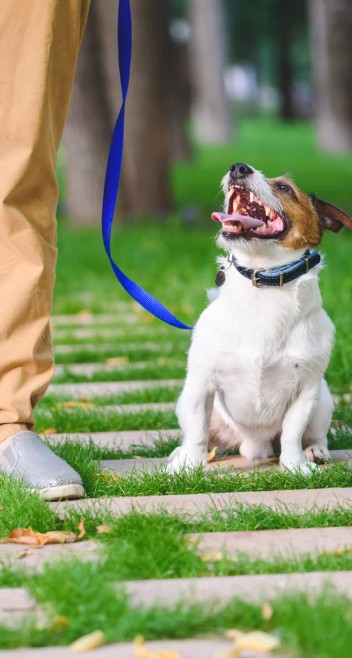

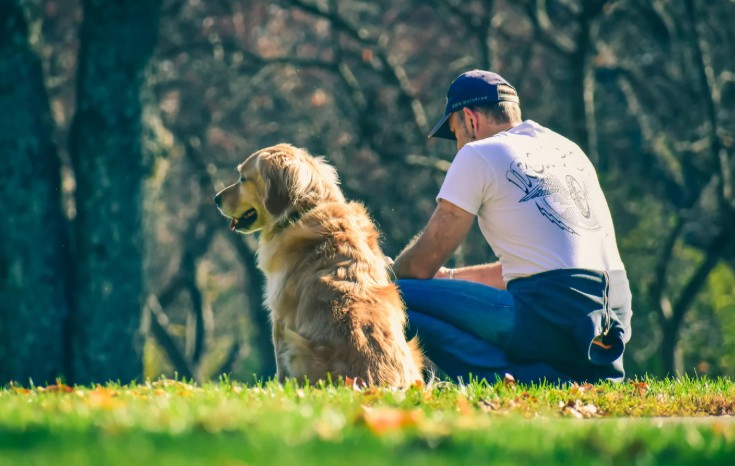
Every experience leaves a trace. Training, social connection, exploration, and mental stimulation continuously shape the brain, turning everyday life into an opportunity for cognitive growth. 🐾
Senior Dogs: Aging Brains That Still Want to Learn
Age-Related Changes in Cognition
As dogs age, they typically experience changes in cognitive function. Their memory, ability to learn, awareness, and senses of sight and hearing can all deteriorate. However, and this is crucial, these changes do not necessarily eliminate learning capacity.
Cognitive Dysfunction Syndrome (CDS) represents a specific condition affecting aging dogs, characterised by the acronym CRASH:
- Confusion and disorientation, such as getting lost in familiar spaces or staring at walls
- Responsiveness and recognition decreases, including failing to recognise familiar people
- Activity changes, either restlessness or unusual lethargy
- Sleep-wake cycle disturbances, such as pacing at night or sleeping excessively during the day
- House training lapses, including accidents in previously reliable dogs
However, not all age-related behavioural changes reflect cognitive dysfunction. Many changes in behaviour can be signs of treatable medical disorders, and there are a variety of therapies that can provide comfort and manage symptoms, including pain. Always consult your veterinarian when you notice changes in your senior dog.
A Timeline of Typical Cognitive Changes by Age
Understanding what to expect at each stage of aging helps you respond appropriately and intervene early when needed. While every dog ages differently and breed size significantly affects lifespan, the following general timeline applies:
Ages 7 to 9 (Early Senior):
- Subtle slowing of learning speed, though new skills can still be acquired reliably
- Slight decrease in working memory, meaning multi-step commands may require more repetition
- Beginning of sensory changes, particularly decreased hearing acuity for high-frequency sounds
- Mild reduction in physical endurance and speed of movement
- Most dogs in this bracket remain cognitively sharp with appropriate stimulation
Ages 10 to 12 (Middle Senior):
- More noticeable memory changes, including occasionally forgetting routines or seeming confused in familiar settings
- Reduced cognitive flexibility, meaning adaptation to new environments or schedule changes becomes harder
- Sleep patterns begin to shift, with more daytime napping and possible nighttime restlessness
- Sensory decline becomes more apparent, affecting both vision and hearing
- Social behaviour may change, with some dogs seeking more closeness while others become more withdrawn
- This is the period when CDS symptoms most commonly first appear
Ages 13 and Beyond (Late Senior):
- Significant cognitive changes may become evident, including spatial disorientation and recognition difficulties
- Learning new behaviours requires more patience, repetition, and scaffolding, but remains possible
- Sleep-wake cycle disruption may become pronounced
- Anxiety and confusion may increase, particularly in unfamiliar environments or during disruptions to routine
- The protective value of cognitive reserve built throughout life becomes most apparent at this stage
🧠 Lifelong Learning in Dogs 🐾
How Neuroplasticity, Cognitive Reserve, and Emotional Safety Keep Your Dog’s Brain Growing at Every Age
Phase 1: Neuroplasticity
The Brain’s Lifelong Capacity to Reorganise🔵 What the Science Says
Neuroplasticity is the brain’s ability to form new neural connections, modify existing pathways, and functionally reorganise throughout life. It operates through two channels: Structural Neuroplasticity (dendritic sprouting, synaptogenesis, myelination, grey matter density changes) and Functional Neuroplasticity (compensatory pathways, recruitment of additional brain regions, dynamic network reorganisation).
🟠 Canine-Specific Evidence
• The Family Dog Project (Budapest) shows dogs refine social cognition through experience across their entire lifespan
• The Vienna Canine Cognitive Battery confirms different cognitive domains remain independently trainable at any age
• Dogs trained in scent detection show measurable grey matter density increases in task-relevant brain regions
• Working dogs who continue active service maintain higher cognitive function than retired dogs of the same age
🟢 What This Means for You
Your dog’s brain never stops building connections. The SMART COMPASS framework and dNA framework both confirm that continued engagement across cognitive, physical, and social domains actively shapes neural integrity — even into old age. Every training session, every new walk route, every puzzle toy is literally reshaping your dog’s brain architecture.
Phase 2: Cognitive Reserve & Executive Function
Building Resilience Against Cognitive Decline🔵 Brain Reserve vs. Cognitive Reserve
Brain Reserve = structural capacity (brain size, neuron count, synaptic density). Cognitive Reserve = functional flexibility that lets the brain compensate for damage through alternative processing strategies. Together, they explain why two dogs with similar brain aging can show vastly different cognitive outcomes.
🟠 The Five Pillars of Executive Function
• Working Memory — holding and manipulating information during tasks
• Inhibitory Control — suppressing automatic responses for better alternatives
• Attention & Selective Focus — filtering relevant from irrelevant stimuli
• Cognitive Flexibility — shifting strategies when circumstances change
• Planning & Goal-Directed Behaviour — organising behaviour toward long-term objectives
🟢 Reserve-Building Activities
Build cognitive reserve through: puzzle toys and scent work (cognitive stimulation), new cue systems and hand signals (language-equivalent challenge), varied sensory environments (multisensory learning), play-based training with novelty and reward (gamified learning), daily walks, runs, and active play (physical exercise), and varied social engagement throughout life (adaptive engagement).
Phase 3: Puppyhood (0–6 Months)
The Foundation for a Lifetime of Learning🔵 What Happens in the Puppy Brain
• Rapid synaptogenesis — new synaptic connections form at an accelerated rate
• Sensitive periods for socialisation (3–14 weeks) shape social cognition and emotional regulation for life
• Attachment templates establish patterns of trust and emotional regulation
• Epigenetic programming — maternal stress, nutrition, and care during pregnancy and nursing shape gene expression affecting BDNF, HPA axis development, and amygdala reactivity
🟠 Learning Mechanisms Online
Puppies learn through five core mechanisms: classical conditioning (food bowl sound → feeding), operant conditioning (behaviour → consequence), observational learning (watching other dogs and humans), habituation (reduced response to non-threats), and sensitisation (increased response to significant stimuli). The SEEKING and PLAY systems provide the motivational engine.
🟢 Play = Brain Development
Play is not optional — it builds exploration skills, social communication, emotional regulation, and executive function simultaneously. Every game of tug, chase, or hide-and-seek is a cognitive workout. Puppies need 18–20 hours of sleep daily to consolidate all this learning.
Phase 4: Adolescence (6–18 Months)
Neural Rewiring, Not Disobedience🔵 The Adolescent Brain Reorganises
Perineuronal nets (PNNs) have been established, but microglia remain high, creating a dynamic reorganisation window. Four major processes occur simultaneously: synaptic pruning (eliminating unused connections), continued myelination (faster signal transmission), prefrontal cortex maturation (executive function still developing), and social-emotional circuit restructuring.
🔴 What Looks Like Regression Is Development
• Commands once reliably followed may be ignored or delayed
• Impulse control temporarily decreases (jumping, pulling, counter-surfing)
• Reactivity to novel stimuli increases
• Social behaviour becomes less predictable
Your dog hasn’t forgotten. Their brain is restructuring the pathways that support the training.
🟢 How to Support This Phase
Maintain consistency and predictable structure. Continue socialisation. Provide progressive cognitive challenges. Ensure emotional safety — this is a period of neural vulnerability. Practise patience. This phase passes, and the architecture that emerges will be more refined and efficient than before.
Phase 5: Adulthood (1.5–7 Years)
Consolidation, Growth, and Behavioural Depth🔵 Stable Architecture, Ongoing Plasticity
The adult brain has completed major reorganisation, producing stable neural patterns. Adults can acquire new behaviours and skills, modify established patterns, generalise learning across contexts, develop sophisticated problem-solving, and strengthen executive function. Rate of learning may be slower, but depth and durability of learning often increase.
🟢 Evidence-Based Training Approaches
• Positive reinforcement — leads to better obedience and fewer behavioural problems than punishment
• Consistency and routine — dogs are pattern-based learners who thrive on predictability
• Frequent short sessions — 5–10 minutes outperform long, irregular sessions
• Temperament adaptation — match training to the individual dog’s learning style
• Errorless learning for new behaviours; trial-and-error for building resilience
🟠 Watch For: Learned Helplessness vs. Compliance
Genuine compliance: relaxed body, soft eyes, easy transitions, willingness to engage with novelty. Learned helplessness: shut-down appearance, whale eye, lip licking, avoidance of novelty, slow to initiate behaviour. A “well-behaved” dog may actually be cognitively shut down — not calm but defeated.
Phase 6: Senior Dogs (7+ Years)
Preserved Learning and Cognitive Protection🔵 Cognitive Timeline by Age
Ages 7–9: Subtle learning speed changes, slight working memory decline, early sensory shifts — most dogs remain sharp with stimulation. Ages 10–12: Noticeable memory changes, reduced flexibility, sleep pattern shifts, CDS symptoms may first appear. Ages 13+: Significant changes possible including spatial disorientation, but learning still occurs with patience and scaffolding.
🔴 CDS Warning Signs (CRASH)
Confusion/disorientation • Responsiveness decreases • Activity changes • Sleep-wake disturbances • House training lapses. But not all changes are CDS — many are treatable medical conditions or pain-related. Always consult your vet. Differentiate: Normal aging = gradual slowing. CDS = disorientation, recognition loss. Pain = sudden onset, movement-specific.
🟢 Senior Support Toolkit
• Environment: Night lights, non-slip surfaces, consistent furniture, raised bowls, ramps, clear pathways
• Supplements: Selegiline (Anipryl®), SAMe, phosphatidylserine, antioxidant cocktails (vit E+C, selenium), melatonin, L-theanine
• Nutrition: MCT oil for alternative brain fuel (ketone bodies bypass glucose hypometabolism)
• Enrichment: Gentle scent work, age-appropriate trick training, maintained social engagement
Phase 7: The Neuroscience of Learning
Stress, Memory, Neurotransmitters, and Oxytocin🔵 The Neurotransmitter Orchestra
• Dopamine — drives motivation and reward learning; released in anticipation of reward, not just after it
• Serotonin — regulates mood, impulse control, social behaviour, and sleep quality
• Norepinephrine — controls attention and arousal; too much = scattered focus, too little = lethargy
• Acetylcholine — essential for memory encoding, consolidation, and cognitive flexibility
• Oxytocin — the bonding neuropeptide; mutual gaze between dog and owner triggers a feedback loop unique among all domesticated species
🔴 Chronic Stress Destroys Learning Capacity
Chronic stress causes hippocampal dysfunction (impaired memory), prefrontal cortex impairment (reduced executive function), amygdala sensitisation (heightened fear), and neuroinflammation (reduced plasticity). Cortisol peaks 15–30 min after a stressor; full recovery takes 40 min to 2 hours. Never train during the cortisol window. This is why punishment-based training fails — fear impairs the exact systems needed for learning.
🟠 Four Memory Systems at Work
Declarative (commands, recognition), Procedural (skills, habits, motor sequences), Emotional (feelings during learning — stronger retention than repetitive drills), Spatial (routes, locations, environmental maps). Consolidation requires: sleep, emotional processing, spaced repetition, positive reinforcement, and contextual integration.
Phase 8: Nutrition, Sleep & Enrichment
Fuelling and Protecting the Learning Brain🔵 Brain-Boosting Nutrition
• Protein — amino acids for dopamine, serotonin, norepinephrine synthesis + myelin formation
• Omega-3s (EPA/DHA) — synaptic plasticity, anti-inflammation, emotional regulation. Dose: 250–500mg (small dogs) up to 1,500–2,000mg (giant breeds) daily
• Brain foods: Sardines, blueberries, liver, eggs (choline → acetylcholine), pumpkin, spinach, coconut oil (MCTs)
• Gut-brain axis: Fresh diets promote greater microbial diversity vs. ultra-processed kibble; microbiome shifts measurable within days
🟠 Sleep: The Silent Learning Partner
Dogs are polyphasic sleepers with ~20-minute sleep cycles (vs. 90 min in humans) and ~10–12% REM sleep (vs. 20–25% in humans). Sleep needs: Puppies 18–20h, Adolescents 14–18h, Adults 12–14h, Seniors 14–18h. Sleep consolidates memory, clears brain waste via the glymphatic system, resets synaptic homeostasis, and processes emotions. Naps after training are not laziness — they are consolidation.
🟢 Five Types of Enrichment
• Cognitive: Puzzle toys, scent work, new skills — directly engages executive function
• Sensory: Varied sounds, textures, scents — supports sensory processing
• Social: Human and dog interaction — supports emotional regulation and motivation
• Physical: Exploration, climbing, varied movement — motor development
• Exploratory: Novel environments — activates the SEEKING system
📊 Life Stage Comparison: Brain, Enrichment & Warning Signs
🐶 Puppy (0–6 Months)
Brain: Peak synaptogenesis, sensitive periods, attachment formation, epigenetic programming
Priority: Broad sensory exposure, safe social encounters, play-based learning
Warning: Extreme fearfulness, failure to recover from mild stress, inability to settle
Sleep: 18–20 hours/day
⚡ Adolescent (6–18 Months)
Brain: Synaptic pruning, myelination, prefrontal maturation, social-emotional circuit restructuring
Priority: Progressive challenges, continued socialisation, patience, emotional safety
Warning: Extreme reactivity beyond normal regression, persistent inability to focus, sudden aggression
Sleep: 14–18 hours/day
🎯 Adult (1.5–7 Years)
Brain: Stable architecture, ongoing slower plasticity, cognitive reserve building
Priority: Regular cognitive challenge, varied activity, new skills, tailored enrichment
Warning: Sudden behavioural changes, loss of interest, unexplained anxiety, social withdrawal
Sleep: 12–14 hours/day
🩶 Senior (7+ Years)
Brain: Gradual slowing, possible glucose hypometabolism, CDS risk, preserved but slower plasticity
Priority: Adapted challenges, environmental mods, nutritional brain support, sleep quality
Warning: Disorientation, house training regression, sleep disruption, recognition loss
Sleep: 14–18 hours/day
💔 Trauma/Deprivation Recovery
Brain: HPA axis dysregulation, amygdala hypertrophy, hippocampal atrophy, reduced BDNF
Priority: Re-establish safety, errorless learning, social buffering, gentle sensory exposure, extended timelines
Warning: Shut-down behaviour mistaken for calmness, chronic hypervigilance, inability to settle
Key: Neuroplasticity works both ways — recovery is possible
🧬 Lateralisation & Oxytocin
Paw preference: Strong lateralisation → better emotional stability. Left-pawed → more reactive. Right-pawed → calmer approach behaviour
Tail wag: Right-side wag = positive emotion. Left-side = negative/uncertain
Oxytocin: Mutual gaze triggers bonding loop in both dog and human — unique among all domestic species
Impact: Enhances social attention, reduces cortisol, strengthens social memory
⚡ Quick Reference: Lifelong Learning Rules
The Cortisol Rule: Never train within 40 min–2 hours after a stressful event. Wait for: relaxed posture, food acceptance, voluntary social contact.
The Session Rule: 5–10 minutes of focused training > 30 minutes of unfocused practice. Three short sessions across a week beat one marathon.
The Sleep Rule: Allow rest after learning. Puppies: 18–20h. Adults: 12–14h. Seniors: 14–18h. Post-training naps = memory consolidation, not laziness.
The Extinction Burst Rule: When behaviour gets worse after you stop reinforcing it, hold firm. The burst means extinction is working. Giving in during the burst reinforces the escalated version.
The Omega-3 Rule: Small dogs: 250–500mg EPA/DHA. Medium: 500–1,000mg. Large: 1,000–1,500mg. Giant: 1,500–2,000mg daily.
The MCT Rule: For seniors — start at ¼ tsp per 5 kg body weight daily. MCTs provide ketone-based alternative fuel for aging brains struggling with glucose.
The Reserve Rule: Cognitive reserve is built through variety + challenge + social connection across the entire lifespan. It cannot be crammed. Start early, never stop.
🧡 The Science of Connection
Every finding in this research points to the same truth: your dog’s brain was built for lifelong growth, and the single most powerful catalyst for that growth is the bond between you. Through the NeuroBond approach, trust becomes the neurochemical infrastructure that supports learning at every age — not just affection, but the oxytocin-mediated architecture that keeps the SEEKING system active and the FEAR system quiet. The Invisible Leash reminds us that awareness, not tension, guides the path — that emotional safety is not a luxury but a neurobiological prerequisite for every form of learning. And in moments of Soul Recall, when deep emotional memory and intuitive response surface in your aging companion’s eyes, we see the most profound evidence that the brain never truly stops reaching toward connection.
From the explosive synaptogenesis of puppyhood to the preserved plasticity of the senior years, your dog’s learning brain asks for only one thing: a life rich in challenge, safety, connection, and trust. Give them that, and the science takes care of itself.
© Zoeta Dogsoul — Where neuroscience meets soul in dog training
Normal Aging, CDS, or Pain? How to Tell the Difference
One of the most important and most frequently missed distinctions in senior dog care is differentiating between normal age-related changes, cognitive dysfunction syndrome, and pain-related behavioural changes. All three can produce similar surface behaviours, but they require very different responses.
Signs that suggest normal aging:
- Gradual, progressive slowing that tracks physical decline
- Consistent response to familiar cues, though possibly slower
- Maintained social recognition and attachment behaviours
- Stable sleep patterns with slightly more rest
- No significant changes in house training reliability
- Generally preserved personality and temperament
Signs that suggest Cognitive Dysfunction Syndrome:
- Disorientation in familiar environments, such as going to the wrong side of a door
- Loss of previously reliable house training without any medical cause
- Altered sleep-wake cycles, particularly nighttime pacing or vocalisation
- Decreased interaction with family members or failure to recognise familiar people
- Repetitive or aimless behaviours such as circling or staring at walls
- Loss of previously learned commands or routines
Signs that suggest pain as the primary driver:
- Sudden onset of behavioural changes, especially following an injury, surgery, or new physical symptom
- Reluctance to perform specific movements such as climbing stairs, jumping, or lying down
- Changes in posture or gait, including stiffness, limping, or guarding a body area
- Increased irritability or aggression, particularly when touched in specific areas
- Panting, restlessness, or inability to settle that worsens with activity
- Changes in appetite that correlate with movement or position changes
Many senior dogs experience more than one of these simultaneously, which is why a thorough veterinary evaluation including pain assessment, bloodwork, and neurological examination is essential for any senior dog showing behavioural changes.
Preserved Learning Capacity in Senior Dogs
Despite age-related cognitive changes, senior dogs retain meaningful learning capacity. Key factors supporting continued learning include:
Continued Cognitive Engagement is one of the most important things you can do for an aging dog. A key contributing factor to keeping older dogs healthy is to continue to play with them, exercise them, and train them throughout their lives. Regular cognitive stimulation can help maintain neural function and slow cognitive decline. Your senior dog still benefits from puzzle toys, gentle scent work, and learning new, age-appropriate skills.
Emotional Safety and Security remains as important for learning in older dogs as it is during earlier life stages. Senior dogs benefit from predictable routines, secure attachment relationships, and environments that minimise stress and anxiety. Moments of Soul Recall, those deep threads of emotional memory and trust, are especially precious in the senior years.
Appropriate Physical Accommodation means that training and enrichment activities should be adapted to accommodate age-related physical limitations such as arthritis, reduced mobility, and sensory decline, while still maintaining cognitive challenge. A dog who cannot run an agility course can still learn scent discrimination or gentle trick work.
Medical Management of underlying conditions that affect cognition, mobility, or comfort is essential for supporting learning and behavioural flexibility in senior dogs. Pain, discomfort, and untreated health issues can masquerade as cognitive decline.
Environmental Modifications for Senior Dogs
Creating an environment that supports your senior dog’s cognitive function and emotional well-being requires thoughtful adjustments that reduce confusion and anxiety while maintaining engagement:
- Night lights in hallways and near water bowls help disoriented dogs navigate safely during nighttime waking
- Non-slip surfaces such as rugs, mats, or carpet runners on slippery floors reduce anxiety about movement and prevent falls that can cause pain and fear
- Consistent furniture placement provides spatial anchors for dogs with declining vision or spatial memory, so avoid rearranging rooms unnecessarily
- Raised food and water bowls reduce neck strain for dogs with arthritis and make eating more comfortable
- Ramps or steps to access furniture or vehicles the dog is accustomed to using reduce the risk of injury and maintain independence
- A dedicated safe space that is quiet, comfortable, and consistently available gives the senior dog a retreat when feeling overwhelmed
- Clear pathways free from clutter reduce the risk of the dog becoming physically trapped or confused
- Outdoor access support such as a well-lit, easily accessible toileting area reduces house training accidents related to mobility limitations rather than cognitive decline
Treating Cognitive Dysfunction: Medication and Supplements
Cognitive dysfunction syndrome can be treated with medication, including selegiline hydrochloride (brand name Anipryl®), along with other medications and supplements. Research shows it is most effective to combine drug therapy with behavioural treatment based on the specific problems the dog is experiencing.
Beyond selegiline, a growing evidence base supports several supplemental approaches for senior cognitive support:
- SAMe (S-adenosylmethionine) supports neurotransmitter synthesis and has shown benefits for cognitive function in aging dogs, with several veterinary studies demonstrating improved activity levels and awareness
- Phosphatidylserine is a phospholipid that supports cell membrane integrity in neurons and has been shown to improve cognitive scores in dogs with age-related cognitive decline
- Antioxidant cocktails combining vitamins E and C, selenium, beta-carotene, and alpha-lipoic acid have demonstrated neuroprotective effects in canine aging studies, with treated dogs showing improved learning on discrimination tasks
- Melatonin can help regulate disrupted sleep-wake cycles, one of the most distressing symptoms of CDS for both dogs and their families
- L-theanine promotes calm without sedation and may support cognitive function through modulation of neurotransmitter activity
If you suspect CDS, early veterinary intervention can make a significant difference in your dog’s quality of life. The earlier treatment begins, the more effectively cognitive decline can be slowed 🐾
Trauma and Early Deprivation: When Learning Architecture Is Compromised
How Trauma Alters the Learning Brain
Dogs who have experienced trauma, severe deprivation, or early-life adversity, including puppy mill survivors, dogs from hoarding situations, dogs who experienced prolonged isolation, and dogs who suffered physical abuse, face specific neurobiological challenges to learning that go beyond simple behavioural fear responses.
Trauma and early deprivation alter the learning brain through several mechanisms:
- HPA axis dysregulation means the stress response system becomes either chronically hyperactivated (the dog is always on alert) or blunted (the dog has become neurochemically numb to stress cues). Both states impair the cortisol dynamics necessary for effective learning
- Amygdala hypertrophy occurs when chronic fear exposure causes the amygdala to grow physically larger and more reactive, producing exaggerated fear responses to stimuli that non-traumatised dogs would find neutral or mildly interesting
- Hippocampal atrophy results from chronic cortisol exposure damaging the hippocampus, directly reducing the capacity for memory formation and spatial learning
- Prefrontal cortex underdevelopment occurs in dogs deprived of cognitive stimulation during critical developmental periods, leaving them with weaker executive function, poorer impulse control, and reduced cognitive flexibility
- Reduced BDNF expression through epigenetic changes decreases the brain’s capacity for neuroplasticity, making new learning physiologically more difficult
- Attachment system disruption means the dog may lack a functional template for secure bonding, reducing the effectiveness of relationship-based training approaches
What Neurological Rehabilitation Looks Like
The encouraging news is that neuroplasticity works in both directions. Just as trauma can reshape the brain for the worse, enriched, safe, predictable environments can reshape it for the better. Neurological rehabilitation of traumatised dogs involves:
- Re-establishing baseline safety through predictable routines, consistent caregiving, and environments that minimise unpredictable stressors, allowing the HPA axis to gradually recalibrate
- Gentle sensory exposure that activates the SEEKING system without triggering the FEAR system, gradually expanding the dog’s window of tolerance for novelty
- Errorless learning protocols that build a reinforcement history of success before the dog encounters any possibility of failure, rebuilding cognitive confidence
- Social buffering through the calming presence of a secure attachment figure (human or another calm, well-adjusted dog) during novel or mildly challenging experiences
- Exercise and physical enrichment that promote BDNF expression and support hippocampal neurogenesis, gradually rebuilding the neuroplasticity that trauma compromised
- Patient, extended timelines that acknowledge that neurological rehabilitation occurs over months and years, not days and weeks
For traumatised dogs, the slow, steady rebuilding of trust and cognitive capacity is itself a profound demonstration of the brain’s lifelong capacity for change 🧡
Memory Systems: How Your Dog Stores and Retrieves What They Learn
The Four Types of Memory
Your dog does not simply “remember” things in one uniform way. Dogs possess multiple memory systems, each supporting different aspects of learning:
- Declarative (Explicit) Memory is conscious, intentional memory for facts, events, and information. This system supports learning of commands, recognition of people and places, and memory for specific experiences
- Procedural (Implicit) Memory is unconscious memory for skills, habits, and motor sequences. This system supports learning of complex motor skills such as agility performance and habitual behaviours
- Emotional Memory stores emotionally significant events and the emotional context of learning. Emotionally meaningful learning produces stronger long-term retention than repetitive obedience exercises
- Spatial Memory handles locations, routes, and spatial relationships. Dogs demonstrate sophisticated spatial memory, supporting navigation and environmental learning
How Memories Are Consolidated
Memory consolidation, the process of transforming newly acquired information into stable, long-term memory, depends on several critical factors:
- Sleep plays a vital role as the brain replays and reorganises newly acquired information during rest. Sleep deprivation impairs memory consolidation and learning efficiency
- Emotional Processing matters deeply because the amygdala modulates hippocampal function, enhancing consolidation of emotionally meaningful learning
- Repetition and Spacing show that distributed practice over time produces more durable learning than massed practice in single sessions
- Reinforcement through positive rewards strengthens the neural pathways supporting learned behaviour by engaging dopaminergic systems
- Contextual Integration shows that new information consolidated within meaningful contexts is retained more effectively than information trained in isolation
Stress, Emotional Safety, and the Learning Brain
The Stress Response System
The hypothalamic-pituitary-adrenal (HPA) axis is your dog’s primary stress response system. When a dog perceives threat or challenge, the HPA axis activates, releasing cortisol and other stress hormones that prepare the body for fight-or-flight responses.
Here is the nuanced truth about stress and learning: acute stress can actually enhance learning and memory consolidation by increasing arousal and attention. A little excitement sharpens focus. However, chronic or excessive stress impairs learning and cognitive function through several damaging mechanisms:
- Hippocampal Dysfunction occurs because chronic stress reduces the capacity for memory formation and consolidation
- Prefrontal Cortex Impairment reduces executive function, impulse control, and flexible responding
- Amygdala Sensitisation heightens fear and anxiety responses, constraining cognitive engagement
- Neuroinflammation from chronic stress promotes immune activation in the brain, impairing neural function and reducing neuroplasticity
Why Emotional Safety Is Non-Negotiable for Learning
Emotional safety, the subjective sense that the environment is predictable, non-threatening, and supportive, is essential for optimal learning. When your dog feels emotionally safe:
- The SEEKING system, which drives motivation to explore and learn, is activated
- The prefrontal cortex maintains control over reactive systems
- The hippocampus is optimally prepared for memory consolidation
- Neuroplasticity is enhanced
- The dog is willing to take appropriate risks and engage with novel challenges
Conversely, when a dog experiences fear, anxiety, or chronic stress:
- The FEAR system dominates, constraining exploration and learning
- The amygdala hijacks prefrontal control, reducing executive function
- Hippocampal function is impaired, reducing memory consolidation
- Neuroplasticity is reduced
- The dog becomes defensive and risk-averse, closing down learning opportunities
This explains precisely why punishment-based training is less effective than reward-based training. Fear-based methods activate the FEAR system, directly impairing the very cognitive processes necessary for effective learning. You cannot scare a brain into learning well 🧠
The Neurotransmitter Orchestra: Chemical Messengers Behind Learning
Your dog’s capacity to learn, remember, focus, and stay motivated depends on the precise interplay of several key neurotransmitter systems. Each plays a distinct role in the learning process:
Dopamine and Reward-Based Learning
Dopamine is critical for motivation, reward processing, and learning. When your dog receives a reward, dopamine is released, reinforcing the behaviour that preceded it. This dopaminergic reinforcement is the neurobiological basis of operant conditioning.
Importantly, dopamine is released not only when a reward is received but also in anticipation of reward. This anticipatory release motivates the dog to engage in behaviours that have previously been rewarded. Over time, dopamine release shifts from the reward itself to the cues predicting reward. This is why a well-trained dog gets excited the moment they see the leash or hear the treat bag: their brain is already releasing dopamine in anticipation.
Serotonin and Emotional Regulation
Serotonin is involved in mood regulation, impulse control, and emotional stability. Adequate serotonin function supports:
- Emotional resilience and stress tolerance
- Impulse control and inhibitory function
- Social behaviour and affiliative motivation
- Sleep quality and circadian rhythm regulation
Chronic stress and anxiety can deplete serotonin, resulting in mood disturbance, reduced impulse control, and increased reactivity. Conversely, positive social interaction, physical exercise, and exposure to sunlight can enhance serotonin function.
Norepinephrine and Attention
Norepinephrine supports attention, arousal, and stress response. Optimal function enables:
- Focused attention and selective filtering of relevant information
- Appropriate arousal level for task engagement
- Adaptive stress response and challenge management
Both excessive and insufficient norepinephrine impair learning. Excessive levels result in scattered attention and difficulty focusing. Insufficient levels cause lethargy and reduced engagement. The ideal is a balanced, alert-but-calm state.
Acetylcholine and Memory
Acetylcholine is critical for memory formation and consolidation. The cholinergic system supports:
- Attention and selective focus
- Memory encoding and consolidation
- Learning and cognitive flexibility
Factors supporting cholinergic function include cognitive engagement, novelty, and appropriate challenge. Keeping your dog mentally active directly supports the neurochemical infrastructure of memory.
Nutrition: Feeding the Learning Brain
Protein and Amino Acids
Protein provides the amino acids necessary for neurotransmitter synthesis and neural structure. High-quality protein supports:
- Dopamine, serotonin, and norepinephrine synthesis
- Myelin formation and neural insulation
- Synaptic plasticity and neural repair
Dogs require adequate protein intake to support optimal brain function and learning capacity.
Omega-3 Fatty Acids
Omega-3 polyunsaturated fatty acids, particularly EPA and DHA, are critical components of neuronal membranes and support:
- Synaptic plasticity and neural flexibility
- Anti-inflammatory effects in the brain
- Cognitive function and memory
- Emotional regulation and mood
Adequate omega-3 intake supports neuroplasticity and learning capacity throughout life.
Omega-3 Dosage Guidance by Body Weight:
While individual needs vary and you should always consult your veterinarian, general research-supported guidelines for combined EPA and DHA supplementation are:
- Small dogs (up to 10 kg): 250 to 500 mg combined EPA/DHA daily
- Medium dogs (10 to 25 kg): 500 to 1,000 mg combined EPA/DHA daily
- Large dogs (25 to 40 kg): 1,000 to 1,500 mg combined EPA/DHA daily
- Giant breeds (over 40 kg): 1,500 to 2,000 mg combined EPA/DHA daily
- Senior dogs or dogs with cognitive concerns: May benefit from the higher end of these ranges under veterinary guidance
Fish oil is the most common source, but sardines, anchovies, and algal oil (a plant-based source of DHA) are also effective. Look for products specifically formulated for dogs and introduce gradually to avoid digestive upset.
Brain-Boosting Foods: A Practical Reference List
Beyond targeted supplementation, you can support your dog’s brain health through whole foods that deliver key nutrients. The following foods are well-supported by nutritional science for canine cognitive health:
- Sardines and anchovies provide highly bioavailable EPA and DHA omega-3s plus coenzyme Q10 for mitochondrial function
- Blueberries are rich in anthocyanins and other antioxidants that cross the blood-brain barrier and protect against oxidative stress and neuroinflammation
- Liver (beef, chicken, or lamb) is one of the most nutrient-dense foods available, providing B vitamins, iron, zinc, and copper, all essential for neurotransmitter synthesis
- Eggs provide choline, the precursor to acetylcholine, the memory neurotransmitter, as well as high-quality protein and brain-supportive fats
- Pumpkin and sweet potato provide beta-carotene and fibre that supports gut health and the gut-brain axis
- Spinach and kale provide folate, iron, and vitamin K, all of which support neural function and brain-protective antioxidant activity
- Coconut oil contains medium-chain triglycerides (MCTs) that provide an alternative energy source for aging brains
- Bone broth provides glycine, an amino acid that supports neurotransmitter function and has calming properties
Ultra-Processed Kibble vs. Fresh Food: What the Gut-Brain Axis Tells Us
The gut microbiota communicates with the brain through multiple pathways including neural, immune, and metabolic channels, influencing neurotransmitter production and availability, immune function and neuroinflammation, stress response and emotional regulation, and cognitive function and learning.
Research on canine gut microbiome development demonstrates that major shifts in the microbiome occur during development, with age being the strongest determinant of microbiota composition. But diet exerts a powerful secondary influence on microbial diversity and composition.
Emerging research suggests significant differences in gut microbiome composition between dogs fed ultra-processed diets (most commercial kibble) and those fed fresh, minimally processed diets:
- Fresh-food diets tend to produce greater microbial diversity, which is associated with improved immune function and reduced inflammation
- Ultra-processed diets, particularly those high in refined starches and low in moisture, can promote microbial profiles associated with increased systemic inflammation
- Dogs switched from kibble to fresh diets show measurable shifts in microbiome composition within days, with increased abundance of beneficial bacterial species
- The metabolites produced by a diverse, healthy microbiome include short-chain fatty acids that directly support brain health through anti-inflammatory pathways and neurotransmitter modulation
- Highly processed ingredients may introduce advanced glycation end products (AGEs) that promote oxidative stress, including in neural tissue
This does not mean all commercial diets are harmful or all fresh diets are adequate. Nutritional completeness, balance, and individual needs matter enormously. But the evidence increasingly supports incorporating fresh, whole-food elements into your dog’s diet where possible for the benefit of both gut and brain health.

MCT Oil: A Targeted Tool for Senior Cognitive Support
Medium-chain triglycerides (MCTs) deserve special attention in the context of senior cognitive support. As the brain ages, its ability to efficiently metabolise glucose, its primary fuel source, declines. This glucose hypometabolism is a hallmark of cognitive aging and is seen in dogs with CDS just as it is in humans with Alzheimer’s disease.
MCTs offer an alternative. They are metabolised into ketone bodies, which can serve as an alternative fuel source for brain cells that are struggling with glucose utilisation. Research on MCT supplementation in senior dogs has produced compelling results:
- Dogs supplemented with MCT-enriched diets showed improved performance on cognitive tasks including landmark discrimination, egocentric spatial learning, and attention tasks
- The cognitive benefits appeared within weeks of beginning supplementation and were maintained over time
- MCTs were effective even in dogs already showing signs of cognitive decline
- Coconut oil is a natural source of MCTs, though purified MCT oil (particularly C8 caprylic acid) produces higher ketone levels
- Veterinary prescription diets for cognitive support, such as Purina Pro Plan Bright Mind, incorporate MCTs as a core functional ingredient
Recommended MCT oil starting doses are typically around one-quarter teaspoon per 5 kg of body weight daily, introduced gradually to avoid digestive upset. Consult your veterinarian for individualised guidance 🐾
Micronutrients and Antioxidants
Micronutrients, including vitamins and minerals, along with antioxidants support brain health by:
- Supporting neurotransmitter synthesis
- Protecting against oxidative stress and neuroinflammation
- Supporting mitochondrial function and energy production
- Facilitating neural repair and neuroplasticity
Deficiencies in key micronutrients such as B vitamins, zinc, iron, and magnesium can impair cognitive function and learning capacity. A balanced, nutrient-dense diet is not just about physical health. It is about maintaining the biochemical environment that supports lifelong learning.
Sleep: The Silent Partner in Learning
How Sleep Architecture Supports Learning
Sleep is not downtime. It is one of the most active and essential periods for brain health and learning. During sleep, your dog’s brain is performing critical functions:
- Memory Consolidation occurs as the brain replays and reorganises newly acquired information, stabilising it into long-term memory. REM sleep is particularly important for emotional memory consolidation, while non-REM sleep supports declarative memory consolidation
- Neural Repair and Maintenance happens as sleep supports the clearance of metabolic waste products from the brain through the glymphatic system, including proteins associated with neurodegeneration
- Synaptic Homeostasis means sleep supports the downscaling of synaptic connections, preventing excessive synaptic growth and maintaining optimal neural efficiency
- Emotional Regulation is supported through sleep-based emotional processing. Sleep deprivation impairs emotional regulation and increases emotional reactivity
How Much Sleep Dogs Actually Need: A Canine-Specific Guide
Dogs are polyphasic sleepers, meaning they distribute their sleep across multiple periods throughout the day and night rather than consolidating it into a single overnight block like most adult humans. Understanding your dog’s sleep needs at each life stage helps you support the biological processes that underpin learning:
- Puppies (up to 6 months): 18 to 20 hours per day, distributed across many short sleep periods. This extensive sleep need reflects the enormous amount of neural development, memory consolidation, and physical growth occurring during this stage
- Adolescents (6 to 18 months): 14 to 18 hours per day. Sleep needs remain high during the neural reorganisation of adolescence, though sleep patterns become somewhat more consolidated
- Adults (1.5 to 7 years): 12 to 14 hours per day, including overnight sleep and several daytime naps. Active working dogs may sleep less during working hours but require recovery sleep afterward
- Seniors (7+ years): 14 to 18 hours per day, though sleep quality often declines. Senior dogs may sleep more in total hours while experiencing less restorative deep sleep and more nighttime waking
Canine sleep architecture differs from human sleep in important ways. Dogs spend approximately 10 to 12 percent of their sleep time in REM sleep, compared with 20 to 25 percent in humans. This means dogs may need more total sleep time to accumulate the REM sleep necessary for emotional memory consolidation. Dogs also cycle through sleep stages more rapidly than humans, with each sleep cycle lasting approximately 20 minutes compared with the human 90-minute cycle. This rapid cycling means dogs can enter and exit sleep more quickly, which is adaptive for a species that historically needed to remain alert to threats.
What Happens When Sleep Is Disrupted
Sleep disruption impairs learning and cognitive function through:
- Reduced memory consolidation
- Impaired emotional regulation
- Reduced neuroplasticity
- Increased neuroinflammation
- Impaired executive function
Senior dogs often experience sleep-wake cycle disturbances, which can contribute to cognitive decline. Supporting healthy sleep through appropriate environmental conditions, adequate physical activity during the day, comfortable resting areas, and medical management of pain or discomfort is essential for maintaining cognitive function in aging dogs.
Environmental Enrichment: Creating a World That Grows Your Dog’s Brain
Types of Environmental Enrichment
Environmental enrichment refers to modifications to your dog’s environment that increase complexity, novelty, and opportunity for cognitive engagement. Effective enrichment spans five key categories:
- Cognitive Enrichment includes problem-solving tasks, puzzle toys, scent work, and learning new skills that directly engage executive function and support neuroplasticity
- Sensory Enrichment involves exposure to varied sounds, textures, scents, and visual stimuli that support sensory processing and environmental awareness
- Social Enrichment means interaction with humans and other dogs that supports social cognition, emotional regulation, and motivation
- Physical Enrichment provides opportunities for exploration, climbing, digging, and varied movement that support motor development and environmental engagement
- Exploratory Enrichment gives access to novel environments and opportunities to investigate new places, activating the SEEKING system and supporting learning
How Enrichment Works at the Neural Level
Environmental enrichment supports learning and cognitive function through multiple interconnected mechanisms:
- Neuroplasticity Enhancement occurs because complex, novel environments promote neuroplasticity by creating demands for neural adaptation
- Cognitive Reserve Building happens as regular cognitive challenge creates alternative neural pathways and functional flexibility
- Motivation and Engagement increase as enrichment activities activate the SEEKING and PLAY systems, creating intrinsic motivation for exploration
- Stress Reduction occurs because appropriate enrichment reduces chronic stress by providing outlets for natural behaviours
- Social Connection is strengthened because social enrichment deepens attachment relationships and creates secure bases for exploration
Enrichment Needs Change Across the Lifespan
What enriches your dog’s life looks different at every stage:
- Puppies require varied sensory and social exposure to support social cognition and emotional regulation development. Play-based enrichment is paramount
- Adolescents benefit from progressively challenging cognitive tasks that support executive function development. This is the time to increase complexity, not reduce it
- Adults thrive with regular cognitive challenge, varied physical activity, and meaningful social interaction tailored to individual interests and abilities
- Seniors require enrichment adapted to physical limitations but should continue to include cognitive challenge, social interaction, and exploration. Gentler does not mean less stimulating 🧡
Social Relationships: The Emotional Foundation of Learning
Attachment and Learning
Secure attachment to caregivers provides a foundation for exploration and learning. When your dog has a secure attachment relationship:
- The caregiver serves as a secure base from which to explore
- The dog is more willing to engage with novel stimuli and challenges
- The dog is more responsive to the caregiver’s guidance and teaching
- The dog experiences reduced anxiety and stress in novel situations
- The dog develops confidence in their ability to navigate the world
Conversely, insecure or disrupted attachment can result in:
- Reduced willingness to explore and engage with novelty
- Increased anxiety and fear responses
- Reduced responsiveness to guidance and teaching
- Difficulty adapting to change
- Reduced learning capacity
The quality of your bond with your dog is not a soft, sentimental extra. It is a neurobiological prerequisite for optimal learning.
Social Learning and Observational Learning
Dogs learn not only through direct experience but also through observation. Several social learning mechanisms support this:
- Observational Learning allows dogs to acquire behaviour by watching others, such as learning to use a dog door by observing another dog
- Social Facilitation means the presence of others can enhance or inhibit performance depending on the task and familiarity
- Social Referencing shows that dogs look to trusted humans for cues about how to respond to ambiguous situations. Your calm demeanour is their compass
- Imitation and Emulation demonstrates that dogs can replicate specific actions and emulate the goals of others
Human-Dog Relationships and Motivation
The quality of the human-dog relationship influences motivation to learn throughout life. Dogs are more motivated to learn from people they trust. Key aspects of supportive relationships include:
- Predictability through consistent, reliable responses creates a sense of safety
- Responsiveness by attending appropriately to your dog’s needs supports secure attachment
- Positive Interaction through frequent play, affection, and shared activities strengthens the bond
- Clear Communication with consistent signals supports learning and reduces confusion
- Respect for Autonomy by allowing appropriate choices supports motivation and engagement
That balance between guidance and freedom, between structure and trust, is the essence of Zoeta Dogsoul.
Breed Differences and Individual Learning Architecture
Breed Selection and Cognitive Traits
Research demonstrates that dog breeds differ significantly in cognitive traits. A recent study testing 13 dog breeds found significant differences among breeds in social cognition, problem-solving, and inhibitory control. Historically, breeds from herding or sporting groups tend to outperform ancient or non-sporting breeds on trainability and obedience tasks.
Breeds often cited as highly trainable include:
However, breed differences are not absolute. Even within the same breed, individual dogs vary greatly in their cognitive profiles and learning styles.
Genetic Influences on Learning
Breed-average genetic studies suggest that certain heritable genetic traits influence cognitive factors like memory, communication, and inhibitory control. Breeds developed for herding, obedience, or working tasks often carry instincts and genetic predispositions that enhance trainability. Their history may have favoured traits like:
- Attentiveness to human communicative cues
- Enhanced impulse control and inhibitory function
- Willingness to cooperate and work toward shared goals
- Sustained attention and task focus
- Social sensitivity and responsiveness to emotional signals
However, genetics interact substantially with environmental experience. Early socialisation, environment, training methods, and owner engagement remain critical factors determining learning outcomes, even in highly trainable breeds. A genetically gifted dog who lacks enrichment and social engagement will not reach their potential. A less “traditionally trainable” breed who lives in a rich, stimulating, emotionally safe environment may surprise you with their cognitive flexibility and learning capacity.
Your dog is not defined by their breed label. They are shaped by the life you build together 🐾
Lifelong Learning at a Glance: Life Stage Summary
Understanding the full picture across your dog’s life becomes easier when you can see the key themes side by side. Here is a summary of what is happening in your dog’s brain, what enrichment priorities to focus on, and what warning signs to watch for at each stage:
Puppyhood (0 to 6 months):
- Brain changes: Rapid synaptogenesis, sensitive periods for socialisation, establishment of attachment templates, peak neuroplasticity
- Enrichment priorities: Broad sensory exposure, safe social encounters, play-based learning, gentle handling, varied environments
- Warning signs: Extreme fearfulness, failure to recover from mild stress, avoidance of all social contact, inability to settle or sleep
Adolescence (6 to 18 months):
- Brain changes: Synaptic pruning, ongoing myelination, prefrontal cortex maturation, reorganisation of social and emotional circuits
- Enrichment priorities: Progressive cognitive challenges, continued socialisation, structured training with patience, emotional safety during neural vulnerability
- Warning signs: Extreme reactivity beyond normal adolescent regression, persistent inability to focus, sudden aggression, complete loss of previously solid behaviours lasting more than a few weeks
Adulthood (1.5 to 7 years):
- Brain changes: Stable neural architecture, ongoing but slower neuroplasticity, cognitive reserve building, consolidation of learned patterns
- Enrichment priorities: Regular cognitive challenge, varied physical activity, meaningful social interaction, learning new skills, tailored enrichment matching individual interests
- Warning signs: Sudden behavioural changes, loss of interest in previously enjoyed activities, unexplained anxiety or aggression, withdrawal from social engagement
Senior years (7+ years):
- Brain changes: Gradual cognitive slowing, potential glucose hypometabolism, possible CDS onset, sleep architecture changes, preserved but slower neuroplasticity
- Enrichment priorities: Adapted cognitive challenges, environmental modifications for safety, maintained social engagement, nutritional brain support, sleep quality optimisation
- Warning signs: Disorientation in familiar spaces, house training regression, sleep-wake cycle disruption, loss of social recognition, repetitive or aimless behaviours
Frequently Asked Questions
“Is my dog too old to learn new things?”
No. This is one of the most persistent and most harmful myths in dog ownership. While the rate and mechanisms of learning change with age, the capacity to learn persists throughout the canine lifespan. Neuroplasticity does not cease with age, and research consistently demonstrates that senior dogs can acquire new behaviours, learn new skills, and adapt to new routines when provided with appropriate support, patience, and motivation. The key is adapting your approach to accommodate age-related changes in sensory function, physical mobility, and processing speed, not abandoning the effort entirely. A senior dog who is still learning is a senior dog whose brain is being actively protected.
“Did I miss the socialisation window? Is it too late?”
The critical socialisation period in puppies, roughly 3 to 14 weeks, is a period of heightened sensitivity to social learning, not the only period in which social learning can occur. Dogs who miss this window face additional challenges, including potentially stronger fear responses to novel stimuli and slower social learning. However, socialisation is a lifelong process, not a single window that slams shut. Adult and senior dogs can still learn to tolerate, accept, and even enjoy new experiences, environments, and social encounters. The process may be slower and may require more structured, gradual exposure with a stronger emphasis on emotional safety, but it is absolutely possible. Neuroplasticity supports social learning at every age.
“Why did my adolescent dog suddenly stop listening?”
Your adolescent dog has not stopped listening, and they have not forgotten their training. Their brain is undergoing a massive reorganisation process during which perineuronal nets are established, microglia are actively pruning synaptic connections, the prefrontal cortex is still maturing, and social and emotional circuits are being restructured. Previously stable neural pathways become temporarily destabilised during this process, which is why behaviours that were once reliable may become inconsistent. This is a normal developmental phase, not a training failure. Maintaining consistent, patient, emotionally safe training during this period supports the neural reorganisation process and produces a more refined, efficient brain architecture on the other side.
“Does breed determine how smart my dog is?”
Breed influences cognitive profile but does not determine it. Research shows significant breed differences in specific cognitive domains like social cognition, problem-solving, and inhibitory control. Historically, breeds selected for working tasks that required close cooperation with humans tend to score higher on trainability measures. However, individual variation within breeds is often larger than variation between breeds, and environmental factors like early socialisation, enrichment, training methods, and the quality of the human-dog relationship exert enormous influence on cognitive development and expression. Every dog, regardless of breed, has the capacity for meaningful lifelong learning when given the right support.
“Can nutrition really affect my dog’s ability to learn?”
Absolutely. The brain is a metabolically expensive organ that depends on a constant supply of specific nutrients for optimal function. Protein provides amino acids for neurotransmitter synthesis. Omega-3 fatty acids support synaptic plasticity and reduce neuroinflammation. B vitamins, zinc, iron, and magnesium are essential for neural function. The gut microbiome influences brain health through the gut-brain axis. And in senior dogs, MCTs can provide alternative fuel for brains struggling with glucose metabolism. Nutritional deficiencies impair learning at the neurochemical level, and targeted nutritional support can measurably enhance cognitive function, particularly in aging dogs.
Conclusion: Is Lifelong Learning Right for Your Dog?
The answer is simple: lifelong learning is not optional. It is how your dog’s brain is designed to work.
From the explosive synaptogenesis of puppyhood through the dynamic neural reorganisation of adolescence, the stable yet adaptable architecture of adulthood, and the preserved but shifting capacities of the senior years, your dog’s brain is built for continuous growth. Neuroplasticity does not cease with age. Cognitive reserve is built through a lifetime of engagement. Emotional safety and secure attachment create the conditions in which learning thrives. Nutrition, sleep, enrichment, and social connection support the biological infrastructure that makes it all possible.
The research is unambiguous: dogs who are cognitively stimulated, emotionally supported, physically active, socially connected, and nutritionally nourished throughout their lives maintain sharper minds, more flexible behaviour, and greater resilience against cognitive decline.
You do not need to be a neuroscientist to give your dog a learning-rich life. Play with them. Challenge them. Feed them well. Let them sleep deeply. Walk new routes. Teach new tricks. Be predictable in your kindness and consistent in your communication. And above all, nurture the bond between you, because that relationship is the single most powerful catalyst for your dog’s lifelong learning.
That balance between science and soul, that is the essence of Zoeta Dogsoul.










