
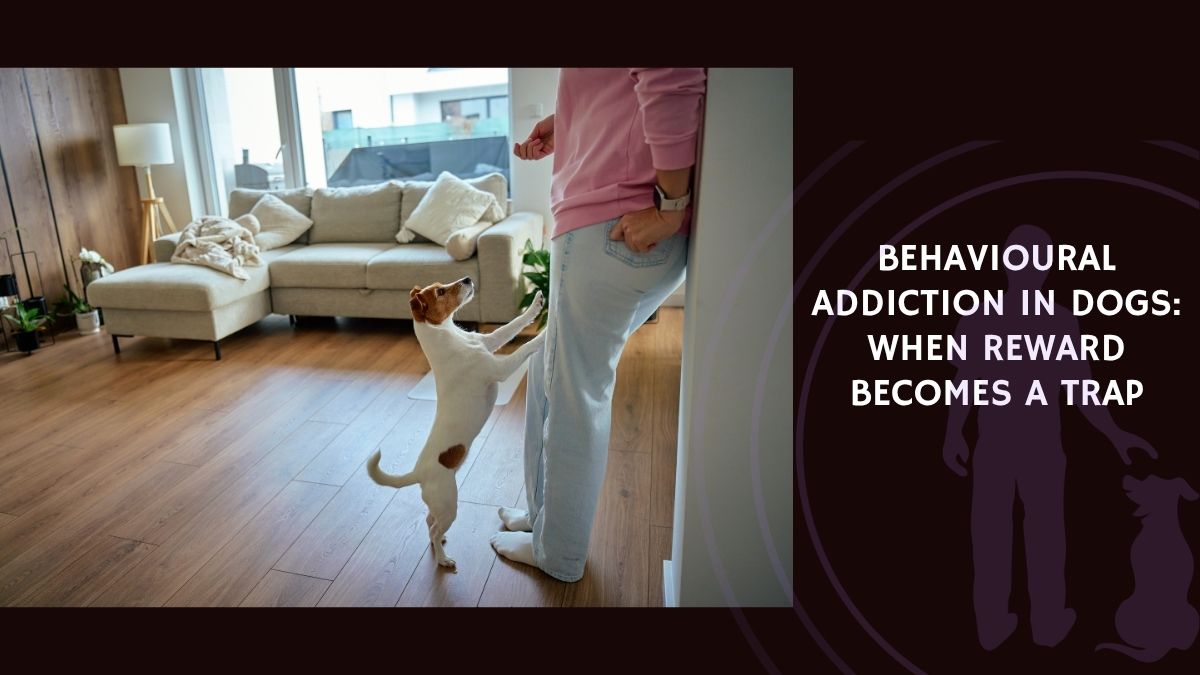
Understanding Reward Circuit Dysregulation, Compulsive Reinforcement, and the Neurobiology Behind Addictive Behaviour in Your Dog
You throw the ball. Your dog brings it back. You throw it again. And again. And again. But at some point, a subtle shift happens. The game is no longer fun. Your dog doesn’t look joyful anymore. Their eyes are locked, their body tense, their breathing heavy. They drop the ball at your feet — not because they want to play, but because they have to. When you put the ball away, they whine, pace, and stare at the cupboard where it’s stored. They stop eating. They stop greeting you at the door. Nothing matters anymore except the ball.
If this sounds familiar, you’re not looking at “high energy” or “a really playful dog.” You may be looking at behavioural addiction — a complex neurobiological condition in which initially rewarding or adaptive behaviours become progressively compulsive, self-reinforcing, and resistant to voluntary control.
This guide synthesizes evidence from neurobiology, behavioural science, and clinical observation to help you understand how normal motivation transforms into pathological behavioural dependence. We’ll walk you through reward circuit neurobiology, dopamine signalling, executive function, emotional regulation, environmental factors, and neuroplasticity — and translate all of it into language that helps you see your dog more clearly. Because understanding the “why” behind the behaviour is the first step toward genuine healing. 🐾
What Is Behavioural Addiction — and What Isn’t?
Drawing the Lines: Conceptual Distinctions
Before we can understand what behavioural addiction is, it helps to understand what it is not. Several phenomena share surface-level similarities but differ in fundamental ways. Knowing where your dog falls on this spectrum is essential for choosing the right approach.
Normal Reward-Seeking Behaviour is exactly what it sounds like. Healthy dogs are motivated toward rewarding stimuli — food, play, social interaction — because these serve adaptive, survival-oriented functions. The key distinction? This behaviour is flexible, context-dependent, and can be interrupted or redirected. Your dog wants the treat, but they can also walk away from it.
Habit Formation is the next layer. Repeated behaviours can become automatic stimulus-response patterns mediated by basal ganglia circuitry rather than goal-directed prefrontal processing. Think of a dog that automatically sits at the curb before crossing — they no longer “decide” to sit. However, habits remain responsive to outcome devaluation and can be modified through extinction learning. They’re automatic, but not out of control.
Canine Compulsive Disorder (CCD), the canine equivalent of Obsessive-Compulsive Disorder, involves repetitive, ritualistic behaviours that the dog appears driven to perform, often accompanied by visible anxiety or distress. While behavioural addiction and CCD share compulsive features, the crucial difference lies in the motivational engine: CCD is primarily anxiety-driven, whereas addiction is reward-driven.
Stereotypies are repetitive, invariant motor patterns — pacing, spinning, circling — that develop in response to chronic confinement or environmental deprivation. They differ from addiction because they lack the reward-anticipation component and do not involve progressive sensitization to reward cues. They are expressions of distress, not pursuit of pleasure.
Breed-Specific Behavioural Traits deserve special mention. Selective breeding has enhanced certain behavioural drives — herding, retrieving, prey drive — in working breeds. High play motivation in Border Collies or Malinois reflects genetic predisposition rather than addiction. However, and this is a crucial nuance, such traits may increase vulnerability to addiction development when they are not channelled into appropriate outlets.
Here’s a quick-reference comparison to help you sort through these categories:
- Normal reward-seeking: Flexible, interruptible, context-dependent, serves adaptive function
- Habit: Automatic but modifiable, responsive to outcome changes, no emotional escalation
- Canine Compulsive Disorder: Anxiety-driven, ritualistic, accompanied by visible distress
- Stereotypy: Invariant motor pattern, no reward-anticipation, linked to deprivation
- Breed trait: Genetic predisposition, channelled when given purpose, not compulsive
- Behavioural addiction: Reward-driven, escalating, resistant to control, causes functional impairment
Diagnostic Criteria: When Does Normal Become Addictive?
Based on the synthesis of human addiction models and canine behavioural research, behavioural addiction in dogs can be operationally defined by six core criteria. These aren’t just academic classifications — they’re practical lenses that help you evaluate what you’re seeing in your own dog.
1. Compulsive Engagement Despite Negative Consequences. The dog persists in the behaviour even when it causes physical harm — injury, exhaustion, joint strain. The behaviour continues despite your attempts to interrupt or redirect. Your dog ignores food, social interaction, or other previously rewarding stimuli in favour of the addictive behaviour.
2. Loss of Voluntary Control. The dog demonstrates difficulty inhibiting the behaviour when the trigger is present. Attempts to suppress the behaviour result in visible frustration, anxiety, or escalated engagement. The behaviour occurs with increasing frequency or intensity over time.
3. Tolerance and Escalation. The dog requires increasing engagement with the stimulus to achieve the same level of satisfaction. The behaviour becomes more intense, prolonged, or frequent as time progresses. The dog shows reduced responsiveness to alternative rewards.
4. Withdrawal-Like Distress Upon Deprivation. Removal of the stimulus triggers visible agitation, anxiety, or emotional dysregulation. The dog struggles to calm down even after extended periods without access — often more than 15 minutes. Reintroduction of the stimulus rapidly restores the compulsive behaviour.
5. Continued Engagement Despite Diminished Adaptive Value. The behaviour no longer serves its original biological or functional purpose. The dog prioritizes it over essential activities — eating, sleeping, social bonding. It interferes with normal daily functioning and quality of life.
6. Neurobiological Markers. At the brain level, this involves altered dopamine signalling in reward circuits (nucleus accumbens, ventral tegmental area), reduced dopamine D2 receptor availability or sensitivity, dysregulated prefrontal-striatal connectivity affecting executive control, and altered stress hormone responsiveness through HPA-axis dysregulation.
If you’re reading this list and recognizing three, four, or more of these criteria in your dog, you’re not overreacting. You’re seeing something real. 🧡
Who Is Most at Risk?
Approximately 2% of the general dog population exhibits clinically significant obsessive-compulsive behaviours, though the prevalence of true behavioural addiction — as distinct from OCD — remains less precisely quantified. The populations most vulnerable include:
- Working breeds with high play drive (Border Collies, Malinois, Labrador Retrievers)
- Dogs with genetic predisposition to reward hypersensitivity
- Dogs with ADHD-like symptoms (hyperactivity, impulsivity, inattention)
- Dogs experiencing chronic stress, confinement, or environmental deprivation
- Dogs with executive function deficits or reduced inhibitory control
Catching It Early: Warning Signs vs. Established Addiction
One of the most important things you can do as a dog owner is learn to recognize the difference between early-stage fixation and full-blown behavioural addiction. Neuroplastic changes deepen over time — the earlier you intervene, the less entrenched the reward circuitry becomes, and the faster your dog can recover.
Early Warning Signs
At this stage, the behaviour is intensifying but the brain hasn’t fully rewired yet. You might notice:
- Your dog becomes noticeably more excited by one specific activity or object than anything else
- They start bringing you the toy or nudging toward the activity with increasing frequency
- They show brief frustration when the activity ends but can still be redirected within a few minutes
- Their interest in food, affection, or other rewards remains intact — but the preferred activity is clearly number one
- Play sessions are getting longer before the dog voluntarily disengages
- You notice the first hints of scanning behaviour — your dog watching for the trigger even during unrelated activities
Established Addiction
At this stage, neuroplastic changes have taken hold. The behaviour is no longer a preference — it’s a compulsion:
- The dog cannot disengage from the activity or object without significant intervention
- Removal of the stimulus triggers visible agitation, whining, pacing, or emotional dysregulation lasting 15 minutes or more
- The dog ignores food, social interaction, sleep, or other rewards when the fixation object is present or anticipated
- Play intensity has escalated markedly — faster, harder, longer, with no natural stopping point
- Physical signs of exhaustion or injury don’t interrupt the behaviour
- The dog shows reduced emotional range overall — flat affect between fixation episodes
- Scanning, searching, and anticipatory behaviour dominate large parts of the day
The critical difference is reversibility. Early-stage fixation responds well to environmental restructuring and reinforcement management. Established addiction requires a structured, multi-phase intervention and often takes weeks to months to resolve. 🧠
The Home Assessment: A Practical Scoring Tool
You don’t need a veterinary behaviourist to start evaluating what’s happening with your dog. The following self-assessment translates the six diagnostic criteria into a scoring framework you can use at home. Score each criterion from 0 to 3 based on what you observe daily.
Scoring Scale
- 0 = Not present: No signs of this behaviour pattern
- 1 = Mild / Occasional: The behaviour appears occasionally but is easily redirected
- 2 = Moderate / Frequent: The behaviour is clearly present and difficult to redirect
- 3 = Severe / Persistent: The behaviour dominates daily life and resists all redirection
The Six Criteria to Score
Criterion 1 — Compulsive Engagement Despite Negative Consequences (0–3) Does your dog continue the behaviour even when visibly exhausted, injured, or when it causes physical strain? Do they ignore food and social interaction to maintain the behaviour?
Criterion 2 — Loss of Voluntary Control (0–3) Can your dog stop the behaviour when asked, or does removal of the trigger cause visible frustration, anxiety, or escalation? Is the behaviour increasing in frequency or intensity?
Criterion 3 — Tolerance and Escalation (0–3) Does your dog require longer, more intense, or more frequent engagement to appear satisfied? Are they losing interest in rewards that used to work?
Criterion 4 — Withdrawal-Like Distress (0–3) When the stimulus is removed, does your dog show agitation, pacing, whining, or inability to settle? Does it take more than 15 minutes for them to calm down?
Criterion 5 — Diminished Adaptive Value (0–3) Has the behaviour stopped serving its original purpose? Is it interfering with eating, sleeping, socializing, or general quality of life?
Criterion 6 — Functional Impairment (0–3) Is the behaviour affecting your dog’s daily routine, your household, or your relationship with your dog?
Interpreting Your Score
- 0–4: Normal range. Your dog shows healthy engagement with rewarding activities. Monitor but no intervention needed.
- 5–8: Early concern. Fixation patterns are developing. Environmental restructuring and reinforcement management recommended.
- 9–13: Moderate addiction indicators. Clear compulsive patterns are present. Structured intervention recommended.
- 14–18: Severe addiction indicators. The behaviour is significantly impairing your dog’s quality of life. Professional consultation strongly recommended.
Track your scores over two to four weeks. If scores are stable or rising despite your attempts at management, this is meaningful data to bring to a veterinary behaviourist. 🐾
Inside the Addicted Brain: Reward Circuit Neurobiology
The Architecture of Reward
Your dog’s brain has a sophisticated network of structures that process motivation, reinforcement, and behavioural persistence. When this network functions in balance, it creates healthy motivation. When it falls out of balance, it creates addiction. The key structures include:
- Ventral Tegmental Area (VTA): The ignition switch — dopaminergic neurons that initiate reward signalling
- Nucleus Accumbens (NAcc): The reward hub — processes reward value, incentive salience, and motivation
- Prefrontal Cortex (PFC): The brake system — governs impulse inhibition, decision-making, and cognitive flexibility
- Amygdala: The emotional amplifier — processes emotional significance and associates cues with emotional states
- Basal Ganglia (Dorsal Striatum): The habit engine — mediates stimulus-response learning and habit consolidation
- Hippocampus: The memory anchor — encodes contextual and spatial memories tied to rewarding experiences
The Ventral Tegmental Area (VTA) contains dopaminergic neurons that project to the nucleus accumbens and prefrontal cortex. The VTA is activated by rewarding stimuli and reward-predictive cues, initiating dopamine release that reinforces behaviour.
The Nucleus Accumbens (NAcc) is the primary reward integration hub, receiving dopaminergic input from the VTA. The NAcc processes reward value, incentive salience, and motivation. Dysregulation of NAcc function is central to behavioural addiction — it’s where “wanting” gets amplified beyond healthy limits.
The Prefrontal Cortex (PFC) governs executive functions including impulse inhibition, decision-making, cognitive flexibility, and behavioural planning. The orbitofrontal cortex (OFC) specifically evaluates reward value and guides goal-directed behaviour. This is your dog’s internal braking system.
The Amygdala processes emotional significance of stimuli and associates environmental cues with emotional states. Hyperactive amygdala function amplifies emotional reactivity to reward cues — making every trigger feel urgent and irresistible.
The Basal Ganglia (Dorsal Striatum) mediates habit formation and stimulus-response learning. Progressive recruitment of dorsal striatum circuitry characterizes the transition from goal-directed to compulsive behaviour — the moment when a choice becomes a compulsion.
The Hippocampus encodes contextual information and spatial memories associated with rewarding experiences, strengthening cue-reward associations. Your dog doesn’t just remember the ball — they remember exactly where it’s stored, what it smells like, and what you look like when you’re about to reach for it.
Dopamine: The Engine of Wanting
Dopamine is a monoamine neurotransmitter synthesized in the ventral tegmental area and substantia nigra. It plays a central role in reward processing, motivation, learning, and behavioural control. But dopamine is widely misunderstood — it is not a “pleasure chemical.” It is, more accurately, a wanting chemical. Its four primary functions in reward processing are:
- Reward Anticipation and Incentive Salience: Creates the “wanting” that drives approach behaviour
- Reward Prediction Error: Encodes the gap between expected and actual outcomes, driving learning
- Reinforcement Learning and Habit Consolidation: Strengthens cue-action-outcome connections over time
- Motivation and Behavioural Persistence: Regulates drive intensity and goal pursuit
Reward Anticipation and Incentive Salience. Dopamine release is triggered not only by reward receipt but — critically — by cues that predict reward availability. This anticipatory dopamine response creates “wanting” or incentive salience, driving approach behaviour and behavioural persistence. In behavioural addiction, reward-predictive cues — the sight of a toy, you reaching for a ball, the crinkle of a bag — trigger excessive dopamine release, creating intense motivation to engage the behaviour regardless of current need or consequence.
Reward Prediction Error. Dopamine neurons encode the difference between expected and actual reward outcomes. When actual rewards exceed predictions, dopamine increases. When rewards fall short, dopamine decreases. This prediction error signal drives learning and behavioural adjustment. In addiction, intermittent or unpredictable reward schedules create persistent prediction errors, maintaining high dopamine responsiveness and compulsive behavioural engagement.
Reinforcement Learning and Habit Consolidation. Dopamine strengthens synaptic connections between cues, actions, and outcomes, consolidating learning. Repeated dopamine-mediated reinforcement progressively shifts behaviour from flexible, goal-directed control (managed by the prefrontal cortex) to automatic, stimulus-driven habits (managed by the basal ganglia). This is the neural transition from choice to compulsion.
Motivation and Behavioural Persistence. Dopamine regulates the intensity of motivation and the persistence with which an animal pursues goals. Elevated dopamine increases behavioural drive. Reduced dopamine sensitivity decreases motivation for alternative activities — explaining why the addicted dog loses interest in everything except the fixation object.
Dopamine Receptors: The Lock-and-Key of Addiction
Five dopamine receptor subtypes (D1 through D5) mediate distinct aspects of reward processing, and understanding them helps explain why addiction is so resistant to simple intervention.
D1 Receptors, primarily located in the nucleus accumbens and prefrontal cortex, enhance reward-seeking and approach behaviour when activated.
D2 Receptors, found in the nucleus accumbens, striatum, and prefrontal cortex, mediate reward inhibition and behavioural restraint. Here is the critical finding: chronic high-reward stimulation downregulates D2 receptor availability and sensitivity, reducing the brain’s capacity to inhibit compulsive behaviour. This D2 downregulation is a hallmark of addiction. The brain becomes less responsive to dopamine, requiring increasingly intense stimulation to achieve the same level of satisfaction (tolerance), while simultaneously losing the capacity to inhibit compulsive engagement. Your dog doesn’t just want more — their brain has physically lost some of its ability to say “enough.”
D3, D4, and D5 Receptors modulate aspects of motivation, attention, and impulse control, playing supporting roles in the overall reward landscape.
When the Wiring Goes Wrong: Corticostriatal Dysregulation
Recent research demonstrates that compulsive reward-seeking involves specific alterations in corticostriatal connectivity — the communication pathways between the cortex and the deeper habit-forming structures of the brain. Three key disruptions characterize this process:
- Dorsal Striatum Hyperactivity: Stronger neuronal firing during reward cues, even when pursuit carries risk — the gas pedal jams
- Prefrontal-Striatal Disconnection: The brake pedal loses its connection to the brake system — habit circuits override evaluation
- Orbitofrontal Cortex Dysfunction: The brain’s value-updater fails to devalue harmful rewards or inhibit cue-driven approach
Dorsal Striatum Hyperactivity. Compulsive individuals display stronger neuronal activity in the dorsal striatum (particularly the dorsolateral striatum) during cues predicting reward, even when reward pursuit carries risk of punishment. This hyperactivity reflects a shift from flexible, prefrontal-guided decision-making to rigid, stimulus-driven habit responding.
Prefrontal-Striatal Disconnection. Healthy behavioural control requires strong functional connectivity between the prefrontal cortex (which evaluates consequences and inhibits inappropriate responses) and the striatum (which executes actions). In addiction, this connectivity weakens, allowing striatal habit circuits to dominate behaviour independent of prefrontal oversight.
Orbitofrontal Cortex Dysfunction. The OFC normally evaluates the current value of rewards and adjusts behaviour accordingly. In addiction, OFC function becomes dysregulated, failing to devalue rewards that have become harmful or to inhibit cue-driven approach behaviour. The dog’s brain no longer updates the value tag — it still rates the ball as “maximum reward” even when the game causes pain.
Neuroplasticity: How the Brain Rewires Itself for Addiction
Repeated engagement with rewarding stimuli produces lasting neuroplastic changes in reward circuitry. These are not temporary shifts — they are physical changes in brain architecture:
- Incentive Sensitization: Cue-driven “wanting” amplifies while actual “liking” may diminish — the craving grows as the pleasure fades
- Synaptic Strengthening: Cue-action-outcome connections become automatic and resistant to extinction
- Dendritic Spine Remodelling: Physical brain architecture changes embed reward associations at the structural level
- Reduced Reward Sensitivity: The brain downregulates receptors and lowers baseline dopamine, requiring more stimulation for less satisfaction
Incentive Sensitization. With repeated reward exposure, the brain becomes increasingly sensitized to reward-predictive cues. Dopamine responses to cues become amplified while dopamine responses to actual reward receipt may diminish. This creates a state of heightened “wanting” (cue-driven motivation) dissociated from “liking” (hedonic pleasure). Your dog may desperately pursue the ball while showing minimal joy during actual play — a hallmark of addiction.
Synaptic Strengthening. Repeated dopamine-mediated reinforcement strengthens synaptic connections between reward cues, motor responses, and reward outcomes. These strengthened pathways become increasingly automatic and resistant to extinction — like deep ruts worn into a dirt road.
Dendritic Spine Remodelling. Chronic reward stimulation alters the density and morphology of dendritic spines in reward circuits, physically embedding reward associations into neural architecture. The addiction is literally built into the structure of the brain.
Reduced Reward Sensitivity. Paradoxically, chronic high-reward stimulation can reduce overall reward sensitivity. The brain adapts to sustained dopamine elevation by downregulating dopamine receptors and reducing baseline dopamine tone. This creates a state in which the dog requires increasingly intense stimulation to achieve satisfaction (tolerance) while experiencing reduced pleasure from normal activities. Everything else — food, walks, affection — becomes “grey” compared to the one fixation. 🧠
Wanting vs. Liking: The Dopamine Paradox
Why Providing the Reward Doesn’t Fix the Problem
A critical distinction in understanding behavioural addiction concerns whether the compulsion is driven by reward anticipation (wanting) or reward consumption (liking). This distinction explains one of the most confusing observations owners make: “I give them what they want, but it never seems to be enough.”
Reward Anticipation — the “Wanting.” Dopamine release in response to reward-predictive cues creates intense motivation to pursue the behaviour. In addiction, this anticipatory dopamine response becomes exaggerated and difficult to inhibit. The dog becomes intensely motivated by the prospect of engaging the behaviour, even if actual engagement provides diminishing pleasure.
Reward Consumption — the “Liking.” The hedonic pleasure derived from actual reward receipt may remain relatively intact or even diminish, while wanting becomes increasingly intense and compulsive.
The clinical implication is profound: a dog may obsessively pursue a toy (intense wanting) while showing minimal pleasure during actual play (reduced liking). This dissociation between wanting and liking is characteristic of addiction and explains why simply providing the reward does not satisfy the compulsive drive. The craving is not about enjoyment — it is about the neurological pull itself.
The Power of Unpredictable Reinforcement
The schedule of reinforcement — how frequently and predictably rewards are delivered — profoundly influences the strength and persistence of behaviour. This is one of the most important concepts for dog owners to grasp.
Continuous Reinforcement, where every instance of behaviour is followed by reward, produces rapid learning but also rapid extinction when reinforcement ceases.
Fixed Ratio Schedules, where reward is delivered after a fixed number of responses (for example, every fifth fetch), produce steady, moderate response rates.
Variable Ratio Schedules, where reward is delivered after an unpredictable number of responses, produce the highest rates of persistent behaviour and greatest resistance to extinction. This is the same principle underlying gambling addiction in humans.
Common examples of intermittent reinforcement in canine addiction include:
- Ball obsession: The dog catches the ball on some throws but not others — unpredictable reward
- Laser chasing: The dog occasionally “catches” the light reflection — intermittent success
- Fence running: The dog encounters interesting stimuli (other dogs, movement) unpredictably
- Toy fixation: The toy is accessible sometimes but not others — variable availability
These unpredictable reinforcement schedules create powerful, persistent behavioural engagement that is highly resistant to extinction.
Reward Prediction Error: The Brain’s Expectation Engine
Dopamine neurons encode reward prediction error — the discrepancy between expected and actual reward outcomes. This signal drives learning and behavioural adjustment:
- Positive Prediction Error (Reward > Expectation): Dopamine increases, strengthening the behaviour
- Negative Prediction Error (Reward < Expectation): Dopamine decreases, weakening the behaviour
- Zero Prediction Error (Reward = Expectation): Dopamine stable, behaviour maintained
In behavioural addiction, when reward schedules are unpredictable, the dog cannot accurately predict whether a given instance of behaviour will produce reward. This creates persistent prediction errors: sometimes the behaviour produces reward (dopamine spike), sometimes it doesn’t (dopamine dip). The unpredictability maintains elevated dopamine responsiveness and compulsive behavioural engagement.
Additionally, the addicted dog may develop inflated reward expectations based on past experiences. Even when actual rewards diminish, the dog continues to expect high rewards, maintaining prediction errors and compulsive behaviour. Their brain keeps telling them that the next throw, the next chase, will feel like that first incredible one.
Tolerance and Escalation: The Shrinking Satisfaction
As reward circuits adapt to chronic stimulation, tolerance develops. The neurobiological mechanisms include:
- Downregulation of dopamine receptors (particularly D2) reduces the brain’s responsiveness to dopamine
- Reduced baseline dopamine tone requires greater stimulation to achieve the same effect
- Desensitization of reward-responsive neurons reduces their firing in response to dopamine
Behaviourally, tolerance manifests as:
- The dog requiring increasingly intense or prolonged engagement to appear satisfied
- The behaviour escalating in frequency, intensity, or duration
- Reduced responsiveness to alternative rewards — food, walks, and affection lose their appeal
Consider a clinical example: a dog initially satisfied by 10 minutes of ball play may eventually require 30 or more minutes of intense play to achieve the same level of satisfaction. As tolerance develops, the dog may also show reduced interest in food, social interaction, or other previously rewarding activities. The world narrows to a single fixation point.
Executive Function: When the Brain Loses Its Brakes
The Control System in Healthy Dogs
Executive functions — higher-order cognitive processes mediated by the prefrontal cortex — enable flexible, goal-directed behaviour and inhibition of inappropriate responses. The key executive functions involved in behavioural regulation are:
- Inhibitory Control: Suppressing automatic responses in favour of adaptive alternatives
- Cognitive Flexibility: Shifting between strategies based on changing circumstances
- Working Memory: Maintaining and manipulating information for planning and decision-making
- Decision-Making and Consequence Evaluation: Weighing outcomes for long-term benefit
- Attention and Focus: Directing attention toward relevant information and away from distractions
How Addiction Erodes Executive Function
In behavioural addiction, executive function becomes progressively impaired — and this impairment makes the addiction harder to break, creating a self-reinforcing cycle.
Reduced Inhibitory Control. The dog loses the capacity to suppress the compulsive behaviour despite awareness of negative consequences. This reflects weakened prefrontal-striatal connectivity and reduced dopamine D2 receptor function in inhibitory circuits.
Impaired Cognitive Flexibility. The dog becomes “stuck” in the addictive behaviour pattern, unable to disengage or shift to alternative activities. This reflects a shift from flexible, prefrontal-guided behaviour to rigid, stimulus-driven habit responding mediated by dorsal striatum circuits.
Compromised Decision-Making. The dog’s behaviour becomes increasingly driven by immediate reward anticipation rather than evaluation of long-term consequences. The prefrontal cortex’s capacity to inhibit reward-driven behaviour weakens.
Attention Dysregulation. The dog’s attention becomes increasingly captured by reward-related cues, with reduced capacity to attend to other relevant information or to disengage from reward-related stimuli. Everything that isn’t the fixation object becomes invisible.
The ADHD Connection: When Impulsivity Meets Vulnerability
Dogs exhibiting ADHD-like symptoms (hyperactivity, impulsivity, inattention) show increased vulnerability to behavioural addiction, and the research reveals a nuanced interaction.
Hyperactivity-Impulsivity and Reward Seeking. Dogs with high hyperactivity-impulsivity show increased reward-seeking behaviour and reduced capacity to inhibit approach responses to rewarding stimuli. They chase harder, engage faster, and resist disengagement more intensely.
Inattention and Reward Processing. Dogs with inattention show reduced responsiveness to ball and toy rewards, possibly due to difficulty sustaining attention to reward-related stimuli. However — and this is a paradox — this reduced responsiveness may actually increase vulnerability to addiction by creating a state of chronic reward-seeking. The dog must engage more intensely to achieve satisfaction, driving escalation.
Impulsivity and Addiction Risk. In humans, impulsivity is associated with increased reward-seeking behaviour and vulnerability to addiction. Similar associations likely exist in dogs, with impulsive dogs showing greater difficulty inhibiting compulsive behaviours.
The Tipping Point: Prefrontal-Striatal Imbalance
Healthy behavioural control requires a balanced interaction between two systems. Prefrontal Dominance (the healthy state) produces goal-directed behaviour, flexible responding, inhibition of inappropriate responses, and evaluation of long-term consequences. Striatal Dominance (the addicted state) produces stimulus-driven behaviour, rigid responding, difficulty inhibiting compulsive responses, and dominance of immediate reward over long-term consequences.
In behavioural addiction, progressive strengthening of striatal habit circuits combined with weakening of prefrontal inhibitory control creates a state of prefrontal-striatal imbalance in which striatal circuits dominate behaviour. This imbalance explains why addicted dogs continue compulsive behaviours despite clear negative consequences: the prefrontal cortex’s capacity to evaluate consequences and inhibit behaviour is overwhelmed by striatal habit circuits’ automatic drive to engage the behaviour. The dog isn’t choosing poorly — their choice mechanism has been compromised. Through the NeuroBond perspective, what we’re witnessing is not defiance, but a brain that has lost its capacity for self-regulation.
Stress, Emotions, and the Road to Addiction
How Chronic Stress Hijacks the Reward System
Chronic stress produces profound alterations in brain reward systems, increasing vulnerability to behavioural addiction through multiple pathways.
HPA-Axis Dysregulation. Chronic stress dysregulates the hypothalamic-pituitary-adrenal (HPA) axis, the body’s primary stress response system. Dysregulated HPA function produces:
- Elevated baseline cortisol
- Blunted cortisol response to acute stressors
- Reduced capacity for stress recovery
- Altered emotional regulation
Dopamine System Changes. Chronic stress alters dopamine signalling in reward circuits in four key ways:
- Reduced baseline dopamine tone
- Altered dopamine receptor sensitivity
- Dysregulated dopamine response to rewards
- Reduced reward sensitivity (anhedonia — where pleasure itself becomes muted)
Paradoxical Reward Hypersensitivity. Despite reduced overall reward sensitivity, chronic stress can produce hypersensitivity to specific reward cues — particularly those associated with stress relief or emotional regulation. A dog experiencing chronic stress may become intensely focused on behaviours that provide temporary emotional relief, such as compulsive play or repetitive behaviours. The fixation becomes a coping mechanism, not a leisure activity.
Emotional Dysregulation and Compulsive Behaviour
Dogs with impaired emotional regulation show increased vulnerability to behavioural addiction through several pathways.
Anxiety and Compulsive Engagement. Anxiety can drive compulsive behaviour as a maladaptive emotion regulation strategy. Engaging the compulsive behaviour may temporarily reduce anxiety, creating negative reinforcement (relief from anxiety) that strengthens the behaviour. The dog doesn’t just want the ball — the ball makes the anxiety quiet. Even briefly.
Frustration Intolerance. Dogs with poor frustration tolerance may engage compulsive behaviours when unable to access desired rewards, using the behaviour as a displacement activity or frustration outlet. The inability to cope with “no” drives escalation.
Emotional Dysregulation and Reward Seeking. Dogs with dysregulated emotional systems may use reward-seeking behaviours — play, toy fixation — as their primary emotion regulation strategies, leading to excessive engagement and eventual addiction. When a dog’s only tool for calming down is chasing a ball, addiction becomes a matter of time.
Environmental Stress Factors
Specific environmental stressors increase addiction vulnerability. Knowing them helps you evaluate your dog’s overall risk profile:
- Chronic Confinement: Extended restriction of movement increases stress and reduces enrichment
- Social Isolation: Separation from social interaction creates chronic stress and displacement behaviours
- Unpredictable Environments: Chaotic surroundings drive anxiety-based coping mechanisms
- Resource Competition: Ongoing rivalry for food, space, or attention elevates baseline stress
- Lack of Meaningful Activity: Understimulation is one of the most common and preventable risk factors 🐾
Reward. Balance. Freedom.
Reward Can Trap Healthy motivation becomes harmful when reward circuits lose flexibility causing one activity to dominate your dog’s attention despite negative consequences.
Addiction Shrinks Choice Repeated dopamine driven reinforcement weakens executive control making compulsive behaviours increasingly automatic while reducing interest in normal rewarding experiences.

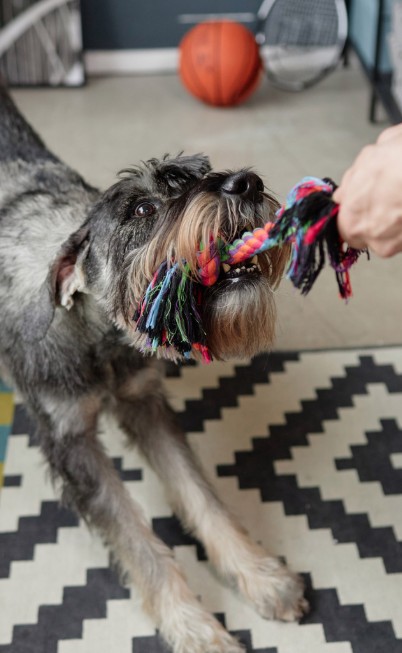

Balance Restores Wellbeing Emotional regulation varied enrichment and NeuroBond aligned guidance help rebuild flexible motivation allowing curiosity connection and healthy behavioural choice to return. 🐾
Comorbidity: When Addiction Doesn’t Travel Alone
Why Treating One Condition Without Addressing the Others Often Fails
Behavioural addiction rarely exists in isolation. Research consistently shows that compulsive behavioural patterns co-occur with other emotional and behavioural conditions, and failing to address the full picture often undermines treatment of any single part.
The most common comorbid conditions include:
- Separation anxiety: Dogs who panic when left alone may channel their distress into compulsive behaviours that temporarily regulate their emotional state. Treating the ball obsession without addressing the separation anxiety leaves the emotional driver untouched.
- Noise phobias: Dogs with noise sensitivity often show elevated baseline arousal and hypervigilance — both of which increase vulnerability to reward-circuit dysregulation.
- Generalized anxiety disorder: Chronically anxious dogs use compulsive behaviours as emotion-regulation strategies. The addiction is a symptom of the anxiety as much as it is a standalone condition.
- ADHD-like presentation: As discussed earlier, dogs with hyperactivity-impulsivity show heightened reward-seeking and reduced inhibitory control — making them both more likely to develop addiction and harder to treat through standard behavioural modification alone.
- Fear-based aggression: Dogs in chronic fear states experience sustained HPA-axis activation, altering their reward circuitry and increasing compulsive coping.
The clinical implication is clear: any intervention plan should include screening for comorbid conditions. If your dog is ball-obsessed and cannot be left alone and panics during thunderstorms, these are not three separate problems — they are three expressions of a dysregulated emotional system. Effective treatment addresses the root, not just the branches. 🧡
🧠 Behavioural Addiction in Dogs 🐾
When Reward Becomes a Trap — Understanding Reward Circuit Dysregulation, Compulsive Reinforcement & the Neurobiology Behind Addictive Behaviour
Phase 1: Defining Behavioural Addiction
What It Is — and What It Isn’tBehavioural addiction is reward-driven — not anxiety-driven (CCD), not deprivation-driven (stereotypies), and not genetic drive alone (breed traits). The behaviour is compulsive, escalating, resistant to voluntary control, and causes functional impairment. Approximately 2% of the general dog population shows clinically significant compulsive behaviours.
• Compulsive engagement despite physical harm, exhaustion, or injury
• Loss of voluntary control — difficulty inhibiting when the trigger is present
• Tolerance & escalation — needs more intensity for the same satisfaction
• Withdrawal-like distress — agitation lasting 15+ minutes after removal
• Diminished adaptive value — behaviour overrides eating, sleeping, bonding
• Neurobiological markers — altered dopamine, D2 downregulation, HPA-axis changes
• Working breeds with high play drive (Border Collies, Malinois, Labrador Retrievers)
• Dogs with genetic predisposition to reward hypersensitivity
• Dogs with ADHD-like symptoms (hyperactivity, impulsivity, inattention)
• Dogs experiencing chronic stress, confinement, or environmental deprivation
• Dogs with executive function deficits or reduced inhibitory control
Phase 2: Inside the Addicted Brain
Reward Circuit Neurobiology & Dopamine Signalling
• VTA (Ventral Tegmental Area): The ignition switch — initiates dopamine release
• Nucleus Accumbens: The reward hub — processes value & incentive salience
• Prefrontal Cortex: The brake system — impulse inhibition & decision-making
• Amygdala: The emotional amplifier — makes triggers feel urgent
• Basal Ganglia: The habit engine — shifts choice to compulsion
• Hippocampus: The memory anchor — stores where, when, and how reward was accessed
• Reward Anticipation: Cues (sight of toy, crinkle of bag) trigger dopamine — creating “wanting” before reward arrives
• Prediction Error: Gap between expected and actual reward drives learning — unpredictability locks behaviour in
• Habit Consolidation: Repeated dopamine shifts control from prefrontal (flexible) to basal ganglia (automatic)
• Persistence: Elevated dopamine increases drive; reduced sensitivity decreases interest in everything else
Chronic high-reward stimulation downregulates D2 receptors, reducing the brain’s ability to inhibit compulsive behaviour. Your dog doesn’t just want more — their brain has physically lost some of its capacity to say “enough.” This creates both tolerance (needs more stimulation for less satisfaction) and loss of inhibitory control (can’t stop even when they should).
Phase 3: The Dopamine Paradox
Wanting vs. Liking — Why Giving Them What They Want Doesn’t WorkIn addiction, “wanting” (cue-driven motivation) amplifies while “liking” (actual pleasure) diminishes. Your dog may obsessively pursue a toy while showing minimal joy during actual play. This dissociation is a hallmark of addiction — the craving is about the neurological pull itself, not enjoyment. Simply providing the reward does not satisfy the compulsive drive.
• Continuous reinforcement: Rapid learning, rapid extinction — lowest addiction risk
• Fixed ratio: Steady response, moderate extinction resistance — moderate risk
• Variable ratio: Highest persistence, greatest extinction resistance — HIGHEST addiction risk
• Variable interval: Steady persistence, high extinction resistance — high risk
Owners who sometimes play when the dog brings the ball and sometimes don’t are inadvertently creating variable ratio reinforcement — the same principle behind gambling addiction. This produces the strongest, most persistent behaviour and the highest addiction risk. Unpredictable “maybe” is more addictive than consistent “yes.”
Phase 4: Executive Function & Loss of Control
When the Brain Loses Its Brakes
• Reduced Inhibitory Control: Can’t suppress the behaviour despite negative consequences
• Impaired Cognitive Flexibility: “Stuck” in the pattern — can’t shift to alternatives
• Compromised Decision-Making: Immediate reward overrides long-term evaluation
• Attention Dysregulation: All attention captured by reward-related cues — everything else invisible
Healthy state (prefrontal dominance): Goal-directed, flexible, inhibits inappropriate responses, evaluates consequences. Addicted state (striatal dominance): Stimulus-driven, rigid, automatic engagement, immediate reward overrides everything. The dog isn’t choosing poorly — their choice mechanism has been compromised.
Dogs with ADHD-like traits (hyperactivity, impulsivity, inattention) show increased reward-seeking and reduced inhibitory control. Paradoxically, inattentive dogs may need to engage more intensely to achieve satisfaction — driving escalation. Impulsive dogs show the greatest difficulty stopping once compulsive behaviour begins.
Phase 5: Stress, Vulnerability & Comorbidity
How Chronic Stress Hijacks the Reward SystemChronic stress dysregulates the HPA-axis (elevated cortisol, blunted stress response) and alters dopamine signalling (reduced baseline tone, altered receptor sensitivity). Paradoxically, this can produce hypersensitivity to specific reward cues — particularly those that provide temporary emotional relief. The fixation becomes a coping mechanism, not a leisure activity.
• Separation anxiety: Distress channelled into compulsive behaviour for emotional regulation
• Noise phobias: Elevated baseline arousal increases reward circuit vulnerability
• Generalized anxiety: Compulsive behaviour used as emotion-regulation strategy
• Fear-based aggression: Sustained HPA-axis activation alters reward circuitry
Treating one condition without addressing the others often fails — they’re expressions of a dysregulated emotional system.
• Chronic confinement & restricted movement
• Social isolation from humans and other dogs
• Chaotic, unpredictable daily environments
• Resource competition in multi-dog households
• Lack of meaningful cognitive and physical activity
Phase 6: The Owner Factor
How Humans Accidentally Create & Reinforce Addiction
• Attention-based: Even scolding is reinforcement — “Drop it!” is still attention
• Play-based: Throwing the ball when the dog obsessively brings it strengthens the cycle
• Reassurance: Comforting distress when the toy is removed reinforces the distress itself
• Inconsistency: Sometimes yes, sometimes no = variable ratio reinforcement = maximum addiction risk
• Ball/Toy Obsession: Unpredictable catch success + intense engagement = powerful reinforcement
• Laser/Light Chasing: Dog can never actually catch the light — pure variable ratio (most addictive)
• Fetch: Combines prey drive + exercise + unpredictable reward in one high-risk package
• Shadow/Reflection Chasing: Natural environmental triggers that can’t be removed
Guilt, frustration, helplessness, and isolation are normal responses to living with a behaviourally addicted dog. You are not overreacting. Guilt is natural — but understanding replaces it. Frustration reflects a shared misunderstanding that the behaviour is a choice. Your emotional state influences your dog’s recovery. Healing happens together.
Phase 7: Intervention & Recovery — The 5-Phase Framework
The Path from Compulsion to Choice
• Remove or restrict access to the fixation object — this is not punishment, it’s trigger removal
• Eliminate cue exposure (ball-throwing equipment, storage locations, associated routines)
• Replace addictive activity time with alternatives — scent work, structured walks, calm enrichment
• Address concurrent stressors (confinement, isolation, chaotic schedules)
• Start below threshold — weakest possible trigger version (ball at great distance, toy in closed container)
• Pair with calm behaviour — reinforce calm awareness with moderate-value rewards
• Increase intensity gradually over days and weeks — never let the dog tip into compulsion
• Expect non-linear progress — setbacks during stress are normal neurobiology, not failure
• Replace the emotional response, not just the behaviour — target the brain’s emotional tagging
• Use moderate-value rewards (high-value risks creating a new fixation)
• Reinforce incompatible behaviours — mat work, eye contact, relaxed settle
• Build duration from seconds to minutes over weeks
• Fixed duration (3–5 min max) — end before peak arousal, use a timer
• Predictable schedule — same time, same context, same start/stop cues
• Clear start and stop rituals — consistent verbal and physical markers
• Cool-down protocol after every session — calm walk, sniff trail, settle on mat
• Never on demand — the owner initiates, sets terms, and terminates
• Scent work & nose games — calm, cognitively engaging dopamine channel
• Varied structured training — keeps prefrontal cortex active, builds cognitive flexibility
• Social play with appropriate partners — natural, self-regulating reward
• Calm enrichment (food puzzles, Kongs, lick mats) — moderate stimulation without escalation
• Exploration walks (sniff-led, varied routes) — novelty-driven natural dopamine
• Relaxation protocols (mat work, settle training) — calm is a learnable skill
Phase 8: Recovery Timeline & Relapse Management
What Neuroplastic Change Actually Looks Like
• Week 1–2 (Withdrawal): Agitation, pacing, searching, sleep disruption — resist the urge to give in
• Week 2–4 (Stabilization): Searching diminishes, first engagement with alternatives, calm states lengthen
• Week 4–8 (Rebuilding): Genuine engagement with new activities, executive function improvements visible
• Month 3–6 (Consolidation): New pathways strengthening but fragile — controlled re-exposure can begin
• Month 6+ (Maintenance): Original pathways never fully disappear — structured management becomes the new baseline
Relapse occurs through two neurobiological mechanisms: Cue-triggered reinstatement (dormant pathways reactivate when the dog encounters a strong trigger) and stress-induced reinstatement (acute stress compromises prefrontal control, lowering the threshold for compulsion). A relapse after six weeks is not “back to square one” — it’s a temporary reactivation. The progress is still there.
• Return to environmental management immediately
• Don’t punish — punishment increases stress and worsens the neurobiological conditions
• Resume desensitization from a lower threshold, not where you left off
• Check for new stressors — relapse often signals something else is destabilizing
• Reframe: a setback is the brain testing the old road. Make the new road more appealing.
🐕 Breed-Specific Addiction Vulnerability Reference
Risk: Very High
Primary: Ball/toy obsession, light/shadow chasing
Why: Intense visual tracking + extreme focus + high play drive = most cited breed in addiction literature
Risk: Very High
Primary: Toy obsession, high-arousal play addiction
Why: Bred for explosive engagement — rapid escalation when reward circuits are unmanaged
Risk: High
Primary: Fetch/retrieve obsession
Why: Retriever drive + high food/play reward sensitivity creates strong addiction potential
Risk: High
Primary: Prey-drive fixation (chasing, digging, small animals)
Why: High arousal + limited frustration tolerance accelerates addiction cycles
Risk: High
Primary: Tail chasing, spinning
Why: Documented genetic predisposition to self-directed repetitive behaviours
Risk: Moderate–High
Primary: Flank sucking, self-directed repetitive behaviours
Why: Genetic predisposition + breed-typical anxiety sensitivity increases compulsive risk
🧠 The Addiction Formula: High reward sensitivity + Variable reinforcement + Low inhibitory control + Chronic stress = Addiction vulnerability
🎯 The 5 Rules of Structured Play:
1. You initiate, you terminate — never on demand
2. Set a timer — 3–5 min max, end before peak arousal
3. Include 60–90 second calm breaks within sessions
4. Rotate games — never the same activity every time
5. End with a cool-down ritual — sniff trail, mat settle, calm walk
📊 Home Assessment Score Guide:
0–4 = Normal | 5–8 = Early concern | 9–13 = Moderate indicators | 14–18 = Seek professional help
📅 Recovery Rule of Thumb: Withdrawal (1–2 weeks) → Stabilization (2–4 weeks) → Rebuilding (4–8 weeks) → Consolidation (3–6 months) → Long-term maintenance (6+ months)
⚠️ Escalation Warning Signs During Play: Fully dilated fixed pupils • Rapid shallow panting • Frantic accelerating movements • Stops responding to name • Zero recovery time between rounds • Increasing vocalisation
Behavioural addiction is not a label, not a moral judgment, and not a reflection of poor ownership. It is a neurobiological condition with identifiable mechanisms, clear risk factors, and addressable pathways for change. Through the NeuroBond lens, what we witness in an addicted dog is not defiance — it is a brain that has lost its capacity for self-regulation. The Invisible Leash reminds us that awareness and engagement — not force — create the conditions for a balanced mind. And in moments of Soul Recall, where emotional memory and present behaviour intertwine, we see the depth of what healing truly requires: not just restructured environments, but restored connection. Recovery is not something you impose on your dog alone. It is a shared journey — where your stability, patience, and presence become the foundation on which new neural roads are built.
© Zoeta Dogsoul – Where neuroscience meets soul in dog training
Environment and Lifestyle: Building Protection or Breeding Vulnerability
Environmental Enrichment as Addiction Prevention
Environmental enrichment — the provision of cognitive challenge, physical activity, social interaction, and environmental complexity — is genuinely protective against behavioural addiction. This is not “nice to have.” It is neurologically necessary.
Cognitive Enrichment. Dogs provided with puzzle toys, training activities, scent work, and problem-solving tasks show:
- Reduced boredom and understimulation
- Enhanced executive function engagement
- Reduced vulnerability to compulsive behaviours
- Improved emotional regulation
The Invisible Leash concept reminds us that awareness and engagement — not control — create a balanced mind.
Physical Exercise. Adequate physical activity:
- Reduces frustration and tension
- Promotes healthy dopamine signalling
- Enhances emotional regulation
- Reduces vulnerability to compulsive behaviours
But exercise alone isn’t enough — it must be paired with mental engagement.
Social Interaction. Meaningful social interaction with owners and other dogs:
- Provides natural reward and emotional regulation
- Reduces isolation and stress
- Enhances emotional security
- Reduces vulnerability to compulsive behaviours
Environmental Complexity. Varied, complex environments with novel stimuli:
- Maintain cognitive engagement
- Reduce boredom
- Promote adaptive exploration
- Reduce vulnerability to compulsive behaviours
Routine and Predictability
Dogs benefit from predictable daily routines that provide:
- Temporal structure and security
- Reduced uncertainty and stress
- Clear expectations for behaviour
- Opportunities for anticipatory pleasure — the healthy kind of looking forward to predictable positive events
Conversely, chaotic, unpredictable environments increase stress and vulnerability to compulsive behaviours. Predictability isn’t boring for dogs — it’s stabilizing.
Boredom and Understimulation
Chronic boredom and lack of meaningful activity increase vulnerability to behavioural addiction through several mechanisms:
- Reduced engagement of executive function
- Chronic understimulation of reward systems
- Increased susceptibility to compulsive self-stimulation
- Reduced alternative sources of reward and satisfaction
The prevention is straightforward in concept: adequate cognitive and physical enrichment, meaningful activities, and purposeful engagement reduce boredom and associated addiction risk. A dog whose mind is appropriately engaged doesn’t need to fixate.
Confinement and Social Isolation
Extended confinement and social isolation increase addiction vulnerability through:
- Chronic stress from restricted movement and environmental deprivation
- Reduced opportunities for natural behaviours
- Reduced social reward and emotional regulation
- Increased vulnerability to compulsive self-stimulation
Prevention requires adequate space, freedom of movement, social interaction, and environmental access. A dog locked in a flat for 10 hours a day is not just “bored” — they are neurologically set up to develop exactly the kinds of compulsive behaviours we later label as problems.
The Owner Factor: How Humans Accidentally Create Addiction
Unintentional Reinforcement of Addictive Behaviours
This is the section that may feel uncomfortable, but it’s one of the most important. Owners frequently unintentionally strengthen addictive behaviours — and understanding how can transform the dynamic.
The four most common patterns of unintentional reinforcement are:
- Attention-Based Reinforcement: Providing attention — even negative attention such as scolding — in response to compulsive behaviour reinforces it. Dogs may engage compulsive behaviours specifically to obtain owner attention. Yelling “drop it!” is still attention.
- Play-Based Reinforcement: Engaging in play in response to compulsive behaviour (throwing the ball when the dog obsessively brings it) reinforces the behaviour and strengthens the reward association. The owner becomes part of the addiction cycle.
- Reassurance and Comfort: Providing reassurance when the toy is taken away can reinforce the compulsive behaviour and associated distress. The dog learns that distress works, and the pattern deepens.
- Inconsistent Reinforcement: Sometimes reinforcing, sometimes not — this creates variable ratio reinforcement schedules, the strongest and most persistent type of conditioning. This is perhaps the most common and most damaging pattern.
Reinforcement Schedules and Addiction Strength
The schedule of reinforcement profoundly influences behaviour strength and addiction development. Understanding these schedules helps you see why certain owner patterns are more dangerous than others:
- Continuous Reinforcement (every instance rewarded): Rapid learning, rapid extinction, lowest addiction potential
- Fixed Ratio (reward after fixed number of responses): Steady response rates, moderate extinction resistance, moderate addiction potential
- Variable Ratio (reward after unpredictable number of responses): Highest response persistence, greatest extinction resistance, highest addiction potential
- Variable Interval (reward at unpredictable times): Steady persistent responses, high extinction resistance, high addiction potential
Here is the clinical implication every owner needs to hear: owners who engage in play with their dogs on unpredictable schedules — sometimes playing when the dog brings the ball, sometimes not — inadvertently create variable ratio reinforcement, which produces the strongest and most persistent behaviour and the highest addiction risk.
Games That Carry the Highest Risk
Certain games and activities are particularly rewarding and carry elevated addiction risk. This doesn’t mean you should never play them — but you should play them with awareness:
- Ball and Toy Obsession: Unpredictable catch success combined with intense physical and emotional engagement creates powerful reinforcement — especially in working breeds
- Laser and Light Chasing: The dog can never actually catch the light, creating pure variable ratio reinforcement — particularly addictive and particularly hard to resolve
- Fetch Games: Combines prey drive activation, physical exercise, and unpredictable reward into one high-risk package
- Shadow and Reflection Chasing: Natural environmental stimuli make this form surprisingly difficult to manage because the triggers can’t be removed 🧡
Multi-Dog Household Dynamics
How Social Modelling and Arousal Contagion Amplify Addiction Risk
If you live with more than one dog, the dynamics of a multi-dog household add another layer of complexity to behavioural addiction. Dogs are social learners, and emotional states are contagious within a group.
Key mechanisms that amplify addiction risk in multi-dog environments include:
- Social Modelling: Dogs observe and imitate each other’s behaviour. A dog watching a housemate fixate intensely on a ball may begin mirroring that intensity, even if they weren’t originally predisposed. The behaviour gets “modelled in” through observation.
- Arousal Contagion: Heightened emotional states spread rapidly between dogs. When one dog enters a state of intense arousal around a fixation object, other dogs in the environment experience elevated arousal as well — lowering their own threshold for compulsive engagement.
- Resource Competition: In multi-dog households, access to high-value objects (balls, specific toys) becomes competitive. Resource competition increases urgency and possessiveness, amplifying the dopamine response and driving escalation. The ball is no longer just rewarding — it’s also something to guard.
- Reinforcement Amplification: When two dogs compete for the same object, each dog’s engagement intensity increases the other’s. This mutual escalation creates a reinforcement loop that accelerates far faster than it would for a single dog.
- Differential Vulnerability: Not every dog in the household will be equally susceptible. A genetically predisposed working breed living alongside a low-drive companion breed may be the only dog affected — but the social dynamics still contribute to the problem.
If you’re managing addiction patterns in a multi-dog household, intervention must account for group dynamics — not just the individual dog showing symptoms. Separating trigger objects, managing play sessions individually, and reducing competitive access to high-value rewards are essential first steps. 🐾
Common Forms of Behavioural Addiction in Dogs
Play-Related Addictions
Ball and Toy Obsession is perhaps the most recognized form of canine behavioural addiction. Dogs develop intense, compulsive fixation on specific toys — particularly balls. The characteristics include:
- Intense focus on the toy, ignoring food and social interaction
- Difficulty disengaging from the toy even when it’s out of reach
- Escalating play intensity and duration
- Distress when the toy is unavailable
- Continued engagement despite physical exhaustion or injury
The neurobiological basis involves intense dopamine release in response to toy-related cues, combined with progressive sensitization to toy-related stimuli and reduced inhibitory control. This form is particularly common in working breeds — Malinois, Border Collies, Labrador Retrievers — with high play drive.
Visual Stimulus Addictions
Laser and Light Chasing drives dogs to develop compulsive engagement with laser pointers or light reflections. Characteristics include:
- Intense visual tracking and chase behaviour
- Inability to disengage from the light stimulus
- Escalating chase intensity
- Distress when the light is unavailable
- Continued engagement despite physical exhaustion
The neurobiological basis involves intense activation of prey drive and visual attention systems, combined with unpredictable “catch” success — a textbook variable ratio reinforcement pattern.
Shadow and Reflection Chasing follows a similar neurobiological pathway. Dogs may develop compulsive engagement with shadows or reflections, and because these stimuli occur naturally in the environment, they are particularly difficult to manage.
Self-Directed Repetitive Behaviours
Tail Chasing involves repetitive, intense tail-chasing episodes with difficulty disengaging, escalating intensity and frequency, and distress when unable to engage the behaviour. The neurobiological basis involves self-directed stimulation of prey drive and visual attention systems, combined with proprioceptive feedback — the sensation of movement itself becomes rewarding.
Spinning and Flank Sucking follow similar patterns of self-directed compulsive engagement. Dogs develop compulsive spinning behaviour or compulsive sucking and licking of their own flanks, driven by self-stimulation reward pathways.
Auditory and Oral Behaviours
Compulsive Barking involves intense, persistent barking that is difficult to interrupt — not communication, but compulsion.
Fly Snapping involves compulsive snapping at invisible stimuli — flies, dust particles, visual hallucinations — driven by altered sensory processing.
Air Snapping, similar to fly snapping, involves dogs snapping at the air compulsively.
Pica (eating inedible objects) involves compulsive consumption of non-food items, driven by oral stimulation reward pathways.
Different Addictions, Different Brains
An important research finding: different behavioural addictions may involve distinct neural mechanisms, and understanding these distinctions is essential for tailoring interventions:
- Play-Related Addictions: Primarily reward circuit sensitization (NAcc, VTA) and reduced prefrontal inhibitory control
- Visual Stimulus Addictions: Intense activation of visual attention systems and prey drive circuits, combined with reward sensitization
- Self-Directed Repetitive Behaviours: Altered proprioceptive feedback processing and self-stimulation reward pathways
- Auditory Behaviours: Altered auditory processing and vocalization control circuits
Understanding these neurobiological distinctions matters because a one-size-fits-all intervention will miss the specific neural mechanism driving your dog’s particular addiction. Moments of Soul Recall — those deep, intuitive connections between emotional memory and present behaviour — look different depending on which circuits are involved. 🧠
Breed Differences and Genetic Vulnerability
The Selective Breeding Paradox
Selective breeding for specific behavioural traits has created breed-specific differences in reward system function and addiction vulnerability. This is one of the most important contexts for understanding why certain dogs seem predisposed to fixation.
Working Breeds with High Play Drive — breeds selectively bred for high play motivation and intense focus, such as Border Collies, Malinois, and Labrador Retrievers — show:
- Enhanced dopamine responsiveness to play-related stimuli
- Heightened reward sensitivity
- Increased play drive intensity
- Greater vulnerability to play-related addiction
The Selective Breeding Paradox is striking: the same traits that make working breeds excellent for their intended purposes — intense focus, high play motivation, persistence — increase vulnerability to behavioural addiction when these traits are not channelled into appropriate work. The very qualities that make a Border Collie a brilliant herding dog are the same qualities that make them vulnerable to ball obsession when they live in a suburban home without sheep. The drive doesn’t disappear — it redirects.
Breed-Specific Risk Reference
The following reference maps common breeds and breed types to their primary addiction vulnerabilities and relative risk level. This is not a diagnosis — it is a tool for awareness:
- Border Collie: Primary vulnerability to ball/toy obsession and light/shadow chasing. Risk level: very high. The combination of intense visual tracking, high play drive, and extreme focus makes this breed the most commonly cited in behavioural addiction literature.
- Belgian Malinois: Primary vulnerability to toy obsession and high-arousal play addiction. Risk level: very high. Bred for explosive engagement, Malinois are prone to rapid escalation when reward circuits are not managed.
- Labrador Retriever: Primary vulnerability to fetch and retrieve obsession. Risk level: high. The retriever drive, combined with high food and play reward sensitivity, creates strong addiction potential.
- German Shepherd: Primary vulnerability to ball obsession and patrol/fence-running fixation. Risk level: high. Guarding instincts can channel into compulsive territorial behaviours.
- Jack Russell Terrier: Primary vulnerability to prey-drive-related fixation (chasing, digging, small animal obsession). Risk level: high. High arousal combined with limited frustration tolerance accelerates addiction cycles.
- Bull Terrier: Primary vulnerability to tail chasing and spinning. Risk level: high. The breed has a documented genetic predisposition to self-directed repetitive behaviours.
- Doberman: Primary vulnerability to flank sucking and self-directed repetitive behaviours. Risk level: moderate to high. Genetic predisposition combined with breed-typical anxiety sensitivity increases compulsive risk.
- Cavalier King Charles Spaniel: Primary vulnerability to fly-snapping and air-snapping. Risk level: moderate. Sensory processing differences may contribute to visual hallucination-driven compulsive patterns.
- Mixed-Breed / Unknown Heritage: Risk level: variable. Depends on the genetic contribution of parent breeds. Working-breed mixes with high drive often carry the vulnerability without the structured working outlet.
Genetic Vulnerability at the Molecular Level
Specific genetic variations influence reward system function and addiction vulnerability at the molecular level.
Dopamine Receptor Genes. Variations in genes encoding dopamine receptors — particularly D2 receptors — influence dopamine sensitivity and reward responsiveness. Dogs with certain D2 receptor gene variants may have naturally lower D2 receptor availability, reducing their baseline capacity for reward inhibition.
Dopamine Transporter Genes. Variations in genes encoding dopamine transporters influence dopamine reuptake and synaptic dopamine availability. Dogs with transporter variations that slow dopamine reuptake may experience prolonged dopamine signalling in the synaptic cleft, intensifying the reward response and increasing vulnerability to sensitization.
These genetic factors don’t determine addiction, but they shape the landscape of vulnerability. A genetically predisposed dog in an enriched, well-structured environment may never develop addiction. The same dog in a deprived, unpredictable environment with unintentional reinforcement patterns may develop severe behavioural dependence.
Age and Developmental Windows: When Vulnerability Is Highest
Puppyhood, Adolescence, and the Sensitive Brain
Your dog’s age at the time of initial exposure to high-reward stimuli plays a significant role in addiction vulnerability. The developing brain is not simply a smaller version of the adult brain — it processes reward differently, forms habits faster, and is more susceptible to lasting neuroplastic change.
The Puppy Brain (0–6 Months). During early development, the canine brain is in a period of rapid synaptogenesis — new connections are being formed at an extraordinary rate. Reward circuits are being calibrated, and early experiences with high-reward stimuli can set the baseline for what the brain considers “normal” levels of reward. Key considerations include:
- Puppies exposed to high-intensity play (repetitive fetch, tug-of-war marathons) before their reward circuits have fully matured may develop exaggerated dopamine responses that persist into adulthood
- The prefrontal cortex — responsible for impulse control — is the last brain region to mature, meaning puppies lack the internal braking system to self-regulate reward pursuit
- Early socialization windows overlap with reward circuit calibration, so puppies who are entertained primarily through a single high-reward activity (ball play, laser games) may develop narrow reward profiles
The Adolescent Brain (6–18 Months). Canine adolescence is a period of significant neural reorganization. The brain is pruning unused connections and strengthening frequently used ones — a “use it or lose it” phase that makes this period especially critical:
- Dopamine receptor density peaks during adolescence and then declines, creating a window of heightened reward sensitivity
- Risk-taking and novelty-seeking behaviours increase naturally during this period, driven by elevated dopamine signalling
- Impulse control is still developing — the prefrontal cortex won’t reach full maturity until approximately 2 to 3 years of age in most breeds
- Behaviours that become habitual during adolescence are neuroplastically consolidated more deeply than those acquired in adulthood
The Adult Brain (2+ Years). By adulthood, the canine brain has achieved relative stability, but it remains plastic. Addiction can still develop in adult dogs, particularly under conditions of chronic stress, environmental deprivation, or sustained exposure to variable-ratio reinforcement schedules. However, the adult brain generally has more developed prefrontal inhibitory resources, which means intervention tends to be more effective than in adolescent dogs — provided the addiction hasn’t been accumulating for years.
Practical Implications for Owners:
- Introduce high-reward activities gradually and with structured boundaries from the start
- Avoid repetitive, high-intensity single-activity play patterns during puppyhood and adolescence
- Prioritize diverse reward experiences (scent work, social play, calm enrichment) to build broad reward profiles
- Recognize that an adolescent dog’s sudden escalation of fixation behaviour may reflect developmental vulnerability, not just “being difficult” 🧡
The Role of Diet and the Gut-Brain Axis
How Nutrition Influences the Addicted Brain
Emerging research on the gut-brain axis is revealing a link between diet, gut microbiome composition, and neurotransmitter balance — including the dopamine and serotonin systems that underlie behavioural addiction. While this field is still developing, the evidence is strong enough to warrant attention.
Tryptophan and Serotonin. Tryptophan is an essential amino acid and the precursor to serotonin — a neurotransmitter that modulates mood, impulse control, and emotional regulation. Serotonin deficiency is associated with increased impulsivity, reduced frustration tolerance, and heightened compulsive behaviour. Key nutritional considerations include:
- Diets deficient in tryptophan may reduce serotonin synthesis, impairing the brain’s capacity to regulate compulsive urges
- High-protein, low-carbohydrate diets may paradoxically reduce brain tryptophan availability because other amino acids compete for transport across the blood-brain barrier
- Balanced diets with adequate tryptophan-containing foods (turkey, eggs, fish, pumpkin seeds) support healthy serotonin production
Gut Microbiome and Neurotransmitter Production. The gut produces approximately 90% of the body’s serotonin and also influences dopamine signalling through the vagus nerve and microbial metabolites:
- A diverse, healthy gut microbiome supports stable neurotransmitter production
- Chronic stress, poor diet, and antibiotic use can disrupt gut microbiome diversity, reducing serotonin availability
- Probiotic supplementation has shown promise in some studies for reducing anxiety-related behaviours in dogs, though research is ongoing
Omega-3 Fatty Acids. Omega-3s (particularly EPA and DHA) support neuronal membrane health and modulate inflammatory pathways in the brain:
- Deficiency is associated with increased impulsivity and mood instability in multiple species
- Supplementation may support prefrontal cortex function and improve impulse control
- Fish oil or algae-based DHA supplements are commonly recommended for dogs with behavioural concerns
Blood Sugar Stability. Rapid fluctuations in blood sugar can influence energy levels, arousal, and emotional regulation:
- Diets high in simple carbohydrates and sugars may create blood sugar spikes and crashes that exacerbate arousal instability
- Balanced, whole-food diets with complex carbohydrates promote stable energy and more even emotional regulation
Diet alone doesn’t cause or cure behavioural addiction, but it influences the neurobiological terrain on which addiction develops. A well-nourished brain has better resources for self-regulation than a nutritionally compromised one. 🧠
Intervention and Recovery Strategies
The Path from Compulsion to Choice
Now that we’ve mapped the neurobiology, the environmental factors, and the reinforcement patterns that create and sustain behavioural addiction, the most important question remains: what do you actually do about it?
Effective intervention addresses the problem on multiple levels simultaneously. You are not just changing a behaviour — you are restructuring the neurological, environmental, and relational conditions that maintain it. The following evidence-based strategies form a comprehensive intervention framework.
Phase 1: Environmental Restructuring
Before any behaviour modification begins, the environment must change. As long as the triggers and reinforcement patterns remain in place, the brain has no reason to rewire.
Core environmental changes include:
- Remove or restrict access to the fixation object. The ball, the toy, the laser pointer — whatever the addictive stimulus is, it must be removed from the dog’s environment. This is not punishment. It is removing the trigger that keeps the reward circuit firing.
- Eliminate cue exposure where possible. Remember that dopamine responds to cues, not just rewards. If your dog’s fixation is ball-related, that includes putting away ball-throwing equipment, avoiding pockets where balls are stored, and changing routines associated with the activity.
- Restructure the daily routine. Replace the time previously occupied by the addictive behaviour with alternative activities — scent work, calm enrichment, structured walks, social interaction. The brain needs new reward pathways to engage.
- Reduce environmental stressors. Address any concurrent sources of chronic stress — confinement, isolation, chaotic routines — that are elevating the dog’s baseline arousal and increasing vulnerability.
Phase 2: Gradual Desensitization
Desensitization involves systematically reducing the emotional and neurological response to the addictive stimulus by exposing the dog to progressively closer approximations of the trigger while maintaining calm arousal.
The process follows a careful gradient:
- Start below threshold. Begin with the weakest possible version of the trigger — a ball visible at a great distance, a toy in a closed container, a brief mention of the cue word. The goal is that the dog can perceive the stimulus without entering a compulsive state.
- Pair with calm behaviour. When the dog is aware of the stimulus but not reacting compulsively, reinforce calm behaviour with a moderate-value reward (food, gentle praise). This builds a new association: trigger = opportunity for calm behaviour, not compulsive engagement.
- Increase intensity gradually. Over sessions spanning days and weeks, slowly bring the trigger closer, make it more visible, or increase the duration of exposure. At no point should the dog tip into compulsive engagement — if they do, you’ve moved too fast.
- Expect non-linear progress. Desensitization is not a smooth upward curve. There will be setback days, particularly during periods of stress or environmental change. This is normal neurobiology, not failure.
Phase 3: Counter-Conditioning
Counter-conditioning changes the emotional association with the trigger itself. Instead of trigger → compulsive excitement, the goal is trigger → calm engagement or alternative behaviour.
Key principles include:
- Replace the emotional response, not just the behaviour. Counter-conditioning targets the brain’s emotional tagging of the stimulus, not just the motor output. A dog that learns to sit when they see a ball but is still emotionally flooded has not been counter-conditioned — they’ve just been suppressed.
- Use moderate-value rewards. High-value rewards risk creating a new fixation. Use rewards that are pleasant but not arousal-inducing — small food treats, calm verbal praise, gentle touch.
- Reinforce incompatible behaviours. Ask for and reward behaviours that are physically incompatible with the compulsive behaviour — lying on a mat, sustained eye contact, a relaxed settle. The dog cannot chase and settle simultaneously.
- Build duration gradually. Start with seconds of calm behaviour in the presence of the trigger, building to minutes over the course of weeks.
Phase 4: Controlled Reward Exposure
Complete elimination of the rewarding activity is sometimes neither possible nor desirable — particularly for play-related addictions where some form of play is healthy. Controlled reward exposure allows the dog to engage with the previously addictive stimulus under carefully managed conditions.
The rules of controlled reward exposure:
- Fixed duration. Set a clear, non-negotiable time limit for the activity (for example, 3 minutes of ball play). Use a timer. End the session before the dog reaches peak arousal — this is critical.
- Predictable schedule. The activity occurs at the same time, in the same context, with the same start and stop cues. Predictable schedules reduce dopamine spikes associated with unpredictability and shift the reinforcement pattern from variable to fixed.
- Clear start and stop rituals. Use consistent verbal cues and physical rituals to mark the beginning and end of the activity. Over time, the dog learns that the stop cue is not arbitrary — it is part of the structure.
- Cool-down protocol. After each session, engage the dog in a structured cool-down activity — a calm walk, a sniff trail, gentle grooming. This helps the nervous system de-escalate rather than crashing from high arousal to deprivation.
- Never on demand. The dog does not get to initiate the activity by bringing the ball, whining, or staring. The owner initiates, the owner sets the terms, the owner ends the session. This restructures the power dynamic within the reinforcement loop.
Phase 5: Building Alternative Reward Pathways
The final phase focuses on broadening the dog’s reward profile — rebuilding the capacity to find satisfaction in diverse activities rather than a single fixation.
Effective alternative reward activities include:
- Scent work and nose games: Activate the brain’s seeking circuits through a calm, cognitively engaging channel
- Structured training with variety: Short sessions across different skills keep the prefrontal cortex engaged and build cognitive flexibility
- Social play with appropriate partners: Play with other dogs provides natural, self-regulating reward that is harder to fixate on
- Calm enrichment (food puzzles, Kongs, lick mats): Provide moderate dopamine stimulation without arousal escalation
- Exploration walks (sniff-led, varied routes): Novel environments maintain cognitive engagement and provide natural dopamine stimulation through novelty
- Relaxation protocols (mat work, settle training): Actively train the dog to find value in calm states — this is not passive; it is a learned skill 🐾
Structured Play Protocols: Keeping Play Safe
Rules for Rewarding Activities That Don’t Feed Addiction
Play is essential for dogs. The goal is not to eliminate play — it is to structure it so that it supports healthy reward processing rather than feeding compulsive cycles. The following protocols apply to any high-reward activity, but especially ball play, fetch, tug, and chase games.
The Five Rules of Structured Play:
- Rule 1: You initiate, you terminate. Never start a play session because the dog demanded it. Never end one because the dog walks away. You control the frame. This restructures the reinforcement dynamic and prevents demand-driven escalation.
- Rule 2: Set a timer. Three to five minutes maximum for dogs with existing fixation patterns. Gradually increase to ten minutes only after weeks of stable, calm engagement. End before peak arousal — not after.
- Rule 3: Include breaks. Every 60 to 90 seconds, call the dog to you, ask for a calm behaviour (sit, down, eye contact), reward with a food treat, then resume play. These micro-breaks interrupt the dopamine escalation cycle and practice inhibitory control in real-time.
- Rule 4: Vary the game. Don’t play the same game every time. Rotate between fetch, tug, scent games, and social play. Variety prevents single-stimulus sensitization and broadens the reward profile.
- Rule 5: End with a cool-down ritual. Every play session ends with the same ritual — a calm walk, a sniff trail, a settle on a mat with a chew. This teaches the dog that the end of play is not deprivation but a transition to another form of satisfaction.
Signs that a play session is escalating beyond healthy limits:
- The dog’s pupils are fully dilated and fixed
- Mouth is closed tight or panting is rapid and shallow (arousal panting, not exertion)
- Body movements become faster and more frantic rather than fluid
- The dog stops responding to their name or known cues
- Recovery time between throws or rounds is shrinking to zero — no pause, no settling, just immediate re-engagement
- Vocalization increases — whining, barking, shrieking during play
If you see three or more of these signs, end the session immediately with your stop ritual and move to cool-down. This is not being restrictive — this is preventing the neural escalation that deepens addiction.
Recovery Timeline Expectations
What Neuroplastic Change Actually Looks Like
One of the most common reasons owners abandon intervention is unrealistic expectations about how quickly their dog should improve. Understanding the neurobiology of recovery helps set realistic timelines and recognize progress when it’s happening.
Week 1–2: The Withdrawal Phase. When the addictive stimulus is removed or restricted, expect an initial period of increased distress. This is normal and neurologically predictable:
- Agitation, whining, pacing, and restlessness are the behavioural equivalents of withdrawal
- The dog may show increased searching behaviour — scanning the environment for the missing stimulus
- Sleep patterns may temporarily worsen
- Some dogs show temporary regression in other trained behaviours due to elevated baseline stress
- This phase tests the owner’s resolve more than the dog’s — the urge to “just give them the ball to calm them down” is strong. Resist it. Giving in during withdrawal reinforces the distress and teaches the dog that escalation works.
Week 2–4: The Stabilization Phase. Agitation begins to decrease as the brain adjusts to lower dopamine stimulation:
- Searching behaviour diminishes but doesn’t disappear entirely
- The dog begins to engage with alternative activities, though initially with low enthusiasm
- Calm states become slightly longer and easier to achieve
- The first signs of interest in previously ignored rewards (food, social interaction) may appear
Week 4–8: The Rebuilding Phase. With consistent environmental management and active alternative reward building, new neural pathways begin to strengthen:
- The dog shows genuine engagement with new activities, not just tolerance of them
- Calm states become more frequent and self-initiated
- Response to previously addictive cues begins to decrease — the trigger is still noticed but no longer produces the same intensity of response
- Executive function improvements become visible: the dog starts making choices again rather than reacting automatically
Month 3–6: The Consolidation Phase. Neuroplastic changes require sustained repetition to become stable:
- New reward pathways are strengthening, but they remain fragile compared to the deeply entrenched addiction pathways
- Controlled re-exposure to the previously addictive stimulus can begin (if appropriate), using the structured play protocols outlined above
- Setbacks may occur, particularly during periods of stress, illness, or environmental change — this is normal
- The dog’s overall behavioural flexibility, emotional range, and quality of life should be measurably improved
Month 6+: Long-Term Maintenance. True neurological recovery is measured in months, not weeks:
- The original addiction pathways never fully disappear — they remain as latent neural connections that can be reactivated under the right conditions
- Ongoing environmental management, structured play, and diverse enrichment are not temporary measures — they are the new baseline
- The dog’s capacity for calm, flexible behaviour continues to improve with consistent support
The Relapse Phenomenon
Why Setbacks Happen and Why They’re Not Failure
One of the most discouraging moments in recovery is watching your dog suddenly revert to compulsive behaviour after weeks of progress. Understanding why relapse happens — and that it is a known, predictable neurological phenomenon — can prevent you from abandoning an otherwise effective intervention.
Relapse occurs through two primary neurobiological mechanisms:
- Cue-Triggered Reinstatement. The original addiction pathways — the synaptic connections, the sensitized dopamine responses, the strengthened cue-action associations — don’t disappear during recovery. They become dormant. When the dog encounters a powerful enough version of the original trigger (a ball bouncing across their visual field, the crinkle of the bag where the toy was stored), those dormant pathways can reactivate, producing a sudden surge of compulsive motivation. The brain’s “old road” is still there — it’s just been less travelled. One strong cue can pull traffic back onto it.
- Stress-Induced Reinstatement. Acute or chronic stress elevates cortisol and disrupts dopamine regulation, lowering the threshold for compulsive behaviour. A dog that has been managing well for weeks may relapse during a period of household disruption, illness, a change in routine, or exposure to a novel stressor. Stress doesn’t create a new addiction — it reactivates the old one by compromising the prefrontal resources that were keeping it in check.
What to do when relapse occurs:
- Return to environmental management immediately — remove or restrict the trigger
- Do not escalate your response — punishing the relapse increases stress and worsens the neurobiological conditions that caused it
- Resume desensitization from a lower threshold, not from where you left off — the brain needs to rebuild stability before progressing again
- Assess whether a new stressor has entered the picture — relapse often signals that something else is destabilizing the dog’s emotional regulation
- Reframe the narrative: a relapse after six weeks of progress is not “back to square one.” It is a temporary reactivation of dormant pathways. The progress is still there — it just needs reinforcement.
A setback is not failure. It is the brain testing the old road. Your job is to make the new road more appealing, more accessible, and more travelled. That is what sustained recovery looks like. 🧡
When to Seek Professional Help
Recognizing the Line Between Self-Management and Clinical Intervention
Not every case of behavioural addiction can be resolved at home. Some dogs have neurobiological vulnerability, comorbid conditions, or deeply entrenched patterns that require professional support. Knowing when to escalate is as important as knowing how to manage.
Seek professional help when you observe any of the following:
- Your dog scores 14 or above on the home assessment tool consistently over two or more weeks
- Self-injury is occurring — the dog is physically harming themselves through the compulsive behaviour (abraded paws, dental damage from object fixation, repetitive stress injuries)
- Withdrawal distress is severe — agitation lasts hours, includes destructive behaviour, or escalates to panic
- The behaviour is worsening despite consistent environmental management and reinforcement restructuring for four or more weeks
- Comorbid conditions are present — separation anxiety, noise phobia, or generalized anxiety alongside the addiction
- The dog is not eating, sleeping, or engaging socially at baseline levels
- The behaviour poses a safety risk to the dog, other animals, or people in the household
- You as the owner are experiencing significant emotional distress, guilt, or helplessness that is affecting your ability to implement the intervention consistently
What credentials to look for:
- Veterinary Behaviourist (Dip. ACVB or Dip. ECAWBM): The gold standard. Board-certified veterinary behaviourists can diagnose, prescribe medication when needed, and design comprehensive behaviour modification plans. They understand the neurobiology and can address comorbidities.
- Certified Applied Animal Behaviourist (CAAB or ACAAB): Professionals with graduate-level training in animal behaviour science. They cannot prescribe medication but can design evidence-based intervention plans.
- Certified Professional Dog Trainer (CPDT-KA) with behaviour specialization: Well-qualified trainers who use force-free, evidence-based methods can implement structured play protocols, desensitization plans, and environmental management strategies.
- Avoid: Trainers who frame the problem as dominance, willfulness, or “the dog just needs to learn who’s boss.” Behavioural addiction is a neurobiological condition, not a character flaw. Punishment-based approaches increase stress, worsen compulsive behaviour, and damage the trust relationship that is essential for recovery.
The Owner’s Emotional Journey
Because This Affects You Too
We’ve spent this entire guide inside your dog’s brain — their reward circuits, their neurotransmitters, their executive function. But there’s another brain in this equation, and it matters just as much: yours.
Living with a behaviourally addicted dog is exhausting, confusing, and emotionally draining. The feelings you may be experiencing are real, valid, and shared by more owners than you know:
- Guilt: “Did I cause this? Was it the ball game? Did I play too much fetch when they were a puppy?” These questions are natural. And while human reinforcement patterns do contribute to addiction development, guilt is not a useful response — understanding is. You didn’t know. Now you do.
- Frustration: “Why can’t they just stop? I’ve tried everything.” This frustration reflects a misunderstanding that most people share — that the behaviour is a choice the dog is making. Now you know it isn’t. The frustration you feel is the same frustration the family of any addict feels. It’s valid, but it can’t be aimed at the dog.
- Helplessness: “Nothing works. I don’t know what to do anymore.” This feeling often peaks during the withdrawal phase, when the dog’s distress is at its highest and the intervention seems to be making things worse. It isn’t. The distress is the first signal that the brain is adjusting.
- Isolation: “Nobody understands what I’m going through. My friends think I’m overreacting.” Behavioural addiction in dogs is not widely understood. People who haven’t experienced it tend to minimize it — “just take the ball away” or “just don’t play with them.” You are not overreacting.
- Love: “I just want my dog to be happy.” This is the foundation. Everything in this guide serves that feeling. Your dog’s recovery depends on your stability, your patience, and your willingness to see the process through — and that starts with taking care of yourself too.
If you are struggling emotionally, seek support — from a trusted friend, from an online community of owners dealing with similar challenges, or from a professional who understands the bond between humans and their dogs. Recovery is not something you impose on your dog alone. It is a shared process. The NeuroBond between you and your dog means that your emotional state influences theirs — and theirs influences yours. Healing happens together. 🐾
Conclusion: Seeing the Whole Picture
Behavioural addiction in dogs is not a label, not a moral judgment, and not a reflection of poor ownership. It is a complex neurobiological condition with identifiable mechanisms, clear risk factors, and — most importantly — addressable pathways for change.
What you’ve read in this guide is the science behind what many owners feel intuitively: something has shifted. The play isn’t play anymore. The behaviour isn’t a choice anymore. Your dog isn’t enjoying themselves — they’re trapped in a loop their brain keeps reinforcing.
The good news is that understanding these mechanisms — reward circuit dysregulation, dopamine signalling, executive function erosion, reinforcement schedules, stress vulnerability, and environmental factors — gives you the foundation for meaningful intervention. When you can see which piece of the puzzle is driving your dog’s behaviour, you can respond with precision instead of frustration.
Look at your dog’s environment. Evaluate your own reinforcement patterns. Consider their breed predisposition, age, stress history, and diet. Notice whether they show tolerance, escalation, withdrawal-like distress, or loss of voluntary control. Score their behaviour using the home assessment. And then respond — not with more restriction, but with smarter structure, richer enrichment, predictable routines, structured play protocols, and the kind of calm, aware presence that rebuilds the connection between you and your dog.
Recovery is not a straight line. There will be setbacks. There will be days when the old pathways light up and the compulsion returns. But every day that you hold the structure, every calm session you complete, every alternative reward your dog discovers — you are building new neural roads. And in time, those roads become the ones most travelled.
That balance between science and soul — that’s the essence of Zoeta Dogsoul. 🐾










