
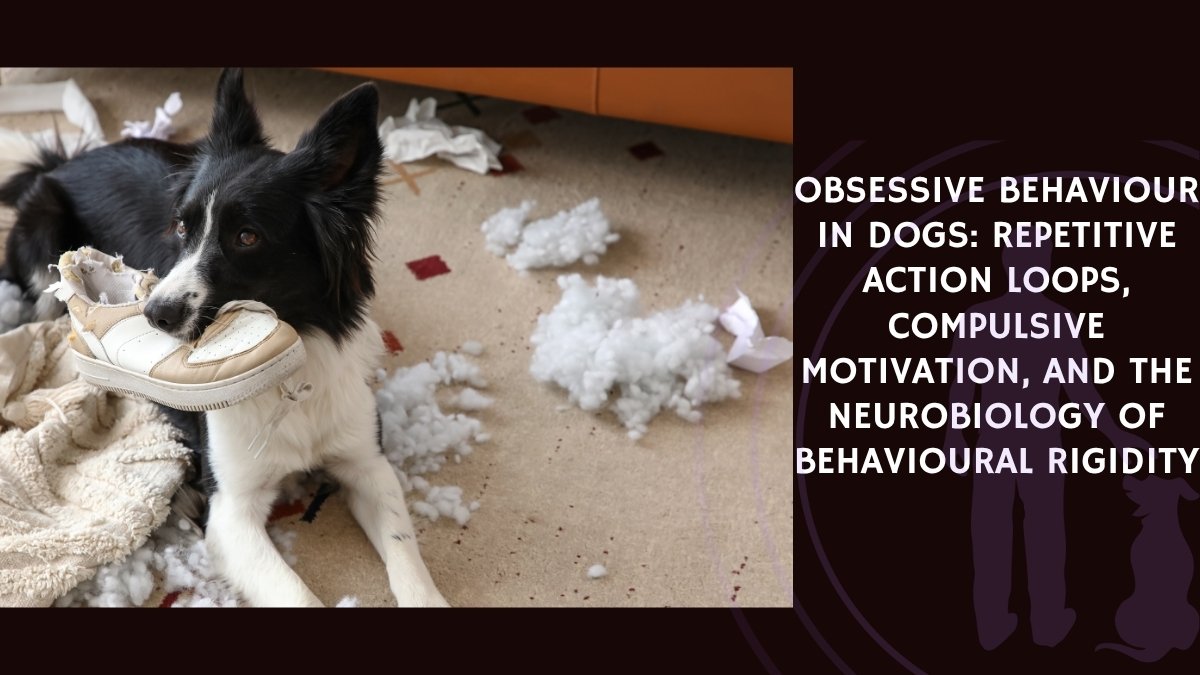
A Complete Guide to Understanding, Recognizing, and Addressing Canine Compulsive Disorder
You love your dog. You watch them every day. And then, one day, you notice something that feels off. Maybe your dog has started chasing their tail with an intensity that doesn’t quite match playfulness. Maybe they’ve begun licking their paw until the skin is raw, or fixating on shadows with a focus that nothing seems to break. At first, you might think it’s a quirk. But over time, you realize it’s something deeper, something your dog can’t seem to stop doing, even when it hurts.
Obsessive and compulsive behaviours in dogs represent a deeply complex challenge at the intersection of neurobiology, genetics, chronic stress, environmental mismatch, and learned patterns. What begins as an adaptive response, a dog’s attempt to cope with discomfort or anxiety, can spiral into a rigid behavioural loop that resists intervention, damages the body, and erodes the bond between you and your companion.
This guide walks you through the full picture. From the neural circuits that lock behaviour into repetitive patterns, to the neurotransmitter imbalances that fuel compulsive motivation, to the genetic predispositions that make certain breeds more vulnerable, to the environmental and lifestyle factors that push a dog’s brain toward rigidity. Every mechanism, every study finding, every piece of the puzzle matters. Because understanding the “why” behind your dog’s repetitive behaviour is the first step toward meaningful change.
Here is what you will learn in this guide:
- How the cortico-striatal-thalamo-cortical (CSTC) circuit drives repetitive behaviour when its balance breaks down
- Which neurotransmitters become dysregulated and how each one contributes to the compulsive loop
- Why certain breeds carry a genetic predisposition to compulsive disorder, with heritability estimates of 40 to 60 percent
- How chronic stress literally rewires the brain from flexible responding to rigid habit circuits
- The role of the dopamine SEEKING system, reward deficiency, and intermittent reinforcement in maintaining compulsive patterns
- How to recognize each specific compulsive behaviour and know when it crosses from quirk to clinical concern
- Practical behaviour modification, environmental enrichment, dietary support, and prevention strategies
- Why the human-dog relationship is both affected by and central to resolving compulsive behaviour
Let’s begin where it all originates: inside the brain. 🧠
The Neural Circuitry Behind Compulsive Behaviour
Why Your Dog’s Brain Gets “Stuck”
To understand obsessive behaviour in dogs, you need to understand the hardware that drives it. Canine compulsive disorder (CCD) involves dysregulation of multiple interconnected neural systems, with one circuit sitting at the very center of the problem: the cortico-striatal-thalamo-cortical (CSTC) circuit. This circuit is the primary anatomical substrate for repetitive behaviour. It is involved in both normal habit formation and pathological compulsive loops.
Think of the CSTC circuit as a control loop that helps your dog decide what to do, when to do it, and when to stop. When this loop is functioning well, your dog moves fluidly between behaviours, adjusting to what the environment demands. When it malfunctions, behaviours get locked in, and the off-switch stops working.
Several key neural structures participate in this circuit, and each one plays a specific role in either enabling or disrupting your dog’s behavioural flexibility.
The Orbitofrontal Cortex (OFC) is responsible for evaluating behavioural outcomes, decision-making, and inhibitory control. When the OFC is dysfunctional, your dog loses the ability to suppress inappropriate or repetitive actions, even when those actions no longer produce rewarding outcomes. The behaviour continues not because it works, but because the brain can no longer evaluate whether it should stop.
The Anterior Cingulate Cortex (ACC) handles error detection, conflict monitoring, and behavioural adjustment. When the ACC is impaired, your dog cannot recognize that a repetitive behaviour is maladaptive and should be interrupted. The internal alarm system that says “this isn’t helping” goes silent.
The Dorsolateral Prefrontal Cortex (dlPFC) is critical for executive function, working memory, and cognitive flexibility. Reduced dlPFC activity correlates with difficulty shifting behavioural strategies and increased perseveration on established patterns. Your dog gets mentally stuck, unable to try a different approach.
The Striatum, including the caudate and putamen, is where the most consequential shift happens. The striatum transitions behavioural control from goal-directed responding (ventral striatum and nucleus accumbens) to habitual responding (dorsolateral striatum). In compulsive disorders, excessive dorsolateral striatum engagement locks behaviour into rigid, automatic patterns that resist extinction. The behaviour becomes self-sustaining.
The Thalamus acts as a relay station, filtering sensory information and modulating cortical-striatal communication. Thalamic dysfunction may amplify repetitive sensory-motor loops, essentially keeping the signal cycling without resolution.
The Amygdala processes emotional significance and threat detection. Hyperactive amygdala function in anxious dogs may drive repetitive behaviours as anxiety-reduction strategies. The dog’s brain detects threat even when none exists, and the repetitive behaviour becomes the only available coping mechanism.
The Anterior Insula integrates interoceptive signals, the body’s internal states, with emotional processing. When this structure is dysfunctional, the dog’s ability to recognize internal cues signaling that a behaviour should stop is impaired. The body says “enough,” but the message doesn’t get through.
The Hippocampus is involved in contextual learning and memory consolidation. Hippocampal dysfunction may prevent your dog from learning that compulsive behaviours are context-inappropriate. The dog cannot register that the situation has changed and the behaviour is no longer needed.
Here is a summary of what each structure does when it malfunctions:
- OFC dysfunction → inability to suppress actions that no longer produce reward
- ACC dysfunction → failure to detect that a behaviour is maladaptive
- dlPFC dysfunction → reduced cognitive flexibility and increased perseveration
- Striatal imbalance → behaviour locked into rigid, automatic habit patterns
- Thalamic dysfunction → amplification of repetitive sensory-motor loops
- Amygdala hyperactivity → repetitive behaviour driven by threat detection in safe environments
- Anterior insula dysfunction → impaired recognition of internal “stop” signals
- Hippocampal dysfunction → inability to learn that a behaviour is context-inappropriate
Direct and Indirect Pathways: The Go and No-Go System
The CSTC circuit normally operates through balanced direct and indirect pathways.
The Direct Pathway (the “Go” system) facilitates action initiation through dopamine-mediated disinhibition. It tells the brain: “Do this.” The Indirect Pathway (the “No-Go” system) suppresses inappropriate actions through GABA-mediated inhibition. It tells the brain: “Don’t do this.”
In compulsive disorders, this balance is disrupted in four critical ways:
- Excessive direct pathway activation strengthens action initiation and reduces behavioural inhibition — the “Go” signal becomes too loud
- Weakened indirect pathway function reduces the ability to suppress repetitive actions — the “No-Go” signal becomes too quiet
- Habit circuit dominance shifts control from flexible, goal-directed systems to rigid, automatic responding
- Reduced cortical-striatal feedback impairs error correction and behavioural adjustment
This neurobiological profile explains why compulsive dogs continue repetitive behaviours despite negative consequences, environmental changes, or owner intervention. The behaviour has become automatized and resistant to cognitive override. Your dog isn’t choosing to do this. Their brain has lost the circuitry to stop. 🐾
Neurotransmitter Dysregulation
The Chemical Imbalances Behind the Loop
Beyond the structural circuitry, the chemical messengers that regulate brain function play a central role in compulsive behaviour. Multiple neurotransmitter systems become dysregulated, each contributing a different piece to the puzzle.
Dopamine: The Fuel of Compulsive Motivation
Dopamine plays a dual role in compulsive behaviour. It drives SEEKING motivation and reward anticipation, but it also reinforces habit formation through striatal plasticity.
Dogs with compulsive behaviours often display a hyperdopaminergic SEEKING system, with excessive dopamine signalling in the ventral striatum and nucleus accumbens. This creates heightened motivation to engage in repetitive actions. Paradoxically, this may involve what researchers call “reward deficiency syndrome,” where there is excessive dopamine in response to specific stimuli (shadows, flies, the dog’s own tail) while showing reduced dopamine responsiveness to normal social and environmental rewards.
At the same time, repeated dopamine surges during compulsive behaviour strengthen synaptic connections in the dorsolateral striatum through a process called striatal habit consolidation. This progressively automates the behaviour and reduces prefrontal cortical control. Over time, the behaviour becomes self-perpetuating, requiring less external motivation to sustain.
Research has also demonstrated breed-specific dopaminergic vulnerabilities. Decreased plasma dopamine levels correlate with increased aggression in Pit Bull dogs, suggesting that similar dysregulation may underlie compulsive tendencies across breeds.
Serotonin: The Missing Brake
Serotonin is critical for impulse control, mood regulation, and the ability to inhibit repetitive thoughts and actions.
Dogs with compulsive disorders often show reduced serotonin availability in prefrontal and striatal regions, impairing inhibitory control and increasing behavioural perseveration. This explains why selective serotonin reuptake inhibitors (SSRIs) are effective treatments for canine compulsive disorder: they increase serotonin availability and restore inhibitory capacity.
The interaction between serotonin and dopamine is where the picture becomes especially clear. Reduced serotonin combined with dysregulated dopamine creates a neurochemical environment that strongly favours compulsive behaviour: high motivation to act (from dopamine) combined with poor impulse control (from low serotonin). The engine is revving, but the brakes are gone.
Research also shows that decreased plasma serotonin levels correlate with increased aggressive behaviour in Pit Bulls, suggesting that serotonergic dysfunction may predispose dogs to multiple forms of behavioural dyscontrol, including compulsive patterns.
GABA and Glutamate: The Balance Between Excitation and Inhibition
The balance between inhibitory (GABA) and excitatory (glutamate) neurotransmission is fundamental to behavioural regulation.
Compulsive dogs often show reduced GABAergic inhibition in prefrontal and striatal regions, weakening the neural “brakes” that normally suppress repetitive actions. This creates a state of relative hyperexcitability where repetitive motor patterns are more easily triggered and sustained.
At the same time, excessive glutamate signalling, particularly in the orbitofrontal cortex and striatum, may drive repetitive thought-action cycles. Chronic stress increases glutamate release, potentially explaining why anxious dogs are more prone to compulsive behaviours.
Astrocyte Dysfunction: A Paradigm Shift
Recent research has introduced a significant paradigm shift in our understanding of compulsive disorder. Rather than viewing it purely as a neuronal pathology, new findings reframe obsessive-compulsive disorder as involving astrocyte (glial cell) dysfunction.
Astrocytes regulate glutamate and GABA homeostasis, calcium signaling, and synaptic plasticity. Disruptions in astrocytic function, particularly in Crym-positive astrocytes, directly shape excitatory and inhibitory balance and control perseverative behaviours by modulating presynaptic inputs from the orbitofrontal cortex.
This is a groundbreaking development. It suggests that therapeutic interventions targeting glial function may unlock entirely new treatment strategies for canine compulsive disorder, strategies that go beyond traditional neurotransmitter-focused approaches.
Oxytocin and Nesfatin-1: The Social and Stress Neuropeptides
Two neuropeptide systems also show significant dysregulation in compulsive dogs.
Oxytocin, often called the “bonding hormone,” promotes social engagement, emotional regulation, and anxiety reduction. Decreased plasma oxytocin levels correlate with increased aggression and compulsive behaviour in dogs. Low oxytocin may reduce your dog’s capacity for social soothing and increase reliance on self-directed repetitive behaviours for emotional regulation. When the NeuroBond between dog and human weakens at the neurochemical level, the dog’s brain turns inward for comfort, and compulsive behaviour fills the void.
Nesfatin-1, a neuropeptide involved in stress response and emotional regulation, shows decreased plasma levels in dogs with compulsive and aggressive behaviours. This suggests that multiple neuropeptide systems are simultaneously dysregulated in compulsive dogs, creating a neurochemical environment that broadly favours rigid, repetitive responding.
Cortisol and HPA-Axis Dysregulation
Chronic stress dysregulates the hypothalamic-pituitary-adrenal (HPA) axis, the body’s primary stress response system, in ways that directly promote compulsive behaviour.
Dogs with compulsive behaviours often show chronically elevated cortisol levels, indicating persistent HPA-axis activation. This creates a state of physiological hypervigilance where the nervous system is primed for threat detection and rapid response, even in objectively safe environments.
Dysregulated cortisol patterns, whether persistently elevated or flattened, reduce the brain’s capacity for flexible responding. Chronic cortisol exposure damages the hippocampus and prefrontal cortex, impairing learning, memory, and executive function. These are precisely the capacities needed to interrupt compulsive behaviour.
Here is a summary of all neurotransmitter and neuropeptide systems involved in canine compulsive disorder:
- Dopamine → drives SEEKING motivation, reinforces habit formation, creates reward deficiency
- Serotonin → impaired impulse control, increased perseveration, reduced behavioural inhibition
- GABA → weakened neural braking, increased hyperexcitability
- Glutamate → excessive excitatory signalling, stress-amplified thought-action cycles
- Astrocytes → disrupted excitatory/inhibitory balance via glial cell dysfunction
- Oxytocin → reduced social soothing, increased reliance on self-directed repetition
- Nesfatin-1 → disrupted stress regulation, heightened rigidity
- Cortisol → chronic HPA-axis activation, hippocampal and prefrontal damage
Perhaps most critically, chronic stress shifts behavioural control from flexible, goal-directed systems (prefrontal cortex) to rigid, automatic habit systems (dorsolateral striatum). This explains why anxious dogs are more prone to compulsive behaviours: stress literally rewires the brain to favour automatic, repetitive responding over flexible adaptation. 🧠
Genetic Predisposition and Breed Susceptibility
Why Some Dogs Are Born Closer to the Edge
Canine compulsive disorder has a strong genetic component. Heritability estimates suggest that 40 to 60 percent of the variance in compulsive behaviour is attributable to genetic factors. This makes dogs not only vulnerable to compulsive disorders but also an excellent model for understanding the genetic architecture of obsessive-compulsive disorder in humans.
Candidate Genes: PPP2R2B and ADAMTSL3
Research using genome-wide association studies (GWAS) in dogs with obsessive-compulsive-like behaviours, specifically continuous circling, has identified two candidate OCD risk genes: PPP2R2B and ADAMTSL3. These genes affect the density and morphology of dendritic spines, the tiny connection points between neurons, and may underlie common biological and physiological pathways shared between humans and dogs.
This finding is particularly significant because it demonstrates that the genetic basis of compulsive behaviour is conserved across species. Whole genome analyses reveal significant convergence in obsessive-compulsive disorder between humans and dogs, with overlapping genes identified in human OCD GWAS studies. The neurogenetic mechanisms underlying compulsive behaviour are fundamentally similar across species.
Breed-Specific Genetic Vulnerabilities
Certain breeds demonstrate markedly elevated prevalence of compulsive behaviours, each with characteristic patterns:
- Bull Terriers → particularly prone to tail chasing and spinning
- Border Collies → prone to light/shadow chasing, fly biting, and obsessive herding behaviours
- Doberman Pinschers → high prevalence of acral lick dermatitis and flank sucking
- German Shepherds → prone to pacing, circling, and fence running
- Cavalier King Charles Spaniels → susceptible to compulsive behaviours, possibly related to neurological predisposition
Genome-wide association studies of 87 Doberman Pinscher cases and 63 controls identified genomic loci associated with OCD. Sequencing of affected dogs from high-risk breeds revealed 119 variants in evolutionarily conserved sites specific to dogs with OCD. These variants likely affect genes involved in synaptic plasticity, neurotransmitter function, and neural circuit development.
Working Breed Predisposition
Working breeds, including Border Collies, German Shepherds, and Dobermans, show higher prevalence of compulsive behaviours than companion breeds. Three factors likely contribute to this pattern:
- Genetic selection for intense focus and persistence → traits valuable for working tasks but potentially predisposing to behavioural fixation when those tasks are removed
- Heightened sensitivity to environmental stimuli → selective breeding for responsiveness to subtle cues may increase vulnerability to stimulus-driven compulsive loops
- Reduced behavioural flexibility → selection for task-specific behaviours may reduce the genetic capacity for behavioural switching
This creates an important insight for any owner of a working breed. The very traits you admire in your dog, their focus, their drive, their persistence, may also be the traits that make them vulnerable to compulsive patterns when the right environmental conditions converge with their genetic makeup.
Gene-Environment Interactions: The Diathesis-Stress Model
Genetic predisposition alone does not determine whether a dog develops compulsive behaviour. Rather, genetic vulnerability interacts with environmental factors to determine whether the behaviour actually emerges.
The Diathesis-Stress Model explains this interaction. Dogs with genetic predisposition to compulsive behaviour (high diathesis) require less environmental stress to develop clinical symptoms. Genetically resilient dogs may develop compulsive behaviours only under severe environmental adversity. It is the combination of vulnerability and environment that determines outcome, not either factor alone.
Epigenetic regulation adds another layer of complexity. Environmental experiences, including stress, enrichment, and social interaction, alter gene expression through epigenetic mechanisms like DNA methylation and histone modification, all without changing the underlying DNA sequence. Chronic stress may activate genes predisposing to compulsive behaviour, while enrichment may suppress their expression. What your dog experiences physically reshapes how their genes function.
Critical developmental windows also matter enormously. Genetic vulnerability may be particularly expressed during periods of 6 to 24 months of age, corresponding to sexual and social maturity. During this time, the brain is undergoing significant reorganization and is particularly sensitive to environmental influences. This is the window where preventive intervention can make the greatest difference. 🐾
Stress Neurobiology and Emotional Dysregulation
How Chronic Stress Rewires the Brain for Compulsion
Chronic stress doesn’t just make your dog feel bad. It fundamentally alters brain structure and function in ways that directly promote compulsive behaviour. Stress exposure contributes considerably to the development of cognitive impairments in psychiatric disorders, including obsessive-compulsive disorder.
Stress-Induced Neural Changes
Four critical structural changes occur in the brain under chronic stress:
- Prefrontal cortex atrophy → chronic stress reduces grey matter volume in the prefrontal cortex, particularly the orbitofrontal cortex and anterior cingulate cortex, impairing executive function, decision-making, and behavioural inhibition
- Amygdala enlargement → chronic stress increases amygdala volume and reactivity, creating a state of heightened threat detection and emotional reactivity that drives repetitive behaviours as anxiety-reduction strategies
- Hippocampal damage → prolonged stress exposure damages the hippocampus, impairing contextual learning and memory consolidation, preventing your dog from learning that compulsive behaviours are context-inappropriate
- Striatal sensitization → chronic stress increases dopamine sensitivity in the striatum, making the brain more responsive to cues associated with compulsive behaviours, creating a state of heightened “wanting” even when the behaviour no longer produces reward
The Stress-Induced Shift from Flexible to Rigid
One of the most important effects of chronic stress is a fundamental shift in how behaviour is controlled.
In non-stressed dogs, behaviour is primarily controlled by goal-directed systems in the ventromedial prefrontal cortex and ventral striatum. The dog evaluates whether a behaviour is likely to produce a desired outcome and adjusts behaviour accordingly. This is flexible, adaptive, responsive.
Under chronic stress, behavioural control shifts to rigid, automatic habit systems in the dorsolateral striatum. The dog continues repetitive behaviours even when they no longer produce rewarding outcomes, because the behaviour has become automatized and resistant to cognitive override.
This explains a key clinical observation that often frustrates and confuses owners. Compulsive dogs continue their repetitive behaviours despite:
- Environmental changes
- Owner intervention and punishment
- Negative consequences including pain, injury, and social isolation
- Availability of alternative, more rewarding activities
The behaviour has become decoupled from its original motivational context. It is now driven by automatic habit circuits that resist cognitive control. Your dog isn’t being stubborn. Their brain has been reorganized by stress.
Cognitive Impairments Under Chronic Stress
Chronic stress impairs multiple cognitive domains that are critical for behavioural flexibility:
- Cognitive flexibility → the ability to shift behavioural strategies when environmental conditions change is reduced by stress-induced prefrontal dysfunction, making the dog more likely to perseverate on established patterns
- Behavioural inhibition → the capacity to suppress inappropriate or maladaptive responses is weakened as stress-induced amygdala hyperactivity and prefrontal hypofunction reduce inhibitory control
- Working memory → the ability to hold and manipulate information in mind is impaired by stress-induced hippocampal and prefrontal dysfunction, reducing the dog’s capacity to remember alternative strategies or recognize that a behaviour is maladaptive
Anxiety as a Driver and Maintainer of Compulsive Behaviour
The Vicious Cycle That Feeds Itself
Anxiety and compulsive behaviour are intimately linked. Compulsive behaviours often function as anxiety-reduction strategies, but over time, the behaviour itself becomes a source of anxiety when the dog cannot perform it. What starts as a coping mechanism becomes a trap.
The Five Stages of Anxiety-Driven Compulsive Loops
This cycle follows a predictable five-stage progression.
Stage 1: Initial Anxiety Trigger. Your dog experiences anxiety in response to environmental uncertainty, social stress, or internal discomfort such as pain, gastrointestinal upset, or skin irritation.
Stage 2: Compulsive Behaviour as Anxiety Reduction. The dog discovers that a particular repetitive behaviour, whether tail chasing, paw licking, or shadow chasing, temporarily reduces anxiety. The behaviour becomes negatively reinforced: the dog learns that performing the behaviour reduces discomfort.
Stage 3: Habit Formation. With repeated performance, the behaviour becomes increasingly automatized and habitual. The dog no longer consciously “chooses” to perform the behaviour. It occurs automatically in response to anxiety-triggering cues.
Stage 4: Anxiety About the Behaviour. Over time, the dog may become anxious about the behaviour itself, worried that it cannot perform the behaviour, or anxious about the consequences of the behaviour such as pain, injury, or social isolation. This creates a vicious cycle where anxiety drives the compulsive behaviour, and the compulsive behaviour drives further anxiety.
Stage 5: Behavioural Escalation. As the behaviour becomes more entrenched, it often escalates in frequency and intensity. The dog requires more repetitions of the behaviour to achieve the same anxiety-reduction effect (tolerance), similar to addiction in humans.
Heightened Fear and Threat Sensitivity
Dogs with compulsive behaviours often show heightened fear and threat sensitivity, suggesting that compulsive behaviour may represent a maladaptive response to perceived threat.
Hypervigilance is common. Compulsive dogs frequently display heightened scanning of the environment for potential threats, which may drive repetitive behaviours as a way to monitor and control the environment. The Invisible Leash of awareness that normally connects a dog’s attention to its environment becomes a tether to threat.
Startle sensitivity is also elevated. Compulsive dogs often show exaggerated startle responses to unexpected stimuli, indicating heightened amygdala reactivity and reduced prefrontal inhibition.
Generalized anxiety is frequently present as well. Many compulsive dogs show signs of generalized anxiety disorder, with worry and tension extending beyond specific triggers to pervade their daily experience. The anxiety isn’t situational; it’s systemic. 🧡
Reward Systems, Dopamine, and Behavioural Reinforcement
Understanding the SEEKING System
Dopamine is often mischaracterized as the “pleasure” neurotransmitter. Its primary function is actually to drive SEEKING motivation, the urge to pursue, explore, and obtain rewarding stimuli. In compulsive behaviour, the dopamine SEEKING system becomes dysregulated, driving excessive motivation to engage in repetitive actions.
Normal SEEKING Behaviour
In healthy dogs, dopamine-driven SEEKING behaviour is adaptive and serves multiple essential functions:
- Exploration → dopamine motivates exploration of novel environments and objects
- Foraging → dopamine drives food-seeking and hunting behaviours
- Social engagement → dopamine motivates social interaction and play
- Goal-directed behaviour → dopamine sustains effort toward meaningful goals
The SEEKING system is normally regulated by feedback from the environment. When a goal is achieved, dopamine signalling decreases, and the dog shifts to other activities. When a goal becomes unattainable, dopamine signalling eventually decreases, and the dog abandons the pursuit. The system is flexible. It responds to reality.
Dysregulated SEEKING in Compulsive Behaviour
In compulsive disorder, the SEEKING system breaks down in several interconnected ways:
- Excessive dopamine responsiveness to specific stimuli → the dog’s brain shows exaggerated dopamine responses to stimuli associated with the compulsive behaviour (shadows, flies, the dog’s own tail), creating intense, almost irresistible motivation
- Reduced dopamine responsiveness to normal rewards → compulsive dogs show reduced responsiveness to normal social and environmental rewards like play, food, and social interaction, creating a state of “reward deficiency” where the world becomes dull except for the one thing the dog compulsively pursues
- Impaired feedback regulation → the dog’s brain fails to reduce dopamine signalling when the behaviour fails to produce expected outcomes, creating “frustrative non-reward” where the dog continues with undiminished motivation despite repeated failure
- Habit consolidation → repeated dopamine surges strengthen synaptic connections in the dorsolateral striatum, progressively automating the behaviour until it becomes self-perpetuating and requires less external motivation to sustain
Reinforcement Schedules: Why Compulsive Behaviours Are So Hard to Break
The pattern and timing of reinforcement profoundly influences whether a behaviour becomes compulsive.
When a behaviour is reinforced every time it occurs (continuous reinforcement), the behaviour is learned quickly but is also extinguished quickly when reinforcement stops. This is the least likely pattern to produce compulsive behaviour.
When a behaviour is reinforced only occasionally (intermittent reinforcement), whether on variable ratio, variable interval, or fixed ratio schedules, the behaviour becomes more resistant to extinction and more likely to persist even when reinforcement becomes rare or absent.
Many compulsive behaviours are maintained precisely through intermittent reinforcement. Here are the most common examples:
- Shadow chasing → the dog occasionally “catches” a shadow, creating a brief moment of success that reinforces the behaviour; the unpredictability of success makes the behaviour highly resistant to extinction
- Fly biting → the dog occasionally catches a fly or insect, reinforcing the behaviour; the unpredictability of success maintains high motivation to continue searching, even when no flies are present
- Paw licking → the dog occasionally experiences relief from anxiety or discomfort through licking, reinforcing the behaviour; the intermittent nature of relief maintains the behaviour despite negative consequences like pain and infection
Accidental Reinforcement by Owners
This is an area where awareness matters enormously. Owners often unintentionally reinforce compulsive behaviours through attention, even negative attention:
- Attention-seeking reinforcement → if your dog’s compulsive behaviour elicits your attention (scolding, interruption, concern), the behaviour may be reinforced because the dog learns it is an effective way to obtain attention
- Reassurance reinforcement → if you respond to compulsive behaviour with reassurance or comfort, the behaviour may be negatively reinforced because the dog learns that the behaviour reduces anxiety through owner intervention
- Interruption reinforcement → if you interrupt a compulsive behaviour, the interruption itself may become rewarding because the dog receives your attention, thereby reinforcing the very behaviour you’re trying to stop
Reward Deficiency Syndrome
Reward Deficiency Syndrome (RDS) is a neurogenetic condition characterized by hypodopaminergic function, meaning reduced dopamine availability or sensitivity in reward-related brain regions. RDS predisposes individuals to compulsive, impulsive, and addictive behaviours.
Dogs with RDS show four key features:
- Reduced responsiveness to normal rewards → the dog’s brain is less responsive to typical canine rewards like food, play, and social interaction
- Heightened responsiveness to specific stimuli → the dog’s brain shows exaggerated responses to stimuli associated with compulsive behaviour
- Compulsive seeking of stimulation → the dog engages in repetitive behaviours to stimulate dopamine release and achieve a sense of reward or satisfaction
- Tolerance and escalation → over time, the dog requires more intense or frequent stimulation to achieve the same dopamine response
The Genetic Addiction Risk Score (GARS) is a molecular neurogenetic assessment that identifies genetic predisposition to reward deficiency and compulsive behaviour. Dogs with high GARS scores show genetic polymorphisms in dopamine-related genes that predispose them to compulsive, impulsive, and addictive behaviours. This research suggests that genetic testing may eventually enable early identification of dogs at high risk for developing compulsive behaviours, allowing for preventive interventions before clinical symptoms emerge. 🧠
Trapped. Repeating. Recovering.
Brain Loops Persist Compulsive behaviour emerges when neural control circuits lose flexibility causing repetitive actions to continue long after they no longer serve a useful purpose.
Stress Reinforces Patterns Chronic stress neurotransmitter imbalance and genetic vulnerability strengthen rigid habit systems making behaviours increasingly automatic and difficult to interrupt.



Flexibility Restores Choice Through emotional regulation environmental support and NeuroBond aligned guidance the brain can rebuild adaptive pathways replacing compulsive repetition with healthier behavioural options. 🐾
Executive Function and Behavioural Flexibility
When the Brain’s Command Center Fails
Executive function refers to a set of cognitive processes that enable flexible, goal-directed behaviour: planning, decision-making, working memory, inhibitory control, and cognitive flexibility. Dogs with compulsive behaviours show marked deficits across all of these domains.
Inhibitory Control Deficits
Three types of inhibitory control deficit emerge in compulsive dogs:
- Response inhibition → the ability to suppress an inappropriate or maladaptive response is reduced; the signal to stop is being sent, but it doesn’t arrive with enough force
- Impulse control → the capacity to delay gratification and resist immediate impulses in favour of longer-term goals is diminished; compulsive dogs engage in repetitive behaviours immediately upon exposure to triggering stimuli
- Conflict monitoring → the ability to detect when a response is inappropriate or in conflict with goals is impaired; the internal system that flags errors goes quiet
Cognitive Flexibility Deficits
Three forms of cognitive flexibility deficit are consistently observed:
- Behavioural switching → the ability to shift from one behavioural strategy to another when environmental conditions change is reduced; the dog is locked into one track
- Set-shifting → the ability to shift from one rule or strategy to another is impaired; compulsive dogs become “stuck” on established patterns, unable to apply a new approach even when the old one has clearly failed
- Reversal learning → the ability to learn that a previously rewarded stimulus is no longer rewarded, and to shift responding accordingly, is compromised; the brain cannot update its expectations
Working Memory Deficits
Two working memory deficits are notable:
- Information maintenance → the ability to hold information in mind while performing other tasks is reduced, limiting the dog’s capacity to remember alternative behavioural strategies
- Interference resistance → the ability to maintain focus on relevant information while ignoring irrelevant distractions is weakened; compulsive dogs become distracted by stimuli associated with compulsive behaviour, losing track of everything else
🧠 Obsessive Behaviour in Dogs 🐾
Repetitive Action Loops, Compulsive Motivation & the Neurobiology of Behavioural Rigidity — From Neural Circuits to Practical Solutions
Phase 1: The Neural Circuitry
Why Your Dog’s Brain Gets “Stuck”The cortico-striatal-thalamo-cortical (CSTC) circuit is the primary anatomical substrate for repetitive behaviour. It controls what your dog does, when they do it, and when they stop. When this circuit malfunctions, behaviours get locked in and the off-switch stops working.
• Orbitofrontal Cortex (OFC) — evaluates outcomes; dysfunction = can’t suppress useless actions
• Anterior Cingulate Cortex (ACC) — detects errors; dysfunction = can’t recognize behaviour is maladaptive
• Dorsolateral Prefrontal Cortex — executive control; dysfunction = mental rigidity, perseveration
• Striatum (Caudate & Putamen) — transitions goal-directed → habitual; dysfunction = rigid automatic patterns
• Thalamus — sensory relay; dysfunction = amplified repetitive sensory-motor loops
• Amygdala — threat detection; hyperactivity = compulsive behaviour as anxiety reduction
• Anterior Insula — internal body signals; dysfunction = can’t recognize “stop” cues
• Hippocampus — contextual learning; dysfunction = can’t learn behaviour is context-inappropriate
In compulsive dogs, the Direct “Go” Pathway (action initiation) becomes excessively activated while the Indirect “No-Go” Pathway (action suppression) weakens. The result: habit circuit dominance, reduced error correction, and behaviour that is automatized and resistant to cognitive override. Your dog isn’t choosing this — their brain has lost the circuitry to stop.
Phase 2: Neurotransmitter Dysregulation
The Chemical Imbalances Behind the Loop• Dopamine drives SEEKING motivation and habit formation. Compulsive dogs show excessive dopamine response to specific stimuli (shadows, tail, flies) but reduced response to normal rewards — “Reward Deficiency Syndrome”
• Serotonin provides impulse control and behavioural inhibition. Reduced serotonin = the brakes fail. This is why SSRIs are effective — they restore inhibitory capacity
• The combination of high dopamine drive + low serotonin control creates the perfect neurochemical storm for compulsive behaviour
• Reduced GABA = weakened neural brakes, hyperexcitable repetitive motor patterns
• Excessive Glutamate = stress-amplified thought-action cycles, especially in OFC and striatum
• Astrocyte (Crym-positive) dysfunction = a paradigm shift — OCD may involve glial cell pathology, not just neurons. Astrocytes regulate glutamate/GABA homeostasis and synaptic plasticity, opening entirely new treatment possibilities
• Low Oxytocin reduces capacity for social soothing → dog turns to self-directed repetition for emotional regulation
• Low Nesfatin-1 disrupts stress response → multiple neuropeptide systems simultaneously fail
• Chronic Cortisol elevation damages hippocampus & prefrontal cortex, shifts control from flexible (prefrontal) to rigid (striatal) systems — stress literally rewires the brain for compulsion
Phase 3: Genetic Predisposition & Breed Susceptibility
40–60% Heritability — Some Dogs Are Born Closer to the EdgeGWAS studies identified two candidate OCD risk genes: PPP2R2B and ADAMTSL3, affecting dendritic spine density and morphology. Whole genome analyses reveal significant convergence between human and canine OCD — the neurogenetic mechanisms are fundamentally similar across species. In Dobermans, sequencing identified 119 variants in evolutionarily conserved sites specific to OCD dogs (87 cases, 63 controls).
• Bull Terriers → tail chasing, spinning
• Border Collies → light/shadow chasing, fly biting, obsessive herding
• Doberman Pinschers → acral lick dermatitis, flank sucking
• German Shepherds → pacing, circling, fence running
• Cavalier King Charles Spaniels → neurological predisposition to compulsive behaviour
The Diathesis-Stress Model: high genetic vulnerability + low stress can still trigger symptoms. Epigenetic regulation means stress activates compulsive-predisposing genes while enrichment suppresses them — without changing DNA. The critical window of 6–24 months (sexual/social maturity) is when the brain is most sensitive and prevention has its greatest impact.
Phase 4: Stress & Anxiety
How Chronic Stress Rewires the Brain for Compulsion• Prefrontal Cortex Atrophy → reduced grey matter = impaired executive function and behavioural inhibition
• Amygdala Enlargement → increased volume and reactivity = heightened threat detection in safe environments
• Hippocampal Damage → impaired contextual learning = can’t learn that the behaviour is inappropriate
• Striatal Sensitization → increased dopamine sensitivity = heightened “wanting” even without reward
Stage 1: Anxiety trigger (uncertainty, pain, social stress) → Stage 2: Dog discovers repetitive behaviour reduces anxiety (negative reinforcement) → Stage 3: Habit formation — behaviour becomes automatic → Stage 4: Anxiety about the behaviour itself (can’t perform it = more anxiety) → Stage 5: Escalation — tolerance builds, more repetitions needed for same relief. The coping mechanism becomes the trap.
Compulsive dogs commonly display hypervigilance (constant scanning for threats), exaggerated startle responses (heightened amygdala reactivity), and generalized anxiety that extends beyond specific triggers. These dogs live in a state of systemic tension — their nervous system operates as though danger is constant, and the compulsive behaviour is their only available release valve.
Phase 5: Reward Systems & Reinforcement
The Dopamine SEEKING System and Why the Loop PersistsIn compulsive disorder, the dopamine SEEKING system shows: excessive responsiveness to compulsive stimuli (shadows, tail, flies) + reduced responsiveness to normal rewards (food, play, social interaction) + impaired feedback regulation (motivation doesn’t decrease after failure) + habit consolidation (repeated dopamine surges automate the behaviour). The world becomes dull except for the one thing the dog compulsively pursues.
Many compulsive behaviours are maintained by intermittent reinforcement, the most extinction-resistant schedule:
• Shadow chasing — occasional “catch” creates brief success that maintains pursuit
• Fly biting — occasional real catch keeps motivation despite long periods of failure
• Paw licking — intermittent anxiety relief maintains licking despite pain and infection
Variable ratio reinforcement maintains unwanted behaviours with incredible power — just like slot machine addiction.
• Scolding or interrupting = attention reinforcement (behaviour becomes effective way to get your engagement)
• Comforting or reassuring = negative reinforcement (dog learns behaviour reduces anxiety via your response)
• Rushing to interrupt = the interruption itself becomes rewarding, reinforcing what you’re trying to stop
Even negative attention is still attention. Your response is part of the reinforcement landscape.
Phase 6: Recognizing the Signs
Normal Quirk vs. Clinical Compulsion — Where the Line Sits• Context — Normal: occurs in specific, understandable situations | Compulsive: occurs across many contexts or without trigger
• Interruptibility — Normal: easily redirected | Compulsive: difficult or impossible to interrupt
• Duration — Normal: brief, self-limiting | Compulsive: prolonged, dog can’t voluntarily stop
• Flexibility — Normal: varies in form and intensity | Compulsive: rigid, stereotyped, identical each time
• Escalation — Normal: stable over time | Compulsive: frequency and intensity increase progressively
• Physical harm — Normal: no self-injury | Compulsive: tissue damage, exhaustion, infection
• Daily life impact — Normal: no interference | Compulsive: disrupts eating, sleeping, socializing
Consult a veterinary behaviourist if your dog meets two or more of these:
• Behaviour occurs daily or multiple times per day
• Episodes last more than a few minutes, or total time is increasing
• Behaviour is difficult or impossible to interrupt
• Frequency and intensity are escalating over weeks
• Physical self-harm has occurred (skin damage, hair loss, wounds, worn paw pads)
• Eating, sleep, or social functioning is disrupted
• Dog seems “absent” or “checked out” during the behaviour
• Your relationship with your dog is suffering
• Zoomies vs. compulsive circling — Zoomies are brief, joyful, context-specific; compulsive circling is prolonged, rigid, context-independent
• Occasional paw licking vs. acral lick dermatitis — Brief general grooming vs. obsessive single-area licking causing visible skin damage
• Chasing a squirrel vs. shadow chasing — Adaptive predatory response vs. fixation on non-existent targets
• Excited spinning for leash vs. tail chasing — Anticipatory arousal in context vs. frenzied, triggerless, uninterruptible pursuit
Phase 7: Behaviour Modification & Environmental Enrichment
Breaking the Loop with Evidence-Based Strategies• DRI (Differential Reinforcement of Incompatible Behaviour) — Reinforce a behaviour physically incompatible with the compulsive one: “down” for tail chasers, scent work for shadow chasers, toy carrying for paw lickers
• RIRD (Response Interruption & Redirection) — Calmly interrupt at the earliest sign, before the loop activates. Use neutral pre-trained cues (touch, hand target), then redirect to alternative activity
• Systematic Desensitization — Gradually expose to triggers at sub-threshold intensity while reinforcing calm responses. Never push past threshold
• Counter-Conditioning — Change the emotional response to triggers from anxiety → positive anticipation. You are rewriting emotional memory
• Cognitive: Puzzle feeders (rotate weekly), nosework/scent games, shaping exercises via clicker training, novel object exposure, trick training — all engage prefrontal cortex and build cognitive flexibility
• Physical: Breed-appropriate exercise, structured walks with exploration, swimming, flirt pole work, agility — matched to breed energy and drive type
• Social: Structured play dates with compatible dogs, dedicated handler engagement, cooperative training games, social walks — address the relational dimension that is central to canine wellbeing
Makes it worse: Scolding (adds stress → more rigidity), comforting during behaviour (negative reinforcement), rushing to interrupt (attention = reward), physical restraint (frustration rebound), laser pointers (directly feeds compulsion)
What helps: Neutral calm observation, early redirection before the loop starts, heavily reinforcing all non-compulsive behaviour, managing your own emotional state (your calm is part of the treatment), consistent predictable routines, investing in the relationship outside of compulsive episodes
Phase 8: Prevention, Nutrition & The Human-Dog Bond
Building Resilience Before Circuits ConsolidateThis is when genetic vulnerability is most actively expressed and the brain is most sensitive. Build: cognitive flexibility (varied environments, surfaces, sounds), frustration tolerance (systematic waiting, delayed gratification), impulse control (“leave it,” “wait,” “settle” — directly strengthens prefrontal circuits), emotional regulation (calm handling, predictable environment), and behavioural variety (many activity types so no single pathway dominates).
• Tryptophan → Serotonin: Quality protein (turkey, chicken, eggs, fish) balanced with carbs to support brain tryptophan availability
• Omega-3 fatty acids (EPA/DHA from fish oil) reduce neuroinflammation and support neuronal health
• Gut-brain axis: The gut produces ~90% of the body’s serotonin; probiotic support may reduce anxiety-related behaviours
• Consistent, regular meals support predictable blood sugar and cortisol patterns
Low oxytocin correlates with compulsive behaviour. Positive social interaction raises oxytocin. This means investing in the relationship — calm shared time, cooperative play, consistent care — is not peripheral to treatment. It is treatment. Compulsive behaviour creates helplessness, frustration, guilt, and caregiver fatigue in owners. Rebuilding the bond repairs both the neurochemical environment and the relational foundation your dog needs for regulation.
🔬 Compulsive Behaviours by Breed — At a Glance
Primary patterns: Tail chasing, spinning
Presentation: Frenzied circling, may continue until exhaustion, may bite own tail
Key factor: Strong genetic loading; one of the most breed-specific compulsive patterns documented
Primary patterns: Shadow/light chasing, fly biting, obsessive herding
Presentation: Intense visual fixation, scanning for light/movement, herding behaviour directed at inappropriate targets
Key factor: High visual prey drive + selection for intense focus = stimulus-driven compulsive loops
Primary patterns: Flank sucking, acral lick dermatitis, blanket sucking
Presentation: Sustained oral fixation on own flank or fabric; skin discolouration and lesions over time
Key factor: 119 OCD-specific genetic variants identified; strongest breed-specific GWAS data available
Primary patterns: Pacing, circling, fence running, acral lick dermatitis
Presentation: Fixed-route repetitive locomotion, visible ground wear tracks, sustained fence-line running without stimulus
Key factor: Working breed predisposition — selection for persistence and environmental sensitivity
Primary patterns: Fly snapping, generalized compulsive behaviours
Presentation: Air snapping at invisible targets, possible confusion or distress during episodes
Key factor: Neurological predisposition; fly snapping may overlap with partial seizure activity — vet workup essential
Primary patterns: New-onset or worsening repetitive behaviours
Presentation: Pacing, circling, vocalizing, excessive licking — must differentiate from Canine Cognitive Dysfunction
Key factor: Age-related prefrontal deterioration + neurotransmitter decline + chronic pain + sensory loss compound existing vulnerabilities
The Convergence Formula: Genetic predisposition + Environmental mismatch + Chronic stress + Neurotransmitter imbalance + Reinforcement history = Compulsive behaviour
The Go/No-Go Rule: Compulsion = excessive Direct Pathway activation (Go too loud) + weakened Indirect Pathway function (No-Go too quiet)
The Neurochemical Equation: High dopamine drive + Low serotonin control + Low GABA inhibition + High cortisol = maximum compulsive vulnerability
The Reinforcement Trap: Intermittent reinforcement (even occasional success) maintains behaviour with greater power than continuous reinforcement — this is why compulsive behaviours resist extinction
The Critical Window: 6–24 months = when prevention has maximum impact. After habit consolidation, intervention becomes management rather than cure
The Owner Rule: Any attention (scolding, comforting, interrupting) during compulsive behaviour = reinforcement. Neutral calm + early redirection + heavy reinforcement of alternatives = the protocol
The Prevalence Fact: 16% of pet dogs show repetitive behaviour patterns. Onset is typically before 1 year of age. Early intervention is always more effective than late
Compulsive behaviour is not a choice your dog makes. It is a convergence of circuitry, chemistry, genetics, and experience that locks the nervous system into patterns of rigidity. But within that same architecture lies the pathway out.
The NeuroBond between you and your dog is not a metaphor — it is a neurochemical reality. Every moment of genuine connection raises oxytocin, the very molecule whose deficiency fuels compulsive patterns. When you invest in that bond, you are not just being kind. You are rebuilding the brain’s capacity for flexible, regulated responding.
The Invisible Leash that holds this relationship together is not a tool of control — it is a thread of emotional safety. When that thread is strong, your dog’s nervous system has one more resource for self-regulation, one more reason to stay flexible rather than rigid.
And the deepest emotional impressions — moments of Soul Recall — can work in both directions. They can entrench patterns of distress, but they can also anchor new patterns of safety, connection, and resilience when the right conditions are provided.
The path forward is never about suppression. It is about rebuilding the conditions — neurological, environmental, relational — under which your dog’s brain can find its way back to flexibility.
© Zoeta Dogsoul — Where neuroscience meets soul in dog training
The Neurobiological Basis of Executive Dysfunction
These executive function deficits reflect dysfunction in prefrontal cortical regions and their connections with striatal and limbic structures. Four patterns converge:
- Prefrontal cortex hypofunction → reduced activity and connectivity in the orbitofrontal cortex, anterior cingulate cortex, and dorsolateral prefrontal cortex impairs executive control
- Striatal hyperfunction → excessive activity in the dorsolateral striatum (habit circuits) combined with reduced activity in the ventral striatum (goal-directed circuits) shifts behavioural control toward automatic, rigid responding
- Reduced prefrontal-striatal connectivity → weakened communication between the prefrontal cortex and striatum reduces top-down control over habit circuits
- Amygdala-prefrontal imbalance → a hyperactive amygdala combined with a hypoactive prefrontal cortex creates emotional-limbic dominance over rational, executive control 🐾
Environmental Factors and Lifestyle Mismatch
When Modern Life Doesn’t Match the Canine Brain
Modern domestic environments often fail to provide the cognitive, physical, and social stimulation that dogs’ brains evolved to require. This environmental mismatch may be a significant, and often overlooked, contributor to compulsive behaviour.
Cognitive Deprivation
- Lack of problem-solving opportunities → dogs’ brains evolved to solve problems like finding food, navigating social hierarchies, and adapting to changing conditions; modern environments often provide minimal problem-solving opportunities, leaving cognitive systems under-stimulated
- Reduced environmental complexity → wild and working dogs encounter complex, unpredictable environments requiring constant cognitive engagement; domestic dogs often live in simplified, predictable environments with minimal novelty or challenge
- Insufficient mental enrichment → many domestic dogs receive minimal cognitive enrichment (puzzle toys, training, scent work), and this deprivation may predispose to compulsive behaviour as the brain seeks stimulation through repetitive self-directed actions
Physical Deprivation
- Insufficient exercise → many domestic dogs receive inadequate physical exercise, particularly working breeds that evolved to work eight to ten hours per day; physical under-stimulation contributes to compulsive behaviour as the body seeks the activity it requires
- Confinement and restriction → dogs confined to small spaces or restricted from normal movement may develop compulsive behaviours as a response to frustration and lack of outlet for normal motor patterns
- Lack of meaningful work → working breeds in particular may develop compulsive behaviours when deprived of purposeful work; the brain is wired to perform specific tasks, and when these outlets are unavailable, compulsive behaviour may emerge as a substitute
Social Deprivation
- Isolation and loneliness → chronic isolation or lack of meaningful social interaction may contribute to compulsive behaviour as the dog seeks self-soothing through repetitive actions
- Lack of social structure → dogs evolved in structured social hierarchies with clear leadership and predictable social roles; modern environments often lack clear structure, creating uncertainty and anxiety
- Insufficient play and social engagement → reduced opportunities for play with other dogs or humans deprive the dog of important outlets for social motivation and emotional regulation
Environmental Overstimulation
While environmental deprivation contributes to compulsive behaviour, excessive or chaotic stimulation can also drive compulsive responses:
- Chronic noise and sensory overload → dogs living in noisy, chaotic environments may develop compulsive behaviours as a response to chronic sensory overload
- Unpredictable or threatening environments → dogs living with unpredictable threats (aggressive household members, unpredictable punishment, chaotic dynamics) may develop compulsive behaviours to create predictability and control in an uncontrollable environment
- Excessive stimulation without outlet → dogs exposed to high levels of stimulation without adequate outlets for processing may develop compulsive responses
Domestication and Brain Evolution: How Breeding Shaped Vulnerability
Recent research reveals that domestication has fundamentally shaped dogs’ brains and behaviour compared to their wolf ancestors. Modern dog breeds have been shaped by intensive artificial selection, particularly since the 19th century, resulting in significant changes in brain structure and behaviour.
Brain structure changes. Modern dog breeds exhibit significant cortical expansion compared to pre-modern dogs, particularly in regions associated with higher-order sensory processing and cognition. This expansion corresponds to increased trainability scores. Cortical areas supporting social cognition and social communication are also larger in modern dogs, after controlling for overall brain size. At the same time, modern breeds have reduced amygdala volume, associated with lower fear scores.
Behavioural changes. The findings suggest that intensive selection in modern breeds has favoured increased trainability and reduced fearfulness. This aligns with modern dogs’ role as companions coping with life in cities and as working animals solving complex tasks.
Implications for compulsive behaviour. The selective breeding of modern dogs for increased trainability and reduced fearfulness may have inadvertently selected for traits that predispose to compulsive behaviour. Dogs with reduced amygdala volume and increased cortical expansion may be more prone to developing rigid, repetitive behavioural patterns when environmental conditions are suboptimal. The very traits that make modern dogs excellent companions may also make them more susceptible to behavioural rigidity when their environment fails to meet their needs. 🧠
Learning History and Behavioural Maintenance
How Compulsive Behaviours Take Root and Grow
Compulsive behaviours don’t appear overnight. They typically begin as adaptive responses to specific triggers and become progressively more entrenched through repeated performance and reinforcement. Understanding the stages of this process is essential for both prevention and intervention.
Stage 1: Initial Behaviour Emergence
A dog experiences a trigger, whether anxiety, pain, boredom, or frustration, and discovers that a particular behaviour temporarily alleviates the trigger. The behaviour is negatively reinforced: the dog learns that performing the behaviour reduces discomfort.
The most common initial triggers include:
- Anxiety or fear
- Physical discomfort (pain, skin irritation, gastrointestinal upset)
- Boredom or lack of stimulation
- Frustration or thwarted motivation
- Social stress or conflict
In many cases, the initial trigger is entirely understandable and the initial behaviour entirely rational. The dog is solving a problem. The trouble comes when the solution becomes the problem.
Stage 2: Habit Formation — The Critical Transition
Habit formation represents the critical stage where learned behaviours transition from requiring conscious attention and deliberate decision-making to becoming automatic, routine responses. This stage is particularly important in understanding both normal behavioural development and pathological conditions.
Understanding Normal vs. Pathological Habit Formation
In typical behavioural development, habit formation is adaptive. It allows organisms to execute well-learned behaviours efficiently, free up cognitive resources for novel tasks, and develop reliable, consistent behavioural patterns. You don’t want your dog to have to “think” about every step of walking beside you. Automaticity is a feature, not a bug.
But when habit formation becomes excessive or maladaptive, it contributes to pathological conditions. Research suggests that obsessive-compulsive disorder may involve abnormal habit formation. Individuals with OCD may show enhanced habit formation compared to healthy controls, greater automaticity in behavioural sequences, and impaired ability to shift from habitual to goal-directed responding.
Studies using animal models, such as Sapap3-knockout mice, have demonstrated that these mice show aberrant habit formation patterns with reduced sensitivity to reward devaluation, a key marker of habitual versus goal-directed behaviour.
Key Characteristics of Habit Formation
Automaticity and reduced cognitive load. During habit formation, behaviours become increasingly automatic. Rather than requiring active decision-making at each step, the behaviour becomes ingrained in the nervous system, allowing it to be executed with minimal conscious effort.
The shift from goal-directed to habitual responding. Research on behavioural systems reveals an important distinction between two control systems. The goal-directed system involves actions performed to achieve specific outcomes, requiring active evaluation of action-outcome relationships. The habitual system involves actions performed automatically, becoming less dependent on the current value of the outcome. During habit formation, behaviours gradually shift from being goal-directed to becoming habitual, involving changes in neural circuits controlling behaviour, particularly in the cortico-striatal systems.
Resistance to change. As habits form, behaviours become more resistant to extinction and less sensitive to changes in environmental conditions. In animal studies, habitual responding persists even when the reward associated with the behaviour is devalued. The behaviour continues not because it achieves anything, but because the pattern itself has become hardwired.
Neurobiological basis. The formation of habits involves specific brain circuitry. Research indicates that habit formation is mediated by the cortico-striato-thalamo-cortical (CSTC) system loops, which are influenced by serotonergic, glutaminergic, and dopaminergic neurotransmitter systems.
Repetitive Behaviours in the Domestic Dog Population
The prevalence data paints a sobering picture. Research shows that repetitive behaviour patterns are observed in 16 percent of pet dogs. These behaviours typically start during puppyhood, before one year of age. As performance increases, behaviours can become generalized to many contexts and become more challenging to interrupt. Severe repetitive behaviour may considerably worsen quality of life and the dog-owner relationship.
That last finding deserves emphasis. Compulsive behaviour doesn’t just affect your dog. It affects you, it affects the bond between you, and it can erode the very relationship that your dog depends on for emotional regulation and security.
Factors Influencing Habit Formation
Environmental Factors
- Exercise and activity levels → dogs given low amounts of exercise show more repetitive behaviours; physical activity isn’t optional for preventing compulsive behaviour, it’s essential
- Social environment → dogs living without other dogs (conspecifics) show higher rates of repetitive behaviour; social isolation removes a critical regulatory influence
- Stress and frustration → repetitive behaviours are often triggered by frustration, boredom, or stress, which prime habit circuits and reduce prefrontal control
Behavioural Comorbidities
Research reveals that repetitive behaviours show comorbidity with several other behavioural challenges:
- Aggressiveness → shared neurobiological vulnerabilities, particularly serotonergic and dopaminergic dysfunction
- Hyperactivity and impulsivity → overlapping executive function deficits, particularly inhibitory control
- Inattention → shared prefrontal dysfunction affecting sustained attention and behavioural regulation
This suggests shared underlying neurobiological vulnerabilities rather than isolated conditions.
Genetic and Breed Factors
Breed differences exist in susceptibility to repetitive behaviour, suggesting genetic vulnerability. Age factors also play a role: both young dogs and elderly dogs show higher rates of repetitive behaviour, indicating developmental and degenerative windows of vulnerability.
Reinforcement Schedules and Habit Entrenchment
The way behaviours are reinforced significantly impacts habit formation. Research on reinforcement schedules demonstrates that when establishing a new behaviour, continuous reinforcement, reinforcing every correct response, is most effective. However, as behaviours become more established, variable or intermittent reinforcement schedules can:
- Build resilience in the behaviour
- Make behaviours more resistant to extinction
- Support the transition to habitual responding
This is the mechanism that makes compulsive behaviours so devastatingly persistent. Variable ratio schedules of reinforcement can maintain unwanted behaviours with incredible power, as seen in phenomena like slot machine addiction. The dog doesn’t need to succeed every time. The occasional success, the occasional moment of relief, is enough to keep the loop running indefinitely.
Understanding this principle is what separates frustration from insight. When you see your dog locked in a repetitive pattern that seems pointless, remember: the brain isn’t looking for logic. It’s responding to a reinforcement schedule that has been progressively hardwired into neural pathways. The behaviour doesn’t need to make sense. It just needs to have worked, even once, even unpredictably, to become almost impossible to extinguish.
Recognizing the Signs: A Behaviour-by-Behaviour Breakdown
Knowing What You’re Looking At
One of the most important things you can do for your dog is learn to recognize compulsive behaviour early, before habit circuits become fully entrenched. Each compulsive behaviour has its own presentation, its own tipping point from normal to pathological, and its own breed associations. Here is a detailed breakdown of the most common forms.
Tail Chasing and Spinning
What it looks like: The dog fixates on its own tail and begins to chase it in tight, rapid circles. In early stages, this may appear playful. As it becomes compulsive, the circling becomes frenzied, sustained, and difficult to interrupt. The dog may continue until physically exhausted, or may vocalize (whining, growling) during the behaviour. In severe cases, the dog may bite and damage its own tail.
When it crosses the line: Normal puppies occasionally chase their tails. It becomes pathological when the behaviour occurs daily, lasts longer than a few seconds, cannot be interrupted by calling or offering food, occurs in the absence of any clear trigger, or results in physical damage to the tail.
Most affected breeds: Bull Terriers, German Shepherds, Australian Cattle Dogs, and Staffordshire Bull Terriers.
Shadow and Light Chasing
What it looks like: The dog fixates on and pursues shadows, reflections, or light spots (from watches, phone screens, or flashlights) with intense focus. The dog may snap at walls, floors, or surfaces where light or shadow appears. As the behaviour progresses, the dog begins scanning for light and shadow patterns even in the absence of obvious triggers, and may stare at blank walls or floors in anticipation.
When it crosses the line: Occasional interest in a moving light reflection is normal curiosity. It becomes pathological when the dog actively searches for shadows or light in any environment, the behaviour interferes with normal activities like eating, playing, or resting, or the dog cannot be redirected away from the fixation.
Most affected breeds: Border Collies, Shetland Sheepdogs, Terrier breeds, and other herding breeds with strong visual prey drive.
Fly Snapping (Fly Biting)
What it looks like: The dog snaps at the air as though biting at invisible flies or insects. The head makes quick, precise biting motions directed at nothing visible. The dog may track the “invisible flies” with focused eye movements before snapping. Some dogs become distressed during episodes.
When it crosses the line: Occasional snapping at a real insect is normal. It becomes pathological when no insects are present, the behaviour occurs repeatedly throughout the day, the dog shows signs of distress or confusion during episodes, or the behaviour cannot be interrupted.
Important note: Fly snapping can sometimes indicate a neurological condition (partial seizures) or vision problems, so a veterinary workup is always recommended before assuming it’s purely behavioural.
Most affected breeds: Cavalier King Charles Spaniels, Doberman Pinschers, German Shepherds, and Miniature Schnauzers.
Flank Sucking
What it looks like: The dog takes a fold of skin from its flank (the side of the body between the ribs and hip) into its mouth and sucks on it, sometimes for extended periods. The dog may hold the skin in its mouth for minutes or even hours. Over time, the skin in the affected area may become discoloured, thickened, irritated, or develop hair loss.
When it crosses the line: Any flank sucking in an adult dog should be monitored. It becomes clearly pathological when the dog engages in the behaviour for extended periods, it interferes with eating, sleeping, or social interaction, or there is visible skin damage in the affected area.
Most affected breeds: Doberman Pinschers (this is one of the most breed-specific compulsive behaviours in canine literature).
Acral Lick Dermatitis (Excessive Licking)
What it looks like: The dog repeatedly licks a specific area, most often the front legs or paws, to the point of creating visible lesions. The skin becomes red, raw, thickened, and may develop open wounds or secondary infections. The licking continues despite the pain, often worsening the injury.
When it crosses the line: Dogs naturally groom and occasionally lick their paws. It becomes pathological when:
- Licking focuses on one specific area obsessively rather than general grooming
- The skin shows visible redness, hair loss, swelling, or open sores
- The dog continues licking despite obvious pain or discomfort
- The behaviour persists after any medical causes (allergies, infections) have been treated
Most affected breeds: Doberman Pinschers, German Shepherds, Labrador Retrievers, Golden Retrievers, Great Danes, and Irish Setters.
Pacing and Circling
What it looks like: The dog walks in a repetitive, fixed pattern, either along a specific route (pacing) or in circles. The pattern is remarkably consistent: the same route, the same speed, the same duration, repeatedly. The dog appears unable to stop or to change the pattern. In severe cases, the dog may pace or circle for hours.
When it crosses the line: Brief pacing when excited (before a walk or feeding) is normal. It becomes pathological when the route is rigidly fixed, the behaviour occurs outside of anticipatory contexts, the dog paces or circles for extended periods, the behaviour interferes with eating, resting, or social interaction, or the dog shows wear marks on paw pads from repetitive walking.
Most affected breeds: German Shepherds, Bull Terriers, and large working breeds.
Fence Running
What it looks like: The dog runs back and forth along a fence line in a fixed, repetitive pattern. The running is sustained, intense, and focused on the same trajectory. Over time, a visible track is worn into the ground along the fence. The dog may appear unable to stop even when the stimulus that originally prompted the running (a passing dog, person, or car) is no longer present.
When it crosses the line: Running along a fence in response to a visible stimulus is normal territorial behaviour. It becomes pathological when the behaviour continues after the stimulus is removed, the dog runs the fence line without any visible trigger, the behaviour results in paw pad damage or exhaustion, or the dog cannot be interrupted or redirected.
Most affected breeds: German Shepherds, Border Collies, and other high-drive working or herding breeds.
Excessive Grooming
What it looks like: The dog grooms beyond what is necessary for hygiene, focusing obsessively on specific body parts. This may include excessive licking, nibbling, chewing, or scratching. The affected areas develop hair loss, redness, skin damage, or secondary infections.
When it crosses the line: Normal grooming is brief and moves across different body areas. It becomes pathological when it focuses obsessively on one area, results in visible skin or coat damage, occurs for extended periods daily, or persists after medical conditions (allergies, parasites, infections) have been ruled out.
Most affected breeds: Can occur in any breed, but is more common in breeds prone to anxiety, including German Shepherds, Labrador Retrievers, and Doberman Pinschers.
Blanket Sucking (Fabric Sucking)
What it looks like: The dog takes blankets, towels, cushions, or other soft fabrics into its mouth and sucks on them, sometimes kneading the fabric with its front paws simultaneously. Some dogs prefer specific textures or materials. The behaviour may last for extended periods and can escalate to fabric chewing and ingestion.
When it crosses the line: Mild fabric mouthing may be a self-soothing behaviour. It becomes pathological when the dog ingests fabric (creating a risk of intestinal blockage), the behaviour is prolonged and difficult to interrupt, or it substitutes for normal activities like play, eating, or social interaction.
Most affected breeds: Doberman Pinschers, Dachshunds, and breeds with strong oral fixation tendencies.
Pica (Eating Non-Food Objects)
What it looks like: The dog compulsively eats non-food items such as rocks, dirt, sticks, socks, plastic, or other inappropriate objects. Unlike normal puppy mouthing and exploration, compulsive pica involves persistent, repeated ingestion of non-nutritive material. This behaviour carries serious medical risks including intestinal obstruction, poisoning, and dental damage.
When it crosses the line: Puppies commonly mouth and occasionally swallow non-food items during exploration. It becomes pathological when the behaviour persists beyond puppyhood, the dog actively seeks out and ingests specific non-food materials, the behaviour cannot be prevented by environmental management alone, or the dog has had medical interventions due to ingested objects.
Most affected breeds: Can occur in any breed, but is more common in Labrador Retrievers, German Shepherds, and breeds with high oral drive.
Air Licking
What it looks like: The dog repeatedly licks the air with no target surface. The tongue extends and makes licking motions directed at nothing. This may be accompanied by swallowing movements, lip smacking, or gulping. The behaviour can occur in bouts lasting several minutes.
When it crosses the line: Occasional lip licking is a normal calming signal. It becomes pathological when the licking is persistent, repetitive, and directed at empty air, when it occurs in frequent bouts throughout the day, or when it interferes with normal functioning.
Important note: Air licking can be associated with gastrointestinal discomfort, nausea, or neurological conditions. A veterinary assessment should always be conducted first.
Most affected breeds: No strong breed predisposition; can occur in any breed, particularly those with anxiety-related vulnerabilities.
Teeth Chattering
What it looks like: The dog’s teeth chatter rapidly and audibly, sometimes accompanied by drooling or a vacant expression. The behaviour may occur spontaneously or in response to specific stimuli. Some dogs appear distressed during episodes; others seem unaware.
When it crosses the line: Brief teeth chattering when excited or cold is normal. It becomes pathological when it occurs without apparent temperature or excitement trigger, happens frequently and for extended periods, or is accompanied by other signs of neurological dysfunction.
Important note: Teeth chattering can be a sign of pain (particularly dental or oral), neurological issues, or high arousal states. A veterinary examination is recommended to rule out medical causes.
Most affected breeds: No strong breed predisposition; may occur more frequently in small and toy breeds. 🐾
Normal Repetitive Behaviour vs. Compulsive Disorder
Where the Line Actually Sits
One of the most common questions owners ask is whether their dog’s behaviour is “just a quirk” or something that needs attention. The distinction between normal repetitive behaviour and compulsive disorder is not always obvious, but there are clear criteria you can use.
Here is a side-by-side comparison of key distinguishing features:
- Context dependency → normal repetitive behaviour occurs in specific, understandable contexts (excitement before a walk, zoomies after a bath); compulsive behaviour occurs across many contexts or without any identifiable trigger
- Interruptibility → normal behaviour can be easily interrupted by calling the dog, offering a treat, or redirecting attention; compulsive behaviour is difficult or impossible to interrupt
- Duration → normal behaviour is brief and self-limiting; compulsive behaviour is prolonged and the dog appears unable to stop voluntarily
- Flexibility → normal behaviour varies in form, intensity, and location; compulsive behaviour is rigid, stereotyped, and follows the same pattern each time
- Escalation → normal behaviour remains stable over time; compulsive behaviour tends to escalate in frequency, duration, and intensity
- Physical consequences → normal behaviour does not result in self-injury; compulsive behaviour often leads to tissue damage, weight loss, exhaustion, or infection
- Impact on daily life → normal behaviour does not interfere with eating, sleeping, playing, or socializing; compulsive behaviour disrupts multiple areas of daily functioning
Here are some practical examples of where the line sits:
- Zoomies vs. compulsive circling → zoomies are brief, joyful, context-specific bursts of energy that the dog naturally ends; compulsive circling is prolonged, rigid, context-independent, and the dog cannot stop
- Occasional paw licking vs. acral lick dermatitis → occasional licking is brief, general grooming; acral lick dermatitis involves obsessive, prolonged licking of one specific area that creates visible skin damage
- Chasing a real squirrel vs. shadow chasing → pursuing a real animal is adaptive predatory behaviour; fixating on shadows, light spots, or invisible targets without any real stimulus is compulsive
- Excited spinning when you pick up the leash vs. tail chasing → brief spinning in an anticipatory context is normal arousal; prolonged, frenzied tail chasing that occurs without triggers and cannot be interrupted is compulsive
When to Seek Professional Help: The Threshold Question
Knowing When “Watch and Wait” Is No Longer Enough
Not every repetitive behaviour needs professional intervention. But some do, and timing matters. The earlier compulsive behaviour is addressed, the more responsive it is to treatment, because habit circuits are less entrenched and prefrontal control is still functional.
Here are the key threshold criteria. If your dog meets two or more of these, it’s time to consult a veterinary behaviourist:
- Frequency → the behaviour occurs daily, or multiple times per day
- Duration → individual episodes last more than a few minutes, or the total time spent in compulsive behaviour is increasing over weeks
- Interruptibility → the behaviour is difficult or impossible to interrupt with voice, touch, food, or environmental change
- Escalation → the behaviour is becoming more frequent, longer, or more intense over time
- Physical self-harm → the behaviour has resulted in skin damage, hair loss, open wounds, broken teeth, worn paw pads, or other physical injury
- Interference with eating → the dog skips meals or shows reduced appetite because the compulsive behaviour takes priority
- Interference with sleep → the dog’s sleep is disrupted by the behaviour, or the dog wakes to engage in repetitive patterns
- Interference with social functioning → the dog withdraws from play, social interaction with other dogs, or engagement with family members
- Loss of responsiveness → the dog seems “absent” or “checked out” during the behaviour, as though they are not fully present
- Owner distress → you feel helpless, frustrated, or heartbroken watching the behaviour, and your relationship with your dog is suffering
If your dog shows any combination of these signs, a veterinary examination should be the first step to rule out medical causes (pain, allergies, neurological conditions, gastrointestinal issues), followed by referral to a certified veterinary behaviourist or a qualified behaviour consultant. 🧡
Behaviour Modification Protocols
Practical Strategies Grounded in Neuroscience
Understanding the neurobiology of compulsive behaviour is essential, but knowledge alone doesn’t change behaviour. You need practical tools, and those tools need to be grounded in the same reinforcement science that explains how compulsive behaviours form in the first place.
The following strategies represent evidence-based approaches to modifying compulsive behaviour. They are most effective when used in combination with environmental management and, in many cases, pharmacological support.
Differential Reinforcement of Incompatible Behaviour (DRI)
DRI is one of the most powerful tools available. Instead of trying to stop the compulsive behaviour directly (which often reinforces it through attention), you reinforce a behaviour that is physically incompatible with the compulsive one.
How DRI works in practice:
- For tail chasing → reinforce a sustained “down” or “place” command, because a dog lying down cannot simultaneously chase its tail
- For shadow chasing → reinforce nose-to-ground scent work or a “find it” game, which redirects visual fixation into olfactory engagement
- For paw licking → reinforce carrying a toy or holding a chew, which keeps the mouth occupied in a productive way
- For pacing → reinforce a “settle on mat” behaviour that replaces repetitive movement with stationary relaxation
The key principle: you are not punishing the compulsive behaviour. You are building and heavily rewarding an alternative neural pathway. Over time, the incompatible behaviour competes with and gradually replaces the compulsive one. This works with the brain’s dopamine system rather than against it, giving the dog a legitimate source of reward that doesn’t feed the compulsive loop.
Response Interruption and Redirection (RIRD)
RIRD involves calmly interrupting the compulsive behaviour and immediately redirecting the dog to a different, preferred activity. The critical word here is “calmly.” If the interruption involves excitement, urgency, or emotional energy from you, it risks becoming a reinforcer.
How RIRD works in practice:
- Notice the earliest possible sign that the behaviour is about to begin (a head turn toward a shadow, a glance at the tail, positioning for a pacing route)
- Use a neutral, pre-trained interrupter cue (a “touch” command, a hand target, or a gentle leash redirect)
- Immediately guide the dog into an alternative activity (a brief training sequence, a scent game, a structured walk)
- Reinforce the redirection generously
The earlier you interrupt in the behavioural chain, the more effective the intervention. Once the behaviour is in full swing, the dorsolateral striatum is already engaged and prefrontal override is significantly reduced. Catch it before the loop begins.
Systematic Desensitization to Triggers
If specific triggers can be identified (specific sounds, environments, times of day, social contexts), systematic desensitization gradually exposes the dog to those triggers at sub-threshold intensity while building calm, alternative responses.
Core principles of desensitization for compulsive behaviour:
- Identify the specific triggers that initiate the compulsive behaviour
- Create a gradient of exposure from very low intensity to full intensity
- Begin at an intensity where the dog shows no compulsive response
- Pair each sub-threshold exposure with calm reinforcement (high-value treats, calm praise, relaxation)
- Gradually increase intensity only when the dog remains calm at the current level
- Never push past the dog’s threshold, as this risks sensitizing rather than desensitizing
Counter-Conditioning
Counter-conditioning changes the dog’s emotional response to a trigger from one that provokes anxiety or compulsive behaviour to one that provokes calm or positive engagement.
For compulsive dogs, this often means:
- Pairing previously anxiety-provoking stimuli with extremely high-value rewards
- Teaching the dog that the trigger now predicts something wonderful rather than something threatening
- Building a new emotional association that competes with the anxiety-compulsive pathway
- Being patient, because you are rewriting emotional memory, and that takes time
Structured Environmental Management
Environmental management isn’t a cure, but it is a critical foundation. Until the compulsive behaviour is under active modification, you need to reduce the dog’s exposure to known triggers and remove opportunities for the behaviour to self-reinforce.
Essential environmental management strategies:
- Block access to known triggers where possible (close blinds for shadow/light chasing dogs, remove laser pointers permanently from the home)
- Increase physical exercise to appropriate levels for the dog’s breed and age
- Introduce structured enrichment activities at times when the compulsive behaviour typically occurs
- Establish predictable daily routines to reduce environmental uncertainty
- Provide designated safe spaces where the dog can retreat and self-regulate 🐾
Environmental Enrichment Prescriptions
Targeted Stimulation for Each Type of Deprivation
The research makes clear that cognitive, physical, and social deprivation all contribute to compulsive behaviour. The enrichment prescription needs to address all three domains systematically.
Cognitive Enrichment
Cognitive enrichment provides the problem-solving opportunities that the domestic environment typically lacks:
- Puzzle feeders → start with simple food-dispensing toys and progress to multi-step puzzles; rotate them weekly to maintain novelty
- Scent work and nosework → hide treats or scent targets around the house or garden; this engages the olfactory system, which is one of the most powerful calming and focusing systems in the canine brain
- Shaping exercises → use clicker training to teach the dog to offer novel behaviours; this engages the prefrontal cortex and builds cognitive flexibility, directly countering the executive function deficits seen in compulsive dogs
- Novel object exposure → regularly introduce new, safe objects for the dog to investigate; this builds environmental confidence and cognitive engagement
- Trick training → teach new skills regularly to maintain cognitive engagement and provide structured learning opportunities
Physical Enrichment
Physical enrichment must be matched to the dog’s breed, age, and physical condition:
- Breed-appropriate exercise → herding breeds need running and directional work; retrievers need fetch and carrying tasks; terriers need digging opportunities and chase games with appropriate toys
- Structured walks with exploration time → walks that include both structured heeling and free exploration give the dog both physical exercise and cognitive stimulation
- Swimming → for breeds that enjoy water, swimming provides low-impact full-body exercise that is particularly useful for dogs with joint concerns or high physical energy
- Flirt pole work → provides an outlet for prey drive in a controlled, structured context
- Agility or obstacle work → engages both body and mind, building physical fitness and cognitive flexibility simultaneously
Social Enrichment
Social enrichment addresses the relational dimension that is central to canine wellbeing:
- Structured play dates → regular, supervised play with compatible dogs provides social regulation and emotional outlet
- Handler engagement time → dedicated daily time for interactive play, training, or simply being together with focused attention
- Social walks → walking in areas where the dog can observe and briefly interact with other dogs and people at a comfortable distance
- Cooperative training games → activities that require the dog and handler to work together, strengthening the relational foundation that supports emotional regulation
Daily Routine Architecture
Predictability reduces anxiety. Build a daily structure that the dog can rely on:
- Consistent wake, feed, walk, enrichment, and rest times → this gives the nervous system a framework of safety
- Transition rituals → brief, consistent sequences that signal what’s coming next (putting on shoes before a walk, a specific phrase before mealtime)
- Rest periods → scheduled downtime where the dog is encouraged to settle and relax, not just gaps between activities
- Evening wind-down → a calm, low-stimulation period before sleep that helps the nervous system transition from active to resting state 🧠
The Owner’s Role: What Helps and What Makes It Worse
Rewriting Your Response Without Feeding the Loop
You are your dog’s primary social environment. Your responses to their compulsive behaviour directly influence whether the behaviour strengthens or weakens. This isn’t about blame. It’s about understanding that your reactions are part of the reinforcement landscape.
What Makes It Worse
Based on the reinforcement mechanisms covered earlier in this guide, here are the specific responses that inadvertently strengthen compulsive behaviour:
- Scolding or punishing → adds stress, which further shifts the brain toward habit-circuit dominance and away from flexible responding; punishment also increases anxiety, one of the primary drivers of compulsive behaviour
- Comforting or soothing during the behaviour → can negatively reinforce the behaviour by teaching the dog that the compulsive action produces reassurance and emotional regulation from you
- Rushing to interrupt with urgency or panic → your emotional arousal becomes a form of attention that reinforces the behaviour, and the dog may learn that the compulsive behaviour is an effective way to activate your engagement
- Physically restraining the dog → adds frustration and may increase arousal without addressing the underlying motivation; the behaviour often rebounds with greater intensity after restraint is released
- Giving attention of any kind during the behaviour → even “negative” attention (talking to the dog, looking at them, moving toward them) can reinforce the compulsive pattern
- Using laser pointers or encouraging chase play with lights → directly stimulates and reinforces shadow/light chasing compulsions; laser pointers should be permanently removed from any household with a compulsive or compulsion-prone dog
What Helps
- Neutral, calm observation → when the behaviour occurs, remain neutral; do not react emotionally; observe without engaging
- Early redirection before the loop begins → learn to read the pre-behaviour cues (a shift in body position, a glance toward the trigger) and redirect calmly before the compulsive loop activates
- Reinforcing alternative behaviours heavily → when your dog is engaged in any behaviour other than the compulsive one, especially incompatible behaviours, reinforce generously
- Managing your own emotional state → your dog reads your stress, frustration, and anxiety; your calm is part of the treatment
- Avoiding triggers where possible during the modification period → reduce exposure to known triggers while building alternative behavioural pathways
- Maintaining consistent routines → predictability reduces the environmental anxiety that feeds compulsive loops
- Investing in the relationship outside of compulsive episodes → structured play, calm shared time, and positive training sessions build the relational foundation that supports emotional regulation
Developmental Prevention: The Puppy Window
Building Flexibility Before Circuits Consolidate
The research identifies 6 to 24 months as a critical developmental window where genetic vulnerability is most actively expressed and the brain is most sensitive to environmental influence. This is the window where prevention has its greatest impact.
What to Build During This Window
Developmental prevention focuses on building the cognitive, emotional, and behavioural capacities that protect against compulsive behaviour:
- Cognitive flexibility → expose the puppy to varied environments, surfaces, sounds, and social contexts; teach them that novelty is safe and interesting, not threatening
- Frustration tolerance → systematically teach the puppy to wait, to tolerate delayed gratification, and to remain calm when desired outcomes are temporarily unavailable
- Impulse control → build “leave it,” “wait,” and “settle” behaviours early and practice them regularly; these directly strengthen prefrontal inhibitory circuits
- Emotional regulation → provide calm, consistent handling; avoid chronic stress, unpredictable punishment, or overwhelming stimulation; teach the puppy that the world is predictable and manageable
- Behavioural variety → ensure the puppy has access to many different activities (scent work, physical play, social interaction, training, exploration) so that no single behavioural pathway becomes disproportionately dominant
Early Warning Signs to Watch For
During the 6-to-24-month developmental window, watch for these early indicators:
- Repetitive behaviours that begin to occur in the same context (tail chasing when confined, paw licking when left alone)
- Behaviours that become progressively harder to interrupt
- Fixation on specific stimuli (lights, shadows, reflections, flies) that goes beyond normal curiosity
- Increasing duration of any repetitive pattern
- Any self-directed behaviour that begins to cause visible physical changes (redness, hair loss, skin damage)
Early intervention at this stage, before habit circuits have fully consolidated, is significantly more effective than intervention after the behaviour has become entrenched. This is where the investment in prevention yields the highest return.
Socialization Protocols for At-Risk Breeds
If you have a breed identified as high-risk for compulsive behaviour (Bull Terriers, Border Collies, Doberman Pinschers, German Shepherds, Cavalier King Charles Spaniels), take extra care during the developmental window:
- Provide breed-appropriate outlets for genetic drives (herding games for herding breeds, structured fetch for retrievers, scent work for hound types)
- Avoid overwhelming the puppy with more stimulation than they can process
- Build a strong foundation of impulse control and frustration tolerance early
- Ensure adequate physical exercise matched to the breed’s energy level
- Monitor for early signs of behavioural fixation and address them promptly 🐾
The Role of Diet and Nutrition
Feeding the Brain That Regulates Behaviour
Nutrition directly influences the neurotransmitter systems involved in compulsive behaviour. What your dog eats affects the availability of the chemical precursors the brain needs to produce serotonin, dopamine, GABA, and other regulators of mood and impulse control.
Key Nutritional Pathways
Tryptophan → Serotonin. Tryptophan is an essential amino acid that serves as the precursor to serotonin. Since serotonin deficiency is directly implicated in compulsive behaviour (reduced impulse control, increased perseveration), ensuring adequate dietary tryptophan is a foundational nutritional strategy. Foods rich in tryptophan include turkey, chicken, eggs, fish, and dairy. Tryptophan availability to the brain is influenced by the ratio of tryptophan to other large neutral amino acids in the diet, meaning that high-protein meals may paradoxically reduce brain tryptophan availability. A balanced diet with moderate protein and adequate carbohydrates may better support serotonin production.
Tyrosine → Dopamine. Tyrosine is the amino acid precursor to dopamine. While excess dopamine activity in specific circuits drives compulsive behaviour, overall dopamine function must be adequate for normal motivation, learning, and reward processing. Dietary tyrosine supports healthy dopamine production without necessarily exacerbating compulsive pathways, particularly when serotonin support is simultaneously provided.
Gut-Brain Axis
Emerging research on the gut-brain axis reveals that the gut microbiome significantly influences brain function, mood, and behaviour through multiple pathways:
- The gut produces approximately 90% of the body’s serotonin
- Gut microbiome composition influences systemic inflammation, which affects brain function
- Dysbiosis (imbalanced gut flora) can increase anxiety and stress reactivity
- Prebiotic and probiotic supplementation may support healthy gut-brain communication and reduce anxiety-related behaviours
Anti-Inflammatory Nutrition
Chronic systemic inflammation contributes to neuroinflammation, which can exacerbate anxiety and compulsive behaviour. An anti-inflammatory dietary approach may support brain health:
- Omega-3 fatty acids (EPA and DHA from fish oil) → reduce neuroinflammation and support neuronal membrane health; research suggests benefits for anxiety-related behaviours
- Antioxidant-rich foods → berries, leafy greens, and colourful vegetables (in appropriate, dog-safe forms) provide antioxidant support
- Minimizing pro-inflammatory ingredients → reducing highly processed foods, excessive omega-6 fatty acids, and artificial additives may help reduce systemic inflammation
Practical Nutritional Recommendations for Dogs Showing Compulsive Tendencies
- Ensure adequate tryptophan through quality protein sources balanced with complex carbohydrates
- Supplement with omega-3 fatty acids (fish oil) at veterinarian-recommended doses
- Consider probiotic supplementation to support gut-brain axis health
- Feed consistent, regular meals to support predictable blood sugar and cortisol patterns
- Avoid sudden dietary changes that may cause gastrointestinal stress and increase anxiety
- Consult a veterinary nutritionist for dogs on behavioural medication, as drug-nutrient interactions can affect treatment outcomes 🧠
The Impact on the Human-Dog Relationship
When Compulsive Behaviour Reshapes the Bond
Research shows that severe repetitive behaviour may considerably worsen quality of life and the dog-owner relationship. This finding is not just a footnote. It describes one of the most painful dimensions of canine compulsive disorder: the way it transforms the relationship between you and your dog.
How the Bond Changes
Compulsive behaviour alters the relational dynamic in several ways:
- Helplessness → watching your dog engage in a behaviour they can’t stop, despite your best efforts, creates a profound sense of helplessness that erodes your confidence as a caregiver
- Frustration → the behaviour’s resistance to intervention can build frustration, which your dog can sense, adding stress to an already stressed system
- Guilt → many owners blame themselves, wondering if they caused the behaviour through something they did or didn’t do; this guilt is usually unfounded but emotionally real
- Withdrawal → over time, some owners begin to withdraw emotionally from the dog, because engaging with the behaviour feels futile and watching it is painful
- Caregiver fatigue → the ongoing emotional toll of managing a compulsive dog can create burnout similar to caregiver fatigue in human healthcare contexts
- Erosion of joy → the spontaneous pleasure of life with a dog, the play, the connection, the companionship, can be overshadowed by the weight of the behavioural issue
Why the Relationship Is Part of the Treatment
Here is what the research tells us, and what many owners miss: rebuilding the relationship is not a byproduct of treating compulsive behaviour. It is a central component of treatment.
Oxytocin, the bonding hormone, is directly implicated in compulsive behaviour. Low oxytocin correlates with increased compulsive patterns. Positive social interaction raises oxytocin levels. The NeuroBond between you and your dog is not just an emotional concept; it is a neurochemical reality that directly influences the systems driving compulsive behaviour.
This means that investing in the relationship, through calm shared time, structured positive interaction, cooperative play, and consistent, predictable care, is not peripheral to treatment. It is treatment. Every moment of genuine connection supports the neurochemical environment that works against compulsion.
The Invisible Leash that holds this relationship together is not a tool of control. It is a thread of emotional safety. When that thread is strong, your dog’s nervous system has one more resource for regulation, one more reason to stay flexible rather than rigid. 🧡
Age-Related Considerations: Senior Dogs
When Cognitive Decline Meets Compulsive Behaviour
The research identifies that both young dogs and elderly dogs show higher rates of repetitive behaviour. In senior dogs, this creates a unique diagnostic and management challenge, because compulsive behaviour must be differentiated from canine cognitive dysfunction syndrome (CDS), the canine equivalent of dementia.
How Cognitive Decline Interacts with Compulsive Behaviour
Senior dogs may develop new repetitive behaviours or see existing compulsive behaviours worsen due to several age-related changes:
- Prefrontal cortex deterioration → age-related loss of prefrontal grey matter further reduces the executive control that was already compromised in compulsive dogs
- Neurotransmitter decline → age-related reductions in serotonin and dopamine function compound any existing neurotransmitter imbalances
- Sensory changes → declining vision and hearing can increase anxiety and disorientation, triggering new compulsive patterns
- Chronic pain → arthritis, dental disease, and other chronic pain conditions are common in senior dogs and can trigger repetitive behaviours like licking, grooming, or vocalizing
- Reduced environmental engagement → as mobility and sensory function decline, the senior dog’s world shrinks, creating the cognitive and physical deprivation that the research identifies as a risk factor for compulsive behaviour
Differentiating CCD from Canine Cognitive Dysfunction
Key differences to watch for:
- Compulsive behaviour → tends to be specific, patterned, and consistent in form (the same behaviour repeated the same way); the dog appears driven to perform the behaviour
- Cognitive dysfunction → tends to involve confusion, disorientation, disrupted sleep-wake cycles, loss of house training, and reduced recognition of familiar people; the dog appears lost rather than driven
- Overlap → in many senior dogs, both conditions are present simultaneously, with cognitive decline lowering the threshold for compulsive behaviour by reducing the prefrontal control that was already impaired
Management of compulsive behaviour in senior dogs requires particular sensitivity, as the dog’s capacity for learning new responses is reduced and the underlying neurobiological vulnerabilities are more pronounced. Pharmacological support, environmental simplification (not deprivation), gentle routine maintenance, pain management, and enrichment adapted to the dog’s physical capabilities are all important components of a senior-appropriate plan.
Frequently Asked Questions
The Questions Every Owner Asks
“Is my dog doing this for attention?”
Sometimes, indirectly. The behaviour may have initially been reinforced by your attention (scolding, comforting, interrupting), and in that sense, it has an attention-seeking component. But in true compulsive disorder, the behaviour has moved beyond voluntary control. Your dog is not choosing to perform the behaviour to get a reaction from you. The behaviour has become automated by habit circuits in the dorsolateral striatum that are resistant to cognitive override. Even if attention originally played a role, the behaviour is now driven by neurobiological mechanisms that operate independently of your response.
“Will they grow out of it?”
Compulsive behaviours do not resolve on their own. Without intervention, they almost always escalate in frequency, duration, and intensity. The research is clear: as performance increases, behaviours can become generalized to many contexts and become more challenging to interrupt. The sooner you intervene, the better the outcome. Waiting and hoping is not a strategy; it is time during which habit circuits become more entrenched.
“Is it my fault?”
In the vast majority of cases, no. Compulsive behaviour arises from a convergence of genetic predisposition (40 to 60 percent heritability), neurobiological vulnerability, environmental factors, and learning history. You did not cause your dog’s brain chemistry. You may have unknowingly reinforced the behaviour through well-intentioned responses (comforting, scolding, interrupting), and understanding this can help you change your approach going forward. But guilt is not productive, and self-blame misunderstands the multi-factorial nature of the condition.
“Can punishment stop it?”
No. Punishment adds stress to a system already overwhelmed by stress. Chronic stress is one of the primary drivers of compulsive behaviour: it shrinks the prefrontal cortex, enlarges the amygdala, shifts behavioural control from flexible to rigid systems, and increases cortisol to levels that impair learning and memory. Punishing a compulsive behaviour makes the underlying condition worse, even if it temporarily suppresses the visible behaviour. The behaviour will return, often in escalated form.
“Should I physically interrupt the behaviour?”
Physical interruption should be used only when the dog is at risk of immediate self-harm (actively damaging tissue, ingesting dangerous objects). Even then, the interruption should be calm, neutral, and minimal. Physical restraint or forceful interruption increases arousal, adds stress, and can trigger defensive aggression. The goal is not to stop the behaviour by force but to redirect the dog’s attention through trained alternative behaviours. Prevention and early redirection are always more effective than crisis intervention.
“Can compulsive behaviour be cured?”
In early stages, with comprehensive intervention (environmental enrichment, behaviour modification, relationship repair, and sometimes pharmacological support), compulsive behaviours can be significantly reduced or resolved. In chronic, long-established cases, complete elimination may not be realistic, but meaningful reduction in frequency, intensity, and impact on quality of life is achievable. The focus should be on management and quality of life improvement rather than “cure” in the absolute sense. 🐾
Bringing It All Together: The Convergence That Creates Compulsion
What emerges from this research is not a single cause of compulsive behaviour in dogs, but a convergence of forces. Genetic predisposition loads the dice. Environmental deprivation or overstimulation sets the stage. Chronic stress rewires the brain’s control systems. Neurotransmitter imbalances fuel motivation while disabling inhibition. Learning history and reinforcement schedules entrench the behaviour. And executive function deficits prevent the dog from finding a way out.
No single factor is sufficient. But when several converge in the same dog, at the same time, in the same environment, the result is a behavioural pattern that is deeply resistant to change.
This is why compulsive behaviour in dogs cannot be addressed with a single intervention. It requires understanding the full architecture of the problem: the brain structures, the chemical imbalances, the genetic vulnerabilities, the environmental mismatches, and the reinforcement patterns that keep the loop running.
A comprehensive approach to addressing compulsive behaviour includes:
- Veterinary assessment to rule out medical causes
- Environmental enrichment across cognitive, physical, and social domains
- Behaviour modification using DRI, RIRD, desensitization, and counter-conditioning
- Nutritional support for neurotransmitter production and gut-brain axis health
- Relationship repair and owner education on reinforcement dynamics
- Pharmacological support when indicated (SSRIs, other medications under veterinary guidance)
- Developmental prevention during the critical 6-to-24-month window for at-risk breeds
- Ongoing monitoring and adjustment as the dog’s behaviour evolves
For you, as someone who cares about your dog, this understanding is power. You can’t change your dog’s genetics. But you can shape their environment. You can provide cognitive and physical enrichment. You can build social structure and predictability. You can avoid accidentally reinforcing the very patterns you want to stop. You can recognize the early signs, especially during that critical developmental window, and intervene before habit circuits become entrenched.
Moments of Soul Recall, those deep emotional impressions laid down through experience, can work in both directions. They can entrench patterns of distress, but they can also anchor new patterns of safety, connection, and flexibility when the right conditions are provided.
The path forward isn’t about suppressing behaviour. It’s about rebuilding the conditions, neurological, environmental, relational, under which your dog’s brain can regulate itself. That balance between science and soul, between understanding the mechanism and honouring the emotional life of the animal in front of you, that’s the essence of Zoeta Dogsoul. 🐾










