Shelter Dogs Show Stress but Behavior Outshines Hormones
Gazzano et al. (2025) show that oxytocin reduces cortisol and stress in shelter dogs, but behavioral cues remain the best stress indicators.

Latest news, insights, and scientific updates from the world of dog behaviour, training, health, and lifestyle. Stay up to date with Zoeta Dogsoul’s innovations, global launches, and paradigm-shifting programs — direct from our trainers, scientists, and behavioural thinkers.
Gazzano et al. (2025) show that oxytocin reduces cortisol and stress in shelter dogs, but behavioral cues remain the best stress indicators.

Campbell & Oliva (2024) reveal that first-time mothers display more avoidant, less anxious attachment styles toward their pet dogs than childless women.

Dye (2024) found that anxious human attachment styles and strong pet bonds predict higher dog-parent guilt, work-dog conflict, and compensatory behaviors.

Marshall-Pescini et al. (2019) tested oxytocin reactivity in dogs and owners, finding no clear surge after interactions, unlike earlier studies.

Vitulová et al. (2018) report that while most shelter dogs show early problem behaviors post-adoption, patience and time in homes lead to major improvements.

Hasegawa et al. (2014) found that specific dog body language—such as wide eyes, closed mouth, and high tail carriage—correlates with better learning performance.

Awalt et al. (2024) reveal that dogs with adverse early life histories show gene methylation differences, stress dysregulation, and insecure attachment.

Wojtaś et al. (2022) examined hair cortisol in multi-pet households, finding weak owner–pet stress links shaped by grooming and bonding practices.

Katayama et al. (2019) found that longer ownership and dog sex, especially females, enhance emotional contagion from humans to dogs.

Huber et al. (2017) found that dogs exhibit emotional contagion, matching negative emotions from both human and dog sounds, highlighting early empathy.

Thumpkin et al. (2022) found that age, size, breed, coat color, and foster experience predict dog adoption returns, with most occurring in the first 14 days.
Salonen et al. (2022) found that insecurity, akin to human neuroticism, strongly predicts unwanted behaviors in dogs, highlighting parallels to human psychiatry.

Barcelos et al. (2023) found that dog behavioral and health issues negatively affect owners’ mental health, while friendly social interactions improve wellbeing.

Napier et al. (2021) showed that even a single online-guided training or play session with dogs improved owner mood, reduced anxiety, and boosted self-efficacy.

Sargisson & Mclean (2021) highlight flaws in e-collar research, urging caution in interpreting results that could shape dog training policies.

Stevens et al. (2021) showed that both dog and owner characteristics, along with their interaction, strongly influence training success.

Donner et al. (2018) screened over 100,000 dogs for 152 disease variants, finding shared risks between mixed breeds and purebreds, with evidence of hybrid vigor.

Sexton et al. (2025) showed strong concordance between owner-reported and genetic breed identification, supporting breed use in canine research.

Battula (2025) demonstrated that convolutional neural networks achieve high accuracy in predicting dog breeds, offering applications in veterinary care and breeding.

Jastrzębska et al. (2025) showed that training results in ancient breeds such as Akita, Samoyed, Chow Chow, Malamute, and Husky are shaped more by breed than by owner factors.

Merritt et al. (2025) found that while problem behaviors raised stress and costs for pandemic puppy owners, emotional closeness with their dogs often remained intact.

Mukherjee et al. (2017) sequenced exomes of affected and unaffected Labrador military dogs, uncovering genetic variants that may signal risk for lumbosacral stenosis.

Yang et al. (2022) revealed that selective breeding in Labradors has driven SNP changes in olfactory receptor genes, influencing guide and sniffer dog traits.

Csibra et al. (2022) confirmed that the Dog ARS reliably measures inattention and hyperactivity in dogs, though it cannot yet diagnose ADHD.

Giannetto et al. (2024) found that dogs maintain peripheral Clock gene expression under constant light, suggesting an internal circadian mechanism.

Byrd (2012) reviewed how owner beliefs, knowledge, and behaviors shape canine misbehavior, concluding that education may be the key to reducing aggression.

Using a training method adapted from detector dogs, researchers found that pet dogs remembered both what and where scents were after sleep.

Researchers tested canola meal as a protein substitute in dog diets and found no negative effects on digestion, stool quality, or palatability.

Researchers compared commercial puppy foods with dietary requirements and found consistent fatty acid imbalances, including excess n−6 and trans fats.

Researchers evaluated homemade-style dog foods and found frequent mineral deficiencies, raising concerns about long-term nutritional adequacy.
Shelter dogs exposed to lavender, dog appeasing pheromone, or music showed more relaxation and less arousal, improving welfare in stressful settings.

Dogs engaged in sports displayed fewer stress-related behaviors and less aggression, highlighting the benefits of structured physical activity.

Dogs and cats in research and kennel environments face enrichment challenges, but tailored, low-cost solutions can significantly improve welfare.

Seven enrichment activities were tested with training dogs, showing that play-based enrichment improved relaxation more than food-based options.
Shelter dogs in weekly prison-based therapy sessions showed lower baseline cortisol after the program, suggesting welfare gains from human interaction.

Surveying over 2,000 people, researchers found welfare perceptions differed widely across 17 dog roles, stressing the need for context-specific welfare strategies.
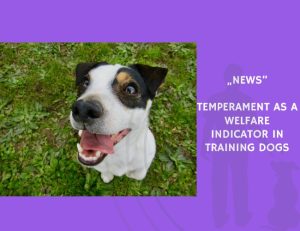
German and Belgian Shepherds in training showed friendly, calm traits but also phobias that negatively impacted welfare, highlighting temperament’s role.

In a delay of gratification task, dogs waited 66 seconds on average compared to wolves’ 24, highlighting domestication’s role in shaping self-control.
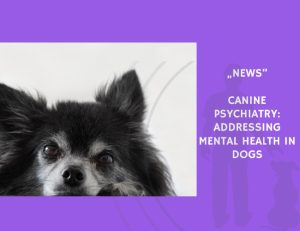
Dogs show disorders resembling human psychiatry, including anxiety and OCD, making veterinary psychiatry vital for welfare and scientific progress.

Research shows the Animal Welfare Assessment Grid can identify key predictors of behavioural problems in dogs, including fear, aggression, and lack of control.

Research shows dogs fail to differentiate between local and global spatial cues when locating hidden objects, highlighting limits in spatial memory.

Research highlights how homeless dog owners in the UK view their pets as kin, finding comfort and responsibility but facing service access restrictions.

Ancient dog breeds show strong links among sociability, playfulness, fear, and aggression, but these correlations are weaker in modern breeds.

Research shows dogs delay when faced with uncertain rewards, indicating that probability-based decisions engage deeper cognitive processes.

Researchers developed a four-factor scale measuring dog owner parenting styles, showing links to dogs’ behavioral issues.

Researchers found that a novel DAP gel reduced some stress signals in dogs in waiting rooms, though it had no significant impact during exams.

Researchers identified three key owner interaction styles—warmth, social support, and control—shaping dog relationships and stress resilience.

Dogs with higher training and stronger social motivation cooperate more with owners, while breed has little effect on spontaneous cooperation.

Research highlights how maternal care, attachment, and early socialization experiences affect adult dog behavior and vulnerability to disorders.

Dogs’ household rank influences how they express attachment—higher-ranking dogs appear calmer but less friendly with strangers when owners are present.

Research shows the depth of attachment between children and their pet dogs influences well-being, stress resilience, and emotional health outcomes.

Research comparing dog–dog and dog–human bonds shows dogs rely more on human caregivers for attachment security than on fellow dogs.

Camera trap research in Hampstead Heath shows how urban wildlife adjusts to people and dogs, with hedgehogs shifting activity in high-use areas.

Women over 50 who live with dogs are more active and enjoy greater life satisfaction, according to new findings from the Journal of Ageing and Longevity.

Research shows stress signals may pass between dogs and owners on walks, influenced by fearfulness and personality, without large physiological effects.

Leash walking training helped older dog owners feel more confident, increased skills practice, and showed promise for boosting physical activity.

Walking programs with veterans, including those with PTSD, did not stress shelter dogs and may even lower stress, supporting humane intervention models.
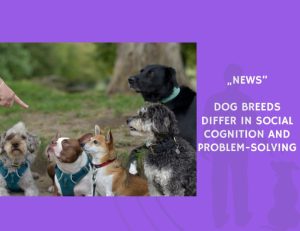
Research shows breeds vary in social cognition, inhibitory control, and problem-solving, reflecting artificial selection pressures in dog evolution.

Lead pulling harms dog welfare, risks human injury, and can strain dog–owner relationships, urging veterinary professionals to guide humane solutions.

Biomechanical analysis shows heelwork walking alters ground reaction forces and paw pressure in Belgian Malinois, with possible long-term effects.
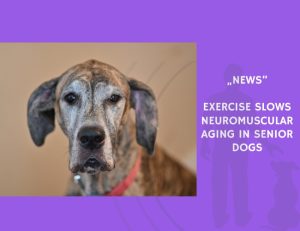
Electroneuromyography revealed that senior dogs engaging in exercise maintained stronger neuromuscular function, delaying age-related decline.

Observations of shelter dogs show leash-grabbing during walks predicts longer adoption waits, especially among younger dogs prone to excitable behaviors.

The FitBark 2 reliably tracked off-leash dog activity, but showed weaker accuracy during on-leash walks, suggesting further refinement is needed.

An eight-week outdoor exercise program improved body condition in dogs and boosted quality of life and body acceptance in owners.

During COVID-19, owners of dogs with chronic conditions reported delays, restricted access, and worsened welfare due to disrupted veterinary care.
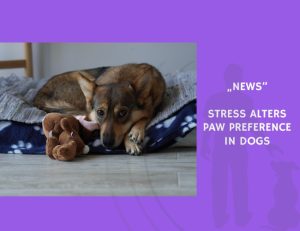
New research reveals that stress influences dogs’ paw preference, with both short-term and long-term stress reducing consistent lateralization.

Research shows that dogs increasingly occupy child-like roles in Western families, reshaping concepts of parenting and kinship.
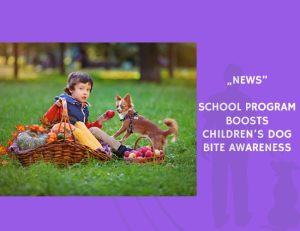
A school-based pilot program proved effective in raising children’s awareness about dog bite prevention and safety.

Research shows that teaching children and parents about safe interactions with dogs can lower bite risks and enhance welfare.

Researchers validated the Lincoln Canine Anxiety Scale, showing strong reliability for assessing fear and anxiety in dogs.

Nearly half of Sydney dogs fear fireworks, with most owners offering comfort but few seeking veterinary help, a new survey reveals.
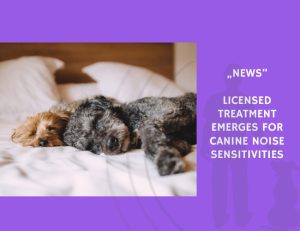
Dogs commonly react to thunder, fireworks, or household noises with fear. A Veterinary Record editorial highlights a new treatment option.
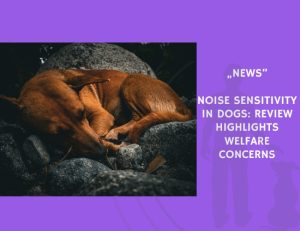
A review in the International Journal of Bio-Resource and Stress Management finds that canine noise sensitivity is widespread and affects welfare.

Research in the Human-Animal Interaction Bulletin finds that the quality of the dog–owner relationship predicts lower stress and higher happiness.

Research in Animals reveals that selective breeding shapes dog muscle fiber types: working dogs excel in endurance, while companions adapt to bursts of activity.

A study in Animals reveals that social rank shapes dogs’ attachment behaviors, with high-ranking dogs showing calmer but less friendly responses.

A Frontiers in Veterinary Science study reveals that over 85% of traits used to judge adoptability lack evidence, raising concerns for shelter policy.

A Biological Reviews article highlights flaws in how dog breeds are chosen for behavioral studies and proposes best practices for valid research.

Research in Scientific Reports finds that dog–human relationships resemble both parent–child and best-friend dynamics, with high support and low conflict.

Research in Behaviour highlights how early life experiences—maternal care, attachment, and socialisation—determine dogs’ long-term behavior and welfare.

Research in Developmental Psychobiology reveals that early life stress in dogs modifies glucocorticoid and oxytocin receptor genes, shaping stress and attachment.

Research in Animals shows that dogs can form secure or avoidant attachments to owners, with secure dogs seeking more contact and proximity.

Research in Animal Welfare reveals that dogs visited by their owners after routine surgery showed less pain, stress, and inactivity.
Research in Animals reveals that specific welfare factors measured by the Animal Welfare Assessment Grid (AWAG) can predict canine behavior disorders.
Research in PLOS ONE shows that pre-session positive activities did not improve learning in dogs and instead made them more stress-sensitive.

Research in Animals highlights how trauma-informed care, adapted from human psychology, could enhance welfare in dogs with anxiety disorders.

Research in Animals shows that purebred dog breeders vary in their priorities for selecting dams, with some overlooking key health and maternal factors.
Research in Scientific Reports shows that active, social lifestyles and conspecific companionship lower fearfulness and anxiety in pet dogs.
Research in Animals reveals that shelter dogs experience less stress when housed with other dogs compared to enrichment or human interaction.

A new Animals review examines motivations, benefits, and harms of neutering, revealing complex links to canine health, hormones, and behavior.

A 2024 Scientific Reports study reveals that dogs adjust facial expressions and behaviors depending on whether a human or another dog is watching.

A 2023 Animal Cognition study reveals that dogs display displacement behaviors like blinking and nose licking as signs of non-aggression.

A 2012 BMC Veterinary Research study shows obese dogs can develop metabolic dysfunction marked by low adiponectin and high insulin, similar to humans.

A 2025 review highlights how obesity in dogs triggers endocrine and metabolic disorders, urging prevention through nutrition, exercise, and early diagnosis.

Research in PeerJ shows raw-feeding dog owners perceive higher nutrition but lower risk, while cooked diet feeders express more caution and trust vets.

A review in Animals warns that prioritizing dog appearance over health fuels genetic disorders, welfare issues, and unethical breeding practices.
Research in Translational Psychiatry reveals strong links between personality traits and behavioral problems in pet dogs, mirroring human psychology.

Research in the Scientific Messenger of LNU of Veterinary Medicine and Biotechnologies stresses balanced feeding as key to dog health and well-being.

Research in the Turkish Journal of Veterinary Research highlights physiotherapy as a noninvasive treatment option to improve health in geriatric dogs.
Research in Canine Genetics and Epidemiology shows that selective sweeps in Australian Working Kelpies highlight genes tied to pain perception and fear memory.
A Scientific Reports study shows veterinary education and experience shape how pain sensitivity is perceived across dog breeds, compared to public views.

An Animals study reveals major differences between reward-based and balanced dog trainers in their opinions on separation anxiety, veterinary roles, and medication.
An Animals case report presents a treatment plan for dogs showing impaired social functioning toward their owners, emphasizing stress reduction, awareness, and training.
An Animals study using the Animal Welfare Assessment Grid identifies aggression towards caregivers, frequent fears, and reduced control as predictors of canine behaviour disorders.

Dogs with higher training and social motivation were more attentive and cooperative, regardless of breed group.

A PLoS Genetics study shows Patagonian sheepdogs are direct descendants of pre-Victorian UK herding dogs, offering a rare link to extinct canine lineages.

Dogs from working breeds and actively trained working dogs performed better at following human pointing cues than non-working breeds.

Genomic evidence shows herding dogs carry a unique EPHB1 haplotype tied to chase-bite behaviors, highlighting selection for livestock control.

Nearly all UK pandemic puppies displayed problem behaviors by 21 months, with aversive training methods strongly tied to negative outcomes.

Dogs trained with aversive methods showed higher stress, cortisol spikes, and negative bias, while reward-based training supported welfare.
Dogs and cats often show behavioral changes caused by hidden medical issues like pain, endocrine disease, or neurological disorders.

Dog training programs in prisons help incarcerated individuals strengthen attachments and prosocial networks, supporting rehabilitation and desistance.

Survey responses show genetic testing gives dog owners new insights into breed and ancestry but does not alter their emotional bond.

Obese dogs were found to have impaired heart rate variability and reduced cardiac systolic function, suggesting higher cardiovascular disease risk.

A systematic review of 19 studies shows aggression in dogs is shaped by complex genetic and environmental interactions, requiring better research methods.
Veterinarians and the public perceive dog breeds as differing in pain sensitivity, a belief that may affect pain recognition and treatment.

Siberian Huskies in Brazil are seen as heat-sensitive, with owners adapting walking schedules, though time limits can still pose welfare risks.

A systematic review of 44 studies found that behavioral assessment dominates dog welfare research, key for preventing abandonment.

Ancient breeds such as Akitas, Huskies, and Samoyeds often show aggression, vocalization, and motor issues, influenced by breed, sex, and housing.

Dogs in animal-assisted therapy face stress if not well-prepared. Best practices ensure welfare, proper selection, and humane training.

Early life experiences—such as rehoming age, socialization, and training—play a key role in shaping the risk of aggression in adult dogs.

Early life experiences—maternal care, attachment, and socialization—have lasting effects on dogs’ behavior and may prevent future disorders.

Dogs with fear and aggression toward humans show distinctive facial asymmetry, suggesting a novel tool for evaluating emotional and behavioral disorders.

Search and rescue dogs showed reduced heart rate variability and slower responses under frustration stress, affecting accuracy more than exercise stress.

Treatment with narcotic antagonists significantly decreased compulsive self-licking, chewing, and scratching in dogs, especially those with acral lick dermatitis.

Chewing benefits dogs by promoting oral hygiene, digestion, bone strength, and stress relief, though inappropriate items may harm health and welfare.

Analysis of 32,081 dog relinquishments in BC shelters shows rising trends in behavior and overcrowding issues, while financial reasons are declining.

Adopters who returned dogs expected perfect health, behavior, and bonding, while most owners faced early behavioral challenges that improved with time.

Hungarian dog owners report love, support, and companionship as top benefits, but financial and health-related costs as key drawbacks.
Search and rescue training significantly affects dogs’ heart rate, respiration, blood values, and hormones, but does not induce exhaustion.

Dog owners with strong bonds to their pets often feel parental-style guilt, especially when anxious attachment influences caregiving behaviors.

Research reveals that puppy cognition is shaped by temperament traits like fear and excitability, with effects differing by sex and age.

Research shows dog owners easily spot stressful situations but fail to identify behavioral stress signals, highlighting need for awareness programs.
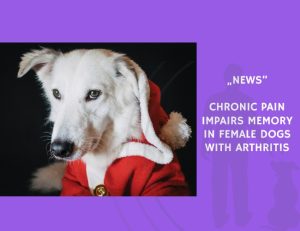
Research reveals female dogs with osteoarthritis struggle with memory tasks, suggesting chronic pain may impair cognition similar to human disorders.
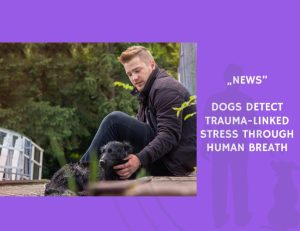
Proof-of-concept research found that dogs detect stress-related breath compounds during trauma cue exposure, supporting PTSD service dog applications.

RSPCA Queensland data reveal that most adoption returns occur within 14 days, with risk shaped by dog age, weight, breed, coat color, and foster care.

Noise fears are the most common behavioral issue in dogs. Preventive training and medication show strong benefits, but alternative remedies fall short.

Among 100 Romanian dogs studied, nearly all showed aggression, most often toward family, visitors, or other dogs, underscoring welfare risks.

At 21 months, almost all Pandemic Puppies displayed problem behaviors, with aversive training use common and tied to increased behavior issues.

Pandemic-era puppies were less likely to attend classes or meet visitors and more likely to be designer crossbreeds, sparking welfare concerns.

Exercises with novel objects, noises, and problem-solving improved puppies’ confidence short-term, but long-term effects required ongoing training.

Psychologists debate whether dogs show jealousy. Evidence is mixed, but jealousy may be an ancient emotion that safeguards bonds and relationships.
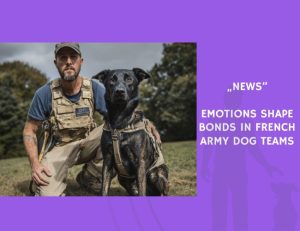
Exploratory interviews reveal how emotions, trust, and cooperation shape the unique bonds between French Army handlers and their working dogs.

Research reveals that both psychiatric service dog and search-and-rescue handlers struggle to detect subtle canine emotions, highlighting welfare concerns.

Research shows that dominance rank influences how cohabiting dogs rely on humans or canine partners in learning tasks.

Researchers developed a deep learning model using ResNet50 that outperformed others in accurately identifying dog breeds from images.

Research shows that owner temperament affects emotional closeness, perceived costs, and dogs’ performance in social–cognitive tasks.

Shelter dogs exposed to music showed heart rate variability patterns indicating reduced stress and improved welfare.

Research reveals that dogs can generalize imitation in modified contexts, relying on object features as cues to recall learned actions.
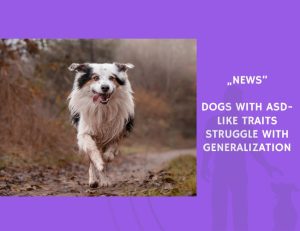
Dogs displaying ASD-like social traits show difficulties in generalizing stimuli, reinforcing their value as models for autism research.
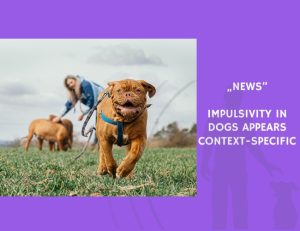
A systematic review finds little evidence that impulsivity in dogs is a stable trait, highlighting the importance of context in behavior.

Shelter dogs experience less stress when housed with other dogs, highlighting the welfare benefits of companionship over isolation.

Early research emphasized repetition of key-stimuli, stress recognition, and clear handler–dog communication in effective dog training.

Shelter dogs with left-paw bias showed higher stress behaviors, linking laterality to coping strategies and potential welfare risks.
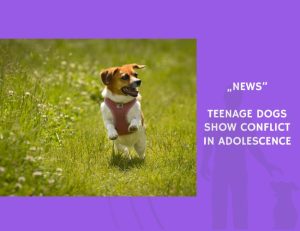
Dogs go through an adolescent phase marked by reduced trainability and conflict-like behaviors, most evident in those with insecure attachments.

Kennelled dogs under chronic stress displayed reduced preference for sweet and umami flavors, suggesting depressive-like states of anhedonia.
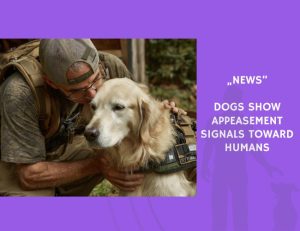
Dogs exhibited appeasement signals such as blinking and nose licking, reflecting non-aggressive intentions even beyond conflict situations.

An international study found that most overweight dogs lost significant weight with diet plans, showing better health and well-being.

Using data from over six million dogs, researchers created growth charts that allow healthy weight tracking across different size categories.

Atopic dogs without otitis signs display ear microbiota changes, including more Staphylococcus, suggesting higher infection risk.

Veterans report that service dogs reduce hypervigilance, ease nightmares, and improve emotional and social well-being while living with PTSD.

Clinically healthy overweight and obese dogs show altered gut microbiota, metabolite shifts, and reduced diversity, suggesting early disease markers.

Cohabitation and dog ownership shape microbial communities, with owners sharing more skin microbiota with their dogs than with other humans.

Dogs fed BARF diets had distinct gut microbiota and metabolite profiles, including higher E. coli and Clostridium, compared to commercial-fed dogs.

A systematic review found that early life factors—including rehoming age, socialization, and owner experience—affect adult dogs’ risk of aggression.

A review of canine cortisol studies emphasizes non-invasive sampling and calls for standardized, ethical methods to advance welfare research.

A pilot study tested a virtual Labrador model displaying aggressive or calm behaviors, showing VR can aid research and dog safety education.

A 2021 review identifies rational canine age categories, supporting research on dog cognition, aging, and welfare across breeds.

A 2024 study found dogs distinguish genuine human emotions, altering their behavior to sadness or joy, yet without clear signs of empathy.
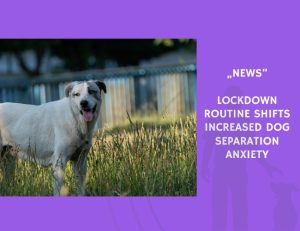
Surveying 1,807 UK dogs, researchers found routine changes in time left alone during COVID-19 lockdown increased risk of separation anxiety.

Researchers in Russia designed a prototype device that monitors dog vocalizations, classifying anxiety-linked behaviors and sending alerts via chatbot.
Researchers identified genetic variants on chromosome 28 that determine whether dogs have a single or double coat, key to breed traits.

Large-scale dog genomics and surveys reveal breed is a weak predictor of behavior, challenging long-held stereotypes about dog temperament.

Research on Siberian foxes shows how selection for tameness explains many behavioral and physical traits seen in domesticated dogs.

The CFQ provides a validated way to measure frustration in dogs, offering insights into behavior problems linked to aggression and stress.

Research shows neutering can reduce unwanted behaviors but may also increase risks of fear, anxiety, and panic in dogs.

Dogs reacted more to threatening videos but showed displacement behaviors like yawning and sniffing mainly in neutral, ambiguous contexts.

Research finds that feral dogs in urban green areas shape the vigilance and distribution of synanthropic mammals without changing feeding patterns.

Shelter dogs in prison training programs showed better social skills, improved obedience, and no signs of stress or welfare compromise.

Dogs with fewer facial markings tend to be more expressive, improving human perception and interaction in training and daily life.

Dogs were the most common and most loved pets among Liverpool schoolchildren, with social and family factors shaping ownership and attachment.

Dogs need balanced nutrition with proteins, fats, vitamins, and minerals—unlike outdated all-meat feeding that caused health issues.

Dogs fed a nutraceutical diet showed lower stress markers and improved neuroendocrine balance, reducing anxiety-linked behavioral disorders.

Guide dog ownership was linked to improved independence and overall quality of life, while those on waiting lists reported declines.

A UK survey revealed that many dog owners prioritize their pets’ quality of life over cost when choosing treatments for canine pruritus.

Pet owners with higher attachment scores were more likely to expect advanced veterinary care for their cats and dogs, highlighting emotional influence on treatment choices.

A study found that relaxed and socialized shelter dogs pull less and show positive body language on walks, improving handler experience.

A study found that dogs attend to partner behavior and reward cues to solve cooperative tasks, working successfully with both humans and other dogs.
A Mayo Clinic pilot study found therapy dogs displayed stress behaviors during first hospital visits, but cortisol results showed stable welfare.

Tortora (1983) demonstrated that safety training, unlike aversive methods, permanently reduced avoidance-driven aggression in dogs while boosting stability.

Kokocińska-Kusiak et al. (2021) review canine olfaction, highlighting its physiology, behavior, and practical applications in medicine and security.

DeChant et al. (2020) show that handler awareness of hide numbers changes canine search behavior but not false alert accuracy.

Casey et al. (2021) found that dogs exposed to two or more aversive training methods were more pessimistic, highlighting welfare risks.

Johnson & Wynne (2022) show that trainers’ language reveals training style, with non-aversive trainers more often women and certified.

Alves et al. (2018) found that exposing police dog puppies to varied sounds early in life enhanced their performance in social and environmental tests.

Alves et al. (2018) found that early auditory stimulation in puppies altered behavioral test outcomes, with effects on social interaction and noise reactivity.

Lo & Roberts (2019) demonstrate that dogs use odor cues to recall what, where, and when, supporting evidence of episodic-like memory in canines.
Sanches et al. (2022) reveal that clinically healthy elderly dogs exhibit episodic-like memory decline, independent of sex or size.

Johnson et al. (2023) show that dog behavior with dental chews better predicts owner-reported preference than owners’ own product choices.
González-Martínez et al. (2024) review ADHD-like behavior in dogs, noting genetic–environmental roots, comorbidities, and treatment options.

Connect

📄 Published whitepaper: The Invisible Leash, Aggression in Multiple Dog Households, Instinct Interrupted & Boredom–Frustration–Aggression Pipeline, NeuroBond Method


Subscribe
Join our email list to receive the latest updates.
