
Dogs Show Human-Like Secure and Avoidant Attachments
Research in Animals shows that dogs can form secure or avoidant attachments to owners, with secure dogs seeking more contact and proximity.

Research in Animals shows that dogs can form secure or avoidant attachments to owners, with secure dogs seeking more contact and proximity.

This article explores the intricate mechanisms behind adverse food reactions, revealing how immune responses, gut health, and metabolism interweave to create symptoms that often look identical on the surface.
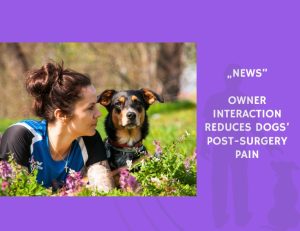
Research in Animal Welfare reveals that dogs visited by their owners after routine surgery showed less pain, stress, and inactivity.
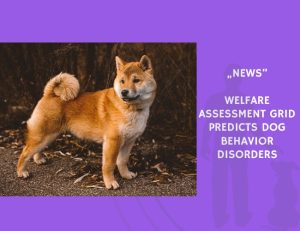
Research in Animals reveals that specific welfare factors measured by the Animal Welfare Assessment Grid (AWAG) can predict canine behavior disorders.

Search and rescue dogs are highly specialized working animals whose success depends on an intricate interplay of biology, psychology, environmental awareness, and the profound bond they share with their handlers.
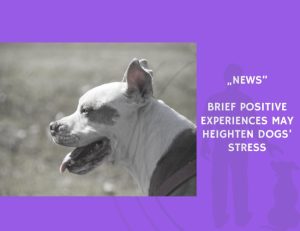
Research in PLOS ONE shows that pre-session positive activities did not improve learning in dogs and instead made them more stress-sensitive.

Research in Animals highlights how trauma-informed care, adapted from human psychology, could enhance welfare in dogs with anxiety disorders.

Research in Animals shows that purebred dog breeders vary in their priorities for selecting dams, with some overlooking key health and maternal factors.
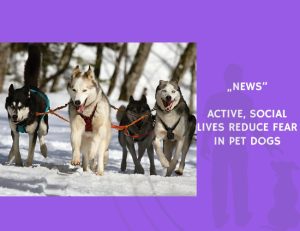
Research in Scientific Reports shows that active, social lifestyles and conspecific companionship lower fearfulness and anxiety in pet dogs.

Magnesium has emerged as a key player in this conversation, earning its reputation as nature’s calming mineral. But the relationship between magnesium and canine behavior extends far beyond simple supplementation advice.
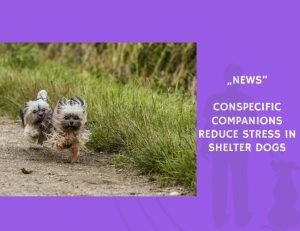
Research in Animals reveals that shelter dogs experience less stress when housed with other dogs compared to enrichment or human interaction.

A new Animals review examines motivations, benefits, and harms of neutering, revealing complex links to canine health, hormones, and behavior.

The gut microbiota — that complex ecosystem of microorganisms living in your dog’s gastrointestinal tract — does far more than break down food.

A 2024 Scientific Reports study reveals that dogs adjust facial expressions and behaviors depending on whether a human or another dog is watching.

The canine brain is a marvel of metabolic flexibility. While glucose has long been considered the brain’s primary fuel, emerging research reveals a more nuanced story.

A 2023 Animal Cognition study reveals that dogs display displacement behaviors like blinking and nose licking as signs of non-aggression.

A 2012 BMC Veterinary Research study shows obese dogs can develop metabolic dysfunction marked by low adiponectin and high insulin, similar to humans.

When your dog eats carbohydrates, their body breaks them down into glucose—the primary fuel for their cells. But not all carbohydrates behave the same way once digested.

A 2025 review highlights how obesity in dogs triggers endocrine and metabolic disorders, urging prevention through nutrition, exercise, and early diagnosis.

Research in PeerJ shows raw-feeding dog owners perceive higher nutrition but lower risk, while cooked diet feeders express more caution and trust vets.

While protein restriction has its place in veterinary medicine, applying it universally—particularly to healthy, active, or senior dogs—may do more harm than good.

A review in Animals warns that prioritizing dog appearance over health fuels genetic disorders, welfare issues, and unethical breeding practices.

We now understand that different exercise intensities, durations, and environmental conditions demand distinct nutritional approaches.
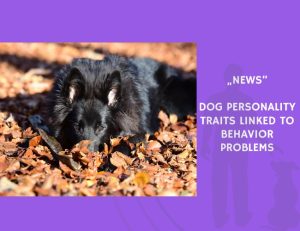
Research in Translational Psychiatry reveals strong links between personality traits and behavioral problems in pet dogs, mirroring human psychology.

Your dog’s brain is an intricate network of billions of neurons, each wrapped in a delicate membrane that must remain fluid and responsive.

Research in the Scientific Messenger of LNU of Veterinary Medicine and Biotechnologies stresses balanced feeding as key to dog health and well-being.

Your dog’s emotional world is shaped by invisible messengers called neurotransmitters, and one amino acid stands at the center of this delicate balance.

Research in the Turkish Journal of Veterinary Research highlights physiotherapy as a noninvasive treatment option to improve health in geriatric dogs.
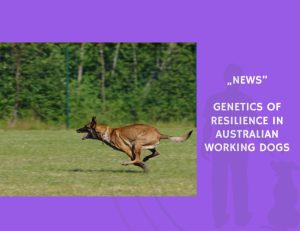
Research in Canine Genetics and Epidemiology shows that selective sweeps in Australian Working Kelpies highlight genes tied to pain perception and fear memory.

The role of carbohydrates in canine nutrition has sparked passionate debates among pet parents, veterinarians, and nutritionists alike.
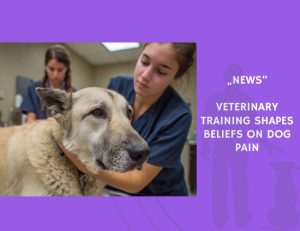
A Scientific Reports study shows veterinary education and experience shape how pain sensitivity is perceived across dog breeds, compared to public views.

Understanding how your working companion processes dietary fats isn’t just academic curiosity.

An Animals study reveals major differences between reward-based and balanced dog trainers in their opinions on separation anxiety, veterinary roles, and medication.
An Animals case report presents a treatment plan for dogs showing impaired social functioning toward their owners, emphasizing stress reduction, awareness, and training.

Understanding how experience shapes your dog isn’t just fascinating science—it’s practical wisdom that can transform how you approach training, socialization, and daily life together.
An Animals study using the Animal Welfare Assessment Grid identifies aggression towards caregivers, frequent fears, and reduced control as predictors of canine behaviour disorders.

The emerging science of canine nutrition reveals a profound truth: what we feed our dogs directly influences their emotional resilience, stress response, and ability to cope with being alone.

Dogs with higher training and social motivation were more attentive and cooperative, regardless of breed group.

You might think that training success comes down to technique,

A PLoS Genetics study shows Patagonian sheepdogs are direct descendants of pre-Victorian UK herding dogs, offering a rare link to extinct canine lineages.

Understanding the connection between what your dog eats and how they feel afterward opens a door to deeper wellness.

Dogs from working breeds and actively trained working dogs performed better at following human pointing cues than non-working breeds.

Serotonin, scientifically known as 5-hydroxytryptamine (5-HT), functions as one of the brain’s chief neuromodulators.

Genomic evidence shows herding dogs carry a unique EPHB1 haplotype tied to chase-bite behaviors, highlighting selection for livestock control.

Learned helplessness in dogs represents one of the most misunderstood welfare issues in modern dog care. When we see a dog that no longer reacts, protests, or engages, we often mistake emotional shutdown for good behavior.

Nearly all UK pandemic puppies displayed problem behaviors by 21 months, with aversive training methods strongly tied to negative outcomes.
Dogs trained with aversive methods showed higher stress, cortisol spikes, and negative bias, while reward-based training supported welfare.
Dogs and cats often show behavioral changes caused by hidden medical issues like pain, endocrine disease, or neurological disorders.

Through the lens of affective neuroscience, Polyvagal Theory, and the NeuroBond framework, we can rebuild trust and restore comfort in dogs who have learned to fear human contact.

Dog training programs in prisons help incarcerated individuals strengthen attachments and prosocial networks, supporting rehabilitation and desistance.

What you’re witnessing isn’t defiance or a loss of intelligence—it’s a biological storm reshaping your dog’s brain and behavior in profound ways.

Survey responses show genetic testing gives dog owners new insights into breed and ancestry but does not alter their emotional bond.

As your dog ages, their brain undergoes profound structural changes that directly affect how they process, remember, and respond to their environment.

Obese dogs were found to have impaired heart rate variability and reduced cardiac systolic function, suggesting higher cardiovascular disease risk.

When we think about puppy development, we often focus on human socialization, training basics, and health milestones. Yet one of the most profound teachers in a young dog’s life isn’t human at all—it’s their siblings.

A systematic review of 19 studies shows aggression in dogs is shaped by complex genetic and environmental interactions, requiring better research methods.
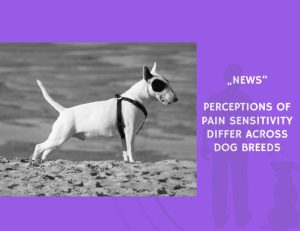
Veterinarians and the public perceive dog breeds as differing in pain sensitivity, a belief that may affect pain recognition and treatment.

Mixed signals create a profound dilemma in your dog’s mind, one that can erode trust, trigger stress responses, and fundamentally reshape the relationship you share.

Siberian Huskies in Brazil are seen as heat-sensitive, with owners adapting walking schedules, though time limits can still pose welfare risks.

A systematic review of 44 studies found that behavioral assessment dominates dog welfare research, key for preventing abandonment.

Ancient breeds such as Akitas, Huskies, and Samoyeds often show aggression, vocalization, and motor issues, influenced by breed, sex, and housing.

“No” isn’t failing because your dog is stubborn or defiant. It’s failing because, from a neurocognitive perspective, your dog’s brain simply cannot process what “No” actually means in terms of actionable behavior.

Dogs in animal-assisted therapy face stress if not well-prepared. Best practices ensure welfare, proper selection, and humane training.

For thousands of years, dogs lived in rhythm with the natural cycles of light and darkness. Their internal clocks evolved to respond to the rising and setting sun, orchestrating everything from sleep patterns to hormone release. Today, our homes tell a different story.

Early life experiences—such as rehoming age, socialization, and training—play a key role in shaping the risk of aggression in adult dogs.

When you walk your dog through bustling city streets, they’re processing a world vastly different from the one their ancestors evolved to navigate.

Early life experiences—maternal care, attachment, and socialization—have lasting effects on dogs’ behavior and may prevent future disorders.

Understanding how chronic heat stress influences canine health, cognitive function, and emotional stability isn’t just about summer safety anymore.

Dogs with fear and aggression toward humans show distinctive facial asymmetry, suggesting a novel tool for evaluating emotional and behavioral disorders.

Modern homes prioritize human thermal comfort, but dogs experience their environment through an entirely different sensory lens.

Search and rescue dogs showed reduced heart rate variability and slower responses under frustration stress, affecting accuracy more than exercise stress.

Treatment with narcotic antagonists significantly decreased compulsive self-licking, chewing, and scratching in dogs, especially those with acral lick dermatitis.

Chewing benefits dogs by promoting oral hygiene, digestion, bone strength, and stress relief, though inappropriate items may harm health and welfare.

Analysis of 32,081 dog relinquishments in BC shelters shows rising trends in behavior and overcrowding issues, while financial reasons are declining.

your dog’s brain is wired for something far more profound than food rewards. The bond you share, the warmth in your voice, the gentle touch of your hand—these social connections activate powerful reward pathways.
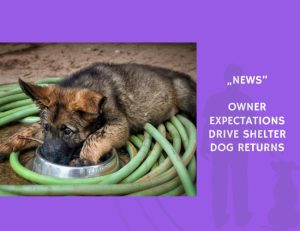
Adopters who returned dogs expected perfect health, behavior, and bonding, while most owners faced early behavioral challenges that improved with time.

What looks like disobedience is actually a fascinating window into how dogs learn, remember, and process the world around them.

Hungarian dog owners report love, support, and companionship as top benefits, but financial and health-related costs as key drawbacks.

The connection between human and canine stress runs deeper than most people realize.
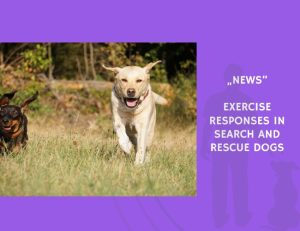
Search and rescue training significantly affects dogs’ heart rate, respiration, blood values, and hormones, but does not induce exhaustion.

Just as humans can experience burnout from overwork, dogs too can suffer from the consequences of being over-scheduled.

Dog owners with strong bonds to their pets often feel parental-style guilt, especially when anxious attachment influences caregiving behaviors.

Family conflict—whether it manifests as heated arguments, prolonged tension, or emotional withdrawal—creates ripples that extend far beyond the humans involved.

Research reveals that puppy cognition is shaped by temperament traits like fear and excitability, with effects differing by sex and age.

Research shows dog owners easily spot stressful situations but fail to identify behavioral stress signals, highlighting need for awareness programs.
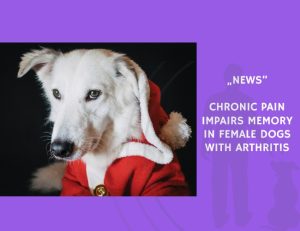
Research reveals female dogs with osteoarthritis struggle with memory tasks, suggesting chronic pain may impair cognition similar to human disorders.

Proof-of-concept research found that dogs detect stress-related breath compounds during trauma cue exposure, supporting PTSD service dog applications.

RSPCA Queensland data reveal that most adoption returns occur within 14 days, with risk shaped by dog age, weight, breed, coat color, and foster care.

Dogs, like humans, possess sophisticated internal clocks that regulate everything from sleep to digestion.

Noise fears are the most common behavioral issue in dogs. Preventive training and medication show strong benefits, but alternative remedies fall short.

Among 100 Romanian dogs studied, nearly all showed aggression, most often toward family, visitors, or other dogs, underscoring welfare risks.

Your dog’s behavior isn’t random—it follows predictable patterns rooted in millions of years of evolution and thousands of years of domestication.

At 21 months, almost all Pandemic Puppies displayed problem behaviors, with aversive training use common and tied to increased behavior issues.

In our hyper-connected world, where the average person checks their phone 96 times per day, our dogs are experiencing something unprecedented in their evolutionary history with humans—competing with glowing screens for their owner’s attention.

Pandemic-era puppies were less likely to attend classes or meet visitors and more likely to be designer crossbreeds, sparking welfare concerns.

Exercises with novel objects, noises, and problem-solving improved puppies’ confidence short-term, but long-term effects required ongoing training.

Psychologists debate whether dogs show jealousy. Evidence is mixed, but jealousy may be an ancient emotion that safeguards bonds and relationships.

Exploratory interviews reveal how emotions, trust, and cooperation shape the unique bonds between French Army handlers and their working dogs.

Research reveals that both psychiatric service dog and search-and-rescue handlers struggle to detect subtle canine emotions, highlighting welfare concerns.

Research shows that dominance rank influences how cohabiting dogs rely on humans or canine partners in learning tasks.

Introduction Your adorable puppy who once hung on your every

Researchers developed a deep learning model using ResNet50 that outperformed others in accurately identifying dog breeds from images.

Research shows that owner temperament affects emotional closeness, perceived costs, and dogs’ performance in social–cognitive tasks.

Your dog’s olfactory system is a sophisticated biological computer that processes information in ways that might surprise you.

Shelter dogs exposed to music showed heart rate variability patterns indicating reduced stress and improved welfare.
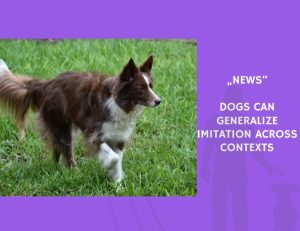
Research reveals that dogs can generalize imitation in modified contexts, relying on object features as cues to recall learned actions.
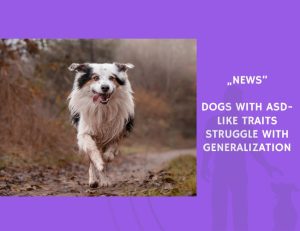
Dogs displaying ASD-like social traits show difficulties in generalizing stimuli, reinforcing their value as models for autism research.
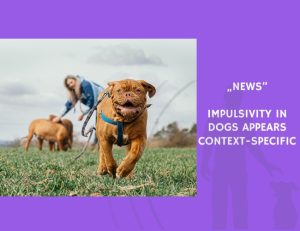
A systematic review finds little evidence that impulsivity in dogs is a stable trait, highlighting the importance of context in behavior.

Shelter dogs experience less stress when housed with other dogs, highlighting the welfare benefits of companionship over isolation.

Early research emphasized repetition of key-stimuli, stress recognition, and clear handler–dog communication in effective dog training.

From the neurobiological dance of hormones to the comforting presence of their human companion, dogs employ a sophisticated array of coping strategies that scientists are only beginning to fully understand.

Shelter dogs with left-paw bias showed higher stress behaviors, linking laterality to coping strategies and potential welfare risks.
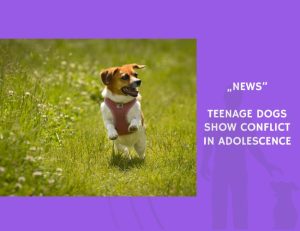
Dogs go through an adolescent phase marked by reduced trainability and conflict-like behaviors, most evident in those with insecure attachments.

This journey will transform not just how you train your four-legged friend, but how you connect with them on a deeper, more meaningful level.

Kennelled dogs under chronic stress displayed reduced preference for sweet and umami flavors, suggesting depressive-like states of anhedonia.
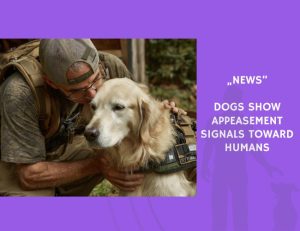
Dogs exhibited appeasement signals such as blinking and nose licking, reflecting non-aggressive intentions even beyond conflict situations.

An international study found that most overweight dogs lost significant weight with diet plans, showing better health and well-being.

Using data from over six million dogs, researchers created growth charts that allow healthy weight tracking across different size categories.

Atopic dogs without otitis signs display ear microbiota changes, including more Staphylococcus, suggesting higher infection risk.

Veterans report that service dogs reduce hypervigilance, ease nightmares, and improve emotional and social well-being while living with PTSD.

The bond between humans and dogs represents one of nature’s most remarkable interspecies relationships, shaped by thousands of years of co-evolution.

Clinically healthy overweight and obese dogs show altered gut microbiota, metabolite shifts, and reduced diversity, suggesting early disease markers.

Did you know that research shows car journeys alone can trigger significant increases in cortisol levels, fundamentally altering your dog’s stress response system?
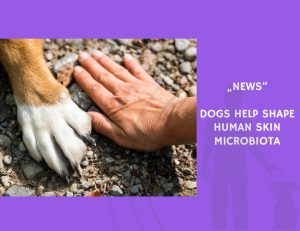
Cohabitation and dog ownership shape microbial communities, with owners sharing more skin microbiota with their dogs than with other humans.

The morning stretch that takes just a moment longer, or the favorite toy that suddenly holds less appeal—these seemingly insignificant changes can be your dog’s first attempt to tell you they need help.

Dogs fed BARF diets had distinct gut microbiota and metabolite profiles, including higher E. coli and Clostridium, compared to commercial-fed dogs.

A systematic review found that early life factors—including rehoming age, socialization, and owner experience—affect adult dogs’ risk of aggression.

A review of canine cortisol studies emphasizes non-invasive sampling and calls for standardized, ethical methods to advance welfare research.

A pilot study tested a virtual Labrador model displaying aggressive or calm behaviors, showing VR can aid research and dog safety education.

A 2021 review identifies rational canine age categories, supporting research on dog cognition, aging, and welfare across breeds.

A 2024 study found dogs distinguish genuine human emotions, altering their behavior to sadness or joy, yet without clear signs of empathy.
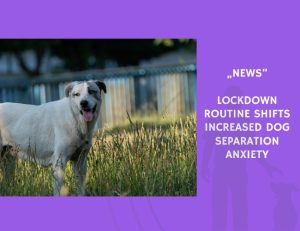
Surveying 1,807 UK dogs, researchers found routine changes in time left alone during COVID-19 lockdown increased risk of separation anxiety.

The journey from impulsive anticipation to patient waiting isn’t just about obedience – it’s about nurturing your dog’s emotional regulation, building trust, and creating a harmonious relationship.

The breakdown of heel position in crowded environments reveals a fascinating interplay between cognitive processing, emotional regulation, and the limits of traditional training approaches.

Researchers in Russia designed a prototype device that monitors dog vocalizations, classifying anxiety-linked behaviors and sending alerts via chatbot.

The journey from healthy motivation to destructive energy isn’t simply about “too much energy”—it’s a neurobiological cascade.
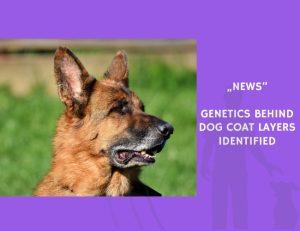
Researchers identified genetic variants on chromosome 28 that determine whether dogs have a single or double coat, key to breed traits.

Large-scale dog genomics and surveys reveal breed is a weak predictor of behavior, challenging long-held stereotypes about dog temperament.
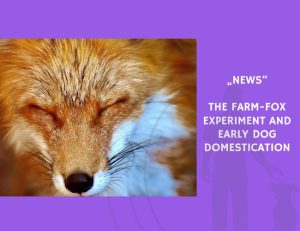
Research on Siberian foxes shows how selection for tameness explains many behavioral and physical traits seen in domesticated dogs.

The CFQ provides a validated way to measure frustration in dogs, offering insights into behavior problems linked to aggression and stress.

Research shows neutering can reduce unwanted behaviors but may also increase risks of fear, anxiety, and panic in dogs.

The relationship between pain and behavior in dogs represents one of the most misunderstood aspects of canine welfare.

Dogs reacted more to threatening videos but showed displacement behaviors like yawning and sniffing mainly in neutral, ambiguous contexts.

What if we told you that many behaviors we label as “stubborn,” “disobedient,” or “difficult” are actually your dog’s brain crying out for specific nutrients?
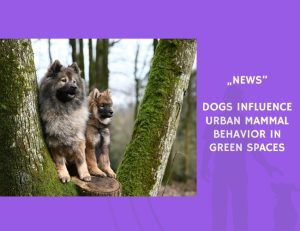
Research finds that feral dogs in urban green areas shape the vigilance and distribution of synanthropic mammals without changing feeding patterns.

Shelter dogs in prison training programs showed better social skills, improved obedience, and no signs of stress or welfare compromise.

Just as obesity in humans has been linked to cognitive decline and emotional challenges, our canine companions face similar struggles when carrying excess weight.

Dogs with fewer facial markings tend to be more expressive, improving human perception and interaction in training and daily life.

Dogs were the most common and most loved pets among Liverpool schoolchildren, with social and family factors shaping ownership and attachment.

Dogs need balanced nutrition with proteins, fats, vitamins, and minerals—unlike outdated all-meat feeding that caused health issues.

Dogs fed a nutraceutical diet showed lower stress markers and improved neuroendocrine balance, reducing anxiety-linked behavioral disorders.

Guide dog ownership was linked to improved independence and overall quality of life, while those on waiting lists reported declines.

A UK survey revealed that many dog owners prioritize their pets’ quality of life over cost when choosing treatments for canine pruritus.

The relationship between dogs and confined living spaces is complex, influenced by factors ranging from breed-specific needs to the strength of your human-animal bond.

Pet owners with higher attachment scores were more likely to expect advanced veterinary care for their cats and dogs, highlighting emotional influence on treatment choices.

Displacement behaviors are actions your dog performs that seem out of context—like intense sniffing when there’s nothing particularly interesting to smell, or lip-licking when food isn’t anywhere nearby.

A study found that relaxed and socialized shelter dogs pull less and show positive body language on walks, improving handler experience.

When we understand how auditory overstimulation hijacks our dogs’ neural pathways, we can see that what looks like disobedience is actually a brain overwhelmed by competing signals, stress hormones flooding the system, and survival instincts overriding learned behaviors.

A study found that dogs attend to partner behavior and reward cues to solve cooperative tasks, working successfully with both humans and other dogs.

A Mayo Clinic pilot study found therapy dogs displayed stress behaviors during first hospital visits, but cortisol results showed stable welfare.

Tortora (1983) demonstrated that safety training, unlike aversive methods, permanently reduced avoidance-driven aggression in dogs while boosting stability.

Kokocińska-Kusiak et al. (2021) review canine olfaction, highlighting its physiology, behavior, and practical applications in medicine and security.

DeChant et al. (2020) show that handler awareness of hide numbers changes canine search behavior but not false alert accuracy.

Your dog’s brain, much like yours, operates on a finite reserve of mental energy. Every command they process, every choice they make, and every new stimulus they encounter draws from this cognitive well.
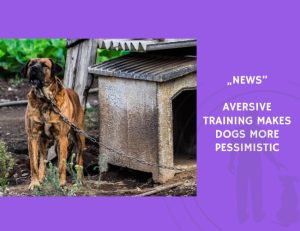
Casey et al. (2021) found that dogs exposed to two or more aversive training methods were more pessimistic, highlighting welfare risks.

Johnson & Wynne (2022) show that trainers’ language reveals training style, with non-aversive trainers more often women and certified.

The concept of cognitive saturation in dogs mirrors what we experience as humans when we’ve studied too long or attended one too many meetings.

Alves et al. (2018) found that exposing police dog puppies to varied sounds early in life enhanced their performance in social and environmental tests.

Behind your dog’s soulful eyes lies an intricate dance between ancient survival instincts and modern self-control mechanisms.

Alves et al. (2018) found that early auditory stimulation in puppies altered behavioral test outcomes, with effects on social interaction and noise reactivity.

Lo & Roberts (2019) demonstrate that dogs use odor cues to recall what, where, and when, supporting evidence of episodic-like memory in canines.
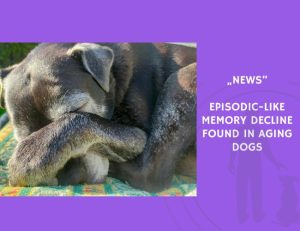
Sanches et al. (2022) reveal that clinically healthy elderly dogs exhibit episodic-like memory decline, independent of sex or size.

Johnson et al. (2023) show that dog behavior with dental chews better predicts owner-reported preference than owners’ own product choices.
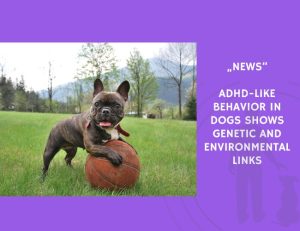
González-Martínez et al. (2024) review ADHD-like behavior in dogs, noting genetic–environmental roots, comorbidities, and treatment options.

Digital transformation isn’t just about fancy gadgets – it’s revolutionizing our understanding of canine cognition and behavior.

Armero et al. (2024) reveal that population stratification complicates building reliable methylation-based biological age clocks in dogs.
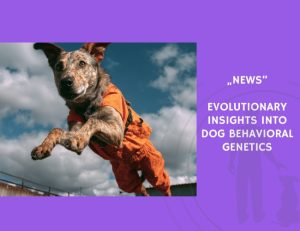
Lord et al. (2024) argue for an evolutionary framework in canine behavioral genetics to uncover gene–environment interactions shaping behavior.

For generations, the daily walk has been considered the gold standard of dog care – that magical solution to behavioral problems, excess energy, and canine contentment.
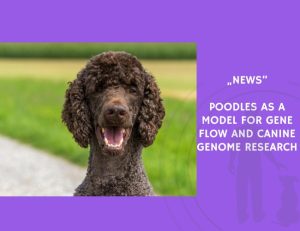
Björnerfeldt et al. (2007) highlight how poodles illustrate gene flow, domestication’s genomic effects, and the value of purebreds in research.

When you first meet a rescue dog, you’re not just

Bhadra (2011) explores how selective breeding shaped dogs’ skills and how their superior sense of smell may aid cancer detection.

Björnerfeldt et al. (2007) show how domestication and modern breeding drive unique genetic variation in dogs, boosting their role in disease research.
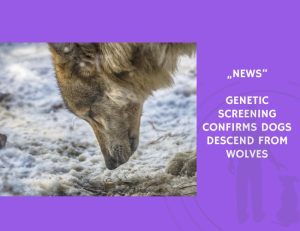
Binns et al. (1996) highlight genetic screening evidence that dogs originated from grey wolves, with breed diversity shaped by human selection.

Lorna and Raymond Coppinger present a new model of canine domestication, showing how self-domestication and human environments shaped modern dogs.

A Cold Spring Harbor study shows that selective breeding has enhanced canine diversity but also concentrated hereditary diseases, making screening essential.
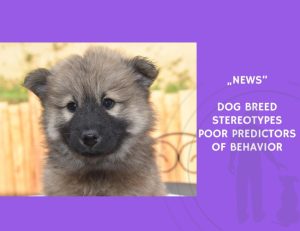
A Science study finds breed ancestry is a poor predictor of dog behavior, with traits shaped by polygenic adaptation and environment.

Research shows dogs from adverse backgrounds develop altered OXTR and NR3C1 methylation, affecting cortisol regulation and attachment behavior.

Research shows canine OXTR gene polymorphisms differ from wolves and jackals, suggesting selection for social behavior during domestication.

For decades, we’ve understood that dogs need physical exercise, proper nutrition, and veterinary care. But there’s a fourth pillar of canine wellness that’s revolutionizing how we think about our relationships with our four-legged companions: cognitive enrichment.
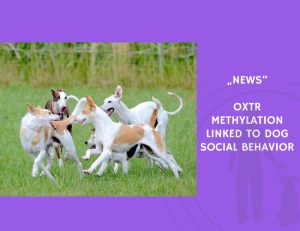
Epigenetic changes in the oxytocin receptor gene (OXTR) are linked to dogs’ responses to threatening humans, highlighting oxytocin’s role in social behavior.

The PhyDo Project highlights how selective breeding shaped dog population structure and aids discovery of genetic variants behind traits and diseases.
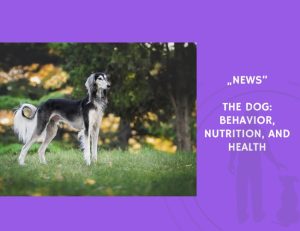
This book provides a comprehensive guide to dog domestication, selective breeding, behavior, health care, and nutrition for lifelong well-being.
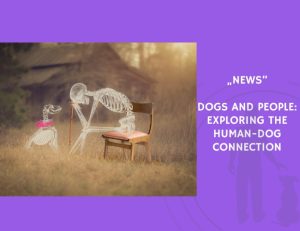
This study emphasizes how selective breeding shaped canine diversity, while recognizing dogs as independent social actors in human societies.
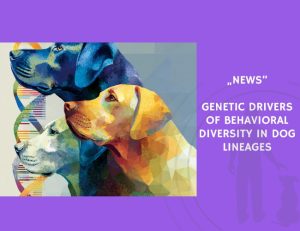
Using genomic and behavioral data from over 50,000 dogs, researchers uncovered 10 major genetic lineages linked to distinct behavioral traits.

Dogs descended from wolves tens of thousands of years ago, but modern selective breeding has shaped breeds, behaviors, and health risks.

Domestic dogs appeared in the Americas thousands of years ago, but their history is complex, involving hybridizations, cultural uses, and regional gaps in study.

This ancient Italian mastiff carries within its DNA the memories of Roman battlefields, Italian farmsteads, and generations of autonomous decision-making.

Genome analysis reveals dogs carry 2–3% more harmful genetic variants than wolves, linked to domestication bottlenecks and selective sweeps.

Let us guide you through a training approach that honors both their fierce independence and their deep capacity for connection.

Research suggests dog tail wagging may have evolved through domestication as either a by-product of tameness or direct human preference for rhythmic stimuli.

Connect

📄 Published whitepaper: The Invisible Leash, Aggression in Multiple Dog Households, Instinct Interrupted & Boredom–Frustration–Aggression Pipeline, NeuroBond Method


Subscribe
Join our email list to receive the latest updates.
