
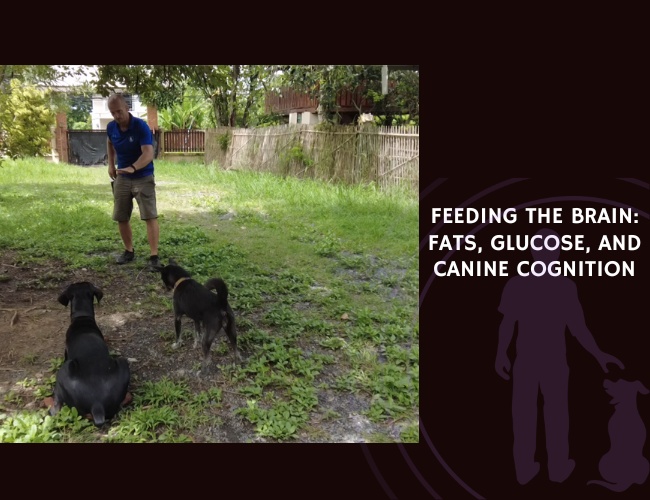
Every time you fill your dog’s bowl, you’re not just feeding their body—you’re fueling their brain, shaping their thoughts, and influencing their emotional world. The food choices you make ripple through every synapse, every memory, every moment of focus or frustration. Understanding how different fuels affect your dog’s cognitive function isn’t just science—it’s the foundation of a deeper, more intuitive relationship with your companion.
The canine brain is a marvel of metabolic flexibility. While glucose has long been considered the brain’s primary fuel, emerging research reveals a more nuanced story. Your dog’s brain can seamlessly shift between energy sources, adapting to whatever fuel you provide. This adaptability opens doors to nutritional strategies that can enhance learning, protect against cognitive decline, and create the stable mental foundation that supports everything from puppy training to senior vitality.
Let us guide you through the fascinating world of canine neuroenergetics, where the choice between fats and carbohydrates becomes more than a dietary preference—it becomes a tool for cognitive optimization and lifelong brain health.
Understanding Your Dog’s Brain Fuel: Glucose and Ketones
Your dog’s brain operates much like a hybrid engine, capable of running on different fuel sources depending on availability and dietary composition. Under typical conditions, the brain primarily relies on glucose—the simple sugar derived from carbohydrates. Every biscuit, every grain-based kibble, every sweet potato contributes glucose to the bloodstream, where it’s transported across the blood-brain barrier to power billions of neurons.
But glucose isn’t the only option. When carbohydrate intake drops and fat consumption rises, your dog’s liver begins producing ketone bodies—primarily β-hydroxybutyrate and acetoacetate—through a process called β-oxidation of fatty acids. These ketones cross into the brain and serve as an alternative, highly efficient fuel source. This metabolic state, known as ketosis, isn’t a deficiency or crisis—it’s an elegant adaptation that has sustained carnivorous mammals throughout evolutionary history.
Research in mice has demonstrated that when ketones are present in the blood, the brain actively utilizes them, with cortical regions using twice as much acetoacetate compared to non-ketotic states. What’s remarkable is that this shift doesn’t compromise glucose metabolism—the brain maintains its ability to use glucose even while preferring ketones when available. This is metabolic flexibility at its finest.
The concentration of ketones in the blood determines how readily the brain adopts them as fuel. When ketone levels rise, they actually spare glucose uptake, allowing blood sugar to remain more stable. This has profound implications for your dog’s cognitive experience:
Signs your dog may benefit from stable ketone-based fuel:
- Post-meal drowsiness or “food coma” behavior lasting 1-2 hours
- Pre-meal restlessness, pacing, or difficulty settling
- Energy crashes mid-day or between feeding times
- Difficulty maintaining focus during training sessions
- Reactive behavior that seems to worsen at certain times of day
- Senior dogs showing variable alertness throughout the day
Instead of these peaks and valleys associated with carbohydrate-heavy meals, ketone-based energy provides a steadier, more consistent fuel supply that supports sustained cognitive performance. 🧠
For working dogs, service animals, and seniors experiencing cognitive changes, this distinction matters enormously. The quality and stability of brain fuel directly influences attention span, learning capacity, and emotional regulation.
Mitochondrial Magic: How Ketones Power Neuronal Resilience
Inside every neuron lie hundreds of mitochondria—the cellular powerhouses that convert fuel into ATP, the energy currency of life. The efficiency of these mitochondria determines how well neurons function, how resilient they are to stress, and how effectively they support learning and memory. Through the NeuroBond approach, we recognize that cognitive connection begins at the cellular level, where energy meets intention.
Ketogenic diets have been shown to fundamentally improve mitochondrial function. In studies with mature to middle-aged mice fed a lard-based ketogenic diet supplemented with exogenous ketone esters for eight weeks, researchers observed something remarkable: hippocampal oxygen consumption decreased without any reduction in ATP production. The result was a significantly higher ATP:O2 ratio—meaning more energy produced per unit of oxygen consumed. This is the definition of efficiency.
The hippocampus, that seahorse-shaped structure deep in the brain, is critical for memory formation and spatial learning. It’s where your dog encodes the route of their favorite walk, remembers where they buried that bone, and learns to associate your jacket with the promise of an outing. Enhancing hippocampal mitochondrial efficiency doesn’t just support these functions—it strengthens the neuronal resilience that protects against age-related decline.
This improvement in mitochondrial coupling occurred independently of changes in mitochondrial dynamics, meaning the enhancement wasn’t about creating more mitochondria or changing their structure—it was about making existing mitochondria work smarter, not harder. The process involved reducing oxygen flux without alterations in Drp1 expression, a protein associated with mitochondrial division.
Ketone bodies also exert neuroprotective effects beyond energy production. They modulate cellular responses to oxidative stress—the damaging process where unstable molecules called free radicals harm cellular structures. They support energy maintenance during metabolic challenges, influence deacetylation processes that regulate gene expression, and reduce inflammation in neural tissue.
For your senior dog showing early signs of cognitive dysfunction, or your young working dog facing the mental demands of complex training, these neuroprotective benefits translate into real-world outcomes: better memory retention, sustained focus, and protection against the cognitive wear and tear that accumulates over a lifetime.
Ketones support brain health through multiple pathways:
- Enhanced mitochondrial efficiency (more ATP per oxygen molecule)
- Reduced oxidative stress and free radical damage
- Modulation of inflammatory responses in neural tissue
- Support for energy maintenance during metabolic challenges
- Influence on gene expression through deacetylation processes
- Protection of hippocampal function critical for memory formation
Through the NeuroBond approach, we recognize that cognitive connection begins at the cellular level, where energy meets intention. 🧡
The Glucose Rollercoaster: Why Stability Matters
While glucose serves as the brain’s traditional fuel, its fluctuation creates challenges that many dog owners witness daily without recognizing the underlying cause. That post-breakfast nap? The pre-dinner zoomies? The difficulty settling after a carbohydrate-rich treat? These behavioral patterns often reflect the brain’s response to changing glucose availability.
Chronically elevated cerebrospinal fluid glucose levels have been shown to impair memory in mice, revealing a direct link between brain glucose dysregulation and cognitive deficits—independent of blood glucose levels. This finding is particularly relevant for understanding cognitive aging and conditions like Alzheimer’s disease, where glucose metabolism becomes progressively impaired.
The relationship between diabetes-associated glucose dysregulation and neurodegenerative disease highlights how metabolic health in the body influences brain function. When glucose homeostasis—the delicate balance of blood sugar regulation—becomes disrupted, the consequences extend beyond physical health into the realm of cognition and behavior.
Glucose fluctuations trigger a cascade of effects throughout the body. They can aggravate inflammatory pathways, affecting not just the brain but also tissues like the heart, where myocardial fibrosis can develop. The systemic nature of these impacts reminds us that brain health cannot be isolated from whole-body wellness.
For your dog, maintaining stable glucose availability isn’t about avoiding carbohydrates entirely—it’s about understanding their impact and making informed choices. High-carbohydrate diets, particularly those rich in refined carbohydrates, have been hypothesized to increase symptoms of various psychological conditions including depression, anxiety, and panic disorders in humans. While direct canine studies are limited, the neurobiological similarities between mammalian brains suggest parallel effects.
Behavioral signs potentially linked to glucose instability:
- Difficulty settling after meals, restless pacing
- Increased reactivity to triggers (barking, lunging, anxiety)
- Inconsistent training responses despite identical conditions
- Mood swings from energetic to lethargic
- Food-seeking behavior intensifying before meal times
- Attention span that varies dramatically throughout the day
You might notice that your dog seems more reactive, less focused, or emotionally volatile when their diet consists primarily of high-glycemic foods. This isn’t a training failure—it’s a metabolic reality. The Invisible Leash that guides calm, connected behavior begins with the steady energy supply that supports emotional regulation and cognitive control.
Impaired early insulin response to glucose load has been shown to predict episodic memory decline in middle-aged to elderly humans, indicating that glucose regulation matters not just in the moment but across the lifespan. For dogs, whose aging process compresses decades of human experience into 10-15 years, optimizing glucose metabolism becomes even more critical.

Cognitive Performance: How Diet Shapes Learning and Behavior
The macronutrient composition of your dog’s diet significantly influences their cognitive and behavioral outcomes. This isn’t about minor tweaks to performance—it’s about fundamentally altering the metabolic substrate that powers thought, emotion, and learning.
High-Fat, Moderate-Protein, Low-Glycemic Approaches
Ketogenic diets—characterized by high fat, moderate protein, and very low carbohydrate content—have been extensively studied for their cognitive effects. While much research focuses on humans or laboratory animals, the principles translate remarkably well to canine application, particularly because dogs are facultative carnivores with evolutionary adaptations for fat metabolism.
In rats, a carbohydrate-free ketogenic diet preserved the ability of multiple muscle types to elevate glycogen synthesis and lactate production in response to insulin. This maintenance of metabolic flexibility contrasted sharply with a sucrose-enriched high-fat diet, which blunted these responses. The ketogenic approach supported muscle-fiber-specific adaptive responses, including enhanced mitochondrial biogenesis and ketolytic capacity in slow-twitch muscles, and increased fatty acid oxidation in fast-twitch muscles.
While this study focused on peripheral metabolism, the principle of metabolic flexibility applies directly to brain function. A brain that can efficiently switch between or co-utilize glucose and ketones demonstrates greater resilience to dietary changes, fasting periods, and the metabolic challenges of aging.
In dogs specifically, a therapeutic diet containing medium-chain triglycerides (MCTs) and a Brain Protection Blend (BPB) produced significant improvements in all six categories of Cognitive Dysfunction Syndrome (CDS) signs over 90 days. These categories include disorientation, altered social interactions, sleep-wake cycle disturbances, house soiling, activity level changes, and anxiety. The improvements weren’t marginal—they were clinically significant, suggesting that targeting metabolic risk factors associated with brain aging can reverse or slow cognitive decline.
MCTs are particularly interesting because they’re rapidly converted to ketones in the liver, providing a quick and efficient route to ketosis without requiring extreme carbohydrate restriction. For dog owners seeking cognitive benefits without the complexity of strict ketogenic feeding, MCT supplementation offers a practical middle ground.
Controlled Glucose and Behavioral Stability
The relationship between glucose control and behavioral stability extends beyond energy supply into the realm of emotional regulation. High-carbohydrate diets, especially those dominated by refined carbohydrates, create rapid glucose spikes followed by compensatory insulin surges and subsequent glucose drops. This metabolic rollercoaster influences neurotransmitter function, particularly systems involving serotonin, dopamine, and norepinephrine—the chemical messengers that regulate mood, motivation, and arousal.
You might observe this in your dog as difficulty settling after meals, increased reactivity to triggers during certain times of day, or inconsistent training responses despite identical environmental conditions. These aren’t character flaws—they’re the behavioral manifestations of unstable neural energy supply.
Conversely, diets that promote stable energy delivery support more consistent emotional and cognitive states. When the brain receives steady fuel, it can allocate resources more effectively to higher-order functions like impulse control, focused attention, and complex problem-solving. The moments of Soul Recall—those instances where your dog responds intuitively to subtle emotional cues—emerge more readily from a neurological foundation that isn’t compromised by metabolic instability.
Cognitive Flexibility, Reaction Time, and Emotional Control
Brain fuel type influences specific cognitive domains that matter enormously for training, working tasks, and daily life. Cognitive flexibility—the ability to adapt to changing task demands and shift between different mental sets—is a central component of cognitive control. This is what allows your dog to generalize training across contexts, to switch from play mode to work mode, to adjust their behavior based on your emotional state.
Studies in humans have linked task switching with diverse prefrontal cortex regions, with more abstract switches recruiting progressively more rostral areas. While we don’t have identical mapping in dogs, we know from functional imaging studies that canine prefrontal regions show similar organizational principles. The metabolic health of these regions directly affects cognitive flexibility.
Ketone bodies improve brain energy metabolism and can enhance cognitive function by providing stable, efficient fuel to prefrontal regions. The neuroprotective benefits—reduced oxidative stress, improved mitochondrial efficiency, modulation of inflammation—all support the demanding metabolic requirements of cognitive control.
Reaction time, crucial for working dogs and any dog navigating complex environments, relates to neural processing speed and efficiency. The locus coeruleus, a tiny nucleus in the brainstem that produces noradrenaline, shows enhanced functional coupling with parietal cortex and striatum during response conflict control. The strength of this coupling correlates with reaction time differences, highlighting how brain network efficiency affects performance.
Metabolic factors influence this efficiency. When neurons operate with optimal energy supply and minimal oxidative stress, signal transmission improves, network synchronization tightens, and cognitive processing accelerates. You experience this as a dog who responds more quickly to cues, who processes environmental information more efficiently, who seems mentally sharper and more present. 🧠
That balance between science and soul—that’s the essence of Zoeta Dogsoul.
Fuel. Focus. Flow.
Glucose sparks. Fats sustain. One lights the mind; the other steadies its flame.
Feed for thought, not thrill. Every neuron runs smoother when energy is calm, oxygen efficient, and free from crash or chaos.



Metabolic balance builds mental grace. In the quiet rhythm of stable fuel, your dog’s brain learns, remembers, and connects—without burning out the bond. 🧡
Protecting the Aging Brain: Fats, Ketones, and Senior Vitality
Aging is the single greatest risk factor for neurodegenerative disease, and dogs age approximately seven times faster than humans. What takes decades to develop in human brains can emerge within years in our canine companions. Understanding how to protect and support the aging canine brain isn’t just about extending lifespan—it’s about preserving the cognitive vitality that makes life meaningful for both dog and human.
The Energy Crisis of Cognitive Aging
A hallmark of Alzheimer’s disease and age-related cognitive decline is reduced brain glucose metabolism. PET scan studies in humans with Alzheimer’s consistently show hypometabolism—decreased glucose utilization—in specific brain regions, particularly the hippocampus and cortical areas. This energy deficit occurs even when blood glucose levels remain normal, suggesting the problem isn’t fuel availability but rather the brain’s ability to utilize it.
Dogs with Cognitive Dysfunction Syndrome show remarkably similar patterns. CDS, analogous to human dementia, manifests as disorientation, altered social behavior, disrupted sleep-wake cycles, anxiety, and progressive memory loss. Underlying these clinical signs is the same metabolic reality: neurons struggling to meet their energy demands with glucose alone.
This is where ketone bodies become crucial. Even in moderately advanced Alzheimer’s disease, brain ketone uptake remains normal while glucose uptake is severely impaired. This suggests that treatments enhancing brain fuel availability via ketones could succeed where approaches focused solely on glucose metabolism fail. For senior dogs experiencing reduced cerebral glucose uptake, ketones provide a vital metabolic bypass—an alternative route to maintaining neuronal energy supply.
DHA, EPA, and Medium-Chain Triglycerides
Docosahexaenoic acid (DHA) is a structural omega-3 fatty acid that comprises approximately 40% of the polyunsaturated fatty acids in the brain. It’s essential for neurodevelopment and appears crucial for maintaining brain health throughout life. DHA supports membrane fluidity, influences neurotransmitter receptor function, and provides anti-inflammatory benefits through specialized pro-resolving mediators.
Eicosapentaenoic acid (EPA), another omega-3 fatty acid, works synergistically with DHA to reduce neuroinflammation and support vascular health. The combination of DHA and EPA from fish oil has been extensively studied for cognitive benefits in both humans and dogs.
Medium-chain triglycerides deserve special attention for senior dogs. Unlike long-chain fatty acids that require complex processing, MCTs are rapidly absorbed and converted to ketones in the liver. This efficiency makes them ideal for older dogs whose digestive and metabolic function may be declining.
Studies in senior dogs with CDS have demonstrated that diets supplemented with MCT oil and a Brain Protection Blend—including antioxidants, omega-3 fatty acids, and other neuroprotective compounds—lead to significant improvements in cognitive symptoms. These improvements aren’t just statistical artifacts; owners report meaningful changes: dogs who recognize family members again, who navigate their home with less confusion, who show renewed interest in their environment.
Clinical improvements observed in dogs receiving MCT and neuroprotective supplementation:
- Reduced disorientation in familiar environments
- Improved recognition of family members and familiar people
- Better sleep-wake cycle regulation with less nighttime pacing
- Decreased house soiling incidents
- Increased interest in play, food, and social interaction
- Reduced anxiety-related behaviors like excessive vocalization
The mechanism involves targeting multiple risk factors simultaneously: providing alternative brain fuel via ketones, reducing oxidative stress through antioxidants, supporting neuronal membrane health with omega-3s, and enhancing overall metabolic efficiency. The absorption and bioavailability of certain phytonootropic agents, like Bacopa Monnieri, can be enhanced when co-administered with MCTs or fish oil, suggesting synergistic benefits from comprehensive nutritional approaches. 🧡
Oxidative Stress and Mitochondrial Protection
The aging brain faces relentless oxidative stress—the accumulation of reactive oxygen species that damage cellular structures including lipids, proteins, and DNA. Mitochondria, while producing the ATP that powers neurons, also generate these reactive species as metabolic byproducts. Over time, this creates a vicious cycle: oxidative damage impairs mitochondrial function, which reduces energy production and increases further oxidative damage.
High-fat and high-carbohydrate diets—the unfortunate combination found in many processed foods—can worsen this situation by inducing metabolic syndrome, characterized by mitochondrial dysfunction and oxidative stress in multiple organ systems. Such diets have been shown to cause chronic kidney damage and liver injury by disrupting normal cellular function and promoting inflammation.
Ketogenic diets offer a fundamentally different metabolic profile. By promoting ketone body utilization, they reduce oxidative damage and improve neuronal energy efficiency. Ketones demonstrate direct neuroprotective effects: they enhance mitochondrial function, mitigate oxidative stress and apoptosis (programmed cell death), and regulate neuroinflammation through multiple signaling pathways.
For your senior dog, this translates into a brain that ages more gracefully, neurons that maintain their function longer, and cognitive reserves that resist the erosive effects of time. The investment in metabolic health during middle age may determine whether your dog’s senior years are marked by vitality and engagement or by confusion and decline.
From Science to Bowl: Practical Applications for Your Dog
Understanding the neuroscience of brain fuel is fascinating, but its true value lies in application. How do you translate these insights into daily feeding decisions that support your dog’s cognitive health, training goals, and long-term vitality?
Prioritizing Fat as Stable Brain Fuel
For working dogs, service animals, and seniors, prioritizing fat as a stable brain fuel source offers significant advantages. This doesn’t necessarily mean strict ketogenic feeding—though that may be appropriate for some dogs—but rather increasing the proportion of calories from fat while reducing carbohydrate content, particularly refined carbohydrates with high glycemic indices.
A fat-forward diet might contain 50-70% of calories from fat, 20-35% from protein, and the remainder from low-glycemic carbohydrates like vegetables. The fat sources matter: prioritize animal fats, fish oil, MCT oil, and other whole-food sources rather than highly processed vegetable oils high in omega-6 fatty acids.
Quality fat sources to prioritize:
- Animal fats: beef tallow, duck fat, chicken fat, lamb fat
- Fish oils: wild-caught salmon oil, sardine oil, mackerel oil
- MCT oil or coconut oil for rapid ketone production
- Egg yolks from pasture-raised chickens
- Small amounts of olive oil for variety
Fats to minimize or avoid:
- Vegetable oils high in omega-6: corn oil, soybean oil, sunflower oil
- Trans fats from processed foods
- Rancid or oxidized fats (store properly, check freshness)
- Generic “poultry fat” or “animal fat” of unknown origin
The benefits accumulate over time. Initial metabolic adaptation to higher fat intake takes approximately 2-4 weeks, during which your dog’s liver upregulates enzymes for fat metabolism and ketone production. Once adapted, you may notice sustained focus during training sessions, reduced post-meal drowsiness, more stable energy throughout the day, and improved endurance for both physical and cognitive work.
For senior dogs showing signs of cognitive dysfunction, adding MCT oil provides a rapid route to increasing brain ketone availability. Start with small amounts—1/4 teaspoon per 20 pounds of body weight—and gradually increase over several weeks while monitoring stool consistency. Most dogs tolerate MCT oil well, but too rapid introduction can cause digestive upset.
Tailored Feeding Strategies for Training and Focus
The timing and composition of meals relative to training sessions can significantly impact performance. High-carbohydrate meals trigger insulin release, which facilitates tryptophan entry into the brain, increasing serotonin production and promoting relaxation—ideal for rest periods but counterproductive before focused work.
For optimal training sessions, consider feeding smaller, fat-and-protein-based meals 2-3 hours before training, or training in a fasted state if your dog is fat-adapted. This maintains stable blood glucose and ketone levels without the post-meal insulin surge that can dull focus.
For dogs engaged in demanding cognitive activities—detection work, complex problem-solving, extended training sessions—personalized dietary strategies might include:
- Morning training dogs: Light protein-fat breakfast or fasted training, larger meal post-session
- Afternoon/evening working dogs: Substantial morning meal with lower glycemic load, light snack mid-day
- Senior dogs with CDS: Multiple smaller meals throughout the day to maintain stable energy, MCT supplementation with breakfast
The goal is matching fuel availability to cognitive demands. Through the NeuroBond approach, we recognize that nutrition forms the metabolic foundation for the trust, focus, and connection that define successful training relationships.
Feeding Frequency and Circadian Rhythms
Feeding frequency influences not just blood glucose patterns but also circadian rhythms—the internal biological clock that regulates alertness, hormone secretion, and metabolic function. While research in dogs is limited, studies in other mammals suggest that meal timing can entrain peripheral clocks in various organs, potentially affecting cognitive performance at different times of day.
For most adult dogs, 1-2 meals per day appears optimal, allowing extended periods of lower insulin levels that promote fat oxidation and ketone production. This contrasts with free-feeding or multiple small meals throughout the day, which maintain consistently elevated insulin and suppress ketogenesis.
For working dogs with variable schedules, consistency matters more than specific timing. Establishing regular meal times helps synchronize metabolic rhythms with activity patterns, potentially optimizing cognitive readiness during working periods.
Senior dogs may benefit from slightly more frequent, smaller meals to maintain stable energy without overtaxing digestive function. The key is avoiding large glucose loads that exceed the aging metabolism’s ability to regulate effectively.
Practical Feeding Guidelines
For working dogs and service animals:
- Fat: 55-65% of calories
- Protein: 30-35% of calories
- Carbohydrates: 5-15% of calories (primarily from vegetables)
- Add MCT oil: 1 tsp per 40 lbs body weight daily
- Supplement omega-3s: EPA+DHA at 50-100mg per 10 lbs body weight daily
- Feeding schedule: 2 meals daily, larger meal post-work
- Consider training in gentle fasted state once adapted
For senior dogs with or at risk for CDS:
- Fat: 50-60% of calories, emphasizing MCTs
- Protein: 25-30% of calories (high quality, easily digestible)
- Carbohydrates: 15-25% from low-glycemic sources
- Add MCT oil: 1-2 tsp per 40 lbs body weight, split between meals
- Supplement omega-3s: EPA+DHA at 75-150mg per 10 lbs body weight daily
- Add antioxidants: vitamins E and C, selenium, polyphenols
- Feeding schedule: 2-3 meals daily for stable energy
- Monitor cognitive signs and adjust supplementation as needed
For companion dogs focused on longevity:
- Fat: 45-55% of calories from diverse sources
- Protein: 30-40% of calories
- Carbohydrates: 15-25% from whole food sources
- Moderate MCT supplementation: 1/2 tsp per 40 lbs body weight
- Baseline omega-3s: EPA+DHA at 50mg per 10 lbs body weight daily
- Feeding schedule: 1-2 meals daily
- Incorporate variety in fat sources
The Broader Context: Metabolic Health as Foundation
Brain health cannot be separated from whole-body metabolic health. The same dietary principles that support cognitive function also influence body composition, inflammatory status, gut microbiome diversity, and systemic aging processes. Through the Invisible Leash, we understand that physical wellness and mental clarity flow from the same source—the metabolic environment we create through nutrition.
The Gut-Brain Connection
The gut microbiome—the vast ecosystem of microorganisms inhabiting the digestive tract—plays a surprising role in cognitive function through the microbiome-gut-brain axis. Gut bacteria produce neurotransmitter precursors, inflammatory mediators, and metabolites that directly influence brain chemistry and function.
Dietary fat quality and carbohydrate type profoundly affect microbiome composition. Diets high in refined carbohydrates tend to promote inflammatory bacterial species and reduce microbial diversity. Conversely, diets emphasizing diverse fat sources, fiber from vegetables, and fermentable substrates support beneficial species that produce anti-inflammatory compounds and support the intestinal barrier.
For your dog, this means dietary choices influence not just energy metabolism but also the microbial partners that modulate behavior, emotional state, and cognitive function. A comprehensive nutritional approach considers both the direct effects of macronutrients on brain metabolism and their indirect effects through the gut microbiome.
Inflammation and Neural Health
Chronic low-grade inflammation—often termed “inflammaging” when associated with aging—damages neural tissue and impairs cognitive function. Dietary factors significantly influence inflammatory status, with some nutrients promoting inflammation while others resolve it.
Omega-6 fatty acids from many vegetable oils, when consumed in excess relative to omega-3s, promote inflammatory pathways. The modern ratio of omega-6 to omega-3 in many dog foods—sometimes 20:1 or higher—contrasts sharply with the ancestral ratio closer to 5:1 or lower. This imbalance contributes to systemic inflammation.
Ketogenic diets demonstrate anti-inflammatory effects through multiple mechanisms, including reduced production of inflammatory mediators and activation of anti-inflammatory signaling pathways. This benefit extends to neural tissue, where reduced neuroinflammation supports cognitive function and protects against degeneration.
Antioxidants from whole food sources—polyphenols from berries, carotenoids from vegetables, vitamin E from nuts and seeds—work synergistically with healthy fats to combat oxidative stress and inflammation. A diet focused solely on macronutrient ratios without attention to micronutrient quality misses opportunities for comprehensive neuroprotection.
Metabolic Syndrome and Cognitive Risk
Metabolic syndrome—characterized by obesity, insulin resistance, dyslipidemia, and chronic inflammation—represents a major risk factor for cognitive decline in humans and likely in dogs as well. The same high-fat, high-carbohydrate dietary pattern that promotes metabolic syndrome also increases neurological risk through multiple pathways: impaired glucose regulation, mitochondrial dysfunction, oxidative stress, and inflammation.
This doesn’t mean high-fat diets are inherently problematic—it means the combination of high fat with high refined carbohydrates creates metabolic dysfunction. A ketogenic or fat-forward diet with very low carbohydrate content produces entirely different metabolic effects than the high-fat, high-carb combination.
For your dog, maintaining healthy body composition and metabolic function throughout life provides cognitive insurance. The middle-aged dog maintaining lean muscle mass and metabolic flexibility through appropriate nutrition is building reserves that will serve them well in their senior years. 🧠
Conclusion: Feeding the Mind You Want to Meet
The food choices you make for your dog reverberate through every dimension of their cognitive life. Each meal either supports or undermines the neurological foundation for learning, memory, emotional regulation, and the intuitive connection that defines your relationship. Understanding how different fuels affect brain metabolism empowers you to make informed decisions aligned with your dog’s specific needs and life stage.
The evidence points toward several key principles:
Metabolic flexibility benefits cognitive resilience. A brain that can efficiently utilize both glucose and ketones demonstrates greater adaptability to nutritional variation, fasting periods, and the metabolic challenges of aging. Building this flexibility through appropriate nutrition creates cognitive reserves.
Stable energy supply supports behavioral stability. The glucose rollercoaster of high-carbohydrate diets creates metabolic volatility that manifests as emotional reactivity, attention difficulties, and inconsistent training responses. Fat-forward diets provide steadier fuel delivery.
Ketones offer neuroprotection beyond energy. The benefits of ketone bodies extend beyond serving as fuel—they enhance mitochondrial efficiency, reduce oxidative stress, modulate inflammation, and protect against neurodegeneration. For senior dogs, this translates into preserved cognitive function and quality of life.
Specific nutrients support brain structure and function. DHA and EPA from fish oil, MCTs for ketone production, and antioxidants from whole food sources each play distinct roles in supporting neural health. A comprehensive approach considers both macronutrient ratios and micronutrient quality.
Individual variation requires tailored approaches. While general principles apply across dogs, optimal nutrition varies based on age, activity level, metabolic status, and individual responses. Observation, adjustment, and sometimes professional guidance help refine the approach for your specific dog.
Is this dietary approach right for every dog? Not necessarily. Dogs with certain medical conditions, very young puppies in rapid growth phases, or dogs with specific metabolic disorders may require different nutritional strategies. Always consult with a veterinarian, particularly when making significant dietary changes or addressing medical concerns.
But for healthy adult dogs, working dogs demanding peak cognitive performance, and seniors showing signs of cognitive decline, the evidence supporting fat-forward nutrition with controlled carbohydrate intake continues to accumulate. The metabolic advantages, neuroprotective benefits, and behavioral stability associated with ketogenic adaptation offer compelling reasons to reconsider conventional high-carbohydrate feeding approaches.
The moments of Soul Recall—when your dog responds to your emotional state before you’ve spoken, when they navigate complex environments with calm confidence, when senior eyes still sparkle with recognition and engagement—these moments emerge from a brain functioning optimally. That brain, in turn, depends on the metabolic environment you create through thousands of seemingly small feeding decisions.
You’re not just filling a bowl. You’re nourishing consciousness, supporting learning, protecting against decline, and building the neurological foundation for the relationship you share. Through understanding how fats and glucose shape canine cognition, you gain tools to support your dog’s mental vitality throughout their life—from the focused intensity of working tasks to the gentle wisdom of senior years. 🧡
That balance between scientific precision and intuitive connection—that’s what makes canine nutrition not just a biological necessity but an expression of care, a daily practice of supporting the mind you’re privileged to meet each time your dog’s eyes find yours. That’s the essence of Zoeta Dogsoul.










