
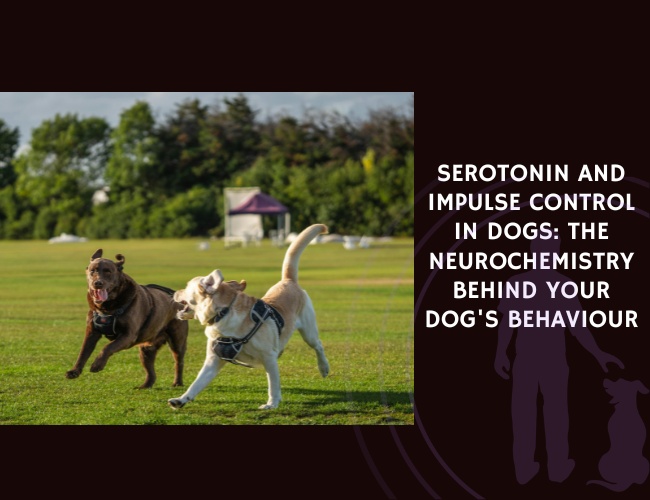
Does your dog lunge without warning, bark before you even see the trigger, or seem to go from calm to explosive in the blink of an eye? You might have spent months working on training, only to feel like something deeper is going on — something that commands and treats just cannot reach. You might be right. The answer may not lie in your technique. It may lie in your dog’s brain chemistry.
Serotonin — a neurotransmitter most people associate with human mood and wellbeing — plays a profound and often underestimated role in how dogs regulate their impulses, process frustration, and recover from emotional arousal. When serotonin levels are balanced, your dog can pause before reacting, tolerate delays, and bounce back from stress. When they are not, even the most structured training environment may struggle to produce lasting change. Understanding this neurochemical foundation changes everything about how you see your dog’s behaviour — and what you can realistically do to support it.
Next, we’ll explore exactly how serotonin functions as your dog’s natural behavioural brake, and why this matters far more than most people realize.
What Serotonin Actually Does in Your Dog’s Brain
Understanding the “behavioural brake” every dog is born with
Serotonin, scientifically known as 5-hydroxytryptamine (5-HT), is far more than a mood molecule. In the canine brain, it functions as a critical regulator of behavioural inhibition — a built-in brake system that determines whether your dog pauses before acting or reacts impulsively to every passing stimulus. This is not a metaphor. The science behind it is specific and well-documented.
The serotonergic system originates in two key brainstem structures — the dorsal and median raphe nuclei — and projects outward to nearly every region of the brain involved in emotion, decision-making, and behavioural control:
- Prefrontal cortex — responsible for executive control, weighing consequences, and decision-making
- Amygdala — the brain’s emotional alarm system, processing threats and triggering reactive responses
- Hippocampus — involved in contextual learning and memory integration
- Nucleus accumbens — the reward evaluation centre, driving motivation and approach behaviour
- Anterior cingulate cortex — monitoring for errors and conflicts between intended and actual outcomes
What this network means in practice is that serotonin sits at the intersection of emotion and action. It enables your dog to feel a provocation — and choose not to act on it. This is not trained behaviour. It is neurochemical regulation, and it operates whether or not training is in place.
There is another dimension to serotonin that surprises many dog owners: the majority of it — over 90% — is produced not in the brain but in the gut. Specialized enterochromaffin cells lining the intestinal wall, along with enteric neurons and mucosal mast cells, synthesize serotonin and communicate directly with the brain via the vagus nerve. This gut–brain axis means that what your dog eats, how healthy their microbiome is, and how much chronic stress they carry in their body all influence how much serotonin is available for emotional regulation. 🧠
Next, we’ll look at what the research tells us about serotonin’s connection to aggression — and the numbers are striking.
Serotonin and Aggression in Dogs: What the Research Reveals
The neurochemical profile behind reactive and aggressive behaviour
If you have ever watched your dog escalate from zero to aggression in a situation where most dogs remain calm, you have likely witnessed the effects of low serotonin in real time. This is not a hunch — it is one of the most consistently documented relationships in canine neuroscience.
Research comparing aggressive and non-aggressive dogs has revealed clear neurochemical differences across multiple biological measurements:
- Non-aggressive dogs: average serum serotonin of 59.49 ± 2.76 ng/mL
- Offensively aggressive dogs: average of 50.07 ± 3.90 ng/mL
- Defensively aggressive dogs: average of 39.92 ± 2.58 ng/mL
These are not small differences. Defensively aggressive dogs — the ones most likely to bite out of perceived threat — showed the most pronounced serotonergic deficit of all. And this relationship has been confirmed not just in serum but across cerebrospinal fluid, plasma, and platelet measurements, suggesting this is a systemic, body-wide neurochemical imbalance rather than a localized anomaly.
Breed-level research adds another layer. Studies on English Cocker Spaniels — a breed with a documented predisposition to impulsive aggression — found that aggressive individuals of this breed had mean serum serotonin levels of 318 ± 60 ng/mL, compared to 852 ± 77 ng/mL in non-ECS aggressive dogs. The serotonergic profile may be one reason certain breeds are more prone to impulsive aggression than others, independent of how they were raised or trained.
The mechanism behind this is not mysterious. Low serotonin increases the relative activity of dopamine and norepinephrine, two excitatory neurotransmitters that lower aggression thresholds, heighten reactivity, and reduce the time between stimulus and response. At the same time, serotonin normally exerts inhibitory control over the amygdala through GABA signalling. When that inhibitory control is reduced, the amygdala becomes hypersensitive — perceiving threats more readily, escalating defensive responses faster, and taking far longer to return to baseline after arousal.
You might notice this in your dog as an inability to settle after a trigger, continued scanning or pacing long after the source of stress has disappeared, or a hair-trigger quality to their reactions that feels disproportionate to what you observed. These are not personality flaws. They are signs of a nervous system working without enough neurochemical support. 🐾
Next, we’ll explore how serotonin shapes the specific executive functions your dog needs to pause, wait, and make better decisions in the moment.
Impulse Control and Executive Function: The Pause That Changes Everything
How serotonin shapes your dog’s capacity to think before reacting
Impulse control is not simply about obedience. It is about the neurological capacity to pause between stimulus and response — to feel the pull of an impulse and not follow it automatically. For dogs, this capacity depends critically on serotonergic function in the prefrontal cortex and the network of regions it connects with.
When serotonin is adequately supporting prefrontal cortex activity, your dog gains access to what behaviourists call executive function:
- The ability to delay responding to immediate stimuli in favour of a better outcome
- The capacity to inhibit automatic or habitual reactions
- Sustained goal-directed behaviour despite distraction or frustration
- Flexible adjustment of responses when the situation changes
This is the dog who can hold a stay while another dog walks past, who can settle even when dinner is being prepared, and who can disengage from arousal when you ask them to. The key distinction is that this kind of regulation runs automatically and unconsciously — it is not the same as a dog who has learned to suppress a behaviour through repetition and reward.
This brings us to a critical and often overlooked distinction. There are actually two very different types of behavioural inhibition in dogs:
Neurochemical inhibition (serotonin-mediated):
- Automatic suppression of inappropriate impulses
- Reduced emotional reactivity to provocations
- Capacity to remain calm under stress
- Flexible, context-appropriate responding
Learned behavioural suppression (training-based):
- Conditioned inhibition of specific responses
- Suppression maintained by fear of punishment or expectation of reward
- Prone to breaking down under stress or in novel environments
- Rigid and context-dependent
A dog with healthy serotonergic function maintains impulse control even in unfamiliar situations, under elevated stress, or when external reinforcement is absent. A dog with serotonergic deficits may appear well-trained in familiar contexts but becomes impulsive, reactive, or aggressive when arousal rises — because the neurochemical foundation beneath the trained behaviour was never stable.
Through the NeuroBond approach, trust becomes the foundation of learning — and that foundation, on a neurological level, is built in large part by serotonin. 🧠
Next, we’ll explore what happens when frustration enters the equation, and why low serotonin makes tolerance almost impossible.
Frustration Tolerance and Emotional Regulation: Why Some Dogs Can’t Wait
The neurochemistry of patience — and what happens when the system breaks down
Every dog owner knows what frustration looks like in a dog. The whining at the door. The pawing at the leash. The spinning before a meal. In most dogs, these expressions are mild and manageable. In dogs with low serotonin, frustration can escalate rapidly to snapping, barking, or outright aggression — and the transition can seem almost instantaneous.
When your dog anticipates something they want — food, play, social contact — and that reward is delayed or withheld, a specific cascade of activity fires in the brain. The anterior cingulate cortex detects the mismatch between expectation and reality. The amygdala generates an emotional response. The nucleus accumbens signals a reward prediction error. And the prefrontal cortex is called upon to evaluate options and regulate the response.
Adequate serotonin enables the prefrontal cortex to win that internal competition. Your dog can tolerate the emotional discomfort of waiting, re-appraise the situation (“the reward is coming, this is not a threat”), and maintain goal-directed behaviour without reactive escalation. With low serotonin, the amygdala’s signal overpowers the prefrontal cortex’s regulation, and frustration rapidly becomes reactive aggression.
Emotional resilience follows the same logic. Dogs with adequate serotonin recover from stress. After an arousing event — a dog passing by the fence, a stranger approaching — their amygdala settles, their cortisol drops, and they return to baseline. Dogs with serotonergic deficits show:
- Prolonged amygdala activation after stress
- Sustained cortisol elevation
- Social withdrawal or continued defensive posturing
- Difficulty encoding new learning because stress hormones interfere with hippocampal function
The HPA axis — the hormonal stress-response system — adds another layer of complexity. Adequate serotonin dampens HPA axis activity, supporting recovery after stress. Chronic stress, in turn, depletes serotonin by increasing reuptake, reducing synthesis, and altering receptor expression. This is the cycle that makes chronically stressed dogs progressively harder to help: the very neurochemistry they need to handle stress is eroded by the stress itself.
This is why calm, predictable environments are not just philosophically desirable — they are neurochemically necessary. The Invisible Leash reminds us that awareness, not tension, guides the path, and that principle maps directly onto what serotonin makes possible: a connection built on emotional safety rather than reactive control. 🧡
Next, we’ll look at how serotonin and dopamine interact — and why that balance is the key to understanding compulsive, hyperactive, and reactive dogs.
The Serotonin-Dopamine Balance: Motivation, Inhibition, and Behavioural Flexibility
Why your dog can’t stop chasing, barking, or fixating — and what that tells you
To understand impulsivity in dogs fully, you cannot look at serotonin in isolation. It operates in dynamic balance with dopamine — and when that balance tips, the effects are visible in virtually every aspect of your dog’s behaviour.
Dopamine drives motivation, reward-seeking, approach behaviour, and persistence. It is what makes your dog chase, sniff, explore, and pursue. Serotonin provides the counterweight: inhibiting excessive or inappropriate approach, enabling patience, supporting contentment with the present moment, and facilitating social deference. In a neurochemically balanced dog, these two systems work together to produce adaptive behaviour — motivated enough to learn and engage, inhibited enough to pause and regulate.
When serotonin is low, dopamine-driven SEEKING behaviour becomes unregulated. What you observe in practice:
- Compulsive behaviour: repetitive actions that persist despite negative outcomes; inability to disengage from unrewarding pursuits
- Impulsive aggression: rapid escalation from mild provocation to intense reaction; difficulty stopping once started
- Hyperactivity and restlessness: excessive motor activity; constant stimulation-seeking; inability to settle
- Reduced behavioural flexibility: becoming locked into previously learned patterns; difficulty adapting when rules or expectations change
This last point — behavioural flexibility — is particularly important for training. Flexible responding requires serotonin-mediated inhibition of previously learned responses alongside dopamine-mediated learning of new ones. When serotonin is low, dogs show perseveration: they repeat responses that no longer work, struggle to learn new expectations, and often cannot inhibit previously rewarded behaviours even when those behaviours are no longer appropriate.
If you have a dog who seems unable to disengage, who repeats behaviours that clearly aren’t getting them what they want, or who escalates and escalates rather than settling — this may be what you are looking at.
Research on the nucleus accumbens confirms that serotonin-dopamine interactions in this region are critical for controlling impulsivity. When serotonergic function is compromised, reward evaluation becomes short-sighted, frustration tolerance collapses, and the dog’s behavioural repertoire narrows in ways that make conventional training more difficult to apply. 🧠
Next, we’ll explore the surprisingly powerful role of nutrition and gut health in your dog’s serotonin levels.
Nutrition, Gut Health, and Serotonin Production
What your dog eats directly shapes how they feel — and how they behave
If the fact that 90% of serotonin is produced in the gut surprised you, the implications for your dog’s diet may be even more striking. What your dog eats does not just fuel their body — it literally influences the neurochemical environment their brain operates in.
Serotonin is synthesized from tryptophan, an essential amino acid found in most protein-containing foods. However, tryptophan availability is not simply about how much protein your dog consumes. It depends on the competition tryptophan faces when crossing the blood-brain barrier, where it competes with other large neutral amino acids — leucine, isoleucine, valine, phenylalanine, and tyrosine — for the same transport system.
This has practical implications:
- High-protein diets can paradoxically reduce tryptophan availability if they increase competition from other amino acids
- Protein source matters — foods naturally rich in tryptophan (poultry, particularly turkey and chicken) may support serotonin availability more effectively
- Balanced amino acid profiles are more important than absolute protein quantity
- Rotating protein sources helps achieve overall amino acid variety and reduces the dominance of any single competing amino acid
Beyond tryptophan, serotonin synthesis requires a range of supporting micronutrients that many commercially processed dog foods fail to deliver adequately:
- Vitamin B6 (pyridoxal-5-phosphate) — cofactor for the enzyme that converts tryptophan to serotonin
- Folate — involved in neurotransmitter synthesis pathways
- Vitamin B12 — essential for neurological function and methylation
- Iron — cofactor for tryptophan hydroxylase
- Magnesium — cofactor for multiple enzymatic steps in neurotransmitter production
The gut microbiome as a serotonin modulator
Your dog’s gut microbiota influences serotonin levels through several distinct pathways. Commensal bacteria ferment dietary fibre to produce short-chain fatty acids (butyrate, propionate, acetate) that support intestinal barrier function, reduce systemic inflammation, and promote enterochromaffin cell health — the very cells that produce most of your dog’s serotonin. Certain Lactobacillus species also synthesize GABA directly, the primary inhibitory neurotransmitter that mediates serotonin’s calming effect on the amygdala.
Research comparing raw-fed dogs with those on conventional dry diets has found higher GABA levels in raw-fed animals, suggesting that diet format — not just content — influences the neurotransmitter environment of the gut. Highly processed foods may select for microbiota compositions with reduced capacity to produce these calming neurochemicals.
Chronic inflammation compounds the problem further. Pro-inflammatory cytokines increase serotonin reuptake, divert tryptophan away from serotonin synthesis via the kynurenine pathway, and reduce serotonin receptor density. Leaky gut — increased intestinal permeability — allows bacterial endotoxins into circulation, triggering systemic inflammation that ultimately reaches the brain. What begins as a digestive issue can, over time, manifest as heightened reactivity, impulsivity, and behavioural instability.
This is why gut health is not a secondary consideration in behavioural support. It is often the starting point. 🐾
Next, we’ll look at how your dog’s development, breed, and genetics influence their serotonergic capacity from the very beginning.
Development, Breed Differences, and Genetics: What Your Dog Was Born With
Understanding the neurochemical inheritance behind your dog’s temperament
No two dogs are born with the same serotonergic capacity. Just as some humans are genetically predisposed toward greater emotional resilience while others carry a biological vulnerability to anxiety or mood dysregulation, dogs show substantial individual — and breed-level — variation in how their serotonergic systems are built and how they function.
The serotonergic system undergoes significant development from birth through adulthood. In early puppyhood, serotonergic neurons are still establishing their connections, receptor expression is actively changing, and the stress response system is heightened. Puppies who experience adverse early experiences — separation, neglect, lack of socialization, or chronic stress — may carry the neurochemical consequences into adulthood in the form of:
- Impaired serotonergic system development
- Altered HPA axis calibration
- Increased baseline anxiety and reactivity
- Reduced structural capacity for impulse control
Adolescence adds another layer of complexity. Between roughly six and eighteen months, dogs undergo significant reorganization of prefrontal cortex circuits alongside a peak in dopamine signalling — producing the exploration-seeking, risk-taking, and increased impulsivity that many owners experience as a regression in training. This period is not a character failure. It is a developmental stage during which the serotonergic inhibitory system has not yet caught up with the dopamine-driven motivational system. Positive, predictable experiences during this window can support healthy serotonergic maturation; chronic stress during this period can impair it.
At the breed level, selective breeding over centuries has shaped not just morphology but neurochemistry. Different breed profiles likely involve different serotonergic baselines:
- Herding breeds (Border Collie, Australian Shepherd) — selected for sustained focus and controlled, impulse-managed responsiveness
- Hunting breeds (Retriever, Pointer) — selected for drive and controlled arousal under stimulation
- Guardian breeds (Mastiff, Rottweiler) — selected for protective aggression and territorial assertion
- Toy breeds (Chihuahua, Pomeranian) — selected for alertness and reactivity
These behavioural selections likely involved underlying neurochemical profiles. Genetic variation in serotonin receptor genes — particularly htr1A and htr2A, both identified in the canine serotonergic system — contributes to individual differences in baseline serotonergic tone, receptor sensitivity, and the capacity for behavioural inhibition. The gene htr1A in particular has been implicated in dog domestication, suggesting its role in shaping the social-emotional temperament that distinguishes dogs from their wild ancestors.
This genetic foundation explains why some dogs remain calm and inhibited despite minimal training while others remain impulsive and reactive despite exhaustive effort. It does not mean the situation is fixed — but it does mean realistic expectations and appropriate support are essential. 🧡
Next, we’ll explore how training environments and human leadership directly influence serotonergic function — and why structure is neurologically protective.
Training, Environment, and Behavioural Plasticity
Why structure is not just a training tool — it is a neurochemical intervention
The relationship between environment and neurochemistry runs deeper than most training frameworks acknowledge. Chronic stress does not just make dogs harder to work with. It actively depletes serotonin through four parallel mechanisms: increased reuptake driven by stress hormones, reduced synthesis due to impaired tryptophan hydroxylase function, downregulation of serotonin receptor density, and gut microbiota disruption that reduces peripheral serotonin production.
A structured, predictable environment supports serotonergic function in equally specific ways. Clear and consistent rules reduce the decision load on the dog, lowering cognitive strain and supporting prefrontal function. Predictable routines allow the brain to anticipate events rather than constantly scanning for threats, reducing amygdala activation. Safe spaces for retreat support parasympathetic tone, which in turn supports gut health and serotonin production. Every successful, calm interaction reinforces the neural circuits underlying self-regulation.
The neuroscience of clear leadership
Emotionally clear, consistent leadership has measurable effects on the canine nervous system. When a dog experiences leadership characterized by:
- Consistent, predictable rules and responses
- A calm, regulated emotional state in the handler
- Unambiguous communication without mixed signals
- Reliable reinforcement patterns
…the result is reduced threat perception in the amygdala, enhanced vagal tone, improved hippocampal encoding of new information, and greater availability of prefrontal serotonin-supported inhibition. Conversely, inconsistent, emotionally volatile, or unpredictable leadership increases amygdala activation, reduces vagal tone, interferes with hippocampal learning, and overwhelms serotonin-mediated inhibitory capacity — even in dogs who have adequate serotonin when calm.
For dogs with severe serotonergic deficits, environmental intervention alone has limits. Dogs whose deficits are primarily genetic — involving very low receptor density or impaired synthesis capacity — may not achieve adequate neurochemical function through structure and stress reduction alone. Some may require pharmacological support (SSRIs, which increase synaptic serotonin) to reach the baseline neurochemical level from which environmental learning and training can take effect. This is not a failure. It is the recognition that biology and experience are not separate domains — they interact continuously.
Moments of Soul Recall reveal how memory and emotion intertwine in behaviour: when a dog finally settles, trusts, and stops scanning for danger, what you are witnessing is a nervous system that has found enough neurochemical support to let the past stay in the past. 🧠
Next, we’ll look at specific behavioural problems and what serotonin’s role in each can tell you about how to support your dog.
Serotonin and Specific Behavioural Problems
From anxiety to compulsion — understanding the neurochemical thread
Across a wide range of commonly diagnosed behavioural problems in dogs, serotonergic dysfunction appears as a consistent underlying factor. Understanding these connections does not replace professional assessment, but it changes how you interpret what you are seeing.
Aggression is the most directly documented serotonin-related behavioural issue in dogs, with the research consistently linking lower serotonin levels to both offensive and defensive aggressive phenotypes. Impulsive aggression — characterized by rapid escalation, poor discrimination between genuine threats and neutral stimuli, and difficulty recovering after an incident — shows the strongest neurochemical signature.
Anxiety and fear-based behaviours involve serotonin receptor dysfunction, particularly at the 5-HT2A receptor, which modulates anxiety responses in the limbic system. Research also suggests that markers of the serotonergic system may correlate with sociability toward humans, indicating that serotonin plays a role not just in threat responses but in the baseline comfort a dog feels in social contexts.
ADHD-like behaviour in dogs — characterized by excessive activity, poor attention regulation, and strong comorbidity with compulsive behaviour, fearfulness, and inappropriate elimination — is linked to disruptions in both serotonin and dopamine systems, mirroring what is understood about attention dysregulation in humans.
Compulsive disorders — including tail-chasing, excessive licking, shadow or light fixation, and repetitive locomotory behaviours — involve altered serotonin transmission. The evidence is strong enough that SSRIs and clomipramine (a serotonergic tricyclic antidepressant) are considered first-line pharmacological treatments for canine compulsive disorder.
Cognitive Dysfunction Syndrome in older dogs — presenting as disorientation, disrupted sleep-wake cycles, altered social interactions, and house-soiling — also involves changes in serotonergic and dopaminergic signalling, though multiple neurotransmitter systems are implicated.
Research measuring urinary 5-HIAA — a metabolite of serotonin that reflects overall serotonergic activity — has found that higher impulsivity scores in dogs correlate significantly with lower 5-HIAA levels and a reduced 5-HIAA to HVA ratio, providing physiological confirmation of the link between serotonergic function and self-control.
The behavioural signals worth watching in your own dog:
- Disproportionate reactions to mild provocations
- Inability to settle after arousal, even with familiar reassurance
- Fixation behaviours that resist redirection
- Social unpredictability — gentle one moment, reactive the next
- Extreme difficulty waiting, even in structured training contexts
- Recovery times that seem far longer than they should be 🐾
Next, we’ll explore the dietary and supplementation approaches that directly support serotonin production in your dog.
Dietary and Nutritional Approaches to Supporting Serotonin
What you can do every day to support your dog’s neurochemical balance
Understanding the nutritional roots of serotonin production gives you practical tools that work alongside any training or behavioural programme. These are not quick fixes — but they are real levers.
L-tryptophan supplementation has been investigated as a dietary approach to supporting serotonin levels in dogs with behavioural problems. Evidence supports its role in reducing anxiety and stress-related behaviour, particularly when combined with other calming agents such as alpha-casozepine, a milk-derived peptide with GABA-modulating effects. The use of tryptophan alone for aggression has produced mixed results, which underscores that serotonin production depends on an entire system — not a single precursor.
Commercial dietary approaches that have shown promise include:
- Diets combining L-tryptophan with alpha-casozepine
- Formulas incorporating omega-3 fatty acids, which reduce neuroinflammation and support neurotransmitter receptor function
- Probiotic supplementation, which supports microbiome composition and the gut’s capacity to produce serotonin precursors and GABA
- Raw or minimally processed protein sources, which may provide more bioavailable tryptophan than heat-processed alternatives
Practical dietary principles worth considering:
- Rotate protein sources to avoid single-amino-acid dominance and ensure varied amino acid profiles
- Prioritise whole-food micronutrients — B vitamins, iron, and magnesium are consistently important for serotonin synthesis
- Reduce dietary pro-inflammatory components — excessive omega-6 polyunsaturated fats, artificial additives, and highly processed ingredients that increase systemic inflammation
- Support gut barrier integrity — prebiotic fibre supports the microbiota that produces calming neurochemicals
- Consider a raw or fresh food approach as a foundation, given evidence linking diet format to measurable differences in GABA and neurotransmitter metabolite levels
These dietary changes work best as part of a broader strategy that also addresses stress load, training environment, and where appropriate, professional behavioural support. 🧡
Next, we’ll look at how to integrate everything — from neuroscience to nutrition to training — into a coherent approach for your dog.
Integrating Neurochemistry, Training, and Professional Support
A whole-system view of impulse control support
One of the most important insights that serotonin research offers dog owners and trainers is this: behaviour modification works best when the neurochemical substrate is capable of supporting new learning. Training cannot do what neurochemistry has not yet made possible — but neurochemistry, properly supported, can make training dramatically more effective.
The most effective approaches combine layers of support:
Environmental structure reduces chronic stress-induced serotonin depletion and supports the baseline neurochemical conditions for learning. Predictable routines, clear rules, calm leadership, and adequate rest are not supplementary — they are foundational.
Nutritional support addresses the gut–brain axis, ensuring that the raw materials for serotonin synthesis are available and that the microbiome environment supports neurotransmitter production. This is a long-term investment with cumulative benefits.
Positive, structured training — particularly approaches that reinforce calm, waiting, and inhibition of impulse rather than suppression through fear — builds the prefrontal cortex circuits that serotonin supports. Repeated successful experiences of self-regulation literally strengthen the neural pathways that make self-regulation easier in future.
Professional assessment and, where indicated, pharmacological support fills the gap when environmental and nutritional interventions cannot fully compensate for severe serotonergic deficits. SSRIs increase synaptic serotonin, reduce amygdala reactivity, enhance prefrontal function, and create the neurochemical conditions in which training can establish lasting change. They are not a permanent substitute for behaviour modification — they are what makes behaviour modification achievable when the biology is working against it.
Maintenance medications should be considered when triggers occur frequently and unpredictably, or when a dog displays chronic anticipatory anxiety and struggles to recover between exposures. These decisions belong with a qualified veterinary behaviourist, but they are not a last resort — they are a legitimate and sometimes necessary part of a comprehensive support plan.
That balance between science and soul — that’s the essence of Zoeta Dogsoul. When you understand the neurochemistry, you stop seeing behaviour as defiance or personality failure. You see it as a nervous system doing its best with the tools it has — and you begin to understand how to genuinely give it more.
Is Serotonin Behind Your Dog’s Behaviour? What to Watch For
Practical signs that serotonergic support may be part of the picture
You do not need blood tests to begin asking the right questions. Here are the signs that suggest serotonergic function may be a significant factor in your dog’s behavioural challenges:
Signs of possible serotonergic deficit:
- Reactive or aggressive behaviour that seems disproportionate to the trigger
- Inability to recover and settle after arousal, long after the trigger has gone
- Social unpredictability — friendly and calm at times, explosive at others — without clear external cause
- Extreme difficulty with patience or delayed gratification, even in low-stress contexts
- Compulsive or repetitive behaviours that resist training-based redirection
- Heightened startle responses and sustained hypervigilance
- Anxiety that is pervasive rather than contextually specific
Factors that increase serotonergic risk:
- Early adverse experiences (trauma, neglect, poor socialization)
- Breed predisposition toward impulsive or reactive behaviour
- Chronic stress history, including unpredictable environments or inconsistent handling
- Poor gut health, digestive irregularities, or a history of inflammatory conditions
- Highly processed or nutritionally incomplete diet over extended periods
- Adolescent age, particularly between 8 and 18 months
If several of these apply to your dog, a combined approach — nutritional support, environmental restructuring, calm leadership, and professional assessment — is likely to be more effective than training alone.
Did you know that even small, consistent changes in diet and daily routine can begin shifting your dog’s neurochemical baseline over weeks and months? Change does not always come from a single intervention. Sometimes it comes from removing the chronic stressors that were quietly depleting serotonin all along.
Melatonin, Circadian Rhythm, and Serotonin: The Sleep Connection
Why a bad night’s rest is a neurochemical event — not just tiredness
Most dog owners think of poor sleep as a comfort issue. A restless dog, a dog who paces at night, a dog who seems wired in the early hours — these are typically treated as behavioural problems to manage rather than neurochemical signals worth investigating. What very few owners realize is that disrupted sleep directly depletes serotonin, and does so through a mechanism that is built into your dog’s biology.
Melatonin — the hormone that regulates your dog’s sleep-wake cycle — is not independent of serotonin. It is synthesized directly from it. Serotonin is the biochemical precursor to melatonin: when darkness falls, serotonin in the pineal gland is converted to melatonin through a two-step enzymatic process, triggering the sleep onset signal. This means that without adequate serotonin, melatonin production is compromised. And without adequate melatonin, the circadian rhythm that governs rest, recovery, and neurochemical replenishment begins to break down.
The cycle runs in both directions. When sleep is disrupted — whether through environmental noise, irregular schedules, separation anxiety, or the chronic low-grade arousal of a stressed nervous system — serotonin synthesis the following day is reduced. The brain relies on consolidated sleep cycles to restore neurotransmitter balance, clear metabolic waste, and reset the stress response system. A dog who does not sleep deeply and consistently is a dog whose serotonin baseline is quietly being eroded night by night.
Signs that your dog’s sleep patterns may be affecting their serotonergic function:
- Waking frequently during the night, often alert rather than settled
- Difficulty settling at the start of the night despite physical tiredness
- Restless, pacing, or unsettled behaviour in the hours before sleep
- Increased reactivity, irritability, or impulsivity the day after a poor night
- Early morning hyperarousal — unable to calm down despite the day having barely begun
- Daytime hyperactivity that does not correspond to exercise level or stimulation
What supports healthy circadian serotonin-melatonin cycling in dogs:
- Consistent sleep and wake times — the brain’s serotonin-to-melatonin conversion depends on light-dark predictability
- A calm, dark sleeping environment free from electronic light sources and noise disruption
- Adequate physical exercise earlier in the day rather than in the evening, which supports parasympathetic wind-down
- Evening routines that signal the transition to rest — the same cues, the same sequence, the same outcome
- Reducing access to screens and artificial lighting in the dog’s resting space during evening hours
This is one of the simplest, most overlooked entry points for neurochemical support. Before supplements, before medication, before training programs — look at whether your dog is actually sleeping. 🧠
Next, we’ll explore the cortisol-serotonin relationship and the self-reinforcing depletion cycle that makes chronically stressed dogs progressively harder to reach.
Cortisol and Serotonin: The Inverse Relationship Your Dog Cannot Escape
How chronic stress hormones drain your dog’s neurochemical reserves — and keep draining them
There is a relationship at the heart of canine behavioural neuroscience that most training approaches never address: the more cortisol rises, the more serotonin falls. And the more serotonin falls, the less capacity the nervous system has to regulate cortisol. This is not a temporary stress response. In chronically stressed dogs, it becomes a locked cycle that training alone cannot break.
Cortisol is your dog’s primary stress hormone. Released by the adrenal glands in response to perceived threat, it mobilizes energy, heightens alertness, and prepares the body for action — a completely adaptive short-term response. The problem arises when cortisol remains chronically elevated, which happens in dogs living in unpredictable environments, experiencing ongoing conflict, facing repeated triggering stimuli without adequate recovery, or carrying unresolved trauma from earlier in life.
Chronic cortisol elevation damages serotonergic function through four simultaneous mechanisms:
- Increased serotonin reuptake — cortisol directly upregulates the serotonin transporter (SERT), pulling serotonin out of synapses faster than it can be replaced
- Impaired serotonin synthesis — elevated cortisol suppresses tryptophan hydroxylase, the enzyme that converts tryptophan into serotonin
- Altered receptor expression — prolonged cortisol exposure reduces serotonin receptor density in the prefrontal cortex and hippocampus, the very regions responsible for impulse control and learning
- Gut microbiome disruption — cortisol increases intestinal permeability and alters microbiota composition, reducing the gut’s capacity to produce serotonin precursors
The result is a dog whose neurochemical system is progressively less capable of doing the work that makes calm behaviour possible. And here is where the cycle becomes self-reinforcing: low serotonin impairs the brain’s ability to regulate the HPA axis — the hormonal system that controls cortisol release. Serotonin normally dampens HPA axis activation after a stressor. Without it, cortisol stays elevated longer, depletes more serotonin, and reduces HPA regulation further.
What this looks like in practice — the cortisol-serotonin spiral:
- A stressful event triggers cortisol release — this is normal
- Recovery is slow because serotonin cannot adequately calm the amygdala or HPA axis
- The dog enters the next encounter still neurochemically depleted from the last
- Each subsequent trigger requires less provocation to produce the same response
- Over time, the dog’s reactive window narrows and their baseline arousal rises
- The dog is now described as “always on edge,” “unpredictable,” or “getting worse despite training”
This is not a training problem. It is a cortisol-serotonin problem. And the intervention must address the cortisol load first — before expecting serotonin to recover and before expecting training to hold. 🐾
Next, we’ll examine what happens to tryptophan — your dog’s serotonin raw material — when inflammation enters the picture.
Balanced. Controlled. Resilient.
Serotonin Regulates Impulses Serotonin acts as the brain’s behavioural brake allowing dogs to pause tolerate frustration and recover from emotional arousal instead of reacting instantly.
Low Levels Increase Reactivity Reduced serotonergic activity lowers inhibition heightens threat sensitivity and shortens the distance between trigger and response making aggression and impulsivity more likely.


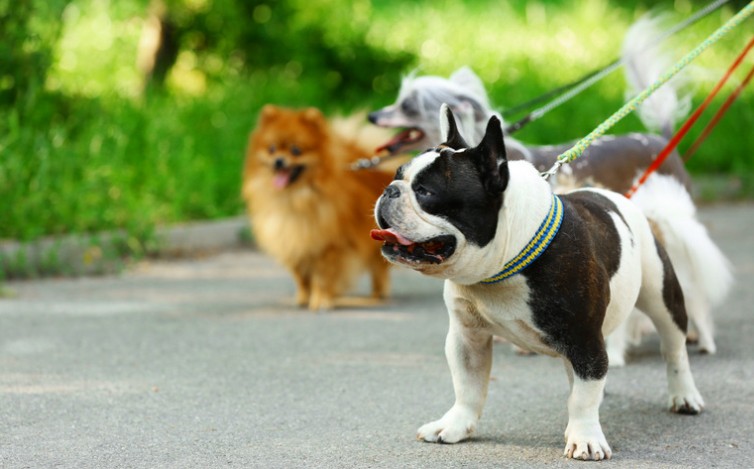
Regulation Builds Stability When gut health nutrition and NeuroBond aligned guidance support healthy serotonin function dogs gain greater emotional control calmer decisions and more consistent behaviour. 🐾
The Kynurenine Pathway: When Tryptophan Gets Stolen
What inflammation does to your dog’s serotonin supply before it even reaches the brain
You have learned that tryptophan is the essential amino acid from which serotonin is synthesized. What most people do not know is that tryptophan has more than one metabolic destination — and when inflammation is present, the most important one loses out.
Under normal, low-inflammation conditions, tryptophan is primarily converted to serotonin via the enzyme tryptophan hydroxylase. But tryptophan also enters the kynurenine pathway, a competing metabolic route that is dramatically upregulated by inflammation. When the immune system is activated — by chronic infection, dietary pro-inflammatory components, leaky gut, systemic stress, or allergic responses — inflammatory cytokines (particularly IDO-1 and IDO-2 enzymes) divert tryptophan away from serotonin production and toward kynurenine metabolites instead.
This is not a minor diversion. In a state of chronic inflammation, the kynurenine pathway can consume the majority of available tryptophan, leaving very little for serotonin synthesis — regardless of how much tryptophan your dog is eating.
The consequences compound further because some kynurenine metabolites are neuroactive in their own right. Quinolinic acid — one downstream product of the kynurenine pathway — is an NMDA receptor agonist that can increase neuronal excitability, heighten anxiety responses, and contribute to depressive and anxious neurological states. The dog experiencing chronic inflammation is therefore dealing simultaneously with reduced serotonin production and increased excitatory neuroactive metabolite activity.
Common sources of chronic inflammation in dogs that may activate the kynurenine pathway:
- Highly processed dry food diets high in oxidized lipids and advanced glycation end products (AGEs)
- Food sensitivities or allergies driving low-grade intestinal immune activation
- Leaky gut syndrome and elevated circulating lipopolysaccharides (LPS)
- Excessive dietary omega-6 polyunsaturated fatty acids relative to omega-3
- Unresolved chronic infections, dental disease, or skin inflammatory conditions
- Obesity, which generates adipose-tissue-derived pro-inflammatory cytokines
- Chronic psychological stress, which directly increases inflammatory cytokine production
Signs that inflammation may be stealing your dog’s tryptophan:
- Behavioural problems that coincide with or follow periods of digestive upset or skin flares
- Persistent reactivity despite dietary tryptophan supplementation
- A dog who is simultaneously anxious and physically unwell — the two may share a common inflammatory root
- Worsening behaviour after highly processed meals or dietary changes toward cheaper kibble
Addressing the kynurenine pathway means addressing inflammation — which means gut health, dietary quality, and stress load, not tryptophan supplementation alone. Giving a dog more tryptophan while inflammation continues to divert it is like filling a bucket with a hole in the bottom. 🧠
Next, we’ll cover something less commonly discussed but critically important for any dog owner considering pharmacological support: serotonin syndrome.
🧠 Serotonin & Impulse Control in Dogs
The neurochemistry behind your dog’s behaviour — from the brainstem to the bowl 🐾
Phase 1: The Neurochemical Foundation
What serotonin actually is — and why it runs your dog’s behaviourSerotonin (5-HT) originates in the brainstem’s raphe nuclei and projects to the prefrontal cortex, amygdala, hippocampus, nucleus accumbens, and anterior cingulate cortex. It functions as a built-in behavioural brake — suppressing inappropriate impulses before they become actions. Critically, over 90% of the body’s serotonin is produced in the gut, not the brain.
A dog with healthy serotonin doesn’t need to be trained not to react — their nervous system handles it automatically. A dog with depleted serotonin lacks this built-in pause. What looks like stubbornness or defiance is often the absence of neurochemical regulation.
Understanding these regions explains why serotonin affects so many behaviours at once:
• Prefrontal cortex — decision-making, weighing consequences
• Amygdala — emotional alarm system, threat detection
• Hippocampus — contextual learning, memory
• Nucleus accumbens — reward evaluation, motivation
• Anterior cingulate cortex — error detection, conflict monitoring
Phase 2: Serotonin & Aggression Thresholds
The research numbers that change how you see reactive dogsResearch comparing aggressive and non-aggressive dogs reveals clear neurochemical differences — confirmed across serum, plasma, cerebrospinal fluid, and platelet measurements simultaneously:
• Non-aggressive dogs: 59.49 ± 2.76 ng/mL
• Offensively aggressive dogs: 50.07 ± 3.90 ng/mL
• Defensively aggressive dogs: 39.92 ± 2.58 ng/mL
• English Cocker Spaniels with rage: 318 ± 60 ng/mL (vs 852 ± 77 in other aggressive dogs)
Low serotonin increases relative dopamine and norepinephrine activity — lowering aggression thresholds and reducing time between stimulus and response. Simultaneously, serotonin’s inhibitory control over the amygdala weakens, causing heightened threat perception, faster defensive escalation, and dramatically slower emotional recovery.
• Reactions disproportionate to the trigger
• Continued scanning or pacing long after the trigger has gone
• Aggression that appears with no observable warning build-up
• Recovery time exceeding 20 minutes after a moderate incident
• Social unpredictability — calm one moment, explosive the next
Phase 3: Impulse Control & Executive Function
The pause between stimulus and response — and what makes it possibleThis distinction is critical for realistic training expectations:
Neurochemical inhibition (serotonin-mediated): automatic, stress-resistant, works in novel environments, flexible and context-appropriate.
Learned behavioural suppression (training-based): conditioned, stress-dependent, collapses in unfamiliar situations or under high arousal, rigid and context-limited.
• Holding a stay while another dog passes without visible tension
• Disengaging from arousal on cue — not suppressing, genuinely releasing
• Tolerating delays before food, doors, greetings — without escalation
• Adjusting responses flexibly when context changes
• Maintaining calm in unfamiliar environments without learned cues present
Threshold is the neurobiological tipping point at which amygdala activation overrides prefrontal cortex function. Below threshold: the dog can receive cues, inhibit impulses, and learn. Above threshold: the prefrontal cortex is offline — no amount of training skill can access it. Serotonin determines where that threshold sits.
Phase 4: The Cortisol-Serotonin Depletion Cycle
How chronic stress silently erodes the neurochemical foundationChronic cortisol elevation depletes serotonin through four pathways at once:
• Increased SERT activity — cortisol upregulates serotonin reuptake, pulling it from synapses faster than it regenerates
• Reduced synthesis — cortisol suppresses tryptophan hydroxylase, the enzyme that makes serotonin
• Receptor downregulation — chronic cortisol reduces serotonin receptor density in prefrontal and hippocampal regions
• Gut disruption — stress damages intestinal barrier function and alters the microbiota that produces serotonin precursors
Serotonin normally dampens HPA axis activation — helping cortisol clear after stress. When serotonin depletes, cortisol stays elevated longer, depletes more serotonin, and reduces HPA regulation further. The dog enters each new encounter neurochemically depleted from the last. Over time: narrowing reactive window, rising baseline arousal, worsening behaviour despite consistent training. This is not a training problem. It is a biology problem.
• Identify and remove chronic environmental stressors before adding training demands
• Consistent sleep schedule to support nightly serotonin replenishment
• Anti-inflammatory dietary support to reduce cortisol-driving inflammation
• Predictable daily routine to reduce anticipatory stress activation
• Recovery time tracking as a weekly biological progress indicator
Phase 5: The Gut, Nutrition & Tryptophan
What your dog eats directly shapes how their brain regulates behaviourSerotonin is synthesized from tryptophan via a two-step enzymatic process requiring B6, folate, B12, iron, and magnesium as cofactors. Tryptophan competes with other large neutral amino acids (leucine, isoleucine, valine) for blood-brain barrier transport — meaning high-protein diets can paradoxically reduce serotonin availability if they increase competition. Protein source matters more than protein quantity.
When inflammation is present, inflammatory enzymes (IDO-1, IDO-2) divert tryptophan away from serotonin and into the kynurenine pathway instead. Some kynurenine metabolites (quinolinic acid) actively increase neuronal excitability and anxiety. A dog receiving tryptophan supplementation while chronically inflamed is filling a bucket with a hole — addressing the inflammation comes first.
• 🥇 Turkey — highest concentration, excellent bioavailability
• 🥈 Chicken — high tryptophan, broad amino acid balance, well-tolerated
• 🥉 Sardines / Mackerel — tryptophan + omega-3 anti-inflammatory dual benefit
• Eggs — complete amino acid profile, superior bioavailability
• Beef — good tryptophan + iron (cofactor for synthesis enzymes)
• Organ meats — liver, kidney: dense in B6, B12, folate (essential cofactors)
Phase 6: The Microbiome, Omega-3 & Serotonin Production
The gut is not a digestion organ — it is a neurochemical factoryNot all probiotics support neurochemistry — these strains have specific evidence:
• L. rhamnosus — alters GABA receptor expression via vagus nerve; reduces anxiety behaviour
• L. plantarum — direct GABA production; supports enterochromaffin serotonin synthesis
• B. longum — reduces cortisol response; supports intestinal barrier integrity
• B. infantis — restores tryptophan metabolism; redirects away from kynurenine pathway
• L. brevis — high GABA-producing capacity via glutamate decarboxylase activity
Most commercial kibble delivers omega-6 to omega-3 ratios of 10:1 to 20:1. The evidence-based target for dogs is below 5:1. Excess omega-6 drives neuroinflammation that reduces serotonin receptor density and activates the kynurenine pathway. Best marine omega-3 sources: wild sardines, mackerel, herring, salmon — or concentrated fish oil at 20–55mg EPA+DHA per kg body weight daily.
• Artificial colourings (Red 40, Yellow 5, Blue 2) — immune activation, serotonin pathway disruption
• BHA, BHT, ethoxyquin — preservatives associated with neurological oxidative stress
• Excessive grain-based carbohydrates — elevate omega-6 dominance and cortisol fluctuation
• Soy protein isolate — high competing amino acids; common allergen driving gut inflammation
• Sunflower, corn and soybean oils — shift the neuroinflammatory balance unfavourably
Phase 7: Training, Environment & Neuroplasticity
Structure is not a training tool — it is a neurochemical intervention“Wait” / “Stay” — activates dorsolateral prefrontal cortex inhibitory circuits; each successful rep strengthens serotonin-dependent synaptic connections.
“Place” / “Go to mat” — trains the deactivation circuit; creates a physical location associated with parasympathetic activation and reduced amygdala arousal.
“Settle” — deliberate parasympathetic activation through postural feedback; a relaxed body posture signals safety to the amygdala independently of external environment.
“Leave it” / Disengagement — targets orbitofrontal cortex reward re-evaluation; overrides dopamine-driven SEEKING with top-down prefrontal decision.
Every aversive event activates the stress response — cortisol rises, serotonin depletes. Using punishment on reactive dogs further erodes the neurochemistry they need for genuine impulse control. Unpredictable aversives are especially damaging: unpredictability is one of the most potent activators of chronic stress-induced serotonin depletion. Suppressed behaviour often returns, escalates, or transfers to new targets as the underlying deficit worsens.
• Same wake time daily — supports circadian serotonin-melatonin cycling
• Calm pre-meal position (sit/down before bowl placed) — reinforces prefrontal engagement before reward
• Sniff-focused walks — sniffing activates the parasympathetic system; one of the most effective natural stress-reduction tools available
• Short training sessions (5–10 min, 3–5x daily) — high success rate, ends before frustration; failure generates cortisol that undoes the session’s neurological work
• Consistent settling routine before sleep — dim environment, no high arousal in the final 60 minutes
Phase 8: Recognition, Testing & Professional Support
Measuring what matters — and knowing when to call in the right expertiseTrack how long it takes your dog to fully return to baseline after a triggering event (lying down, breathing normally, responsive to a simple cue):
• Under 3 minutes: strong serotonergic regulation — excellent resilience
• 3–10 minutes: typical functional range for most dogs
• 10–20 minutes: serotonergic support warranted; address stressors
• 20–45 minutes: significant deficit likely; professional assessment recommended
• Over 45 minutes: clinical evaluation warranted; combined approach indicated
Dangerous combinations that can cause serotonin over-activation: SSRIs + MAOIs, SSRIs + tramadol, SSRIs + 5-HTP or tryptophan supplementation, SSRIs + St. John’s Wort. Emergency signs requiring immediate veterinary attention:
• Sudden agitation or disorientation • Muscle tremors or rigidity • Rapid heart rate and elevated temperature • Dilated pupils and excessive salivation • Incoordination or seizures
• Any bite that made skin contact — particularly without observable warning signals
• Multiple unprovoked incidents across different contexts and targets
• A dog who cannot settle at any point during the day in their home environment
• Self-directed compulsive behaviours increasing in frequency despite consistent management
• Behaviour deteriorating despite well-implemented environmental support
• Any household member — particularly children or elderly — at risk
🐕 Breed Serotonergic Profiles — Know Your Dog’s Starting Point
Tryptophan → Serotonin requires: Tryptophan (turkey, chicken, egg) + B6 + B12 + Folate + Iron + Magnesium — all must be present.
Inflammation blocks the pathway: Reduce omega-6 dominance → target omega-6:omega-3 ratio below 5:1 → wild oily fish or concentrated fish oil daily.
Microbiome matters: L. rhamnosus + B. longum + B. infantis → 4–8 weeks minimum for measurable neurochemical shift.
Recovery time benchmark: Under 10 min = functional range | 10–20 min = support needed | Over 20 min = professional assessment.
Training session rule: 5–10 minutes | 3–5x daily | Always end at success | Failure = cortisol = neurological damage to the session.
Sleep protects serotonin: Melatonin is synthesized FROM serotonin — disrupted sleep depletes the next day’s neurochemical reserve.
Never combine without vet oversight: SSRIs + tryptophan supplements + St. John’s Wort = serotonin syndrome risk.
Understanding serotonin changes everything about how you show up for your dog. Through the NeuroBond approach, trust becomes the foundation of learning — and on a biological level, that foundation is built in large part by serotonin. Every calm interaction, every predictable moment, every bowl of the right food quietly replenishes the neurochemical that makes connection possible.
The Invisible Leash reminds us that awareness, not tension, guides the path — which is precisely what serotonin makes neurologically available: a dog who can feel the pull of an impulse and choose not to follow it, because the chemistry of safety is present. And when your dog finally settles, trusts, and stops scanning for danger, that is a moment of Soul Recall — the nervous system returning to itself, finding its way back through the quiet architecture of genuine wellbeing.
Behaviour is never just behaviour. It is biology made visible. When you see what your dog needs at the level of chemistry, you stop managing symptoms and start building the conditions for something real to grow.
© Zoeta Dogsoul — Where neuroscience meets soul in dog training
Serotonin Syndrome in Dogs: What Every Owner Needs to Know
The risk no one mentions until it is too late
As awareness of serotonin’s role in canine behaviour grows, more dogs are being placed on SSRIs (selective serotonin reuptake inhibitors) such as fluoxetine or sertraline, and more owners are independently adding tryptophan supplements, St. John’s Wort, or 5-HTP to their dogs’ regimens. In most cases, this is done with the best intentions. But there is a risk that deserves clear, direct attention: serotonin syndrome.
Serotonin syndrome occurs when the serotonergic system is over-stimulated — when serotonin activity rises too high, too fast, or across too many receptor sites simultaneously. It is not common, but it is serious, and it most frequently occurs when multiple serotonin-affecting substances are used together without veterinary oversight.
Combinations that carry risk:
- SSRIs (fluoxetine, sertraline, paroxetine) combined with MAOIs (monoamine oxidase inhibitors, including some flea and tick treatments)
- SSRIs combined with tramadol (a pain medication with serotonergic properties)
- SSRIs combined with high-dose tryptophan or 5-HTP supplementation
- SSRIs combined with St. John’s Wort or other herbal serotonergic supplements
- Multiple serotonergic medications used simultaneously without adequate washout periods between them
Signs of serotonin syndrome in dogs — seek veterinary attention immediately if you observe:
- Sudden agitation, restlessness, or disorientation
- Muscle tremors, twitching, or rigidity
- Rapid heart rate and elevated body temperature
- Dilated pupils and excessive salivation
- Vomiting, diarrhoea, or abdominal discomfort occurring alongside neurological signs
- Incoordination or loss of balance
- In severe cases: seizures, hyperthermia, or collapse
Serotonin syndrome is a veterinary emergency. It requires immediate intervention and, in severe cases, active cooling, sedation, and serotonin-blocking medications. The good news is that with prompt treatment, most dogs recover fully. The prevention is straightforward: never combine serotonergic substances — pharmaceutical or supplement-based — without explicit veterinary guidance, and always inform your vet of every supplement your dog receives before any medication is prescribed.
This does not mean serotonin-supporting supplements are inherently dangerous. Used appropriately and in isolation, they carry a very low risk profile. The danger lies in combinations and in the assumption that “natural” supplements are automatically safe alongside prescription medications. 🐾
Next, we’ll shift from science into practice — with a concrete, side-by-side look at what life actually looks like for a dog with adequate versus depleted serotonin.
Two Dogs, One Morning: Life With and Without Serotonin
The same scenario, two completely different nervous systems
Abstract neurochemistry becomes real when you see it in daily behaviour. The following comparison maps the same morning sequence — a completely ordinary set of events — through the experience of two dogs: one with healthy serotonergic function, one with serotonergic depletion. You may recognize your own dog in one of these portraits.
The scenario: morning routine, doorbell rings, owner leaves for work
Dog A — Adequate serotonergic function:
- Wakes calmly, stretches, waits at the bedroom door without whining
- Eats breakfast at a measured pace; does not guard or rush the bowl
- Doorbell rings — orients briefly, returns to resting when owner acknowledges it
- Leash comes out — excited but organizes quickly; sits without being asked as owner prepares
- Walk: sniffs, investigates, stays broadly within range without constant pulling; passes another dog with mild interest and continues
- Owner leaves — settles within a few minutes; naps, chews, rests
- Recovery from any minor arousal event: under 5 minutes
Dog B — Depleted serotonergic function:
- Wakes already scanning, pacing before the owner is out of bed
- Eats quickly with body tense over the bowl; reacts if approached during feeding
- Doorbell rings — explosive barking that continues for several minutes after the visitor has gone
- Leash comes out — spins, jumps, cannot organize; mouthing increases; sits briefly then breaks repeatedly
- Walk: pulls constantly; hyper-focused on stimuli; passes another dog and escalates — barking, lunging; does not recover for several minutes after the dog has passed
- Owner leaves — prolonged distress vocalization; cannot settle; destructive behaviour possible
- Recovery from any arousal event: 20–45 minutes or longer
The same morning. The same world. Two completely different neurochemical experiences of it. What looks like “a difficult dog” or “a bad walk” in the second portrait is a nervous system operating without the serotonergic resources it needs to regulate, inhibit, and recover. Understanding this reframes not just what you see, but what you need to address. 🧡
Recovery Time: The Most Honest Measure You Are Not Tracking
How long your dog takes to calm down tells you more than almost any other signal
You can observe serotonergic function without a blood test. One of the most reliable and practical indicators available to any owner is recovery time — how long it takes your dog to return to a calm baseline after a triggering event. This single measure, tracked consistently over time, gives you more useful information about neurochemical improvement or decline than most other behavioural metrics.
Neurochemically, recovery time reflects the efficiency with which your dog’s amygdala can be down-regulated after activation, how quickly cortisol clears, and how robustly the prefrontal cortex re-engages inhibitory control. Dogs with healthy serotonergic function recover fast. Dogs with depleted serotonin stay activated — sometimes for many times longer than the original trigger lasted.
How to track recovery time — a simple observational protocol:
- Identify a consistent trigger event that reliably produces a reaction in your dog (another dog passing, a knock at the door, a visitor arriving)
- Start timing from the peak of the reaction
- Stop timing when your dog has returned to full baseline — lying down, breathing normally, able to respond to a simple cue, no longer scanning
- Record the time alongside any relevant notes (diet change, sleep quality, stress events that day)
- Repeat weekly under similar conditions
- Look for trend — is the window shortening over weeks? Lengthening? Staying the same?
Recovery time benchmarks — rough reference points:
- Under 3 minutes: strong serotonergic regulation; excellent resilience
- 3–10 minutes: typical functional range for most dogs
- 10–20 minutes: serotonergic support may be beneficial; worth addressing environmental stressors
- 20–45 minutes: significant serotonergic depletion likely; professional behavioural assessment recommended
- Over 45 minutes or non-recovering: clinical evaluation warranted
Tracking this over weeks also gives you the most honest feedback on whether your interventions are working. If dietary changes, stress reduction, or training adjustments are genuinely shifting neurochemistry, recovery time shortens — often before any other behavioural marker changes.
What Structure Actually Looks Like: A Concrete Daily Framework
Turning “be consistent” into a real routine your dog’s nervous system can rely on
The advice to “provide structure” is given constantly in behavioural guidance, and almost never defined. Structure is not simply a set of rules. It is a predictable sequence of events that allows your dog’s nervous system to anticipate rather than scan — to move through the day in a state of readiness rather than vigilance. Here is what it looks like in practice.
Morning (6:00–9:00):
- Same wake time daily — the circadian serotonin-melatonin cycle depends on light-dark consistency
- Brief calm greeting before any high-energy interaction — no immediate excitation at the bedroom door
- Toilet opportunity before feeding — establishes routine and prevents physical urgency from elevating arousal
- Breakfast fed in the same location, at the same time, in a calm body position (sit or down before the bowl is placed)
- 10–15 minutes of calm post-feeding rest before the first walk — digestion and the vagal nervous system benefit from stillness
Midday (exercise and enrichment):
- Primary walk: structured but not rigid — sniff time is neurologically important; sniffing activates the parasympathetic nervous system and is one of the most effective natural stress-reduction tools available
- Any training session kept short (5–10 minutes), high success rate, ending before fatigue — failure and frustration activate cortisol
- A chew opportunity or food puzzle in the mid-session rest period — oral motor activity has documented calming effects through jaw muscle mechanoreceptor activation
Afternoon and evening:
- A predictable rest period — the same space, the same signal, the same expectation
- Evening feed at a consistent time
- Gradual wind-down from approximately one hour before intended sleep — reduce stimulation, dim lighting where possible, no high-arousal play in the final 60 minutes
- Same sleep location, same settling routine — consistency is the neurological message
What to protect in the routine:
- Sleep schedule — the single most impactful structural element for serotonin synthesis
- Feeding times and sequence — unpredictable feeding is a low-grade chronic stressor
- Exercise intensity — not too late in the day, and not compensating for emotional needs with physical exhaustion
- Greeting and departure rituals — calm arrivals and departures reduce anticipatory anxiety significantly
Structure does not require rigid military scheduling. It requires enough predictability that your dog’s brain is not spending energy scanning for what comes next — energy that belongs to impulse regulation. 🧠
When Environment Is Not Enough: Red Flags for Professional Referral
Recognizing when the situation has moved beyond what owners can address alone
Environmental support, nutritional change, and structured training are powerful tools. They are also insufficient for a subset of dogs whose neurochemical deficits are severe enough to require professional intervention. Knowing when to make that call is not a failure — it is good judgment.
Red flags that indicate a veterinary behaviourist referral is appropriate:
- Aggression that has resulted in a bite — skin contact, puncture, or laceration — particularly if it occurred with no clear warning signs
- Multiple unprovoked aggressive incidents in different contexts toward different people or animals
- A dog who cannot settle at any point during the day, even in familiar, low-stimulus environments
- Self-directed repetitive behaviours that are increasing in frequency or duration despite environmental modification
- Anxiety so pervasive that the dog cannot eat, engage with enrichment, or form any period of relaxed behaviour
- A dog who is deteriorating despite consistent, well-implemented structural support
- Any situation where a child, elderly person, or vulnerable individual is at risk
What a veterinary behaviourist offers that owners and trainers cannot:
- Diagnosis of underlying medical conditions contributing to serotonergic dysfunction
- Access to serum serotonin measurement and neurological assessment tools
- Evidence-based pharmacological options when biology requires chemical support
- Integration of behaviour modification with medical management
- Risk assessment to protect both dog and household safety
A qualified veterinary behaviourist (DACVB or equivalent) is not a last resort. They are the appropriate professional when neurobiology is a primary driver of behaviour. 🐾
Next, we’ll move into specific nutritional detail — ranked food lists, evidenced probiotic strains, and the dietary ingredients worth removing from your dog’s bowl immediately.
Highest Tryptophan Foods for Dogs: A Practical Ranked List
What to actually put in the bowl — tryptophan content by protein source
Given what you now understand about tryptophan as serotonin’s essential precursor, the question becomes practical: which foods actually deliver the most available tryptophan for dogs? Here is a ranked guide based on tryptophan content per 100g of protein, alongside notes on bioavailability and practical feeding considerations.
Top tryptophan sources for dogs (ranked by content and bioavailability):
- Turkey — one of the highest tryptophan concentrations of any animal protein; excellent bioavailability in raw or gently cooked form; well-tolerated by most dogs including those with sensitivities
- Chicken — widely available, high tryptophan content, easily digestible; broad amino acid balance supports favourable transport ratios at the blood-brain barrier
- Eggs — particularly the white; complete amino acid profile with excellent bioavailability; the leucithin in yolk supports nervous system function
- Sardines and mackerel — high tryptophan alongside significant omega-3 content; the combination of tryptophan precursor availability and anti-inflammatory fatty acids makes oily fish a dual-action serotonin support food
- Beef — good tryptophan content; notable iron concentration supports tryptophan hydroxylase function; rotating with poultry ensures amino acid variety
- Pork — comparable to beef in tryptophan content; organ meats from pork (particularly liver and kidney) add B vitamin density
- Lamb — moderate tryptophan with a distinct amino acid profile; useful in rotation for dogs with chicken or beef sensitivities
- Organ meats (liver, kidney, heart) — dense in B vitamins (B6, B12, folate) that are essential cofactors for serotonin synthesis; should form approximately 10–15% of a raw diet
- Green-lipped mussels — moderate tryptophan content with significant anti-inflammatory benefit; valuable addition to any serotonin-support protocol
Foods with lower tryptophan availability despite high protein content:
- Highly processed kibble — heat and pressure processing reduce amino acid bioavailability and can create anti-nutritional compounds
- Soy-based protein — high in competing amino acids that reduce tryptophan’s access to the blood-brain barrier transporter
- Corn-derived protein — poor overall amino acid profile relative to animal-sourced proteins
The rotation principle applies here: no single protein source covers every nutritional need, and variety across tryptophan-rich sources ensures a more balanced overall amino acid ratio than any single protein alone can provide. 🧡
Probiotic Strains That Support GABA and Serotonin in Dogs
The specific bacteria with evidence behind them
Not all probiotics are equal in their neurological effects. The gut microbiome influences serotonin production through multiple pathways — and specific bacterial strains have documented effects on GABA synthesis, serotonin precursor metabolism, and the gut-brain axis. If you are considering probiotic supplementation for a behaviourally challenged dog, specificity matters.
Strains with documented neuroactive effects relevant to serotonin and GABA:
- Lactobacillus rhamnosus — one of the most studied strains for anxiety reduction; shown to alter GABA receptor expression in the brain via the vagus nerve; reduced anxiety-related behaviour in animal studies
- Lactobacillus plantarum — produces GABA directly through fermentation; also modulates short-chain fatty acid production that supports enterochromaffin cell function and serotonin synthesis
- Lactobacillus brevis — high GABA-producing capacity through glutamate decarboxylase activity; shown to reduce stress markers in mammalian studies
- Bifidobacterium longum — documented reduction in cortisol response and anxiety-like behaviour; supports intestinal barrier integrity which reduces LPS-driven neuroinflammation
- Bifidobacterium infantis — shown to restore normal tryptophan metabolism in inflammatory states; may help redirect tryptophan away from the kynurenine pathway and toward serotonin synthesis
- Lactobacillus acidophilus — supports overall intestinal microbiome diversity and barrier function; indirect support for serotonin production through reduced inflammatory load
Practical considerations when choosing and using probiotics:
- Multi-strain formulations generally outperform single-strain products for neurochemical support
- Dose matters — products with colony-forming unit (CFU) counts in the billions (10⁹ or higher) are more likely to achieve colonization
- Prebiotics (fructooligosaccharides, inulin, chicory root) enhance probiotic efficacy by feeding beneficial strains — look for combined pre/probiotic products
- Consistency is essential — neurochemical changes through microbiome modulation take 4–8 weeks of consistent use before significant effects are measurable
- Canine-specific formulations are preferable to human-designed products where available
The Omega-3 to Omega-6 Ratio: Inflammation, Brain Health, and Serotonin Receptors
Why the fat your dog eats shapes how their brain receives serotonin signals
Dietary fat is not simply an energy source. The fatty acid composition of your dog’s diet directly influences neuroinflammation levels, serotonin receptor density, and the brain’s structural capacity to receive and respond to serotonergic signals. Getting this balance wrong — which most commercial dry food diets do — quietly undermines every other serotonergic support strategy you implement.
Omega-6 and omega-3 fatty acids compete for the same metabolic enzymes. Omega-6 fatty acids — particularly arachidonic acid derived from linoleic acid — produce pro-inflammatory eicosanoids when metabolized. Omega-3 fatty acids — EPA and DHA from marine sources — produce anti-inflammatory resolvins and protectins. The neurological significance is direct: chronic neuroinflammation reduces serotonin receptor density, impairs synaptic serotonin signalling, and activates the kynurenine pathway that diverts tryptophan away from serotonin synthesis.
The ratio problem in commercial dog food:
Most conventional dry dog food diets contain omega-6 to omega-3 ratios of 10:1 to 20:1 or higher, driven by the use of grain-based carbohydrates and rendered poultry fat. The evidence-based target for dogs is closer to 5:1 or below. Every additional point of excess omega-6 relative to omega-3 represents an incremental increase in the neuroinflammatory load that suppresses serotonergic function.
Omega-3 sources ranked for DHA and EPA content:
- Wild-caught oily fish (sardines, mackerel, herring, salmon) — highest DHA and EPA concentration; the gold standard for anti-inflammatory support
- Fish oil supplementation — concentrated EPA and DHA; dose at approximately 20–55mg EPA+DHA per kg body weight daily
- Green-lipped mussel powder — contains EPA, DHA, and additional anti-inflammatory glycosaminoglycans; useful as a whole-food complement
- Flaxseed oil — provides ALA (alpha-linolenic acid) but dogs convert ALA to EPA and DHA very inefficiently; not an adequate substitute for marine omega-3
Signs that the omega ratio may be contributing to serotonergic dysfunction in your dog:
- Coat and skin inflammation (chronic itching, flaking, hot spots) alongside behavioural reactivity — inflammation rarely occurs in isolation
- Behavioural worsening after periods of high-kibble feeding
- Poor response to tryptophan supplementation despite adequate dosing — inflammation may be diverting tryptophan through the kynurenine pathway
What to Remove: Dietary Ingredients That Actively Worsen Serotonergic Function
The hidden saboteurs in your dog’s bowl
Supporting serotonin is not only about what you add. Some of the most impactful interventions involve removing ingredients that actively suppress neurochemical function. The following are the most evidence-supported dietary culprits worth eliminating or significantly reducing.
Dietary ingredients that actively impair serotonergic function:
- Artificial colourings (Red 40, Yellow 5, Yellow 6, Blue 2) — linked to hyperactivity, increased reactivity, and immune activation; some evidence of serotonin pathway disruption through inflammatory mechanisms
- Artificial preservatives (BHA, BHT, ethoxyquin) — lipid antioxidants used in rendered fats; associated with neurological disruption and oxidative stress in sensitive individuals
- Monosodium glutamate (MSG) and related flavor enhancers — some dogs show heightened reactivity and agitation following exposure; potential excitatory neurotransmitter interference
- Excessive grain-based carbohydrates — drive omega-6 dominant fatty acid profiles and elevate blood glucose variability, which increases cortisol fluctuation
- Rendered meat meals (especially from undisclosed sources) — variable amino acid profiles; potential contamination with pharmaceuticals including antibiotics and hormones that disrupt gut microbiome
- Soy protein isolate — high in competing amino acids that reduce tryptophan transport; also a common allergen that can drive gut inflammation
- Lactose and dairy-derived fillers — many dogs lack adequate lactase; undigested dairy ferments in the large intestine, altering microbiota composition and producing gas, inflammation, and intestinal stress
- Excessive omega-6 from sunflower oil, corn oil, or soybean oil — shifts the neuroinflammatory environment toward cytokine activation and kynurenine pathway upregulation
The cumulative effect of multiple dietary saboteurs operating simultaneously is significantly greater than any individual ingredient in isolation. A diet that contains artificial colouring, high rendered grain content, soybean oil, and dairy fillers is not just nutritionally poor — it is actively working against the neurochemical environment your dog needs. 🧠
Next, we’ll look at which breeds are most affected by serotonergic deficits — and why genetics and selective breeding history matter enormously.
Breeds Most Affected by Serotonergic Deficits
Understanding the genetic predispositions behind reactive and impulsive behaviour
Not all dogs begin from the same neurochemical starting point. Centuries of selective breeding for specific behavioural traits have shaped not just how breeds look and move, but how their serotonergic systems are calibrated. Some breeds were selected for traits — protective aggression, territorial reactivity, persistent prey drive — that appear to correlate with lower baseline serotonergic inhibition. Understanding this does not mean these breeds are dangerous or untrainable. It means they require informed, neurochemically aware handling and support.
Breeds with documented or well-supported predisposition to serotonergic challenges:
- English Cocker Spaniel — most extensively documented breed for serotonin-related impulsive aggression; serum serotonin differences between aggressive and non-aggressive individuals are among the most striking in the literature (see section below)
- English Springer Spaniel — shares genetic proximity to the ECS; similar predisposition to sudden-onset impulsive aggression; “Springer rage” is a recognized clinical phenomenon with a serotonergic basis
- Dobermann Pinscher — high incidence of compulsive disorder (flank sucking) with documented serotonergic dysfunction; selected for alertness and assertiveness which may correspond to lower inhibitory serotonergic tone
- Bull Terrier — elevated rates of compulsive tail-chasing; tail-chasing in this breed is among the best-studied compulsive behaviours in veterinary behavioural medicine; responds to serotonergic pharmacotherapy
- German Shepherd Dog — high prevalence of anxiety-related disorders, noise sensitivity, and defensive aggression; selected for protective drive and territorial response
- Border Collie — compulsive light/shadow chasing and extreme sound sensitivity are common; a nervous system calibrated for hypersensitivity to movement may be more vulnerable to serotonergic dysregulation under environmental stress
- Chihuahua and other toy breeds — selected for alertness and reactivity; high rates of fear-based aggression and defensive biting in this group suggest limited inhibitory serotonergic tone relative to dopaminergic arousal
- Dalmatian — elevated rates of hyperactivity, impulsivity, and anxiety-related disorders; historical working selection for persistent high-drive activity
- Weimaraner — high separation anxiety prevalence, compulsive behaviours, and generalised anxiety; responds particularly well to serotonergic pharmacological support
Important clarification: breed predisposition is a statistical tendency, not a certainty. Individual variation within every breed is substantial. The dog in front of you is always more important than the breed profile behind them. However, knowing your dog’s genetic neurochemical starting point helps calibrate realistic expectations and appropriate support strategies.
English Cocker Spaniel Rage Syndrome: The Serotonin Story
Understanding one of the most documented neurochemical behaviour disorders in dogs
If you share your life with an English Cocker Spaniel — or have encountered the phrase “Cocker rage” — you deserve a clear, scientifically grounded explanation of what it actually is. It is not aggression caused by poor training, dominance, or inconsistency. It is one of the most clearly documented cases of neurochemically driven impulsive aggression in veterinary behavioural medicine.
Rage syndrome in Cocker Spaniels is characterised by sudden, unpredictable episodes of intense aggression — often directed at the owner or familiar people — with no apparent trigger or warning, occurring during otherwise calm interactions, and followed by apparent disorientation or confusion on the dog’s part after the episode subsides. The dog does not appear to escalate through the normal threat communication sequence. The aggression appears abruptly and stops abruptly, as if a neurological switch was briefly thrown.
The serotonin connection is direct and well-evidenced. Research specifically examining English Cocker Spaniels with aggression found mean serum serotonin levels of 318 ± 60 ng/mL in affected individuals, compared to 852 ± 77 ng/mL in non-ECS aggressive dogs — a striking difference that is not explained by training history, socialization, or environment alone. The serotonergic deficit in this breed appears to have a genetic basis, rooted in the selective breeding history that shaped this population.
Key features that distinguish rage syndrome from other forms of aggression:
- No observable build-up through normal warning signals (stiffening, growling, lip lift)
- Occurs during calm, familiar interactions — not in high-stress contexts
- Post-episode confusion or apparent disorientation in the dog
- Unpredictability — cannot be reliably managed by removing specific triggers
- Disproportionate intensity relative to any identifiable provocation
- More common in solid-coloured Cockers (golden, black, chocolate) than parti-colours, suggesting a gene-linked characteristic
What supports affected dogs:
- SSRIs under veterinary supervision — fluoxetine in particular has shown efficacy in reducing episode frequency and intensity
- Stress load reduction — even genetically predisposed dogs show fewer episodes in low-stress, highly predictable environments
- Management protocols to protect household members during the working-up period
- Realistic expectation-setting — this condition is managed, not cured, and the welfare of both dog and family must be considered honestly
If you suspect rage syndrome, the priority is a full veterinary behavioural assessment. This is one presentation where owner-led environmental modification alone is insufficient and potentially unsafe. 🐾
Next, we’ll look at how specific training exercises work at a neurological level — and why some common methods actively make the serotonergic situation worse.
Impulse Control Exercises Mapped to Neuroscience
Why “wait,” “place,” and “settle” work at a brain chemistry level
Every time your dog successfully holds a “wait,” settles on their mat, or disengages from a trigger on cue, something specific is happening in their brain. These exercises are not just about obedience. They are neurological training — strengthening the exact prefrontal cortex circuits that serotonin enables and that impulse control depends upon.
“Wait” and “stay” — building prefrontal inhibitory strength:
When you ask your dog to wait before crossing a threshold, before eating, or before greeting a visitor, you are activating the dorsolateral prefrontal cortex’s inhibitory control over the motor system. Each successful repetition strengthens the synaptic connections in this circuit. Serotonin supports the stability of this inhibition — it is the neurochemical that allows the prefrontal cortex to maintain its “hold” on the impulse long enough for the dog to succeed. Starting with very short durations and increasing incrementally ensures that the exercise stays within the dog’s current serotonergic capacity, building neurological strength without cortisol-generating failure.
“Place” and “go to mat” — training the deactivation circuit:
The ability to go to a defined location and remain there, even with stimulation present, trains both the prefrontal cortex and the anterior cingulate cortex — the error-monitoring region that detects when the dog is about to break position and signals correction. Over time, this creates an association between the location and a parasympathetic nervous system state, as the dog learns that the mat predicts calm, rest, and reward. Neurochemically, repeated successful mat sessions build what might be called a “serotonin anchor” — a physical location associated with down-regulated amygdala activity.
“Settle” — activating the parasympathetic system deliberately:
Teaching a dog to consciously adopt a down position and relax their muscles is not just a duration exercise. It directly activates the parasympathetic nervous system through postural feedback to the brain. A relaxed body posture signals safety to the amygdala, reducing arousal independently of the external environment. Dogs who are regularly trained to “settle” on cue develop a stronger habit of parasympathetic activation that supports serotonin production via vagal tone. The exercise is most powerful when trained in progressively more stimulating environments — extending the dog’s neurochemical capacity for regulation under real-world conditions.
“Leave it” and disengagement — training the attentional shift:
These exercises target the orbitofrontal cortex’s role in re-evaluating reward salience. When a dog successfully looks away from a high-value stimulus on cue, they are practicing the most advanced form of serotonin-mediated inhibition: overriding a dopamine-driven SEEKING impulse with a deliberate, top-down decision. This is exactly the neural pathway that fails in serotonin-depleted dogs, and exactly the one that consistent practice can strengthen.
Training frequency and session structure for maximum neurological benefit:
- 3–5 short sessions daily (5–10 minutes each) outperform single long sessions for circuit consolidation
- End every session at a success — cortisol from frustration or failure undoes the neurological work of the session
- Vary the training environment progressively — skills learned only at home have limited transfer to the prefrontal cortex circuits needed in the real world
- Rest between sessions matters — the nervous system consolidates learning during rest, not only during practice 🧠
The Hidden Cost of Punishment: How Aversive Training Depletes Serotonin
What happens in the brain when stress is used as a training tool
Aversive training methods — physical corrections, choke chains, prong collars, shock collars, harsh verbal reprimands, and forceful suppression — are still used widely. They are often justified on the grounds that they produce fast suppression of unwanted behaviour. On a neurochemical level, however, they carry a cost that is almost never discussed: they deplete the very serotonin that makes lasting behavioural change possible.
Every aversive event — a shock, a jerk, a confrontational approach — activates the stress response. Cortisol rises. Norepinephrine rises. The amygdala activates. The sympathetic nervous system engages. As you have already seen, each activation of this system in the context of chronic or unpredictable stress contributes to serotonin depletion through increased reuptake, reduced synthesis, and receptor downregulation.
The training paradox is stark: using punishment-based methods to suppress a reactive or impulsive dog further depletes the neurochemical they need to develop genuine impulse control. The behaviour may be suppressed in the short term — through fear conditioning or conditioned suppression — but the underlying serotonergic deficit worsens. The dog’s anxiety baseline rises. Their recovery time lengthens. Their threshold for reactivity narrows. Over time, the suppressed behaviour often returns, escalates to a new target, or is replaced by a different maladaptive response.
The specific neurochemical effects of aversive training on serotonergic dogs:
- Each correction adds to the cortisol load that suppresses serotonin synthesis
- Unpredictable punishment (which most aversive training involves, from the dog’s perspective) is particularly damaging — unpredictability is one of the most potent activators of chronic stress-induced serotonin depletion
- Fear conditioning creates an association between learning contexts and stress arousal, reducing the parasympathetic tone that supports serotonin production during training
- Aggressive or confrontational training interactions activate defensive responses in the amygdala, chronically sensitizing the threat-detection system that serotonin must inhibit
This is not a philosophical argument about kindness in training. It is a neurochemical argument about efficacy. Positive, force-free, structurally clear training is not the gentler option — it is the more neurologically effective option for dogs with serotonergic challenges. The Invisible Leash reminds us that awareness, not tension, guides the path: and what that means on a biological level is that serotonin-mediated trust produces more lasting regulation than stress-induced suppression ever can. 🧡
Understanding Threshold: What Is Actually Happening in the Brain
The neurochemistry of “going over the edge”
In dog training and behaviour, the concept of “threshold” — the point beyond which a dog can no longer respond to cues, process new information, or regulate their reactions — is widely referenced but rarely explained at the level where it actually lives. What is threshold, neurochemically? What is actually happening in the brain when a dog “goes over”?
Threshold is not a vague emotional state. It is a specific neurobiological tipping point at which amygdala activation overrides prefrontal cortex function. Below threshold, the prefrontal cortex remains online — the dog can receive information, process cues, inhibit impulses, and make context-appropriate decisions. Above threshold, the amygdala’s alarm signal is strong enough to flood the prefrontal cortex with stress hormones, effectively taking it offline. The dog is no longer capable of learning or responding to training — not because they are being stubborn, but because the neurological architecture for doing so is temporarily overwhelmed.
Serotonin determines where threshold sits. A dog with healthy serotonergic function has a higher threshold — the amygdala requires a more significant stimulus before its signal overpowers prefrontal regulation. A serotonin-depleted dog has a lower threshold — less provocation is required to tip the system, and recovery after tipping takes far longer.
What going over threshold looks like — signal by signal:
- Approaching threshold: scanning, tension in the body, shortened stride, shallow breathing, fixed gaze, ears forward
- At threshold: unable to respond to known cues, pupils dilated, pulling hard or freezing completely, hyperventilating, vocalizing
- Over threshold: no response to name, tunnel vision on trigger, reactive behaviour fully engaged, serotonin-mediated inhibition offline
- Post-threshold: prolonged recovery, inability to settle, continued stress hormone elevation (sometimes for 24–72 hours after a significant episode)
Working below threshold — the neurological principle:
Every training session, every real-world encounter, every management decision should be evaluated through the question: is my dog’s amygdala currently inhibited by adequate serotonergic tone, or is it running the show? Training below threshold means the prefrontal cortex is available. It means learning can occur. It means serotonin-supported inhibition is active. Threshold management is not about avoiding challenge indefinitely — it is about calibrating exposure to the dog’s current neurochemical capacity, and building that capacity over time. 🐾
Next, we’ll close with the most practical tools of all — a self-assessment checklist, guidance on testing, and an FAQ for the questions owners ask most.
10 Questions to Ask About Your Dog’s Serotonergic Health
A self-assessment checklist for concerned owners
Answer yes or no to each question based on your honest observation of your dog over the past month.
- Does your dog’s reaction to triggers seem disproportionate to what you observed as the actual provocation?
- Does your dog take longer than 15 minutes to return to calm after a triggering event?
- Does your dog show reactive or aggressive behaviour that appears to come with little or no warning?
- Is your dog unable to settle during the day even in a quiet, familiar environment?
- Do you observe compulsive or repetitive behaviours that seem to serve no environmental purpose?
- Has your dog’s behaviour worsened progressively over months despite consistent training and management?
- Does your dog’s behaviour seem dramatically worse during periods of stress, change, or disruption to routine?
- Does your dog show significant difficulty with patience — food bowl approach, leash wait, greeting visitors — even after extended training?
- Is your dog’s gut health poor — chronic loose stool, flatulence, or irregular digestion?
- Was your dog exposed to early adverse experiences such as poor socialization, trauma, or rehoming at a young age?
Interpreting your responses:
- 1–2 yes answers: serotonergic function may be a minor contributing factor; dietary and environmental optimisation is appropriate
- 3–5 yes answers: serotonergic support is worth addressing systematically; nutritional, structural, and training review recommended
- 6–8 yes answers: significant serotonergic involvement is likely; professional behavioural assessment strongly recommended alongside comprehensive support approach
- 9–10 yes answers: veterinary behaviourist referral is appropriate; multiple domains of serotonergic dysfunction may be present; a combined environmental, nutritional, and pharmacological approach may be warranted
This checklist is an observational guide, not a clinical diagnostic tool. Its value is in helping you articulate what you are observing and communicate it clearly to the professionals you work with.
Should You Ask for a Serum Serotonin Test?
What the test measures, when it’s available, and what it can tell you
Serum serotonin measurement is an established research tool in canine behavioural neuroscience — the studies comparing aggressive and non-aggressive dogs you read about earlier all relied on it. But what about clinical access? Can you actually request this test for your dog, and what would the result tell you?
What the test measures:
Serum serotonin reflects the serotonin stored in and released from blood platelets, which correlates positively with plasma and platelet serotonin — and, with less directness, with central nervous system serotonergic activity. It is not a direct measure of brain serotonin levels, but research has confirmed sufficient correlation with behavioural phenotypes to give it diagnostic relevance, particularly for impulsive and aggressive presentations.
Availability:
Serum serotonin testing is available through veterinary diagnostic laboratories in most countries, though it is not universally offered as a routine panel item. Your veterinarian may need to request it specifically through a specialist or university-affiliated laboratory. Turnaround times vary, but most commercial labs can process results within 5–10 working days.
What the result tells you:
- A significantly low result (in the context of established reference ranges for dogs) supports the neurochemical component of an aggression or reactivity diagnosis
- It can inform the decision around pharmacological support — extremely low values may indicate that environmental intervention alone is unlikely to achieve adequate baseline
- Serial testing over time can help measure whether interventions (nutritional, environmental, or pharmacological) are shifting the neurochemical baseline
- It does not diagnose a specific behavioural condition — it is one data point within a comprehensive behavioural assessment
When requesting this test makes sense:
- As part of a pre-pharmacological baseline assessment before starting SSRI therapy
- When behaviour is severe and the clinical picture suggests neurobiological rather than purely learned aetiology
- To help guide realistic prognosis discussions with owners of severely reactive dogs
- When response to environmental intervention has plateaued and you want biological data to inform next steps
If your veterinarian is unfamiliar with serotonin testing in dogs, a referral to a veterinary behaviourist or internal medicine specialist is the most effective pathway to accessing it. 🧠
Frequently Asked Questions
The questions owners ask most — answered honestly
Is my dog aggressive, or serotonin-deficient? Is there a difference?
Both things can be true simultaneously. Serotonin deficiency does not excuse aggression or make it less serious — it explains the neurochemical environment in which the aggression occurs. A dog can be both aggressive and neurochemically disadvantaged. The distinction matters for treatment: managing aggression in a dog with serotonergic dysfunction requires addressing the biology, not only the behaviour. Training that ignores the neurochemical dimension will produce incomplete and unstable results.
Can diet alone fix a serotonin problem in my dog?
For dogs with mild to moderate serotonergic challenges — particularly those whose deficits are largely driven by poor nutrition, inflammatory diet, and gut dysbiosis — dietary intervention can produce meaningful and sometimes substantial improvement. For dogs with significant genetic serotonergic deficits or severe behavioural presentations, diet is an important foundation but is unlikely to be sufficient alone. Think of nutrition as the soil preparation: it creates conditions where other interventions can take root. It is rarely the complete solution for serious cases.
How long before I see changes from nutritional and environmental interventions?
This depends on the intervention and the individual:
- Removing inflammatory dietary ingredients: 2–4 weeks for early gut changes; 6–8 weeks for measurable microbiome shifts
- Probiotic intervention: 4–8 weeks for neurochemical effects via the gut-brain axis
- Omega-3 supplementation: 4–6 weeks for measurable anti-inflammatory effect; up to 12 weeks for full neurological integration
- Structural environmental change: recovery time improvement can be observable within 2–4 weeks in stress-depleted dogs
- SSRI pharmacotherapy: typically 4–6 weeks to full behavioural effect, with some partial response from 2–3 weeks
Expect change to be gradual and non-linear. Track recovery time weekly — it is the most sensitive early indicator of neurochemical shift.
My dog is on SSRIs already. Can I also give nutritional supplements?
Some combinations are safe and even complementary — omega-3 fatty acids, for example, do not interact with SSRIs and support their neurological effects. However, as detailed in the serotonin syndrome section, tryptophan supplements, 5-HTP, and herbal serotonergic agents (St. John’s Wort in particular) carry a risk of serotonin syndrome when combined with SSRIs. Always disclose every supplement to your veterinarian before adding anything to a dog already on serotonergic medication.
Does my dog need medication, or is training enough?
This depends on the severity of the neurochemical deficit. For many dogs, a comprehensive approach of nutritional support, environmental structure, stress reduction, and positive training is sufficient to produce meaningful improvement. For dogs with severe serotonergic deficits — particularly those showing dangerous aggression, extreme compulsive behaviour, or generalised anxiety that prevents normal functioning — medication provides the neurochemical floor that makes training possible. The goal with medication is not permanent dependence but temporary support while the dog builds neurological capacity through experience. Some dogs do taper off medication successfully; others require long-term support. Both outcomes are legitimate.
Further Reading and Related Topics
Where to go next on your journey with your dog
The topics covered in this article connect outward into a wider body of knowledge on canine behaviour, neuroscience, and the science behind the bond we share with dogs. The following areas of Zoeta Dogsoul content extend the themes explored here:
NeuroBond and the science of emotional connection — the research and practical framework behind building trust-based relationships that actively support your dog’s neurochemical regulation rather than depleting it. Understanding NeuroBond means understanding how every interaction either adds to or draws from your dog’s serotonergic reserve.
The Invisible Leash and calm leadership — the principle that genuine guidance comes from emotional clarity, not physical control. The neurological evidence behind why calm, consistent handling produces better serotonergic conditions than reactive or forceful approaches.
The Boredom-frustration Aggression Pipeline — a Zoeta Dogsoul publication exploring how unmet environmental and cognitive needs drive the frustration cascade that serotonin must regulate, and how to interrupt that pipeline structurally.
Active Waiting and the MAP Model — the framework for understanding readiness, timing, and the role of structured patience in supporting the executive function circuits that serotonin enables.
Dog Aggression in Multiple Households — load-based conflict resolution from a neurochemical and structural perspective; directly relevant for dogs whose serotonergic challenges are amplified by complex social environments.
Instinct Interrupted — zoopharmacognosy and the role of self-selection in supporting neurological wellbeing; a fascinating lens on how dogs may naturally seek the compounds that support their own neurotransmitter balance.
Each of these topics lives at the intersection of science and lived experience — the space where knowing your dog’s neurology helps you understand their soul. 🧡🐾
Conclusion: Your Dog’s Behaviour Is a Story About Their Biology
Understanding serotonin changes what support actually looks like
The science of serotonin and impulse control in dogs carries a message that is both humbling and deeply hopeful. It tells us that the most challenging dogs — the ones who seem to defy training, who react before anyone can intervene, who cannot settle no matter what you do — are often not difficult by choice. They are operating with a neurochemical system that is working against them, often through no fault of their own.
Understanding this shifts the relationship between handler and dog. You are not trying to overcome stubbornness or break a dominance pattern. You are working with a nervous system that needs real support — neurochemical, nutritional, environmental, and emotional. When that support comes in the right form, the changes that emerge are not just behavioural. They run deeper than that. They are the result of a brain that finally has the chemistry to be the dog it was always capable of becoming.
Serotonin is not destiny. Genetics set a range, but environment, nutrition, gut health, and the quality of the relationship you build with your dog all influence where within that range your dog actually lives. The dogs who change most dramatically are often the ones whose environments were most depleted — and who, with the right support, finally found enough safety and structure to let their nervous systems settle.
You might notice that when the fundamentals are right — consistent leadership, calm structure, quality nutrition, and genuine patience — your dog begins to show you a version of themselves that was always there, waiting for the right neurochemical conditions to emerge. That is not a training success story alone. It is a biology success story.
And when it happens, it is something worth protecting. 🧡🐾










