
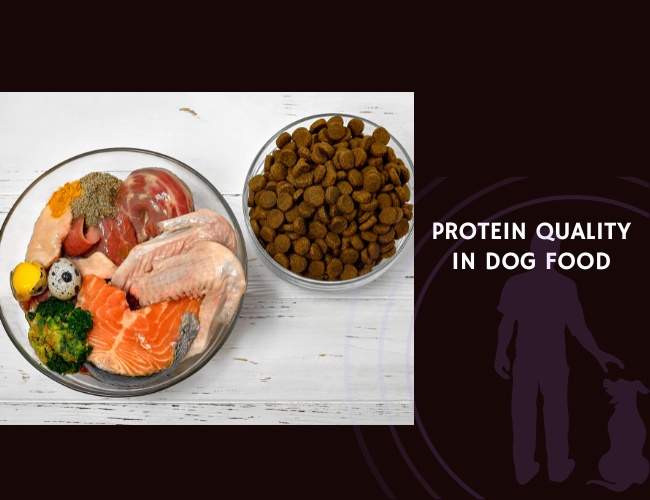
The Hidden Truth Behind the Numbers on Your Dog’s Food Bag
You flip over the bag of dog food and see “25% crude protein.” Sounds solid, right? But what if that number is only telling you half the story — and missing the half that actually matters for your dog’s brain, muscles, immune system, and emotional wellbeing?
This is one of the most misunderstood topics in canine nutrition. The percentage on the label tells you how much protein is in the food, but it reveals nothing about how much of that protein your dog can actually use. And that difference — between protein quantity and protein quality — can influence everything from your dog’s mood and trainability to how gracefully they age.
Let us guide you through a comprehensive exploration of what protein quality really means, why amino acid bioavailability matters more than crude percentages, how protein feeds your dog’s brain chemistry, and what all of this looks like across every stage of your dog’s life. Whether you are raising a puppy, supporting a senior companion, or fine-tuning the diet of a working dog, this is a guide built on science, translated into understanding.
In this guide, you will learn:
- Why crude protein percentage misleads more than it informs
- How to read a food label for real protein quality clues
- Which amino acids fuel your dog’s brain, mood, and impulse control
- What protein quality looks like for puppies, adults, seniors, working dogs, and pregnant females
- How processing methods destroy or preserve amino acid value
- How to spot the signs of suboptimal protein nutrition at home
- How to transition to a better diet safely and effectively
- What questions to bring to your next veterinary visit
- Why investing in protein quality saves money in the long run
Protein Quality vs. Protein Quantity: Why the Label Doesn’t Tell the Whole Story
Defining Protein Quality Beyond Crude Protein Percentage
Here is the fundamental problem. Crude protein percentage — the total nitrogen content of a food multiplied by the conversion factor 6.25 — represents only the quantity of nitrogenous compounds. It does not tell you anything about their biological utility. And in canine nutrition, that distinction is critical.
Research into dietary protein quality assessment defines protein quality as the capacity of a food to meet metabolic needs for essential amino acids (EAAs) and nitrogen. Chemical scoring metrics like the Digestible Indispensable Amino Acid Score (DIAAS) describe the essential amino acid composition and digestibility of a protein source, but even these do not capture the full metabolic activity of food-derived amino acids once they enter the body.
So what does this mean in practical terms? A dog food containing 25% crude protein from poorly digestible plant sources may provide less biologically available amino acids than a food with only 20% crude protein from highly digestible animal sources. The number on the bag does not equal the nutrition in the bowl.
Biological Value and How Your Dog’s Body Actually Uses Protein
To understand protein quality, you need to understand three connected measurements:
- Digestibility refers to the percentage of protein that is absorbed from the gastrointestinal tract into your dog’s bloodstream
- Biological Value (BV) measures the percentage of that absorbed protein that the body actually retains and uses for tissue synthesis and metabolic functions
- Net Protein Utilization (NPU) combines both: digestibility multiplied by biological value gives you the true picture of how much dietary protein ends up doing useful work inside your dog
The preferred scientific approach evaluates whether a protein source can provide an adequate amount and proportion of nitrogen and Indispensable Amino Acids (IAAs) in a bioavailable form. For your dog, this means looking at:
- The essential amino acid profile — all 10 essential amino acids in appropriate ratios
- Amino acid digestibility — how much of each amino acid is actually absorbed
- Amino acid bioavailability — how much of the absorbed amino acid is metabolically usable
- Processing integrity — whether food preparation has damaged or preserved the amino acids
Why Crude Protein Alone Is Not Enough
The limitations of crude protein assessment are significant and worth understanding clearly:
- It does not distinguish between amino acids and non-protein nitrogen
- It ignores amino acid balance and completeness
- It fails to account for digestibility differences between protein sources
- It cannot predict metabolic utilization
- It provides no information about which amino acids may be limiting
Here is a practical example that brings this home. Imagine two dog foods, both listing 25% crude protein on the label:
Source A (high-quality animal protein) has 85% digestibility and 90% biological value. That gives you approximately 19% net protein utilization — meaning roughly 19% of the food’s protein is genuinely doing work in your dog’s body.
Source B (low-quality plant protein) has 65% digestibility and 60% biological value. Net protein utilization drops to approximately 10%.
Despite identical crude protein percentages, Source A delivers nearly double the biologically available protein. That is the gap between reading a label and understanding nutrition 🧠
Reading the Label: A Real-World Food Comparison
What a High-Quality Ingredient List Looks Like
Understanding protein quality in theory is valuable, but applying it to actual food labels is where decisions get made. Let us walk through two contrasting ingredient lists — one representing a high-quality protein approach, and one representing a low-quality approach — so you can see exactly what to look for and what to avoid.
Example A: High-Quality Protein Label
A strong ingredient list might read something like this: Deboned chicken, chicken meal, salmon meal, sweet potato, peas, chicken fat (preserved with mixed tocopherols), flaxseed, dried egg product, natural chicken flavor, salmon oil.
What makes this label strong:
- A named whole-meat protein appears first — “deboned chicken” tells you exactly what animal and what part
- Named protein meals appear in positions two and three — “chicken meal” and “salmon meal” are concentrated protein sources with identifiable origins
- Multiple animal protein sources increase the chance of a complete amino acid profile without heavy reliance on a single source
- Egg product adds high-BV protein — eggs have one of the highest biological values of any food source
- Fat sources are identified by species — “chicken fat” rather than generic “animal fat”
Example B: Low-Quality Protein Label
A weaker ingredient list might read: Corn, corn gluten meal, poultry by-product meal, soybean meal, whole wheat, animal fat (preserved with BHA), animal digest, wheat flour, corn bran, dried beet pulp.
What makes this label concerning:
- A grain appears first — corn is a carbohydrate source, not a protein source, yet it occupies the most prominent position
- “Corn gluten meal” inflates crude protein — while high in crude protein percentage, corn gluten meal has a biological value far below animal sources and is limiting in lysine and tryptophan
- “Poultry by-product meal” is vague — unnamed species and unspecified tissue types make quality unpredictable
- “Soybean meal” is a common protein booster — it adds crude protein to the guaranteed analysis but introduces antinutritional factors and limiting amino acids
- “Animal fat” and “animal digest” are unidentified — generic terms suggest variable sourcing and lower quality control
- Multiple grains suggest protein splitting — spreading protein contribution across corn, wheat, and soy makes each appear lower on the list individually, masking their collective dominance
Key Red Flags to Watch for on Any Label
When you are evaluating a dog food label, watch for these warning signs:
- Generic protein terms like “meat meal,” “poultry meal,” or “animal by-products” without specifying the species
- Multiple grain sources in the top five ingredients, which often signals protein splitting
- The word “flavor” attached to a protein (e.g., “chicken flavor”) — this indicates minimal actual protein content
- “Digest” as a protein source, which is chemically hydrolyzed tissue of unspecified quality
- Artificial preservatives like BHA, BHT, or ethoxyquin, which may indicate lower-quality sourcing overall
- Crude protein that seems high (28% or more) while the first two ingredients are grains or plant proteins — a classic sign that quantity is masking quality
Common Commercial Diet Pitfalls: The Tricks That Mislead You
Protein Splitting: How Ingredient Lists Hide the Real Picture
Protein splitting is one of the most common — and least understood — labeling strategies in the pet food industry. It works like this: instead of listing a single grain source that would dominate the ingredient list, manufacturers split it into multiple forms. Corn becomes “corn,” “corn gluten meal,” “corn bran,” and “corn flour.” Each appears separately and individually lower on the list, but if you added them together, corn-derived ingredients might outweigh the actual meat protein.
What to watch for when evaluating protein splitting:
- Multiple forms of the same grain appearing in the ingredient list (corn, corn gluten, corn bran, corn flour)
- Multiple legume sources that collectively outweigh the animal protein (peas, pea protein, pea fiber, pea starch)
- Several plant proteins that individually seem minor but together form the bulk of the protein content
- An ingredient list where the named meat appears first, but positions two through six are all plant-derived
Rendered Meal Quality Variation
Not all protein meals are created equal. “Chicken meal” from a reputable source means clean chicken tissue, dehydrated and concentrated — it can actually deliver more protein per gram than whole chicken because the water has been removed. But rendered meal from unspecified sources can include variable tissue types, varying freshness at the time of processing, and exposure to extreme temperatures that damage amino acids.
The quality spectrum for rendered meals runs from high-quality named single-species meals processed at controlled temperatures to low-quality generic multi-species meals processed under conditions that maximize Maillard reactions and amino acid degradation.
The “Meat Flavor” vs. “Meat” Distinction
Labeling regulations create specific hierarchies that most pet owners never learn:
- “Chicken” means clean flesh derived from the carcass, potentially including skin and bone
- “Chicken meal” means chicken that has been rendered — water and fat removed, protein concentrated
- “Chicken by-product meal” includes heads, feet, entrails, and other parts not typically consumed as meat
- “Chicken flavor” requires only enough chicken to be detectable — this could be a trace amount
- “Chicken digest” is chemically broken-down chicken tissue used for flavor enhancement
The gap between “chicken” as the first ingredient and “chicken flavor” somewhere down the list represents the full spectrum from genuine protein source to marketing decoration.
By-Product Grading and What It Means for Protein Quality
By-products are not inherently bad — organ meats like liver and kidney are technically by-products but are nutritionally dense. The problem is that by-product classifications are extremely broad. A by-product meal can include:
- Nutrient-rich organs (liver, kidney, heart) with high biological value
- Connective tissue (tendons, ligaments) with limited amino acid profiles
- Feathers and beaks (in poultry by-products) with extremely poor digestibility
- Variable tissue combinations that change from batch to batch
Without transparent sourcing information, there is no way to know which category your dog’s food falls into.
Digestibility and Amino Acid Bioavailability: What Actually Gets Absorbed
Digestibility as a Critical Determinant of Protein Value
Digestibility represents the percentage of dietary protein that is absorbed across the gastrointestinal tract, and it varies enormously depending on several factors. The protein source itself matters — animal proteins are generally more digestible than plant proteins. Processing methods play a major role, whether the protein has been extruded, rendered, or hydrolyzed. The presence of antinutritional factors such as phytates, tannins, and protease inhibitors can interfere with digestion. And your individual dog’s digestive capacity — influenced by age, health status, and microbiota composition — adds another layer of variation.
The primary factors that determine digestibility include:
- Protein source origin — animal, plant, insect, or synthetic
- Processing temperature and duration — higher heat for longer periods generally reduces digestibility of sensitive amino acids
- Antinutritional factor content — phytates, tannins, lectins, and protease inhibitors all interfere with protein digestion
- Fiber and matrix effects — the physical structure surrounding the protein affects enzymatic access
- Individual digestive health — enzyme production, microbiota composition, intestinal surface area, and gut transit time
Research evaluating novel protein sources for pet food provides valuable insight into how much digestibility can fluctuate. Studies on squid meal and shrimp hydrolysate as novel protein sources for dog food examined digestibility through in vivo trials. Research on raw mechanically separated chicken meat and salmon protein hydrolysate as protein sources in extruded dog food evaluated protein and amino acid digestibility and demonstrated that processing methods significantly influence amino acid availability. What you feed matters, but how that food was made matters too.
Limiting Amino Acids: The Bottleneck in Your Dog’s Nutrition
A limiting amino acid is the essential amino acid present in the lowest proportion relative to your dog’s requirements. Think of it as a bottleneck — the body cannot synthesize proteins faster than the most deficient amino acid allows. Even if every other amino acid is present in abundance, one shortfall limits the entire process.
The most common limiting amino acids in dog foods include:
- Methionine — often the first amino acid to fall short in plant-based proteins
- Tryptophan — critically important for neurotransmitter synthesis and frequently limiting in some grain-based diets
- Lysine — limiting in certain cereal grains
- Threonine — important for immune function and sometimes limiting in specific protein sources
Processing also affects amino acid integrity in ways that many pet owners never consider. Research on protein quality assessment cautions against overreliance on a single metric, noting that it leads to generic dietary recommendations lacking individual context. This warning applies directly to processing effects:
- Extrusion uses high heat that can damage heat-sensitive amino acids, particularly lysine and methionine
- Rendering can reduce amino acid availability through Maillard reactions — chemical reactions between amino acids and sugars that create compounds the body cannot use
- Hydrolysis can improve overall digestibility but may reduce the bioavailability of some individual amino acids
- Fresh or minimally processed ingredients generally preserve amino acid integrity most effectively
Intestinal Absorption: How Amino Acids Enter the Body
Even after digestion breaks protein into individual amino acids, those amino acids must still be absorbed through specific transporter proteins in the intestinal epithelium. Bioavailability at this stage depends on several factors: the availability of those transporter proteins (influenced by intestinal health and maturity), competition between amino acids (high levels of one can inhibit absorption of structurally similar ones), the composition and activity of the intestinal microbiota, and the integrity of the intestinal barrier itself.
Research on malnutrition has demonstrated that early diagnosis of both protein deficiency and decrease of skeletal muscle thickness is relevant for rehabilitation, highlighting how protein deficiency compromises tissue maintenance and recovery. This principle applies directly to canine gastrointestinal health. When protein nutrition is inadequate, the intestinal barrier itself begins to break down — and that breakdown further reduces the body’s ability to absorb amino acids. It becomes a self-reinforcing cycle that can quietly undermine your dog’s health from the inside out 🐾
Where to Find Each Essential Amino Acid: A Practical Food Source Guide
Mapping Amino Acids to Real Ingredients
Understanding which amino acids your dog needs is only useful if you know which foods actually provide them. This practical reference connects each of the 10 essential amino acids for dogs to their richest whole-food sources, so you can evaluate whether your dog’s diet covers all the bases.
Arginine is found abundantly in turkey, chicken, pork, beef liver, salmon, eggs, and pumpkin seeds. It supports immune function, wound healing, and hormone secretion. Most animal-based diets provide adequate arginine.
Histidine is richest in beef, lamb, chicken, tuna, and eggs. It supports tissue repair, red blood cell production, and serves as the precursor for histamine. Grain-heavy diets may fall short.
Isoleucine (a branched-chain amino acid) is concentrated in chicken, turkey, eggs, fish, lamb, and beef. It supports muscle recovery, energy regulation, and immune function. Critical for working dogs and seniors.
Leucine (another BCAA) is highest in chicken breast, beef, salmon, eggs, and lamb. It is the most potent activator of muscle protein synthesis through the mTOR pathway. Particularly important for senior dogs fighting sarcopenia and working dogs in recovery.
Lysine is richest in beef, chicken, sardines, eggs, and cod. It is essential for collagen synthesis, calcium absorption, and immune function. Commonly limiting in grain-based diets — one of the most important amino acids to verify.
Methionine is found in eggs (one of the highest sources), turkey, chicken, beef, and fish. It supports glutathione synthesis, liver function, and coat health. The most commonly limiting amino acid in plant-heavy formulations.
Phenylalanine is abundant in beef, chicken, pork, fish, eggs, and dairy. It converts to tyrosine, which then feeds dopamine and norepinephrine production. Critical for motivation and cognitive function.
Threonine is concentrated in chicken, beef, fish, eggs, and cottage cheese. It supports immune function, gut barrier integrity, and collagen formation. Sometimes overlooked but can be limiting in certain protein blends.
Tryptophan is found in turkey, chicken, salmon, eggs, lamb, and venison. It is the sole precursor for serotonin and melatonin synthesis, making it one of the most behaviorally significant amino acids. Often limiting in corn- and wheat-based diets.
Valine (the third BCAA) is richest in chicken, beef, fish, eggs, and lamb. It supports muscle metabolism, tissue repair, and energy balance. Works in concert with leucine and isoleucine for muscle maintenance.
Quick Reference: Top Five Sources for Each Essential Amino Acid
- Arginine: turkey, chicken, beef liver, salmon, eggs
- Histidine: beef, lamb, chicken, tuna, eggs
- Isoleucine: chicken, turkey, eggs, fish, lamb
- Leucine: chicken breast, beef, salmon, eggs, lamb
- Lysine: beef, chicken, sardines, eggs, cod
- Methionine: eggs, turkey, chicken, beef, fish
- Phenylalanine: beef, chicken, pork, fish, eggs
- Threonine: chicken, beef, fish, eggs, cottage cheese
- Tryptophan: turkey, chicken, salmon, eggs, lamb
- Valine: chicken, beef, fish, eggs, lamb
You will notice that eggs, chicken, beef, fish, and turkey appear repeatedly. These are among the most amino-acid-complete protein sources available — and when they appear as named, whole ingredients near the top of an ingredient list, it is a strong signal of protein quality 🧠
Protein and Neurotransmitter Synthesis: How Diet Feeds Your Dog’s Brain
Amino Acids as Neurotransmitter Precursors
This is where the conversation moves from the gut to the brain — and where the implications of protein quality become truly profound. Specific amino acids serve as direct precursors for the neurotransmitters that regulate your dog’s mood, motivation, impulse control, sleep, learning, and stress resilience.
Here is a breakdown of the critical amino acid-neurotransmitter pathways:
Tryptophan is the precursor for serotonin, which regulates mood, impulse control, and sleep. When tryptophan is deficient, you may see signs of depression, anxiety, aggression, or disrupted sleep patterns.
Tyrosine is the precursor for dopamine and norepinephrine, which govern motivation, attention, and the stress response. Deficiency can manifest as lethargy, poor focus, and heightened stress sensitivity.
Phenylalanine also feeds into dopamine and norepinephrine pathways, supporting motivation and alertness. Low levels reduce drive and diminish performance.
Glutamine is converted to glutamate, the brain’s primary excitatory neurotransmitter involved in learning and memory. Deficiency impairs cognitive function.
Glycine supports GABA (gamma-aminobutyric acid), the primary inhibitory neurotransmitter that regulates anxiety and sleep. Without adequate glycine, you may see hyperarousal and sleep disturbance.
Histidine is the precursor for histamine, which plays a role in arousal and appetite regulation. Deficiency alters arousal patterns and can affect appetite.
Did you know that the food in your dog’s bowl may be directly influencing whether they can stay calm during a thunderstorm, focus during a training session, or settle down for sleep at night? The connection between amino acid availability and neurological function is that direct.
Neurological Outcomes When Protein Quality Falls Short
Research on mitochondrial quality control and communication in neurological disorders reveals an important mechanism. Mitochondrial dysfunction not only exacerbates energy deficits in neurons but also triggers neuroinflammation through the release of damage-associated molecular patterns (DAMPs), including mitochondrial DNA (mtDNA) and reactive oxygen species (ROS).
For your dog, adequate amino acid availability is essential for multiple neurological processes:
- Mitochondrial protein synthesis keeps energy production running smoothly in neurons
- Neurotransmitter synthesis supports emotional regulation and cognitive function
- Antioxidant defense — amino acids like cysteine and methionine feed into glutathione synthesis, protecting the brain from oxidative damage
- Myelin maintenance — amino acids support the oligodendrocytes that produce the protective sheath around nerve fibers
- Synaptic plasticity — the foundation of learning and memory formation depends on adequate amino acid supply
When amino acid availability drops, these processes suffer — and the effects show up in behavior long before they show up on a blood test.
Behavioral Manifestations: What Amino Acid Imbalance Looks Like in Your Dog
Understanding the specific behavioral changes associated with each neurotransmitter pathway helps you connect the dots between what your dog eats and how your dog acts.
When serotonin is low (from inadequate tryptophan), you might notice:
- Increased aggression and irritability
- Reduced impulse control
- Heightened anxiety and fear responses
- Disrupted sleep patterns
- Reduced social engagement
That dog who snaps during play, who cannot seem to settle in the evening, who shies away from social interaction — part of the answer may be in their food bowl.
When dopamine is low (from inadequate tyrosine or phenylalanine), the signs look different:
- Reduced motivation and drive
- Poor attention and focus
- Lethargy and reduced activity levels
- Impaired learning and memory
- Reduced sensitivity to rewards
Training becomes harder — not because your dog does not want to learn, but because the neurochemical fuel for learning is running low.
When GABA is low (from inadequate glycine or glutamine), hyperarousal and anxiety dominate:
- Struggling to relax even in safe environments
- Disturbed sleep or restless nights
- Increased startle response
- Difficulty inhibiting impulses
- Reactive to every sound and movement
These are the dogs who seem “always on,” who cannot quite settle, who react to everything around them.
The NeuroBond Model: Where Nutrition Meets Behavior
The NeuroBond model proposes that optimal behavioral regulation depends not only on emotional clarity and environmental stability but also on physiological resilience supported by high-quality nutrition. Specifically, adequate amino acid availability for healthy brain function is a foundational requirement.
This model integrates several interconnected dimensions:
- Emotional regulation depends on serotonin and GABA pathways
- Motivation and drive rely on dopamine
- Cognitive function requires glutamate and acetylcholine
- Stress resilience is built on catecholamine and cortisol regulation
- Social engagement draws on oxytocin and serotonin
Through the NeuroBond approach, trust becomes the foundation of learning — but that trust needs a neurochemical foundation too. When the amino acid building blocks are missing, even the best training and the strongest human-dog relationship faces an invisible headwind 🧡
Growth, Development, and Lifelong Health: Protein Quality Across the Journey
Protein Quality in Puppy Development
Puppies have substantially higher protein requirements than adult dogs, not only in quantity but especially in quality. During the critical developmental windows of early life, protein quality shapes outcomes that last a lifetime.
The four critical developmental domains that depend on protein quality:
- Skeletal development requires adequate lysine, methionine, and proline for collagen synthesis
- Immune maturation requires adequate amino acids for antibody synthesis and immune cell development
- Neurological development requires adequate tryptophan, tyrosine, and choline for brain development
- Muscle development requires balanced essential amino acids for myofibril synthesis
Large and giant breed puppies are particularly sensitive to protein quality for several reasons. Their rapid growth rate creates extremely high amino acid demand. The skeletal stress of a rapidly growing body means inadequate amino acids increase the risk of developmental orthopedic disease. Their metabolic demands during rapid growth increase vulnerability to amino acid imbalance. And their extended growth period — large breeds grow for 12 to 18 months, compared to 8 to 10 months for small breeds — prolongs the window of vulnerability.
Research on protein quality reinforces this principle: dietary protein quality refers to the capacity of a food to meet metabolic needs for essential amino acids and nitrogen. This is critical in populations where severe protein malnutrition occurs — and in puppies, whose rapidly growing bodies are uniquely dependent on consistent, high-quality amino acid supply.
Protein Quality and Healthy Aging
At the other end of life, protein quality becomes critically important again — though for different reasons. Sarcopenia, the age-related loss of skeletal muscle mass and function, is a significant health concern in aging dogs. Research on malnutrition demonstrates that protein deficiency and decreased skeletal muscle thickness are measurable outcomes of inadequate protein nutrition.
The mechanisms driving age-related muscle loss include:
- Reduced protein synthesis — aging bodies are less efficient at building new muscle
- Increased protein breakdown — proteolysis accelerates with age
- Reduced amino acid bioavailability — declining digestive efficiency extracts less from the same food
- Mitochondrial dysfunction — impaired energy production undermines muscle maintenance
Senior dogs may require higher protein quality (not necessarily higher quantity) to compensate for reduced digestive efficiency. They need increased amino acid density to maintain muscle mass despite potentially reduced food intake. Enhanced digestibility helps maximize amino acid absorption from every meal. And specific amino acids become particularly important — branched-chain amino acids like leucine, isoleucine, and valine directly stimulate muscle protein synthesis, helping to counteract sarcopenia.
Protein Quality and Disease Prevention
Across all life stages, adequate protein quality supports the body’s defenses and repair systems:
- Immune function depends on amino acids for antibody synthesis and immune cell development
- Wound healing requires amino acids for collagen synthesis and tissue repair
- Gastrointestinal barrier integrity relies on amino acids to maintain enterocyte function and tight junction maintenance
- Antioxidant defense uses amino acids to synthesize glutathione and other protective molecules
- Metabolic health requires adequate high-quality protein for healthy body composition and metabolic rate
Breed-Size-Specific Feeding Considerations: Because Size Changes Everything
Small Breeds (Under 10 kg)
Small breeds present a unique protein quality challenge. Their higher metabolic rate per kilogram of body weight means they burn through nutrients faster. Their smaller stomach capacity means every bite needs to count. And their longer average lifespan means the cumulative effects of suboptimal protein quality have more time to compound.
Key considerations for small breeds:
- Higher caloric density per gram is needed, and protein quality must match — calorie-dense food with low-quality protein creates metabolic imbalance
- Faster gut transit time can reduce digestion time, making highly digestible protein sources even more important
- Dental health considerations — smaller kibble size often means more surface-area-to-volume ratio for Maillard reactions during extrusion
- Longer lifespan (12 to 18 years) means dietary protein quality affects brain health across a much longer aging window
Medium Breeds (10 to 25 kg)
Medium breeds offer perhaps the widest tolerance window for protein quality variation, but this does not mean quality is unimportant. Their moderate growth rate, standard metabolic demands, and average lifespan (10 to 14 years) create a baseline requirement that high-quality protein easily meets.
What medium breeds particularly benefit from:
- Balanced amino acid profiles that support sustained activity without the extreme demands of large breed skeletal growth
- Consistent protein quality across their maintenance years, since subtle deficiencies accumulate over a decade-plus lifespan
- Adequate tryptophan and tyrosine for neurochemical stability, as many medium breeds are working or sporting dogs with high cognitive demands
Large and Giant Breeds (25 kg and Above)
Large and giant breeds face the most significant protein quality challenges. Their extended growth period (up to 18 to 24 months for giant breeds), massive skeletal demands, and predisposition to joint and orthopedic issues make amino acid quality a critical factor from puppyhood through old age.
Critical considerations for large and giant breeds:
- Extended growth windows create prolonged vulnerability to amino acid deficiency — a giant breed puppy fed low-quality protein for 18 months accumulates far more developmental risk than a small breed puppy fed the same food for 8 months
- Higher absolute protein requirements mean that even small percentage differences in biological value translate to large absolute differences in available amino acids
- Joint and connective tissue demands create elevated need for lysine, proline, and methionine for collagen synthesis
- Predisposition to dilated cardiomyopathy (DCM) in some large breeds may have nutritional components related to amino acid availability, particularly taurine (synthesized from methionine and cysteine)
- Shorter lifespans (7 to 10 years) mean the window for optimal nutrition is smaller — quality matters more when time is compressed
- Higher risk of sarcopenia in later years, requiring enhanced BCAA availability from protein sources with high biological value
Immune Function and Tissue Repair: The Protective Power of Amino Acids
Amino Acids in Immune Competence
Your dog’s immune system is built from protein — literally. Specific amino acids play irreplaceable roles in immune function:
- Glutamine serves as the primary fuel for immune cells and supports intestinal barrier integrity
- Arginine supports T-cell function and promotes wound healing
- Cysteine is a precursor for glutathione, the body’s master antioxidant
- Methionine feeds into glutathione production and supports immune regulation
- Tryptophan produces serotonin and feeds the kynurenine pathway for immune regulation
- Leucine activates the mTOR pathway supporting immune cell proliferation
When protein quality is low, every one of these pathways can be compromised — quietly, often without obvious symptoms until the immune system is challenged by infection, injury, or stress.
Protein Quality and Wound Healing
Wound healing is one of the most protein-intensive processes in the body. The amino acids required for effective wound healing include:
- Proline and hydroxyproline — structural building blocks of collagen
- Lysine — essential for cross-linking collagen molecules
- Methionine and cysteine — support vitamin C synthesis as a cofactor
- Glutamine — fuel for fibroblasts and immune cells orchestrating repair
- Arginine — supports angiogenesis and collagen synthesis
Dogs recovering from surgery, injury, or illness require enhanced protein quality to support collagen synthesis, immune cell proliferation, fibroblast function, angiogenesis, and epithelialization. If you have ever noticed that your dog’s recovery from a procedure seemed slower than expected, or that a wound took longer to close than your veterinarian anticipated, suboptimal protein quality could be a contributing factor.
Gastrointestinal Barrier Integrity: The Gut-Protein Connection
The gastrointestinal barrier is one of the most important — and most protein-dependent — structures in your dog’s body. It relies on:
- Tight junction proteins — claudins, occludin, zonula occludens-1 (ZO-1)
- Healthy enterocytes that require constant amino acid supply for protein synthesis
- A mucus layer built from amino acid-dependent mucin synthesis
- Immune tolerance mechanisms that depend on regulatory T cell development
When protein quality is inadequate, this barrier begins to fail. Enterocyte turnover slows (these cells have a lifespan of only 3 to 5 days and must be constantly replaced). Tight junction maintenance degrades. Mucus layer production decreases. Immune tolerance mechanisms falter.
This creates a vicious cycle that is important to understand: poor protein quality impairs barrier function, which reduces amino acid absorption, which deepens the protein deficiency, which further damages the barrier. The Invisible Leash reminds us that awareness, not tension, guides the path — and in this case, awareness of gut health is essential for breaking this destructive loop.
Quality. Fuels. Function.
Protein Beyond Numbers Crude protein percentage reveals quantity not biological value because digestibility amino acid balance and bioavailability determine what your dog can actually use.
Amino Acids Build Brain High quality proteins provide the essential building blocks for neurotransmitters muscles immune function and nervous system regulation supporting both physical and emotional health.


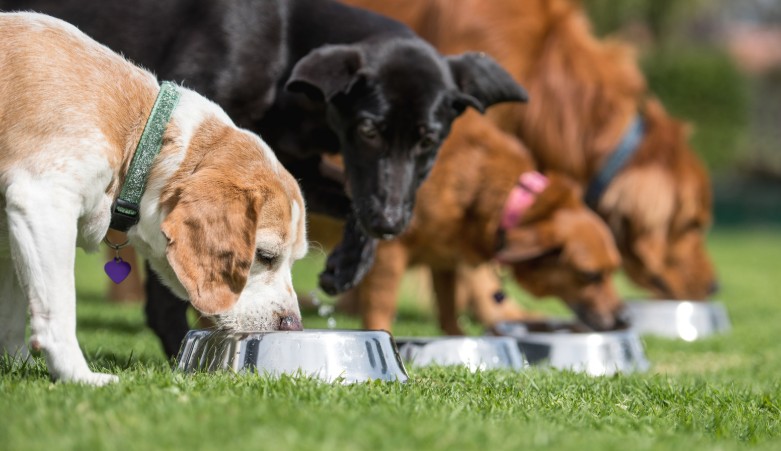
Nutrition Supports Potential When protein quality matches your dog’s biological needs and NeuroBond aligned care complements nutrition resilience learning and long term wellbeing are strengthened. 🐾
The Gut Microbiome and Protein Quality: An Invisible Partnership
How Protein Quality Shapes Your Dog’s Microbiota
The relationship between dietary protein quality and the gut microbiome is bidirectional and profoundly important. The type and quality of protein your dog eats directly influences which bacterial species thrive in the gastrointestinal tract — and those bacteria, in turn, influence how well amino acids are metabolized and absorbed.
High-quality, highly digestible animal proteins tend to be absorbed primarily in the small intestine, meaning less undigested protein reaches the large intestine. This matters because when large quantities of poorly digested protein reach the colon, bacterial fermentation produces potentially harmful metabolites including ammonia, hydrogen sulfide, phenols, and indoles. These compounds can damage the intestinal lining, trigger inflammation, and further impair nutrient absorption.
The microbiome-protein quality connection affects your dog in several ways:
- Amino acid metabolism — certain gut bacteria synthesize amino acids (like lysine and threonine) that supplement dietary intake, but only when the microbiome is healthy and balanced
- Short-chain fatty acid production — a healthy microbiome produces butyrate and other SCFAs that fuel enterocytes and maintain barrier integrity, but dysbiosis from poor-quality protein disrupts this process
- Immune modulation — approximately 70% of the immune system resides in the gut, and the microbiome directly influences immune cell development and regulation
- Neurotransmitter precursor metabolism — gut bacteria influence tryptophan metabolism through the kynurenine pathway, directly affecting serotonin availability
- Inflammation regulation — a dysbiotic microbiome driven by poor protein quality can trigger chronic low-grade inflammation that undermines health systemically
What this means practically is that feeding high-quality protein does not just deliver better amino acids — it also creates a gut environment that enhances the absorption and utilization of those amino acids. Conversely, low-quality protein can create a gut environment that makes even the available nutrition harder to use.
🧬 Protein Quality in Dog Food: The Complete Pathway 🐾
From the ingredient list to your dog’s brain, behavior, and long-term health — understanding what protein quality really means.
Phase 1: Quality vs. Quantity
Why crude protein percentage misleads you• Digestibility: % of protein absorbed from the GI tract
• Net Protein Utilization: Digestibility × BV = true protein value
• High-quality source (85% dig. × 90% BV) = ~19% NPU
• Low-quality source (65% dig. × 60% BV) = ~10% NPU
• Ignores amino acid balance and completeness
• Provides zero information about limiting amino acids
• Fails to account for digestibility or metabolic utilization
Phase 2: Digestibility & Bioavailability
From food bowl to bloodstream — what actually gets absorbed• Methionine — limiting in plant-based proteins
• Tryptophan — critical for serotonin; limiting in grain-based diets
• Lysine — limiting in cereal grains
• Threonine — important for immune function
Phase 3: Brain Chemistry & Neurotransmitters
How amino acids fuel mood, focus, and emotional regulation• Tyrosine → Dopamine: Motivation, attention, reward
• Phenylalanine → Norepinephrine: Alertness, stress response
• Glutamine → Glutamate: Learning, memory
• Glycine → GABA: Anxiety regulation, calm
• Histidine → Histamine: Arousal, appetite
• Low dopamine: Lethargy, poor focus, impaired learning, reward insensitivity
• Low GABA: Hyperarousal, inability to relax, startle reactivity, impulse problems
Phase 4: Life Stage Requirements
One size does not fit all — from puppy to senior• Adults: 18–25% CP, BV >75%, EAAs >6% of diet
• Seniors: 18–25% CP, BV >80%, EAAs >7% + BCAAs
• Working dogs: 25–30% CP, BV >85%, EAAs >8%
• Pregnant/lactating: 25–30% CP, BV >85%, EAAs >8%
Phase 5: Processing & Ingredient Sources
How food is made matters as much as what it’s made from• Rendering: Reduces amino acid availability through heat-sugar reactions
• Hydrolysis: Improves digestibility but may reduce specific AA bioavailability
• Fresh/minimal: Best amino acid integrity preservation
2. Fresh-cooked — moderate heat preserves most AAs (80–92%)
3. Premium kibble — quality ingredients partially offset processing (70–85%)
4. Economy kibble — low-quality ingredients compounded by processing damage
Phase 6: Reading Labels & Spotting Pitfalls
What the ingredient list reveals — and what it hides• Multiple grain sources in top 5 (signals protein splitting)
• “Flavor” attached to protein — indicates minimal actual content
• “Digest” as a protein source — chemically hydrolyzed, unspecified quality
• High CP (28%+) but first ingredients are grains or plant proteins
• Named species-specific meals in positions 2–3
• Multiple animal protein sources for amino acid diversity
• Egg product present (one of the highest BV sources)
• Fat sources identified by species (“chicken fat” not “animal fat”)
Phase 7: Signs, Biomarkers & Assessment
Reading the signs at home and at the clinic• Gradual muscle loss along spine and hindquarters
• Decreased training enthusiasm or new anxiety
• Slow wound healing or recurring minor infections
• Restless sleep, increased startle response, reduced focus
• 3+ signs across categories = investigate protein quality
• BUN: Low values may paradoxically indicate protein deficiency
• Prealbumin: More sensitive early indicator than albumin
• Plasma amino acid profile: Gold standard for identifying specific gaps
Phase 8: Transition & Optimization
Making the switch safely and tracking results• Days 4–6: 50% old + 50% new
• Days 7–9: 25% old + 75% new
• Days 10–14: 100% new food
• Sensitive stomachs: extend to 21 days (5–7 days per stage)
• 4–12 weeks: Physical — muscle tone, coat quality, wound healing
• 3–6 months: Systemic — immune function, metabolic health, disease prevention
📊 Protein Source Comparison: Biological Value & Digestibility
• Digestibility: 80–90%
• Complete amino acid profiles
• Minimal antinutritional factors
• Gold standard for canine nutrition
• Digestibility: 90–95%
• Highest BV of any whole food
• Richest source of methionine
• Complete EAA profile in ideal ratios
• Digestibility: 75–85%
• Generally complete AA profiles
• Sustainable production
• Rich in essential fatty acids & trace elements
• Digestibility: 60–80%
• Often incomplete — limiting in methionine, lysine, or tryptophan
• May contain antinutritional factors
• Require careful complementary combining
• Digestibility: 82–90%
• Excellent tryptophan and methionine source
• Added omega-3 fatty acids for brain health
• Salmon hydrolysate shows strong AA availability
• Digestibility: Processing-dependent
• Maillard products inflate crude protein but are biologically unavailable
• Amino acid damage increases with temperature and duration
• Quality unpredictable without transparency
• Protein Quality Score: Rate your food 0–10 across Source (0–4) + Processing (0–3) + AA Completeness (0–3)
• 8–10 pts: Excellent quality | 5–7 pts: Moderate | 3–4 pts: Below average | 0–2 pts: Poor
• Label rule: Named whole meat first + named meals in positions 2–3 + species-identified fats = strong foundation
• Transition rule: 25% new food every 3 days over 14 days — never switch abruptly
• Timeline rule: Behavior improves in 2–4 weeks, coat in 4–12 weeks, immunity in 3–6 months
• Senior rule: Protein quality UP even when protein quantity stays the same — prioritize BV >80% and BCAAs
Every neurotransmitter that shapes your dog’s emotional world — every molecule of serotonin that enables calm, every trace of dopamine that fuels curiosity, every signal of GABA that allows deep rest — begins as an amino acid in the food bowl. Through the NeuroBond approach, we understand that trust is not just built through presence and patience — it is built through the neurochemical foundation that makes presence and patience possible. The Invisible Leash that connects you to your dog is woven from awareness, and that awareness extends to understanding what genuinely nourishes the brain behind the bond. When amino acids are in balance, Soul Recall — the deep emotional memory that shapes your dog’s relationship with the world — is supported at its most fundamental level. Protein quality is not just nutrition. It is the biochemistry of connection.
© Zoeta Dogsoul – Where neuroscience meets soul in dog training
Protein Quality vs. Protein Sensitivity: Understanding the Difference
Why Owners Confuse Protein Quality Problems with Allergies
One of the most common nutritional misunderstandings in dog care is confusing signs of suboptimal protein quality with food allergies or intolerances. This confusion leads many owners down expensive and unnecessary elimination diet paths when the actual issue is protein quality, not protein type.
Here is how to tell them apart:
Signs that suggest a protein quality problem:
- Dull coat without itching or skin irritation
- Low energy and reduced motivation
- Slow wound healing
- Gradual loss of muscle mass
- Behavioral changes (increased anxiety, reduced focus)
- Recurring minor infections
Signs that suggest a true food allergy or intolerance:
- Intense itching, especially around ears, paws, and rear
- Recurrent ear infections
- Gastrointestinal distress (vomiting, diarrhea) consistently linked to a specific protein
- Skin rashes, hives, or hot spots
- Facial swelling (in acute cases)
- Symptoms that resolve completely when the specific protein is removed
The critical difference is that protein quality problems typically produce gradual, systemic, multi-organ effects, while true allergies produce acute, immune-mediated reactions focused on skin, ears, and gastrointestinal tract. A dog with a dull coat, low motivation, and slow healing probably does not need a novel protein — they need a better-quality version of the protein they are already eating.
True food allergies in dogs are less common than many owners believe. Studies suggest that food allergies account for only about 10 to 15% of allergic skin disease in dogs. Misattributing protein quality problems to allergies means the real issue — inadequate amino acid availability — goes unaddressed.
Processing, Ingredient Sources, and Commercial Diets: What Is Actually in the Bag
How Processing Methods Affect Protein Quality
Extrusion — the most common manufacturing method for dry dog food — involves high temperatures (typically 140 to 180°C), high pressure, mechanical shearing, and rapid cooling. This process has both positive and negative effects on protein quality.
On the positive side, extrusion improves digestibility through protein denaturation and reduces antinutritional factors that would otherwise interfere with digestion. On the negative side, it can damage heat-sensitive amino acids, particularly lysine and methionine, and it creates Maillard reaction products — compounds formed by chemical reactions between amino acids and sugars — that reduce amino acid bioavailability. These Maillard products look like protein on a crude analysis, but they are biologically unavailable. Your dog’s body cannot use them.
Alternative Protein Sources and What the Science Shows
Research on alternative protein sources continues to expand our understanding of what constitutes quality protein for dogs.
Animal-based proteins generally offer the highest biological value (85 to 95%), a complete amino acid profile, high digestibility (80 to 90%), and minimal antinutritional factors. They remain the gold standard for canine protein nutrition.
Insect-based proteins represent an emerging category with moderate-to-high biological value (70 to 85%), generally complete amino acid profiles, good digestibility (75 to 85%), minimal antinutritional factors, and the added benefit of sustainable production. Research identifies insect proteins as nutritionally valuable, being rich in proteins with a good balance of essential amino acids and being a source of essential fatty acids and trace elements.
Plant-based proteins show more variability, with biological values ranging from 50 to 75%, often incomplete amino acid profiles with one or more limiting amino acids, variable digestibility (60 to 80%), and the potential presence of antinutritional factors.
Processed protein sources are highly variable. Biological value depends entirely on the processing method, amino acid bioavailability may be significantly reduced, and digestibility fluctuates depending on how the protein was handled.
Research on pet food choices reveals that conventional meat-based diets remain predominant, with approximately 53% of dogs being fed meat-based dry food daily. However, there is notable openness toward alternatives, especially among younger, female, and vegan pet owners. This suggests that understanding protein quality differences is becoming more important as the variety of protein sources in pet food expands.
Pet Food Labeling: What You Can See and What You Cannot
Current pet food labels typically report crude protein percentage, crude fat percentage, crude fiber percentage, and moisture percentage. These numbers are legally required and standardized.
But here is what labels do NOT typically report — and what actually determines protein quality:
- Amino acid profile
- Amino acid digestibility
- Biological value
- Processing methods used
- Ingredient digestibility coefficients
Without this information, comparing two dog foods on protein quality based on their labels alone is practically impossible. You are comparing numbers that measure quantity while the information you truly need — about quality — remains hidden.
Raw vs. Kibble vs. Fresh-Cooked: How Preparation Method Changes Protein Quality
A Direct Comparison of the Three Main Feeding Approaches
One of the most debated questions in canine nutrition is whether raw, kibble, or fresh-cooked diets provide superior protein quality. The bioavailability data helps clarify this conversation beyond ideology.
Raw Diets
- Amino acid integrity is generally highest — no heat damage to lysine, methionine, or tryptophan
- Digestibility can be very high (85 to 95% for quality raw meat)
- Biological value is preserved at its natural level
- Risk factors include bacterial contamination (Salmonella, E. coli, Listeria), potential for nutritional imbalance without careful formulation, and bone fragment hazards
- Requires knowledgeable formulation to ensure complete amino acid and micronutrient profiles
Kibble (Extruded Dry Food)
- Processing temperatures (140 to 180°C) damage heat-sensitive amino acids
- Maillard reactions between amino acids and sugars create biologically unavailable protein compounds
- Digestibility is moderate (70 to 85% depending on formulation and quality)
- Convenience, shelf stability, and cost-effectiveness are significant advantages
- Quality varies enormously — premium kibble with named animal proteins performs far better than economy formulations with plant-protein padding
Fresh-Cooked Diets
- Moderate heat exposure (typically 70 to 100°C) causes less amino acid damage than extrusion
- Digestibility is high (80 to 92%) because cooking denatures proteins without the extreme conditions of extrusion
- Maillard reactions are reduced compared to kibble due to lower temperatures and shorter cooking times
- Can be nutritionally complete when professionally formulated
- Higher cost and shorter shelf life are practical considerations
What the Comparison Tells You
The protein quality ranking, based purely on amino acid bioavailability, generally follows this order:
- Raw (highest bioavailability) — amino acids are in their most intact form
- Fresh-cooked (high bioavailability) — moderate heat preserves most amino acid integrity
- Premium kibble (moderate bioavailability) — quality ingredients partially offset processing damage
- Economy kibble (lowest bioavailability) — low-quality ingredients compounded by processing damage
However, raw feeding is not automatically superior if the formulation is nutritionally incomplete. A well-formulated kibble with high-quality named protein sources and controlled processing may deliver better overall nutrition than a raw diet that is missing key amino acids or micronutrients. The best diet is one that combines high biological value protein sources with a preparation method that preserves amino acid integrity — regardless of which category it falls into 🧠
Protein Requirements Across Life Stages: One Size Does Not Fit All
Puppy Requirements (Growth Phase)
For puppies in the growth phase (0 to 12 months for small breeds, 0 to 18 months for large breeds), nutritional demands are at their highest. Crude protein should range from 22 to 32% depending on breed size, with protein quality that must be high — a biological value above 80%. Amino acid density should be high, with essential amino acids making up more than 8% of the diet. The most commonly limiting amino acids at this stage are methionine, lysine, and tryptophan.
The rationale is straightforward: rapid tissue growth requires high amino acid availability. Immune system development requires adequate amino acids. Neurological development requires adequate tryptophan and tyrosine. And skeletal development requires adequate lysine and proline. Every developmental system is competing for the same amino acid pool, making quality non-negotiable during growth.
Adult Maintenance Requirements
During the maintenance phase (approximately 1 to 7 years for most breeds), requirements moderate somewhat. Crude protein typically ranges from 18 to 25%, with protein quality at moderate-to-high levels (biological value above 75%). Essential amino acid density should exceed 6% of the diet, with methionine, lysine, and tryptophan remaining the key limiting amino acids.
Tissue maintenance, immune function, neurological function, and metabolic health all require adequate amino acids — the demands are simply less intense than during growth. However, “less intense” does not mean “unimportant.” An adult dog on chronically low-quality protein may not show dramatic symptoms, but the subtle erosion of muscle quality, immune resilience, and neurochemical balance accumulates over time.
Senior Requirements
Senior dogs (7 years and older) need protein quality that returns to puppy-level standards, even if the crude protein percentage remains in the 18 to 25% range. Biological value should be above 80%, and amino acid density should be high, with essential amino acids exceeding 7% of the diet. The list of critical limiting amino acids expands to include branched-chain amino acids (leucine, isoleucine, valine) alongside methionine, lysine, and tryptophan.
Reduced digestive efficiency means senior dogs extract less nutrition from the same food. Sarcopenia prevention demands high amino acid availability. Declining immune function with age requires enhanced nutritional support. And neurological aging requires sustained amino acid supply for neurotransmitter synthesis, myelin maintenance, and antioxidant defense.
Working Dog Requirements
Working and performance dogs operate at the highest end of protein demands. Crude protein should range from 25 to 30%, with protein quality at high levels (biological value above 85%). Essential amino acid density should exceed 8% of the diet.
Increased muscle protein turnover from physical activity requires high amino acid availability. Enhanced immune demands from physical stress require adequate amino acids. The neurological demands of sustained focus, motivation, and decision-making require adequate neurotransmitter precursors. And recovery from physical stress depends on high-quality protein for tissue repair and adaptation.
Pregnancy and Lactation Requirements
Pregnant and lactating females share the working dog’s elevated requirements. Crude protein should reach 25 to 30%, biological value should exceed 85%, and essential amino acid density should be above 8% of the diet.
Fetal development requires high amino acid availability — the growing puppies are building entire bodies from the amino acid supply provided through the mother’s diet. Milk production is extraordinarily amino acid-intensive. Immune demands increase during pregnancy and lactation, placing additional strain on amino acid reserves. And maternal tissue maintenance must be preserved even while the body prioritizes fetal and neonatal needs 🐾
Seasonal and Activity-Based Protein Adjustment: Matching Diet to Demand
How Activity Levels Change Protein Quality Needs
Your dog’s protein quality requirements are not static — they shift with activity levels, training intensity, seasonal behavior changes, and recovery status. Understanding these fluctuations helps you fine-tune nutrition beyond the generic label recommendations.
High-activity periods (intensive training blocks, competition seasons, herding work, hunting seasons) increase amino acid demand across multiple pathways:
- Muscle protein turnover accelerates, requiring more BCAAs
- Neurotransmitter demand increases with sustained focus and decision-making
- Immune stress from physical exertion elevates amino acid needs for immune cell repair
- Cortisol elevation from training stress increases protein catabolism
Low-activity periods (rest days, off-seasons, recovery from injury, winter inactivity) shift the balance:
- Muscle maintenance replaces muscle building as the primary need
- Protein quantity can decrease slightly, but quality should remain high
- Neurochemical demand shifts toward recovery and restoration rather than performance
- Gut health maintenance becomes proportionally more important
Seasonal considerations also matter. Dogs in cold climates expend more energy on thermoregulation during winter, increasing overall caloric and protein needs. Dogs in hot climates may eat less during summer, making protein quality per bite even more critical since total intake decreases. Dogs whose activity naturally cycles with seasons (hunting dogs, outdoor sport dogs) benefit from protein quality adjustments that match their annual rhythm.
Practical Adjustment Guidelines
- During peak training or work periods, prioritize the highest biological value protein sources available and consider increasing protein percentage by 2 to 5%
- During rest and recovery periods, maintain protein quality but reduce total quantity by 10 to 15% to match reduced demand
- After illness, surgery, or injury, temporarily elevate protein quality to support wound healing, immune recovery, and tissue repair
- During seasonal transitions, adjust gradually over 7 to 14 days to match changing energy expenditure
Clinical Assessment and Nutritional Intervention: Reading the Signs
Biomarkers of Suboptimal Protein Nutrition
If you or your veterinarian suspect that protein quality may be an issue, several biomarkers can help identify the problem:
- Serum albumin — reflects protein synthesis capacity; normal values should exceed 3.5 g/dL
- Blood urea nitrogen (BUN) — paradoxically, low BUN may indicate protein deficiency rather than health
- Plasma amino acid profile — provides the most detailed picture of amino acid balance
- Prealbumin — a more sensitive early indicator than albumin due to faster turnover
- Muscle mass — assessed via ultrasound or body condition scoring
- Coat quality — dull, brittle, or thinning coat often suggests amino acid deficiency
- Immune function — measured through antibody titers and immune cell counts
- Wound healing capacity — reveals whether collagen synthesis has adequate amino acid support
What Improvement Looks Like: Expected Changes After Protein Quality Optimization
When protein quality is improved in a previously suboptimal diet, changes typically unfold on a predictable timeline.
Acute changes (2 to 4 weeks): You may notice behavioral improvements first — better focus and attention, enhanced learning capacity, reduced anxiety and aggression, improved impulse control, enhanced stress resilience, and better sleep quality. Energy levels often improve noticeably during this window as well.
Intermediate changes (4 to 12 weeks): Physical changes become visible. Improved muscle mass and tone, enhanced coat quality, and better wound healing reflect the body rebuilding its protein-dependent structures.
Long-term changes (3 to 6 months): Deeper physiological improvements emerge. Enhanced immune function, improved metabolic health, and foundational disease prevention become measurable. These are the changes that extend healthspan.
Moments of Soul Recall reveal how memory and emotion intertwine in behavior — and when the neurochemical foundation for those processes is properly nourished, the changes can be remarkable.
Veterinary Integration: A Protocol for Assessing Protein Quality
A thorough assessment of protein quality should follow a structured protocol:
Step 1: Dietary History. Review the current diet composition, identify the protein source or sources, determine the processing method, note how long the dog has been on the current diet, and document any recent dietary changes.
Step 2: Physical Examination. Assess body condition score, evaluate muscle mass (not just weight), examine coat quality, check immune status through lymph node palpation and skin health, and evaluate wound healing capacity if applicable.
Step 3: Laboratory Assessment. Measure serum albumin and blood urea nitrogen. Run a complete blood count to assess immune function. Consider a plasma amino acid profile if specific deficiency is suspected.
Step 4: Dietary Recommendation. Assess current protein quality against the dog’s life-stage requirements. Identify limiting amino acids. Recommend protein source optimization. Consider the processing method of the current and recommended foods. Adjust for life stage and any health conditions.
Step 5: Follow-Up. Reassess at 4 to 6 weeks to evaluate early behavioral and physiological changes. Monitor ongoing improvements and adjust recommendations as needed. This iterative approach ensures that dietary changes are producing the expected results.
Signs Your Dog May Have Suboptimal Protein Quality: A Home Observation Checklist
Physical Signs to Watch For
You do not need a laboratory to suspect that your dog’s protein quality may be falling short. Many of the earliest indicators are visible at home if you know what to look for.
Coat and skin indicators:
- Coat appears dull, dry, or lacks its usual sheen
- Hair feels brittle or breaks easily
- Thinning coat, especially along the flanks or back
- Dry, flaky skin without other dermatological explanation
- Slow regrowth after clipping or shaving
Body composition indicators:
- Gradual loss of muscle definition, especially along the spine and hindquarters
- Weight loss despite adequate caloric intake
- Reduced muscle tone visible when standing or moving
- Difficulty maintaining body condition despite consistent feeding
Immune and healing indicators:
- Cuts, scrapes, or minor wounds heal slower than expected
- Recurring minor infections (skin, ear, urinary)
- Longer recovery time after illness
- Gums appear pale or lack healthy color
Behavioral Signs to Watch For
Behavioral changes can be among the earliest and most sensitive indicators of protein quality problems:
- Decreased enthusiasm for training or play
- Increased irritability or reduced tolerance for handling
- New or worsening anxiety in previously stable situations
- Reduced focus during training sessions
- Difficulty settling or increased restlessness at night
- Reduced social interest in other dogs or family members
- Slower learning of new behaviors or commands
- Increased startle response or noise sensitivity
When Multiple Signs Overlap
Individual signs can have many causes. But when you observe a cluster of signs across categories — for example, a dull coat combined with reduced training motivation and slower wound healing — the pattern becomes meaningful. Three or more signs from different categories occurring together strongly suggests that protein quality should be investigated as a contributing factor.
How to Transition to a Higher-Quality Protein Diet: A Step-by-Step Protocol
Why Gradual Transition Matters
Switching from a low-quality to a high-quality protein diet is one of the most impactful nutritional changes you can make — but it needs to be done carefully. Abrupt dietary changes can overwhelm the digestive system, causing gastrointestinal distress that has nothing to do with the new food’s quality and everything to do with the speed of transition.
The digestive system adapts its enzyme production, bile salt composition, and microbiome profile to the food it regularly receives. When you change the protein source, protein quality, or fat content suddenly, the gut is temporarily unprepared to process the new food efficiently.
The 14-Day Transition Protocol
Follow this gradual transition schedule for the smoothest results:
- Days 1 to 3: Feed 75% current food mixed with 25% new food
- Days 4 to 6: Feed 50% current food mixed with 50% new food
- Days 7 to 9: Feed 25% current food mixed with 75% new food
- Days 10 to 14: Feed 100% new food
For dogs with known sensitive stomachs, extend this to a 21-day transition by spending 5 to 7 days at each stage.
What to Monitor During Transition
During the transition period, watch for these indicators:
- Stool quality — temporary softening is normal; persistent diarrhea is not
- Appetite — brief hesitation with new food is common; complete refusal lasting more than 48 hours needs attention
- Energy levels — should remain stable or improve
- Flatulence — temporary increase is normal as the microbiome adjusts; persistent excessive gas suggests the transition is moving too fast
- Vomiting — occasional isolated episodes may occur; repeated vomiting means slow down or pause the transition
- Coat changes — too early to see during transition itself, but note the starting condition for comparison at 4 to 6 weeks
When Transition Is Complete: What to Expect
After the 14-day transition, give the new diet 4 to 6 weeks before evaluating results. Behavioral changes (improved focus, reduced anxiety, better energy) often appear first. Physical changes (coat quality, muscle tone) follow at 6 to 12 weeks. Full immune and systemic benefits develop over 3 to 6 months.
Amino Acid Supplementation: When Diet Alone Is Not Enough
When Supplementation Makes Sense
In most cases, a well-formulated diet with high-quality protein sources provides all the amino acids your dog needs. However, there are specific situations where targeted amino acid supplementation may offer additional benefit:
- During recovery from illness, surgery, or injury — when amino acid demand temporarily exceeds what diet alone can supply
- For senior dogs with significant sarcopenia — when BCAA supplementation may help stimulate muscle protein synthesis beyond what dietary protein can achieve
- For dogs with documented behavioral issues — when targeted tryptophan or glycine supplementation may support neurotransmitter production while dietary changes take effect
- For dogs on restricted diets — when food allergies or medical conditions limit protein source options and create potential amino acid gaps
- For working dogs during peak performance periods — when physical demands temporarily outstrip dietary amino acid supply
Commonly Used Amino Acid Supplements in Canine Nutrition
L-Tryptophan is the most researched amino acid supplement for behavioral support in dogs. As the sole precursor for serotonin, supplemental tryptophan may help dogs with anxiety, aggression, or impulse control issues. Typical supplemental doses range from 5 to 10 mg per kg body weight, but veterinary guidance is essential since excessive tryptophan can interact with medications and cause serotonin syndrome.
L-Theanine (found naturally in green tea) promotes calming without sedation by supporting GABA, serotonin, and dopamine activity. It is widely used as a calming supplement and is generally well-tolerated.
Glycine supports GABA pathways, collagen synthesis, and glutathione production. It may benefit senior dogs, dogs recovering from injury, and dogs with sleep disturbance.
Branched-chain amino acids (leucine, isoleucine, valine) may benefit senior dogs at risk of sarcopenia and working dogs in intensive training. They directly stimulate muscle protein synthesis and support recovery.
Important Cautions About Supplementation
- Never supplement individual amino acids without veterinary guidance — amino acid imbalances can be as harmful as deficiencies
- Supplementation should complement, not replace, high-quality dietary protein
- Interactions with medications (especially SSRIs, MAOIs, and seizure medications) can be dangerous
- Quality and purity of supplements varies significantly — look for veterinary-grade products with third-party testing
- Start with dietary optimization first; supplementation is a targeted addition, not a substitute for foundational nutrition
Your Dog’s Protein Quality Score: A Simple Assessment Framework
How to Estimate Your Current Food’s Protein Quality
While a precise measurement of protein quality requires laboratory analysis, you can make a reasonable estimate using information available to you. This scoring framework helps you assess where your dog’s current diet falls on the protein quality spectrum.
Category 1: Primary Protein Source (0 to 4 points)
- Named whole meat as first ingredient (e.g., “deboned chicken”): 4 points
- Named meat meal as first ingredient (e.g., “chicken meal”): 3 points
- Generic meat or by-product meal as first ingredient (e.g., “poultry meal”): 2 points
- Plant protein as the dominant protein contributor: 1 point
- Multiple plant proteins collectively providing the bulk of protein: 0 points
Category 2: Processing Method (0 to 3 points)
- Raw or gently cooked (below 100°C): 3 points
- Fresh-frozen or freeze-dried: 2.5 points
- Standard kibble extrusion with high-quality ingredients: 2 points
- Standard kibble extrusion with mixed ingredients: 1 point
- Heavily processed or multiple rendering stages: 0 points
Category 3: Amino Acid Completeness Risk (0 to 3 points)
- Multiple named animal protein sources providing amino acid diversity: 3 points
- Single named animal protein source with egg or organ meats: 2.5 points
- Single named animal protein source without complementary sources: 2 points
- Animal protein supplemented with significant plant protein: 1 point
- Primarily plant-based or single plant-source protein: 0 points
Interpreting Your Score
- 8 to 10 points: Excellent protein quality — your dog’s food likely provides high biological value with complete amino acid coverage and good bioavailability
- 5 to 7 points: Moderate protein quality — adequate for many dogs but may be limiting for puppies, seniors, working dogs, or dogs with behavioral or health challenges
- 3 to 4 points: Below average protein quality — your dog may not be getting the amino acid availability they need, especially over the long term
- 0 to 2 points: Poor protein quality — significant amino acid deficiency risk, especially for limiting amino acids like methionine, tryptophan, and lysine
This is a rough screening tool, not a laboratory analysis. But it gives you a structured way to evaluate whether your dog’s current diet deserves closer scrutiny 🐾
The Integrated Model: How Protein Quality Connects Everything
The Protein Quality-Health Continuum
Protein quality does not affect just one system — it cascades through every level of your dog’s health. High-quality protein provides a complete amino acid profile, which enables high digestibility and bioavailability, which supports adequate neurotransmitter synthesis, which produces optimal neurological function, which results in behavioral stability and cognitive performance. Simultaneously, that same amino acid supply supports immune competence and tissue repair, which enables healthy growth and development, which contributes to prevention of chronic disease, which ultimately supports healthy aging and longevity.
Every link in this chain depends on the one before it. And the first link — protein quality — is the one you control every time you choose a food for your dog.
The NeuroBond Model: Integration of Nutrition and Behavior
The NeuroBond model brings all of these threads together into a unified framework that integrates nutrition, neurochemistry, behavior, and health.
The Nutritional Foundation requires high-quality protein with a complete amino acid profile, adequate digestibility and bioavailability, and appropriate amino acid density for life stage.
The Neurochemical Consequences follow directly:
- Adequate serotonin synthesis → emotional stability and impulse control
- Adequate dopamine synthesis → motivation, focus, and reward sensitivity
- Adequate GABA synthesis → anxiety regulation and sleep quality
- Adequate catecholamine synthesis → stress resilience and alertness
The Behavioral Outcomes reflect this neurochemistry:
- Emotional regulation and stability
- Cognitive performance and learning
- Social engagement and bonding
- Stress resilience and recovery
- Impulse control and behavioral flexibility
The Physiological Outcomes parallel the behavioral gains:
- Healthy growth and development
- Immune competence
- Tissue repair and recovery
- Metabolic health
- Healthy aging
The Health Outcomes represent the cumulative result:
- Prevention of behavioral problems
- Prevention of chronic disease
- Enhanced quality of life
- Extended healthspan and lifespan
Protein Quality as a Modifiable Risk Factor
Perhaps the most empowering aspect of this entire picture is that protein quality is a modifiable risk factor. Unlike genetics, age, or breed predisposition, it is something you can change.
Current understanding identifies protein quality as a modifiable risk factor for:
- Behavioral problems (aggression, anxiety, hyperactivity)
- Cognitive decline (reduced learning, memory impairment)
- Immune dysfunction (increased infection, poor wound healing)
- Chronic disease (inflammation, metabolic dysfunction)
- Accelerated aging (sarcopenia, cognitive decline)
The intervention potential is significant. Optimizing protein quality can improve behavioral stability without pharmaceutical intervention, enhance cognitive performance and learning, support immune function and disease prevention, promote healthy aging and longevity, and improve quality of life and owner satisfaction. That is the power of understanding what “protein quality” actually means — and acting on it.
Research Gaps and Future Directions: Where the Science Is Heading
Critical Research Needs
Despite the strong mechanistic basis for the importance of protein quality in canine health, several critical research areas remain underdeveloped.
Canine-specific protein quality research is needed:
- Comprehensive amino acid requirement studies across life stages
- Digestibility and bioavailability studies for common protein sources
- Biological value determination for commercial dog foods
- Processing effects on amino acid integrity
Neurological and behavioral research must advance:
- Amino acid supplementation studies focused on behavioral outcomes
- Neurotransmitter synthesis studies in protein-deficient dogs
- Cognitive performance studies with varying protein quality
- Stress resilience studies with optimized protein nutrition
Clinical outcome research is needed:
- Longitudinal studies of protein quality effects on health outcomes
- Intervention studies on behavioral improvement with protein optimization
- Disease prevention studies with high-quality protein nutrition
- Aging studies on sarcopenia prevention
Biomarker development should focus on:
- Identification of early biomarkers of protein deficiency
- Development of practical clinical assessment tools
- Standardization of protein quality measurement in commercial foods
- Amino acid profiling standards for canine nutrition
Translational Applications: From Research to Practice
The findings from protein quality research have practical implications across multiple fields.
For veterinary practice, this means developing protein quality assessment protocols, integrating amino acid profiling into nutritional assessment, creating dietary intervention protocols for behavioral and health problems, and educating clients on protein quality versus quantity.
For the pet food industry, it means developing higher-quality protein sources, optimizing processing methods to preserve amino acid integrity, providing transparent labeling of amino acid profiles and digestibility, and developing life-stage-specific formulations based on protein quality rather than just crude protein targets.
For canine behavior and training, it means integrating nutritional assessment into behavior modification programs, recognizing nutritional factors in behavioral problems, using dietary intervention as an adjunct to behavior training, and educating owners about the nutrition-behavior connection. When we understand that a dog’s reactivity, anxiety, or learning difficulties may have a nutritional component, the entire approach to behavior modification becomes more complete.
What to Ask Your Veterinarian: A Protein Quality Conversation Guide
Questions That Move Beyond “Crude Protein Percentage”
Most veterinary conversations about nutrition default to discussing calories, weight, and crude protein percentage. These questions help you steer the conversation toward protein quality — a topic your veterinarian can engage with more deeply when you ask the right questions.
Questions about your dog’s current diet:
- “What is the biological value of the primary protein source in my dog’s current food?”
- “Are there likely limiting amino acids in this formulation, and which ones?”
- “How does the processing method used in this food affect amino acid bioavailability?”
- “Could the protein quality in this food be contributing to the behavioral or health changes I am seeing?”
Questions about your dog’s protein status:
- “Would a serum albumin or prealbumin test give us useful information about my dog’s protein status?”
- “Could we do a body condition assessment focused specifically on muscle mass, not just weight?”
- Is my dog’s coat quality, wound healing, or immune function suggesting any nutritional gaps?
Questions about dietary changes:
- “If we change to a higher-quality protein source, what improvements should I watch for and on what timeline?”
- “Are there specific amino acids we should prioritize given my dog’s age, breed, and activity level?”
- “Would amino acid supplementation make sense for my dog, or should we focus on dietary protein optimization first?”
Questions about life-stage needs:
- “My dog is entering their senior years — should we prioritize protein quality over protein quantity?”
- “For my large breed puppy, is the protein quality in their current food adequate for their extended growth period?”
- “My dog is a working or sporting dog — does their protein quality match their performance demands?”
These questions signal to your veterinarian that you understand the difference between protein quantity and quality, and they open the door to a more nuanced nutritional conversation.
Frequently Asked Questions: Clearing Up the Most Common Misconceptions
“More protein is always better, right?”
Not necessarily. Higher crude protein percentage means nothing if the protein sources have low biological value, poor digestibility, or are missing key amino acids. A food with 22% crude protein from high-quality named animal sources can deliver more biologically available amino acids than a food with 30% crude protein padded with plant-based protein concentrates. Quality determines how much of the protein your dog can actually use. Quantity just tells you how much is in the bag.
“Grain-free means higher quality protein, doesn’t it?”
This is one of the most persistent myths in canine nutrition. Grain-free does not automatically mean higher protein quality. Many grain-free formulations simply replace grains with legumes (peas, lentils, chickpeas) and potatoes, which can themselves contribute plant-based protein that inflates crude protein numbers without improving biological value. Some grain-free diets have been associated with concerns about dilated cardiomyopathy (DCM) in certain breeds, potentially related to amino acid availability issues, particularly taurine synthesis from methionine and cysteine. The protein source and its biological value matter far more than whether the formula contains grains.
“My dog seems fine on their current food, so the protein must be adequate.”
“Fine” is a low bar. Dogs are remarkably adaptable and can function on suboptimal nutrition for extended periods before clinical signs become obvious. The subtle effects of inadequate protein quality — gradual muscle loss, slowly declining coat condition, marginally reduced immune function, mildly elevated anxiety, slightly reduced trainability — accumulate so gradually that they feel like normal aging or temperament rather than nutritional insufficiency. Many dogs that seem “fine” could actually be thriving with better protein quality. The difference between surviving and thriving is often invisible until you make the change.
“Can my dog get enough protein from a vegetarian or vegan diet?”
It is technically possible but extremely difficult. Dogs are facultative carnivores with amino acid requirements that are most easily and completely met by animal-based protein sources. Plant proteins are generally lower in biological value, may be limiting in methionine, lysine, or tryptophan, and require careful complementary combining to achieve a complete amino acid profile. If you choose a plant-based approach for ethical reasons, working with a veterinary nutritionist to ensure amino acid completeness is essential — this is not a situation where guesswork is safe.
“Are expensive foods always higher in protein quality?”
Not always, but there is a correlation. Higher-quality protein sources (named whole meats, single-species meals, eggs) cost more than generic by-product meals, plant protein concentrates, and corn gluten meal. A higher price point does not guarantee quality, but it is very difficult to deliver high biological value protein at bottom-shelf prices. Use the ingredient list and the protein quality scoring framework in this guide to evaluate what you are actually paying for.
“Should I rotate protein sources regularly?”
Rotation can be beneficial for amino acid diversity, but it is not a substitute for protein quality. Rotating between three low-quality protein sources does not produce a high-quality amino acid profile — it produces three different sets of limitations. If you rotate, rotate between high-quality sources (chicken, beef, fish, lamb) to provide amino acid variety. And transition gradually between sources to support microbiome adaptation.
The Long-Term Cost-Benefit Perspective: Why Protein Quality Saves Money
The Hidden Cost of Cheap Protein
The objection is understandable: high-quality dog food costs more than economy brands. A premium food might cost two to three times more per bag than a grocery store brand. But the calculation changes dramatically when you factor in the downstream costs of suboptimal protein quality.
Veterinary costs associated with poor protein quality over a dog’s lifetime may include:
- Dermatological visits for chronic skin and coat problems
- Behavioral consultations and potential pharmaceutical interventions for anxiety, aggression, or hyperactivity
- Treatment for recurrent infections due to compromised immune function
- Joint supplements and pain management for orthopedic issues exacerbated by inadequate collagen support during growth
- Senior care costs for accelerated sarcopenia and cognitive decline
- Extended recovery times and additional treatments after surgeries or injuries
A Lifetime Comparison
Consider a medium-sized dog with a 12-year lifespan. The difference between a premium food and an economy food might be $30 to $50 per month, or $360 to $600 per year, or $4,320 to $7,200 over a lifetime. Now consider that a single behavioral consultation can cost $200 to $500, a course of anxiety medication runs $30 to $100 per month (potentially for years), dermatological work-ups can cost $300 to $1,000, and joint surgery can cost $2,000 to $6,000 or more.
The math often favors prevention through nutrition. And that calculation does not even account for the harder-to-quantify costs: the stress of managing a dog with behavioral problems, the heartbreak of watching accelerated aging, or the quality of life lost when a dog is not thriving.
The Investment Perspective
Protein quality is not a luxury — it is an investment in:
- Fewer veterinary interventions over a lifetime
- Better behavioral stability reducing the need for professional training or medication
- Stronger immune function reducing illness frequency and severity
- Better physical condition supporting mobility and independence into old age
- Enhanced cognitive function preserving quality of life in senior years
- A stronger, more resilient human-dog bond built on a foundation of genuine health
When you reframe the cost of high-quality protein from “expensive food” to “preventive healthcare,” the perspective shifts entirely.
Conclusion: Is Your Dog Getting the Protein They Actually Need?
Let us bring this full circle. The six key findings from this comprehensive analysis tell a clear story:
Protein quality exceeds quantity. Crude protein percentage is an insufficient indicator of nutritional adequacy. Biological value, amino acid composition, digestibility, and bioavailability are the true determinants of protein quality. The number on the label is a starting point, not an endpoint.
Amino acids support neurological function. Essential amino acids serve as precursors for neurotransmitters regulating emotional stability, motivation, cognition, and stress resilience. Inadequate amino acid availability can impair behavioral regulation and cognitive performance in ways that are often mistaken for training problems or temperament issues.
Processing significantly affects protein quality. Extrusion, rendering, and other processing methods can substantially reduce amino acid bioavailability. Minimally processed animal proteins generally provide superior protein quality compared to highly processed sources. How a food is made matters as much as what it is made from.
Life-stage requirements vary. Puppies, adult dogs, seniors, working dogs, and pregnant or lactating females each have different protein quality requirements. Senior dogs and working dogs may require higher protein quality than has been previously recognized.
Protein quality supports immune function and tissue repair. Adequate amino acid availability is essential for immune competence, wound healing, gastrointestinal barrier integrity, and recovery from illness or injury.
Behavioral improvements may follow protein optimization. While direct research is still limited, the neurochemical basis for behavioral improvement with optimized amino acid nutrition is substantial. The connection between what your dog eats and how your dog feels, thinks, and behaves is not speculation — it is biochemistry.
The next time you evaluate your dog’s diet, look beyond the crude protein number. Ask about the protein source, the processing method, the biological value. Consider whether your dog’s life stage demands higher quality. Think about whether behavioral challenges might have a nutritional root. And remember that every meal is an opportunity to support not just survival, but thriving.
That balance between science and soul — that is the essence of Zoeta Dogsoul 🐾










