Why So Many Things You’ve Heard About Dog Training Are Wrong
For decades, dog training has been shaped by ideas rooted in military traditions, hunting practices, and misinterpretations of wolf pack dynamics. These beliefs have been passed down through popular culture, training manuals, and even some professional circles — despite decades of scientific evidence showing they are wrong.
The disconnect is striking. Contemporary neuroscience, ethology, learning theory, cognitive science, and animal welfare research all point toward the same conclusion: modern, emotion-informed, relationship-centred approaches to behaviour modification work better than the dominance-based methods that still dominate popular imagination.
So why do the myths persist? Not because the evidence supports them — but because of broader cognitive biases in how humans learn and make decisions. We trust authority figures. We remember success stories and forget failures. We confuse a dog’s fearful compliance with genuine understanding.
This guide walks you through the science — all of it — so you can separate fact from fiction and build a training relationship with your dog that actually works. Not one based on force. One based on understanding.
In this article, you will learn:
- Why the “alpha dog” concept was built on flawed science — and what actually motivates your dog
- What happens inside your dog’s brain during punishment vs. reward-based training
- How emotional state, stress hormones, and neuroplasticity shape every training session
- Why breed differences and individual variation mean no single method works for every dog
- Seven of the most common training myths — debunked with evidence and practical alternatives
- How to read your dog’s body language, choose a good trainer, and set realistic expectations for behaviour change
Let’s start with the science. 🐾
The Scientific Foundations: Five Disciplines That Explain How Dogs Really Learn
Before diving into specific myths and methods, it helps to understand the scientific framework behind modern canine behaviour analysis. This isn’t about a single study or a trendy approach — it’s about five interconnected disciplines that together paint a complete picture of how your dog’s mind and body work during training.
Learning Theory and Conditioning form the bedrock. Classical and operant conditioning principles explain how associations form between stimuli and responses, how reinforcement schedules shape behaviour over time, and how extinction occurs when reinforcement is withdrawn. If you’ve ever wondered why your dog sits perfectly at home but ignores you at the park, learning theory explains it.
Affective Neuroscience takes us deeper. Emotional systems are not peripheral to learning — they are central to it. The limbic system, amygdala, and prefrontal cortex interact to determine whether learning occurs at all, how memories are consolidated, and whether behaviour can be flexibly adapted to new situations. When your dog is afraid, the brain is literally not in a state where learning can happen.
Ethology and Comparative Behaviour ground everything in biological reality. Understanding domestic dog behaviour requires examining the species within its evolutionary and ecological context — not through the lens of wolf pack hierarchies that do not accurately reflect either wolf or dog social organisation.
Stress Neurobiology reveals why harsh methods backfire. Chronic activation of the hypothalamic-pituitary-adrenal (HPA) axis and the sympathetic nervous system impairs prefrontal cortex function, reduces neuroplasticity, and creates either learned helplessness or reactive aggression. These are the very outcomes that effective training should prevent.
Neuroplasticity and Learning offer genuine hope. The brain remains capable of reorganisation throughout life. Behaviour is not fixed — it can be modified through experience-dependent changes in neural circuitry. But only when the nervous system is in a state conducive to learning. This is the key insight that separates science-based training from everything else. 🧠
The Dominance Myth: The Foundation That Was Never Solid
Where the “Alpha” Idea Actually Came From
The dominance-based training paradigm is perhaps the most pervasive myth in the dog world. It originated from observations of captive wolves living in artificial social groups — wolves that had been thrown together in enclosures, not families that had formed naturally. These stressed, competing animals were observed establishing rigid hierarchies through aggression, and those observations were then incorrectly applied to wild wolf packs and, eventually, to domestic dogs.
Contemporary wolf research tells a very different story. Wild packs are typically family units led by breeding pairs — parents, not tyrants. The aggressive “alpha” behaviour observed in captive wolves was an artifact of confinement and social disruption, not a reflection of how wolves naturally organise themselves.
Your Dog Is Not a Wolf
This matters enormously because domestic dogs diverged from wolves approximately 15,000 to 40,000 years ago through artificial selection. That divergence produced profound neurobiological, behavioural, and social differences.
Key differences between domestic dogs and wolves:
- Dogs have evolved enhanced abilities to read human social cues, including pointing, gaze direction, and facial expressions
- Dogs form attachment bonds with humans similar to infant-caregiver attachments
- Dogs respond to cooperative rather than competitive social structures
- Dogs show reduced fear and aggression compared to socialised wolves
- Dogs have neurobiological differences in serotonin and oxytocin regulation that support social bonding
Applying wolf pack dynamics to your dog at home represents a fundamental category error — like using chimpanzee social behaviour to explain how your human family should operate.
Dominance Is Not a Personality Trait
Research by Bradshaw and colleagues demonstrates something crucial: dominance is not a stable character trait of individual dogs. It is a property of specific relationships that can vary depending on context, resource value, and individual personality. A dog may be assertive in one relationship while deferential in another, depending on who controls access to food, toys, or human attention in that particular moment.
In stable multi-dog households without resource scarcity or social instability, dogs do not engage in the constant status-seeking behaviours predicted by dominance theory. Instead, they develop stable, context-dependent relationships that shift naturally based on the situation.
Why Dominance-Based Training Fails
Training methods based on “establishing dominance” through physical confrontation, forced submission, or intimidation are not supported by contemporary ethology.
Problems with dominance-based training:
- Misrepresents dog social behaviour
- Relies on fear and suppression rather than learning
- Often produces unintended consequences (increased aggression, anxiety, avoidance)
- Contradicts evidence on how learning actually occurs in the canine brain
What dogs actually respond to:
- Predictability and consistency in human behaviour
- Clear communication of expectations
- Reliable consequences (both positive and negative)
- Emotional safety and reduced threat perception
- Cooperative rather than competitive social structures
That shift from dominance to cooperation — from tension to awareness — is what the NeuroBond approach is built on. Trust becomes the foundation, not force. 🐾
Punishment and Aversion: Why Suppression Is Not the Same as Learning
What Punishment Actually Means in Science
In the language of operant conditioning, punishment is defined as the application or removal of a stimulus that decreases the likelihood of a behaviour recurring. It’s a technical term, not a moral one. But the effectiveness of punishment depends critically on four conditions that are almost never met in real-world training.
For punishment to work as intended, it requires:
- Timing: Must occur at the beginning of the behaviour
- Consistency: Must be reliably delivered every single time
- Intensity: Must be strong enough to suppress the behaviour
- Clarity: The dog must understand exactly which behaviour is being punished
Most punishment in everyday training fails on all four of these criteria. The result? Confusion, fear, and no real learning.
Suppression Looks Like Success — But It Isn’t
A critical distinction exists between suppressing a behaviour and teaching an alternative. Punishment can temporarily suppress unwanted behaviour, but it does not teach the dog what to do instead. The underlying motivation or emotional state driving the behaviour remains completely unchanged.
Consider a dog that jumps on guests. If the dog is punished — yelled at, pushed down, or physically corrected — the jumping may temporarily decrease. But look at what hasn’t changed:
- The dog has not learned an alternative greeting behaviour
- The underlying excitement or anxiety about visitors remains
- The dog may develop fear of the owner or guests
- The behaviour often resurfaces in contexts where punishment is less likely
What Happens in the Brain During Aversive Training
When a dog experiences fear or pain during training, something measurable happens in the brain. The amygdala — the fear centre — becomes hyperactive, while the prefrontal cortex — the learning and decision-making centre — becomes hypoactive.
This neurobiological state creates a cascade of problems:
- Impairs working memory and attention
- Reduces cognitive flexibility
- Prevents the formation of new associations
- Increases reliance on automatic, reactive responses
- Activates the sympathetic nervous system (fight-flight-freeze)
In this state, the dog is in survival mode, not learning mode. The brain prioritises threat detection over new skill acquisition. You might see compliance — but what you’re actually seeing is fear.
The chronic effects are even more concerning. Repeated aversive experiences elevate cortisol and other stress hormones, which produce lasting neurobiological damage:
- Reduce neuroplasticity (the brain’s ability to form new connections)
- Impair hippocampal function (memory consolidation)
- Increase amygdala reactivity (heightened fear responses)
- Reduce prefrontal cortex volume and function (impaired decision-making)
Over time, aversive training can literally reshape the brain in ways that make learning more difficult, not easier.
The Unintended Consequences Nobody Warns You About
Fear and anxiety development. Dogs trained with punishment often develop:
- Generalised anxiety (fear extends beyond the original context)
- Avoidance behaviours (the dog avoids the trainer, the training environment, or resembling situations)
- Learned helplessness (the dog stops trying to control outcomes)
- Hypervigilance (constant scanning for threats)
Increased aggression. Multiple studies demonstrate that punishment-based training increases aggressive behaviour through several mechanisms:
- Frustration aggression: Punishment creates frustration, which manifests as aggression
- Fear-based aggression: Dogs punished for behaviour become defensive or aggressive to prevent future punishment
- Redirected aggression: Arousal from punishment gets redirected toward other targets — other dogs, people, or objects
Loss of relationship quality. The human-dog relationship is fundamentally altered when the dog learns to fear the handler. Trust erodes, and the dog’s motivation shifts from cooperation to avoidance. This is the opposite of what the Invisible Leash represents — where awareness, not tension, guides the path.
Why Punishment-Based Training Remains Popular
If punishment doesn’t work well, why do so many people still use it? The answer lies in human psychology, not canine behaviour.
Punishment can appear effective because:
- Suppression is immediate and visible
- Humans attribute the suppression to the punishment rather than to fear
- Confirmation bias leads trainers to remember successes and forget failures
- A dog’s fear-based compliance is mistaken for genuine learning
Several cognitive biases reinforce this illusion:
- Authority bias: Trainers with high status or confidence are believed despite lack of evidence
- Survivorship bias: Only the “success stories” get publicised; failures are attributed to owner error
- Anecdotal reasoning: Personal stories are weighted more heavily than statistical evidence
- Sunk cost fallacy: Trainers invested in punishment methods continue using them despite evidence 🧠
Positive Reinforcement: What the Brain Science Actually Shows
The Dopamine System and Why Rewards Create Real Learning
Positive reinforcement works through the dopaminergic reward system — a powerful neural circuit that evolution designed for exactly this purpose. When a dog performs a desired behaviour and receives a reward (food, play, praise), dopamine is released in the nucleus accumbens and prefrontal cortex.
This dopamine signal produces measurable effects:
- Strengthens the neural connections associated with the behaviour
- Increases motivation to repeat the behaviour
- Enhances memory consolidation
- Promotes neuroplasticity and learning
Here’s what makes this especially powerful: dopamine is released not just when the reward is received, but in anticipation of the reward. This creates a forward-looking motivation that drives the dog to actively seek opportunities to perform the behaviour again.
The prefrontal cortex tells the full story. Unlike punishment, which activates the amygdala and suppresses prefrontal function, reward-based training activates the prefrontal cortex.
This state enables:
- Enhanced working memory and attention
- Promoted cognitive flexibility
- Facilitated new learning and memory formation
- Reduced stress hormone levels
- Maintained parasympathetic nervous system (rest-and-digest state)
In this neurobiological state, the dog’s brain is optimised for learning. Not just complying — learning.
The Evidence Is Clear
Research consistently demonstrates that dogs trained with rewards:
- Learn faster and retain learning longer
- Show fewer behavioural problems
- Display less fear and anxiety
- Are less likely to develop aggression
- Have stronger bonds with handlers
When studies directly compare training methods, reward-based approaches produce superior outcomes across every measure:
- Faster acquisition of new behaviours
- Better generalisation to new contexts
- Fewer unintended side effects
- Improved emotional wellbeing
- Stronger human-animal relationships
Misconceptions and Legitimate Limitations
“Positive reinforcement spoils dogs.” This misconception conflates reinforcement with permissiveness. Reinforcement is a technical term describing the consequence of a behaviour. A dog can be reinforced for sitting, staying, or any behaviour that benefits the owner. Reinforcement does not mean the dog gets whatever it wants — it means the dog learns that specific behaviours produce desired outcomes.
“Positive reinforcement doesn’t work for serious behaviour problems.” While reinforcement-based training may require more time and skill than punishment-based approaches, it is effective for addressing serious problems including aggression, fear, and anxiety. The key difference is that reinforcement-based approaches address the underlying emotional state and teach alternative behaviours, rather than simply suppressing the unwanted behaviour through fear.
Genuine limitations of reinforcement alone:
- Timing and precision: Reinforcement must be delivered immediately after the desired behaviour; poor timing reduces effectiveness
- Satiation: If the reinforcer is not sufficiently valuable, the dog may not be motivated
- Competing motivations: If the dog is highly motivated by something else (chasing a squirrel, for instance), reinforcement for sitting may be insufficient
- Learned helplessness: Dogs that have experienced repeated punishment may not respond to reinforcement until their emotional state improves
- Generalisation failure: A dog may learn to sit for treats in the training room but fail when excited at the park; systematic training across contexts is needed
Understanding Reinforcement Schedules
The article frequently mentions “variable schedules” and “intermittent reinforcement” — but what do these actually mean, and how do you use them strategically? Understanding reinforcement schedules is one of the most practical things you can learn about training.
The four basic reinforcement schedules:
- Continuous reinforcement (CRF): Every correct response is rewarded. Best for teaching new behaviours. The dog learns the association quickly, but the behaviour is also vulnerable to extinction once rewards stop.
- Fixed ratio (FR): A reward is given after a set number of correct responses (e.g., every third sit). The dog learns to “count” and may pause after receiving the reward before starting again.
- Variable ratio (VR): A reward is given after an unpredictable number of correct responses (e.g., sometimes after 2, sometimes after 7). This produces the highest, most consistent response rates. It’s also the schedule that makes behaviour most resistant to extinction — the same principle that makes slot machines so addictive.
- Fixed interval (FI): A reward is given for the first correct response after a set time period. The dog tends to slow down right after a reward and speed up as the next interval approaches.
How to apply schedules strategically:
- Start with continuous reinforcement when teaching a new behaviour — reward every single correct response
- Once the behaviour is reliable, transition to a variable ratio schedule to strengthen and maintain it
- Use high-value reinforcers (real meat, favourite toys) for difficult behaviours and lower-value reinforcers (kibble, verbal praise) for well-established ones
- Never abruptly switch from continuous to no reinforcement — this causes rapid extinction
- Periodically return to higher reinforcement rates to “refresh” behaviours that start to fade
The transition from continuous to variable reinforcement is one of the most important skills in training. Done well, it creates behaviours that are remarkably durable. Done poorly — or skipped entirely — it creates behaviours that disappear the moment the treat pouch is left at home. 🐾
Second-Order Reinforcers and Clicker Training
Second-order reinforcers — clicker sounds, verbal markers like “yes,” or hand signals — are neutral stimuli that become associated with primary reinforcers (food, play, petting) through repeated pairing.
Once established, second-order reinforcers offer key advantages:
- Can be delivered at a distance
- Provide immediate feedback about which behaviour earned the reward
- Enhance precision in training
- Reduce reliance on food rewards
Clicker training has become popular because the click sound is distinctive and consistent, it provides precise timing of reinforcement, it can be used across different contexts, and it facilitates clear communication between trainer and dog.
However, clicker training requires:
- Excellent timing
- Frequent practice
- Proper association between click and reward
- Careful application to avoid reinforcing undesired behaviours
Incorrect use of a clicker — clicking after the behaviour has ended, or clicking without following with a reward — can hinder rather than help training.
The Science of Play: A Training Tool That’s Seriously Underrated
Play is often mentioned as a reinforcer in passing, but it deserves far more attention. Play is not just fun — it is a sophisticated behaviour modification tool with its own body of research, and it activates neural systems that support learning in ways that food rewards alone cannot.
What Play Does in the Brain and Body
When dogs engage in social play, several things happen simultaneously:
- Cortisol decreases: Play reduces stress hormone levels, moving the dog into a neurobiological state that supports learning
- Oxytocin increases: Social play between dog and handler strengthens the attachment bond, building the kind of trust-based relationship that makes all training easier
- Dopamine surges: Play activates the same reward circuitry as food, but with an added dimension — it involves movement, unpredictability, and social interaction
- Endorphins release: The physical activity component produces natural mood elevation and pain relief
Play Builds Impulse Control Naturally
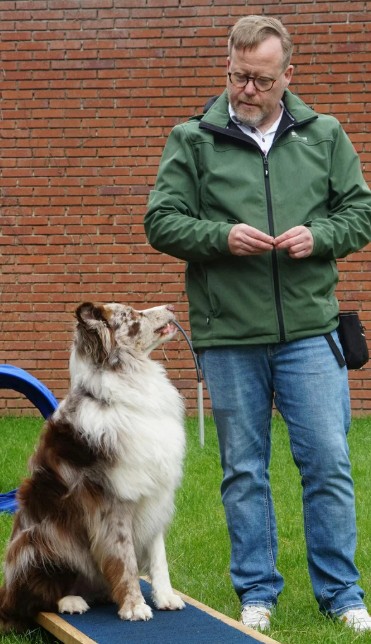
One of the most powerful aspects of play as a training tool is that it teaches impulse control without any explicit “training.” When a dog learns the rules of tug — grab when invited, release on cue, wait before grabbing again — that dog is practicing the same prefrontal cortex functions (impulse inhibition, attention regulation, rule-following) that underlie all obedience skills.
Key benefits of structured play for training:
- Teaches self-regulation through natural consequences (play stops if rules are broken)
- Builds arousal tolerance — the ability to be excited and still make good decisions
- Provides a high-value reinforcer that doesn’t cause satiation the way food can
- Strengthens the human-dog bond, which increases overall training cooperation
- Offers a natural outlet for breed-specific behaviours (tug for terriers, fetch for retrievers, chase games for herding dogs)
How to Use Play Strategically
The key is structure. Unstructured, chaotic play can increase arousal and make behaviour problems worse. Structured play — with clear start and stop signals, rules that are consistently enforced, and graduated intensity — becomes a powerful training tool.
Try incorporating play as a reinforcer for recall (come back to me = we play), as a warm-up before training sessions to put the dog in an engaged and positive emotional state, as a decompression tool after stressful experiences, and as an alternative reinforcer for dogs that are not highly food-motivated. 🐾
Emotion, Cognition, and Behaviour: The Integrated System
Your Dog’s Emotional State Determines Whether Learning Happens at All
Learning is not a purely cognitive process — it is fundamentally shaped by emotional state. The limbic system (amygdala, hippocampus, hypothalamus) and cortical regions (prefrontal cortex, anterior cingulate) interact to determine:
- Whether information is attended to
- How information is encoded in memory
- Whether learned associations are flexible or rigid
- Whether behaviour can be adapted to new contexts
When a dog is in a state of fear or high anxiety:
- The amygdala dominates neural processing
- The prefrontal cortex is suppressed
- Attention narrows to threat-related stimuli
- Learning capacity is severely reduced
- Behaviour becomes rigid and reactive
This is why desensitisation and counterconditioning are so important for dogs with fear or anxiety. The emotional state must be modified before new learning can occur effectively. You cannot train over the top of terror.
Executive Function: The Brain’s Control Centre
The prefrontal cortex enables:
- Impulse inhibition (the ability to not perform a behaviour even when motivated)
- Working memory (holding information in mind)
- Cognitive flexibility (adapting behaviour to new rules or contexts)
- Future planning (choosing behaviours based on anticipated consequences)
Dogs with well-developed executive function can inhibit jumping even when excited, shift attention from distractions, learn new rules quickly, and adapt behaviour across different contexts.
Dogs with poor emotional regulation show a very different profile:
- React impulsively to stimuli
- Struggle to inhibit unwanted behaviours
- Have difficulty learning new associations
- Show rigid, repetitive behaviours
- Escalate quickly from mild arousal to extreme responses
Training these dogs requires first addressing emotional regulation — not layering more commands on top of dysregulation. This means environmental management to reduce triggers, desensitisation with gradual exposure at sub-threshold levels, counterconditioning to pair triggers with positive outcomes, and in some cases, medication to reduce baseline arousal.
The Stress System and Why It Matters for Every Training Session
The hypothalamic-pituitary-adrenal (HPA) axis regulates stress responses. Acute stress activates this system appropriately — a brief spike is normal and even useful. But chronic stress leads to:
- Elevated baseline cortisol
- Impaired HPA axis regulation
- Reduced ability to recover from stress
- Neurobiological changes that increase reactivity
Dogs with chronically elevated cortisol show a pattern of decline across every measure:
- Learn more slowly
- Show increased anxiety and fear
- Are more likely to develop aggression
- Have reduced immune function
- Show signs of learned helplessness
Effective training must:
- Reduce chronic stress exposure
- Allow adequate recovery time between sessions
- Avoid overwhelming the dog’s coping capacity
- Build confidence through achievable successes
- Create emotional safety as a foundation for learning
Moments of Soul Recall remind us how deeply memory and emotion intertwine in behaviour. When a dog carries the weight of chronic stress, every new experience is filtered through that lens. Healing the emotional foundation is not separate from training — it is training. 🧡
Your Emotional State Matters Too: Cortisol Co-Regulation and Emotional Contagion
The article has so far focused on the dog’s stress physiology — but there’s a critical piece most training guides ignore entirely. Your emotional state directly affects your dog’s ability to learn.
The Science of Emotional Contagion
Research shows that dogs are remarkably sensitive to human emotional states. This goes beyond reading body language — it involves measurable physiological synchronisation.
What the research demonstrates:
- Cortisol synchronisation: Studies have found that dogs’ long-term cortisol levels correlate with their owners’. Chronically stressed owners tend to have chronically stressed dogs. The stress literally transfers through the relationship.
- Heart rate variability alignment: When handlers are anxious, dogs show reduced heart rate variability — a marker of increased stress and reduced emotional flexibility.
- Emotional contagion through scent: Dogs can detect human stress through changes in sweat composition. When you’re anxious, you smell different to your dog — and that scent triggers a stress response in them.
- Behavioural mirroring: Dogs of anxious owners show more displacement behaviours (yawning, lip licking, looking away), reduced exploration, and slower learning in novel environments.
What This Means for Training
If you’re frustrated, tense, or angry during a training session, your dog’s brain is receiving stress signals through multiple channels — your voice, your body language, your scent, and the tension in the leash. That stress activates the same amygdala-dominant state that makes learning difficult.
Practical implications for every training session:
- If you’re having a bad day, keep the training session short and simple — or skip it entirely
- Take a few deep breaths before starting. Your calm is not just for you; it’s a training tool
- If frustration rises during a session, end on a success (ask for something easy, reward it) and stop
- Your emotional regulation is the prerequisite for your dog’s emotional regulation
- A relaxed handler with imperfect timing will produce better results than a tense handler with perfect technique
This is one of the most underappreciated insights in all of dog training. The leash doesn’t just connect you physically — it connects you emotionally. And that’s why the Invisible Leash reminds us that awareness, not tension, guides the path. 🧡
Science. Guides. Understanding.
Evidence Replaces Myths Modern research shows dogs learn most effectively when emotional state learning theory and individual biology are understood instead of relying on outdated assumptions about dominance.
Brains Learn Safely Emotional safety predictable experiences and positive reinforcement strengthen neuroplasticity while chronic stress and fear interfere with memory flexibility and behavioural change.

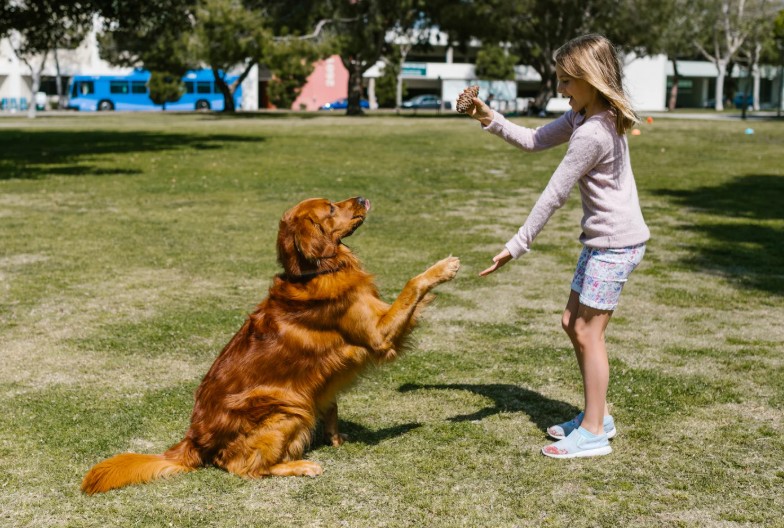
Knowledge Creates Partnership Science based training and NeuroBond aligned relationships foster trust resilience and thoughtful decision making allowing dogs to learn with confidence rather than compliance. 🐾
Reading Your Dog: A Body Language Guide for Real-Time Understanding
The science we’ve covered explains what happens inside your dog’s brain. But how do you know what your dog is feeling in the moment? Body language is the language your dog speaks most fluently — and learning to read it transforms your ability to train effectively.
Stress and Discomfort Signals
These signals tell you your dog is moving toward a stressed, anxious, or overwhelmed state. When you see them during training, it’s time to reduce intensity, increase distance from the trigger, or take a break.
Early stress signals (calming signals):
- Lip licking or tongue flicking — quick flicks of the tongue, often when no food is present
- Yawning — wide, exaggerated yawns outside of sleepy contexts
- Looking away or head turning — deliberate avoidance of eye contact
- Sniffing the ground — sudden intense interest in the ground when previously engaged
- Shaking off — a full-body shake as if wet, but while dry (a “reset” after tension)
- Slow, deliberate movements — moving carefully and slowly, as if walking on eggshells
Escalated stress signals:
- Whale eye — showing the whites of the eyes with a tense facial expression
- Panting with a tight mouth — rapid, shallow panting with the corners of the mouth pulled back (as opposed to relaxed, open-mouthed panting)
- Tucked tail — the tail held low or pressed against the belly
- Lowered body posture — crouching, making the body appear smaller
- Ears pinned back — ears flattened tightly against the head
- Piloerection (raised hackles) — hair standing up along the back, which indicates arousal (not necessarily aggression)
- Freezing — sudden, complete stillness; this is a serious warning sign
Science vs. Dog Training Myths
What neuroscience, ethology, and learning theory really say about how your dog learns — and why most popular training advice gets it wrong.
Phase 1: The Scientific Foundation
Five Disciplines That Changed Everything We Know• Learning Theory — How associations form, how reinforcement shapes behaviour, and why your dog sits at home but not at the park
• Affective Neuroscience — Emotional systems are central to learning. The amygdala, limbic system, and prefrontal cortex determine whether learning occurs at all
• Ethology — Understanding dogs within their evolutionary context, not through outdated wolf-pack hierarchies
• Stress Neurobiology — Chronic HPA axis activation impairs prefrontal cortex function, reduces neuroplasticity, and creates learned helplessness
• Neuroplasticity — The brain reorganises throughout life through experience-dependent changes in neural circuitry
• Authority bias — Confident trainers are trusted without evidence
• Survivorship bias — Only success stories get publicised
• Anecdotal reasoning — Personal stories outweigh statistical evidence
• Sunk cost fallacy — Trainers invested in old methods resist change
Phase 2: The Dominance Myth Dismantled
Why “Alpha” Theory Was Built on Flawed Science• In stable multi-dog households, dogs do not engage in constant status-seeking behaviour
• Dogs lack the prefrontal cortex architecture for abstract status-seeking seen in primates
• Dogs are motivated by resource access, predictability, safety, and social connection — not “leadership”
• Clear communication of expectations
• Reliable consequences (positive and negative)
• Emotional safety and reduced threat perception
• Cooperative — not competitive — social structures
The NeuroBond approach builds on this: trust becomes the foundation of every interaction.
Phase 3: Punishment vs. Learning — Inside the Brain
Why Suppression Is Never the Same as Understanding• Impaired working memory and attention
• Reduced cognitive flexibility
• Blocked formation of new associations
• Increased reliance on reactive fight-flight-freeze responses
• Chronically elevated cortisol that reshapes the brain — reducing neuroplasticity, impairing hippocampal memory, and increasing amygdala reactivity over time
Increased aggression: Frustration aggression, fear-based defensive aggression, redirected aggression toward other dogs, people, or objects
Relationship erosion: The dog’s motivation shifts from cooperation to avoidance. Trust — the foundation of effective training — is destroyed.
• Strengthens neural connections for the desired behaviour
• Increases motivation to repeat it
• Enhances memory consolidation
• Promotes neuroplasticity
• Dopamine is released in anticipation of the reward — creating powerful forward-looking motivation
In this state, the brain is optimised for learning. Not compliance through fear — genuine learning.
Phase 4: Reinforcement Schedules & Clicker Science
The Mechanics That Make or Break Long-Term Learning• Fixed Ratio (FR) — Reward after a set number of responses (e.g., every 3rd sit). Dog may pause after reward
• Variable Ratio (VR) — Reward after unpredictable number of responses. Produces highest, most consistent response rates. Most resistant to extinction — the “slot machine” effect
• Fixed Interval (FI) — Reward for first response after a set time. Dog slows after reward, speeds up as next interval approaches
• Once reliable, transition to variable ratio to strengthen and maintain
• Use high-value reinforcers for difficult behaviours; lower-value for established ones
• Never abruptly switch from continuous to no reinforcement — this causes rapid extinction
• Periodically return to higher rates to “refresh” fading behaviours
• Immediate feedback at any distance
• Precise timing of reinforcement
• Cross-context communication
• Reduced dependence on food
But: Incorrect clicker use (clicking late, clicking without following with reward) hinders rather than helps. Timing and consistency are non-negotiable.
Phase 5: Emotion, Stress & the Owner Connection
The Integrated System — Your Dog’s Feelings AND Yours• Amygdala dominates — attention narrows to threats only
• Prefrontal cortex suppressed — learning capacity severely reduced
• Behaviour becomes rigid and reactive
• Emotional state must be modified before new learning can occur
• Slower learning • Increased anxiety and fear • Higher aggression risk
• Reduced immune function • Signs of learned helplessness
Executive function suffers: impulse inhibition, working memory, cognitive flexibility, and future planning all decline. Dogs with poor emotional regulation escalate from mild arousal to extreme responses rapidly.
• Chronically stressed owners → chronically stressed dogs (cortisol synchronisation)
• Dogs detect human stress through changes in sweat composition
• Anxious handlers → reduced heart rate variability in dogs
• Dogs of anxious owners show more displacement behaviours and slower learning
A relaxed handler with imperfect timing produces better results than a tense handler with perfect technique.
Phase 6: Reading Your Dog & Age-Specific Windows
Body Language Fluency Meets Developmental NeuroscienceEscalated stress: Whale eye (whites visible) • Tight-mouthed panting • Tucked tail • Lowered body posture • Ears pinned flat • Raised hackles • Freezing — a serious warning
• Play bow • Soft mid-height tail wag (whole back end moves)
• Orientation toward you (ears forward, eyes on you)
• Offering behaviours — trying different things to earn reward
End every session while your dog is still showing these signals — not after they’ve shut down.
• Adolescent (6–18 months): Synaptic pruning, immature prefrontal cortex, hormonal shifts. Regression is normal — patience, not punishment, is the answer
• Adult (18 months–7 years): Full PFC development, peak emotional regulation, longer attention spans. Requires more repetition than puppyhood
• Senior (7+ years): Reduced neuroplasticity, slower processing. Shorter sessions, higher-value reinforcers, familiar routines
Phase 7: Seven Myths Debunked — With What to Do Instead
From Misconception to Evidence-Based Action② “Dogs act out of spite/guilt/revenge” — These require metacognition dogs don’t possess
③ “Every unwanted behaviour must be corrected immediately” — Conflates timing of reinforcement with timing of correction
④ “Physical exhaustion solves behaviour problems” — Exercise doesn’t address fear, anxiety, or emotional dysregulation
⑤ “Obedience alone resolves emotional disorders” — Obedience is a skill; dysregulation is a neurobiological state
⑥ “Ignoring behaviour always leads to extinction” — Only works if you’ve identified the actual reinforcer
⑦ “Dogs generalise learning automatically” — Generalisation requires systematic training across contexts
② Address the cause — Destructive = anxiety or boredom. Soiling = medical or incomplete training. “Guilt face” = fear response to your anger
③ Prevent → Interrupt → Redirect → Reinforce — Set the dog up to succeed, don’t wait to catch them failing
④ Balance exercise with mental stimulation — A 30-min training session may outperform a 2-hour run. Use puzzle feeders, scent work, structured play
⑤ Treat inside-out — Emotional assessment → emotional regulation → skill building → generalisation → relationship building
⑥ Identify the real reinforcer — Barking at windows = reinforced by movement outside, not your attention. Manage environment + teach alternatives
⑦ Train across contexts deliberately — Vary environments, cues, reinforcers, emotional states. Maintenance training indefinitely
Phase 8: Evidence-Based Methods & Real-World Scenarios
Desensitisation, Habituation, Extinction & Four Common ChallengesHabituation: Decreased response through repeated non-harmful exposure — no rewards needed. Stimulus becomes “background noise.” Long-lasting, stimulus-specific, not fatigue-based. Evolutionarily essential: animals that react to everything can’t function.
Extinction: Behaviour decreases when its reinforcement is withdrawn. Consistency is critical — even occasional reinforcement makes extinction far harder. Expect the extinction burst (behaviour gets worse before better) and spontaneous recovery (it returns briefly after a gap).
Resource Guarding: Never punish the growl (it’s a warning). Countercondition: toss better treats from distance when dog is eating → gradually decrease distance. Teach “trade” cue.
Separation Anxiety: Desensitise departure cues → practise very short absences (30 seconds → gradually increase). Never punish upon return. Consider medication for moderate-severe cases.
Recall Failure: Build value indoors with best rewards → practise across progressively distracting environments → never use recall to end fun → use long line for safety → maintain with variable reinforcement.
• Extinction (simple): 2–4 weeks | Complex: 6–12 weeks | Burst in first 3–7 days
• New skills (basics): 1–3 weeks | Generalisation: 3–8 weeks | High-distraction reliability: 2–4 months
• Separation anxiety (mild): 4–8 weeks | Moderate-severe: 3–12 months
Progress is not linear. Setbacks are part of the process, not evidence of failure.
🐾 Training Considerations by Breed Group, Life Stage & Support Level
🔎 How to Recognise a Good Trainer
• Assesses dog’s emotional state before designing a plan
• Focuses on teaching what to do — not just suppressing what not to do
• Reads and responds to body language in real time
• Uses management alongside training
• Sets realistic timelines
• Welcomes questions
• Stays current with research
• Prioritises the human-dog relationship
• Relies on physical intimidation as first-line tools
• Guarantees results — no ethical trainer does this
• Blames the dog (“stubborn,” “dominant,” “difficult breed”)
• Becomes defensive when questioned
• Uses punishment as first resort
• Shows no interest in the dog’s emotional state
• Promises fast results
• Won’t let you observe before committing
🍖🎾🐕🦺 Beyond Training: Nutrition, Play & Multi-Dog Dynamics
🔄 The CRF → VR Transition: Start every new behaviour on continuous reinforcement, then shift to variable ratio once reliable
😰 The Stress Check: If you see lip licking, yawning, or looking away — reduce intensity immediately. Learning stops when fear starts
🧘 The Handler Rule: Your calm is a training tool. If you’re frustrated, end the session on a win and come back later
📍 The Generalisation Formula: New context = new behaviour. Train in 5+ environments before expecting reliability
📈 The Extinction Warning: Behaviour gets worse before better (extinction burst). Giving in during the burst makes everything harder
🐶 The Adolescence Reminder: Regression at 6–18 months is neurobiological, not defiance. The prefrontal cortex is literally still under construction
🍖 The Gut-Brain Link: Adequate tryptophan and stable blood sugar support the calm emotional state that makes learning possible
⏱️ The Patience Principle: Mild fear issues = 4–8 weeks. Moderate = 3–6 months. Severe = 6–12+ months. Progress is not linear
Through the NeuroBond approach, trust becomes the foundation of every interaction — not dominance, not force, but genuine understanding between two species that evolved together.
The Invisible Leash reminds us that awareness, not tension, guides the path. Your emotional state shapes your dog’s emotional state. Your calm is their calm. That leash connects you not just physically, but neurobiologically.
And in moments of Soul Recall, we see how deeply memory and emotion intertwine in behaviour — how every experience your dog carries shapes how they meet the next one, and how healing the emotional foundation is not separate from training. It is training.
That balance between science and soul — between dopamine pathways and the look in your dog’s eyes when they finally trust you — that’s the essence of Zoeta Dogsoul.
Comfort and Engagement Signals
These signals tell you your dog is in a good emotional state for learning — relaxed, curious, and engaged.
Signs your dog is ready to learn:
- Soft, relaxed eyes — no tension around the eye area, gentle “squinty” expression
- Loose, wiggly body — the whole body moves fluidly, without stiffness
- Relaxed, open mouth — a “smile” with a loose jaw and visible tongue
- Play bow — front end down, rear end up, tail wagging — an invitation to engage
- Soft tail wag — a relaxed, mid-height wag that moves the whole back end (not a stiff, rapid, high wag, which indicates arousal)
- Orientation toward you — ears forward, eyes on you, body angled in your direction
- Offering behaviours — the dog tries different things to earn a reward, showing cognitive engagement
How to Use Body Language in Training
The practical application is straightforward:
- Before every training session, read your dog’s baseline state. If you see stress signals before you even begin, address the emotional state first
- During training, watch for early stress signals. The moment you see lip licking, yawning, or looking away, reduce the difficulty of what you’re asking
- End every session while your dog is still showing engagement signals — not after they’ve become stressed or shut down
- Use body language as your feedback loop: your dog is constantly telling you whether the training is working or overwhelming them
A relaxed tail wag tells a story. A tucked tail tells a different one. Learning to read both is the foundation of everything that follows. 🐾
Age-Specific Learning Windows: How Your Dog’s Brain Changes Over Time
Neuroplasticity is real throughout life — but it is not equal at every stage. Understanding how learning capacity shifts across your dog’s lifespan helps you make the most of each developmental window and avoid pushing against the brain’s natural limitations.
The Puppy Socialisation Period (3 to 14 Weeks)
This is the most critical learning window in your dog’s entire life. During this period, the brain is extraordinarily receptive to new experiences, and positive exposure to a wide variety of stimuli creates neural pathways that shape behaviour for years to come.
What happens neurobiologically:
- Synaptic density peaks — the brain is forming connections at the fastest rate it ever will
- Fear responses are naturally low, making novel experiences less threatening
- The amygdala is still maturing, so stimuli that would trigger fear in an adult dog are more likely to be processed neutrally
- Social bonding circuits are highly active, making this the ideal time for attachment formation with humans and other dogs
What to prioritise during this window:
- Exposure to different people (ages, sizes, appearances, movement patterns)
- Exposure to different environments (surfaces, sounds, smells, locations)
- Positive interactions with well-socialised dogs of different sizes and breeds
- Handling and grooming exercises with positive associations
- Brief, positive exposure to common household stimuli (vacuum, doorbell, kitchen sounds)
What to avoid:
- Forcing interactions with stimuli that frighten the puppy
- Overwhelming the puppy with too much at once
- Assuming the socialisation window stays open indefinitely — it closes, and what’s missed is much harder to build later
The Adolescent Period (6 to 18 Months)
This is the stage where many owners become frustrated and either give up or turn to harsher methods. Understanding the neuroscience explains why — and why patience is the correct response.
What happens in the adolescent brain:
- Synaptic pruning: The brain begins eliminating unused connections, which means skills not practiced may weaken
- Prefrontal cortex still developing: Impulse control is biologically immature; your adolescent dog is not being “defiant” — the brain region responsible for self-control is literally not finished yet
- Hormonal shifts: Puberty introduces new motivations (social interest, territorial behaviour, increased arousal) that compete with training
- Increased independence-seeking: The dog begins testing boundaries, which is a normal developmental process, not a dominance challenge
Training adjustments for adolescence:
- Increase management and supervision — the dog’s judgement is genuinely impaired by brain development
- Maintain consistent reinforcement schedules; this is not the time to assume a behaviour is “learned” and stop rewarding
- Expect regression in previously reliable behaviours — this is normal and temporary
- Focus on impulse control exercises (wait, leave it, settle) which directly exercise the developing prefrontal cortex
- Keep sessions short and engaging; adolescent attention spans are shorter than they were at 10 weeks
Adult Learning (18 Months to 7 Years)
The adult brain is fully developed, and learning is shaped by the neural pathways established in earlier stages. Neuroplasticity is still present but operates differently — new learning requires more repetition, higher motivation, and more strategic reinforcement.
Advantages of adult learning:
- Full prefrontal cortex development enables stronger impulse control
- Emotional regulation capacity is at its peak
- Longer attention spans allow for more complex training sequences
- Established attachment bonds provide a stable foundation for learning
Senior Dogs (7+ Years)
Cognitive changes occur naturally with aging. The brain shows reduced neuroplasticity, slower processing speed, and in some dogs, cognitive dysfunction syndrome (similar to dementia in humans).
Training considerations for senior dogs:
- Use shorter, more frequent sessions
- Increase the value and predictability of reinforcers
- Be patient with slower response times — this is a neurological change, not stubbornness
- Maintain familiar routines, which provide cognitive scaffolding
- Watch for signs of cognitive dysfunction: disorientation, changes in sleep patterns, loss of previously learned behaviours, reduced social interaction 🧠
Breed Differences and Individual Variation: Why One Approach Never Fits All
Genetics Shape the Starting Point — Not the Destination
Dogs have been selectively bred for thousands of years for specific behavioural traits, and these genetic predispositions genuinely matter for training.
How selective breeding shapes behaviour:
- Herding breeds: Bred for responsiveness to subtle cues, quick decision-making, and independent problem-solving
- Hunting breeds: Bred for prey drive, persistence, and focus on specific stimuli
- Guardian breeds: Bred for territorial behaviour, wariness of strangers, and protective aggression
- Companion breeds: Bred for human-directed attention and reduced independence
These genetic predispositions are not absolute determinants of behaviour, but they do influence baseline arousal levels, sensitivity to specific stimuli, ease of learning certain tasks, motivation for different reinforcers, and emotional reactivity.
Why the Same Training Produces Completely Different Results
Different breeds and individuals vary across multiple dimensions:
- Attention span: Some dogs naturally focus longer on tasks
- Impulse control: Some have stronger inhibitory capacity
- Motivation systems: Some are food-motivated, others toy-motivated, others human-attention-motivated
- Emotional reactivity: Some are naturally calm; others are highly reactive
- Social orientation: Some are highly attuned to human cues; others are more independent
Consider a concrete example. A Border Collie may learn to sit reliably in 3 to 5 training sessions because of selective breeding for responsiveness to human cues, high impulse control, strong motivation to work with humans, and the ability to focus attention.
A Siberian Husky may require 20 or more sessions because of selective breeding for independence and self-direction, lower impulse control, motivation driven by prey drive rather than human approval, and attention easily diverted by environmental stimuli.
Neither dog is “stubborn” or “untrainable.” They have different genetic predispositions that require different training approaches. Labelling a Husky as difficult says more about the trainer’s expectations than the dog’s capacity.
Adapting Training to the Individual
Breed-specific training considerations:
- Herding breeds: Provide mental stimulation, allow independent decision-making, use variable reinforcement schedules
- Hunting breeds: Manage prey drive through environmental control, use high-value reinforcers, provide outlets for natural behaviours
- Guardian breeds: Build trust gradually, avoid confrontational training, respect natural wariness
- Companion breeds: Provide frequent human interaction, use social reinforcement, prevent separation anxiety
Even within breeds, individual dogs vary significantly. A thorough assessment should include:
- Baseline arousal level
- Emotional reactivity
- Motivation profile (which reinforcers work best)
- Learning style (visual, auditory, kinesthetic)
- Social orientation (human-focused vs. environment-focused)
- Stress response pattern (fight, flight, freeze, or fawn) 🐾
Seven Common Dog Training Myths — and What Science Actually Says
Myth 1: “Dogs Try to Be the Alpha”
What people believe: Dogs engage in dominance-seeking behaviour and attempt to establish themselves as “alpha” or leader of the household.
What the evidence shows: This myth is contradicted by contemporary ethology and neurobiology. Domestic dogs lack the social structure of wolf packs. Wild wolves live in family units, while the captive wolves on which the original “alpha” concept was based showed artificial hierarchies that do not reflect natural behaviour. Dominance is context-specific, not a stable trait — a dog may control access to food in one situation while deferring to another dog in a different context. Dogs are not motivated by abstract status but by access to resources: food, toys, attention, and play. They do not seek “leadership” as an abstract goal. Neurobiologically, dogs lack the cognitive architecture for status-seeking — the prefrontal cortex regions involved in abstract social hierarchy are less developed in dogs than in primates.
The reality: Dogs are motivated by access to valued resources, predictability and safety, social connection, and opportunities to engage in species-typical behaviours. A dog that jumps on the owner, pulls on the leash, or eats food before the owner is not “trying to be alpha.” The dog is simply engaging in behaviours that have been reinforced (the dog gets what it wants) or that reflect poor impulse control.
What to do instead: Rather than trying to “establish dominance,” focus on being a predictable, consistent source of good things. Teach the behaviours you want through reinforcement. Manage the environment to prevent behaviours you don’t want. Build a relationship where the dog looks to you because you’re the gateway to everything it values — not because it fears you.
Myth 2: “Dogs Act Out of Spite, Guilt, Jealousy, or Revenge”
What people believe: A dog that chews furniture while the owner is away is “getting revenge.” A dog that has an accident in the house is acting “out of spite.” A dog that steals food is “jealous.” A dog that misbehaves after being scolded is “seeking revenge.”
What the evidence shows: These interpretations anthropomorphise dog cognition and contradict what we know about canine neurobiology.
Why dogs lack the cognitive capacity for these emotions:
- Revenge would require understanding that another individual caused harm intentionally, planning future retaliation, delaying gratification to execute the plan, and understanding the causal link between retaliation and original harm. Dogs do not demonstrate these cognitive abilities.
- Guilt is a human emotion requiring self-awareness. Dogs do not have the metacognitive ability to reflect on their own behaviour and judge it as wrong. What appears to be “guilt” — that lowered head, averted gaze, tucked tail — is actually a fear response to the owner’s angry tone or body language.
- Jealousy requires theory of mind — understanding that others have mental states different from your own. What appears to be jealousy (a dog pushing between the owner and another dog) is actually competition for a valued resource or attention.
- Revenge requires future planning. Dogs live primarily in the present moment. They do not plan future retaliation; they respond to immediate consequences.
The reality — simpler explanations for each behaviour:
- Destructive behaviour while alone → separation anxiety, boredom, lack of exercise, or insufficient environmental enrichment
- Accidents in the house → incomplete housetraining, medical issues, anxiety, or insufficient bathroom breaks
- Food stealing → lack of impulse control, insufficient training, or high motivation for food
- Misbehaviour after scolding → fear response to the owner’s anger, not understanding of wrongdoing
What to do instead: Address the actual cause. For destructive behaviour, increase environmental enrichment and address potential separation anxiety. For house soiling, rule out medical causes first, then revisit housetraining fundamentals. For food stealing, manage the environment (don’t leave food accessible) and train impulse control. Stop interpreting your dog’s behaviour through human emotional frameworks — and start observing what’s actually happening. 🧠
Myth 3: “Every Unwanted Behaviour Must Be Corrected Immediately”
What people believe: Timing is critical — unwanted behaviours must be interrupted and corrected the moment they occur, or the dog will never learn.
What the evidence shows: This myth conflates two different concepts. Timing of reinforcement is critical — reinforcement must be delivered within 0.5 to 2 seconds of the desired behaviour for optimal learning, which is well-established in learning theory. Timing of punishment matters differently: for punishment to be effective, it must occur at the beginning of the behaviour, be consistent, and be strong enough to suppress it, and most real-world corrections fail these criteria. Interruption is not the same as correction — calling the dog away from something can be effective if followed by redirection to an appropriate behaviour. Delayed consequences can still work, especially if the delay is brief (within minutes) and the consequence is salient.
The reality: Effective behaviour management requires prevention (managing the environment to prevent unwanted behaviour), interruption (redirecting to appropriate behaviour), reinforcement (rewarding the appropriate behaviour), and consistency (applying the same consequences reliably). Immediate correction is not always necessary or even optimal. Harsh immediate corrections can create fear and anxiety without teaching the dog what to do instead.
What to do instead: Focus on prevention first. If your dog keeps counter-surfing, manage the environment so food isn’t left on the counter. If the behaviour does occur, interrupt calmly (call the dog away) and redirect to a behaviour you can reinforce. The goal is to set your dog up to succeed, not to catch them failing.
Myth 4: “Physical Exhaustion Solves Behavioural Problems”
What people believe: Dogs with behavioural problems — jumping, pulling, aggression, destructiveness — need more exercise. Exhaust the dog physically and unwanted behaviours will disappear.
What the evidence shows: While exercise is important for physical and mental health, it is not a cure-all. Physical exercise reduces arousal and can help with behaviours driven by excess energy (jumping, destructive play), but it does not address fear-based behaviours, anxiety-driven behaviours, aggression rooted in emotional dysregulation, or learned behaviours reinforced by consequences.
Exhaustion can actually worsen some problems. For dogs with anxiety or fear-based aggression, intense exercise can increase arousal and make things worse. Mental stimulation is often more important than physical exercise: dogs with high intelligence (Border Collies, Poodles, for instance) may develop behavioural problems from boredom and insufficient mental engagement, not from insufficient running. A 30-minute training session may be more effective than a 2-hour run. And exercise without training does not teach alternative behaviours — a tired dog may stop jumping temporarily, but once it recovers, the jumping returns.
What to do instead: Balance physical exercise with mental stimulation. Use puzzle feeders, scent work, training games, and environmental enrichment alongside walks and play. Address the underlying cause of the behaviour — a dog that destroys furniture from separation anxiety won’t be helped by a longer morning run.
Myth 5: “Obedience Alone Resolves Emotional or Behavioural Disorders”
What people believe: If a dog learns to obey commands — sit, stay, down — behavioural and emotional problems will resolve themselves.
What the evidence shows: Obedience and emotional regulation are distinct systems. Obedience is a learned skill, while emotional dysregulation is a neurobiological state. A dog can learn to sit on command while remaining anxious, fearful, or aggressive — the obedience does not address the underlying emotional state. Fear-based obedience is not genuine learning: a dog that sits because it fears punishment is suppressing behaviour, and the underlying fear often intensifies. Emotional dysregulation impairs learning: a dog in a state of high anxiety or fear has reduced capacity to learn new skills. And obedience does not generalise to emotional contexts — a dog may sit reliably in a calm training environment but fail when excited or frightened.
What to do instead: Work from the inside out. Start with emotional assessment — understand what your dog is feeling, not just what they’re doing. Use desensitisation, counterconditioning, and environmental management to address the emotional state first. Then build skills through reinforcement. Practice those skills across different contexts and emotional states. And build the relationship — trust and safety are the foundation that makes everything else possible.
Myth 6: “Ignoring Behaviour Always Leads to Extinction”
What people believe: If you ignore unwanted behaviour, it will eventually disappear because the dog is not getting attention.
What the evidence shows: Extinction — the decrease in behaviour when reinforcement is withdrawn — is real, but it has important limitations.
Why ignoring alone often fails:
- Extinction requires identifying the actual reinforcer. A dog barking at the window may be reinforced by seeing movement outside, not by your attention. A dog chewing furniture may be reinforced by the sensory feedback of chewing itself.
- Extinction is slow and can worsen before improving — the “extinction burst” means behaviour increases in frequency and intensity before decreasing, which can be dangerous or impractical.
- Extinction does not teach alternative behaviours — the dog may develop a different unwanted behaviour if nothing is taught in its place.
- Behaviours reinforced on variable schedules are far more resistant to extinction.
What to do instead: Identify what is actually reinforcing the behaviour. Remove or reduce access to that reinforcer through environmental management. Teach an alternative behaviour that is incompatible with the unwanted one. Apply consequences consistently. And recognise that behaviour change takes time.
Myth 7: “Dogs Reliably Generalise Learning Across Environments Without Structured Training”
What people believe: If a dog learns to sit in the training room, it will automatically sit in other environments — the park, the vet’s office, a busy street.
What the evidence shows: Generalisation is not automatic; it requires systematic training. Learning is context-dependent — dogs learn associations between specific stimuli and responses in specific contexts, so a dog that sits perfectly in a quiet room may not sit in a noisy park because the context is entirely different. Stimulus control is specific: the dog learns to respond to specific cues (the owner’s voice, hand signal, body posture) in specific contexts, and changing any element can disrupt the learned response. Emotional state also affects generalisation — a dog that sits reliably when calm may not sit when excited, frightened, or highly aroused.
What to do instead: Train deliberately across contexts. Start in low-distraction environments and progressively increase difficulty. Vary your cues (different hand signals, verbal cues, body postures). Vary your reinforcers so the dog doesn’t become dependent on one specific reward. Practice in different emotional states (calm, mildly aroused, excited). And do maintenance training — periodically practicing skills to keep them sharp over time. 🐾
Common Training Scenarios: Applying the Science to Real Life
Understanding the theory is essential — but most people need to see how it applies to the specific problems they’re actually facing. Here are four of the most common challenges, walked through with the science-based approach.
Scenario 1: Leash Reactivity
What it looks like: Your dog lunges, barks, or growls at other dogs (or people, bikes, skateboards) while on leash.
What’s actually happening: In most cases, leash reactivity is rooted in frustration, fear, or both. The leash prevents the dog from performing its preferred response (flee or approach), which increases arousal and triggers an outburst. This is an emotional problem, not an obedience problem.
The science-based approach:
- Identify the threshold distance — how far away can the trigger be before your dog reacts?
- Work below threshold using desensitisation: keep enough distance that your dog notices the trigger but remains calm
- Add counterconditioning: the moment your dog sees the trigger, deliver high-value treats. Trigger predicts good things
- Gradually decrease distance over weeks, never faster than your dog can handle
- Teach an alternative behaviour (look at me, turn and walk away) that gives your dog something to do instead
- Avoid flooding — forcing your dog to be close to triggers will worsen the reactivity, not improve it
Scenario 2: Resource Guarding
What it looks like: Your dog growls, stiffens, snaps, or bites when you approach their food bowl, a chew toy, or a resting spot.
What’s actually happening: The dog perceives a threat to a valued resource. This is a normal canine behaviour that exists on a spectrum — and punishment almost always makes it worse, because it confirms the dog’s belief that your approach means something bad happens.
The science-based approach:
- Do not punish the growl — the growl is a warning signal, and suppressing it doesn’t remove the underlying emotion; it just removes the warning before a bite
- Begin counterconditioning: approach the dog while eating and toss a high-value treat (something better than what’s in the bowl) from a distance, then walk away
- Gradually decrease distance over many sessions
- Teach a “trade” or “drop” cue using exchanges — the dog learns that giving up one resource predicts receiving something better
- Manage the environment: prevent access to items that trigger intense guarding until training is further along
Scenario 3: Separation Anxiety
What it looks like: Destructive behaviour, excessive vocalisation, house soiling, or attempts to escape when left alone. Often begins before you’ve even left — during your departure routine.
What’s actually happening: This is a panic response, not misbehaviour. The dog’s attachment system is activated and the dog is in genuine distress. Cortisol levels spike, and the behaviours you see are symptoms of an emotional crisis, not “acting out.”
The science-based approach:
- Desensitise departure cues: pick up your keys, put on shoes, then sit back down. Repeat until these cues no longer trigger anxiety
- Practice very short absences (30 seconds, 1 minute, 2 minutes) and gradually increase duration
- Never punish the dog for destruction or soiling upon return — the dog won’t connect the punishment to the earlier behaviour, and it will increase anxiety about your return
- Provide enrichment during absences (puzzle feeders, long-lasting chews)
- In moderate to severe cases, consult a veterinary behaviourist — medication may be needed to reduce baseline anxiety enough for behavioural training to be effective
Scenario 4: Recall Failure
What it looks like: Your dog comes when called in the backyard but ignores you completely at the park.
What’s actually happening: This is a classic generalisation failure combined with competing motivations. The park has stimuli (smells, other dogs, squirrels) that are far more reinforcing than your voice, and the dog has not been trained to respond in that context or at that arousal level.
The science-based approach:
- Build value in the recall cue: start indoors, use a specific word or whistle, and pair it with the best reward you have every single time
- Practice in progressively more distracting environments — hallway, backyard, quiet street, busier street, park at quiet times, park at busy times
- Never use recall to end fun — if every recall means “playtime is over,” the dog learns to avoid coming when called. Call, reward, then release back to play
- Use a long line (15–30 feet) in uncontrolled environments so the dog can’t self-reinforce by running away
- Maintain the recall with variable ratio reinforcement once it’s established — occasional jackpot rewards keep it strong 😄
Multi-Dog Household Dynamics: How Training Changes with Multiple Dogs
The article touched on multi-dog social dynamics under dominance theory, but training in a multi-dog household introduces specific challenges and opportunities that deserve attention.
Social Facilitation and Observational Learning
Dogs do learn from watching other dogs — but not in the straightforward way most people assume.
What the research shows:
- Social facilitation: Dogs are more likely to perform a behaviour they’ve already learned when they see another dog doing it. A dog that knows “sit” may sit more readily when it sees another dog sit and get rewarded.
- Local enhancement: Dogs pay attention to locations and objects that other dogs interact with. If one dog is sniffing a puzzle toy, the other dog becomes more interested in that toy.
- True imitation is limited: Dogs do not reliably copy novel behaviours from other dogs. Seeing a trained dog perform a complex trick does not mean an untrained dog will learn it by observation.
Training Considerations for Multi-Dog Homes
Practical guidelines:
- Train each dog individually first before combining them. Distractions from other dogs impair learning in the early stages.
- Use physical separation (baby gates, separate rooms) during training sessions to give each dog focused attention.
- Be aware of social dynamics around food rewards — the presence of another dog can create resource competition that increases arousal and reduces learning capacity.
- Watch for social referencing — a nervous dog may take cues from a confident dog’s calm reaction to a stimulus, which can actually aid desensitisation.
- Avoid inadvertently reinforcing competition — if one dog gets attention for pushy behaviour while you’re training the other, you’re reinforcing exactly what you don’t want. 🐾
The Gut-Brain Axis: How Nutrition Influences Behaviour
Emerging research has revealed a powerful connection between the digestive system and the brain that has direct implications for behaviour and training. The gut-brain axis — the bidirectional communication pathway between the gastrointestinal tract and the central nervous system — influences mood, stress reactivity, and learning capacity in ways that are only beginning to be understood.
How Nutrition Affects the Brain
Key mechanisms:
- Tryptophan and serotonin: Tryptophan is an essential amino acid that serves as a precursor to serotonin, a neurotransmitter critical for mood regulation, impulse control, and emotional stability. Diets low in tryptophan have been associated with increased aggression and anxiety in dogs. Adequate tryptophan availability supports the calm, focused emotional state that makes learning possible.
- Gut microbiome and neurotransmitter production: The gut produces approximately 90% of the body’s serotonin. The composition of the gut microbiome directly influences this production. Dogs with disrupted gut microbiomes (from antibiotics, poor diet, or chronic stress) may have altered neurotransmitter levels that affect behaviour.
- Inflammatory pathways: Diets high in processed ingredients or those that trigger food sensitivities can produce chronic low-grade inflammation. This inflammation affects brain function, increasing anxiety, reducing cognitive flexibility, and impairing learning.
- Blood sugar stability: Rapidly digested, high-glycemic diets produce blood sugar spikes and crashes that affect arousal regulation, impulse control, and emotional stability. Stable blood sugar supports stable behaviour.
Practical Nutritional Considerations for Behaviour
What you feed your dog is not separate from how you train your dog:
- Ensure adequate protein quality and tryptophan content, especially for dogs showing anxiety or aggression
- Consider probiotic supplementation for dogs with chronic stress or dogs that have undergone antibiotic treatment
- Avoid diets that trigger individual sensitivities — gastrointestinal discomfort increases baseline stress
- Time meals relative to training: a slightly hungry dog is more motivated by food rewards; a dog trained immediately after a large meal may be lethargic and disengaged
- Work with a veterinary nutritionist for dogs with persistent behavioural issues that haven’t responded to training alone — the gut-brain connection may be part of the puzzle
When to Seek Professional Help: Medication and Veterinary Behavioural Support
The article has mentioned medication briefly in the context of emotional dysregulation. But for many dog owners, the decision of when and whether to seek professional help — and what role medication plays — is one of the most important and least understood aspects of behaviour modification.
When Behavioural Training Alone Isn’t Enough
Signs that you may need professional support:
- The dog shows persistent fear, anxiety, or aggression that does not improve with consistent, well-implemented training over 4 to 6 weeks
- The dog’s emotional reactivity is so intense that it cannot function below threshold in any practical sense — there is no “calm” starting point for desensitisation
- The dog shows signs of compulsive behaviour (repetitive pacing, spinning, tail chasing, flank sucking) that interfere with daily functioning
- The dog’s behaviour poses a safety risk to humans or other animals
- You suspect a medical cause (pain, neurological issues, hormonal imbalances) underlying the behavioural changes
What a Veterinary Behaviourist Does
A veterinary behaviourist is a veterinarian with additional specialised training in animal behaviour. They are qualified to diagnose behavioural disorders, prescribe medication, and design comprehensive behaviour modification plans.
This is different from a dog trainer. Most trainers — even excellent ones — are not qualified to diagnose or treat clinical behavioural disorders. Just as a personal trainer can help you get fit but cannot treat a medical condition, a dog trainer can teach skills but may not be equipped to address clinical anxiety, phobias, or compulsive disorders.
What Medication Can and Cannot Do
What medication can do:
- Reduce baseline anxiety to a level where behavioural training becomes possible
- Lower amygdala reactivity so the dog can remain below threshold during desensitisation
- Improve serotonin availability, supporting emotional regulation and impulse control
- Create a “window of learning” that allows the brain to form new associations
What medication cannot do:
- Replace training — medication reduces the emotional barrier to learning, but learning still requires practice, reinforcement, and consistent handling
- Teach new behaviours — it creates the conditions for learning, but the training itself must still happen
- Work as a permanent standalone solution — medication is most effective when combined with a structured behaviour modification plan
- Change personality — a medicated dog is not a sedated or different dog; it is the same dog with reduced anxiety
The best way to think about it: medication lowers the water level so the dog can learn to swim, rather than constantly fighting to keep its head above the surface. 🧡
Recovery Timelines: Setting Realistic Expectations for Behaviour Change
One of the primary reasons people abandon science-based methods is unrealistic expectations about how quickly behaviour will change. Understanding typical timelines helps you stay the course.
Why Behaviour Change Takes Time
Behaviour is not a switch — it’s a neural network. Changing behaviour means changing the brain’s wiring, which requires repeated experience, consistent reinforcement, and time for neuroplasticity to do its work. The more deeply ingrained a behaviour is (the longer it’s been practiced, the more strongly it’s been reinforced), the longer change takes.
Typical Timelines by Method
Desensitisation and counterconditioning for fear or reactivity:
- Mild cases (recently developed, low intensity): 4 to 8 weeks of consistent daily work
- Moderate cases (established over months, moderate intensity): 3 to 6 months
- Severe cases (long-standing, intense, or generalised fear): 6 to 12+ months, often with professional support and potentially medication
- Progress is not linear — expect setbacks, plateaus, and sudden breakthroughs
Extinction of attention-seeking behaviours:
- Simple behaviours (jumping for attention): 2 to 4 weeks of absolute consistency
- Complex behaviours with intermittent reinforcement history: 6 to 12 weeks
- The extinction burst (behaviour getting worse before better) typically occurs in the first 3 to 7 days
- Spontaneous recovery can occur weeks or months later — this is normal, not failure
New skill acquisition (sit, down, stay, recall):
- Initial learning in a low-distraction environment: 1 to 3 weeks
- Generalisation to new environments: 3 to 8 weeks of progressive training
- Reliability under high distraction or arousal: 2 to 4 months
- Ongoing maintenance is required indefinitely — skills that aren’t reinforced eventually fade
Separation anxiety:
- Mild cases: 4 to 8 weeks
- Moderate to severe cases: 3 to 12 months, often requiring medication support
- This is one of the most challenging behavioural issues to resolve, and rushing the process almost always causes regression
How to Stay Motivated During Slow Progress
- Keep a training journal — daily notes reveal gradual progress that’s invisible in the moment
- Film sessions periodically — comparing video from week 1 and week 8 shows changes you can’t see day-to-day
- Celebrate micro-improvements — your dog held eye contact 2 seconds longer near a trigger? That’s a neurobiological change worth acknowledging
- Set process goals (number of training sessions per week) rather than outcome goals (behaviour is fixed by date X)
- Remember that setbacks are part of the process, not evidence of failure 😄
Evidence-Based Behaviour Modification: What Actually Works
Desensitisation and Counterconditioning
These are among the most evidence-supported behaviour modification techniques available — and understanding why they work will help you use them effectively.
Desensitisation is a process of gradually exposing a dog to a feared or anxiety-provoking stimulus at sub-threshold levels — levels that do not trigger the fear response — while the dog remains calm. Counterconditioning pairs that feared stimulus with something positive (food, play, praise), teaching the dog to associate the stimulus with positive outcomes rather than threat.
A practical example — doorbell anxiety:
- Identify the threshold: determine the level of stimulus intensity at which the dog remains calm, such as a doorbell sound played very softly
- Pair with a positive outcome: play the soft doorbell sound and immediately give the dog a treat
- Gradually increase intensity over multiple sessions, slowly raising the volume while continuing to pair with treats
- Maintain a calm state throughout — if the dog becomes anxious, reduce the stimulus intensity until the dog is calm again
- Practice across contexts: once the dog is calm with the doorbell in one environment, practice in other environments
Why this works neurobiologically:
- Reduces amygdala reactivity to the feared stimulus
- Strengthens prefrontal cortex regulation of fear responses
- Creates new neural associations between the stimulus and positive outcomes
- Promotes neuroplasticity and learning
These techniques are effective for fear and anxiety disorders, phobias, aggression rooted in fear, and reactivity to specific stimuli. The science behind them is robust and well-replicated.
Habituation: When the Brain Learns to Let Go
Habituation is a simple but powerful form of learning that involves no rewards. It is the ending of or decrease in a response to a situation that results from repeated or prolonged exposure — in simpler terms, the decreased response to a stimulus after repeated presentation.
You experience this yourself. Think about your own response to new sounds — perhaps a loud plane flying overhead or a garbage truck at 6am. The first time you heard those sounds, your nervous system reacted strongly. But over time, as you became accustomed to hearing them, your body’s response softened. The same process occurs in dogs.
It’s important to distinguish habituation from desensitisation, though the terms are sometimes confused. Habituation is a mental process where the stimulus essentially becomes background noise — it is still perceived, but the brain’s response becomes minimal. Desensitisation involves a more deliberate, structured reduction of the response through controlled, graduated exposure paired with a calm or positive state.
In practice, trainers might use habituation to help a dog overcome a fear of strangers: introducing a stranger from several feet away and rewarding the dog for staying calm, then gradually moving the stranger closer over time until the dog remains reasonably calm at any distance.
Key characteristics of habituation:
- Long-lasting effects: The effects of habituation are generally long-lasting
- Stimulus-specific: A dog that habituates to one type of sound does not automatically become habituated to other sounds
- Not fatigue-based: Habituation is not the same as failing to respond due to fatigue, sensory adaptation, or injury
- Limitations with dangerous stimuli: Responses to genuinely dangerous stimuli may have an inherited resistance to habituation
- Intensity matters: If the fearful response is too intense, the dog may become more fearful instead of adjusting
Why habituation matters for survival. This isn’t just about being mellow and well-adjusted. If an animal reacted to every single stimulus, it wouldn’t be able to do anything productive, and that constant distraction would make it less effective in the face of real danger. Dogs and humans alike need to automatically distinguish imminent danger from things worth noticing and things that are safe to ignore.
Extinction: When Behaviour Fades Without Its Reward
Extinction is a behaviour modification technique where the reinforcement maintaining a behaviour is withdrawn, causing the behaviour to decrease and eventually stop.
A classic example: a dog that jumps up on people for attention. If people pet the dog, the behaviour continues. If they consistently stop petting the dog, the dog will eventually stop jumping because the reward is no longer there.
Consistency is everything. Even occasional reinforcement will make extinction much more difficult. Resistance to extinction increases the more valuable the original reward was, the longer it had been present, and the more uncertainty there is about whether the reward has truly been removed. Resistance can occur even without ongoing reinforcement if the original reward was strong enough and tightly linked to the behaviour.
The extinction burst — the moment most people give up. One of the most important things to understand about extinction is that behaviour often gets worse before it gets better. Because there is often an association between getting the reward and the intensity of the behaviour, the intensity or frequency of the behaviour being extinguished usually increases at the start of extinction before decreasing.
It’s critical not to give in during this phase. Giving in teaches the dog that it can override the new threshold by working harder — which makes extinction dramatically more difficult going forward.
Spontaneous recovery — the behaviour that comes back. If there is a long period between when a dog last experienced an extinguished behaviour and re-exposure to that same situation, the dog may react again. This is normal and expected.
Consider a puppy that barks to get a reaction. The more the owner attempts to quiet it, the more the puppy barks — because even “negative” attention can be rewarding. The best approach is to consistently ignore the behaviour until it stops. Even after it stops, the behaviour may occasionally reappear. This is spontaneous recovery — not failure, not defiance, just a normal part of how the brain processes behavioural change. 🐾
How to Recognise a Good Trainer: A Science-Based Checklist
Now that you understand the evidence, you’re equipped to evaluate trainers with informed eyes. The gap between what science supports and what many trainers still practice is wide — and choosing the wrong trainer can cause real harm.
Green Flags: Signs of a Science-Based Trainer
Look for trainers who:
- Explain the “why”: A good trainer can explain why a technique works — not just what to do, but what’s happening in the dog’s brain and body
- Assess before training: They observe the dog, ask about history, and evaluate emotional state before designing a training plan. They don’t apply a one-size-fits-all programme
- Focus on what you want the dog TO do: Rather than only suppressing unwanted behaviour, they teach alternative behaviours through reinforcement
- Read and respond to body language: They notice stress signals, adjust intensity when the dog is overwhelmed, and end sessions before the dog shuts down
- Use management alongside training: They recommend environmental changes (baby gates, long lines, puzzle feeders) to prevent unwanted behaviour while training is in progress
- Set realistic timelines: They explain that behaviour change takes time and give you a realistic sense of how long the process will take
- Welcome questions: They’re happy to explain their methods and don’t rely on “trust me” or “I’ve been doing this for 30 years” as justification
- Stay current: They reference current research and are willing to change their approach when evidence changes
- Prioritise the relationship: Everything they do strengthens the bond between you and your dog, rather than creating dependence on the trainer
Red Flags: Signs of an Outdated or Harmful Approach
Be cautious of trainers who:
- Use the language of dominance: “Alpha,” “pack leader,” “you need to show who’s boss,” “the dog is trying to dominate you”
- Rely on physical intimidation: Alpha rolls, scruff shakes, leash pops, prong or shock collars as first-line tools
- Guarantee results: Behaviour is complex, and no ethical trainer guarantees outcomes. Guarantees are a marketing tactic, not a sign of competence
- Blame the dog: “He’s just stubborn,” “she’s dominant,” “this breed is difficult” — these labels reveal a lack of understanding of individual variation and learning theory
- Discourage questions: If a trainer becomes defensive when you ask why they use a particular method, that’s a significant warning sign
- Use punishment as a first resort: Science-based trainers use management, reinforcement, and environmental modification before considering any aversive
- Show no interest in the dog’s emotional state: If the trainer only talks about what the dog is doing and never about what the dog is feeling, the approach is incomplete
- Promise fast results: Quick fixes typically involve suppression, not learning. Genuine behaviour change takes time
- Refuse to let you observe a session before committing: Transparency is a hallmark of ethical practice
Questions to Ask Before Hiring a Trainer
Prepare to ask:
- What training methods do you use, and can you explain why?
- What happens when a dog gets it wrong during training?
- How do you handle fear-based or anxiety-driven behaviour?
- What certifications or continuing education do you pursue?
- Can I observe a session before enrolling?
- What should I expect in terms of timeline for my dog’s specific issue?
A trainer who welcomes these questions and gives thoughtful, evidence-based answers is worth their fee. A trainer who deflects them is telling you everything you need to know. 🧠
Quick-Reference: Every Myth and What to Do Instead
Here’s a practical summary you can return to anytime you need a reminder. For each myth, the science-based alternative action:
- “My dog is trying to be alpha” → Teach desired behaviours through reinforcement; manage the environment; be a consistent, predictable source of good outcomes
- “My dog chewed my shoes out of spite” → Assess for separation anxiety, boredom, or insufficient enrichment; address the emotional cause
- “I need to correct this behaviour right now” → Prevent, interrupt, redirect, reinforce; harsh immediate correction creates fear without learning
- “He just needs more exercise” → Balance physical exercise with mental stimulation; address underlying emotional states; teach alternative behaviours
- “If she’d just learn to obey, the problem would go away” → Treat the emotional state first; obedience without emotional regulation is suppression, not learning
- “Just ignore it and it’ll stop” → Identify the actual reinforcer; manage the environment; teach an incompatible alternative behaviour
- “She sits at home, so she should sit everywhere” → Train in progressively more challenging environments; vary cues, reinforcers, and emotional states
Conclusion: Building a Training Relationship Based on Science, Not Myth
The evidence is consistent and compelling. Dogs do not try to be “alpha.” They do not act out of spite or revenge. They cannot learn when they’re afraid. And no amount of physical exhaustion substitutes for actual training.
What the research shows, across every discipline — neuroscience, ethology, learning theory, stress biology, and cognitive science — is that dogs learn best when they feel safe, when consequences are predictable, when communication is clear, and when the relationship itself is built on trust rather than intimidation.
This doesn’t mean training should be permissive or that every method is equally valid. Positive reinforcement has real limitations. Timing matters. Generalisation requires systematic effort. Breed differences and individual variation mean no single approach works for every dog. Your own emotional state is part of the equation. Nutrition, age, and the dog’s history all shape what’s possible and how quickly it can change.
But the direction is clear. Understanding your dog’s emotional state is not separate from training — it is the prerequisite for training. Addressing fear and anxiety is not a detour from behaviour modification — it is the foundation. And building a relationship where your dog feels safe enough to learn is not a luxury — it is the most effective strategy available.
That balance between science and soul — that’s the essence of Zoeta Dogsoul. 🐾
Glossary of Key Terms
- Amygdala: A brain structure central to processing fear and emotional responses. When hyperactive, it suppresses the prefrontal cortex and impairs learning.
- Classical conditioning: Learning through association — pairing a neutral stimulus with a meaningful one until the neutral stimulus alone triggers a response (e.g., Pavlov’s bell).
- Counterconditioning: Changing an emotional response to a stimulus by pairing it with something positive, replacing a negative association with a positive one.
- Cortisol: A stress hormone produced by the adrenal glands. Chronically elevated cortisol impairs learning, memory, immune function, and emotional regulation.
- Desensitisation: Gradual, controlled exposure to a feared stimulus at sub-threshold levels, reducing the emotional response over time.
- Dopamine: A neurotransmitter involved in motivation, reward, and learning. Released during positive reinforcement, it strengthens neural pathways associated with desired behaviours.
- Ethology: The scientific study of animal behaviour in natural contexts, including evolutionary origins and adaptive function.
- Extinction: The gradual decrease and eventual disappearance of a behaviour when the reinforcement maintaining it is withdrawn.
- Extinction burst: A temporary increase in the frequency or intensity of a behaviour at the beginning of extinction, before the behaviour decreases.
- Generalisation: The ability to apply a learned behaviour across different contexts, cues, and emotional states. Requires systematic training; it does not occur automatically.
- Habituation: A decrease in response to a repeated stimulus that is neither harmful nor rewarding. The brain learns the stimulus is irrelevant.
- HPA axis (hypothalamic-pituitary-adrenal axis): The body’s central stress response system. Chronic activation impairs learning, increases anxiety, and reduces neuroplasticity.
- Learned helplessness: A state where an animal stops attempting to control outcomes after repeated experiences of unavoidable aversive stimuli.
- Neuroplasticity: The brain’s ability to form new neural connections and reorganise existing ones in response to experience. The biological basis for all learning.
- Operant conditioning: Learning through consequences — behaviours followed by reinforcement increase; behaviours followed by punishment decrease.
- Prefrontal cortex: The brain region responsible for executive function, including impulse control, working memory, cognitive flexibility, and decision-making. Suppressed during fear; activated during positive reinforcement.
- Reinforcement schedule: The pattern determining when and how often a behaviour is reinforced (continuous, fixed ratio, variable ratio, fixed interval, variable interval).
- Second-order reinforcer: A previously neutral stimulus (clicker, verbal marker) that becomes associated with a primary reinforcer (food, play) and can be used to signal correct behaviour.
- Spontaneous recovery: The temporary reappearance of an extinguished behaviour after a period of no exposure to the situation. A normal part of the extinction process.
- Stimulus control: When a behaviour is reliably performed in response to a specific cue and only that cue, in a specific context.
- Tryptophan: An essential amino acid that serves as a precursor to serotonin. Adequate dietary tryptophan supports mood regulation and impulse control.