

Introduction
Your dog can’t tell you in words when something feels wrong. There’s no sentence for “I haven’t slept properly in weeks” or “every loud noise makes my heart race.” Instead, the story gets told through small, easy-to-miss signals: a tail that won’t quite relax, a sigh that comes a little too often, a sudden snap at something that never used to bother them.
Did you know that dogs and humans share remarkably similar physiological stress systems? 🧠 The same hormone responsible for your own racing heart before a big presentation — cortisol — is doing very similar work inside your dog’s body. In small doses, over short periods, it’s a survival tool. But when stress becomes a constant companion rather than an occasional visitor, that same hormone can quietly reshape your dog’s brain, behavior, and long-term health.
In this guide, we’ll walk through what cortisol actually does, how acute stress differs from the chronic kind, and why a dog who seems “stubborn,” “reactive,” or “suddenly different” may actually be carrying a much heavier physiological load than meets the eye. Through the NeuroBond lens, understanding what’s happening inside your dog’s nervous system is the first real step toward helping them feel safe again. 🐾
Understanding the Stress Response: Your Dog’s Two Alarm Systems
To understand chronic stress, it helps to first understand what a healthy stress response looks like. Your dog actually has two coordinated alarm systems working together.
The fast-acting system (SAM axis): Within seconds of encountering something startling, your dog’s body releases adrenaline. This is the system behind the elevated heart rate, rapid breathing, and dilated pupils you might notice when a delivery truck rumbles past unexpectedly.
The slow-and-steady system (HPA axis): This is the hypothalamic–pituitary–adrenal axis, and it works over minutes to hours rather than seconds. When your dog’s brain detects a stressor, a chain reaction begins — a hormone signal travels from the hypothalamus to the pituitary gland, and finally to the adrenal glands, which release cortisol into the bloodstream.
Under normal circumstances, cortisol is doing genuinely helpful work:
- Making glucose available for energy when it’s needed most
- Temporarily sharpening focus on potential threats
- Supporting blood pressure and circulation during a challenge
- Following a natural daily rhythm — higher in the morning to support wakefulness, lower at night to support rest
This is the system working exactly as nature intended. A dog encounters something challenging, the body mobilizes resources to handle it, and once the challenge passes, everything returns to baseline within about 30 to 90 minutes. Heart rate settles. Digestion resumes. Your dog shakes it off — sometimes literally — and moves on with their day.
The problem isn’t stress itself. It’s what happens when the body never gets the chance to return to that baseline. 😊
When Adaptation Becomes Dysregulation: Acute vs. Chronic Stress
This is one of the most important distinctions in understanding your dog’s emotional world, and it’s one that’s frequently misunderstood.
Acute stress is normal — and even useful. A startling noise, a brief and slightly uncomfortable vet visit, a moment of frustration during a walk — these are temporary events. A healthy dog recovers quickly, the nervous system resets, and no lasting harm is done. Some acute stress (like a satisfying, tiring hike) is actually positive; behaviorists call this “eustress.”
Chronic stress is a different animal entirely. This occurs when stressors persist, repeat frequently, or feel unpredictable and uncontrollable to your dog. Over weeks or months, the HPA axis stops resetting properly. The “off switch” that should bring cortisol back down becomes less responsive, and baseline cortisol levels creep upward — even when nothing acutely stressful is happening.
Here’s what makes chronic stress particularly tricky to spot: there’s rarely a single dramatic moment. Instead, you might notice:
- Changes in appetite, sleep, or playfulness that creep in gradually
- Frequent low-grade stress signals — paw lifting, yawning when not tired, lip licking, a tense jaw or body
- Energy that swings between chronically wound-up and unusually withdrawn
- Digestive upset with no clear medical cause
- A dog who used to bounce back from minor surprises but now seems to “melt down” or shut down at the smallest extra pressure
That last point matters enormously. A dog who appears unusually calm and unreactive isn’t always a dog who has found peace — sometimes, that stillness is learned helplessness, a state where the dog has stopped trying because past experience taught them that nothing they do changes the outcome. It’s one of the most under-recognized signs of chronic stress, often mistaken for good behavior.
🩺 When it’s time to involve a vet or behaviorist: Before assuming a behavior change is “purely behavioral,” it’s worth ruling out a physical cause. Pain, gastrointestinal disease, thyroid imbalances, and neurological issues can all produce symptoms that look identical to chronic stress — and in many cases, an undiagnosed medical issue is quietly driving the stress in the first place. A veterinary check-up is a sensible first step whenever you notice a sudden behavior shift, ongoing digestive upset, unexplained appetite or sleep changes, or any new aggression. From there, a qualified behaviorist can help build a structured plan addressing both the physiological and environmental sides of the picture.
This week, you could:
- Start a simple daily note (even just a few words) on your dog’s appetite, sleep, and energy, so patterns become visible over time
- Book a vet check if any physical symptoms have been brushed off as “just behavior”
- Notice one routine in your household that’s currently unpredictable and identify a way to make it more consistent
Reading the Signals: How Stress Shows Up in Behavior
Chronic cortisol elevation doesn’t just create “a stressed dog” in some vague sense — it systematically reshapes how the brain processes emotion, threat, and social information. Two brain regions are especially affected.
The amygdala — your dog’s emotional alarm center — becomes hyperactive and, over time, physically enlarged under chronic stress. This translates into real behavioral changes you can observe:
- Startling more easily at minor sounds or movements
- Reading neutral situations (a stranger walking past, another dog at a distance) as threatening
- Escalating quickly from calm to reactive, with little warning
- Struggling to settle even after the trigger has passed
The prefrontal cortex — responsible for impulse control and weighing context — becomes less effective under sustained cortisol exposure. This shows up as:
- Reduced frustration tolerance
- Difficulty inhibiting a fear or aggressive reaction once it starts
- Trouble reading social cues accurately
- A narrowed behavioral repertoire — getting “stuck” in fear, avoidance, or aggression even when the situation has changed
🐾 Common physical and behavioral signs of chronic stress include:
- Dilated pupils, shaking, or excessive panting outside of heat or exercise
- Displacement behaviors — sniffing, licking, spinning, excessive grooming, or self-directed chewing
- More frequent urination or defecation, or unexplained diarrhea
- Low energy, reduced appetite, and reduced interest in play or affection
- Growling, snapping, or biting that seems to come “out of nowhere”
That last one deserves a gentle but important clarification: aggression is rarely about dominance or a “bad” temperament. Far more often, it’s fear-based reactivity or frustration spilling out of a nervous system that has lost its capacity for flexible response. Understanding this reframes the entire conversation — from “how do I correct this behavior” to “how do I help this body feel safe enough to respond differently.” That shift is at the heart of the Invisible Leash — the idea that lasting calm comes from internal regulation, not external control. 🧡
Myth-Busting: Three Misread Signals
A few of the most common misunderstandings around canine stress are worth naming directly, because they often lead well-meaning owners in the wrong direction:
- “Calm” doesn’t always mean relaxed. A still, quiet dog can be deeply shut down rather than at peace. True relaxation includes loose body language, soft eyes, and a willingness to engage — not just an absence of movement.
- A tired dog isn’t necessarily a destressed dog. Exercise can mask arousal temporarily without actually lowering cortisol, especially if the exercise itself was high-intensity or anxiety-driven. A dog can be physically exhausted and still physiologically wound up.
- Sudden “good behavior” isn’t always progress. A dog who abruptly stops resisting something they used to struggle with may have learned that resistance doesn’t change the outcome — not that they’ve become comfortable with it.
🐾 A real-world example: One client’s dog was repeatedly described as “the easy one” — quiet at home, unbothered during car rides, rarely reactive on walks. But a closer look revealed a dog who startled internally without showing it, ate quickly and without enthusiasm, and had stopped initiating play altogether. What looked like an easygoing temperament was, in fact, a textbook case of learned helplessness — a nervous system that had simply stopped signaling distress because nothing about expressing it had ever changed the situation. Once predictability and choice were rebuilt into her daily routine, her “quiet” shifted into something genuinely different: actual relaxation, complete with stretching, play-bows, and a far more expressive face.
This week, you could:
- Watch your dog for ten quiet minutes and note whether their stillness includes loose, soft body language or a tense, frozen quality
- Look for one moment of genuine play-initiation today — and if you can’t find one, treat that as useful information rather than a coincidence
Is Your Dog Chronically Stressed? A Quick Self-Check
Before moving further into the science, it can help to ground all of this in your own dog’s daily reality. Read through the statements below and count how many feel true more often than not over the past two to three weeks.
Score one point for each that applies:
- My dog seems unable to fully settle, even in a quiet, familiar environment
- Sleep seems disrupted — restless, frequently waking, or sleeping far more than usual
- Appetite has changed noticeably (eating less, eating too fast, or sudden pickiness)
- My dog startles more easily than they used to, even at minor sounds
- There’s been an increase in licking, scratching, spinning, or other repetitive self-soothing behavior
- Digestive upset (loose stools, vomiting, gas) has occurred with no clear medical explanation
- My dog has shown new or increased growling, snapping, or avoidance behavior
- Play and affection-seeking have noticeably decreased
- My dog seems to “shut down” or freeze rather than engage, even in low-pressure situations
- Recovery from minor surprises (a dropped object, a passing dog) takes noticeably longer than it used to
How to read your score:
- 0–2: Your dog likely has good baseline regulation. Stay attentive, especially during known transition periods (moves, new pets, schedule changes).
- 3–5: Some signs of elevated stress are present. This is a good moment to look at routine, predictability, and recovery time, and to start tracking patterns more closely.
- 6 or more: Several consistent signs of chronic stress are showing up. This is worth a closer look — ideally including a veterinary check to rule out physical contributors, alongside the lifestyle and training adjustments covered throughout this guide.
This checklist isn’t a diagnosis — it’s a starting point for noticing patterns you might otherwise miss day to day. 🧡
Learning, Memory, and the Cost of a Stressed Brain
One of the most overlooked consequences of chronic stress is what it does to your dog’s ability to learn.
The hippocampus — the brain structure responsible for memory and learning — is particularly vulnerable to prolonged cortisol exposure. Under chronic stress, it can physically shrink, generate fewer new neurons, and lose some of its capacity for the cellular processes that underlie learning itself.
In practical terms, this means a chronically stressed dog may:
- Take noticeably longer to learn new cues or behaviors
- “Forget” previously solid training in certain contexts
- Struggle to generalize a learned behavior from one environment to another
- Have a harder time with multi-step tasks or problem-solving
- Show reduced focus during training sessions, even when motivated
This is a crucial point for anyone working through a training plateau: if your dog suddenly seems unable to learn something they used to grasp easily, the issue may not be motivation or stubbornness at all — it may be a nervous system that’s too overloaded to consolidate new information. Training built on pressure alone often fails here, because pressure is exactly what the stressed brain doesn’t need more of.
The encouraging news? These changes are not necessarily permanent. With reduced stress, enrichment, appropriate exercise, and consistent emotional support, cognitive function — including learning capacity — can recover over time. 🧠
Did you know that the hippocampus is one of the only brain structures capable of generating new neurons throughout life? This means the learning capacity lost to chronic stress isn’t a one-way street — with the right conditions, the brain has a genuine, biologically-supported path back toward sharper learning and memory.
This week, you could:
- Swap one frustrating training drill for a simple, highly winnable game, just to rebuild a sense of success
- Keep training sessions under five minutes for a few days and notice whether focus improves
Stressed. Overloaded. Exhausted.
Cortisol Sustains Survival Cortisol is essential during short term challenges but persistent activation keeps the nervous system locked in vigilance preventing genuine recovery and emotional balance.
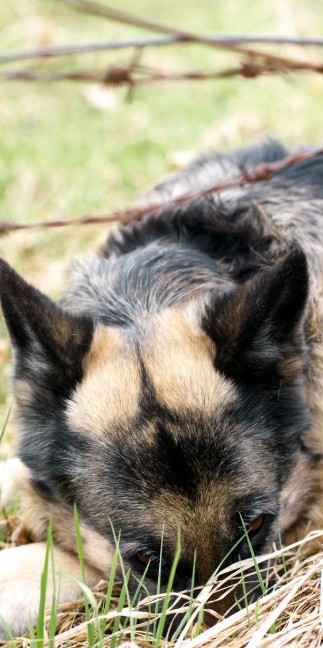
Chronic Stress Reshapes Behaviour Ongoing cortisol exposure lowers resilience disrupts sleep digestion and learning while increasing reactivity withdrawal and reduced recovery from everyday events.

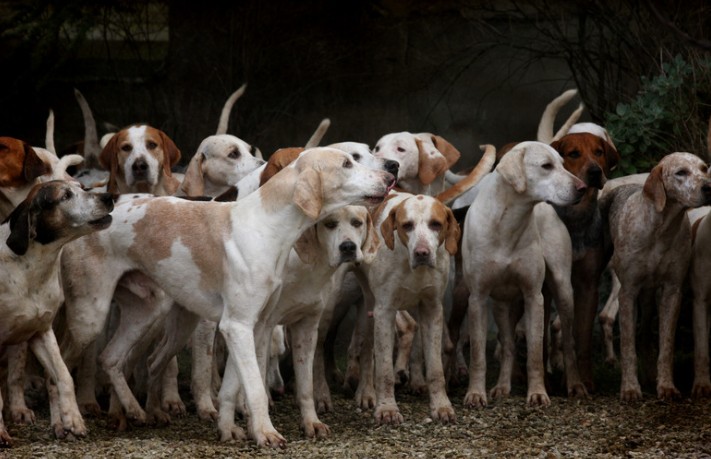
Safety Restores Regulation Through predictable routines emotional security and NeuroBond aligned support the stress system gradually recalibrates allowing calm flexibility and healthy behaviour to return. 🐾
Sleep, Recovery, and the Nightly Reset Your Dog Might Be Missing
Sleep is where the body does its repair work, and chronic stress quietly sabotages it.
Normally, cortisol should be at its lowest overnight, allowing deep, restorative sleep. But under chronic activation, that nighttime dip often disappears — cortisol stays elevated, sleep becomes fragmented, and the deep, restorative phases of sleep are cut short.
The downstream effects compound quickly:
- Emotional regulation becomes harder during the day
- Cognitive sharpness declines further
- Immune function weakens
- Pain sensitivity increases
- Behavioral flexibility — the ability to adapt and cope — continues to shrink
This is why a tired-looking dog who still seems wired and unable to settle isn’t experiencing a contradiction. They may be sleep-deprived and hyperaroused at the same time — a classic chronic stress pattern. Supporting a predictable, calm wind-down routine and a low-stimulation sleep environment can be one of the highest-leverage interventions available, often more impactful than adding extra exercise.
This week, you could:
- Set a consistent “lights down” wind-down routine in the 30 minutes before your dog’s usual bedtime
- Reduce evening stimulation — save high-energy play and visitors for earlier in the day
🧠 The Chronic Stress Cycle in Dogs
From a healthy alarm system to whole-body dysregulation — 8 phases of how cortisol reshapes your dog’s brain, behavior, and health 🐾
Phase 1: Acute Activation
The two-pathway alarm system
A stressor triggers two systems at once: the SAM axis (adrenaline, within seconds) and the HPA axis (cortisol, building over minutes to hours). Together they prepare the body for fight, flight, or focus.
• Elevated heart rate and rapid breathing
• Dilated pupils, alertness, sharpened focus
• A quick return to baseline once the stressor passes
This is healthy stress at work. Don’t intervene with every startle — a dog who shakes it off and resets within minutes is showing a well-regulated nervous system in action.
Phase 2: The Tipping Point
When acute stress becomes chronic
Repeated, unpredictable, or uncontrollable stressors desensitize the negative-feedback loop that should switch cortisol off. Baseline cortisol creeps upward, even without an active stressor present.
• Appetite, sleep, or playfulness shifting gradually
• Slower recovery after minor surprises
• A dog who “melts down” at smaller and smaller triggers
A sudden, unexplained “calming down” can be learned helplessness, not progress — the dog has stopped signaling distress because it never changed the outcome.
Phase 3: Brain Reshaping
Amygdala up, prefrontal cortex down
Chronic cortisol enlarges and hyperactivates the amygdala (threat detection) while weakening the prefrontal cortex (impulse control and context). The result: faster reactions, slower thinking.
• Startling at minor sounds or movements
• Reading neutral situations as threatening
• Quick escalation from calm to reactive
Growling or snapping is rarely “dominance” — it’s a dysregulated nervous system. Through the NeuroBond approach, the goal shifts from correcting the reaction to restoring the safety underneath it.
Phase 4: Learning Under Load
Why training plateaus aren’t always stubbornness
The hippocampus — the brain’s learning and memory center — can physically shrink under chronic cortisol exposure, slowing new learning and weakening previously solid behaviors.
• Slower uptake of new cues
• “Forgetting” known behaviors in certain contexts
• Reduced focus despite high motivation
Shorter, simpler, lower-pressure sessions rebuild trust in small wins — and the good news is this impairment is reversible once cortisol load comes down.
Phase 5: Disrupted Recovery
When the nightly reset breaks down
Healthy cortisol dips at night to allow deep, restorative sleep. Under chronic stress, that nighttime dip flattens — sleep fragments and the deep phases needed for repair shrink.
• A dog who looks tired but can’t settle
• Frequent waking through the night
• Daytime sleepiness despite “enough” hours
A predictable wind-down routine and low-stimulation sleep space often outperform extra exercise as a calming strategy.
Phase 6: Allostatic Load
When the body pays the price
Allostatic load is the cumulative wear-and-tear of constant adaptation. Left unmanaged, it shows up as metabolic strain, immune suppression paired with chronic inflammation, and heightened pain sensitivity.
• Unexplained digestive upset
• Slower wound healing or recovery from illness
• Increased sensitivity to discomfort or pain
Don’t dismiss behavior change as “just behavioral” — rule out pain or illness with a vet before assuming the cause is purely psychological.
Phase 7: Predictability as Medicine
The single most powerful environmental lever
Dogs who can anticipate events and exercise some control over outcomes show smaller cortisol responses and faster recovery — even when the number of stressors stays the same.
• Calmer behavior with consistent meal, walk, and rest timing
• Increased confidence when given safe choices
• Reduced hypervigilance in stable routines
The Invisible Leash reminds us that awareness and structure, not tension or control, are what guide a dog back to calm.
Phase 8: The Bidirectional Bond
You are part of your dog’s regulation system
Long-term stress markers in dogs and their owners are genuinely synchronized. Calm, regulated caregiving lowers a dog’s baseline cortisol; petting and bonding raise oxytocin in both species at once.
• A dog who settles faster when you’re calm
• Reduced reactivity during separations after gentle contact beforehand
• Mutual de-escalation during shared quiet moments
Moments of Soul Recall — where a dog remembers what safety with you feels like — often do more for lasting regulation than any single correction or cue.
🐕 How Stress Shows Up Differently by Breed Type
Bred for intense environmental awareness. Lower threshold for overstimulation — stress often reads as “high energy” rather than dysregulation.
Bred for independent threat assessment. Chronic stress often shows as increased suspicion of the unfamiliar, sometimes mistaken for territorial aggression.
Restricted airways mean less physiological buffer before distress sets in — and panting can’t reliably be used as a stress signal.
High drive can mask stress for longer — these dogs may keep performing while quietly accumulating significant allostatic load.
• Acute stress resolves within 30–90 minutes once the trigger is gone
• Chronic stress persists across days/weeks with no full return to baseline
• 3+ signs (appetite, sleep, digestion, reactivity, withdrawal) lasting 2+ weeks = worth investigating
• “Too calm, too fast” after a known stressor can signal learned helplessness, not recovery
A stressed nervous system isn’t a behavior problem to correct — it’s a body asking for structure, safety, and predictability. Through the NeuroBond approach, trust becomes the foundation that allows the body to finally exhale. The Invisible Leash reminds us that calm is built through awareness, not control. And every Soul Recall moment — every time your dog remembers what safety with you feels like — is a small step back toward balance.
© Zoeta Dogsoul – Where neuroscience meets soul in dog training
Training & Education: Working With the Stressed Nervous System, Not Against It
Once you understand what’s happening physiologically, training takes on a different shape. The usual question — “how do I get this behavior to stop?” — often needs to become “what does this nervous system need in order to have the capacity to respond differently?”
A few practical shifts make a meaningful difference:
Lower the threshold before asking for more. A dog whose amygdala is already on high alert has very little prefrontal capacity left over for thinking through a cue. Training sessions held in calmer, more predictable environments — rather than pushing into chaotic or overstimulating settings — give the brain a fairer chance to actually learn rather than simply react.
Shorten and simplify. Multi-step tasks and long sessions ask a lot of a brain that’s already working overtime just to regulate basic arousal. Short, successful repetitions build confidence and slowly restore the dog’s trust in their own ability to get things “right,” which itself helps calm the system.
Build in genuine choice. Giving a dog small, safe decisions — which path to walk, when to approach a new person, whether to engage with an obstacle — restores a sense of control that chronic stress tends to strip away. Predictability paired with agency is a particularly powerful combination for nervous system recovery.
Watch for displacement behaviors as information, not disobedience. A dog who suddenly starts sniffing the ground mid-session, scratching, or shaking off isn’t being difficult — they’re signaling that arousal has tipped past what they can comfortably process. Pausing here, rather than pushing through, tends to produce far better long-term results.
Expect non-linear progress. Because learning itself is impaired under chronic stress, setbacks and plateaus are common and don’t necessarily mean the approach is wrong. As cortisol regulation improves — through better sleep, more predictability, and a calmer relational tone — many dogs show training breakthroughs that seemed impossible just weeks earlier.
This is where the NeuroBond approach becomes most visible in everyday practice: progress comes not from demanding more discipline from an overwhelmed dog, but from rebuilding the trust and physiological safety that makes real learning possible again. 🐾
🐾 Another example worth sharing: A young herding-mix client was labeled “stubborn” after weeks of stalled recall training — he simply stopped responding once outdoor distractions appeared. Rather than increasing correction intensity, the approach shifted toward shortening sessions, training in lower-distraction settings first, and rewarding small moments of voluntary check-in. Within two weeks, his “stubbornness” resolved almost entirely — what had actually been happening was a brain too overloaded by environmental stimulation to access previously learned behavior. The recall hadn’t been lost; it had simply become temporarily inaccessible under stress.
This week, you could:
- Move one training session to your dog’s calmest time of day and lowest-distraction location
- Reward the very first sign of voluntary attention, rather than waiting for the “full” behavior
Nutritional Recommendations for Stress Resilience
What goes into your dog’s bowl plays a genuine role in how their body handles stress — not as a cure, but as foundational support for an already taxed system.
Be mindful of carbohydrate quality. Adult dogs naturally have lower lactase and sucrase activity than puppies, meaning lactose and sucrose are more likely to escape digestion and ferment in the large intestine. Under chronic stress, when digestion is already suppressed as part of the stress response, this can contribute to bloating and gastrointestinal upset — adding yet another physiological burden onto an already overloaded system. Favoring easily digestible, lower-lactose and lower-sucrose options can help reduce this added strain.
Prioritize quality protein. Chronic stress increases protein breakdown in the body. Adequate, high-quality protein supports muscle maintenance and supplies amino acids — including tryptophan, a building block for serotonin — that play a role in mood regulation.
Don’t overlook micronutrients. B vitamins, magnesium, zinc, and antioxidants are depleted during chronic stress and are needed for healthy HPA axis function.
Support the gut-brain connection. The gut microbiome communicates directly with the stress response system. Since dysbiosis (an imbalanced gut) is both a cause and a consequence of chronic stress, prebiotic and probiotic support can help break this cycle from the inside out.
🧡 A quick takeaways list for stress-supportive nutrition:
- Choose easily digestible carbohydrate sources
- Prioritize high-quality, complete protein
- Consider micronutrient support during periods of known stress (vet visits, moves, new household members)
- Support gut health with appropriate pre/probiotics
- Keep mealtimes predictable — routine itself is a stress buffer
This week, you could:
- Check your dog’s current food for high lactose or sucrose content if digestive upset has been an issue
- Set fixed meal times for the next seven days and notice any shifts in appetite or settledness
Exercise: The Double-Edged Sword
Exercise is often the first recommendation people reach for when a dog seems anxious or wound-up, and for good reason — appropriate, moderate exercise genuinely lowers baseline cortisol, improves sleep quality, and supports mood.
But there’s a nuance worth understanding: a dog who is already in a state of chronic stress doesn’t always benefit from more intensity. Excessive or high-arousal exercise can actually add to the allostatic burden — increasing physiological demand at a time when the body desperately needs recovery, not additional output.
The goal isn’t more exercise. It’s matched exercise — activity calibrated to your dog’s current state and recovery capacity. For a dog already running on empty, a calm sniff-focused walk often does more good than a high-intensity fetch session. Gentle movement, gradual reintroduction of structure, and genuine rest periods tend to outperform “tiring them out” as a strategy when chronic stress is in the picture.
This week, you could:
- Replace one high-intensity session with a slow, sniff-led decompression walk
- Notice whether your dog seems calmer or more wound up after exercise, and adjust intensity accordingly
Health Concerns: Understanding Allostatic Load
There’s a useful concept from stress physiology called allostatic load — essentially, the cumulative wear and tear that builds up when a body has to keep adapting to ongoing demands without adequate recovery.
Two dogs can face the exact same stressor and accumulate that load very differently, depending on factors like genetic predisposition, early development, learned coping strategies, nutrition, fitness, and — importantly — how much predictability and control they experience in daily life.
Left unaddressed, this cumulative burden has real downstream health consequences:
- Metabolic effects: Insulin resistance, shifts toward fat storage, and muscle/bone weakening from ongoing protein breakdown
- Immune paradox: Chronic stress suppresses certain immune functions (lower vaccine response, slower wound healing) while simultaneously increasing chronic low-grade inflammation elsewhere in the body
- Pain sensitivity: Chronic stress and chronic pain feed into each other — stress increases pain sensitivity, and pain elevates cortisol, creating a difficult cycle to break without intervention
This is why chronic stress should never be dismissed as “just behavioral.” It’s a whole-body condition with measurable physiological consequences, and treating only the surface behavior without addressing the underlying load rarely produces lasting change.
How Is Cortisol Actually Measured?
If you’re curious whether testing might help confirm what you’re observing, it helps to know what’s actually available:
- Saliva testing: Non-invasive and relatively accessible, but it only captures a single snapshot in time. A calm moment during collection can make stress look lower than it really is, so timing matters.
- Blood testing: More precise, typically done through a vet, but the process of drawing blood is itself mildly stressful — which can temporarily skew results.
- Hair cortisol concentration (HCC): Reflects cortisol output over several months, making it one of the best available measures of chronic, cumulative stress rather than a single moment. It’s non-invasive and increasingly used in research settings.
- Fecal cortisol metabolites: Captures roughly a 24-hour window without the stress of a vet visit, though results take longer to come back.
No single test offers a definitive “stress score” — there’s significant individual variation in normal cortisol ranges, and results are most useful when interpreted alongside behavioral observation by a vet or qualified professional, not read in isolation.
This week, you could:
- If chronic stress is suspected, ask your vet whether hair cortisol testing is available or worth pursuing alongside a general health check
- Avoid drawing conclusions from a single “snapshot” measurement — track patterns over time instead
Breed-Specific Stress Sensitivity: Why Your Dog’s History Matters
Not every dog experiences stress the same way, and breed background plays a real role in how sensitive a dog’s nervous system tends to be — and how stress shows up behaviorally.
- Herding breeds (Border Collies, Australian Shepherds, Corgis, and similar) were bred for intense environmental awareness and rapid reactivity to movement. This can mean a lower threshold for overstimulation and a tendency toward hypervigilance under chronic stress — frequently mistaken for “high energy” rather than dysregulation.
- Guardian breeds (Anatolian Shepherds, Cane Corsos, many livestock guardian types) were bred for independent threat assessment. Chronic stress in these breeds often shows up as increased suspicion of unfamiliar people or situations, or a narrowing of what feels “safe” — sometimes misread as territorial aggression rather than stress-driven vigilance.
- Brachycephalic breeds (French Bulldogs, Pugs, Boston Terriers) face an added physiological layer: restricted airways already place extra demand on the body, meaning these breeds may have less physiological “buffer” before stress responses tip into genuine distress — and panting or breathing changes can be harder to use as a stress indicator since they occur for other reasons too.
- Working and sporting breeds (Labradors, working-line Shepherds, Spaniels) often have high drive and a strong work ethic, which can mask underlying stress for longer — these dogs may keep performing and engaging even while accumulating significant allostatic load underneath.
This isn’t about assigning blame to genetics — it’s about recognizing that the same external stressor can land very differently depending on what your dog was bred to notice, guard, or respond to. Understanding your dog’s breed tendencies can help you read their specific stress language more accurately, rather than comparing them to a generic standard. 🐾
Stress Across Life Stages: Puppies, Adults, and Senior Dogs
Cortisol regulation and recovery capacity aren’t static — they shift meaningfully across a dog’s life.
Puppies: The HPA axis is still developing in early life, and puppies generally have a reduced capacity to buffer stress compared to adults. Early experiences during this period have an outsized influence on lifelong stress reactivity — this is part of why gentle, well-managed socialization (rather than flooding) matters so much. A puppy’s nervous system is, quite literally, being calibrated by what it experiences now.
Adult dogs: This is typically the period of greatest resilience and fastest recovery, assuming a stable history. However, adult dogs are also the group most likely to accumulate chronic stress unnoticed, since they’re expected to “handle” daily life independently, and subtle signs can be written off as personality rather than physiology.
Senior dogs: Aging is associated with reduced HPA axis flexibility — both the stress response itself and the recovery process afterward tend to slow down. Senior dogs may also be managing chronic pain, sensory decline, or cognitive changes simultaneously, all of which can elevate baseline stress and make recovery from even mild stressors take noticeably longer. What looks like new “crankiness” or anxiety in an older dog is often a nervous system working with less reserve than it once had.
Recognizing where your dog sits in this spectrum can change how you interpret their behavior — a recovery timeline that would be unremarkable in a two-year-old dog might be entirely normal, not a regression, in a ten-year-old one.
Lifestyle & Environment: Why Predictability Matters More Than You’d Think
If there’s one single lever with outsized power over your dog’s stress physiology, it’s predictability.
Research consistently shows that a dog’s ability to anticipate what happens next — and to feel some sense of control over outcomes — dramatically reduces stress reactivity, even when the absolute number of stressful events stays the same. A dog in an unpredictable environment can develop chronic stress even with relatively few major stressors, simply because uncertainty itself is taxing.
Building predictability into daily life:
- Consistent timing for meals, walks, training, and rest
- Clear, calm communication patterns rather than unpredictable emotional shifts
- Opportunities for genuine choice — access to safe spaces, the ability to disengage from something uncomfortable, agency within training rather than pure coercion
- A stable, emotionally regulated presence from the people around them
This last point connects to something profound: your own emotional state matters more than you might expect. Dogs are remarkably attuned to the people they live with, and research increasingly shows that owner stress and dog stress are genuinely linked — not metaphorically, but physiologically, through measurable long-term stress markers. When you’re consistently calm and regulated, your dog has an easier time finding that same state. When your own stress is high and unpredictable, your dog often absorbs more of that than we realize.
This is the essence of what we mean by structural calm: it isn’t something you perform for your dog, it’s something your dog reads directly from your nervous system. Moments of genuine reconnection — a calm walk, quiet time together, intentional touch — aren’t just nice extras. They’re physiological interventions, often more powerful than any single training technique. A flash of Soul Recall, where a dog remembers what safety with you actually feels like, can do more for long-term regulation than weeks of corrections ever could. 🐾
This week, you could:
- Pick one daily routine (feeding, walk timing, or bedtime) and commit to keeping it consistent for seven straight days
- Build in one small moment of genuine choice for your dog today — which direction to walk, when to approach something new
The Bigger Picture: A Two-Way Relationship
Perhaps the most striking research in this area shows that stress regulation between dogs and their people isn’t one-directional — it’s a genuine feedback loop. Long-term stress markers in dogs and their owners tend to move together over time. When owners interact warmly with their dogs — through petting, calm play, or simple presence — both species show measurable hormonal shifts: cortisol tends to decrease, while oxytocin, the bonding hormone, tends to rise.
This works both ways. Dogs from harder backgrounds show greater stress reduction specifically when their owner is present and engaged during a challenging moment. Even something as simple as petting a dog before a stressful event — like a brief separation — can have a measurable calming effect that carries forward.
What this tells us is genuinely hopeful: you are not a bystander in your dog’s stress story. You are an active part of their regulation system, and small, consistent acts of calm connection are doing real physiological work, even when they don’t feel dramatic.
Did you know that simply petting a dog you’re bonded with can lower your own cortisol while raising your dog’s oxytocin at the same time? The benefit genuinely runs in both directions — which is part of why this relationship is so often described as a partnership rather than a one-way responsibility. 🧡
Where to Start: Your First Steps This Week
With so much information covered, it can help to narrow things down to a true starting point rather than trying to change everything at once:
- Take the self-check above and get an honest baseline score
- Pick just one routine to make more predictable this week — meals, walks, or bedtime
- Book a vet visit if any physical symptoms have gone unexamined
- Choose one “this week” action from the sections above that feels most realistic for your household right now
- Keep a simple daily log of appetite, sleep, and energy so you can track real change over time
Small, consistent shifts — not a complete overhaul — are what move the needle here. 🐾
Conclusion: Is Your Dog Carrying More Than You Realized?
If you’ve read this far and recognized your own dog in some of these descriptions — the unsettled energy, the training plateau that doesn’t make sense, the digestive issues with no clear cause, the moments of “calm” that feel a little too still — please know this: you’re not imagining it, and it’s not a character flaw in your dog.
Chronic stress is real, measurable, and deeply influential on behavior, learning, and health. But it’s also responsive to change. Predictability, appropriate nutrition, matched exercise, restorative sleep, and — perhaps most powerfully — your own steady, regulated presence can genuinely shift your dog’s physiology over time.
Next, we’ll explore practical, step-by-step ways to build that predictability into a busy household — because understanding the science is only the first part of the journey. The second part is putting it gently into practice, one calm day at a time. That balance between science and soul — that’s the essence of Zoeta Dogsoul. 🧡










