

Introduction: Understanding the Hidden Language of Urban Canines
Have you ever wondered what drives a street dog to claim a particular alley, park bench, or neighborhood corner as their own? The invisible boundaries that shape urban canine life tell a story far more complex than we might imagine. These free-roaming dogs—often called village dogs, street dogs, or community dogs—navigate our cities using sophisticated territorial codes that blend ancient canid instincts with modern urban adaptation.
Understanding how free-roaming dogs establish and defend their territories isn’t just an academic exercise. It’s a crucial step toward building harmonious coexistence between humans and these resilient animals who share our streets. From the bustling markets of urban India to the residential neighborhoods of Latin America, these dogs have developed intricate systems of spatial organization that directly impact public health, animal welfare, and urban planning.
Let us guide you through the fascinating world of street dog territoriality, where neurobiology meets urban ecology, and where understanding can transform conflict into coexistence. Next, we’ll explore how these remarkable animals map their world through the resources our cities provide.
Spatial Behavior: How Street Dogs Map Their Urban World
Home Range and the Human Connection
Free-roaming dogs don’t establish territories randomly. Their spatial behavior is intimately tied to one primary factor: us. These dogs organize their lives around human dwellings, waste sites, and the predictable rhythms of our daily routines. Research using GPS tracking has revealed something remarkable—the most preferred resources for street dogs are entirely anthropogenic, including buildings, roads, and waste disposal areas.
Think of it this way: where we build, they adapt. Where we discard, they forage. This dependency creates a unique form of territory that’s less about defending a patch of wilderness and more about securing access to human-generated resources. Studies across rabies-endemic countries have consistently shown that street dogs prioritize proximity to human activity, even when this comes with risks.
Key anthropogenic resources that shape street dog territories:
- Waste disposal sites – Markets, restaurants, and residential garbage areas provide concentrated, predictable food sources that become territorial anchors
- Building structures – Abandoned buildings, covered porches, and architectural overhangs offer shelter from weather and safe denning sites
- Road networks – Streets and alleys serve as movement corridors and territorial boundaries, with dogs learning traffic patterns for safe navigation
- Water sources – Public fountains, drainage areas, and water features become essential territory components, especially in warmer climates
- Human feeding stations – Locations where compassionate residents regularly provide food become high-value territorial centers
The survival strategy of denning close to humans reveals an important behavioral adaptation. Despite facing high mortality rates from traffic, culling, and disease, these dogs consistently choose to establish their core territories near human settlements. This isn’t mere coincidence—it’s a calculated trade-off between risk and resource availability that has allowed street dog populations to persist across diverse urban landscapes.
Observable signs that a street dog has established territory in your area:
- Consistent presence – You notice the same dog or group in the same location at predictable times throughout the week
- Preferred resting spots – Specific corners, building entrances, or shaded areas are repeatedly occupied by the same individuals
- Patrol patterns – Dogs follow recognizable routes through the neighborhood, checking key locations in sequence
- Marking behavior – Increased sniffing and urination at vertical surfaces like poles, corners, and trees along regular pathways
- Defensive responses – Dogs show alertness or mild reactive behavior when unfamiliar dogs enter their established area
Resource Distribution Shapes Territory Size
The availability of food and shelter doesn’t just influence where street dogs live; it fundamentally determines the size and structure of their territories. In areas with abundant waste and feeding stations, territories tend to be smaller and more densely packed. Conversely, in resource-poor environments, dogs must range more widely, creating larger but less defended home ranges.
This dynamic has profound implications for population management. Research suggests that in regions with low resource availability and high abandonment rates, sterilization programs alone may fail to control populations. Why? Because the territorial system itself is driven by resource distribution. Remove one dog from a resource-rich area, and another will quickly fill that ecological niche. This means effective management must address both the dogs and the environmental factors that sustain them. 🐾
Urban Infrastructure as Territorial Framework
Streets, alleys, parks, and marketplaces aren’t just human spaces—they’re the structural framework upon which street dogs build their territorial maps. The configuration of urban infrastructure directly shapes how these animals move, rest, and interact. Dogs learn to use pedestrian patterns, traffic flows, and the rhythm of market hours to optimize their foraging routes while minimizing risk.
Rapid urbanization creates new territorial challenges and opportunities. As cities expand and change, street dogs must constantly adapt their spatial strategies. Protected green spaces within metropolises can become territorial hotspots, while industrial zones might serve as buffer areas between established dog groups. Understanding this interplay between urban planning and canine spatial behavior is essential for creating cities that work for all inhabitants—human and canine alike.
Social Organization: The Complex Society of Free-Roaming Dogs
Flexible Social Structures in Urban Settings
One of the most fascinating discoveries about street dogs is that their social organization is remarkably flexible. Unlike their wolf ancestors who live in relatively stable family packs, urban free-roaming dogs display a spectrum of social arrangements—from solitary individuals to loose affiliations to more structured groups with recognizable hierarchies.
What determines whether a street dog lives alone or joins a group? Research from extensive population studies in urban India reveals something surprising: being social is often a matter of choice, not chance. Dogs make strategic decisions about when to associate with others, particularly around foraging opportunities. This flexibility allows them to adapt to changing resource availability and social dynamics in ways that rigid pack structures couldn’t accommodate.
Factors influencing whether street dogs choose solitary or group living:
- Resource abundance – When food is plentiful and easily accessible, dogs may opt for solitary foraging to avoid competition and sharing
- Resource concentration – Clustered resources like busy markets favor group living for cooperative defense against competitors
- Individual temperament – Some dogs naturally prefer social interaction while others thrive independently, reflecting personality differences
- Previous social experience – Dogs with positive group experiences or those raised in social settings tend toward affiliative behavior
- Competition pressure – High dog density in an area may push some individuals toward solitary strategies to avoid constant conflict
- Reproductive status – Females with puppies often seek group protection, while males may increase solitary behavior outside breeding seasons
Humans are integral to the social network of street dogs. Regardless of whether a dog inhabits a high-traffic commercial zone or a quiet residential area, humans form a crucial part of their interaction landscape. This human-dog interface creates a social environment unlike anything seen in wild canid populations. Dogs must navigate not only their relationships with other dogs but also maintain complex associations with the humans who may feed them, tolerate them, or chase them away.
Dominance Hierarchies and Territory Defense
When street dogs do form groups, they often establish dominance hierarchies that govern access to resources and coordinate territorial defense. These hierarchies aren’t necessarily as rigid as those in wolf packs, but they serve important functions in reducing conflict and organizing group behavior.
Through the NeuroBond approach, we understand that these social structures are maintained through subtle communication—body postures, vocalizations, and ritualized displays that allow dogs to negotiate status without constant physical confrontation. A confident stance, a direct gaze, or control over a prime resting spot can communicate dominance more effectively than aggression.
Communication signals that maintain hierarchy without conflict:
- Spatial positioning – Higher-status dogs occupy elevated resting spots, prime locations, and control access points to resources
- Gaze patterns – Dominant individuals maintain direct eye contact while subordinates avert their gaze or approach with soft, indirect looks
- Body carriage – Confident, upright posture with tail held high signals status, while lower tail carriage and slightly crouched positions show deference
- Resource priority – Higher-ranking dogs access food first, choose resting areas first, and receive grooming attention from group members
- Movement patterns – Subordinate dogs often yield pathways, step aside, or alter their route when encountering higher-status individuals
- Play initiation – While play occurs across ranks, higher-status dogs typically control when play starts and stops
Communal defense of territory occurs when a group collectively responds to intrusions by unfamiliar dogs or perceived threats. This doesn’t always mean overt aggression. Often, the mere presence of a cohesive group is enough to deter intruders. The dogs might increase their marking behavior, alter their movement patterns to patrol boundaries more frequently, or engage in coordinated displays that signal occupancy.

The Role of Resource Dispersion
The Resource-Dispersion Hypothesis offers a powerful framework for understanding street dog social organization. This ecological principle suggests that animal territories and group structures are shaped by how resources are distributed in space and time. For urban street dogs, this means their social choices are intimately connected to the pattern of waste disposal, feeding stations, and shelter availability.
When resources are clustered—like a busy market with predictable food scraps—you might find stable groups of dogs who cooperate to maintain access to this valuable area. When resources are scattered—like residential neighborhoods where feeding is sporadic—dogs might adopt more solitary strategies or form loose, temporary associations. This relationship between resource distribution and social organization has profound implications for how we manage urban dog populations and structure our cities. 🧠
The Human-Dog Interface: Navigating Shared Urban Spaces
How Human Behavior Shapes Canine Territories
Every time you throw away food waste, every feeding station established by compassionate residents, every decision about whether to confine a pet dog—these human actions ripple through the territorial landscape of street dogs. Our behaviors don’t just influence where dogs go; they fundamentally determine the structure and dynamics of urban canine populations.
Human behaviors that directly alter street dog territorial patterns:
- Waste management practices – Leaving garbage bags on streets, irregular collection schedules, and unsecured bins create concentrated feeding sites that attract territorial establishment
- Intentional feeding – Regular feeding by residents, even with good intentions, establishes predictable resources that dogs defend as territory
- Pet confinement decisions – Allowing owned dogs to roam freely blurs territorial boundaries and increases competition for resources
- Construction and renovation – Urban development displaces established territories, forcing dogs to compete for new spaces or compress into smaller areas
- Water provision – Leaving out water bowls, maintaining fountains, or creating drainage areas becomes territorial infrastructure
- Shelter tolerance – Allowing dogs to rest under porches, in parking structures, or on property creates stable denning sites that anchor territories
- Active displacement – Chasing dogs away, removing resting materials, or blocking access routes forces territorial reorganization and can increase conflict
Cities with poor waste management practices often see higher concentrations of street dogs. The increased urbanization in Iranian cities, for example, has been directly linked to rises in free-roaming dog populations, with waste handling practices playing a central role. Similarly, research across urban fragments consistently shows that dog presence correlates strongly with human demographics and waste disposal methods.
Dog ownership practices create territorial complexity that many people don’t recognize. Studies in Chile found that 37% of households didn’t confine their dogs, and 41% of surveyed dogs were free-roaming at least part of the time. These semi-confined or pet dogs that roam contribute to the territorial landscape, creating a blurred boundary between “owned” and “street” dog populations that complicates management efforts.
Zones of Conflict and Coexistence
The overlap between human activity spaces and dog territories inevitably creates friction points. Street dogs pose legitimate public health concerns—zoonotic disease transmission, dog bites, and compromised feelings of safety in public spaces. These aren’t abstract worries; they’re daily realities for millions of urban residents worldwide.
Understanding territorial behavior helps explain why certain areas become conflict hotspots. High-traffic zones where dogs have established territories can lead to more frequent negative encounters. Dogs defending their perceived territory may display threatening behaviors toward passersby. Conversely, areas where dogs feel secure and resources are adequate tend to have calmer, less reactive dog populations.
The invisible network of territories means that what looks like a simple sidewalk to a human might be the boundary between two dog groups, a preferred resting area, or a crucial corridor for movement. When humans inadvertently disrupt these patterns—by blocking access routes, removing shelter, or concentrating waste in new locations—we can trigger unpredictable behavioral responses and increased human-dog conflict.
Public Health Implications of Territorial Patterns
The territorial behavior of street dogs has direct consequences for public health outcomes. Free-roaming domestic dogs remain the primary vector for rabies transmission to humans worldwide. Understanding where dogs concentrate, how they move, and how different groups interact is fundamental to designing effective vaccination campaigns and disease prevention strategies.
Beyond rabies, street dogs pose risks for other zoonotic diseases including leishmaniasis and echinococcosis. The concentration of dogs in certain territorial zones can lead to environmental contamination with feces, increasing transmission risks for humans, particularly children who play in these areas. Research has shown elevated viral prevalence, richness, and abundance in free-roaming dogs, especially those with higher wildlife contact, suggesting they can serve as intermediary hosts for pathogens of medical importance.
Zoonotic disease risks amplified by territorial behavior patterns:
- Rabies transmission – Territorial defense increases bite incidents when dogs protect resources or boundaries from perceived threats, including humans
- Echinococcosis – Concentrated fecal contamination in preferred marking areas and resting sites creates environmental reservoirs of parasite eggs
- Leishmaniasis – Territorial clustering brings dogs into sustained contact with sandfly vectors, with stable groups facilitating disease cycling
- Leptospirosis – Shared water sources within territories and contaminated marking areas along waterways increase bacterial exposure
- Toxocariasis – Children playing in parks or playgrounds that overlap with dog territories face elevated risk from contaminated soil
- Viral diseases – Social groups within territories enable efficient transmission of canine distemper, parvovirus, and potentially zoonotic influenza variants
Territorial knowledge enables targeted interventions. By identifying high-risk subpopulations—dogs that occupy central positions in contact networks or territories that overlap heavily with human activity—public health officials can implement more efficient vaccination programs. This targeted approach could reduce the coverage needed for disease elimination while increasing campaign success rates. The Invisible Leash reminds us that effective management comes through understanding, not force, and that awareness of these territorial patterns guides more humane and effective public health strategies. 🧡
Adaptive. Rooted. Resilient.
Territory mirrors survival. Street dogs map cities through human patterns—where we eat, they feed; where we shelter, they rest. Their boundaries aren’t fences but invisible lines drawn around resources and rhythm.
Conflict is communication. Barking, posturing, or patrolling aren’t random acts—they’re negotiations within an ancient social code adapted to asphalt. Territory isn’t aggression; it’s order in chaos.
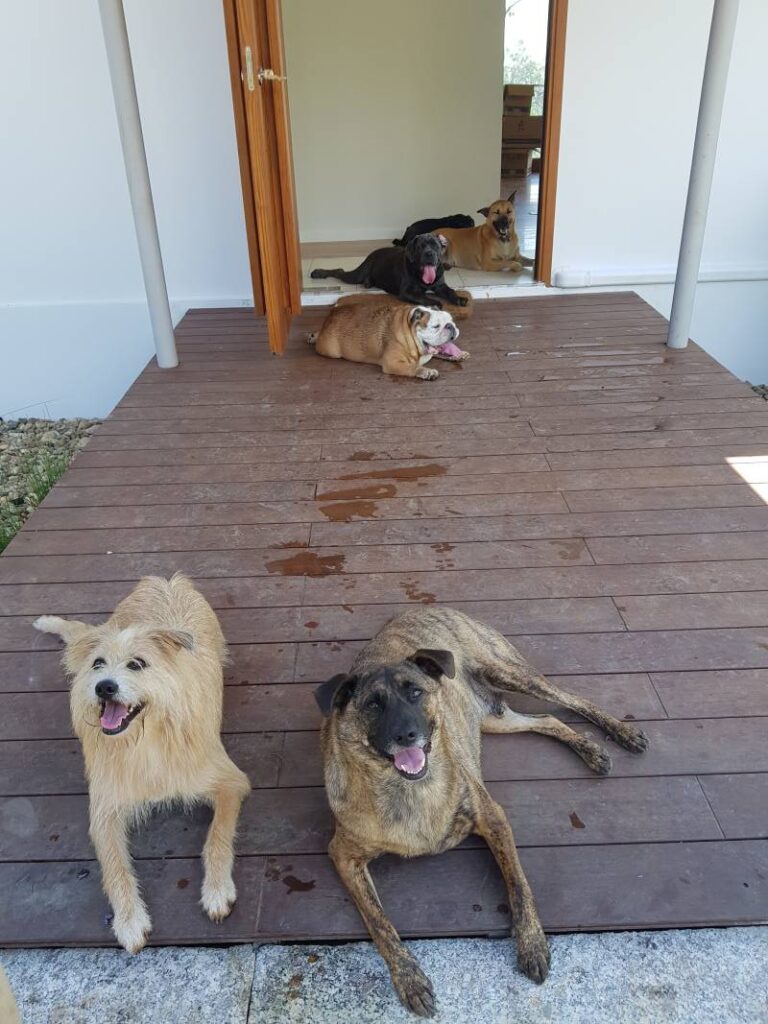
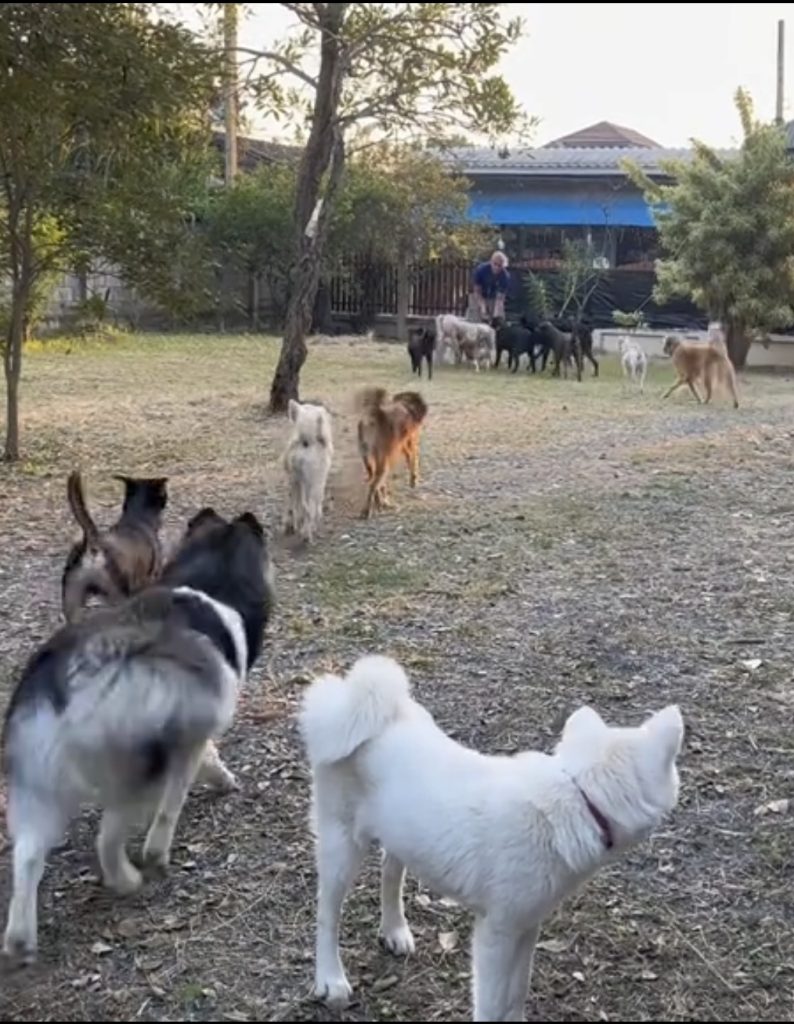

Harmony begins with understanding. When urban design respects canine ecology, coexistence replaces control. Recognizing their invisible borders turns confrontation into compassion—and cities into shared ecosystems.
Behavioral Markers: How Dogs Communicate Territory
Physical Marking Systems
While the research on street dogs doesn’t extensively detail every marking behavior, we can draw from general canid ethology to understand how these animals communicate territorial boundaries. Urine marking remains one of the most important tools in a dog’s territorial communication system. The chemical signals in urine carry information about the marker’s sex, reproductive status, health, and even emotional state.
Free-roaming dogs tend to mark vertical surfaces along their patrol routes—trees, poles, building corners—creating a network of scent posts that announce occupancy. The frequency and location of marking increase near territorial boundaries and high-value resources. This olfactory landscape is invisible to humans but provides dogs with a detailed map of who has been where and when.
Fecal marking and strategic defecation serve similar communicative functions, particularly for more dominant individuals within a group. By leaving waste in prominent locations—intersections, entry points to key areas—dogs create both visual and olfactory signals that reinforce territorial claims. The preference for anthropogenic resources means these marking patterns often concentrate along human pathways and near waste sites, invisibly overlaying our urban infrastructure.
Patrol Routes and Temporal Patterns
GPS tracking studies reveal that street dogs develop consistent movement patterns within their territories. These aren’t random wanderings but purposeful patrol routes that allow dogs to monitor their range, access resources, and maintain social connections. Some dogs might circuit through their territory multiple times daily, while others adopt more flexible patterns based on resource availability and social dynamics.
The rhythm of urban life shapes these patterns. Dogs learn when market vendors arrive, when restaurants dispose of waste, when certain areas become quiet enough for safe resting. This temporal dimension of territoriality means that a single physical space might be used differently throughout the day, with territories effectively expanding and contracting based on human activity levels.
Understanding these patrol routes is crucial for humane management. Intervention efforts that disrupt established movement patterns—blocking access points, removing resting areas—can increase stress and potentially trigger more problematic behaviors as dogs struggle to adapt.
🐕 Understanding Street Dogs & Urban Territorial Codes 🏙️
Discover how free-roaming dogs navigate our cities through sophisticated territorial systems—and how understanding these invisible boundaries can transform human-canine coexistence.
🗺️ Territorial Fundamentals: How Street Dogs Map Their World
Resource-Driven Territories
Street dogs don’t establish territories randomly—they organize their lives around human-generated resources. GPS tracking reveals that their most preferred locations are entirely anthropogenic: buildings, waste sites, roads, and feeding areas. Where we build and discard, they adapt and survive.
The Human Connection
Despite facing high mortality risks from traffic and disease, street dogs consistently den close to humans. This calculated trade-off between risk and resource availability has allowed them to persist across diverse urban landscapes for millennia.
Key Territorial Resources:
• Waste disposal sites for predictable food sources
• Building structures offering shelter and denning sites
• Road networks serving as movement corridors
• Water sources like fountains and drainage areas
• Human feeding stations creating territorial anchors
🤝 Social Organization: The Flexible Society of Urban Dogs
Choice-Based Sociality
Research reveals something remarkable: street dog sociality is often a matter of choice, not chance. Dogs make strategic decisions about when to join groups or remain solitary, particularly around foraging opportunities. This behavioral flexibility allows them to adapt to changing urban conditions in ways rigid pack structures couldn’t.
Humans in the Network
Regardless of location—busy markets or quiet neighborhoods—humans form a crucial part of street dogs’ social networks. This creates a social environment unlike anything seen in wild canid populations, where dogs navigate relationships with both other dogs and the humans who may feed, tolerate, or chase them.
Subtle Communication Maintains Hierarchy:
• Spatial positioning—control of prime resting spots
• Gaze patterns—direct eye contact vs. averted looks
• Body carriage—confident posture vs. deference
• Resource priority—who eats first, rests where
• Movement patterns—yielding pathways to higher status individuals
✅ Effective Management: Working With Territorial Behavior
Territorially-Aware Sterilization
Successful programs integrate territorial knowledge by targeting dominant individuals in high-quality territories, sterilizing entire social groups simultaneously, and returning treated dogs to their established territories where they maintain social positions and prevent immigration. This approach preserves territorial stability while controlling reproduction.
Resource Management is Key
The most powerful intervention changes environmental conditions that sustain street dog territories. Improved waste management, secure garbage containers, and strategic feeding station placement can naturally lower territorial carrying capacity—addressing root causes rather than symptoms.
Community Actions That Work:
• Secure waste in covered bins at collection times
• Feed thoughtfully in designated low-traffic areas
• Confine owned pets to reduce territorial competition
• Support catch-neuter-release programs
• Document dog patterns to help welfare interventions
• Advocate for evidence-based policies over culling
⚠️ Critical Concerns: Why Traditional Approaches Fail
The Culling Failure Cycle
Removing dogs from resource-rich territories creates immediate opportunities that neighboring dogs or new arrivals quickly fill. The “vacuum effect” means that if environmental conditions supporting high dog densities remain unchanged, the territory will be reoccupied. This cycle wastes resources while maximizing animal suffering—and never solves the underlying problem.
Public Health Risks
Free-roaming dogs remain the primary vector for rabies transmission worldwide. Territorial clustering also amplifies risks for leishmaniasis, echinococcosis, leptospirosis, and other zoonotic diseases. Understanding territorial patterns enables targeted vaccination and prevention strategies that protect both humans and dogs.
Why Territorial Understanding Matters:
• Prevents the vacuum effect after removals
• Identifies high-risk zones for disease transmission
• Reveals welfare challenges in resource-poor territories
• Guides effective sterilization targeting strategies
• Reduces human-dog conflict through spatial awareness
• Enables humane coexistence over failed culling
⚡ The Territory-Resource Formula
Territory Size = Resource Availability ÷ Competition Pressure
Street dog territories expand and contract based on where humans concentrate food, water, and shelter. High resource density = smaller, defended territories. Low resource density = larger, overlapping ranges. Effective management must address the environmental factors (the numerator) rather than just removing dogs (temporary reduction in the denominator). Change the equation by managing resources, not just populations.
🧡 The Zoeta Dogsoul Perspective
Through the NeuroBond approach, we recognize that sustainable solutions emerge from understanding rather than domination—from working with behavioral systems rather than against them. The Invisible Leash reminds us that effective management comes through awareness and thoughtful design, not forceful exclusion. Street dogs will continue establishing territories in our cities. Our choice is whether those territories create constant conflict or whether, through understanding and community engagement, we foster patterns that work for all urban inhabitants.
That balance between rigorous science and genuine care, between population management and individual welfare, between human needs and animal dignity—that’s where transformation happens.
© Zoeta Dogsoul – Where neuroscience meets soul in dog training
Vocalization and Social Signaling
While specific research on street dog vocalizations in territorial contexts is limited, we know that barking, howling, and other vocal communications play important roles in canine territoriality. Barking can serve as an alarm system, alerting group members to intruders or threats. Howling might function to maintain group cohesion across distance or reinforce territorial boundaries through auditory signals.
The acoustic landscape of urban areas presents unique challenges. Background noise from traffic, construction, and human activity can mask vocal signals, potentially forcing dogs to rely more heavily on visual and olfactory communication. Yet dogs are remarkably adaptive, and many have learned to modulate their vocalizations for urban environments—barking at different frequencies or intensities to cut through ambient noise. 🐾
Welfare Implications: The Cost of Territorial Life
Health Burdens and Environmental Stressors
Life as a free-roaming urban dog comes with significant welfare challenges that are often directly connected to territorial behavior. The need to patrol territories, defend resources, and navigate complex social dynamics creates constant physical and psychological demands. Research consistently shows high proportions of street dogs with clinical abnormalities—evidence of the health burden these animals carry.
Territorial competition can lead to injuries from fights with other dogs. The stress of maintaining territories in unstable environments may compromise immune function, making dogs more susceptible to infectious diseases. Zoonotic pathogen prevalence remains notably high in free-roaming populations, affecting both the dogs themselves and posing transmission risks.
Visible indicators of welfare challenges in territorial street dogs:
- Body condition – Prominent ribs, hip bones, and spinal column indicate inadequate nutrition within their territorial range
- Coat quality – Dull, matted, or patchy fur suggests poor health, nutritional deficiency, or chronic stress from territorial competition
- Mobility issues – Limping, stiffness, or reluctance to move may result from injuries sustained during territorial conflicts
- Skin conditions – Mange, wounds, or infections often indicate compromised immune function from chronic stress and poor environmental conditions
- Behavioral signs – Excessive vigilance, reactivity, or withdrawal patterns reveal psychological stress from territorial pressure
- Dental disease – Broken teeth, infected gums, or difficulty eating reflect both age and the harsh reality of scavenging in territories
Nutritional stress varies significantly based on territorial quality. Dogs who control territories rich in reliable food sources may maintain reasonable body condition, while those in resource-poor areas face chronic malnutrition. This inequality in territorial holdings creates stark welfare disparities within urban dog populations—some individuals thrive while others barely survive.
The Psychological Dimension of Street Life
Beyond physical health, the psychological welfare of street dogs deserves attention. While these animals have adapted to urban life, the chronic stressors of territory maintenance, resource competition, and human conflict can impact their emotional wellbeing. Dogs living in high-conflict areas may experience sustained anxiety and hypervigilance.
Moments of Soul Recall—when a dog’s past experiences and emotional memories intersect with present circumstances—shape how individual animals experience territorial life. A dog who learned to trust certain humans might feel secure in residential neighborhoods, while one with a history of persecution might maintain heightened defensive postures even in relatively safe territories.
Social flexibility as a welfare consideration presents an interesting dimension. The fact that street dogs can choose their social arrangements suggests a degree of autonomy that may positively impact welfare. Dogs who feel overwhelmed by group dynamics can opt for more solitary existence, while those who benefit from social support can seek out affiliations. This behavioral plasticity represents an important adaptation to the unpredictable nature of urban life.
Territory Disruption and Welfare Consequences
Urban development, targeted removal programs, and changing resource availability can disrupt established territories, creating welfare concerns that often go unrecognized. When dogs lose access to familiar areas, they experience stress similar to displacement in any territorial animal. They must quickly establish new territories or compete for inclusion in existing groups—processes that increase conflict risk and can lead to injury or death.
The failure of culling programs isn’t just about population dynamics; it’s about welfare too. Removal creates territorial vacuums that trigger destabilization across the social network. Remaining dogs may expand their ranges, leading to new conflicts. New dogs may move into the area from adjacent territories. The entire system enters a period of upheaval that increases stress, disease transmission risk, and negative human-dog interactions. 🧠
Intervention Strategies: Working With Territorial Behavior
Moving Beyond Failed Approaches
For decades, dog culling dominated urban animal management strategies despite overwhelming evidence of its ineffectiveness. Culling has consistently failed to control populations, prevent zoonotic disease transmission, or reduce wildlife predation. Yet it persists in many regions, causing immense suffering while addressing none of the root causes of human-dog conflict.
Why does culling fail? Territorial behavior provides part of the answer. Removing dogs from resource-rich territories simply creates opportunities for new individuals to move in. If the environmental conditions that support high dog densities remain unchanged—abundant waste, feeding by residents, shelter availability—the territory will be reoccupied. This cycle of removal and recolonization wastes resources while maximizing animal suffering.
Why culling fails from a territorial behavior perspective:
- Vacuum effect – Removing dogs from resource-rich territories creates immediate opportunities that neighboring dogs or new arrivals quickly fill
- Resource availability unchanged – The underlying factors attracting dogs (food, water, shelter) remain, so the territory’s carrying capacity stays constant
- Social disruption – Removing individuals destabilizes existing hierarchies, triggering increased competition, conflict, and breeding as groups reorganize
- Accelerated reproduction – Population reduction can remove breeding suppression from dominant animals, allowing previously subordinate individuals to reproduce more frequently
- Immigration pressure – Adjacent territories experience less competition for their own resources, allowing population growth that eventually spills into “cleared” areas
- Loss of site familiarity – Established residents who know safe pathways and low-conflict routines are replaced by newcomers navigating unfamiliar territory, increasing human-dog incidents
- Ethical failure – Beyond practical ineffectiveness, culling causes immense suffering without achieving stated management goals
Behaviorally informed strategies recognize that effective management must address both the dogs and the environmental factors that shape their territorial distribution. This means integrated approaches that combine population control with resource management, community engagement, and urban planning considerations.
Targeted Sterilization Programs
Sterilization programs, particularly catch-neuter-release (CNR) initiatives, offer more humane and potentially more effective alternatives to culling. However, research reveals important nuances. In areas with low resource availability and high abandonment rates, sterilization alone may not sufficiently control populations. The territorial principle applies here too—if food and shelter remain abundant, the environment can continue supporting high dog densities regardless of sterilization efforts.
Targeted approaches show greater promise. By identifying characteristics of dogs and their owners associated with central positions in contact networks—essentially, the most socially connected individuals—vaccination and sterilization efforts can be made more efficient. Understanding territorial structure helps identify these key individuals. The dominant dogs controlling high-quality territories, or those serving as bridges between different social groups, may have disproportionate impacts on population dynamics and disease transmission.
Successful sterilization programs integrate territorial knowledge into their planning. They account for how treated dogs will maintain their territories, preventing unchecked immigration. They time interventions to minimize territorial disruption. They combine sterilization with other management components that address the underlying ecological and social factors driving dog populations.
Elements of territorially-aware sterilization programs:
- Priority targeting – Focus initial efforts on dominant individuals in high-quality territories who actively defend against newcomers, maintaining post-sterilization territorial stability
- Group-based approach – Sterilize entire social groups simultaneously rather than randomly selecting individuals, preserving group cohesion and territorial defense
- Strategic timing – Implement interventions during stable periods rather than breeding seasons or times of territorial flux to minimize disruption
- Return-to-territory – Release sterilized dogs back to their established territories where they maintain social positions and prevent immigration
- Resource coordination – Combine sterilization with waste management improvements to address underlying factors sustaining high territorial carrying capacity
- Community partnership – Engage residents who feed dogs in their territories to assist with capture, recovery support, and monitoring
- Long-term monitoring – Track territorial stability post-intervention to identify areas requiring follow-up or where immigration is occurring
Resource Management and Urban Planning
Perhaps the most powerful intervention involves changing the environmental conditions that create and sustain street dog territories. Improved waste management eliminates concentrated food sources that attract and sustain high dog densities. Secure garbage containers, regular collection schedules, and proper disposal sites can dramatically reduce resource availability in ways that naturally lower territorial carrying capacity.
Strategic feeding stations present a more complex consideration. Some communities establish controlled feeding areas to provide humane support for street dogs. When properly managed, these can create predictable resource points that allow for regular monitoring, veterinary care, and social management. However, poorly planned feeding can attract dogs to high-conflict areas or support populations beyond sustainable levels. Territorial understanding helps determine optimal feeding station placement—away from schools, hospitals, and other sensitive areas, but accessible enough to serve their intended population.
Urban planning that considers canine spatial needs can reduce conflict. Green spaces that provide shelter without creating human-dog competition. Pedestrian infrastructure that allows dogs to move through cities without constantly crossing human activity zones. Even simple considerations like covered resting areas in industrial zones can provide dogs with secure territory that minimally impacts human spaces. The Invisible Leash reminds us that calm coexistence emerges from thoughtful design, not forceful exclusion. 🧡
The One Health Framework: Integrating Multiple Perspectives
Connecting Human, Animal, and Environmental Health
The One Health approach recognizes what territorial research makes clear—the health of street dogs, humans, and urban environments are inseparably interconnected. You cannot address public health risks from rabies without considering dog welfare. You cannot manage dog populations without understanding the urban ecology that sustains them. You cannot create humane animal welfare policies without engaging the human communities who share space with these animals.
This interdisciplinary framework demands integration across multiple domains. Public health officials must collaborate with animal welfare organizations, urban planners, community leaders, and researchers to develop comprehensive strategies. Understanding territorial behavior sits at the intersection of these domains—it informs disease control tactics, shapes welfare interventions, influences urban design, and helps predict how communities of both humans and dogs will respond to management efforts.
Environmental psychology plays a crucial role in this framework. How do community members perceive and interact with street dogs? What cultural factors influence tolerance, fear, or compassion? How can we shift public debates from polarized positions to evidence-based, humane approaches? Strategic adaptive management—continuously learning and adjusting based on outcomes—provides a methodology for navigating these complex social dimensions.
Evidence-Based Policy Development
Creating effective policies requires better-quality evidence on the actual impacts of dog populations on community health and wellbeing. Much current policy is driven by perception rather than data, emotion rather than evidence. Research on territorial behavior and population dynamics provides crucial inputs for more rational policymaking.
Broad community support is essential for sustainable management. Policies imposed without community buy-in often fail, as residents may continue feeding dogs, oppose removal efforts, or fail to confine their own pets. Understanding the sociocultural structures impacting dog ownership and driving local dog ecology allows for culturally appropriate, community-supported interventions.
Investment in understanding these social dimensions isn’t just good practice—it’s necessary for success. Targeted vaccination programs depend on community cooperation to reach dogs in their territories. Resource management strategies require residents to change their waste disposal behaviors. Sterilization programs need community members to identify and access free-roaming dogs. Without this human dimension, even the most scientifically sound interventions will falter.
Building Sustainable Coexistence
The ultimate goal isn’t eliminating street dogs from urban areas—an impossible and arguably undesirable objective. Rather, it’s creating sustainable patterns of coexistence that protect both human and animal welfare while maintaining healthy urban ecosystems. Territorial behavior provides a lens for understanding how this coexistence can be structured.
Through the NeuroBond approach, we recognize that sustainable solutions emerge from understanding rather than domination, from working with behavioral systems rather than against them. Dogs will continue establishing territories in our cities. Our choice is whether those territories create constant conflict or whether, through thoughtful management and community engagement, we can foster patterns that work for all urban inhabitants.
This vision requires patience and long-term commitment. Urban ecosystems are complex, and changing established patterns takes time. But the alternative—continued cycles of conflict, suffering, and failed interventions—serves no one. By grounding our approaches in solid understanding of territorial behavior, population ecology, and social dynamics, we can build cities where both human and canine residents thrive. 🐾
Conclusion: Toward Humane Urban Futures
The territorial codes of street dogs are not obstacles to urban harmony—they’re pathways toward it. These invisible boundaries, patrol routes, and social arrangements represent sophisticated adaptations that have allowed dogs to persist alongside humans for millennia. By understanding these patterns rather than fighting against them, we can transform our approach to urban animal management.
The evidence is clear: culling fails, fear-based approaches worsen outcomes, and policies that ignore behavioral ecology waste resources while perpetuating suffering. Conversely, interventions grounded in understanding—targeted sterilization informed by territorial knowledge, resource management that addresses underlying ecological drivers, community engagement that builds support for humane approaches—show genuine promise for creating sustainable solutions.
Your role in this transformation matters. Whether you’re an urban resident, a policymaker, an animal welfare advocate, or simply someone who cares about creating more compassionate cities, understanding territorial behavior provides tools for better decisions. Notice the street dogs in your community. Observe their patterns, their territories, their social networks. Advocate for evidence-based management approaches. Support waste management improvements. Consider how your actions influence the dogs who share your urban environment.
Practical actions to support humane coexistence in your community:
- Secure your waste – Use covered bins, dispose of garbage at collection times rather than leaving bags on streets, reducing concentrated food sources that create conflict-prone territories
- Feed thoughtfully if you choose to feed – Establish consistent times and locations away from high-traffic human areas, consult with local animal welfare groups about coordinated feeding strategies
- Confine your own pets – Keep owned dogs securely contained to reduce territorial competition and prevent contributions to the free-roaming population
- Support sterilization programs – Volunteer with, donate to, or advocate for catch-neuter-release initiatives that address root causes rather than symptoms
- Document patterns – Keep informal records of which dogs occupy which areas, helping animal welfare groups understand territorial structures for effective intervention
- Create buffer zones – If you’re a business owner or property manager, designate specific areas for dog resting away from customer entrances to reduce conflict
- Educate others – Share evidence-based information about why culling fails and how understanding territorial behavior leads to better outcomes
- Advocate for policy change – Support municipal policies that integrate One Health approaches, waste management improvements, and humane population control
- Respond calmly to territorial behavior – If a dog displays defensive behavior in their territory, avoid confrontation and give them space rather than escalating
- Report welfare concerns – Contact local animal welfare organizations about dogs showing signs of injury, illness, or distress rather than attempting intervention alone
The path forward integrates scientific understanding with compassion, recognizing that street dogs are neither problems to eliminate nor romantic symbols to sentimentalize, but living beings navigating complex urban landscapes using remarkable behavioral adaptations. Through understanding their territorial codes, we don’t just manage dog populations—we reimagine what urban coexistence can become.
That balance between rigorous science and genuine care, between population management and individual welfare, between human needs and animal dignity—that’s the essence of Zoeta Dogsoul. The cities we build tomorrow can be places where territorial boundaries become shared spaces, where understanding replaces fear, and where both humans and dogs find their place in the urban ecosystem.
The invisible lines that street dogs draw through our cities tell a story of resilience, adaptation, and the enduring connection between our species. By learning to read this story, we write new chapters where coexistence isn’t just possible—it’s the foundation for more humane and sustainable urban futures. 🧡










