
A Comprehensive Guide to Understanding What Really Drives Your Dog’s Behaviour
Have you ever wondered why your dog freezes at the sound of thunder before you even notice the storm? Or why a single frightening experience can create a fear that lasts a lifetime? The answer lies not in simple training or conditioning, but deep within your dog’s nervous system, a beautifully complex network of billions of neurons, chemical messengers, and interconnected pathways that continuously shape every behaviour you see.
This guide takes you on a journey through the entire canine nervous system, from the brain structures that process emotion to the gut bacteria that influence mood. You will discover how sensory information travels through your dog’s body, how stress reshapes the brain, how memory and learning actually work at the neural level, and why those first weeks of a puppy’s life matter more than most people realise.
Understanding these biological foundations does not just satisfy curiosity. It transforms how you train, how you communicate, and how you build a trusting bond with your dog. Because behaviour is not just something your dog “does.” It is an emergent property of nervous system organisation, neurochemical balance, sensory integration, emotional processing, and adaptive learning mechanisms shaped by both evolutionary heritage and individual experience.
Through the NeuroBond approach, this kind of deep understanding becomes the foundation of learning, where trust and biological awareness work together. Let us guide you through the science.
The Four Pillars: How Your Dog’s Nervous System Is Organised
Your dog’s nervous system is not a single structure. It is organised into four interconnected divisions that continuously exchange information to regulate behaviour and physiology. Think of it as an orchestra where every section must play in harmony for the music to sound right.
The Central Nervous System (CNS) comprises the brain and spinal cord, serving as the primary integration centre for sensory information, emotional processing, cognitive decision-making, and motor control. This is where the “big decisions” happen, where incoming signals are weighed, interpreted, and translated into action.
The Peripheral Nervous System (PNS) consists of sensory (afferent) and motor (efferent) neurons that transmit information between the body and the CNS. Sensory neurons carry signals inward, telling the brain what the body is experiencing. Motor neurons carry commands outward, enabling rapid environmental responsiveness and coordinated movement.
The Autonomic Nervous System (ANS) operates largely outside conscious control, regulating heart rate, respiration, digestion, immune function, and emotional arousal through two complementary branches: the sympathetic branch for activation and the parasympathetic branch for calming and recovery.
The Enteric Nervous System (ENS), often called the “second brain,” comprises approximately 500 million neurons embedded in the gastrointestinal tract. It communicates bidirectionally with the brain through the vagus nerve and influences emotional regulation, immune function, and behaviour in ways that science is only beginning to fully appreciate.
Each division carries specific responsibilities that keep your dog’s body and mind functioning as one coordinated system:
- CNS: Cognition, emotion, motor control, sensory interpretation, executive decision-making
- PNS: Sensory input relay, motor output commands, reflex arcs, environmental responsiveness
- ANS: Heart rate, breathing, digestion, immune regulation, emotional arousal, fight-or-flight activation
- ENS: Gut motility, nutrient signalling, neurotransmitter production, immune training, mood regulation via vagal pathways
These systems do not function in isolation. They operate as an integrated whole, with the brain continuously receiving sensory feedback from the body, adjusting autonomic output, and modifying behaviour based on internal physiological state and external environmental demands. This integration is essential for adaptive behaviour 🧠
Primary integration centre for sensory information, emotional processing, cognitive decision-making, and motor control. Where the “big decisions” happen.
Sensory (afferent) neurons carry signals inward. Motor (efferent) neurons carry commands outward. Enables rapid environmental responsiveness.
Operates outside conscious control. Regulates heart rate, respiration, digestion, immune function, and emotional arousal through activation and calming branches.
Embedded in the gastrointestinal tract. Communicates bidirectionally with the brain via the vagus nerve. Influences emotional regulation, immune function, and behaviour.
Inside the Brain: The Central Nervous System in Detail
Neuroanatomical Organisation
The canine brain exhibits a hierarchical organisation reflecting evolutionary development. Older subcortical structures manage survival-critical functions while newer cortical regions enable complex cognition and behavioural flexibility.
The Cerebrum (Cerebral Cortex) is divided into functional regions, each with a distinct role:
- Prefrontal Cortex: Responsible for executive function, impulse control, working memory, planning, decision-making, and behavioural inhibition. When this region is damaged or underdeveloped, your dog struggles to regulate emotional responses and adapt behaviour flexibly. This is the area that helps your dog “think before acting.”
- Motor Cortex: Controls voluntary movement through connections with the spinal cord and motor neurons, enabling everything from walking to the precise movements involved in play.
- Sensory Cortex: Processes tactile, proprioceptive, and other somatosensory information, letting your dog interpret what it feels across its body.
- Visual Cortex: Processes visual information, though dogs rely less heavily on vision than humans do.
- Auditory Cortex: Processes sound information, playing a major role given how attuned dogs are to acoustic signals.
- Olfactory Cortex: Processes olfactory information, which is extraordinarily highly developed in dogs and forms the cornerstone of how they perceive the world.
The Limbic System: Where Emotions Live
The limbic system comprises interconnected structures critical for emotional processing, motivation, memory formation, and social bonding. If you want to understand why your dog reacts the way it does, this is where to look.
- Amygdala: Processes the emotional significance of stimuli, particularly threat detection and fear conditioning. When the amygdala becomes hyperactive, your dog becomes anxious and fear-driven. This small structure is one of the most powerful shapers of behaviour.
- Hippocampus: Essential for memory consolidation, spatial navigation, and contextual learning. Here is something important to understand: chronic stress damages hippocampal neurons, directly impairing your dog’s ability to learn and remember.
- Hypothalamus: Regulates the hypothalamic-pituitary-adrenal (HPA) axis, controlling stress hormone release, appetite, temperature regulation, and autonomic balance. It is the body’s master regulator of internal stability.
- Anterior Cingulate Cortex: Integrates emotional and cognitive information, supporting emotional regulation and behavioural flexibility. It acts as a bridge between feeling and thinking.
The Cerebellum, Brainstem, and Spinal Cord
The Cerebellum coordinates movement, balance, and motor learning. But it also contributes to emotional regulation and cognitive processing. This is why cerebellar dysfunction affects both movement and behaviour, a connection that is often overlooked.
The Brainstem comprises the midbrain, pons, and medulla. It manages a wide range of survival-critical functions:
- Arousal and sleep-wake cycle regulation
- Respiratory and cardiovascular control
- Pain processing and modulation
- Emotional expression pathways
- Autonomic nervous system output and coordination
The brainstem continuously monitors internal physiological state and external threat, automatically triggering survival responses such as fight, flight, or freeze before conscious cognitive processing occurs. This explains why dogs may react fearfully to stimuli before “thinking” about the situation.
The Spinal Cord transmits sensory information from the body to the brain and motor commands from the brain to muscles. It also contains neural circuits that generate reflexive responses, such as withdrawal from pain, without requiring brain involvement at all.
Neural Connectivity and Information Flow
Information flows through the nervous system via three types of neural pathways:
- Sensory pathways (ascending): Carry information from sensory receptors to the brain
- Motor pathways (descending): Carry commands from the brain to muscles
- Integrative pathways: Connect different brain regions, enabling complex processing
The thalamus acts as a relay station, directing sensory information to appropriate cortical regions. And here is a detail with profound implications: sensory information reaches the amygdala before reaching conscious cortical awareness. This enables rapid emotional responses to potential threats, meaning your dog’s body is already reacting before the “thinking brain” even gets the message 🐾
How Your Dog Experiences the World: Sensory Processing and Neural Integration
The Canine Sensory Hierarchy
Dogs process sensory information through multiple modalities, but the relative importance differs dramatically from how we humans experience the world.
Olfaction (Smell): The Dominant Sensory System
Dogs possess approximately 300 million olfactory receptors, compared to just 6 million in humans. Olfactory processing occupies a disproportionately large region of the canine brain. This is not a minor difference. It means your dog’s primary “picture” of the world is built from scent.
The functional significance of this goes deep:
- Olfactory information directly reaches the limbic system, triggering emotional and motivational responses without needing to go through higher cognitive centres first
- Scent detection is a natural, species-typical behaviour essential for canine welfare
- Olfactory processing influences cognitive and emotional processes, affecting learning, memory, and social bonding
- The olfactory system enables dogs to detect subtle environmental changes, assess threat, identify pack members, and navigate their world
Audition (Hearing)
Dogs hear frequencies up to 65,000 Hz, compared to about 20,000 Hz in humans, enabling detection of ultrasonic sounds that are completely imperceptible to us. Auditory processing is critical for:
- Environmental threat detection and early warning
- Social communication through interpreting vocalizations
- Attention and arousal regulation
Vision
While less dominant than olfaction, vision contributes to threat detection and predatory responses, social communication through reading facial expressions and body language, and spatial navigation. Research has revealed something fascinating: dogs demonstrate differential lateral gaze bias when processing facial expressions, with clear differences in eye movement patterns toward conspecific (dog) faces according to emotional valence. This indicates that dogs actively process emotional information from faces, though the mechanisms differ from human face processing.
Tactile and Proprioceptive Sensation
Touch and body position sense are critical for:
- Motor coordination and balance
- Social bonding through physical contact
- Pain perception and protective responses
The Vestibular System
The inner ear’s vestibular system maintains balance and spatial orientation, and it influences arousal, attention, and emotional regulation in ways that are often underappreciated.
Multisensory Integration: Building a Complete Picture
The brain integrates information from multiple sensory modalities into coherent perceptual experiences. When your dog encounters an unfamiliar person, it simultaneously processes:
- Visual information such as appearance and movement
- Olfactory information including scent and emotional state markers
- Auditory information like tone of voice and vocalizations
- Tactile information if physical contact occurs
This multisensory integration occurs in association cortices and the limbic system, generating an integrated perception that triggers an emotional response and a behavioural decision.
Did you know? Sensory information reaches emotional processing centres like the amygdala and limbic system before reaching conscious cognitive centres like the prefrontal cortex. This means dogs often respond emotionally to stimuli before consciously “thinking” about them. This has profound implications for training and behaviour modification, because you cannot simply “reason” a dog out of a fear that was encoded below the level of conscious thought 🧠
Breed-Specific Nervous System Differences: Not All Brains Are Built the Same
One of the most underappreciated aspects of canine neuroscience is how dramatically nervous system architecture varies across breeds. Thousands of years of selective breeding have shaped not just body type and coat colour, but the very structure and sensitivity of the brain itself. Understanding these differences helps you calibrate your expectations, your training approach, and your patience.
Skull Shape and Brain Architecture
The shape of a dog’s skull directly affects cortical organisation. Research has shown that brachycephalic breeds (flat-faced dogs such as Bulldogs, Pugs, and Boxers) have a brain that is rotated forward within the skull, which reorganises the relative positions of cortical regions, particularly olfactory and limbic structures. In contrast, dolichocephalic breeds (long-nosed dogs such as Greyhounds, Collies, and Borzois) retain the ancestral brain orientation with a more pronounced olfactory cortex allocation.
Key breed-related neurological variations include:
- Cortical thickness: Working breeds such as Border Collies and German Shepherds tend to have greater cortical thickness in prefrontal and sensory regions, supporting enhanced problem-solving and environmental responsiveness
- Amygdala sensitivity: Breeds selectively bred for guarding or protection tend to show heightened amygdala reactivity, making them more sensitive to perceived threats but also more prone to anxiety when poorly socialised
- Olfactory receptor density: Scent hound breeds such as Bloodhounds and Beagles possess significantly higher olfactory receptor counts (up to 300 million), with correspondingly larger olfactory bulbs, while brachycephalic breeds have reduced olfactory capacity due to shortened nasal passages
- Dopaminergic drive: High-energy working breeds often have elevated baseline dopamine activity, fuelling the intense SEEKING behaviour that makes them excel at tasks but struggle with inactivity and boredom
- Serotonergic variation: Some breeds show genetic predisposition toward lower serotonin receptor density, contributing to breed-typical anxiety patterns or impulsivity
What This Means for You
These differences are not labels or excuses. They are starting points. A dog with heightened amygdala sensitivity does not have to live in fear. It means you need to invest more in early socialisation, more in creating emotional safety, and more in patient, trust-based approaches to novel experiences. A breed with intense dopaminergic drive does not need to be “tired out.” It needs cognitive engagement that satisfies the SEEKING system. Understanding the biological baseline helps you meet your individual dog where it actually is, rather than where a training manual assumes it should be 🐾
The Chemical Messengers: Neural Communication and Neurochemistry
How Neurons Talk to Each Other
Neurons communicate through synapses via two mechanisms. Electrical transmission occurs when action potentials propagate along axons, enabling rapid neural signalling. Chemical transmission happens when neurotransmitters released from presynaptic neurons bind to receptors on postsynaptic neurons, either exciting or inhibiting neural firing. This chemical system is where much of behaviour is chemically “decided.”
The Seven Key Neurotransmitter Systems
Understanding these chemical messengers helps you understand why your dog behaves the way it does, and what is happening at a neurological level when behaviour changes.
Dopamine drives motivation, reward, pleasure, motor control, and attention. When dopamine levels are high, your dog is motivated, engaged, and ready to learn. When dopamine is low, you see apathy, lack of motivation, and even depression. Training effectiveness depends partly on dopamine-mediated reward processing. Dogs with dysregulated dopamine systems may show reduced motivation or compulsive behaviours.
Serotonin regulates mood, impulse control, social behaviour, and sleep-wake cycles. High serotonin supports calm, socially confident behaviour with good impulse control. Low serotonin is associated with anxiety, aggression, and impulsivity. Chronic stress depletes serotonin, increasing anxiety and aggression risk. This is why selective serotonin reuptake inhibitors (SSRIs) are sometimes used to treat anxiety and aggression in dogs.
GABA (Gamma-Aminobutyric Acid) is the primary inhibitory neurotransmitter, reducing neural excitability. GABA promotes calm, reduces anxiety, and enables relaxation. Benzodiazepines work by enhancing GABA function to reduce anxiety. Chronic stress impairs GABAergic function, reducing your dog’s ability to calm down.
Glutamate is the primary excitatory neurotransmitter, increasing neural firing. When glutamate is excessive, it creates hyperarousal, anxiety, and aggression. When balanced, it supports appropriate arousal and learning. Chronic stress increases glutamate, creating a hyperexcitable nervous system prone to reactive behaviour.
Acetylcholine supports learning, memory, attention, and parasympathetic activation. It enables focused attention, memory consolidation, and a calm parasympathetic state. When cholinergic function is impaired, learning and attention suffer.
Norepinephrine manages arousal, attention, and stress response. At moderate levels, it produces alertness and focus. When excessive, it drives anxiety and hypervigilance. Chronic stress elevates norepinephrine, creating a state of constant vigilance where the dog cannot truly relax.
Oxytocin promotes social bonding, trust, emotional regulation, and even pain relief. It promotes social approach, reduces fear and anxiety, and supports secure attachment. Secure attachment relationships increase oxytocin, promoting emotional regulation and social confidence. Oxytocin is released during positive social interactions, reinforcing the very bonds that produce it, a beautiful self-reinforcing cycle.
How These Systems Interact
Neurotransmitter systems do not function in isolation. They interact dynamically in pairs and networks:
- Dopamine + Serotonin: Balance motivation with impulse control
- Glutamate + GABA: Balance excitation with inhibition
- Norepinephrine + Acetylcholine: Balance arousal with focused attention
- Oxytocin + Stress Hormones: Balance social approach with threat detection
Behaviour reflects the integrated state of all neurotransmitter systems simultaneously. A dog displaying anxiety may have elevated glutamate and norepinephrine, reduced GABA and serotonin, and insufficient oxytocin, all at the same time. Effective intervention requires addressing the entire neurochemical system, not just isolated symptoms 🐾
↑ Rapid, shallow breathing
↑ Pupil dilation
↓ Digestion
↑ Muscle tension
↑ Sensory sensitivity
↑ Cortisol & adrenaline release
⚠️ Reactive responses to stimuli
⚠️ Reduced impulse control
⚠️ Difficulty learning
⚠️ Aggression or avoidance
↓ Slow, deep breathing
○ Normal pupil size
↑ Active digestion
↓ Muscle relaxation
↓ Sensory sensitivity
↓ Stress hormone reduction
✅ Social engagement & approach
✅ Improved impulse control
✅ Enhanced learning capacity
✅ Cooperation & trust
How Positive Reinforcement Works at the Synaptic Level
Most dog owners know that positive reinforcement “works,” but few understand why it is so powerful at the biological level. When you reward a behaviour with a treat, praise, or play, you are not just making your dog “happy.” You are triggering a specific neurochemical cascade that physically strengthens the neural circuits supporting that behaviour.
Here is exactly what happens inside your dog’s brain during a successful positive reinforcement moment:
- Step 1: Behaviour occurs. Your dog sits on cue. The motor cortex coordinates the movement, and the prefrontal cortex registers the decision.
- Step 2: Reward arrives. You deliver a treat or praise within seconds. The ventral tegmental area (VTA) fires, releasing a burst of dopamine into the nucleus accumbens and prefrontal cortex.
- Step 3: Dopamine tags the circuit. This dopamine surge signals: “This was worth doing. Remember this.” The dopamine acts as a biological highlighter, marking the neural pathway that produced the behaviour as important.
- Step 4: Long-Term Potentiation (LTP) begins. The synapses along the pathway that led to the behaviour strengthen. Repeated co-activation of the neurons involved means they “wire together” more tightly, following Hebb’s rule.
- Step 5: Structural changes follow. Over repeated sessions, dendritic sprouting and synaptogenesis occur. New physical connections form. The behaviour becomes easier, faster, and more automatic as it moves from declarative (conscious) to procedural (automatic) memory.
- Step 6: Anticipation develops. Eventually, the cue itself triggers dopamine release before the reward arrives. Your dog now finds the act of obeying intrinsically rewarding because the SEEKING system has associated the cue with positive expectation.
This is why timing matters so critically in training. The dopamine burst must be temporally linked to the behaviour for LTP to tag the correct neural circuit. A reward delivered five minutes after the behaviour strengthens nothing useful. A reward delivered within one to two seconds strengthens exactly the right pathway.
This is also why positive reinforcement produces more durable behaviour change than correction-based methods. The neural pathways are physically strengthened through structural plasticity, creating circuits that persist long after formal training sessions end 🧡
Why Punishment Fails Neurologically
Understanding the neurochemistry of the stress response makes it clear why punishment-based training methods produce unreliable, fragile results and often create new behavioural problems. When a dog is punished, the following neurological cascade unfolds:
- The amygdala activates instantly, tagging the experience as threatening. This happens before the prefrontal cortex has any opportunity to process what just occurred.
- Cortisol and adrenaline flood the system via the HPA axis, triggering full sympathetic activation: increased heart rate, muscle tension, shallow breathing, reduced digestion.
- The prefrontal cortex goes partially offline. Under high cortisol, the prefrontal cortex cannot perform executive function, impulse control, or flexible thinking. The dog literally cannot “think” about what it did wrong.
- GABA function is suppressed and glutamate spikes, creating a hyperexcitable, reactive nervous system state that is the opposite of a learning-ready brain.
- The amygdala encodes a fear memory associating the punishment with whatever stimuli were present: the owner’s hand, the training environment, the leash, other dogs nearby, or even the specific body posture the owner used. These associations are imprecise and broad.
- Serotonin depletes over time with repeated aversive experiences, increasing baseline anxiety, reducing impulse control, and raising aggression risk.
The behavioural outcome of this cascade is predictable:
- The dog may suppress the punished behaviour in the specific context where punishment occurred, but the behaviour reappears in other contexts because no new learning replaced it
- The dog develops fear associations with elements of the training environment, the owner, or the tools used
- Generalised anxiety increases, making the dog more reactive overall, not less
- The human-dog bond erodes because the dog’s nervous system now associates the owner with threat activation rather than safety
- In some dogs, the RAGE system activates when the FEAR system is overwhelmed, leading to redirected aggression
This is not a philosophical argument against punishment. It is a biological reality. A nervous system in sympathetic overdrive cannot form the precise, flexible, context-appropriate neural circuits that good behaviour requires. Only a nervous system in parasympathetic safety can do that 🧠
Fight, Flight, or Rest: The Autonomic Nervous System
The Two Branches in Action
The autonomic nervous system operates through two complementary branches that together regulate your dog’s entire internal landscape.
The Sympathetic Nervous System (SNS): “Fight or Flight”
When the sympathetic system activates, it prepares the body for action in response to perceived threat. The physiological changes include:
- Increased heart rate and blood pressure
- Rapid, shallow breathing
- Pupil dilation
- Reduced or halted digestion
- Increased muscle tension throughout the body
- Heightened sensory sensitivity across all modalities
- Release of stress hormones cortisol and adrenaline
The behavioural manifestations you might observe include:
- Hypervigilance and constant threat scanning
- Reactive, disproportionate responses to stimuli
- Reduced impulse control and poor decision-making
- Difficulty learning because the amygdala dominates over the prefrontal cortex
- Aggression, avoidance, or frantic escape attempts
When a dog is in this state, its brain is literally incapable of the kind of calm processing that learning requires.
The Parasympathetic Nervous System (PNS): “Rest and Digest”
The parasympathetic system promotes recovery and homeostasis. The physiological changes include:
- Decreased heart rate and blood pressure
- Slow, deep, rhythmic breathing
- Normal pupil size
- Active, healthy digestion
- Muscle relaxation and softened posture
- Reduced sensory sensitivity
- Stress hormone reduction and clearance
The behavioural manifestations you will observe include:
- A calm, relaxed demeanour with soft body language
- Social engagement, approach, and curiosity
- Improved impulse control and thoughtful responses
- Enhanced learning capacity because the prefrontal cortex is fully engaged
- Cooperation, trust, and willingness to follow guidance
This is the state where real, lasting learning can happen.
Autonomic Balance and What Goes Wrong
Optimal behaviour requires dynamic autonomic balance: the ability to activate the sympathetic system when appropriate and shift to parasympathetic dominance when safety is established. When this balance breaks down, three dysregulation patterns emerge.
Sympathetic Dominance (Hyperarousal) involves chronic activation of the fight-or-flight response. You see persistent anxiety, hypervigilance, and reactivity. The dog has difficulty relaxing or learning, shows increased aggression risk, and cannot engage socially in a healthy way.
Parasympathetic Dominance (Hypoarousal) involves chronic shutdown or dissociation. The dog displays learned helplessness, depression, and apathy. Motivation and engagement are reduced, the dog withdraws socially, and it becomes unresponsive to training.
Dysrhythmia (Irregular Switching) involves unpredictable shifts between hyperarousal and shutdown. Behaviour becomes inconsistent and difficult to predict or manage. The dog cannot find a stable emotional baseline, and stress and anxiety increase as a result.
The Vagus Nerve: Your Dog’s Internal “Brake Pedal”
The vagus nerve is the primary parasympathetic pathway, extending from the brainstem through the neck, chest, and abdomen. It serves as a “brake” on sympathetic activation, enabling:
- Heart rate reduction and cardiovascular calming
- Respiratory rate regulation and deep breathing
- Digestive system activation and gut motility
- Vocal communication modulation
- Social engagement and bonding behaviour
According to Polyvagal Theory (Porges, 2011), the vagus nerve contains multiple pathways supporting different behavioural states. The Ventral Vagal pathway (Social Engagement System) enables calm, socially connected states. The Dorsal Vagal pathway (Shutdown System) enables protective immobility when escape is impossible. And the Sympathetic pathway (Mobilization System) enables fight-or-flight responses.
Dogs with well-developed vagal tone can flexibly shift between these states as situations change. Dogs with impaired vagal function become “stuck” in sympathetic or dorsal vagal states, displaying chronic anxiety, reactivity, or shutdown 🐾
(Corticotropin-Releasing Hormone)
(Adrenocorticotropic Hormone)
Reading Your Dog’s Nervous System State: A Practical Body Language Checklist
Understanding the autonomic nervous system is valuable, but being able to see which state your dog is in right now is transformational. The nervous system speaks through the body. Here is what to look for.
Signs Your Dog Is in Sympathetic Activation (Stressed, Aroused, Fearful)
Watch for any combination of these signals. The more you see at once, the deeper the activation:
- Wide, round eyes with visible whites (“whale eye”)
- Dilated pupils even in normal lighting
- Ears pinned flat against the head or rotating rapidly
- Tight, closed mouth or lips pulled far back
- Rapid, shallow panting that is not heat-related
- Trembling or full-body shaking
- Excessive yawning, lip-licking, or drooling when not hungry
- Tense, rigid body posture with weight shifted forward (fight) or backward (flight)
- Tail tucked tightly between legs or held stiffly high and vibrating
- Pacing, inability to settle, circling
- Hyper-scanning the environment with jerky head movements
- Refusing food or treats, even high-value ones (the gut shuts down under sympathetic activation)
- Sudden, explosive reactions to minor stimuli (a door closing, a leaf falling)
- Piloerection (raised hackles) along the back and shoulders
Signs Your Dog Is in Parasympathetic Activation (Calm, Safe, Receptive)
These are the signals that tell you your dog’s nervous system is in a state where learning, bonding, and recovery can happen:
- Soft, slightly squinted eyes with a relaxed brow
- Normal pupil size appropriate to lighting
- Ears in their natural resting position, mobile but not tense
- Loose, slightly open mouth, possibly with a soft “smile”
- Slow, deep breathing through the nose
- Relaxed, fluid body posture with weight evenly distributed
- Loose, sweeping tail wag originating from the base of the spine
- Willingness to lie down and expose the belly (not a submissive roll, but a genuine relaxation posture)
- Ability to take treats gently and chew slowly
- Interest in sniffing and exploring without urgency
- Responsive to name and cues without delayed or frantic reactions
- Soft vocalizations or contented sighs
- Willingness to make relaxed eye contact and then look away naturally
The Invisible Leash reminds us that awareness, not tension, guides the path. When you can read these signals accurately, you can adjust your own behaviour in real time, moving your dog toward parasympathetic safety rather than pushing it deeper into sympathetic distress 🧡
How to Activate Your Dog’s Vagus Nerve at Home
If the vagus nerve is the parasympathetic “brake pedal,” then you can learn to gently press it. These are practical, science-backed techniques for stimulating vagal tone and helping your dog shift from sympathetic activation toward calm recovery.
Breathing-Pace Matching
Your own breathing rhythm directly influences your dog’s autonomic state through co-regulation. When you slow your breathing deliberately to deep, slow, abdominal breaths (approximately 5 to 6 breaths per minute), your dog’s nervous system mirrors the shift. This is not metaphor. Research on interspecies heart rate synchronisation shows measurable changes in canine heart rate variability when in close proximity to a calm human.
Slow, Rhythmic Massage
Gentle, slow-pressure touch activates mechanoreceptors in the skin that send calming signals through the vagus nerve. Focus on:
- Long, slow strokes along the spine from shoulders to tail base (never fast or patchy)
- Gentle circular pressure on the ear flaps, which are rich in vagal nerve endings
- Slow chest compressions with an open palm while the dog is lying down
- Consistent rhythm: the predictability itself is calming to the nervous system
Calm Vocal Tone
Your voice is a direct vagal stimulus. Low-pitched, slow, rhythmic vocalizations activate the parasympathetic system. High-pitched, fast, staccato speech activates the sympathetic system. When you want to calm your dog, speak slowly, softly, and with a descending pitch pattern. Avoid excited, rapid praise when the goal is settling, not activation.
Structured Decompression Walks
A decompression walk is not a training walk and not an exercise walk. It is a deliberate nervous system recovery tool:
- Use a long line (5 to 10 metres) in a quiet, low-stimulation environment
- Let the dog choose the pace, direction, and stopping points
- Allow extensive sniffing, as olfactory processing activates the parasympathetic system and engages the SEEKING circuit in a calm way
- Walk in silence or with quiet, rhythmic breathing. No commands, no corrections, no agenda
- Duration matters: 20 to 40 minutes of unstructured sniffing in a calm environment can measurably reduce cortisol levels
Additional Vagal Activation Strategies
- Chewing and licking: Provide long-lasting chews, lick mats, or stuffed food toys. Repetitive jaw movement and tongue action stimulate vagal pathways and promote GABA release
- Cool water access: Drinking cool water gently stimulates the vagus nerve through the throat
- Predictable routine: Consistency in daily schedule reduces anticipatory stress and allows the parasympathetic system to become the default state
- Safe confinement options: A covered crate, a quiet room, or a den-like space where the dog can withdraw voluntarily provides sensory reduction that supports vagal recovery
Connected. Integrated. Adaptive.
Networks Shape Behaviour Your dog’s nervous system continuously integrates sensory information emotion memory and physiology transforming internal and external signals into adaptive behavioural responses.
Regulation Creates Balance Communication between the brain body autonomic nervous system and gut determines resilience recovery learning and the capacity to respond rather than simply react.


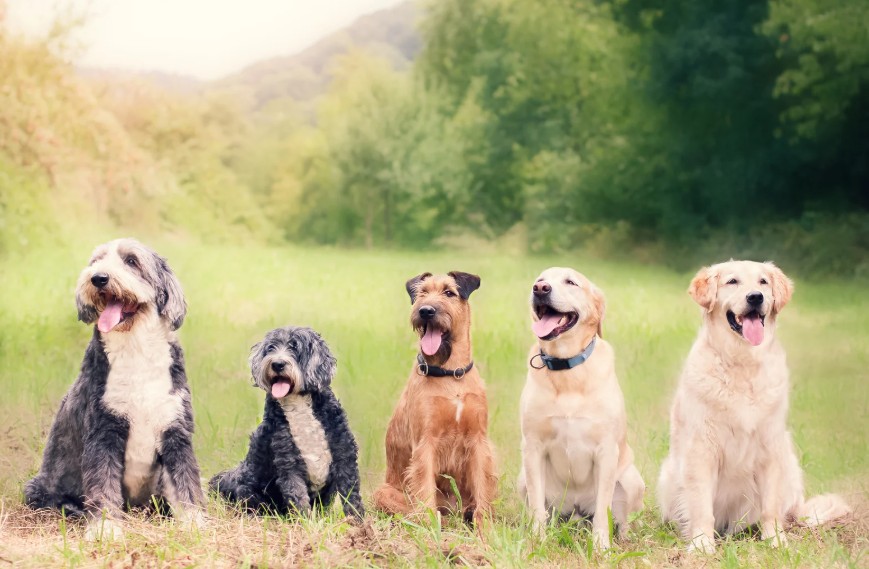
Understanding Strengthens Connection By supporting nervous system health through emotional safety predictable experiences and NeuroBond aligned guidance behavioural change becomes a biological process built on trust flexibility and lasting wellbeing. 🐾
The Neuroscience of Leash Communication
The leash is far more than a safety tool. It is a direct line of communication between your nervous system and your dog’s, transmitted through the proprioceptive and tactile pathways of the peripheral nervous system.
When you grip a leash tightly, your hand muscles tense. That tension transmits mechanically through the leash to the collar or harness, creating constant low-level pressure against your dog’s neck, chest, or shoulders. Your dog’s mechanoreceptors and proprioceptive sensors detect this tension and relay it to the brain, where it is interpreted as environmental pressure. The amygdala assesses: is this pressure a threat signal?
For a dog with good vagal tone and a secure attachment to the handler, mild leash tension may register as neutral directional information. But for a dog already in a state of sympathetic activation, or a dog without a secure NeuroBond connection, that same tension amplifies the stress response.
Here is what the neuroscience tells us about effective leash communication:
- Slack communicates safety. A loose leash tells the proprioceptive system: “no threat, no urgency.” This supports parasympathetic engagement.
- Rhythmic movement communicates stability. Walking at a steady, predictable pace entrains the vestibular system and promotes autonomic regulation.
- Sudden jerks activate the startle reflex. Sharp leash corrections bypass cortical processing entirely and trigger amygdala-driven fear responses, regardless of intent.
- Your own body tension travels down the leash. If you are anxious about an approaching dog, your grip tightens, your breathing changes, and that information reaches your dog through both leash tension and scent (your stress hormones are detectable to your dog’s olfactory system).
- Energy flow matters more than mechanical control. Calm, intentional movement from the handler creates a predictable kinetic environment that the dog’s nervous system can settle into.
That is why awareness, not tension, guides the path. The Invisible Leash is not an absence of guidance. It is guidance transmitted through energy, rhythm, and calm intent rather than mechanical force 🧠
Co-Regulation: How Your Nervous System Shapes Your Dog’s
One of the most remarkable findings in canine neuroscience is that the human nervous system and the canine nervous system directly influence each other. This is called co-regulation, and it operates through multiple channels simultaneously.
The Science Behind Co-Regulation
Research has demonstrated several key mechanisms:
- Heart rate synchronisation: Studies show that dogs and their owners demonstrate measurable heart rate variability alignment during shared resting periods. When the human heart rate slows, the dog’s heart rate tends to follow, mediated by vagal coupling.
- Cortisol mirroring: Dogs living with chronically stressed humans show elevated baseline cortisol levels compared to dogs living with calm humans. Your stress becomes your dog’s stress, literally, through hormonal pathways.
- Emotional contagion via scent: Dogs can detect human emotional states through volatile organic compounds in sweat. Fear, anxiety, and calm each produce distinct chemical signatures that your dog reads through its 300 million olfactory receptors.
- Mirror neuron engagement: Although research in dogs is still emerging, evidence suggests that canines have functional mirror neuron systems that activate when observing human emotional expressions and actions, supporting empathetic resonance between species.
- Vocal tone processing: The canine auditory cortex processes human vocal emotional cues in regions analogous to those humans use, meaning your tone of voice directly influences your dog’s emotional state independent of word content.
What This Means in Practice
Co-regulation means you cannot separate your own emotional state from your dog’s behaviour. If you approach a training session frustrated, your dog’s amygdala detects the threat signal before you say a single word. If you approach with calm confidence, your parasympathetic state begins to entrain your dog’s nervous system toward safety.
Signs that healthy co-regulation is occurring:
- Your dog checks in with you visually and then relaxes, using your calm as a reference point
- Your dog’s breathing rate adjusts to match your pace during quiet proximity
- Your dog can recover from a startle response faster when you remain calm than when you react anxiously
- Your dog seeks proximity when uncertain, indicating it has learned that your presence predicts safety
- Play escalation naturally modulates: the dog mirrors your energy level up and down rather than escalating uncontrollably
This is the biological foundation of the NeuroBond. The connection between you and your dog is not sentiment. It is measurable, neurochemical, and real. Your calm is your dog’s greatest training tool 🧡
The Second Brain: The Enteric Nervous System and Gut-Brain Axis
500 Million Neurons in the Gut
The enteric nervous system comprises approximately 500 million neurons embedded in the gastrointestinal tract, forming an extensive neural network that operates semi-independently from the brain. This is why scientists call it the “second brain.” It does not just digest food; it actively influences your dog’s mood, behaviour, and cognitive function.
How the Gut and Brain Communicate
The gut and brain communicate through multiple pathways simultaneously:
- Vagal Signalling: The vagus nerve carries sensory information from the gut to the brain and motor commands from the brain to the gut, creating a direct neural highway between these two systems
- Hormonal Signalling: Gut hormones such as cholecystokinin and ghrelin influence brain function and behaviour, affecting everything from satiety to motivation
- Immune Signalling: Gut immune cells communicate with brain immune cells called microglia, linking gut health directly to neuroinflammation
- Microbial Signalling: Gut bacteria produce neurotransmitters and metabolites that influence brain function, a pathway that has transformed our understanding of the gut-behaviour connection
The Gut Microbiome: A Hidden Behaviour Modulator
The gut microbiota, trillions of bacteria colonising the gastrointestinal tract, profoundly influences multiple dimensions of your dog’s life:
- Neurotransmitter Production: Gut bacteria synthesise serotonin, GABA, dopamine, and other neurotransmitters. A significant portion of your dog’s serotonin, the “calm and happy” neurotransmitter, is actually produced in the gut
- Immune Function: Gut bacteria train the immune system, influencing inflammation and immune-mediated behaviour
- Stress Resilience: Specific bacterial strains enhance stress resilience, while dysbiosis (microbial imbalance) increases anxiety and reactivity
- Learning and Memory: Microbiota composition influences cognitive function and learning capacity
- Social Behaviour: Microbiota influences social approach and bonding
Nutrition: Feeding the Nervous System
Nutrition directly influences nervous system function through multiple mechanisms. What you feed your dog is not separate from how your dog behaves.
Absorbable Carbohydrates include monosaccharides (glucose, fructose, and galactose) and sugar alcohols (sorbitol, mannitol, and xylitol). These carbohydrates are readily absorbed in the small intestine and provide glucose for brain energy. However, excessive refined sugar consumption can dysregulate dopamine and serotonin systems, increasing anxiety and impulsivity.
Resistant Carbohydrates and Dietary Fiber play a different but equally important role. Starch and products of starch degradation that escape digestion in the small intestine are termed resistant starch (RS) and may be fermented by hindgut bacteria. Dietary fiber and resistant starch:
- Promote beneficial bacterial growth in the large intestine
- Produce short-chain fatty acids (butyrate, propionate, acetate) that nourish gut cells and influence brain function
- Support stable blood glucose and sustained energy without spikes and crashes
- Reduce systemic inflammation that impairs nervous system function
Protein and Amino Acids are precursors for neurotransmitters:
- Tryptophan → Serotonin (mood, calm, impulse control)
- Tyrosine → Dopamine and Norepinephrine (motivation, alertness)
- Glutamate → Glutamate (excitatory neurotransmission)
- GABA → GABA (inhibitory neurotransmission, calm)
Adequate protein intake supports neurotransmitter synthesis and nervous system function.
Fats and Omega-3 Fatty Acids are critical because the brain is approximately 60% fat. Omega-3 polyunsaturated fatty acids, specifically EPA and DHA, are essential for:
- Neuronal membrane structure and function
- Synaptic plasticity and learning capacity
- Anti-inflammatory effects throughout the nervous system
- Mood regulation and emotional stability
Deficiency in omega-3 fatty acids is associated with anxiety, depression, and cognitive decline.
Micronutrients round out the picture:
- B Vitamins: Support neurotransmitter synthesis and myelin formation
- Magnesium: Supports GABA function and stress resilience
- Zinc: Supports immune function and synaptic plasticity
- Antioxidants (Vitamins C, E, Selenium): Protect neurons from oxidative stress
A dog fed a diet lacking in essential nutrients, high in refined carbohydrates, or containing inflammatory ingredients will have a nervous system less capable of optimal function. Conversely, a nutritionally complete diet supporting healthy microbiota and stable blood glucose promotes nervous system resilience and adaptive behaviour 🧠
Foods That Support vs. Disrupt the Gut-Brain Axis
Since the gut microbiome directly produces neurotransmitters that influence behaviour, what goes into your dog’s bowl has a measurable impact on what comes out of your dog’s nervous system. Here are the categories that matter most.
Foods That Support the Gut-Brain Connection
- Prebiotic-rich vegetables: Pumpkin, sweet potato, and leafy greens feed beneficial bacteria and promote short-chain fatty acid production
- Fermented foods (in appropriate quantities): Small amounts of plain kefir or fermented goat’s milk introduce beneficial bacterial strains that support microbial diversity
- Omega-3 sources: Wild-caught fish (sardines, mackerel), fish oil, and algae-based DHA supplements reduce neuroinflammation and support synaptic plasticity
- High-quality animal protein: Provides tryptophan, tyrosine, and other amino acid precursors for neurotransmitter synthesis
- Bone broth: Rich in glycine, which supports GABA-like calming activity and gut lining integrity
- Blueberries and other antioxidant-rich fruits: Protect neurons from oxidative damage and support cognitive function
Foods That Disrupt the Gut-Brain Connection
- Highly processed kibble with excessive refined carbohydrates: Spikes blood glucose, dysregulates dopamine and serotonin, feeds pathogenic bacteria at the expense of beneficial strains
- Artificial preservatives, colours, and flavour enhancers: BHA, BHT, and artificial dyes have been linked to increased hyperactivity and behavioural disruption in some dogs
- Low-quality rendered fats and meat meals: Promote inflammatory pathways that impair nervous system function and gut barrier integrity
- Excessive grain fillers with minimal nutritional value: Displace nutrient-dense ingredients that the nervous system requires
- Xylitol and other sugar alcohols in inappropriate quantities: While listed as absorbable carbohydrates, xylitol is toxic to dogs and causes dangerous insulin release
- Ingredients the individual dog is intolerant to: Food sensitivities create chronic low-grade gut inflammation that disrupts the microbiome and increases behavioural anxiety
Signs of Gut-Brain Axis Disruption in Your Dog’s Behaviour
Because the gut and brain communicate bidirectionally, disruption in one system almost always shows up in the other. Recognising these patterns early can prevent escalation.
Watch for combinations of digestive and behavioural symptoms appearing together:
- Chronic loose stool or alternating diarrhoea and constipation paired with increased anxiety or reactivity
- Excessive grass-eating combined with restlessness or inability to settle
- Food refusal or extreme food selectivity alongside fearfulness or noise sensitivity
- Frequent vomiting or bile production with concurrent irritability or aggression
- Excessive flatulence and bloating together with lethargy, apathy, or social withdrawal
- Sudden changes in stool quality immediately following stressful events (confirming the stress-gut pathway is active)
- Skin issues (excessive scratching, hot spots, yeast infections) co-occurring with behavioural changes, since gut immune dysregulation manifests in both skin and behaviour
If you notice three or more of these paired patterns persisting for more than two weeks, a comprehensive approach addressing both gut health and nervous system regulation is warranted. Treating the behaviour without addressing the gut, or treating the gut without addressing the stress, often produces incomplete results because the two systems are biologically inseparable 🐾
When the System Breaks Down: Stress Physiology and Nervous System Dysregulation
The Stress Response Cascade
When a dog perceives threat, the nervous system activates the hypothalamic-pituitary-adrenal (HPA) axis, a hormonal cascade that prepares the body for survival. The process unfolds in three steps:
- Step 1: The hypothalamus detects threat and releases corticotropin-releasing hormone (CRH)
- Step 2: The pituitary gland responds to CRH by releasing adrenocorticotropic hormone (ACTH)
- Step 3: The adrenal glands respond to ACTH by releasing cortisol and adrenaline into the bloodstream
This cascade triggers sympathetic activation, preparing the body for fight-or-flight response.
Acute Stress vs. Chronic Stress: A Critical Difference
Acute Stress Is Adaptive. Short-term stress activates appropriate survival responses:
- Enhanced sensory processing across all modalities
- Increased muscle tension and physical readiness
- Improved focus and faster reaction time
- Temporary suppression of non-essential functions like digestion and reproduction
After the stressor is removed, the parasympathetic system activates, returning the body to baseline. This cycle is healthy and normal.
Chronic Stress Is Maladaptive. Prolonged or repeated stress without adequate recovery creates persistent HPA axis activation, and the consequences ripple through the entire nervous system.
Amygdala Enlargement and Hyperactivity develops, leading to:
- Increased threat sensitivity across all sensory modalities
- Enhanced fear conditioning that occurs faster and more broadly
- Difficulty extinguishing learned fears even with counterconditioning
- Generalisation of fear to neutral stimuli that were never actually threatening
Hippocampal Damage occurs, causing:
- Impaired memory consolidation for new information
- Difficulty learning new skills or associations
- Damaged contextual processing so the dog cannot distinguish safe from unsafe environments
- Spatial disorientation and confusion in familiar settings
Prefrontal Cortex Dysfunction follows with:
- Reduced executive function and planning ability
- Impulse control breakdown
- Inflexible thinking and inability to adapt to changing situations
- Reduced capacity to regulate emotional responses
Altered Neurotransmitter Systems compound the problem:
- Depleted serotonin leading to increased anxiety and aggression
- Dysregulated dopamine causing reduced motivation and engagement
- Excessive glutamate creating neural hyperexcitability
- Impaired GABA function reducing the ability to achieve calm
Autonomic Dysregulation manifests as:
- Chronic sympathetic dominance and hyperarousal
- Impaired vagal tone reducing the ability to activate the parasympathetic system
- Difficulty transitioning between arousal states appropriately
Immune Dysregulation produces:
- Chronic low-grade inflammation throughout the body
- Impaired immune function and reduced disease resistance
- Increased susceptibility to infections and autoimmune conditions
Microbiota Dysbiosis rounds out the damage:
- Reduced beneficial bacterial populations
- Increased pathogenic bacteria and opportunistic organisms
- Impaired gut barrier function
- Increased intestinal permeability often called “leaky gut”
The Long-Term Health Consequences
Chronic stress and nervous system dysregulation are linked to serious outcomes:
- Anxiety and fear-based behaviours: Research shows that more than 84% of dogs show at least mild signs of fear or anxiety in everyday situations. Common triggers include unfamiliar people and unfamiliar dogs.
- Aggression: Fear-based aggression develops when dogs are repeatedly exposed to stressful situations without support. In severe cases, fear can escalate dramatically, with dogs becoming so distressed that they attempt destructive escape behaviours.
- Negative effects on the immune system: Long-term stress impairs immune function, increasing susceptibility to infection and disease.
- Reduced quality and length of life: Chronic stress and anxiety significantly impact overall health and longevity.
- Impaired learning and cognitive function: Chronic stress impairs the hippocampus and prefrontal cortex, reducing learning capacity and cognitive flexibility.
- Gastrointestinal dysfunction: Chronic stress impairs gut function, reducing nutrient absorption and promoting dysbiosis.
Early Recognition and Intervention
Research demonstrates that early recognition and intervention are essential. When owners notice that fear-based behaviour is lasting longer or becoming more intense, professional guidance should be sought. Without intervention, fear-based behaviours worsen over time, increasing the risk of aggression and other serious outcomes.
Despite the prevalence of fear and anxiety, these behaviours are often not addressed as part of routine veterinary care. Incorporating behavioural screening tools, such as questionnaires completed before appointments, could help veterinarians identify concerns earlier and connect families with appropriate support 🐾
What a Stress-Recovery Cycle Actually Looks Like in Daily Life
Understanding the HPA axis in theory is helpful. Seeing it play out in your dog’s real life is transformational. Here is a concrete example of the full cycle, from trigger to recovery, and what supportive owner behaviour looks like at each stage.
The Scenario: Your dog encounters another dog approaching quickly on a narrow path during a walk.
Phase 1: Detection (0 to 2 seconds)
Your dog’s sensory system detects the approaching dog. Olfactory, visual, and auditory information reach the amygdala before the prefrontal cortex has time to process. The amygdala makes an instant threat assessment. Your dog’s body stiffens, ears rotate forward, breathing becomes shallow.
What you do: You notice the body language shift immediately. You do not tighten the leash. You do not say “it’s okay” in a high-pitched voice (which confirms something is wrong). You slow your own breathing deliberately.
Phase 2: Sympathetic Activation (2 to 30 seconds)
The HPA axis fires. Cortisol and adrenaline release. Heart rate increases, muscles tense, digestion stops. Your dog may bark, lunge, freeze, or attempt to flee. The prefrontal cortex is now offline. Your dog cannot “listen” or “obey” in this moment because the neurochemistry of survival has taken control.
What you do: You calmly increase distance. You move your dog away from the trigger without drama, without yanking the leash, without scolding. You use your body to create space, turning and walking in a wide arc. You breathe slowly and visibly. Your calm is the signal that safety is possible.
Phase 3: Peak Activation (30 seconds to 5 minutes)
Cortisol levels peak. Your dog may continue panting, scanning, pacing, or trembling even after the trigger is gone. The nervous system does not have an “off switch.” The chemicals must be metabolised and cleared. The dog cannot simply “get over it” on command.
What you do: You find a quiet spot away from the path. You stand still or sit quietly. You do not ask for any behaviours or commands. You let the parasympathetic system begin its work. You might offer slow, rhythmic massage on the shoulders. You keep your own body language loose and relaxed.
Phase 4: Recovery Transition (5 to 20 minutes)
Cortisol begins to clear. Breathing deepens and slows. Muscle tension releases. Your dog may shake off (a full-body shake is the nervous system physically discharging tension). Sniffing returns, indicating the parasympathetic system is re-engaging. The dog may yawn, stretch, or lie down.
What you do: You allow the full recovery time. You encourage sniffing by moving slowly through grass or natural terrain. You can offer a treat now, and if the dog takes it gently and chews slowly, recovery is progressing. If the dog still refuses food, the sympathetic system is still dominant and more time is needed.
Phase 5: Baseline Return (20 minutes to several hours)
Full cortisol clearance takes time, sometimes hours. The dog may need additional rest, sleep, or quiet time at home to fully recover. Remember that cortisol has a biological half-life. A dog that encountered a significant trigger on a morning walk may not be neurochemically “normal” until the afternoon.
What you do: You provide a calm environment at home. You offer a long-lasting chew or a lick mat (chewing and licking activate vagal pathways). You protect the dog from additional stressors during the recovery window. You do not schedule training, visitors, or additional outings during the recovery period.
Understanding this cycle changes everything. You stop interpreting your dog’s reactions as “bad behaviour” and start recognising them as a nervous system doing exactly what it was designed to do under threat. Your role shifts from controller to co-regulator 🧡
Red Flags: When Stress Crosses Into Nervous System Dysregulation
Not all stress is problematic. Acute stress with adequate recovery is healthy and adaptive. But when the following patterns emerge, they signal that your dog’s nervous system has crossed from normal stress into chronic dysregulation, and professional support is needed.
Behavioural Red Flags
- Fear responses that are lasting longer and taking more time to recover from than they used to
- Triggers that are expanding: the dog now reacts to stimuli that previously caused no distress
- Recovery baseline has shifted: the dog’s “normal” state is now more tense, vigilant, or withdrawn than it was weeks or months ago
- Sleep disruption: difficulty falling asleep, frequent waking, restless sleep, or excessive sleeping
- Loss of play: a dog that previously enjoyed play no longer initiates or responds to play invitations
- Social withdrawal: avoiding family members, hiding, refusing to come when called
- Inability to settle indoors even in familiar, safe environments
- Excessive, repetitive behaviours: tail chasing, paw licking, flank sucking, shadow chasing, or spinning that increase in frequency or duration
- Aggression that is increasing in frequency, decreasing in threshold (smaller triggers provoke larger responses), or emerging in new contexts
- Complete loss of appetite for more than 48 hours, or eating only in isolation or at night
- Hypervigilance that never turns off: the dog scans constantly, startles at every sound, and cannot relax even when sleeping
Physical Red Flags That Suggest Nervous System Dysregulation
- Chronic gastrointestinal issues (diarrhoea, vomiting, excessive gas) without identifiable dietary cause
- Recurrent skin issues, hot spots, or excessive shedding driven by cortisol-mediated immune suppression
- Frequent urinary tract infections or stress-related house soiling in previously housetrained dogs
- Muscle tension and stiffness unrelated to exercise or age
- Changes in coat quality (dull, dry, or thinning coat)
When to Seek Professional Help
If you observe three or more of the behavioural red flags persisting for more than two weeks, consult a qualified behaviour professional who understands the neuroscience of canine stress, not just training techniques. If you observe any physical red flags alongside behavioural changes, a veterinary examination is essential to rule out medical causes and consider whether pharmacological support may be needed alongside behavioural intervention.
The earlier intervention begins, the more reversible the neurological changes are. Amygdala hyperactivity, hippocampal impairment, and neurotransmitter depletion are all responsive to treatment when addressed early. Waiting until crisis point means working against deeper, more entrenched neural patterns 🧠
How Your Dog Learns: Memory, Learning, and Neuroplasticity
The Neural Mechanisms Behind Learning
Learning involves modification of neural circuits through experience. Two key mechanisms make this possible.
Synaptic Plasticity changes the strength of connections between neurons based on activity patterns:
- Long-Term Potentiation (LTP): Repeated activation of a synapse strengthens the connection, making future firing easier
- Long-Term Depression (LTD): Reduced activation weakens the connection
- Hebbian Learning: “Neurons that fire together, wire together,” meaning repeated co-activation of neurons strengthens their connections. Every time your dog practises a behaviour, the neural pathways supporting that behaviour become stronger
Structural Plasticity means that experience induces physical changes in the brain itself:
- Dendritic Sprouting: Growth of new dendritic branches, increasing synaptic connections
- Synaptogenesis: Formation of entirely new synapses
- Neurogenesis: Generation of new neurons, particularly in the hippocampus
- Myelination: Increased insulation of axons, improving signal transmission speed
Three Memory Systems
The brain employs multiple memory systems, each with distinct characteristics:
Declarative (Explicit) Memory involves conscious, intentional recall of facts and events. It is dependent on the hippocampus and prefrontal cortex and is slower to form but more flexible in its application.
Procedural (Implicit) Memory stores unconscious, automatic memory for skills and habits. It depends on the striatum and cerebellum and is faster to form but less flexible. This is the memory system at work when your dog “automatically” sits at the kerb without conscious thought.
Emotional Memory records emotionally significant events and is dependent on the amygdala. This type of memory is extremely strong and resistant to extinction. It can be triggered unconsciously by contextual cues: a sound, a smell, a place. Dogs form emotional memories rapidly and powerfully. A single traumatic experience can create lasting fear conditioning. Conversely, repeated positive experiences in a context gradually create positive emotional associations, enabling fear extinction. Moments of Soul Recall reveal how memory and emotion intertwine in behaviour in ways that can reshape a dog’s entire response to the world.
Neuroplasticity Across the Lifespan
Neuroplasticity, the ability of the nervous system to modify its structure and function in response to experience, continues throughout life.
Critical Periods represent developmental windows of heightened plasticity:
- Neonatal Period (0 to 3 weeks): Rapid brain development with high sensitivity to environmental input
- Socialisation Period (3 to 12 weeks): Critical window for social learning and attachment formation
- Juvenile Period (3 to 6 months): Continued brain development as learning capacity peaks
- Adolescence (6 to 18 months): Prefrontal cortex maturation and impulse control development
During these periods, positive experiences promote secure attachment and social confidence, while negative experiences create lasting fear conditioning and social anxiety.
Adult Neuroplasticity continues into adulthood, though at a slower rate:
- Enrichment: Environmental enrichment through novel experiences, cognitive challenges, and social interaction promotes neurogenesis and synaptic plasticity
- Training: Learning new skills induces structural brain changes
- Rehabilitation: Even after injury or disease, the brain can reorganise and recover function
The Eight Conditions for Optimal Learning
Learning is most effective when these eight conditions are met simultaneously:
- Emotional Safety: The parasympathetic system is activated, enabling prefrontal cortex engagement
- Moderate Arousal: The nervous system is alert but not hyperaroused
- Positive Reinforcement: Dopamine-mediated reward strengthens neural circuits
- Repetition: Repeated practice strengthens synaptic connections
- Spacing: Distributed practice spaced over time is more effective than massed practice
- Novelty: New information captures attention and promotes encoding
- Meaning: Information connected to existing knowledge is more readily learned
- Sleep: Memory consolidation occurs during sleep, particularly REM sleep
Training effectiveness depends not on force or punishment, but on creating conditions where the nervous system can engage its learning mechanisms. A dog in a state of fear or chronic stress has a nervous system incapable of optimal learning. A dog in a state of emotional safety and moderate arousal has a nervous system primed for rapid, lasting learning 🧡
Sleep Architecture and Neural Recovery
Sleep is not simply “rest.” It is an active neurobiological process during which the brain consolidates memory, clears metabolic waste, restores neurotransmitter balance, and repairs neural tissue. Disrupting sleep disrupts the entire nervous system.
How Dogs Sleep
Canine sleep architecture differs from human sleep but shares the same fundamental stages:
- NREM (Non-Rapid Eye Movement) sleep includes light sleep and deep slow-wave sleep. During deep NREM, the brain clears metabolic waste products, including beta-amyloid (associated with cognitive decline), through the glymphatic system. Growth hormone is released, supporting tissue repair and immune function.
- REM (Rapid Eye Movement) sleep is when most dreaming occurs. During REM, the hippocampus replays the day’s experiences, transferring information from short-term to long-term memory. This is when synaptic connections formed during training are consolidated and strengthened. Dogs in REM often show twitching paws, facial movements, and quiet vocalizations.
How Much Sleep Dogs Need by Life Stage
- Puppies (0 to 6 months): 18 to 20 hours per day, supporting massive neural development, myelination, and synaptic pruning
- Adolescent dogs (6 to 18 months): 14 to 18 hours per day, with REM periods critical for prefrontal cortex maturation
- Adult dogs (1 to 7 years): 12 to 14 hours per day, including significant daytime napping
- Senior dogs (7+ years): 14 to 18 hours per day, with increased sleep need compensating for reduced neuroplasticity and slower metabolic waste clearance
What Happens When Sleep Is Disrupted
When a dog does not get adequate sleep, the neurological consequences are significant:
- Memory consolidation fails: skills practised during the day are not transferred to long-term storage
- Cortisol clearance is impaired: baseline stress levels rise because the HPA axis does not fully reset
- Serotonin and GABA production decreases: the dog becomes more anxious, impulsive, and reactive
- Prefrontal cortex function declines: impulse control and emotional regulation suffer
- Immune function weakens: chronic sleep deprivation produces immune dysregulation similar to chronic stress
- Pain sensitivity increases: sleep-deprived dogs show lower pain thresholds
This is why an overtired puppy is not just “cranky.” It is experiencing genuine nervous system dysregulation that impairs every aspect of functioning. Providing a quiet, protected sleep environment is not pampering. It is supporting the neurobiology of healthy development 🐾
Feeling, Not Just Reacting: Emotional Processing and Affective Neuroscience
The Seven Primary Emotional Systems
Affective neuroscience research, pioneered by Jaak Panksepp (1998), identifies seven primary emotional systems arising from subcortical neural circuits. These are not human projections onto animals; they are biologically grounded emotional circuits that dogs share with all mammals.
- SEEKING System (Dopaminergic): Drives motivation, exploration, and anticipation. Activation promotes approach behaviour, curiosity, and engagement. Dysregulation leads to apathy, lack of motivation, and depression.
- RAGE System (Glutamatergic): Manages defensive aggression and frustration response. Activation promotes fighting when escape is blocked. Dysregulation produces excessive aggression and irritability.
- FEAR System (Amygdala-based): Handles threat detection and protective avoidance. Activation promotes freezing, fleeing, or defensive aggression. Dysregulation creates excessive fear, anxiety, and phobias.
- LUST System (Hormonal): Governs sexual motivation and bonding. Activation promotes mating and pair bonding. Dysregulation results in reduced social bonding.
- CARE System (Oxytocinergic): Drives nurturing, social bonding, and empathy. Activation promotes caregiving, social approach, and attachment. Dysregulation leads to social withdrawal and attachment difficulties.
- PANIC/GRIEF System (Opioidergic): Manages separation distress and social bonding maintenance. Activation promotes reunion-seeking and social attachment. Dysregulation creates separation anxiety and social withdrawal.
- PLAY System (Dopaminergic/Opioidergic): Supports social engagement, learning, and joy. Activation promotes playful interaction, social bonding, and learning. Dysregulation reduces playfulness and impairs learning.
How Dogs Regulate Emotions
Emotional regulation involves the prefrontal cortex modulating limbic system activity. Three brain structures work together:
- Prefrontal Cortex (PFC): Generates rational appraisals and implements behavioural control
- Amygdala: Generates rapid emotional responses based on survival priorities
- Anterior Cingulate Cortex (ACC): Integrates emotional and cognitive information, mediating between the two
In a well-regulated nervous system, the prefrontal cortex can modulate amygdala activity, enabling rational appraisal of threat (distinguishing real danger from false alarms), flexible behavioural responses (choosing appropriate actions rather than reacting), and emotional tolerance (experiencing emotions without being overwhelmed).
In a dysregulated nervous system, the amygdala dominates. The result is rapid, reactive responses to perceived threats, difficulty distinguishing real danger from false alarms, and emotional overwhelm with difficulty recovering.
Fear Conditioning and Extinction
Fear Conditioning occurs when a neutral stimulus (conditioned stimulus) is paired with a threatening stimulus (unconditioned stimulus):
- A single traumatic experience can create lasting fear conditioning
- The amygdala rapidly encodes the association
- Fear memories are extremely strong and resistant to extinction
- Emotional memories can be triggered unconsciously by contextual cues
Fear Extinction occurs when the conditioned stimulus is repeatedly presented without the threatening stimulus:
- The prefrontal cortex learns that the stimulus is safe through a process of inhibitory learning
- This new learning inhibits but does not erase the original fear memory
- Extinction is context-dependent, meaning fear may return in different contexts
- Extinction requires repeated, spaced exposures over time
- Emotional safety during exposure is essential; flooding intensifies the fear circuit rather than weakening it
Fear extinction is not “unlearning” the original fear association. It is learning a new, competing association: the stimulus equals safety. This explains why fear can return if the dog encounters the stimulus in a different context or after a long time interval 🧠
The First 16 Weeks: Neurodevelopment and Critical Periods
Understanding Critical Periods in Canine Development
Critical periods are specific time windows during early development when the brain and nervous system are particularly sensitive to environmental influences. During these periods, experiences can have lasting effects on behaviour, temperament, and learning capacity that persist into adulthood. What happens during these weeks shapes your dog’s life.
The Five Critical Periods in Puppies
Research has identified five distinct critical periods in puppy development, each with unique characteristics and developmental milestones.
First Critical Period: 0 to 20 Days (0 to 3 Weeks)
During this initial phase, a puppy’s mental capacity is nearly zero. The puppy reacts only to basic needs: warmth, food, sleep, and maternal contact. Testing has shown that puppies are incapable of learning anything during this period, as their sensory systems remain largely dormant. The world exists only as touch and warmth.
Second Critical Period: 21 to 28 Days (3 to 4 Weeks)
A remarkable transformation occurs on the 21st day of life. All of a puppy’s senses suddenly begin to function simultaneously, regardless of breed. The brain and nervous system begin developing, and awareness starts to emerge.
This period is particularly crucial because the social stress of being alive has its greatest impact on emotional development. A puppy separated from its mother during this phase will never attain the mental and emotional growth it could have achieved. Negative characteristics such as nervousness and shyness that develop during this period cannot be reversed through reconditioning or training later in life.
Third Critical Period: 29 to 49 Days (4 to 7 Weeks)
During the fifth through seventh weeks, puppies begin venturing away from the nest and exploring their environment. By the sixth week, awareness of both human and canine society begins to develop. The puppy’s nervous system and trainability develop to full capacity by the end of this period.
During this phase, puppies learn to respond to voices, recognise people, and establish a social “pecking order” within the litter. While it is advantageous for puppies to remain with littermates long enough to develop competitive spirit, staying too long after the seventh week leads to the development of bullying or cowed tendencies that persist into adulthood.
Fourth Critical Period: 50 to 84 Days (7 to 12 Weeks)
As puppies enter the eighth week of life, their trainability reaches full capacity. This is an exceptionally important developmental window: what a puppy learns during this period will be retained and become part of the dog’s permanent personality.
The optimal time to bring a puppy into a new household is at the conclusion of the seventh week, allowing the puppy to learn from its new owner during this peak learning period. During this phase, the first significant brainwaves can be recorded on electroencephalographs, and a bond between dog and human can be established that will have lasting effects.
Isolation from human society has its greatest negative effect during this critical period. Without adequate human contact, puppies become incapable of being trained and incapable of being companions to humans.
During the fourth critical period, puppies should be:
- Integrated into human society through walks and social interactions
- Taught simple commands in a playful, reward-based atmosphere
- Gently guided through clear boundaries rather than physical correction
- Provided with a sense of security through consistent, predictable routines
Fifth Critical Period: 12 to 16 Weeks (3 to 4 Months)
During the 13th through 16th weeks, a highly significant behavioural development occurs: the puppy makes its first attempt to establish itself as the dominant being in the pack (family). This is when a puppy will test whether it can physically challenge its owner and get away with it.
If a puppy is allowed to succeed in this challenge, it will lose the confidence and respect for the owner that developed during the fourth critical period. Clear, calm authority must be established during this period, as the challenge to the owner’s leadership must be met with consistent, fair guidance.
Neuromotor Development Timeline
Puppies’ central nervous systems develop considerably more rapidly than those of humans. Key developmental milestones reveal just how quickly this transformation happens:
- At 5 to 6 days: Supported stepping with front limbs begins
- At 7 to 10 days: Supported stepping with hind limbs begins
- At 10 to 14 days: Upright posture develops
- At 2 weeks: Weight-bearing capability on all limbs emerges
- At 18 to 21 days: Uncoordinated walking begins
- At 5 weeks: Consistent tactile placing of limbs occurs
- At 6 weeks: Spinal cord maturity is achieved
- At 6 to 8 weeks: Adult posture and balancing are demonstrated
- At 4 months: The brain reaches 96% adult-like function
Environmental Factors and Early Life Experiences
The Impact of Early Socialisation
Early life experiences are known to shape behavioural development, and events occurring during preadolescence and adolescence may have long-term effects on behaviour and suitability for different tasks. The development of the nervous system in altricial species like dogs is highly plastic and depends extensively on environmental factors.
Research on military working dogs found that:
- Dogs scoring high for “Trainability” showed significantly higher success rates in temperament tests
- Dogs with high scores for “Stranger-directed fear,” “Non-social fear,” and “Dog-directed fear” showed significantly lower success rates
Quality of Maternal Care and Exercise
Environmental factors significantly influence anxiety-related behaviours. Fearful dogs had less socialisation experiences and lower quality of maternal care during puppyhood. Perhaps most strikingly, the largest environmental factor associated with noise sensitivity and separation anxiety was the amount of daily exercise. Dogs with these conditions had less daily exercise.
Conditioning and Neuromuscular Development
Appropriate socialisation and conditioning of puppies requires understanding their timeline and sequence of neural development. All dogs achieve increased physiological and behavioural soundness when provided with socialisation and conditioning appropriate to their developmental stage.
Progressive conditioning programs should align with neuromotor development:
- 3 to 6 weeks: Balance activities on unstable surfaces
- 5 weeks onward: Introduction of small obstacles and terrain variations
- 12 to 16 weeks: More demanding tasks including stepping in and out of boxes and walking on unstable surfaces
- 4 to 6 months: Complex functional tasks and position transitions on unstable surfaces
- 6 to 12 months: Specific and fine movement skills
- 12 months onward: Highly specific skills training and complex agility movements
Long-Term Effects of Critical Period Experiences
The experiences puppies have during critical periods fundamentally shape their adult personalities and capabilities. Being aware of these five critical periods, providing the correct environment during these periods, and instituting proper learning techniques will allow a puppy to develop emotionally and socially to its full potential.
Dogs will periodically “test” the owner’s leadership throughout life. However, if owners are permissive and lack clear guidance during critical periods, particularly the fifth critical period, the dog’s trust and respect will quickly diminish. The balance of love and discipline must be equally maintained for successful puppy rearing 🐾
Before Birth: Epigenetics and Transgenerational Stress
The critical periods begin at birth, but the story of your dog’s nervous system starts even earlier. Research in epigenetics reveals that a mother’s stress during pregnancy can alter the expression of genes in her puppies, affecting nervous system development before the first critical period even begins.
How Maternal Stress Alters Puppy Neurodevelopment
When a pregnant dog experiences chronic stress, elevated cortisol crosses the placental barrier and exposes developing foetuses to stress hormones during critical phases of brain formation. The consequences are measurable:
- HPA axis calibration shifts: Puppies born to chronically stressed mothers show altered HPA axis set-points, meaning their baseline cortisol levels are higher and their stress response systems are more reactive from birth
- Amygdala development is affected: Foetal exposure to excess cortisol promotes larger, more reactive amygdalae, predisposing puppies to heightened fear and anxiety before they ever encounter a stressor of their own
- Hippocampal development may be impaired: Excess cortisol during gestation can reduce hippocampal neuron density, compromising the puppy’s future learning and memory capacity
- Epigenetic methylation changes gene expression: Stress-related genes may be “turned on” or “turned off” through methyl group attachments to DNA. These epigenetic marks do not change the DNA sequence itself, but they change which genes are active, and these changes can persist across the lifespan
- Gut microbiome seeding is altered: Stressed mothers have different vaginal and gut microbiome compositions, which means the initial microbial seeding that puppies receive during birth and early nursing differs from that of unstressed mothers
What This Means for Breeders and Adopters
For breeders, this research underscores that maternal welfare is not just ethical, it is neurobiological. A stressed, anxious, under-socialised breeding dog is more likely to produce puppies with nervous system profiles predisposed to anxiety, reactivity, and impaired learning, regardless of how well those puppies are raised after birth.
For adopters of rescue dogs whose maternal history is unknown, it means understanding that some behavioural challenges may have prenatal roots. This does not make them untreatable, adult neuroplasticity is real and powerful, but it recalibrates expectations and emphasises the importance of patience, consistency, and creating deep emotional safety through the NeuroBond approach 🧡
Age-Related Neurodegeneration: Canine Cognitive Dysfunction
Just as the nervous system develops rapidly in puppyhood, it also changes with age. Canine Cognitive Dysfunction (CCD) is the canine equivalent of dementia, affecting an estimated 28% of dogs aged 11 to 12 and over 68% of dogs aged 15 to 16.
What Happens in the Ageing Brain
The neurotransmitter and structural changes described throughout this article reverse in senior dogs:
- Beta-amyloid plaques accumulate in the brain, particularly in the prefrontal cortex and hippocampus, disrupting neural communication
- Dopamine levels decline, reducing motivation, engagement, and the SEEKING system’s drive
- Serotonin production decreases, contributing to anxiety, disrupted sleep, and irritability
- Hippocampal volume shrinks, impairing spatial memory and contextual learning
- Prefrontal cortex function declines, reducing impulse control, social awareness, and the ability to adapt to changes in routine
- Neurogenesis slows dramatically, reducing the brain’s ability to form new connections and recover from damage
- Myelin degradation slows neural transmission speed, making responses slower and less precise
- Chronic inflammation increases in the ageing brain, further accelerating neural decline
Early Signs of Canine Cognitive Dysfunction
The signs often appear gradually and are frequently dismissed as “just getting old.” Watch for:
- Disorientation in familiar environments (standing in the wrong corner, getting stuck behind furniture)
- Changes in social interaction (withdrawing from family, failing to recognise familiar people or dogs)
- Sleep-wake cycle disruption (pacing at night, sleeping excessively during the day)
- House soiling in a previously housetrained dog
- Reduced interest in play, food, or previously enjoyed activities
- Increased anxiety, especially at night or in new situations
- Repetitive, purposeless behaviours (pacing circles, staring at walls)
- Forgetting learned commands or routines that were once reliable
Neuroprotective Strategies
While CCD cannot be fully prevented, its onset can be delayed and its progression slowed through strategies that directly support the neural mechanisms described throughout this article:
- Continued cognitive enrichment: Puzzle feeders, scent work, and novel experiences promote neurogenesis and synaptic maintenance in the ageing hippocampus
- Regular, appropriate exercise: Physical activity increases BDNF (brain-derived neurotrophic factor), which supports neuronal survival and new connection formation
- Omega-3 supplementation: DHA and EPA support neuronal membrane integrity and reduce neuroinflammation
- Antioxidant-rich diet: Vitamins C, E, and selenium combat oxidative damage to ageing neurons
- Medium-chain triglycerides (MCTs): Coconut oil and MCT supplements provide an alternative brain energy source when glucose metabolism becomes less efficient
- Social interaction: Continued positive social engagement supports oxytocin production and maintains the CARE and PLAY systems
- Protected sleep quality: Ensuring adequate, uninterrupted sleep supports glymphatic clearance of beta-amyloid plaques
- Veterinary support: Medications such as selegiline can support dopaminergic function in dogs with clinical CCD
The ageing brain still possesses neuroplasticity. It is slower, less robust, and needs more support, but it is never too late to invest in your dog’s neural health 🐾
Age and Stage: A Complete Developmental Reference
This table combines critical periods, neuromotor milestones, and progressive conditioning recommendations into one comprehensive reference.
0 to 3 Weeks (Neonatal Period)
- Critical Period 1: Sensory systems dormant, no learning capacity
- Neuromotor: Supported stepping begins (front limbs at 5 to 6 days, hind limbs at 7 to 10 days), upright posture at 10 to 14 days
- Conditioning: None. Gentle handling and maternal contact only.
3 to 4 Weeks (Transitional Period)
- Critical Period 2: All senses activate simultaneously on day 21. Greatest impact of separation on emotional development
- Neuromotor: Weight-bearing on all limbs at 2 weeks, uncoordinated walking at 18 to 21 days
- Conditioning: Begin balance activities on mildly unstable surfaces
4 to 7 Weeks (Socialisation Begins)
- Critical Period 3: Social awareness develops. Litter pecking order established. Nervous system and trainability reach capacity
- Neuromotor: Consistent limb placing at 5 weeks, spinal cord maturity at 6 weeks, adult posture at 6 to 8 weeks
- Conditioning: Balance activities, small obstacles, terrain variations from 5 weeks
7 to 12 Weeks (Peak Learning Window)
- Critical Period 4: Most important period. Full trainability. Permanent personality shaping. Optimal time to enter new household. Isolation causes irreversible damage
- Neuromotor: Adult posture and balance demonstrated
- Conditioning: Integration into human society, playful commands, gentle boundaries, varied social experiences
12 to 16 Weeks (Leadership Testing)
- Critical Period 5: First dominance challenge. Authority must be established. Brain reaches 96% adult function at 4 months
- Neuromotor: Near-complete motor development
- Conditioning: Stepping in and out of boxes, unstable surface walking, more demanding physical tasks
4 to 6 Months (Juvenile Period)
- Learning capacity peaks. Continued prefrontal cortex development
- Conditioning: Complex functional tasks, position transitions on unstable surfaces
6 to 12 Months (Adolescence)
- Prefrontal cortex maturation. Impulse control developing. May show regression in previously learned behaviours
- Conditioning: Specific and fine movement skills
12 Months Onward (Maturity)
- Neural architecture largely established. Adult neuroplasticity continues at a slower rate
- Conditioning: Highly specific skills training and complex agility movements
Frequently Asked Questions: Common Misconceptions Reframed Through Neuroscience
“My dog is being stubborn. He knows what I want but refuses to do it.”
What looks like stubbornness is almost always one of three neurological states: the dog is in sympathetic activation and the prefrontal cortex is offline (the dog literally cannot process your cue), the dog has not actually formed a strong enough neural pathway through sufficient repetition and reward (the behaviour is not yet procedural memory), or the dog is experiencing a motivational deficit because the dopaminergic SEEKING system is not engaged (the reward is not meaningful enough to drive the circuit). None of these are wilful defiance. They are nervous system states.
“He knows what he did. Look at that guilty face.”
Research has demonstrated that the “guilty look” in dogs is actually a submissive appeasement display triggered by the owner’s body language, tone, and posture, not by an internal sense of guilt about a past action. Dogs live in the present moment of their nervous system state. When you come home and display angry body language, your dog’s amygdala detects the threat cue and triggers a fear-appeasement response. The lowered ears, averted gaze, and cowering posture are sympathetic activation and social survival strategies, not an admission of past wrongdoing. Dogs lack the prefrontal cortex development required for the kind of temporal self-reflection that guilt requires.
“She’s doing it for attention. I should ignore her.”
If your dog is engaging in behaviours that demand your presence, the PANIC/GRIEF system (separation distress) or the SEEKING system (need for engagement) is likely activated. “Ignoring” a dog whose nervous system is in distress does not extinguish the behaviour. It intensifies the distress, elevates cortisol, and can escalate the behaviour into full panic or destructive escape attempts. The question is not “how do I make her stop seeking attention?” but “what does her nervous system need right now?”
“He just snapped out of nowhere. There was no warning.”
Aggression that appears “sudden” nearly always had extensive preceding warning signs that were missed or misread. The dog’s autonomic nervous system was escalating through sympathetic activation (stiffening, freezing, hard staring, lip tension, weight shifting) well before the bite. When lower-level stress signals are repeatedly ignored or punished (growling punished away, for example), the dog learns that the early warning system does not work, and it moves directly to the end of the escalation ladder. The nervous system did not “snap.” The communication pathway was broken.
“He was socialised as a puppy, so he should be fine with everything.”
Socialisation is not a one-time inoculation. It is a process of creating positive neural associations during critical periods that require ongoing maintenance. If a dog was socialised to many environments at 8 to 12 weeks but then lived a restricted life without continued positive exposure, the neural pathways supporting social confidence can weaken through synaptic pruning and long-term depression. Additionally, if the “socialisation” involved overwhelming exposure (flooding) rather than positive, gradual introduction, the amygdala may have encoded fear memories rather than confidence, producing the opposite of the intended result.
“A tired dog is a good dog.”
Physical exhaustion does not equal a regulated nervous system. A dog that has been run to exhaustion may collapse from fatigue but still has elevated cortisol, depleted serotonin, and an overactivated sympathetic system. What looks like calm behaviour is actually muscular exhaustion masking ongoing nervous system arousal. True calm comes from parasympathetic activation, vagal tone, and emotional safety, not from physical depletion. A dog that is both physically and mentally fulfilled through appropriate exercise, cognitive enrichment, and rest is genuinely regulated. A dog that is simply exhausted is not.
Glossary of Key Terms
- Amygdala: An almond-shaped limbic system structure that processes the emotional significance of stimuli, particularly threat detection. Central to fear conditioning and anxiety.
- Autonomic Nervous System (ANS): The division of the nervous system that regulates involuntary body functions (heart rate, digestion, breathing) through sympathetic and parasympathetic branches.
- Cortisol: The primary stress hormone released by the adrenal glands as part of the HPA axis response. Adaptive in short bursts, damaging when chronically elevated.
- Dopamine: A neurotransmitter driving motivation, reward, pleasure, and the SEEKING emotional system. Central to learning through positive reinforcement.
- Enteric Nervous System (ENS): The network of approximately 500 million neurons in the gastrointestinal tract, sometimes called the “second brain,” that communicates bidirectionally with the brain.
- Fear Extinction: The process of learning a new, competing association (stimulus = safe) that inhibits but does not erase an original fear memory. Requires repeated, spaced, calm exposures.
- GABA (Gamma-Aminobutyric Acid): The primary inhibitory neurotransmitter. Promotes calm, reduces anxiety, and enables relaxation. Impaired by chronic stress.
- Glutamate: The primary excitatory neurotransmitter. Supports arousal and learning when balanced; creates hyperexcitability and reactivity when excessive.
- Hippocampus: A limbic system structure essential for memory consolidation, spatial navigation, and contextual learning. Damaged by chronic cortisol exposure.
- HPA Axis (Hypothalamic-Pituitary-Adrenal Axis): The hormonal cascade that regulates the stress response: hypothalamus releases CRH, pituitary releases ACTH, adrenals release cortisol and adrenaline.
- Long-Term Potentiation (LTP): The process by which repeated synaptic activation strengthens neural connections, forming the biological basis of learning and memory.
- Neurogenesis: The generation of new neurons, occurring primarily in the hippocampus. Promoted by enrichment, exercise, and healthy sleep; impaired by chronic stress.
- Neuroplasticity: The nervous system’s ability to modify its structure and function in response to experience. Highest during critical periods but continues throughout life.
- Norepinephrine: A neurotransmitter managing arousal, attention, and stress response. Moderate levels support focus; excessive levels drive hypervigilance.
- Oxytocin: The “bonding hormone” that promotes social attachment, trust, emotional regulation, and pain relief. Released during positive social interactions.
- Polyvagal Theory: Stephen Porges’ framework describing three vagal pathways (ventral vagal for social engagement, sympathetic for mobilisation, dorsal vagal for shutdown) that support different behavioural states.
- Prefrontal Cortex: The brain region responsible for executive function, impulse control, decision-making, and emotional regulation. Goes “offline” under high stress.
- Serotonin: A neurotransmitter regulating mood, impulse control, social behaviour, and sleep. Depleted by chronic stress; supported by adequate tryptophan intake.
- Sympathetic Nervous System: The “fight or flight” branch of the autonomic nervous system that prepares the body for action in response to perceived threat.
- Vagal Tone: A measure of vagus nerve function. High vagal tone indicates the ability to flexibly shift between sympathetic and parasympathetic states. Low vagal tone indicates being “stuck.”
- Vagus Nerve: The primary parasympathetic nerve extending from the brainstem through the neck, chest, and abdomen. Acts as a “brake” on sympathetic activation.
Conclusion: Behaviour Is Biology, Biology Is Connection
Every behaviour your dog displays, from a joyful tail wag to a fearful whimper, emerges from the integrated activity of billions of neurons, chemical messengers, sensory pathways, and autonomic systems working together. Behaviour is not simply a response to training. It is an emergent property of nervous system organisation that reflects evolutionary heritage, individual experience, nutritional status, emotional history, and social environment.
Understanding this transforms everything. It means that helping an anxious dog is not about “correcting” behaviour but about restoring nervous system balance. It means that good nutrition is not separate from good behaviour but is an integral part of it. It means that those first 16 weeks of life, and even the weeks before birth, create the neural architecture that shapes a lifetime of responses. And it means that the bond between you and your dog is not merely emotional sentiment. It is a biological reality, written in oxytocin, vagal tone, and neural connectivity.
The optimal approach to canine behaviour works with these biological realities, not against them. Creating emotional safety, supporting physiological regulation, engaging cognitive systems through enrichment, providing predictable leadership, and building secure social attachment: these are not just good ideas, they are what the nervous system needs to function at its best.
That balance between science and soul, that is the essence of Zoeta Dogsoul 🧡










