Amundson, Kirn et al. (2024) — Translational Animal Science
Copper Metabolism and Its Implications for Canine Nutrition
Published: July 01, 2026
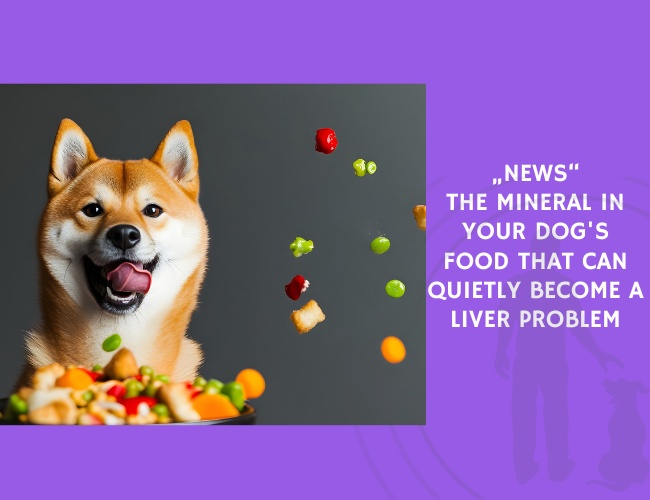
Copper is not optional. It plays a role in energy production, connective tissue formation, iron metabolism, neurological function, and immune response. Every dog needs it. But in recent years, something has shifted — cases of copper-associated hepatitis in dogs have been rising in both the USA and the European Union, and the nutritional community is paying close attention. 🐾
A 2024 review published in Translational Animal Science maps the full complexity of canine copper metabolism — why it matters, what disrupts it, and why current nutritional guidelines may need to change. The picture that emerges is one of a mineral that sits at the intersection of genetics, diet, supplementation trends, and liver health in ways that are still only partially understood.
Why Copper Is Complicated
Copper metabolism in dogs is affected by absorption, storage, excretion, and — critically — interactions with other nutrients. Zinc, iron, molybdenum, and sulphur all influence how much copper a dog actually absorbs and retains from their diet. That means copper status is never just a function of how much copper is in the food. It’s a function of the entire nutrient matrix surrounding it.
This complexity is compounded by recent consumer trends. The growing popularity of fresh food diets, functional treats, raw feeding, and single-ingredient supplements has introduced enormous variation in the nutrient profiles dogs are actually exposed to. Many of these ingredients supply vastly different copper concentrations — often without owners or even veterinarians being fully aware of cumulative load across a dog’s total daily intake.
The review also highlights a significant genetic dimension. Certain breeds carry known predispositions for copper storage and excretion abnormalities — Bedlington Terriers being the most documented, but Labrador Retrievers, Dobermanns, and Dalmatians among others showing elevated susceptibility. For these dogs, even copper levels considered safe for the general population may accumulate in liver tissue over time, leading to progressive hepatitis that often goes undetected until it is clinically advanced.
Too Little and Too Much — Both Are Problems ⚠️
The review is precise on this point: both deficiency and toxicity must be actively avoided, and the margin between them in some dogs is narrower than standard guidelines currently reflect.
Copper deficiency produces anaemia, skeletal abnormalities, depigmentation, and neurological symptoms. Toxicity — copper hepatopathy — manifests as liver damage that accumulates silently, often presenting only when significant hepatic injury has already occurred. Elevated liver enzymes on a routine blood panel may be the first visible sign, by which point copper has been accumulating for months or years.
The current U.S. National Research Council and AAFCO copper recommendations are under scrutiny precisely because they were established before the recent rise in hepatitis cases and before the nutritional complexity introduced by modern feeding trends was fully appreciated. The review calls explicitly for updated guidelines — and for collaboration between veterinarians, nutritionists, and pet food manufacturers to develop food options that supply copper at adequate but safe concentrations for all dogs, including those with genetic predispositions.
What This Means in Practice 🐕
If your dog is eating a commercial diet, a fresh food diet, raw food, or any combination with functional supplements and treats — copper load is a variable worth understanding, not ignoring. This is particularly true for breed-predisposed dogs, dogs with any history of elevated liver enzymes, or dogs consuming high-liver diets, which tend to be among the highest natural copper sources available.
Routine bloodwork that includes liver panels is the most practical monitoring tool available right now. Non-invasive methods for evaluating copper status specifically are identified in the review as a key gap — reliable tests that don’t require liver biopsy remain an active area of needed research.
At Zoeta Dogsoul, this is part of a consistent position: physical foundation is not separate from wellbeing, and wellbeing is not separate from bond. A dog with subclinical liver stress is a dog carrying a load that shows — in energy, in coat quality, in behavioural tone, in the quality of their engagement with the world. That load is part of what NeuroBond asks you to see. Not just the emotional surface of the relationship, but the full biological reality of the animal you’re connected to.
Structural integrity runs deeper than behaviour. It starts in the body. 🐾
Source: Amundson, L., Kirn, B. N., Swenson, E. J., Millican, A. A., & Fahey, G. C. (2024). Copper metabolism and its implications for canine nutrition. Translational Animal Science. Published January 3, 2024.