
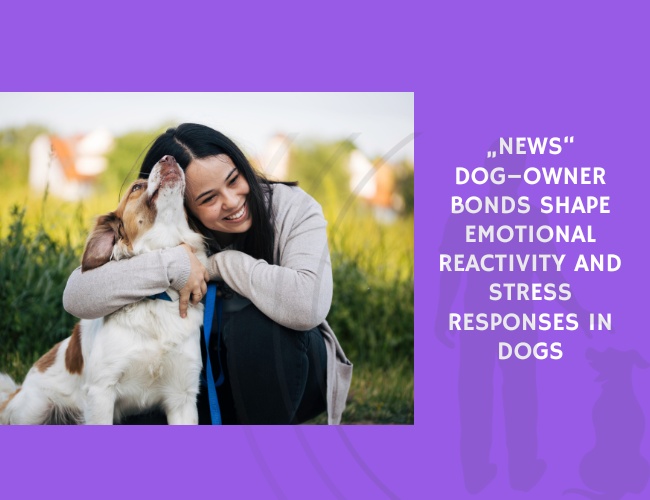
Published in Animals (Volume 12), this study investigated how attachment, caregiving, and personality interplay in shaping a dog’s emotional state and physiological stress regulation. Using a combination of heart rate variability (HRV) monitoring, behavioral observations, and owner emotion ratings, the research team exposed 29 adult dogs to five controlled emotional situations: gentle stroking, a feeding toy task, owner separation, reunion, and the sudden appearance of a novel object.
Findings revealed that both positive and negative experiences triggered measurable arousal in dogs. Yet the dogs’ responses varied significantly depending on the quality of the owner–dog bond. Dogs with high emotional closeness to their owners displayed increased HRV—a marker of parasympathetic activation and emotional regulation—indicating a secure base effect that buffered stress. Conversely, frequent caregiving behaviors by owners were linked with heightened attachment-related arousal, suggesting that over-solicitous interaction may amplify dependency and emotional sensitivity.
Personality further moderated these dynamics: more independent dogs exhibited higher HRV and reduced fear responses, while owner-oriented, emotionally reactive dogs were more prone to physiological arousal and attention-seeking. These insights show that the emotional connection between humans and dogs is bi-directional—owners shape the emotional tone of the relationship as much as the dog’s personality shapes its emotional needs.
The findings align strongly with the NeuroBond framework, which posits that co-regulation of emotional states between dog and human defines true attachment. Secure emotional bonds do not eliminate arousal—they balance it. By recognizing how closeness, personality, and caregiving interact, trainers and owners can foster emotional stability rather than dependency, aligning physiological calm with behavioral trust.
Source: Somppi, S., Törnqvist, H., Koskela, A., Vehkaoja, A., Tiira, K., Väätäjä, H., Surakka, V., Vainio, O., & Kujala, M. V. (2022). Dog–Owner Relationship, Owner Interpretations and Dog Personality Are Connected with the Emotional Reactivity of Dogs. Animals, 12. Published May 24, 2022.










