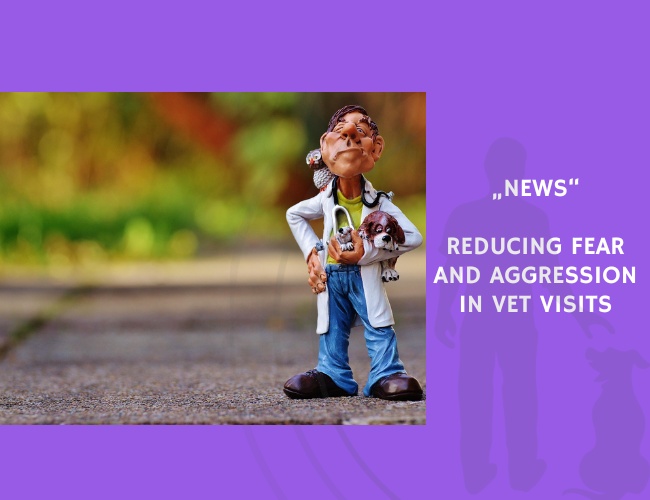
Veterinary visits can be a major source of anxiety for companion animals. According to S. Riemer and colleagues in a review published in Animals, a large proportion of dogs and cats exhibit fear, stress, or aggression during these visits. The authors examined how veterinarians can minimize negative emotions and promote calm, positive experiences for both animals and their caregivers.
The review outlines how environmental setup, handling style, and communication influence an animal’s emotional response. In waiting areas, simple changes such as spatial dividers for dogs or elevated carrier stands for cats can reduce tension. During examinations, staff should use non-threatening body language, avoid looming postures, and apply minimal restraint whenever possible. Offering high-value treats or toys helps create positive associations throughout the visit.
To address existing fear or aggression, desensitization and counterconditioning are highly recommended. These training methods involve gradually exposing animals to veterinary stimuli—such as handling or medical tools—paired with rewards, helping them build trust over time. For very fearful patients, pre-visit anxiolytic medication or sedation may be appropriate to prevent traumatic experiences and ensure safety.
The authors also emphasized using tactile and cognitive distractions during potentially painful procedures, like injections or ear cleanings, and applying topical analgesics when needed. By minimizing pain and fear, veterinarians not only improve patient welfare but also strengthen client relationships and enhance team satisfaction within the clinic.
Ultimately, this review promotes a shift toward fear-free veterinary practice—one that values the emotional well-being of animals as much as their physical health. Through consistent positive handling and training, dogs and cats can learn to approach veterinary care with comfort rather than distress.
Source: Riemer, S., Heritier, C., Windschnurer, I., Pratsch, L., Arhant, C., & Affenzeller, N. (2020). A Review on Mitigating Fear and Aggression in Dogs and Cats in a Veterinary Setting. Animals, 11. Published December 7, 2020.