

You’re not alone if you’ve noticed your furry friend suddenly freezing at the threshold of your kitchen, refusing to walk across the tile floor they’ve crossed a hundred times before. Perhaps they’ll skirt around the hardwood in the hallway, or crouch low when approaching that metal grate at the vet’s office. This isn’t stubbornness or simple preference—what you’re witnessing is a complex interplay of sensory perception, emotional regulation, and learned experience that can profoundly affect your dog’s confidence and quality of life.
Let us guide you through the fascinating neurological and emotional landscape of surface-sensitive dogs, exploring why certain floor textures trigger fear, how these anxieties develop, and most importantly, how you can help your companion rediscover the joy of moving freely through their world.
The Hidden World Beneath Their Paws: Sensory and Neurological Foundations
How Your Dog’s Paws Read the World
Did you know that every step your dog takes is actually a conversation between their paws and their brain? The paw pads aren’t just protective cushions—they’re sophisticated sensory organs packed with mechanoreceptors that constantly gather information about the world beneath them.
When your dog places a paw on any surface, these receptors immediately begin transmitting data about texture, temperature, pressure, and stability. This tactile input merges seamlessly with what they see and their inner sense of balance to create a complete picture of their environment. Think of it as a three-way conversation between touch, sight, and balance that happens in milliseconds, allowing your dog to move with confidence and coordination.
When this conversation breaks down, anxiety enters. If the tactile feedback feels unreliable, slippery, or somehow threatening, your dog’s entire sense of spatial confidence can crumble. Research shows us that when proprioceptive information—that internal sense of where the body is in space—becomes compromised, it can lead to profound feelings of instability. Your dog might perceive a perfectly safe floor as threatening simply because the sensory signals don’t match their expectations of security.
This is where the NeuroBond approach becomes essential. Through understanding how your dog processes sensory information, you create the foundation for addressing their fears with compassion rather than confusion.
Sensory Processing: When Touch Becomes Overwhelming
You might wonder whether your surface-sensitive dog is experiencing something deeper than simple caution. Could they have a form of sensory processing disorder, similar to what humans experience?
The answer is increasingly clear: yes, many dogs exhibiting floor texture aversion show signs of proprioceptive hypersensitivity or sensory integration dysfunction. For these dogs, certain textures aren’t just unfamiliar or slightly uncomfortable—they’re genuinely overwhelming, even painful on a neurological level.
Here’s what sensory hypersensitivity might feel like for your dog:
- Tile floors: The cool, hard surface might register as intensely cold or uncomfortably rigid, creating a jarring sensation with each paw placement
- Smooth hardwood or laminate: Could create a disorienting sensation of sliding even when standing still, as if the ground beneath them is unstable
- Textured surfaces: Might feel overstimulating, like wearing scratchy fabric against sensitive skin—every ridge and groove registering as uncomfortable
- Shiny reflective floors: The visual reflection or shine could create confusing optical feedback that conflicts with their tactile experience, making depth perception difficult
- Metal grates: The spaces between bars create uneven pressure points that can feel threatening to paw pads
- Carpet to tile transitions: The sudden change in texture, temperature, and traction can be overwhelming for hypersensitive systems
When a dog’s tactile or proprioceptive systems are hypersensitive, their nervous system processes these neutral surfaces as threats. What we see as a simple kitchen floor, they might experience as overwhelming sensory chaos. This isn’t fear of the unknown—it’s a genuine neurological response to sensory input that their system struggles to process effectively.
Research on sensory integration dysfunction demonstrates that accessing and calming the vestibular, proprioceptive, and tactile systems can have profound organizing effects on the nervous system. This gives us hope: by addressing the sensory component directly, we can help surface-sensitive dogs find relief.
The Balance System: When Your Dog Feels Unsteady
The fear you’re observing might not be about the floor itself, but about what that floor represents to your dog’s sense of balance. The vestibular system—your dog’s internal gyroscope—detects head movements and gravitational forces, while the cerebellum acts as the master coordinator, integrating all this sensory information to enable smooth, confident movement.
When your dog encounters a surface that sends conflicting signals, their vestibular and cerebellar systems struggle to provide accurate feedback. Imagine standing on a floor that looks solid but feels subtly unstable, where your eyes tell you one thing but your body senses something different. That disconnect creates an immediate threat signal in the brain.
This is especially true for surfaces that:
- Reflect light unusually: Creating visual distortion, glare, or patterns that make it difficult to judge depth and distance accurately
- Provide inconsistent traction: Where appearance suggests one level of grip but reality provides another, creating a mismatch between expectation and experience
- Make unexpected sounds: Surfaces that creak, echo, or amplify the sound of paw steps in ways that feel unpredictable
- Feel different temperatures: Than what the dog expects based on appearance—cold when it looks warm, or vice versa
- Shift slightly under weight: In ways the dog can detect but humans cannot, such as floating floors or loosely laid tiles
- Have visual patterns: That create optical illusions of movement or instability, such as high-contrast tiles or geometric designs
Warning signs that vestibular or balance issues may be contributing to surface fear:
- Head tilting or unusual head carriage when approaching feared surfaces
- Circling behaviors before attempting to cross a surface
- Reluctance to jump up or down even on familiar surfaces
- Loss of coordination that worsens on certain floor types
- Nausea-like symptoms (excessive drooling, lip-licking) near feared surfaces
- Wide-based stance or stiff-legged walking on specific floors
Dogs with compromised vestibular or cerebellar function—whether from age, medical conditions, or individual sensitivity—face even greater challenges. What might be a minor sensory discrepancy for most dogs becomes a significant stability threat for them, triggering protective avoidance behaviors. 🧠
Reading the Signs: Behavioral Expressions of Floor Texture Aversion
The Language of Surface Fear
Your dog communicates their floor anxiety through a rich vocabulary of body language and behavior. Learning to read these signals helps you understand the depth of their concern and respond appropriately.
Common behavioral indicators include:
Freezing and Refusal
Your dog stops dead at the threshold of the feared surface, body rigid, refusing to move forward despite encouragement. This isn’t stubbornness—it’s their brain saying “danger detected, do not proceed.”
Active Avoidance
Watch for dogs who actively plot routes around certain surfaces, jumping over them, taking longer paths through the house, or physically backing away when encouraged toward the feared floor. This shows conscious decision-making driven by anxiety.
Postural Changes
A lowered body stance, tucked tail, crouched position, or attempts to make themselves smaller all indicate apprehension. Your dog is trying to lower their center of gravity, instinctively seeking greater stability.
Tentative Testing
You might notice paw-lifting behaviors, where your dog repeatedly tests the surface with one paw before committing their weight. Walking on the very tips of their toes or taking exaggeratedly careful steps reveals their uncertainty about the footing beneath them.
Stress Signals
Panting (when not hot or exercised), yawning, excessive lip-licking, whale eye (showing the whites of their eyes), and dilated pupils all indicate anxiety. These autonomic responses happen before your dog can even decide how to react.
Vocalization
Whining, barking, or distressed vocalizations express either panic or a request for help from you, their trusted companion.
Physical Manifestations
Trembling, shaking, increased heart rate, and rapid breathing reveal the intensity of your dog’s fear response. These are involuntary reactions controlled by their sympathetic nervous system.
How Surface Fear Takes Root
Surface fear rarely appears randomly. Most often, it develops through classical conditioning—a fundamental learning process where your dog associates a previously neutral stimulus with something negative.
Here’s how it typically unfolds:
Your dog experiences a traumatic event on a specific surface. Perhaps they slipped on wet tile while excitedly greeting you at the door, or they fell on hardwood during a play session. Maybe they were startled by a loud noise while standing on laminate flooring. In that moment, their brain creates a powerful association between the surface and the unpleasant sensation of instability, pain, or fear.
Common triggering events that create surface fear:
- Slipping incidents: Wet floors, waxed surfaces, or running too fast on smooth flooring
- Falls or injuries: Particularly if pain occurred immediately after contact with the surface
- Loud noises: Thunder, fireworks, or dropped objects that happened while the dog was on a specific surface
- Startle events: Being surprised or scared while on a particular floor type
- Medical procedures: Slippery exam tables at the vet creating generalized fear of smooth surfaces
- Punishment or corrections: If the dog was scolded or corrected while on a specific surface
- Chronic pain experiences: Arthritis flare-ups or joint pain that coincidentally occurred on certain floors
- Witnessing another dog’s fear: Social learning from watching another dog react fearfully to a surface
The remarkable—and challenging—aspect of this learning is how quickly it happens. A single traumatic experience can create a lasting fear response. Research shows that fear conditioning actually changes how the brain processes previously neutral stimuli, making them neurologically similar to genuinely phobic stimuli.
This is your dog’s survival mechanism working exactly as designed. Their brain is trying to protect them from future harm by marking that surface as dangerous. The problem arises when this protective response becomes generalized or persists even after the original threat is gone.

The Spread of Fear: Generalization vs. Specificity
One of the most important questions you might have is whether your dog’s fear will spread to other surfaces. The answer depends on several factors related to how dogs generalize their experiences.
Fear generalization occurs when:
Your dog extends their fear from one specific surface to others that share similar characteristics. If they slipped on shiny tile, they might begin avoiding all shiny surfaces—polished wood, wet pavement, metal grates—because their brain has learned that “shiny equals slippery equals dangerous.”
Surface-specific fear persists when:
The negative experience was highly unique to one particular texture. If your dog had a traumatic experience on a specific textured mat, they might only fear that exact texture until additional negative experiences broaden the association.
Research demonstrates that experimentally-induced fear creates common neural pathways for processing fear-related information, whether the fear was pre-existing or newly learned. This explains why dogs can generalize fear so readily—their brains are actively looking for patterns that might predict danger.
Understanding whether your dog’s fear is generalized or specific helps you tailor your rehabilitation approach. Soul Recall moments—those instances where your dog’s emotional memory surfaces—can provide valuable insights into the original triggering event and how far the fear has spread.
Environmental Influences: When the World Around Affects What’s Below
The Role of Lighting in Surface Perception
You might not realize that household lighting dramatically influences how your dog perceives floor surfaces. Dogs see the world differently than we do, and lighting conditions can transform a safe floor into a threatening visual puzzle.
Bright overhead lighting creates reflections and glare on smooth surfaces that can be disorienting for dogs. What looks like a simple shiny floor to you might appear as a confusing collection of light pools and dark shadows to your dog, making it difficult to accurately judge depth and traction.
Dim lighting or shadows can make texture and boundaries harder to distinguish. Dogs rely heavily on visual cues to supplement their tactile information, and when lighting is inadequate, they lose confidence in their ability to navigate safely.
Moving shadows and light patterns created by windows, ceiling fans, or even fish tanks can make a static floor appear to move or shift. For an already anxious dog, these visual disturbances can be the final trigger that says “this surface is unstable.
Consider how your home’s lighting changes throughout the day. Your dog might confidently cross the kitchen floor in morning light but refuse the same path at dusk. This isn’t random—their visual perception of that surface has genuinely changed. 🧡
Sound Reflection and Acoustic Environment
The sounds a floor makes—or reflects—matter more to your dog than you might imagine. Dogs hear frequencies we cannot, and their auditory perception shapes their environmental confidence.
Hard surfaces amplify sounds in ways that can be startling or overwhelming. The click of their own nails, the echo of footsteps, or household sounds bouncing off tile or hardwood can create an acoustically uncomfortable environment. For sensitive dogs, this constant auditory feedback becomes associated with the surface itself.
Different textures create different sounds when walked upon. Your dog learns to associate certain acoustic signatures with certain surfaces. If they had a frightening experience on a floor that creaked, all creaking floors might trigger anxiety.
Sound reflection patterns vary by room geometry and surface type. Open kitchen floors might create echo chambers that amplify anxiety, while carpeted areas provide acoustic dampening that feels safer.
Pay attention to when your dog’s surface fear seems worse. Is it during busy household times when sound levels are high? Does the fear diminish when the house is quiet? These observations provide clues about whether acoustic factors are contributing to their anxiety.
Temperature Modulation and Thermal Comfort
The thermal properties of flooring play a surprising role in surface preference and anxiety. Dogs experience temperature through their paw pads with remarkable sensitivity.
Cold surfaces like tile, concrete, or metal can be genuinely uncomfortable, especially for dogs with arthritis or joint sensitivity. What begins as physical discomfort can evolve into anticipatory anxiety.
Hot surfaces create obvious avoidance for good reason—they can cause pain and injury. However, even moderately warm surfaces might trigger memories of past discomfort.
Temperature transitions matter too. Moving from warm carpet to cold tile creates a sensory shift that can be unsettling for sensitive dogs. The sudden change in tactile input draws attention to the surface itself, increasing anxiety in dogs already prone to surface fear.
Seasonal variations affect floor temperature significantly. Your dog might confidently walk on kitchen tile in summer but refuse the same surface in winter when it feels icy underfoot. This seasonal pattern helps identify whether thermal sensitivity contributes to their floor anxiety.
The Emotional Landscape: Understanding the Deeper Dimensions of Surface Fear
Sensory vs. Emotional: Untangling the Components
When you watch your dog freeze before a feared surface, you’re witnessing something more complex than a simple tactile discomfort. Surface fear represents an intricate interplay between sensory experience and emotional interpretation.
The sensory component is real. For dogs with proprioceptive hypersensitivity or sensory processing challenges, the tactile input itself can be genuinely uncomfortable, overwhelming, or disorienting. The physical sensation of certain textures creates an immediate aversive response that isn’t about fear—it’s about neurological discomfort.
The emotional component is equally valid. Beyond the physical sensation, many dogs experience profound anxiety related to loss of perceived stability and safety. This is the emotional meaning they’ve attached to the sensory experience. When your dog associates a surface with instability, they’re not just avoiding physical discomfort—they’re protecting themselves from the terrifying feeling of losing control.
These components feed each other in a cycle:
Uncomfortable tactile input triggers emotional anxiety, which heightens sensory sensitivity, which amplifies the uncomfortable sensations, which deepens the emotional fear. Breaking this cycle requires addressing both the sensory and emotional dimensions simultaneously.
Understanding this dual nature helps explain why purely physical interventions (like different flooring) sometimes fail, and why purely behavioral approaches (like forced exposure) can backfire. Your dog needs support on both levels to truly heal.
Chronic Environmental Insecurity: The Ripple Effects
When floor texture fear goes unaddressed, it doesn’t remain isolated. Chronic environmental insecurity—the persistent feeling that one’s surroundings are unpredictable or threatening—can reshape your dog’s entire emotional landscape.
Here’s what happens over time:
The FEAR and PANIC circuits in your dog’s brain become overactivated. These ancient emotional systems exist to protect them from danger, but when they’re constantly engaged, they begin to suppress the SEEKING system—the drive to explore, play, and engage with the world.
You might notice:
- Decreased playfulness and curiosity: Even in familiar environments, your dog seems less interested in exploring or playing
- Reluctance to explore: New spaces or situations that previously would have sparked curiosity now trigger avoidance
- Heightened reactivity: Increased sensitivity to sounds, movements, or new people approaching
- Generalized anxiety: Fear extending beyond surface-related situations into other areas of life
- Reduced physical confidence: Hesitation to jump, climb stairs, or navigate obstacles they once managed easily
- Clingy behavior: Stronger attachment to you, sometimes becoming dependent or following you constantly
- Room avoidance: Refusing to enter entire rooms or areas of the house where feared surfaces exist
- Nighttime anxiety: Increased fear responses in low-light conditions when surfaces are harder to assess visually
Physical manifestations of chronic environmental insecurity:
- Changes in appetite or eating location preferences (only eating in certain rooms)
- Sleep disturbances or reluctance to settle in certain areas
- Increased frequency of stress-related behaviors (paw licking, tail chasing)
- Digestive issues that correlate with anxiety levels
- Muscle tension or changes in gait even on comfortable surfaces
This broader emotional impact explains why addressing surface fear matters for your dog’s overall wellbeing. It’s not just about walking on the kitchen floor—it’s about helping your dog feel secure and confident in navigating their world.
Through understanding these deeper emotional dimensions, the Invisible Leash philosophy reveals itself: your dog needs to feel connected to you not through tension or force, but through mutual trust and calm presence that says “you’re safe, even here.” 🧠

The Handler’s Emotional Influence: Co-regulation and Safety
Your emotional state profoundly influences your dog’s ability to cope with surface fear. This isn’t about blame—it’s about recognizing the powerful connection you share and leveraging it for healing.
Co-regulation happens when:
Your calm, confident energy acts as a “secure base” for your dog. When you project genuine calmness (not forced cheerfulness or hidden anxiety), your dog’s own physiological arousal can decrease. They literally feel safer because you feel safe.
Here’s the neurological reality:
Dogs are incredibly attuned to human emotional states. They read your breathing patterns, muscle tension, vocal tone, and energy levels with remarkable accuracy. If you’re anxious about their fear, they detect that anxiety and interpret it as confirmation that danger exists.
Conversely, when you embody calm confidence:
- Your dog’s cortisol levels may decrease in your presence
- Their ability to process new sensory information improves
- The fear response doesn’t spike as intensely or quickly
- They feel permission to explore and experiment rather than only protect
- Recovery from brief fear spikes happens more rapidly
Practical implications for you:
Before working with your dog on surface fear, take a moment to center yourself. Breathe deeply, release tension from your shoulders, and genuinely arrive at a calm state. This isn’t fake-it-til-you-make-it—your dog will detect inauthenticity. Instead, trust the process and find your own genuine calm.
Co-regulation techniques that support your dog:
- Breathing synchronization: Match your breathing to a slow, calm rhythm—your dog subconsciously attunes to this
- Relaxed body language: Keep your shoulders down, jaw unclenched, and movements fluid rather than tense
- Soft eye contact: Brief, gentle glances that communicate safety rather than staring that might increase pressure
- Calm vocal tones: Speak in lower, slower pitches if you need to communicate verbally
- Grounded presence: Stand or sit in a balanced, rooted way that projects stability
- Patience signals: Give your dog time to process without rushing or showing urgency
- Quiet celebration: Acknowledge successes with soft praise rather than anxious over-enthusiasm that might spike arousal
When approaching feared surfaces together, maintain relaxed body language. Walk with confidence but not urgency. Keep your breath steady. Celebrate small successes quietly rather than with anxious enthusiasm.
This practice of co-regulation doesn’t just help with surface fear—it strengthens the fundamental bond between you and your dog, creating what we might call a deeper emotional resonance where trust becomes the foundation for all learning.
Pathways to Confidence: Rehabilitation and Welfare Applications
Evidence-Based Training Strategies
Restoring your dog’s surface confidence requires a thoughtful, multi-layered approach that addresses both the sensory and emotional components of their fear. Let me guide you through the most effective strategies, grounded in behavioral science and compassionate practice.
Gradual Desensitization and Counter-Conditioning: The Foundation
This approach works by slowly exposing your dog to the feared surface at a distance or intensity that doesn’t trigger their fear response, while pairing each exposure with something positive.
Here’s how you implement it:
Start by placing high-value treats several feet away from the feared surface. Your dog doesn’t need to touch the floor—just being in the same room without fear is progress. Over multiple sessions, gradually decrease the distance between your dog and the surface.
Next, create a “trail” of treats that leads closer to the edge of the feared floor. Let your dog choose how far to follow the trail. Never force or lure them beyond their comfort threshold.
When your dog can comfortably stand at the edge of the feared surface, place treats on a small rug or mat positioned on that surface. This creates a “safe island” that lets them experience the feared floor indirectly.
Gradually reduce the size of the safe island over many sessions, until your dog is comfortably standing directly on the previously feared surface while enjoying treats.
The key is patience. Research on fear extinction shows that fear can indeed be unlearned through gradual exposure, but rushing the process can create sensitization instead of desensitization—making the fear worse rather than better.
Scent-Marked Pathways: Creating Olfactory Safety
Your dog’s sense of smell is their primary sense, and you can use this to your advantage. Create a scent-marked pathway across or near the feared surface using calming essential oils (like lavender), your own worn clothing, or treats with strong scents.
This technique works because familiar or positive scents can reduce anxiety and encourage exploration. Your dog follows their nose, and the positive association with the scent helps override the fear association with the surface.
Environmental Enrichment and Texture Variety
Expose your dog to many different textures in contexts where they feel safe and confident. This might include:
Outdoor texture exploration activities:
- Nature walks with varied terrain: Deliberately walking on grass, sand, gravel, wood chips, smooth pavement, and textured concrete during pleasant adventures
- Beach or water play: Wet sand, shallow water, and the transition between dry and wet surfaces
- Forest or trail hiking: Natural surfaces like dirt, leaves, pine needles, and roots
- Urban texture exposure: Sidewalks, brick paths, cobblestones during positive city outings
Backyard and home enrichment:
- Texture station games: Create small areas with different surfaces (rubber mats, artificial turf, smooth stones) that your dog can explore during play
- Indoor texture adventures: Hide-and-seek or treat searches that involve walking across various safe textures like yoga mats, towels, and different rugs
- DIY obstacle courses: Low-pressure agility-style setups incorporating different surface stations that build confidence through play
- Varied resting spots: Provide beds, mats, and resting areas with different textures throughout the house so your dog builds positive associations with texture variety
- Nose work on surfaces: Scent games that encourage your dog to focus on sniffing while naturally walking across various surfaces
High-value rewards that motivate during desensitization:
- Small pieces of real chicken, turkey, or lean beef
- Cheese cubes (if your dog tolerates dairy well)
- Freeze-dried liver or other single-ingredient organ meats
- Peanut butter or squeeze treats for licking rewards
- Their absolute favorite commercial treats saved exclusively for this work
- Special toys that only appear during surface training sessions
- Brief play sessions with a favorite toy as a jackpot reward for particularly brave attempts
This enrichment builds general texture confidence and prevents fear generalization by creating many positive texture experiences that outweigh the negative ones. 🐾
Physical Therapy and Proprioceptive Conditioning
Addressing the physical and sensory components of surface fear can dramatically improve your dog’s confidence. Working with a certified canine rehabilitation therapist or veterinary physical therapist opens new pathways to healing.
Physical Therapy Approaches:
Balance and Coordination Exercises
Your therapist might use balance discs, wobble boards, or physio-balls to improve your dog’s proprioceptive awareness in a controlled, positive environment. These exercises help your dog learn to trust their body’s feedback signals.
Paw Massage and Tactile Therapy
Regular, gentle massage of your dog’s paws can increase tactile comfort and reduce hypersensitivity. This should always be done when your dog is relaxed, paired with treats, and stopped if your dog shows discomfort.
Graduated Surface Exposure
Working with a therapist, your dog progresses through carefully selected surface types, starting with soft, stable textures and gradually moving toward more challenging surfaces. The key difference from home practice is the therapist’s expertise in reading your dog’s stress signals and adjusting accordingly.
Strength and Stability Training
For dogs whose surface fear stems partly from physical weakness or joint instability, targeted strength training can rebuild confidence. When dogs feel stronger and more stable in their bodies, they’re naturally more willing to attempt challenging surfaces.
Paw-Pad Conditioning at Home:
You can begin gentle paw-pad conditioning yourself, though severe cases benefit from professional guidance.
Progressive paw-pad desensitization steps:
- Week 1-2: Baseline comfort building
- Let your dog simply stand or lie on ultra-soft surfaces like fleece blankets or plush rugs during positive activities
- Pair the experience with treats, gentle praise, or calm petting
- No walking required—just comfortable contact
- Week 3-4: Gentle texture progression
- Progress to slightly more textured surfaces like thick yoga mats or folded towels
- Allow brief standing or slow walking while offering continuous treats
- Keep sessions short (2-3 minutes) and always end on a positive note
- Week 5-6: Outdoor variety introduction
- Introduce brief walks on various pleasant outdoor surfaces—soft grass, smooth dry pavement, packed dirt trails
- Walk during exploration-mindset times (like morning walks) rather than stressful times
- Let your dog set the pace and choose to explore
- Week 7-8: Gradual challenge increase
- Very gradually introduce slightly more challenging textures like thin rubber mats or textured outdoor surfaces
- Always pair with high-value rewards
- Watch for any signs of discomfort and slow down if needed
- Week 9-12: Generalization and maintenance
- Practice on the same textures in different locations
- Reduce treat frequency gradually but maintain occasional reinforcement
- Celebrate your dog’s growing confidence
Gentle paw massage technique:
- Wait until your dog is naturally relaxed (after exercise, during evening calm time)
- Start by simply holding a paw gently for 3-5 seconds with a treat
- Progress to gentle circular motions on the paw pad using your thumb
- Work for only 30-60 seconds per paw initially
- Always stop if your dog pulls away or shows discomfort
- Build up to 2-3 minutes per paw over several weeks
Remember, this is gradual work. Think in terms of weeks or months, not days. The goal is building genuine comfort, not forcing tolerance. 🧡
Cold. Smooth. Uncertain.
Fear begins beneath the paws. For some dogs, a floor isn’t just a surface—it’s a sensation that feels wrong, unstable, or even painful. Their hesitation is not defiance but a nervous system on alert.
When senses misfire, trust breaks. Slippery or shiny textures confuse the brain’s dialogue between balance and touch. Each step becomes a question: Is the ground still safe?
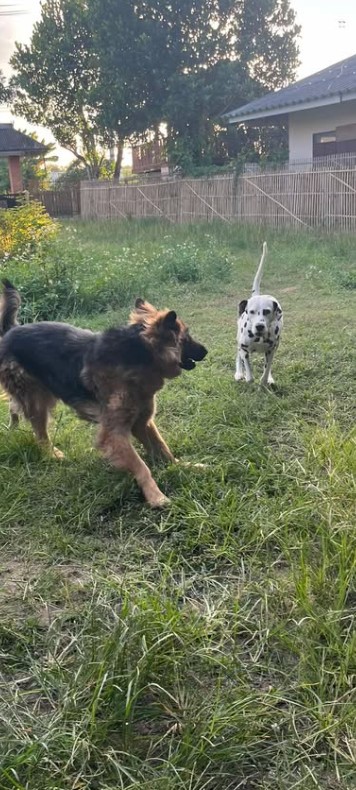
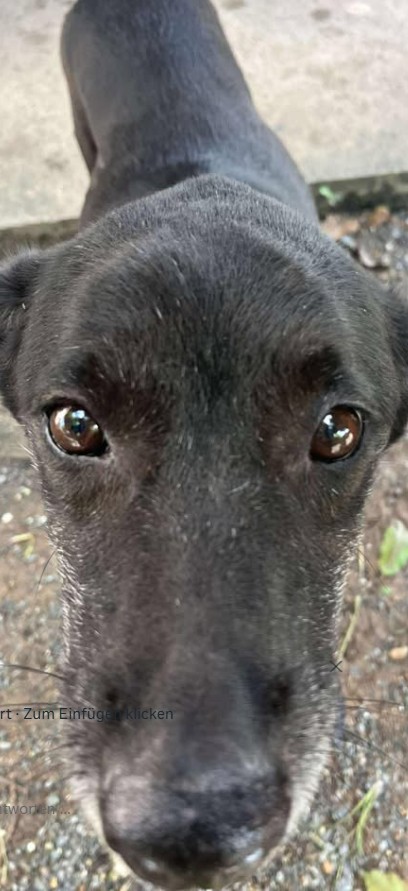
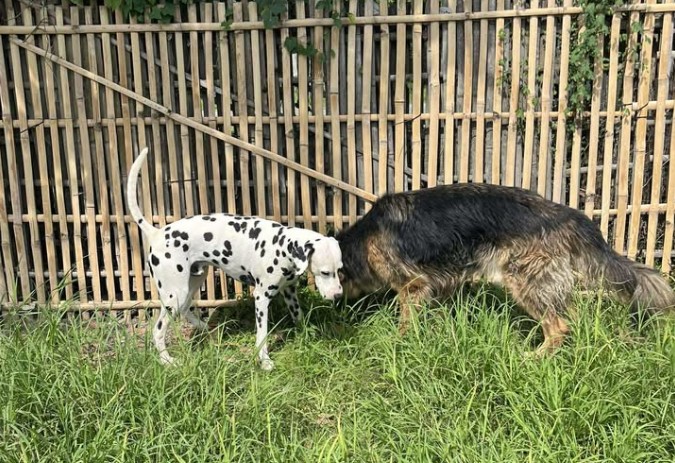
Confidence grows through calibration. Gentle exposure, traction support, and emotional steadiness help rewire perception. With patience, fear turns into familiarity—and movement becomes freedom again.
Surface Fear as an Early Marker: Recognizing Broader Patterns
Surface aversion deserves recognition as more than just a quirky behavior problem. It can serve as an early warning sign of broader sensory processing imbalances or developing anxiety disorders.
Why this matters for your dog:
Early identification allows for timely intervention before anxiety escalates or generalizes to other aspects of your dog’s life. A dog who starts by fearing tile floors might eventually develop anxiety about car rides, vet visits, or new environments if the underlying sensory or emotional issues aren’t addressed.
Signs that surface fear might indicate broader issues:
- Your dog shows multiple sensitivities (sounds, certain touches, specific visual stimuli)
- The surface fear is intense and disproportionate to any actual negative experience
- Fear rapidly generalizes to new surfaces or situations
- Your dog shows anxiety symptoms in multiple contexts, not just floor-related
- Recovery from fearful episodes takes a long time
- Your dog’s overall confidence seems to be declining
- Other stress-related behaviors emerge (excessive licking, destructive behavior, house soiling)
The relationship implications:
Research demonstrates that problem behaviors related to fear significantly impact owner-dog relationships. When you can’t move freely through your home together, when simple activities become stressful, when your dog’s anxiety creates daily management challenges—the bond between you suffers.
By recognizing surface aversion early and addressing it comprehensively, you’re not just solving a training problem. You’re preventing potential deterioration in your relationship and your dog’s overall quality of life.
This is where the philosophy behind all this work becomes clear: helping your dog overcome surface fear is ultimately about honoring the relationship you share, building trust, and creating a life where you both feel confident and connected. That’s the essence of what thoughtful, dog-centered training truly offers.
🐾 Understanding & Healing Floor Texture Fear in Dogs
A Step-by-Step Journey from Sensory Overwhelm to Confident Movement 🧠
Phase 1: Recognition & Assessment
Identifying the Fear Pattern
🔍 What You’re Observing
Your dog’s paw pads contain thousands of mechanoreceptors constantly gathering sensory data. When this tactile feedback feels unreliable or threatening, their entire spatial confidence crumbles. Watch for freezing at thresholds, lowered body posture, tentative paw-lifting, or complete avoidance of specific surfaces.
📋 Create Your Surface Map
Document each feared surface with fear level (1-10), specific behaviors, environmental factors (lighting, temperature, sounds), and timing patterns. Note: tile vs. hardwood vs. laminate vs. metal grates. Track for one week to establish baseline data—this becomes your roadmap for rehabilitation.
✅ Assessment Checklist
• Which specific surfaces trigger fear?
• How close can your dog approach before freezing?
• Are there environmental factors (lighting changes, temperature)?
• When did this first appear—sudden incident or gradual onset?
• Has the fear generalized to similar textures?
Phase 2: Understanding the Neuroscience
Why This Happens
🔬 Sensory Processing Breakdown
Surface fear often stems from proprioceptive hypersensitivity or sensory integration dysfunction. What we see as a simple kitchen floor, your dog might experience as overwhelming sensory chaos—every temperature shift, texture change, or visual reflection registers as a potential threat to their nervous system.
⚖️ Vestibular-Tactile Disconnect
The vestibular system (inner ear balance) and tactile input from paws must work in harmony. When surfaces send conflicting signals—visual information says “stable” but paw feedback says “slippery”—the brain perceives a stability threat. This disconnect activates the FEAR circuit, suppressing natural exploration and play.
💡 The NeuroBond Perspective
Through the NeuroBond approach, we understand that fear isn’t stubbornness—it’s genuine neurological distress. Your dog’s brain is trying to protect them from perceived danger. This knowledge shifts our response from frustration to compassion, creating the foundation for true healing.
Phase 3: Environmental Optimization
Creating Immediate Safety
🛤️ Strategic Rug Placement
Create “safe pathways” with non-slip runners connecting key areas. Place area rugs as “safe islands” in the center of feared floors. Use high-contrast colors so your dog can clearly see boundaries. Ensure stability with quality rug pads—any movement could create new fear associations.
💡 Lighting & Temperature Control
Reduce glare with softer, diffused lighting. Add night lights for after-dark navigation. In winter, warm cold tile floors with heating pads or radiant heaters. Install motion-activated lights in hallways. Eliminate confusing shadows and reflections that make static floors appear to move.
🔇 Sound Dampening
Add soft furnishings, curtains, and acoustic elements to reduce echo. Dogs hear frequencies we cannot—the click of nails and amplified sounds can intensify anxiety. Consider gentle background music to mask startling environmental sounds. These modifications aren’t avoidance—they’re compassionate scaffolding.
Phase 4: Co-Regulation Foundation
Your Calm Becomes Their Calm
🌊 Embodying Calm Presence
Before any surface work, center yourself authentically. Your dog reads your breathing patterns, muscle tension, and energy levels with remarkable accuracy. If you’re anxious about their fear, they interpret it as confirmation that danger exists. Breathe deeply, release shoulder tension, find genuine calm—not fake cheerfulness.
🎭 The Invisible Leash in Action
The Invisible Leash reminds us that connection happens through energy, not tension. When you project calm confidence near feared surfaces, your dog’s cortisol levels can decrease in your presence. This emotional resonance—where trust becomes the foundation—enables your dog to process sensory information without panic.
🎯 Practical Co-Regulation Techniques
• Match your breathing to a slow, calm rhythm
• Keep shoulders down, jaw unclenched, movements fluid
• Use soft eye contact rather than staring
• Give your dog time to process without rushing
• Celebrate small wins quietly, not anxiously
• Stand in a balanced, rooted way that projects stability
Phase 5: Gradual Desensitization Protocol
Building Confidence Step-by-Step
🎯 Distance Work (Weeks 1-4)
Start several feet away from the feared surface—close enough for awareness but far enough to prevent fear responses. Place high-value treats at this distance. Simply being in the same room without fear IS progress. Over multiple sessions, gradually decrease distance by 6-12 inches. Patience here prevents sensitization.
🏝️ Safe Island Technique (Weeks 5-8)
Create a treat trail leading to the edge. Place a small rug or mat ON the feared surface—this “safe island” lets your dog experience the floor indirectly. Reward all paw contact, even one paw briefly touching. Over weeks, gradually reduce the island size until your dog stands directly on the surface.
🌈 Counter-Conditioning Magic
Pair every exposure with something genuinely positive—real chicken, cheese, favorite toys, or play sessions. The feared surface must predict wonderful things. Use scent-marked pathways with calming lavender or your worn clothing. Your dog follows their nose, and positive scent associations override fear.
⚠️ Never Force or Flood
Forcing your dog onto feared surfaces or “flooding” them with prolonged exposure activates PANIC circuits without engaging SEEKING behavior. This creates traumatic associations, not confident learning. Rushing the process causes sensitization—making fear worse, not better. Let your dog’s comfort level guide the pace.
Phase 6: Physical & Proprioceptive Conditioning
Building Body Confidence
🎪 Balance & Coordination Work
Work with a canine rehabilitation therapist using balance discs, wobble boards, or physio-balls to improve proprioceptive awareness. These exercises help your dog trust their body’s feedback signals. Strong, coordinated dogs feel more secure on all surfaces. Build core strength through appropriate activities for your dog’s age and fitness level.
🐾 Progressive Paw-Pad Desensitization
Start with ultra-soft fleece surfaces paired with treats. Progress over 12 weeks through yoga mats, thin towels, textured rubber, then varied outdoor surfaces. Include gentle paw massage (30-60 seconds per paw when relaxed). This gradually increases tactile comfort and reduces hypersensitivity. Work in weeks, not days.
🌳 Enrichment Through Texture Variety
Expose your dog to many textures in positive contexts: nature walks on grass, sand, gravel; backyard texture stations with different mats; nose work games across various surfaces. This builds general texture confidence and prevents fear generalization. Positive experiences across textures outweigh negative ones.
Phase 7: Generalization & Real-World Application
Taking Confidence Beyond Home
🗺️ Multiple Location Practice
Once your dog shows confidence at home, practice on similar surfaces in different settings—friend’s houses, pet-friendly stores, outdoor public spaces. This prevents context-specific learning where confidence only exists in one environment. Start with low-stress locations and gradually increase environmental complexity.
🎓 Fading Reinforcement Gradually
As confidence grows, gradually reduce treat frequency—but never eliminate entirely. Move from continuous reinforcement (every crossing) to intermittent (every 3-4 crossings) to occasional surprise rewards. This maintains the positive association while building intrinsic confidence. The goal is functional courage, not dependence on treats.
📊 Recognizing Milestone Progress
Celebrate: Standing closer without retreating • Taking treats near feared surfaces • First single-paw contact • Crossing with your support • Independent crossing • Normal gait returning • Confidence on similar surfaces in new locations. Progress isn’t linear—expect variation. Some hesitation remaining is normal and doesn’t mean failure.
Phase 8: Maintenance & Lifelong Prevention
Preserving Hard-Won Confidence
🎯 Ongoing Reinforcement Schedule
Continue occasional rewards (1-2x weekly) for confident surface crossing. Random surprise treats maintain positive associations without creating dependence. Monitor during stressful periods—illness, household changes, seasonal transitions—as fear can resurface under stress. Brief refresher sessions prevent regression.
🛡️ Prevention Strategies
Keep floors dry to prevent slipping incidents. Maintain nail trim every 3-4 weeks for optimal traction. Address new mobility issues promptly. Ensure rug pads stay effective. Continue proprioceptive activities and varied terrain walks. Physical confidence supports emotional confidence—they’re inseparable.
🔔 Early Warning System
Watch for subtle hesitation returning—this is your early intervention window. Immediately increase reinforcement and support without making it a big production. If new surface fears develop, act quickly using the same compassionate protocol. Early intervention prevents fears from becoming entrenched. Soul Recall moments help identify emotional memory patterns.
📊 Surface Fear Across Different Contexts
🐕 Puppies (2-6 months)
Early socialization window: Most receptive to texture exposure. Prevent fears through positive multi-surface experiences. Brief, playful sessions prevent sensitization. Critical period—what they learn now shapes lifelong confidence.
🦴 Adult Dogs (1-7 years)
Established patterns: Fear often stems from specific incidents. Rehabilitation requires 3-6 months of consistent work. Capable of complete recovery with patient desensitization. May generalize fear more than puppies.
👴 Senior Dogs (7+ years)
Physical factors: New fears may indicate pain, arthritis, or vestibular issues. Require veterinary evaluation first. Need extra environmental support—warmer floors, better lighting. Progress slower but still achievable with modifications.
⚡ Incident-Based Fear
Single trauma: One slip or fall creates lasting association. Responds well to counter-conditioning. May be surface-specific initially. Can generalize if not addressed. Often includes clear “before and after” timeline.
🧠 Sensory Processing Issues
Neurological component: Multiple sensitivities beyond floors. May have tactile, auditory, visual hypersensitivity. Requires comprehensive approach—environmental modifications plus desensitization. Benefits from professional therapy.
😰 Generalized Anxiety
Broader pattern: Surface fear is one of many anxieties. May need medication support alongside behavior modification. Requires holistic approach—veterinary behaviorist consultation recommended. Longer rehabilitation timeline expected.
⚡ Quick Reference: Timeline & Expectations
Weeks 1-2: Assessment and baseline documentation
Weeks 3-6: Distance desensitization (working 6-12 inches closer each week)
Weeks 6-12: Gradual approach work and edge confidence building
Months 3-4: Safe island technique and first direct contact
Months 4-6: Independent crossing and generalization work
Month 6+: Maintenance and real-world application
Golden Rule: Let your dog’s comfort level guide the pace—not the calendar. Progress measured in confidence, not speed. Slow and steady wins this race. 🐾
🧡 The Deeper Journey: From Fear to Freedom
What begins as floor texture fear often reveals something profound about the relationship you share with your dog. Through the NeuroBond approach, you learn that healing happens not through force, but through understanding—recognizing that your dog’s nervous system is genuinely overwhelmed, not stubborn. The Invisible Leash shows itself in those moments when your calm presence allows your dog to take one brave step forward, trusting not the surface, but trusting you. And Soul Recall—those emotional memory patterns that surface when paws meet feared floors—becomes the map that guides your compassionate intervention.
This journey from frozen paws to confident movement mirrors something larger: the transformation that happens when we meet our dogs exactly where they are, honor their genuine struggles, and become the steady presence that says “I’m here, you’re safe, and together we can face this.” That bond—built on patience, neuroscience, and soul—is what transforms fear into freedom. That’s the essence of Zoeta Dogsoul.
© Zoeta Dogsoul – Where neuroscience meets soul in dog training
The Theoretical Framework: Understanding the Science Behind the Solutions
How Sensory Integration Theory Illuminates the Path
Understanding why your dog fears certain surfaces requires diving into sensory integration theory—the idea that how the brain processes and integrates sensory information fundamentally shapes behavior and emotional responses.
When sensory feedback is disrupted or overwhelming, it triggers avoidance and anxiety. For surface-sensitive dogs, the tactile input from their paw pads isn’t being processed efficiently or comfortably. Instead of providing helpful information about the environment, it’s creating confusion or distress.
Research on sensory integration dysfunction reveals that when proprioceptive input—that internal sense of body position and movement—is compromised, it can lead to profound feelings of instability. Your dog isn’t being dramatic or difficult. Their nervous system is genuinely struggling to make sense of the sensory information it’s receiving.
This explains several puzzling behaviors:
Why your dog might be fine on some surfaces but terrified of others—certain textures create sensory input their system can’t process comfortably.
Why desensitization sometimes works slowly—you’re literally retraining how their nervous system processes sensory information, which takes time.
Why some dogs seem hypersensitive across multiple sensory domains—their overall sensory processing system may be prone to becoming overwhelmed.
The hopeful message from sensory integration theory is that accessing and appropriately stimulating the vestibular, proprioceptive, and tactile systems can have organizing and calming effects. This means targeted interventions really can help your dog’s nervous system learn to process these sensations more effectively.
Affective Neuroscience: The Emotional Circuits at Play
Affective neuroscience offers another crucial lens for understanding surface fear. This field explores the emotional circuits in the brain that drive behavior—particularly the FEAR, PANIC, and SEEKING systems.
When your dog encounters a feared surface, their FEAR circuit activates. This ancient survival system is designed to detect potential threats and trigger protective responses. For a surface-sensitive dog, the floor itself has become a threat signal.
The PANIC system may also activate, particularly if your dog has experienced true instability or falling. This system governs separation distress and the feeling of being unsafe or unsupported—emotions that resonate deeply with the experience of standing on a surface that feels unstable.
The critical consequence: When FEAR and PANIC circuits are chronically overactivated, they suppress the SEEKING system—the drive to explore, play, and engage with the world. This explains why chronic surface fear can lead to broader behavioral changes. Your dog’s natural curiosity and joy in movement become buried under protective anxiety.
Understanding these circuits helps explain:
Why forced exposure rarely works—it activates PANIC without engaging SEEKING, creating traumatic associations rather than confident learning.
Why positive reinforcement is essential—it helps activate the SEEKING system even in the presence of feared stimuli, gradually building new neural pathways.
Why your calm presence matters—it helps regulate the FEAR/PANIC circuits through social buffering and co-regulation.
The goal of rehabilitation isn’t to eliminate the FEAR circuit—that would be dangerous. Instead, we’re helping your dog’s brain learn that certain surfaces don’t need to activate these protective circuits, while simultaneously strengthening the SEEKING system so curiosity and confidence can flourish again. 🧠
Conditioned Avoidance Learning: How Fear Gets Locked In
Classical conditioning explains how fear becomes attached to previously neutral stimuli. Your dog’s surface fear almost certainly developed through this fundamental learning process.
Here’s the mechanism: Your dog experienced something aversive while on a particular surface—a slip, a fall, a loud noise, or even pain from an unrelated source. Their brain instantly associated the surface with that negative experience.
What makes this particularly challenging:
One-trial learning: A single traumatic event can create lasting fear. Your dog doesn’t need repeated negative experiences for the association to form.
Neural representation changes: Research shows that fear conditioning actually alters how the brain represents previously neutral stimuli. At a neural level, the surface becomes processed more similarly to genuinely dangerous stimuli.
Resistance to extinction: Fear conditioning is remarkably persistent. Even after many positive experiences, the fear association can remain dormant and resurface under stress.
Generalization: Once fear is conditioned to one surface, it can easily spread to similar surfaces through a process called stimulus generalization. Your dog’s brain identifies common features (shininess, texture, temperature) and extends the fear accordingly.
The path forward:
Understanding conditioned avoidance learning tells us that simple reassurance isn’t enough—we need to create new learning experiences that gradually update the emotional association with the feared surface. This requires patience, systematic desensitization, and counter-conditioning that pairs the surface with genuinely positive experiences.
The good news is that fear can be unlearned through extinction processes. With careful, gradual exposure that never triggers the full fear response, the brain can learn that the feared surface no longer predicts danger. New neural pathways form, and the old fear associations weaken—they don’t disappear entirely, but they lose their power over your dog’s behavior.
The Vestibular-Tactile Interaction: When Balance and Touch Communicate
The vestibular-tactile interaction model reveals why some surface fears are fundamentally about balance and stability rather than texture itself.
Your dog’s vestibular system—located in their inner ear—detects head movements and gravitational forces. This system works in constant dialogue with tactile input from their paws to maintain balance and coordinate movement.
When flooring creates any sense of instability, this interaction breaks down. The vestibular system might be signaling movement or imbalance, while the tactile system provides information that doesn’t match. This sensory conflict creates a profound sense of threat.
This explains why certain surfaces are particularly problematic:
Smooth, shiny floors often lack visual texture, making it harder for dogs to judge distance and traction. The visual information doesn’t match the tactile experience.
Grated metal surfaces create complex tactile feedback (pressure points between toes) that conflicts with the expectation of solid footing.
Slippery surfaces create actual or perceived instability that directly challenges the vestibular system.
Surfaces with visual distortion (reflections, patterns) create visual-vestibular conflicts that can trigger balance anxiety.
For dogs with any vestibular or cerebellar challenges—whether from age, genetics, or medical conditions—these conflicts become even more threatening. What might be a minor perceptual discrepancy for a healthy dog becomes a significant stability concern for them.
The rehabilitation implication is clear: effective intervention must address both the tactile and vestibular components. This means not only desensitizing to the texture itself but also building your dog’s overall balance confidence through proprioceptive exercises and vestibular training.
Bringing It Together: A Holistic Understanding
These theoretical frameworks don’t exist in isolation. Surface fear in dogs represents a complex interplay of sensory processing, emotional regulation, learned associations, and neurological function.
Your dog’s fear might have started with a genuine sensory challenge (sensory integration theory), been reinforced by a negative experience (conditioned avoidance learning), activated protective emotional circuits (affective neuroscience), and created ongoing balance anxiety (vestibular-tactile interaction).
Effective rehabilitation must therefore be equally comprehensive, addressing:
- The sensory processing components through gradual exposure and conditioning
- The emotional circuits through co-regulation and positive experiences
- The learned associations through counter-conditioning and extinction
- The physical confidence through balance and proprioceptive exercises
This integrated approach recognizes that your dog is a complete being whose behavior emerges from multiple interacting systems. When we honor this complexity, we create interventions that truly heal rather than just suppress symptoms.
Creating Your Action Plan: Practical Steps Forward
Assessment: Understanding Your Dog’s Specific Pattern
Before beginning any intervention, take time to carefully observe and document your dog’s specific surface fears. This assessment guides your entire approach.
Surface identification checklist:
Create a detailed inventory of your dog’s surface responses:
- Kitchen tile: Fear level (1-10), specific behaviors observed, time of day variations
- Bathroom tile: Different from kitchen? Wet vs. dry differences?
- Hardwood flooring: All rooms or specific areas? Direction of boards matter?
- Laminate flooring: Shiny finish vs. matte finish responses
- Carpeted areas: Comfortable or also concerning? Texture matters?
- Metal grates: Indoor and outdoor drainage grates, vet office scales
- Rubber mats: Anti-fatigue mats, bath mats, car floor mats
- Outdoor surfaces: Wet pavement, smooth concrete, wooden decks, metal surfaces
- Stairs: Same material as floors but elevated—additional concern?
- Threshold transitions: Where different floors meet—extra challenging?
Behavioral response documentation:
For each feared surface, note specific behaviors:
- Approach distance: How close will your dog get before stopping?
- Body language: Specific postures, tail position, ear position, muscle tension
- Stress signals: Which stress indicators appear and in what order?
- Avoidance strategies: Does your dog go around, jump over, refuse completely?
- Recovery time: How long until your dog returns to normal after exposure?
- Context variations: Better with you present? Worse when rushed? Time of day patterns?
Environmental factor assessment:
- Lighting conditions: Bright overhead, natural light, dim evening light, shadows present
- Sound environment: Quiet vs. noisy household, echo patterns, music or TV on
- Temperature: Cold floors in winter, hot surfaces in summer, air conditioning effects
- Household activity: Calm periods vs. busy times, alone vs. people present
- Weather influences: Humidity, barometric pressure changes, seasonal patterns
Historical context questions:
- When did the fear first appear? Sudden onset or gradual development?
- Was there a triggering incident? Witnessed fall, slip, startle, or unknown origin?
- Has it generalized? Started with one surface and spread to others?
- Life stage timing: Puppy, adolescent, adult, senior when fear began?
- Other changes: Concurrent with other life changes, health issues, household changes?
Severity rating scale (1-10):
- 1-3 (Mild): Slight hesitation, slows down, but crosses with encouragement
- 4-6 (Moderate): Clear avoidance, needs significant encouragement, shows obvious stress signals
- 7-9 (Severe): Refuses to cross, strong stress responses, requires alternative routes
- 10 (Extreme): Panic responses, attempts to flee, physical symptoms of distress
Generalization pattern tracking:
- Original feared surface: What was the first surface that triggered fear?
- Similar surfaces: Which surfaces share characteristics (color, texture, shine)?
- Progression timeline: How quickly did fear spread to additional surfaces?
- Safe surfaces: Which surfaces remain comfortable—what do they have in common?
Additional anxiety indicators:
- Other fears: Loud noises, new people, car rides, vet visits, separation?
- General confidence level: Outgoing or naturally cautious personality?
- Stress resilience: Quick recovery from surprises or prolonged anxiety?
- Physical health: Any mobility issues, pain, vision or hearing changes?
Document your observations:
Keep a simple journal for one week, noting every instance of surface fear, the context, the severity, and your dog’s recovery time. This baseline data helps you measure progress and adjust your approach. Include photos or short videos to capture body language you might forget later.
Immediate Management: Making Home Safer
While working on rehabilitation, make your dog’s daily life easier with simple environmental modifications:
Strategic floor covering solutions:
- High-traffic pathway rugs: Place runners or long mats along routes your dog travels frequently (hallway to door, bedroom to kitchen)
- Safe island stations: Position larger area rugs in the center of feared floor spaces where your dog can rest or pause
- Threshold bridges: Use small mats at transition points between different floor types to ease the sensory shift
- Non-slip backing essential: Choose rugs with rubber backing or add rug pads underneath to prevent movement that could create new slipping incidents
- Texture selection: Start with softer, plusher rugs for maximum comfort and gradually progress to thinner options
- Size considerations: Ensure rugs are large enough that your dog feels stable—too small and they feel precarious
Lighting optimization strategies:
- Reduce glare and reflection: Add softer, diffused lighting sources rather than harsh overhead lights that create surface shine
- Eliminate shadows: Fill in dark corners or shadowy areas that make it hard to see floor texture clearly
- Night lighting: Install motion-activated night lights in hallways and rooms your dog needs to access after dark
- Natural light management: Use curtains or blinds to control harsh afternoon sun that creates confusing light patterns on floors
- Consistent lighting: Keep lighting conditions similar throughout the day to reduce surface appearance changes
- Directional lighting: Angle lights to minimize reflections on feared surfaces
Temperature management solutions:
For cold floors (tile, concrete, stone):
- Heated floor mats: Pet-safe heating pads designed for floor placement in key areas
- Radiant space heaters: Position to warm floor surfaces before your dog needs to cross them
- Insulating rugs: Thicker rugs with insulating properties reduce cold transfer
- Paw protection: Consider indoor paw wax that provides slight insulation and improved grip
- Warming rooms: Keep rooms with feared cold floors slightly warmer during winter months
For hot surfaces (sun-heated areas):
- Cooling mats: Provide cool gel mats as alternative pathways
- Block direct sun: Use blinds or curtains to prevent floors from heating excessively
- Air circulation: Fans to cool down floor surfaces during peak heat times
- Morning/evening timing: Schedule activities requiring surface crossing during cooler times
Alternative route creation:
- Rug pathways: Create continuous covered paths between key areas so your dog rarely encounters bare feared surfaces
- Furniture arrangement: Rearrange furniture to enable alternative routes around particularly feared floor areas
- Outdoor options: During rehabilitation, provide outdoor bathroom alternatives if indoor surfaces are causing elimination anxiety
- Multiple route options: Ensure your dog always has choices about which path to take—autonomy reduces anxiety
- Safe zones: Designate certain rooms as completely fear-free with comfortable flooring throughout
Sound dampening interventions:
- Area rugs and carpets: Naturally absorb sound and reduce echo on hard surfaces
- Soft furnishings: Add curtains, upholstered furniture, throw pillows to reduce sound reflection
- Acoustic panels: Consider decorative sound-absorbing panels in rooms with significant echo
- Background sound: Gentle background music or white noise can mask startling sounds
- Paw pad covers: Temporary use of rubber booties reduces nail-clicking sounds if that’s a trigger
Visual clarity enhancements:
- High-contrast mats: Use rugs with colors that contrast strongly with the feared floor so boundaries are obvious
- Remove visual confusion: Eliminate or cover mirrors at floor level, highly reflective surfaces, or geometric patterns that create optical illusions
- Mark transitions: Use contrasting tape or mats at texture transition points so your dog can see where surfaces change
- Reduce clutter: Clear floor clutter that makes navigation more complex and stressful
Practical household adjustments:
- Water bowl placement: Position on comfortable surfaces, not feared floors, to ensure your dog stays hydrated
- Food stations: Feed on surfaces your dog feels comfortable standing on
- Favorite toys: Keep high-value items accessible without requiring feared surface crossing
- Bed locations: Ensure your dog can reach all resting areas via comfortable routes
- Bathroom access: Critical for house-training—ensure outdoor access doesn’t require impossible surface crossings
These modifications aren’t avoidance—they’re compassionate accommodation that reduces daily stress while you address the underlying fear. Think of them as scaffolding that supports your dog while building lasting confidence. 🧡
The Rehabilitation Timeline: Setting Realistic Expectations
Rebuilding surface confidence takes time, patience, and consistency. Setting realistic expectations prevents frustration and helps you celebrate meaningful progress.
Week 1-2: Assessment and foundation building
Focus on observation, documenting patterns, and establishing a baseline. Begin co-regulation practice—simply being calm together near feared surfaces without any pressure to approach.
Week 3-6: Distance desensitization
Work at distances from the feared surface where your dog shows no fear response. Build positive associations with simply being in the same room. Celebrate comfort at distance as genuine progress.
Week 6-12: Gradual approach
Using high-value rewards, begin very gradual approach work. Some sessions might only move 6 inches closer to the feared surface. Trust the process—slow progress is lasting progress.
Month 3-4: Edge work and safe islands
Once your dog can comfortably stand at the edge of the feared surface, introduce small “safe island” mats positioned on the feared floor. Let your dog step onto these islands while receiving rewards.
Month 4-6: Direct surface contact
Gradually reduce the size of safe islands until your dog is standing directly on the previously feared surface. Continue generous reinforcement. Work in multiple locations to prevent context-specific learning.
Month 6+: Generalization and maintenance
Practice on new surfaces and in new environments. Gradually fade treats while maintaining occasional reinforcement. Monitor for any fear resurgence during stressful times.
Important: These timelines are general guidelines. Your dog might progress faster or need more time at each stage. Let their comfort level guide the pace, not the calendar.
Working with Professionals: When to Seek Help
Some surface fears require professional intervention. Consider consulting experts when:
Critical indicators that professional help is needed:
- Severity escalation: The fear is severe (panic-level responses with trembling, attempts to flee, or complete shutdown) or rapidly worsening despite your intervention efforts
- Medical concerns: Your dog is older, has known joint issues, mobility problems, or you suspect pain, vestibular dysfunction, or neurological issues might be contributing
- Multiple anxiety manifestations: Surface fear is just one of several anxiety-related behaviors, suggesting a more complex generalized anxiety disorder or phobia pattern
- Progress plateau: You’ve been working consistently for 2-3 months with appropriate techniques but see no improvement or notice regression
- Quality of life impact: The surface fear significantly limits your dog’s daily activities, prevents normal household routines, or requires extensive management that’s unsustainable
- Relationship strain: The challenge is creating tension between you and your dog, causing frustration, or negatively affecting your bond
- Safety concerns: Your dog is injuring themselves trying to avoid surfaces, refusing to eliminate outside due to surface fear, or showing aggressive responses when approached near feared surfaces
- Generalization acceleration: The fear is rapidly spreading to new surfaces or situations weekly, suggesting poor emotional regulation
Helpful professionals and their specific roles:
Veterinary Behaviorists (DVM, DACVB)
- Board-certified specialists in animal behavior
- Can diagnose anxiety disorders and prescribe anti-anxiety medication if needed
- Best for: Complex cases with multiple anxiety symptoms, cases requiring medication management
- They combine medical and behavioral expertise
Certified Applied Animal Behaviorists (CAAB or ACAAB)
- PhD or Master’s level behavior experts
- Create comprehensive behavior modification programs
- Best for: Complex fear cases, developing detailed systematic desensitization protocols
- Often work alongside veterinarians for holistic treatment
Certified Professional Dog Trainers – Knowledge Assessed (CPDT-KA)
- Trainers with proven expertise who use force-free methods
- Experience specifically in fear and anxiety cases
- Best for: Implementing behavior modification plans, hands-on coaching for desensitization work
- Look for trainers with additional fear/anxiety certifications
Fear Free Certified Professionals
- Veterinarians, trainers, or technicians trained in fear-reduction techniques
- Specialized in reducing fear and anxiety in pets
- Best for: Creating low-stress training environments, medical care coordination
- Understand the connection between medical care and behavioral wellness
Canine Rehabilitation Therapists (CCRP, CCRT)
- Physical therapy specialists for dogs
- Address the sensory, proprioceptive, and physical components
- Best for: Cases where balance, coordination, or physical confidence is compromised
- Use therapeutic exercises and equipment to build body awareness
Veterinary Physical Therapists
- Licensed physical therapists specializing in animal rehabilitation
- Combine PT knowledge with canine anatomy expertise
- Best for: Dogs with known mobility issues, older dogs, cases involving pain or weakness
- Can provide targeted exercises for proprioceptive development
Veterinarians (DVM)
- Essential for ruling out medical contributions
- Can diagnose pain, vestibular disorders, vision problems, or neurological issues
- Best for: Initial assessment to ensure no underlying medical causes
- May prescribe supportive medications or refer to specialists
What to look for in any professional:
- Uses force-free, positive reinforcement methods exclusively
- Has specific experience with fear and anxiety cases
- Willing to work collaboratively with other professionals on your team
- Takes time to understand your dog’s specific history and triggers
- Provides clear, written protocols you can follow
- Offers follow-up support and adjusts plans based on progress
The right professional can dramatically accelerate progress and prevent inadvertent mistakes that might worsen the fear. Don’t hesitate to seek support—it’s an investment in your dog’s wellbeing and your relationship. 🧡
Living Forward: A New Relationship with Space and Movement
Celebrating Progress: Recognizing Small Victories
Recovery from surface fear isn’t linear, and success doesn’t always look like complete fearlessness. Learning to recognize and celebrate genuine progress keeps you motivated and acknowledges your dog’s courage.
Progress looks like:
Early-stage progress indicators (Weeks 1-4):
- Reduced avoidance distance: Your dog can stand 2 feet closer to the feared surface than when you started
- Calmer body language: Less tension in their body when near the feared surface—softer eyes, relaxed jaw, normal breathing
- Willingness to take treats: Can accept and eat treats near a feared surface when previously they were too anxious to eat
- Brief curiosity: Showing even momentary interest in investigating the surface rather than immediate withdrawal
- Faster recovery: Returning to normal behavior more quickly after a brief fear response
- Voluntary approach: Taking even one step toward the surface on their own initiative
Mid-stage progress indicators (Months 2-3):
- Edge confidence: Comfortably standing at the threshold of a feared surface without retreating
- Single paw contact: Placing one paw on the surface, even momentarily, represents enormous courage
- Crossing with support: Walking across the feared surface when you’re present, even if they won’t do it alone—this shows trust and co-regulation working
- Reduced stress signals: Fewer instances of panting, lip-licking, or yawning when near the surface
- Play resumption: Able to engage in play or training games near surfaces that previously shut down all normal behavior
- Generalization of calm: Showing increased confidence on surfaces similar to the originally feared one
Advanced progress indicators (Months 4-6):
- Independent crossing: Voluntarily walking across a previously feared surface without prompting or your immediate presence
- Normal gait: Moving across the surface with a relaxed, natural walking pattern rather than tense, tiptoe steps
- Sustained presence: Able to stand or lie on the surface for extended periods during normal activities
- Treat-free success: Crossing surfaces confidently even when treats aren’t immediately available
- Speed normalization: Moving at normal speeds rather than rushing anxiously across
- Multiple location success: Showing confidence on the same surface type in different settings
What progress doesn’t always look like: Progress isn’t always linear—expect some variation day to day. Your dog might have confident days followed by more hesitant days, especially during stress, weather changes, or household disruptions. This is normal and doesn’t mean you’re failing. Progress also doesn’t require complete fearlessness. A dog who can cross a feared surface with slight hesitation but recovers quickly has made meaningful progress.
Celebrate these moments authentically. Your quiet pride and genuine happiness reinforce your dog’s growing confidence far more effectively than anxious over-celebration. Remember, you’re building something real together—trust, confidence, and a deeper connection. 🐾
The Ripple Effects: How Surface Confidence Transforms Daily Life
When your dog overcomes surface fear, the benefits extend far beyond simply walking on different floors. You might notice:
Greater overall confidence: Dogs who conquer one fear often show increased courage in other areas. The experience of facing something frightening and surviving it—even thriving through it—builds resilience.
Improved relationship quality: The trust and teamwork you develop during rehabilitation deepens your bond. Your dog learns that you support them through challenges rather than forcing them past their limits.
Increased freedom of movement: Your home becomes fully accessible again. Your dog can follow you freely from room to room, participate in family activities, and move naturally through their environment.
Reduced stress for everyone: When surface fear no longer dictates household movement patterns, daily life flows more smoothly for both you and your dog.
Better emotional regulation: The skills your dog develops in managing surface fear—trusting their body, seeking support from you, recovering from brief stress—transfer to other challenging situations.
Enhanced quality of life: Simply put, your dog gets to experience more of life without fear limiting their experiences. They can join you in more places, enjoy a wider range of activities, and live with greater ease.
This transformation reflects the deeper principle that healing fear is about far more than changing behavior—it’s about restoring your dog’s fundamental sense of safety, agency, and connection to you.
Maintaining Confidence: Preventing Fear Resurgence
Once your dog has overcome surface fear, maintenance matters. Fear associations can lie dormant and resurface under stress, so ongoing support prevents regression.
Maintenance strategies include:
Ongoing positive reinforcement schedule:
- Weekly reinforcement: Once or twice per week, reward your dog for confidently crossing previously feared surfaces
- Random reward timing: Occasionally surprise your dog with a treat or praise when they naturally cross a once-feared surface
- Location variety: Practice in different settings to maintain generalization
- Low-pressure contexts: Keep maintenance practice relaxed and natural, not structured training sessions
Stress period vigilance:
- Monitor during illness: Watch for any return of surface hesitation when your dog isn’t feeling well
- Household changes: Be aware during moves, renovations, new family members, or schedule disruptions
- Seasonal transitions: Some dogs show increased sensitivity during weather changes or when daylight hours shift
- Life stage changes: Senior dogs may develop new concerns as their physical abilities change
Temporary support protocols for setbacks:
- Immediate response to hesitation: If you notice surface fear returning, immediately increase reinforcement without making it a big deal
- Brief refresher sessions: Go back to basics for a few days with safe island work or distance desensitization
- Environmental assessment: Check if something changed (new floor wax, different lighting, temperature extremes)
- Veterinary check: Rule out new pain or medical issues that might explain renewed fear
Preventive strategies:
- Keep floors dry and clean: Promptly wipe up spills to prevent slipping incidents
- Regular nail maintenance: Keep nails trimmed for optimal traction every 3-4 weeks
- Mobility monitoring: Address any new physical issues (arthritis, weakness) promptly with your veterinarian
- Rug stability checks: Ensure non-slip rug pads stay effective and mats don’t bunch or slide
- Paw pad care: Regular paw inspections for injuries, debris, or overgrown fur between pads that affects grip
Physical condition maintenance:
- Continue proprioceptive activities: Maintain balance exercises, varied terrain walks, and body awareness games
- Regular exercise appropriate to age: Keep your dog physically fit and confident in their body’s capabilities
- Strength maintenance: Low-impact activities that support joint health and muscle tone
- Flexibility work: Gentle stretching or massage to prevent stiffness that might affect movement confidence
Handler-dog connection preservation:
- Maintain calm co-regulation practice: Continue being that steady, calm presence in your dog’s life
- Regular quality time: Keep your relationship strong through play, training, and shared positive experiences
- Trust maintenance: Continue giving your dog choices and respecting their communication
- Emotional attunement: Stay connected to your dog’s emotional state and respond supportively
Early intervention for new fears:
- Act immediately: If new surface fears develop, intervene right away using the same compassionate approach
- Prevent fear generalization: Address new fears before they spread to multiple surfaces
- Identify triggers quickly: Determine what caused the new fear to prevent it from becoming entrenched
- Seek help sooner: If you’ve successfully overcome one fear, you know when professional support can accelerate recovery
Think of maintenance as honoring the journey you’ve taken together, ensuring that the confidence your dog worked so hard to build remains accessible throughout their life.
Conclusion: Is Your Dog’s Surface Fear Telling You Something Deeper?
When you watch your dog navigate the world, paws carrying them across countless surfaces each day, you’re witnessing more than simple locomotion. Each step represents a complex integration of sensory input, emotional processing, learned experience, and trust.
Surface fear, while sometimes appearing as a simple quirk or frustrating inconvenience, often reveals deeper truths about your dog’s sensory experience, emotional landscape, and sense of safety in their environment. A dog who fears certain floor textures is communicating something important—perhaps about proprioceptive sensitivity, perhaps about traumatic memory, perhaps about broader anxiety, or perhaps about all of these simultaneously.
What you’ve learned throughout this guide:
The neurological sophistication involved in every step your dog takes, and how that process can break down when sensory integration becomes compromised.
The powerful role of fear conditioning in creating lasting avoidance patterns, and the patience required to unlearn those associations.
The profound influence of environmental factors—lighting, sound, temperature—on how your dog perceives and responds to surfaces.
The interconnection between sensory experience and emotional regulation, and why addressing only one aspect often fails.
The critical importance of your own emotional state in helping your dog feel safe enough to face their fears.
The evidence-based approaches that offer genuine hope for rebuilding confidence, grounded in sensory integration theory, affective neuroscience, and learning principles.
Moving forward:
Surface fear is not a moral failing in your dog, nor a training problem that should be quickly fixed through force or flooding. It’s a complex challenge that deserves compassionate, informed intervention that honors both the sensory and emotional components.
The journey of helping your dog overcome surface fear becomes an opportunity—a chance to deepen your relationship, to practice patience and trust, to understand your dog’s inner world more fully, and to witness the remarkable resilience dogs show when given appropriate support.
Through the principles we’ve explored—whether you think of them as co-regulation, the invisible connection between you, or simply as mindful, informed caregiving—you have the tools to help your dog discover that surfaces once feared can become just another part of a life lived with confidence and joy.
That journey from fear to freedom, from avoidance to approach, from tension to trust—that’s the essence of thoughtful dog guardianship. It’s about seeing your dog fully, understanding their struggles deeply, and offering the kind of steady, calm support that says “I’m here with you, and together, we can face this.”
Your dog’s courage in taking those first tentative steps onto a feared surface is matched only by your commitment to helping them find their way. In that shared journey lies something beautiful—a relationship built not just on affection, but on genuine understanding, mutual trust, and the quiet confidence that comes from facing fears together.
That bond, that understanding, that willingness to meet your dog where they are and guide them forward with patience—that’s what transforms a challenge into connection and fear into freedom. 🧡










