
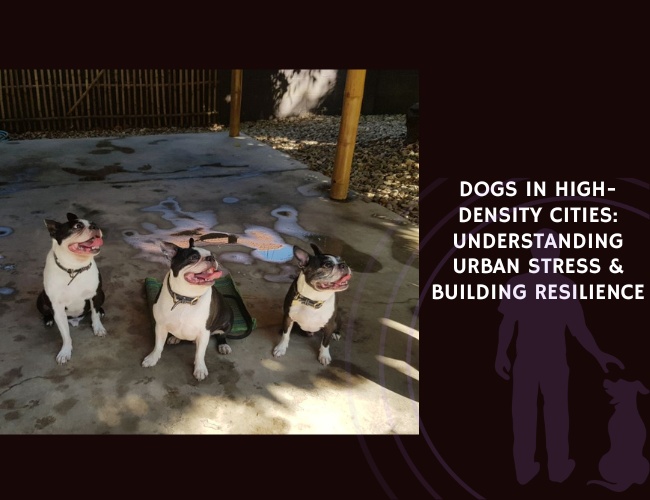
Urban life pulses with energy, movement, and endless stimulation. For your dog, this same environment presents a complex sensory landscape that shapes their daily experience in profound ways. Let us guide you through understanding how city living affects your furry friend’s mind, body, and emotional wellbeing—and discover practical ways to help them thrive amid the concrete and crowds.
The Urban Canine Experience: More Than Meets the Eye
When you walk your dog through bustling city streets, they’re processing a world vastly different from the one their ancestors evolved to navigate. The honking horns, rushing pedestrians, diesel fumes, and constant vibrations create a sensory environment that challenges their natural coping mechanisms at every turn.
Your dog isn’t just experiencing the city—they’re adapting to it, moment by moment. This adaptation comes with costs and benefits that deserve your attention and understanding. 🧠
Sensory Overload: When the World Becomes Too Much
Understanding Chronic Noise and Its Hidden Toll
Urban noise doesn’t just annoy your dog—it fundamentally alters their neurological responses. Chronic exposure to traffic sounds, construction drilling, sirens, and human voices creates what researchers call an elevated baseline of arousal. Think of it as living with the volume permanently turned up, where your dog’s nervous system rarely gets to rest.
The Startle Threshold Phenomenon
You might notice your city dog reacts differently to sudden sounds than their countryside cousins. This happens because constant unpredictable stimuli reshape the amygdala’s sensitivity—the brain region responsible for processing threats. Some dogs develop hyper-vigilance, jumping at every unexpected noise. Others show the opposite: a dampened startle response that suggests they’ve learned to tune out stimulation just to cope.
Research on developing organisms exposed to anthropogenic noise reveals significant physiological costs, including elevated stress markers like haptoglobin. Your dog’s body may be mounting similar silent responses, even when they appear calm on the surface.
Sleep Disruption and Learning Capacity
The vibrations from subway trains, the midnight motorcycle revving, the early morning garbage trucks—these aren’t just momentary disturbances. They fragment your dog’s sleep architecture, reducing the deep restorative phases essential for memory consolidation and emotional processing.
When sleep quality declines, so does learning ability. You might find your urban dog takes longer to master new commands or seems less focused during training sessions. This isn’t stubbornness—it’s cognitive fatigue from a brain that never fully powers down. Through the NeuroBond approach, understanding this connection helps you adjust training expectations and create quieter rest spaces that honour your dog’s need for genuine recovery.
Sensory Fatigue: The Invisible Exhaustion
Recognizing the Signs
Does your dog seem withdrawn after a busy day in the city? Do they avoid eye contact with strangers or pull toward quiet corners? These behaviours might indicate sensory fatigue—a state where the brain’s processing capacity becomes overwhelmed by continuous input.
Common indicators include:
- Reduced responsiveness to familiar cues or commands
- Increased irritability toward other dogs or people
- Seeking isolated spaces even during normally social times
- Flattened emotional range (neither excited nor distressed)
- Slower recovery time after stimulating events
The Processing Capacity Challenge
Your dog’s brain can only handle so much information before it needs to filter or shut down. In dense environments, the constant need to assess threats, navigate social encounters, and process novel stimuli exhausts their cognitive resources. This isn’t weakness—it’s a natural protective mechanism preventing complete overwhelm.
Anxiety and Reactivity in Dense Environments
Urban dogs show statistically higher rates of anxiety-related behaviours compared to rural counterparts. The continuous bombardment of unpredictable stimuli creates what behaviourists call “stacked stress”—multiple triggers occurring faster than the nervous system can return to baseline.
The Reactivity Spiral
Reactivity often begins as a normal stress response but becomes amplified through repeated exposure without adequate recovery. Your dog sees another dog across the street (trigger one), hears a truck backfire (trigger two), and encounters a child on a scooter (trigger three)—all within thirty seconds. Their system floods with cortisol and adrenaline, creating a state where even minor stimuli trigger disproportionate responses.
This pattern etches itself into neural pathways, making reactivity increasingly automatic. The Invisible Leash reminds us that true control comes not from physical restraint but from helping your dog develop internal regulation—teaching them to find calm amid chaos through consistent, patient guidance. 🧡
Air Quality: The Silent Health Thief
Particulate Matter and Respiratory Impact
The air your dog breathes in the city carries more than oxygen. Fine particulate matter—PM2.5 and PM10—infiltrates their respiratory system with every breath, triggering inflammatory responses that accumulate over time.
The Inflammatory Cascade
When particulate matter enters your dog’s lungs, their immune system responds as it would to any foreign invader. Inflammatory cells rush to the site, releasing chemicals that, while protective in the short term, become damaging when constantly activated. This chronic inflammation can lead to:
- Reduced lung capacity and exercise tolerance
- Increased susceptibility to respiratory infections
- Cardiovascular stress as the heart works harder to oxygenate tissues
- Oxidative damage to cells throughout the body
Research demonstrates that exposure to urban pollutants—including reducing gases, toxic metals, and polycyclic aromatic hydrocarbons—creates metabolic disruptions and physiological stress in living organisms. Your dog’s smaller body size and faster respiratory rate mean they inhale more pollutants per pound of body weight than you do.
Cardiovascular Consequences
The connection between air quality and heart health extends beyond the lungs. Ultrafine particles can cross into the bloodstream, triggering systemic inflammation that affects blood vessel function and increases cardiac workload. Over years, this contributes to premature aging of the cardiovascular system.
Behavioural Symptoms of Poor Air Quality
Your dog can’t tell you when the air quality hurts, but their behaviour speaks volumes. Watch for these correlations between pollution spikes and behavioural changes:
Lethargy and Reduced Enthusiasm
On days with high pollution indices, you might notice your dog seems less interested in walks, moves more slowly, or chooses to rest rather than play. This isn’t laziness—it’s their body conserving energy as it fights inflammatory processes and struggles to oxygenate efficiently.
Irritability and Avoidance
Physiological discomfort from pollution exposure can manifest as increased irritability, reluctance to spend time outdoors, or avoidance of particularly traffic-heavy areas. Some dogs develop location-specific anxiety, associating certain routes with feeling unwell.
Respiratory Signals
Increased coughing, sneezing, nasal discharge, or laboured breathing after outdoor time suggests direct respiratory irritation. These symptoms deserve veterinary attention, especially if persistent or worsening.
Dietary Interventions: Antioxidant Protection
While you can’t eliminate your dog’s exposure to urban pollutants, you can support their body’s natural defence systems through strategic nutrition.
The Antioxidant Shield
Pollutants generate free radicals—unstable molecules that damage cellular structures through oxidative stress. Antioxidants neutralize these molecules, protecting tissues from cumulative damage. Key nutrients include:
- Vitamin E: Protects cell membranes from lipid peroxidation
- Vitamin C: Supports immune function and regenerates other antioxidants
- Beta-carotene: Particularly protective for respiratory tissues
- Selenium: Cofactor for antioxidant enzymes like glutathione peroxidase
- Omega-3 fatty acids: Reduce inflammatory responses and support cellular health
Practical Dietary Strategies
Incorporate antioxidant-rich whole foods into your dog’s diet:
- Blueberries, cranberries, and blackberries (fresh or frozen, unsweetened)
- Dark leafy greens like spinach or kale (cooked and finely chopped)
- Sweet potato and pumpkin (rich in beta-carotene)
- Wild-caught fish high in omega-3s (salmon, sardines, mackerel)
- Turmeric with black pepper (enhances absorption of curcumin’s anti-inflammatory properties)
Consult your veterinarian about supplementation if your dog shows signs of oxidative stress or lives in areas with consistently poor air quality. Quality matters—choose supplements formulated specifically for dogs with verified potency and purity.

Social Density and Cognitive Load
The Mental Demands of Constant Proximity
Every encounter your dog has in the city—with strangers, other dogs, vehicles, cyclists—requires cognitive processing. They must quickly assess: Friend or threat? Approach or avoid? Submit or assert? This continuous decision-making creates substantial cognitive load.
Information Processing Overload
Imagine trying to have a meaningful conversation while surrounded by fifty people all talking at once. This approximates what your dog experiences during a busy city walk. Their brain must:
- Filter relevant from irrelevant stimuli
- Predict movement patterns of people and vehicles
- Monitor your cues and intentions
- Regulate emotional responses to each encounter
- Navigate physical space safely
This cognitive multitasking exhausts mental resources much faster than single-focus activities. Training sessions that work perfectly in quiet parks may fail on busy streets simply because your dog lacks the cognitive bandwidth to process your cues while managing environmental demands.
Social Burnout in Dogs
Recognizing Canine Social Fatigue
Just as humans can experience social exhaustion from constant interaction, dogs suffer similar phenomena. Social burnout manifests as:
- Decreased interest in greeting other dogs
- Increased avoidance behaviours (turning away, hiding behind owner)
- Shorter tolerance for interactions before showing stress signals
- Reduced play behaviour even with familiar dogs
- Generalized social anxiety or defensive reactions
The Unavoidable Interaction Problem
In suburban or rural settings, dogs often control their social exposure—choosing when to engage and when to retreat. City dogs rarely have this luxury. Narrow sidewalks force close encounters. Elevator rides become unavoidable social pressure cookers. Even apartment hallways present frequent, unpredictable meetings.
This loss of agency—the inability to control when and how social interactions occur—compounds stress significantly. Moments of Soul Recall remind us that dogs remember not just what happened, but how powerless they felt when it happened. This emotional memory shapes future responses, often creating anxiety around contexts where they previously felt trapped or overwhelmed.
Breed and Temperament Susceptibility
Working and Guarding Breeds
Dogs bred for jobs requiring intense focus and threat assessment—German Shepherds, Belgian Malinois, Rottweilers—often struggle most in dense urban settings. Their genetic programming heightens vigilance and threat detection, making the constant stream of strangers and novel situations chronically activating.
These breeds need more decompression time, more structured routines, and more opportunities to engage their working drives in controlled settings. Without appropriate outlets, their natural intensity can become problematic reactivity.
Companion Breeds
Dogs bred primarily for human companionship—Cavalier King Charles Spaniels, Havanese, Bichons—generally adapt more readily to urban life. Their temperaments favour social flexibility and lower arousal thresholds. However, they’re not immune to urban stress, particularly regarding noise sensitivity and social pressure.
Herding Breeds
Border Collies, Australian Shepherds, and Corgis possess incredible intelligence and sensitivity to movement. In cities, this becomes both gift and curse. They notice everything—every jogger, every bike, every plastic bag blowing past—and their herding instincts may activate inappropriately. Mental exhaustion comes quickly, and these breeds need especially strategic management to prevent cognitive overwhelm.
Individual Temperament Matters Most
Breed tendencies provide frameworks, not destinies. An individual dog’s temperament—their baseline anxiety level, novelty seeking, resilience, and social confidence—predicts urban adaptability more accurately than breed alone. Sensitive individuals of any breed face greater challenges, while confident, flexible dogs thrive regardless of genetics.
Building Urban Resilience: Practical Interventions
Controlled Desensitisation Protocols
You can systematically build your dog’s capacity to handle urban stressors through structured exposure training.
The Gradual Exposure Framework
Start below threshold—find the distance or intensity at which your dog notices a stimulus but remains calm and responsive. This might mean:
- Watching traffic from a park bench fifty feet from the road
- Observing other dogs through a window
- Listening to recorded city sounds at low volume
Progressive Complexity
Once your dog handles the baseline level calmly, incrementally increase challenge:
- Move five feet closer to the stimulus
- Increase volume slightly
- Add duration (longer exposure sessions)
- Introduce mild variability (different vehicle types, various dog sizes)
The Recovery Principle
Never progress faster than your dog’s nervous system can integrate the experience. After each training session, provide substantial downtime—quiet rest, gentle activities, familiar environments. This recovery period allows the brain to consolidate learning and prevents cumulative stress.
Counter-Conditioning for Positive Associations
Pair urban stimuli with things your dog loves—treats, play, praise. When executed correctly, this rewires emotional responses at the neural level. The truck that once triggered fear becomes a predictor of good things, shifting amygdala responses from threat to opportunity.
Structured Daily Routines
Predictability as a Stress Buffer
In environments characterized by chaos and unpredictability, routine becomes medicine. Your dog’s brain relaxes when it can predict what comes next—reducing the need for constant vigilance.
Create consistent patterns for:
- Wake-up time and morning routine
- Meal times (same times, same location)
- Walk schedules (similar routes and durations)
- Training or enrichment sessions
- Evening wind-down routine
Strategic Activity Timing
Schedule walks during lower-traffic periods when possible. Early mornings or late evenings often provide calmer sensory environments. Even thirty minutes of difference in timing can dramatically reduce stimulation levels your dog encounters.
Environmental Management Strategies
Creating Sanctuary Spaces
Your home should function as a genuine refuge from urban intensity. Designate specific areas as your dog’s decompression zones:
- Use white noise machines or calming music to mask external sounds
- Provide crate or den-like spaces that muffle stimuli
- Keep these areas off-limits to guests or chaos
- Maintain consistent low lighting to support rest
Strategic Route Planning
Not all walks need maximum exposure. Vary your routes based on your dog’s current state:
- High-energy days: Challenging routes with more stimulation for mental engagement
- Recovery days: Quiet streets, parks, or less-trafficked times for gentle movement
- Training days: Controlled environments where you can work on specific skills
Green Space Access
Prioritize regular access to parks, trails, or any natural settings within reach. Even small green spaces provide disproportionate benefits:
- Opportunities for natural behaviours (sniffing, exploring varied terrain)
- Sensory diversity (plants, soil, wildlife scents)
- Social interactions that feel more voluntary and spacious
- Reduced air pollution and noise levels
Research consistently demonstrates that contact with natural environments reduces stress markers and supports psychological well-being across species. Your dog needs this connection to thrive.
Crowded. Chaotic. Conditioned.
City life strains the canine nervous system. Constant noise, vibration, and scent overload keep the body in a state of alert. What feels routine to humans becomes chronic vigilance for dogs.
Overstimulation drains cognition and emotion. Fragmented sleep and stacked stress dull learning, patience, and curiosity. Beneath calm exteriors, many urban dogs quietly burn through resilience reserves.
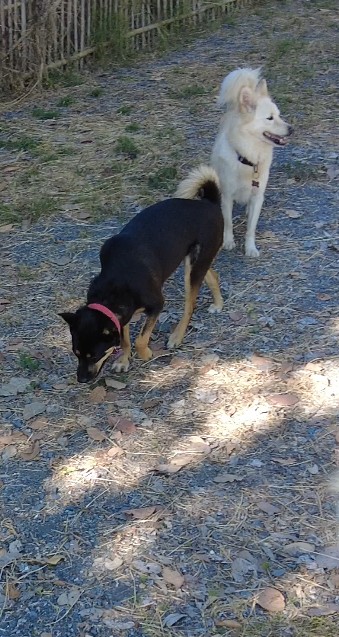
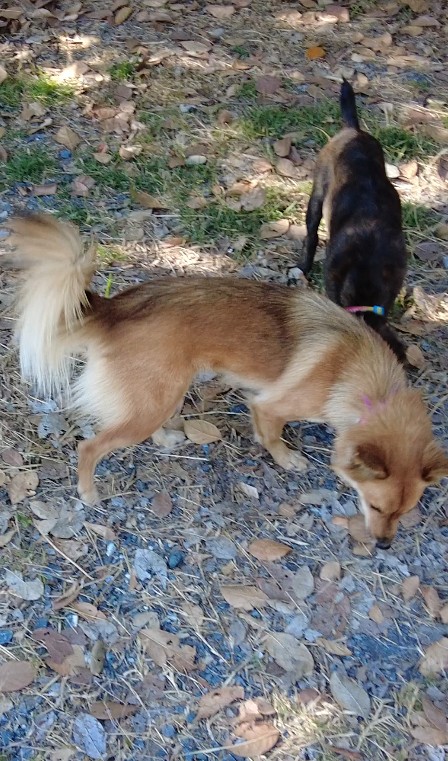
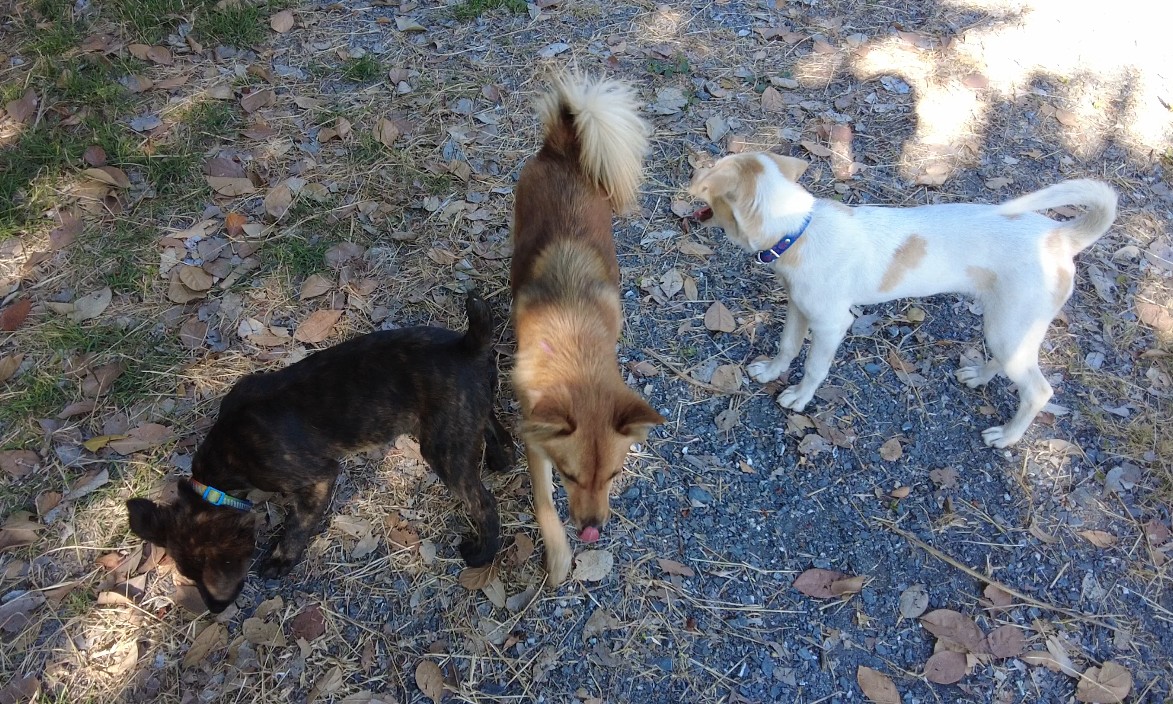
Recovery restores adaptability and trust. Quiet zones, rhythmic routines, and mindful decompression teach balance within the concrete storm. When calm becomes practice, the city transforms from threat to rhythm.
Urban Planning and Infrastructure Solutions
The Role of Dog-Friendly City Design
Cities can actively support canine welfare through thoughtful infrastructure choices.
Green Corridor Networks
Connected green spaces allow dogs to move through the city with regular access to natural environments. These corridors function as sensory relief zones, breaking up the intensity of concrete landscapes.
Sound Barrier Implementation
Strategic placement of vegetation, walls, and architectural features can significantly reduce noise exposure in residential areas and dog parks. Dense plantings absorb sound waves while providing additional sensory enrichment through natural scents and visual interest.
Dedicated Dog Walking Paths
Separate paths for dogs and their owners—distinct from high-traffic sidewalks—reduce forced close encounters and give dogs more space to navigate comfortably. These paths should incorporate varied surfaces (grass, gravel, wood chips) for sensory diversity and joint health.
Off-Leash Areas with Proper Design
Quality dog parks include:
- Separate sections for different sizes and play styles
- Multiple entry/exit points to prevent bottlenecks
- Adequate space to allow natural spacing between dogs
- Sight barriers (berms, plantings) that reduce visual stimulation
- Quiet zones for dogs needing breaks from play
Pollution Mitigation Strategies
Urban Forestry Initiatives
Trees provide multiple benefits for dogs:
- Filter particulate matter from the air
- Reduce ambient noise levels
- Lower surface temperatures (critical for paw pad health)
- Create shade for heat-sensitive breeds
- Offer natural enrichment through varied scents
Cities investing in street trees and urban forests directly support canine health outcomes.
Traffic Management
Vehicle emissions represent the primary source of air pollution affecting urban dogs. Policies promoting:
- Electric vehicle adoption
- Traffic calming in residential areas
- Pedestrian-priority zones
- Public transportation improvements
These measures reduce dogs’ exposure to harmful pollutants while creating more pleasant walking environments.
Training and Socialisation for Urban Resilience
Adapted Socialisation Protocols
Traditional socialisation advice often assumes suburban contexts with controllable exposure. Urban puppies need modified approaches.
Sensory-Specific Socialisation
Beyond meeting other dogs and people, systematically expose puppies to:
- Various surface types (grates, metal, slick floors)
- Transportation methods (elevators, buses, subway vibrations)
- Urban equipment (strollers, wheelchairs, delivery carts)
- Architectural features (stairs, narrow passages, glass doors)
Voluntary Interaction Models
Instead of forcing puppy into crowded situations, create scenarios where they can observe from safety, approach at their pace, and retreat when needed. This builds confident, agency-driven social behaviour rather than learned helplessness.
Progressive Complexity Training
Start training in quiet environments, then gradually introduce distractions:
- Level 1: Home practice with no distractions
- Level 2: Quiet outdoor spaces with minimal activity
- Level 3: Moderate activity areas (residential streets)
- Level 4: Busy contexts (commercial districts, dog parks)
Don’t expect Level 1 skills to automatically transfer to Level 4 contexts. Proof behaviours at each level before advancing.
Emotional Regulation Skills
Teaching Calmness as a Behaviour
Many urban dogs never learn that calmness is an option. Every walk brings excitement, every sound prompts alertness, every dog encounter activates energy. Deliberately teach relaxation:
- Reward spontaneous settling during walks
- Practice “calm watching” exercises where your dog observes stimuli without reacting
- Incorporate relaxation protocols (like Karen Overall’s Protocol for Relaxation)
- Use marker training to capture and reinforce calm states
Building Frustration Tolerance
Urban life involves waiting—at crosswalks, in elevators, while you chat with neighbours. Dogs need capacity to handle frustration without emotional escalation.
Exercises include:
- Wait at thresholds before passing through
- Hold position while interesting things happen nearby
- Practice delayed gratification (wait before accessing desired items)
- Build duration in stationary positions (sit-stays, down-stays)
Technology-Assisted Monitoring
Wearable Sensors and Stress Detection
Emerging technology allows real-time tracking of your dog’s physiological state.
Heart Rate Variability Monitoring
Heart rate variability (HRV)—the variation in time between heartbeats—serves as a reliable indicator of autonomic nervous system state. Higher variability generally indicates parasympathetic (rest and digest) dominance and good stress resilience. Lower variability suggests sympathetic (fight or flight) activation and poor recovery.
Wearable monitors can track HRV continuously, alerting you to:
- Chronic stress patterns not visible behaviourally
- Inadequate recovery between stressful events
- Individual stress triggers specific to your dog
- Effectiveness of interventions (does that new route reduce stress?)
Activity and Sleep Tracking
Modern monitors capture movement patterns and rest quality, revealing:
- Whether your dog achieves adequate deep sleep
- Activity levels throughout the day
- Sudden changes in movement (potential injury or illness)
- Correlation between activity, environment, and behaviour
Environmental Data Integration
Some systems combine physiological data with environmental information—local air quality indices, noise levels, weather conditions. This integration helps identify which external factors most affect your individual dog, allowing targeted management strategies.
AI-Based Behavioural Analysis
Video analysis software can now detect subtle stress signals humans often miss:
- Micro-expressions of tension or discomfort
- Frequency of stress behaviours (lip licking, yawning, body shaking)
- Spatial movement patterns (avoidance, scanning, freezing)
- Changes in social behaviour over time
Early detection of emerging stress patterns enables intervention before behaviours become severe or chronic. 🧠
Senior Dogs in Urban Environments
Age-Related Vulnerability to Urban Stress
Senior dogs face compounded challenges in cities.
Sensory Decline
Reduced hearing and vision make navigating crowded spaces more disorienting and dangerous. Your senior dog may not hear approaching bikes or see obstacles in low light, increasing anxiety and accident risk.
Cognitive Changes
Canine cognitive dysfunction (dog dementia) affects many senior dogs. Urban environments demand cognitive flexibility these dogs increasingly lack. They may become confused by routine changes, overwhelmed by stimulation they once tolerated, or disoriented in familiar places.
Physical Limitations
Arthritis, reduced stamina, and mobility issues make urban living’s demands—stairs, long walks to green spaces, hard sidewalks—increasingly burdensome. Pain amplifies stress reactivity and reduces frustration tolerance.
Adaptations for Senior Urban Dogs
Environmental Modifications
Adjust your approach to honour your senior dog’s changing needs:
- Shorter, more frequent walks rather than long excursions
- Prioritize soft, natural surfaces over concrete
- Use supportive equipment (harnesses, ramps, boots for paw protection)
- Schedule activities during optimal times (avoiding temperature extremes)
Enrichment Without Overwhelm
Senior dogs still need mental stimulation, but with different parameters:
- Scent-based activities (food puzzles, tracking games) engage brain without physical demand
- Calm socialization with selected, gentle dog friends
- Novel experiences introduced very gradually
- Quiet observation opportunities (sitting in interesting but not chaotic locations)
Medical Support
Work closely with your veterinarian to manage:
- Pain with appropriate medication
- Cognitive decline with supplements (antioxidants, omega-3s, MCT oil)
- Anxiety with behaviour modification and possibly pharmaceutical support
- Regular monitoring for age-related conditions exacerbated by urban life
Health Concerns Specific to City Dogs
Paw Pad Damage
Urban surfaces punish paws. Hot asphalt, ice-melting chemicals, broken glass, and abrasive concrete all create injury risk.
Prevention Strategies
- Check surface temperature before walks (if too hot for your hand, too hot for paws)
- Use protective boots during extreme weather
- Apply paw balm to maintain pad flexibility and healing
- Rinse paws after walks to remove chemicals and debris
- Regularly inspect for cuts, cracks, or embedded objects
Parasites and Disease Exposure
Dense dog populations mean higher parasite and pathogen exposure.
Common Urban Health Risks
- Intestinal parasites from contaminated soil or feces
- Leptospirosis from rat urine in puddles
- Kennel cough and canine influenza in high-contact areas
- Tick-borne diseases even in city parks
Protection Measures
- Maintain current vaccinations including non-core vaccines (lepto, canine influenza)
- Use year-round parasite prevention (fleas, ticks, heartworm, intestinal parasites)
- Avoid areas with visible rat activity or standing water
- Regular fecal testing to detect parasites early
Exercise-Related Injuries
Hard surfaces increase impact on joints, while crowded spaces create acute injury risk from collisions, sudden stops, or inappropriate play.
Injury Prevention
- Incorporate low-impact exercise (swimming, hydrotherapy if accessible)
- Build fitness gradually rather than weekend warrior patterns
- Avoid ball throwing on concrete (hard stops on hard surfaces)
- Monitor play carefully—intervene before rough play escalates to injury
Recognizing and Responding to Chronic Stress
Signs Your Dog Needs Intervention
Chronic urban stress reveals itself through multiple channels.
Behavioural Red Flags
- Increased reactivity or aggression
- Destructive behaviour when alone
- Compulsive behaviours (excessive licking, tail chasing, shadow chasing)
- Reduced appetite or changes in eating patterns
- Sleep disturbances (restlessness, frequent waking)
- Loss of interest in previously enjoyed activities
- Increased clinginess or separation anxiety
Physical Indicators
- Digestive issues (diarrhea, vomiting, gas)
- Skin problems (excessive scratching, hot spots, dull coat)
- Weight changes
- Lowered immunity (frequent infections)
- Slower healing from minor injuries
When to Seek Professional Help
Don’t wait until problems become severe. Consult professionals when:
- Behavioural changes persist despite your interventions
- Your dog’s quality of life appears diminished
- You feel overwhelmed managing your dog’s stress
- Aggressive incidents occur or escalate
- Physical symptoms accompany behavioural changes
A team approach—veterinarian, veterinary behaviourist, certified trainer—provides comprehensive support for complex cases.
The Path Forward: Thriving, Not Just Surviving
Living in a high-density city with your dog requires awareness, adaptation, and advocacy. By understanding the sensory, physiological, and cognitive challenges urban environments present, you can make informed choices that protect and enhance your dog’s wellbeing.
Key Principles for Urban Dog Success
- Recognize that coping isn’t the same as thriving—actively work toward resilience
- Individualize your approach based on your specific dog’s needs and vulnerabilities
- Balance exposure with recovery, stimulation with rest
- Advocate for dog-friendly urban planning in your community
- Stay informed about local air quality and adjust activities accordingly
- Build a support network of trainers, veterinarians, and fellow city dog owners
- Regularly reassess what’s working and adapt as your dog ages or circumstances change
The Urban Advantage
Despite challenges, city living offers unique opportunities:
- Extensive socialisation experiences build confident, adaptable dogs
- Access to specialized veterinary care and training resources
- Diverse sensory environments that, when managed well, create mental enrichment
- Dog-friendly businesses and social opportunities
- Often stronger human-dog bonds formed through shared navigation of complex environments
That balance between science and soul—understanding the neurobiological realities while honouring the emotional relationship between you and your dog—that’s the essence of Zoeta Dogsoul.
Your urban dog isn’t broken or defective when they struggle with city stress. They’re a biological being responding logically to an environment that challenges every system they possess. With understanding, patience, and strategic support, you can help them not just survive the city, but genuinely thrive within it.
The invisible leash of understanding connects you—guiding not through force, but through awareness of what your dog needs to feel safe, healthy, and fulfilled in the urban landscape you share. That’s the foundation of true partnership in the city. 🧡
Further Resources
Continue exploring ways to support your urban dog’s wellbeing. Consider connecting with local positive reinforcement trainers specializing in urban behaviour challenges, investigating air quality monitoring in your neighborhood, and joining community efforts to improve dog-friendly city infrastructure.
Your commitment to understanding and meeting your dog’s needs makes all the difference. Every walk becomes easier, every interaction calmer, and every day together more fulfilling when you approach urban dog ownership with both knowledge and compassion.










