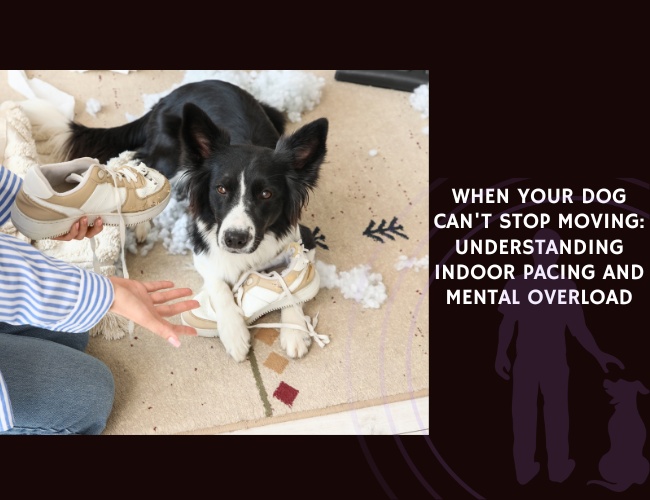
Canine separation anxiety is one of the most common behavioral disorders seen in companion dogs. It manifests as vocalization, destruction, restlessness, or house soiling when the dog is left alone. Despite its prevalence, many owners seek help from trainers rather than veterinarians, making trainers’ understanding of the condition crucial for effective care.
In this Animals study, Trepheena Hunter and colleagues surveyed 63 Australian dog trainers to assess their knowledge and attitudes toward separation anxiety. Trainers were categorized as either reward-based (n = 41) or balanced (n = 22), depending on their preferred training methods. The analysis revealed significant philosophical divides that influence how each group approaches anxious dogs.
Reward-based trainers—who rely primarily on positive reinforcement—were far more likely to consider veterinary collaboration and medication important parts of treatment. They also recognized the potential for separation anxiety to stem from underlying mental health disorders and emphasized the importance of professional diagnosis.
In contrast, balanced trainers—who combine rewards with aversive techniques—were less likely to recommend veterinary involvement and often viewed separation anxiety as behaviorally preventable rather than medical. Nearly 95% of balanced trainers considered the condition preventable, compared to only 52% of reward-based trainers. Half of the balanced trainers also believed that medication was rarely necessary, compared to less than 5% of the reward-based group.
Although both groups agreed that separation anxiety requires management, their differing perspectives reveal potential communication gaps between trainers and veterinarians. The authors emphasize that trainers are not qualified to diagnose anxiety disorders and that improved cooperation between training professionals and veterinary behaviorists could enhance outcomes for affected dogs.
Ultimately, this study highlights how training philosophy shapes perceptions of canine mental health. Recognizing anxiety as both a behavioral and medical issue—and promoting interdisciplinary collaboration—may be key to more compassionate and effective support for dogs struggling with separation-related distress.
Source: Hunter, T., Rooy, D., McArthur, M., Bennett, S., Tuke, J., & Hazel, S. (2020). Mental Health Disease or Preventable Problem? Australian Dog Trainers’ Opinions about Canine Separation Anxiety Differ with Training Style. Animals, 10. Published August 1, 2020.