
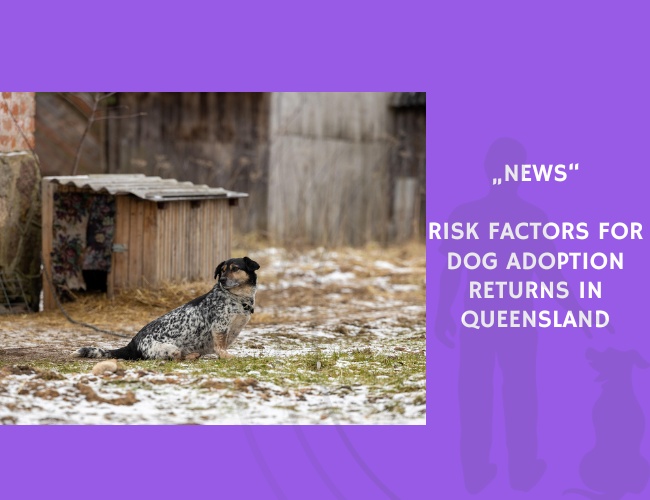
Not all dog adoptions result in permanent homes. Thumpkin et al. (2022) conducted a two-year retrospective study of adoptions from RSPCA Queensland shelters between January 2019 and December 2020. Using survival analysis, the researchers examined patterns and predictors of adoption returns to inform better shelter practices.
The results revealed that approximately two-thirds of adoption returns occurred within the first 14 days, a trend possibly influenced by the organization’s adoption-fee refund policy. The overall readmission rate plateaued at just under 15%. Key predictors of readmission included dog size, age, coat color, breed, and time spent in foster care prior to adoption.
Importantly, foster care experience emerged as a protective factor against readmission, suggesting that dogs who spend time in foster care are better prepared for successful transitions into permanent homes. Foster placements likely provide behavioral support and training, easing adjustment for both dogs and adopters.
The study’s findings underscore the importance of targeted interventions and adopter-dog matching. Older and larger dogs, as well as those without foster experience, were at higher risk of return. By allocating resources strategically—expanding foster capacity, tailoring support for high-risk dogs, and refining adoption processes—shelters can reduce return rates and improve outcomes.
Ultimately, these insights offer a valuable framework for shelters worldwide to enhance adoption success and animal welfare while reducing the emotional and logistical strain of failed adoptions.
Source: Thumpkin, E., Paterson, M. B. A., Morton, J., & Pachana, N. (2022). Adoption Can Be a Risky Business: Risk Factors Predictive of Dogs Adopted from RSPCA Queensland Being Returned. Animals, 12. Published September 26, 2022.










