Barroso, Grilo et al. (2022) — Frontiers in Veterinary Science
Occurrence of MDR1 1-Delta Mutation in Herding Dog Breeds in Portugal
Published: August 18, 2026
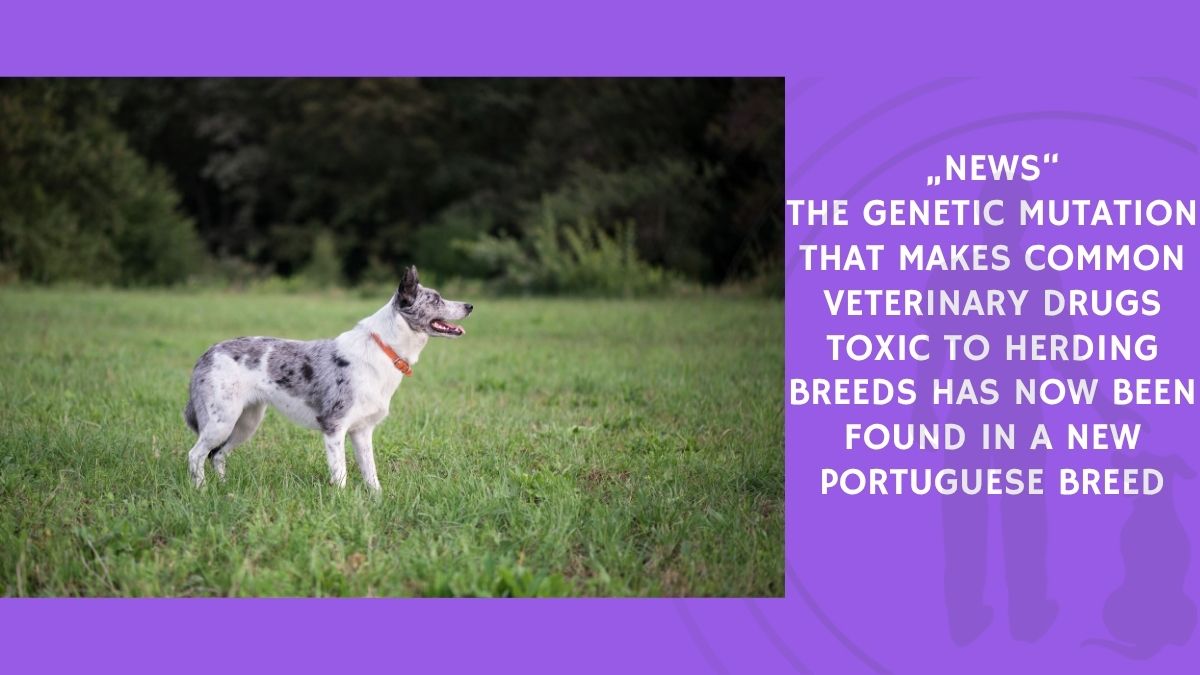
There is a genetic mutation that makes a standard dose of several common veterinary drugs — including the widely used antiparasitic ivermectin — potentially fatal in the dogs who carry it. It is not rare. It is not obscure. It is present in a significant proportion of Collies, Australian Shepherds, Border Collies, Shetland Sheepdogs, and related herding breeds worldwide. A Portuguese study has now identified it for the first time in the Barbado da Terceira — a native Portuguese herding breed — and confirmed its presence across multiple herding breed populations in Portugal. 🐾
Researchers Maria Cristina Barroso, A. Grilo, S. Aguiar, F. Aires da Silva, and Berta São Braz studied 105 dogs across four groupings — 23 Barbado da Terceira, 10 Cão da Serra d’Aires, 55 dogs from breeds already known to carry the mutation including Australian Shepherds and Border Collies, and 17 dogs from breeds not typically associated with the mutation including Labrador Retrievers and Jack Russells — testing each animal for the MDR1 4-base-pair deletion. The first-time identification of this mutation in the Barbado da Terceira is the headline scientific finding. The broader context it sits within is the most important information any owner of a herding breed can carry.
What the MDR1 Mutation Actually Does
The MDR1 gene — also known as ABCB1 — encodes P-glycoprotein, a drug transporter protein that sits at the blood-brain barrier and actively pumps certain drugs back out of the brain before they can accumulate to toxic levels. P-glycoprotein is one of the primary protective mechanisms preventing drug toxicity to the central nervous system — it works continuously to ensure that drugs reaching the brain do not stay long enough at high enough concentrations to cause damage.
The 4-base-pair deletion in the MDR1 gene was first characterised in 2001 and produces a non-functional version of P-glycoprotein. In dogs carrying two copies of the deletion — the homozygous affected genotype — the blood-brain barrier protection that P-glycoprotein provides is absent. Dogs carrying one copy — the heterozygous carrier genotype — have reduced but not entirely absent protection.
The consequence is that drugs which are normally substrates for P-glycoprotein — meaning drugs that P-gp would normally pump out of the brain — accumulate to toxic central nervous system concentrations in affected dogs at doses that are entirely safe for dogs without the mutation. Ivermectin is the most clinically significant example: a standard antiparasitic dose in a non-affected dog produces no neurological effects. The same dose in a homozygous MDR1-affected dog can produce severe neurological toxicity including ataxia, tremors, seizures, blindness, coma, and death.
Ivermectin is not the only drug affected. Loperamide, certain chemotherapy agents including vincristine and doxorubicin, some antibiotics including erythromycin, and several other commonly used veterinary drugs are also P-glycoprotein substrates — and all carry elevated toxicity risk in MDR1-affected dogs. The list of affected drugs is extensive enough that any affected dog receiving any veterinary treatment warrants medication review against the known substrate list.
Why Finding This in the Barbado da Terceira Matters ⚠️
The Barbado da Terceira is a native Portuguese herding breed from the Azores — a working dog with a limited gene pool and a breed history that has not previously been screened for the MDR1 deletion. Identifying the mutation in this breed for the first time is significant for two reasons. It extends the known geographic and breed range of the mutation to include a previously uncharacterised population. And it flags a breed whose owners and veterinarians may not have had the mutation on their radar when selecting antiparasitic or other drug protocols.
The study’s sample size is small — the researchers acknowledge this as a limitation — and the allele frequencies estimated from these numbers cannot be taken as precise population prevalence figures. But the presence of the mutation in the breed is now confirmed, and that confirmation changes the standard of care for Barbado da Terceira management: MDR1 testing should now be part of the health screening picture for this breed, and drug selection for affected individuals should follow the established protocols for MDR1-positive dogs.
The Cão da Serra d’Aires — another Portuguese herding breed in the study — was also evaluated, reflecting the broader pattern that herding breed lineages worldwide share ancestry that carries the mutation at varying frequencies. Understanding the mutation’s distribution across native and regional herding breeds is a necessary step toward ensuring that dogs in these populations are managed with appropriate drug caution.
What Every Owner of a Herding Breed Needs to Know and Do 🐕
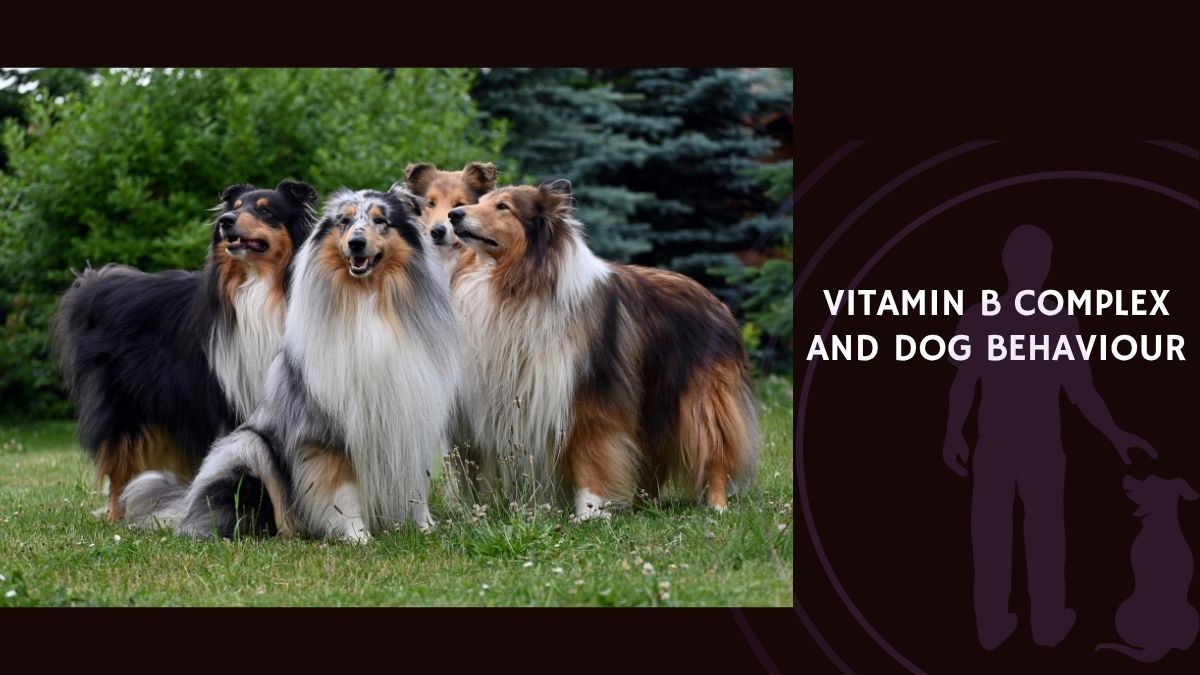
The practical implications of the MDR1 mutation are direct and actionable. Any dog of a herding breed or herding breed mix should be considered potentially MDR1-affected until testing establishes their status. This applies to Rough and Smooth Collies, Shetland Sheepdogs, Australian Shepherds, Border Collies, McNabs, Australian Cattle Dogs, Old English Sheepdogs, Silken Windhounds, and any mixed-breed dog with significant herding ancestry — and now, the Barbado da Terceira and Cão da Serra d’Aires.
MDR1 genetic testing is widely available, affordable, and requires only a cheek swab. The test distinguishes between normal genotype (two functional copies), heterozygous carrier (one functional and one deletion copy), and homozygous affected (two deletion copies). Once the status is known, the dog can be managed appropriately — with drug selection vetted against the substrate list and doses adjusted where affected drugs must be used.
The most common point of failure is not deliberate administration of a known toxic drug. It is the use of drugs in unaware dogs — the Collie mix whose herding ancestry was not considered when prescribing a routine antiparasitic, the Border Collie cross given a standard dose without mutation status known. The medication that kills is typically one that is entirely routine for the dog’s breed-unaware context.
At Zoeta Dogsoul, seeing the whole animal accurately is the foundation of NeuroBond — and for herding breeds, seeing the whole animal includes knowing their MDR1 status. A single inexpensive genetic test, done once, produces information that protects the dog for their entire life across every veterinary interaction they will ever have. That is one of the most concrete and most durable forms of care any owner of a herding breed can provide. 🐾
Source: Barroso, M. C., Grilo, A., Aguiar, S., Aires da Silva, F., & São Braz, B. (2022). Occurrence of MDR1 1-delta mutation in herding dog breeds in Portugal. Frontiers in Veterinary Science. Published October 3, 2022.