
Coelho, Kultima et al. (2018) — Microbiome
Similarity of the Dog and Human Gut Microbiomes in Gene Content and Response to Diet
Published: August 11, 2026
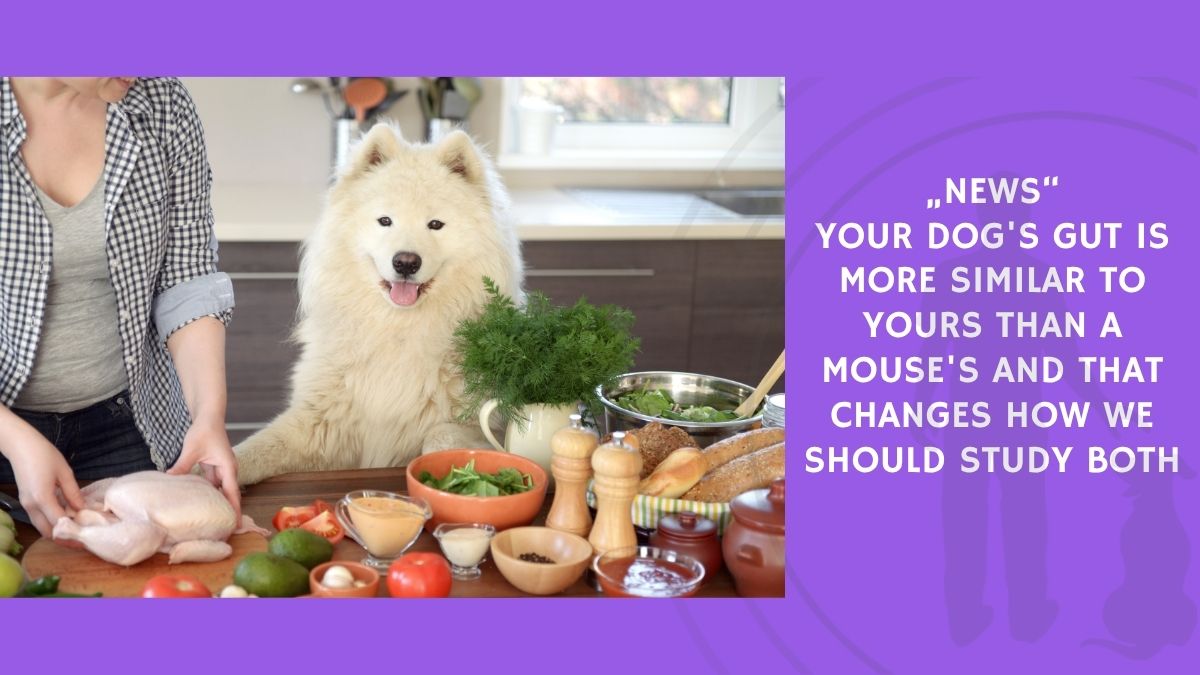
The mouse is the dominant model organism in gut microbiome research. The vast majority of what we understand about how gut bacteria influence health, respond to diet, and interact with the immune system has been established through mouse studies. A large-scale metagenomic analysis of dog, human, mouse, and pig gut microbiomes has produced a finding that challenges that methodological dominance: the dog gut microbiome is closer to the human microbiome than the microbiome of either mice or pigs. 🐾
Researchers Luis Pedro Coelho, Jens Roat Kultima, Peer Bork, and their team constructed a dog gut microbiome gene catalogue containing 1,247,405 genes — built from 129 metagenomes totalling 1.9 terabasepairs of sequencing data — and used it alongside taxonomic profiling to compare canine, human, mouse, and pig gut microbiome composition and gene content. They then ran a randomised dietary intervention with two diets — high-protein/low-carbohydrate versus lower-protein/higher-carbohydrate — to compare how dogs and humans respond to the same type of dietary change. The dual approach, combining comparative microbiome characterisation with functional dietary intervention data, gives this study an unusually wide scope.
Why the Dog-Human Gut Similarity Matters for Science
The gut microbiome gene content comparison revealed that dogs and humans share more functional microbial genetic capacity than either shares with mice or pigs. This is not simply a taxonomic similarity at the level of which bacterial species are present — it reflects the functional repertoire of what the microbial communities in these guts can do metabolically, biochemically, and immunologically.
For microbiome researchers, this finding has significant implications for how animal models are chosen and how findings are extrapolated to human health. Mouse gut microbiome studies have produced a vast literature, but the translational gap between mouse microbiome findings and human microbiome outcomes has been a consistent problem — interventions that produce dramatic microbiome effects in mice frequently fail to replicate in humans. If the dog gut microbiome is more similar to the human microbiome in gene content than the mouse microbiome is, then dog microbiome studies may offer better predictive validity for human outcomes than the dominant model organism currently provides.
This also makes the dog an unusually valuable comparative model for microbiome-related disease research — an observation that extends and deepens the case made in other research in this series for dogs as a translational model for human conditions including obesity, cognitive decline, and in the previous paper, autism spectrum disorder.
What the Dietary Intervention Found — Including a Novel Finding ⚠️
The randomised dietary intervention compared a high-protein/low-carbohydrate diet against a lower-protein/higher-carbohydrate diet across dogs of multiple breeds and both sexes. Two findings emerged from this component of the study.
The first is the confirmation that diet produces large and reproducible effects on the dog gut microbiome — effects that were independent of breed and sex. The microbiome is responsive to what the dog eats, consistently and substantially, in ways that are not masked by individual breed or sex variation. This reinforces what the gut dysbiosis research covered earlier in this series documented: the bacterial community in the canine gut is a dynamic, diet-responsive system rather than a fixed characteristic of the individual.
The second finding is genuinely novel: overweight or obese dogs experienced larger compositional shifts in their gut microbiome in response to the high-protein diet than lean dogs did. The microbiome of an overweight dog responded more dramatically to the same dietary change than the microbiome of a lean dog eating the same food. This parallels findings in human obesity research where metabolic inflexibility — the reduced capacity to shift physiological state in response to dietary changes — extends to the gut microbiome as well as to other metabolic systems.
The connection to the Labrador metabolic inflexibility research covered earlier in this series is direct. Overweight Labradors showed impaired fatty acid oxidation transitions in response to feeding. Here, overweight dogs of multiple breeds show larger gut microbiome compositional shifts in response to dietary protein change — a different metabolic dimension but a consistent picture of the overweight state producing more extreme biological responses to dietary intervention rather than more regulated ones.
What This Means for Feeding Decisions and Gut Health in Dogs 🐕
The dietary findings have immediate practical relevance for owners making food choices for dogs at different body conditions. A high-protein dietary transition in an overweight dog is not a neutral event for the gut microbiome — it produces larger compositional shifts than the same transition in a lean dog. Whether those larger shifts are beneficial, neutral, or potentially disruptive depends on the specific changes occurring and the dog’s capacity to stabilise a new microbiome equilibrium — questions that require further research to answer definitively.
For owners considering high-protein dietary transitions for overweight dogs — a common recommendation in weight management protocols — this research suggests that the transition should be managed gradually and with attention to digestive tolerance, rather than assuming that the microbiome will adapt smoothly in the same way it would in a lean dog.
The broader finding — that dogs are closer to humans in gut microbiome gene content than mice are — also has a more personal dimension for owners. The gut bacteria that influence your dog’s immune function, metabolic efficiency, mood-relevant neurotransmitter production, and disease susceptibility are operating within a microbial community that is more similar to your own gut community than to the animal systems most gut health research is based on. You and your dog are sharing not just a home but a gut microbiome landscape that is, in evolutionary and functional terms, more alike than most owners realise.
At Zoeta Dogsoul, the physical foundation of the dog includes the microbial layer that mediates between diet, immune system, and overall biological function. NeuroBond is built on seeing the whole animal — and that whole animal is, in part, a community of trillions of microorganisms whose gene catalogue now tells us something important: the gut that your dog carries through the world is more like yours than science had previously appreciated. 🐾
Source: Coelho, L. P., Kultima, J. R., et al. (2018). Similarity of the dog and human gut microbiomes in gene content and response to diet. Microbiome. Published April 19, 2018.










