
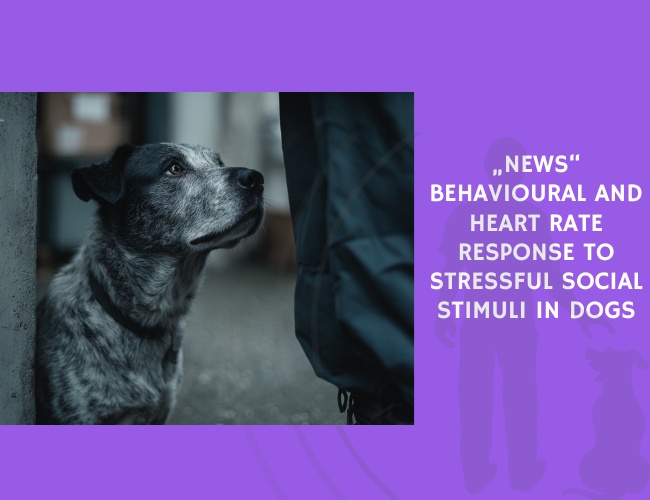
Published in PLoS ONE, this pioneering study examined how human attachment theory—specifically the secure base and safe haven effects—applies to the canine-human bond. Thirty dogs were exposed to a controlled social stressor: a threatening approach by a stranger. Each dog experienced the test under two conditions—with their owner present and while separated—allowing direct comparison of emotional and physiological regulation across contexts.
Using non-invasive telemetric monitoring of heart rate (HR) and heart rate variability (HRV), researchers tracked autonomic nervous system responses alongside behavioral indicators such as vocalization, growling, barking, and posture. The findings showed that dogs exhibited significantly lower heart rate elevations and stress behaviors when the owner was present, confirming the owner’s role as a social buffer against threat. Notably, dogs that were comforted by their owners during the initial threat remained calmer even in subsequent exposures when alone—suggesting a lasting emotional carryover effect.
This study extends the concept of attachment beyond human infants to inter-species emotional regulation. The owner serves both as a secure base for exploration and a safe haven during distress, mirroring human attachment dynamics. These results underline how dog–owner relationships function as biologically grounded attachment systems with measurable cardiovascular and behavioral correlates.
Gácsi and colleagues’ work strengthens the argument that dogs’ bond with their humans is not simply a product of training or dependence, but an evolved attachment system capable of emotional resonance, stress buffering, and learned safety—key foundations for canine welfare and cooperative behavior.
Source: Gácsi, M., Maros, K., Sernkvist, S., Faragó, T., & Miklósi, Á. (2013). Human Analogue Safe Haven Effect of the Owner: Behavioural and Heart Rate Response to Stressful Social Stimuli in Dogs. PLoS ONE, 8. Published March 4, 2013.










