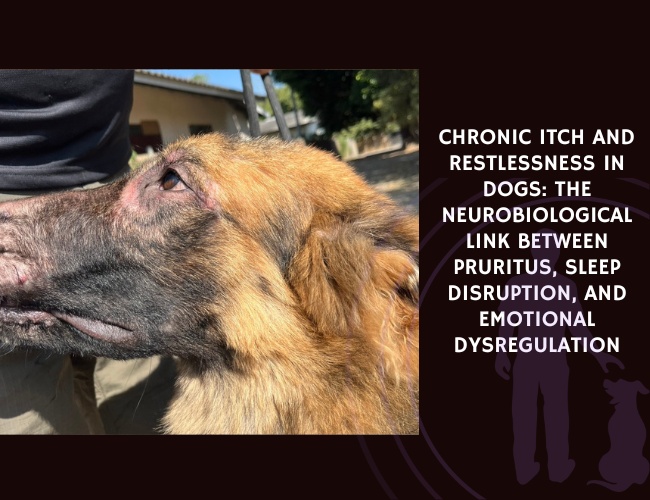
When your furry friend scratches persistently, paces at night, or seems irritable without clear reason, you might wonder if something deeper is happening beneath the surface. The truth is both more complex and more hopeful than you might imagine. Chronic itching in dogs is not just a skin problem—it’s a whole-body experience that affects their sleep, mood, emotional stability, and even their ability to trust and learn.
Let us guide you through the intricate connection between persistent pruritus (the medical term for itching) and behavioral restlessness in dogs. You’ll discover how inflammation, stress, and disrupted rest create a cycle that can transform your once-playful companion into an anxious, restless soul. More importantly, you’ll learn how to recognize these patterns and what you can do to restore balance and comfort to your dog’s life.
The Science Behind the Scratch: Understanding Chronic Pruritus
What Makes Chronic Itch Different?
You might notice your dog scratching occasionally—that’s completely normal. But when scratching becomes constant, when your dog can’t seem to settle, when their skin shows signs of repeated trauma from persistent grooming, you’re witnessing something more significant. Chronic pruritus is defined as persistent itching that lasts beyond the normal healing time of acute conditions, becoming a frustrating, ongoing presence in your dog’s daily experience.
The irritation stems from permanent or constant stimulation of nerve pathways designed to signal danger or discomfort. What begins as a protective response becomes a burden that significantly impacts your dog’s quality of life. Research reveals that this persistent sensory stimulation doesn’t just affect the skin—it creates a complex network of neurological responses that ripple through your dog’s entire nervous system.
Common Causes of Chronic Itch Include:
- Allergic dermatitis (food, environmental, or contact allergies)
- Atopic dermatitis (genetic predisposition to skin inflammation)
- Parasitic infestations (fleas, mites, or other external parasites)
- Bacterial or fungal skin infections
- Autoimmune skin conditions
- Stress-induced or psychogenic pruritis
Breed-Specific Susceptibility: Understanding Genetic Predisposition
Which Breeds Face Higher Risk?
Not all dogs are equally vulnerable to chronic atopic dermatitis and persistent pruritus. If you’re considering adding a dog to your family or currently live with one of the predisposed breeds, understanding these genetic tendencies can help you prepare for proactive care and early intervention.
High-Risk Breeds for Chronic Atopic Dermatitis:
Brachycephalic Breeds:
- English Bulldogs, French Bulldogs, and Pugs (skin folds create moisture-trapping environments prone to inflammation)
- Boston Terriers and Boxers
Retriever Breeds:
- Golden Retrievers (particularly susceptible to environmental allergies)
- Labrador Retrievers (both food and environmental sensitivities common)
Terrier Breeds:
- West Highland White Terriers (especially prone to atopic dermatitis)
- Scottish Terriers, Cairn Terriers, and Wire Fox Terriers
- Bull Terriers
Other Predisposed Breeds:
- German Shepherds (both skin and gastrointestinal sensitivities)
- Cocker Spaniels (ear and skin issues often interconnected)
- Shar-Peis (skin fold dermatitis and immune sensitivities)
- Dalmatians, Shih Tzus, and Lhasa Apsos
- Irish Setters and Miniature Schnauzers
You might notice that some of the most beloved family breeds appear on this list. This doesn’t mean these dogs can’t live comfortable, healthy lives—it simply means awareness and proactive care become especially important.
Why Genetics Matter: The Hereditary Component
The genetic predisposition to atopic dermatitis involves multiple factors working together. These breeds often have compromised skin barrier function, meaning their skin doesn’t retain moisture effectively and allows allergens to penetrate more easily. Additionally, their immune systems may respond more aggressively to environmental triggers that wouldn’t bother dogs without this genetic vulnerability.
Research reveals that the inheritance pattern is complex—it’s not a simple single-gene issue but rather a combination of genetic factors affecting immune regulation, skin structure, and inflammatory responses. This explains why even within the same breed, some individuals develop severe atopic dermatitis while others remain unaffected.
The neurocutaneous pathways we discussed earlier become particularly sensitive in these genetically predisposed breeds. Their pruritogenic circuitry may have lower activation thresholds, meaning they experience more intense itching from milder triggers compared to breeds without this genetic vulnerability. 🧬
What Prospective Owners Should Know
If you’re considering one of these breeds, this information isn’t meant to discourage you—it’s meant to empower you. Armed with knowledge, you can make informed decisions and provide proactive care from the beginning.
Considerations Before Choosing a Predisposed Breed:
- Financial preparedness: Chronic skin conditions require ongoing veterinary care, specialized diets, medications, and sometimes referral to veterinary dermatologists. Budget for these potential expenses.
- Time commitment: Managing atopic dermatitis involves consistent daily care—medication administration, special bathing routines, environmental management, and careful monitoring.
- Breeder selection: Choose breeders who health-test their breeding dogs and don’t breed lines with severe atopic dermatitis. Ask about skin health in parents and previous litters.
- Early intervention mindset: With predisposed breeds, addressing symptoms early—at the first signs of excessive licking or scratching—prevents the establishment of chronic patterns.
- Lifestyle compatibility: Consider whether your lifestyle accommodates the additional care requirements. If you travel frequently or work long hours, plan for how skin care routines will be maintained.
- Emotional preparedness: Watching your dog struggle with chronic discomfort can be emotionally challenging. Ensure you have the resilience and support systems to advocate for your dog’s needs over potentially years of management.
Questions to Ask Breeders:
- Do any dogs in the breeding line have atopic dermatitis or chronic skin issues?
- What is the breeder’s experience with skin health in their dogs?
- Can you meet both parents and assess their skin condition?
- What health guarantees are provided regarding skin conditions?
- Does the breeder provide guidance on preventive skin care for the breed?
The truth is that many dogs from predisposed breeds live wonderfully comfortable lives with proper management. The key lies in early recognition, immediate intervention, and consistent care. Through the NeuroBond approach, you can provide the emotional stability and consistent care that helps these sensitive breeds thrive despite their genetic vulnerabilities.
The Neurocutaneous Connection: When Skin and Brain Communicate
Did you know that your dog’s skin and nervous system are in constant conversation? This bidirectional feedback loop, called neurocutaneous interaction, means that what happens on the skin affects the brain, and what happens in the brain influences the skin. When inflammation persists in the skin, it sends continuous signals through specialized nerve fibers to the central nervous system, creating what researchers call “pruritogenic circuitry”—essentially, an itch highway connecting your dog’s skin to their brain.
This isn’t just about physical sensation. The inflammatory mediators released during chronic skin conditions—histamine, cytokines, and prostaglandins—don’t simply cause local irritation. They activate neural pathways that overlap significantly with the brain’s stress response systems. Your dog’s somatosensory cortex processes the physical sensation of itch, but the signals also reach the amygdala (the brain’s fear and anxiety center) and the hypothalamus (which regulates stress hormones and arousal).
Through the NeuroBond approach, we understand that these neural pathways become increasingly sensitive over time. What started as a manageable irritation can evolve into a state of nervous system hypervigilance, where your dog’s entire body is on high alert, interpreting normal sensations as threats or sources of discomfort. 🧠

The Sleep-Itch-Stress Triangle: A Vicious Cycle
How Nocturnal Itching Disrupts Restorative Sleep
Picture this: your dog finally settles down for the night, exhausted from the day’s activities. But just as they enter deeper stages of sleep—the restorative phases that allow their body to heal and their mind to process experiences—an intense itch sensation awakens them. They scratch, shift position, perhaps move to another spot in the house. This happens not once, but repeatedly throughout the night.
Sleep deprivation in dogs creates the same cascade of problems it does in humans. Without adequate restorative sleep, your dog’s body cannot properly regulate mood-balancing neurotransmitters like serotonin and dopamine. Their cortisol levels remain elevated, keeping them in a state of chronic stress arousal. The result? A dog who is not only physically uncomfortable but emotionally dysregulated.
Signs of Sleep Disruption in Dogs:
- Frequent position changes during rest periods
- Restless pacing at night
- Difficulty settling down
- Appearing tired but unable to relax
- Increased irritability or mood changes
- Reduced ability to focus during training
The Stress Amplification Effect
Here’s where the cycle becomes truly troubling. Chronic itch causes stress, but stress also intensifies itching. This happens through the hypothalamic-pituitary-adrenal (HPA) axis, your dog’s primary stress response system. When your dog experiences ongoing discomfort, their HPA axis releases stress hormones that modulate immune responses and increase inflammation. This means psychological stress can directly worsen skin inflammation and increase pruritic sensitivity.
Research shows that mental or emotional stress significantly hinders the response to treatment of skin disorders. Dogs with chronic atopic dermatitis face both emotional and physical stressors that create a reinforcing loop: itch causes stress, stress worsens itch, and the cycle continues, each rotation making the problem more entrenched.
The Invisible Leash reminds us that awareness, not tension, guides healing. When we recognize this cycle, we can intervene with approaches that address both the physical symptoms and the emotional state simultaneously.
Behavioral Manifestations: Reading the Hidden Signs
When Discomfort Looks Like Disobedience
You might observe behaviors in your itchy dog that seem like disobedience or hyperactivity, but they’re actually manifestations of chronic discomfort and emotional dysregulation. Dogs with ongoing pruritus frequently display:
Stress-Related Behavioral Changes:
- Excessive grooming or licking, even when skin appears clear
- Chewing at paws, flanks, or other body areas
- Hyperactivity or inability to settle
- Intense attention-seeking behaviors
- Heightened excitability to normal stimuli
- Compulsive behaviors like tail-chasing or circling
- Reduced playfulness or engagement in previously enjoyed activities
These behaviors aren’t character flaws or training failures. They’re displacement activities—ways your dog tries to manage overwhelming sensory input and emotional distress. Just as humans might fidget or pace when anxious, dogs with chronic itch develop these coping mechanisms. Research explicitly identifies these behaviors as signs that stress could be a significant problem associated with chronic pruritus.
Frustration, Anxiety, and Altered Emotional Responses
The constant irritation affects your dog’s emotional baseline. Through the framework of affective neuroscience, we understand that persistent discomfort can lead to overactivation of primal emotional systems related to FEAR and RAGE, while simultaneously disrupting positive SEEKING and PLAY behaviors. Your once-curious companion might become easily frustrated, reactive to minor disturbances, or show signs of generalized anxiety.
This emotional shift isn’t purely psychological. The same inflammatory mediators causing skin irritation can influence neurotransmitter function throughout the brain. When serotonin and dopamine regulation becomes disrupted, your dog experiences not just physical discomfort but genuine emotional instability—mood swings, increased anxiety, and reduced capacity for joy and play.
Moments of Soul Recall reveal how memory and emotion intertwine in behaviour. If your dog associates certain environments, interactions, or times of day with intensified discomfort, they may develop anticipatory anxiety or avoidance behaviors that persist even after the physical symptoms improve. 🧡
The Human Factor: Misinterpretation and Emotional Contagion
Why Owners Often Miss the Connection
How often have you attributed your dog’s restlessness to personality, poor training, or simply having a “difficult” dog? Many owners provide behavioral data without recognizing that increased hyperactivity, attention-seeking, and excitability are often manifestations of underlying dermatological discomfort. Behaviors that seem problematic—refusing to settle, demanding constant interaction, or displaying reactive outbursts—may actually be your dog’s way of communicating distress they cannot otherwise express.
This misinterpretation creates another layer of difficulty. When owners respond to itch-driven behaviors as training problems, they may use corrective approaches that add stress rather than providing relief. Imagine being in constant discomfort and then being corrected for expressing that discomfort. The trust between you and your dog can erode, replaced by confusion and increased anxiety.
The Impact of Your Emotional State
Your emotional tension matters more than you might realize. The concept of affective contagion suggests that emotional states can transfer between individuals who share close bonds. Research demonstrates that increased mental or emotional stress in handlers can hinder the response to treatment of skin disorders in their dogs.
When you feel frustrated, worried, or tense about your dog’s behaviors, your dog perceives these emotional signals. Their already-heightened nervous system responds to your stress, potentially exacerbating their scratching behavior and emotional agitation. This isn’t about blame—it’s about recognition. Your emotional state is part of the treatment equation.
Through the NeuroBond approach, calm-state co-regulation becomes a therapeutic tool. When you maintain emotional groundedness, you provide your dog with a model of nervous system regulation. Your presence can literally help downregulate their arousal, creating space for the rest-repair balance their body desperately needs. This calm awareness forms an Invisible Leash that guides both of you toward healing without adding additional tension to an already overloaded system.
The Sensitization Phenomenon: Why It Gets Worse Over Time
Neural Circuit Changes and Increased Reactivity
One of the most concerning aspects of chronic pruritus is that it doesn’t remain static—it typically worsens over time without intervention. This happens through a process called sensitization, where both peripheral nerves in the skin and central neural circuits in the brain become increasingly reactive to stimulation.
Think of it like a volume dial being permanently turned up. What once registered as mild discomfort now feels intensely irritating. Your dog’s tolerance threshold for various stimuli lowers, meaning they become reactive not just to itch but to other sensations, sounds, or experiences that previously wouldn’t have bothered them. This creates a state of overall hyperarousal where your dog exists in a constant state of heightened alertness and reactivity.
The permanent or constant stimulation of itch pathways leads to neural adaptation. The brain essentially learns to expect and magnify itch signals, creating a self-perpetuating cycle even when the original cause of inflammation begins to improve. This is why chronic pruritus often requires more than just treating the surface symptoms—the nervous system itself has changed and needs support to reset.
The Toll on Learning and Cognitive Function
Sleep deprivation combined with chronic discomfort significantly impacts your dog’s cognitive abilities. Just as in humans, lack of restorative sleep in dogs impairs:
Cognitive Functions Affected by Chronic Itch:
- Concentration and focus during training sessions
- Memory consolidation of learned behaviors
- Problem-solving abilities
- Emotional regulation and impulse control
- Ability to recover from stressful experiences
- Overall learning capacity and retention
You might notice that your previously well-trained dog seems to “forget” commands or appears less responsive during training sessions. This isn’t stubbornness—it’s cognitive overload. Their brain is dedicating so much processing power to managing discomfort and stress that fewer resources remain available for learning and executive function.

Breaking the Cycle: Integrative Treatment Approaches
The Case for Multimodal Intervention
Addressing chronic itch and its behavioral consequences requires a comprehensive approach that treats the whole dog, not just the skin. Research demonstrates that multimodal treatment combining anti-inflammatory medications, behavioral support, and sensory modulation provides the most significant improvements in both dermatological and emotional outcomes.
Components of Effective Multimodal Treatment:
Medical Management:
- Appropriate anti-inflammatory medications (corticosteroids, immunomodulators, or biologics)
- Allergy testing and management (elimination diets, environmental controls)
- Treatment of secondary infections (antibacterial or antifungal therapy)
- Novel targeted therapies based on understanding itch mechanisms
- Regular veterinary monitoring and adjustment of treatment protocols
Behavioral and Environmental Support:
- Creating calm, predictable routines to reduce overall stress arousal
- Providing appropriate mental enrichment that doesn’t overstimulate
- Teaching relaxation protocols and settle behaviors
- Managing the environment to minimize itch triggers
- Using redirection techniques before scratching becomes compulsive
Sensory Modulation Techniques:
- Music therapy or sound enrichment to redirect attention
- Cooling mats or appropriate temperature regulation
- Gentle massage or bodywork (when not contraindicated)
- Mindfulness-based interactions that promote calm states
- Strategic use of protective clothing when appropriate
The goal is addressing the problem from multiple angles simultaneously. Medication reduces the inflammatory drive, behavioral approaches help reset neural patterns, and sensory techniques provide immediate relief while supporting nervous system regulation.
Collaboration Between Veterinarians and Behavioral Professionals
Effective treatment requires collaboration between your veterinarian and qualified behavioral professionals. Given the strong link between pruritus severity and problematic behaviors, a joint approach ensures that all aspects of your dog’s experience receive attention.
Your veterinarian diagnoses and treats the underlying dermatological conditions—identifying allergens, prescribing appropriate medications, and monitoring physical symptoms. Meanwhile, a behavioral consultant or veterinary behaviorist assesses specific behavioral patterns, identifies triggers, and develops management strategies that address the emotional and psychological components.
Key Questions This Collaboration Should Address:
- Is the restlessness primarily a direct consequence of physical itch or has it become a learned behavioral pattern?
- How much of the current behavior represents stress exacerbated by itch versus independent anxiety?
- What environmental or emotional interventions can reduce overall arousal?
- Are there specific times, contexts, or interactions that amplify or reduce symptoms?
- How can the household routine support both medical treatment and behavioral recovery?
This integrated perspective prevents the common pitfall of treating behavioral symptoms without addressing medical causes, or managing skin conditions while ignoring the emotional toll on your dog.
The NeuroBond Approach to Healing
Through the NeuroBond approach, trust becomes the foundation of healing. By emphasizing calm-state co-regulation, this framework aims to reduce nervous system excitation and restore the rest-repair balance your dog’s body needs to heal. This aligns with research showing that redirection techniques can successfully reduce itching when combined with pharmacological therapy.
NeuroBond Principles in Practice:
- Creating emotional safety through predictable, calm interactions
- Using your own regulated nervous system as a model for your dog
- Recognizing and responding to early signs of stress escalation
- Providing co-regulation opportunities through quiet presence
- Building positive associations with rest and settling behaviors
- Fostering an environment where your dog feels safe enough to truly relax
The practice acknowledges that your emotional state influences your dog’s physiological responses. By promoting calm and predictable emotional exchanges, you can potentially lower your dog’s overall stress response, thereby reducing the physiological exacerbation of itch and mitigating emotional arousal such as irritability and anxiety.
This isn’t about perfect calm at all times—that’s unrealistic. It’s about creating enough moments of genuine rest and co-regulation that your dog’s nervous system can begin to reset from its heightened state. Over time, these moments accumulate, gradually shifting your dog’s baseline from hyperarousal toward balanced responsiveness. 😊
Training Modifications: Adapting Your Approach During Healing
Why Traditional Training May Not Work During Flare-Ups
You might notice that your usually responsive dog suddenly seems unable to focus, appears distracted, or doesn’t respond to cues they’ve known for years. Before labeling this as stubbornness or regression, consider the neurological reality of chronic discomfort. Your dog’s cognitive resources are overwhelmed—their brain is dedicating enormous processing power to managing constant sensory input from itching, resulting in reduced capacity for learning, focus, and impulse control.
Continuing with traditional training methods during active pruritus flare-ups can actually worsen the situation. High-energy training, corrections for distracted behavior, or demanding complex task sequences add stress to an already overloaded nervous system. This additional pressure can intensify the itch-stress cycle, making both training and skin condition worse.
The key lies in adjusting your expectations and methods to honor your dog’s current capacity while still providing the structure and mental engagement they need. Through the Invisible Leash, we understand that true guidance comes from awareness and adaptation, not from rigid adherence to methods designed for dogs in optimal health.
Adapting Training During Active Flare-Ups
When your dog is experiencing an active itch episode, shift your training focus from teaching new skills or perfecting existing ones to supporting nervous system regulation and preventing the establishment of compulsive scratching patterns.
Modified Training Principles for Flare-Up Periods:
Reduce Duration and Intensity:
- Keep training sessions very short (2-5 minutes maximum)
- Lower criteria—reward approximations rather than perfect performances
- Use only previously well-learned behaviors rather than introducing new concepts
- Schedule sessions during periods of lower discomfort (often after medication has taken effect)
Prioritize Success Experiences:
- Choose behaviors your dog can easily perform despite distraction
- Increase reinforcement rate (reward more frequently)
- End sessions on a positive note before frustration builds
- Celebrate small victories—any moment of focus is an achievement
Environmental Modifications:
- Train in low-distraction environments (avoid adding sensory overload)
- Ensure comfortable temperature and surfaces
- Use high-value rewards that motivate despite discomfort
- Remove environmental triggers that might increase itching (allergens, rough surfaces)
Avoid Corrections and Pressure:
- Never correct your dog for scratching during training
- Don’t use physical manipulation or forceful positioning
- Eliminate time pressure or urgency from sessions
- Allow your dog to opt out without consequence
The goal during flare-ups isn’t skill development—it’s maintaining your dog’s sense of competence and your relationship while preventing the complete abandonment of structure. Some engagement, even minimal, helps prevent the learned helplessness that can develop when dogs feel they have no control over their discomfort. 🧠
Building Impulse Control Around Scratching
One of the most valuable skills you can teach a dog with chronic itch is impulse control around the scratching response. This doesn’t mean suppressing all scratching—your dog needs to scratch to some degree, and preventing all scratching would be neither possible nor humane. Instead, you’re teaching your dog that they can pause the scratching urge momentarily and that alternative behaviors can provide relief.
The “Check In” Exercise:
This simple exercise builds awareness and creates a moment of choice before automatic scratching begins.
How to Practice:
- Watch for early signs that your dog is about to scratch (positioning, tension, focused attention on an itchy spot)
- Before scratching begins, use a gentle marker word like their name or “hey”
- The moment they orient toward you, mark with “yes” and deliver a high-value treat
- Keep the interaction brief and calm
- Allow them to scratch if they still need to after the interaction
What This Builds:
- Awareness of the pre-scratching moment
- Neural pathway of choice (orient to you vs. immediate scratching)
- Association between impulse pause and reward
- Your dog’s trust that you’re not trying to prevent all relief
Start with very minimal criteria—just a glance in your direction counts as success. Over weeks of practice, this can evolve into your dog actively checking in with you when they feel the itch urge, giving you opportunity to redirect or apply topical relief before compulsive scratching establishes.
The “Find It” Redirection Game:
This exercise provides cognitive engagement and physical redirection at the moment when scratching urges arise.
How to Practice:
- Keep high-value treats readily accessible throughout your home
- When you notice your dog beginning to scratch compulsively, interrupt gently with “find it”
- Toss 3-5 treats scattered on the floor in front of them
- As they search for and eat the treats, their attention shifts and the scratching pause lengthens
- Praise calmly as they engage in the search
What This Provides:
- Immediate cognitive redirection from itch focus
- Physical movement that isn’t scratching
- Positive association with interruption of scratching patterns
- Reward for behavior incompatible with scratching (can’t search and scratch simultaneously)
This isn’t about punishing scratching—it’s about providing an alternative behavior that’s more rewarding. Over time, some dogs will spontaneously begin to search the ground when they feel itchy, essentially self-redirecting from the scratching urge.
Irritated. Uneasy. Exhausted.
Itch is more than skin. Chronic scratching rewires the nervous system, keeping the body in constant alert. What begins on the surface seeps into mood, rest, and trust.
Discomfort disrupts emotion. Persistent pruritus floods stress circuits, shortening patience and blurring calm. The restless pacing and irritability are the body’s echo of unrelieved inflammation.


Relief restores harmony. Healing the skin calms the mind. Through comfort, routine, and compassionate care, the nervous system relearns stillness—and your dog rediscovers peace.
Settle and Relaxation Protocols: The Foundation of Healing
Perhaps the most critical skill for dogs with chronic itch is the ability to settle into genuine relaxation. This sounds simple but becomes remarkably difficult when your dog’s nervous system is in a state of constant arousal. Teaching systematic relaxation provides your dog with a tool they can use to self-soothe and supports the rest-repair balance their body desperately needs.
The Progressive Relaxation Protocol:
This protocol, adapted from Dr. Karen Overall’s relaxation work but modified for dogs experiencing physical discomfort, teaches your dog that calmness is itself rewarding and achievable.
Foundation Phase (Week 1-2):
Start in a completely non-demanding environment where your dog feels safe. You’ll reward any spontaneous settling behavior.
- Sit quietly in a room with your dog, no expectations, no demands
- Have treats easily accessible but not visible to your dog
- When your dog sits or lies down (even briefly), calmly deliver a treat
- Don’t ask for anything—just mark and reward voluntary settling
- Practice for 5-10 minutes several times daily
What you’re teaching: The simple act of being calm brings rewards. There’s no pressure, no task, just the experience that stillness is valuable.
Building Duration (Week 3-4):
Begin slightly extending the time between settling and reward.
- When your dog lies down, count slowly to 3 before delivering treat
- Gradually extend to 5, then 10, then 15 seconds
- If your dog gets up or seems restless, don’t treat—just wait for the next settling moment
- Keep sessions calm and pressure-free
- Deliver treats gently and quietly to maintain the calm state
What you’re teaching: Remaining calm for slightly longer periods is possible and rewarding. Your dog begins to experience how calmness actually feels in their body.
Adding a Cue (Week 5-6):
Once your dog settles readily and remains calm for 30+ seconds consistently, add a verbal cue.
- As your dog begins to settle, quietly say “settle” or “place”
- Continue rewarding the settled state
- Begin saying the cue slightly earlier in the settling process
- Eventually, the cue becomes a predictor that settling time is beginning
What you’re teaching: This specific word signals that a calm, restful period is starting. The cue itself can begin to trigger the relaxation response.
The Calm Duration Build:
Work toward your dog maintaining genuine relaxation for longer periods, even in the presence of mild distractions.
Progressive Challenges:
- Settling while you’re in the same room but doing other activities (reading, working)
- Maintaining calm when family members move around
- Staying relaxed with mild environmental sounds
- Settling in different rooms or locations
- Remaining calm while experiencing mild itch sensations
Key Principles:
- Always reward approximations—any effort toward calm is success
- If your dog becomes activated, you’ve progressed too quickly; step back to easier criteria
- Never scold or correct during relaxation training
- Time sessions when your dog’s discomfort is minimal (after medication, after gentle exercise)
- Use a mat or specific bed to create a strong association with the settling space
🐾 The Journey Through Chronic Itch & Restlessness
Understanding the complete path from diagnosis to healing: A comprehensive guide for caring dog owners
Phase 1: Recognition & Awareness
Identifying the hidden signs beyond obvious scratching
What’s Really Happening
Chronic pruritus isn’t just skin irritation—it’s a neurobiological cascade affecting your dog’s sleep, stress response, and emotional regulation. The pruritogenic circuitry creates constant communication between skin and brain, amplifying discomfort beyond the physical sensation.
Watch For These Patterns
• Restless sleep with frequent position changes
• Hyperactivity or attention-seeking behavior
• Reduced playfulness or social withdrawal
• Compulsive licking even when skin appears clear
• Increased irritability or mood swings
Common Misinterpretation
Many owners attribute restlessness to disobedience or poor training, missing the underlying discomfort. What looks like hyperactivity is often your dog’s desperate attempt to manage overwhelming sensory input and emotional distress.
Phase 2: The Diagnostic Journey
Building the complete picture through systematic testing
Timeline Expectations
Initial Visit: Physical exam, skin scrapings, cytology (Day 1)
Follow-up: Response evaluation, additional testing decisions (2-4 weeks)
Allergy Testing: Results and treatment planning (2-3 weeks)
Food Trial: Complete elimination and challenge (3-4 months)
Cost Considerations
Initial Phase: $150-500 (exam, basic diagnostics, initial treatment)
Extended Workup: $1,000-2,500+ (allergy testing, blood work, specialist)
Monthly Management: $150-450+ (medications, special diet, supplements)
Your Essential Tool: Symptom Diary
Track daily itch levels (1-10), scratching frequency, sleep quality, environmental exposures, and foods given. This documentation becomes invaluable for identifying patterns and evaluating treatment effectiveness. Your observations matter—you spend more time with your dog than any veterinarian.
Phase 3: The Sleep-Itch-Stress Triangle
Breaking the self-perpetuating cycle of discomfort
The Vicious Cycle Explained
Chronic itch disrupts restorative sleep → Sleep deprivation dysregulates stress hormones → Elevated stress intensifies inflammation → Increased inflammation worsens itch. Each rotation makes the pattern more entrenched, lowering your dog’s tolerance threshold for all stimuli.
Neural Sensitization Process
Over time, both peripheral nerves and central neural circuits become increasingly reactive. It’s like a volume dial permanently turned up—what once registered as mild discomfort now feels intensely irritating. Your dog exists in constant hyperarousal, interpreting normal sensations as threats.
The NeuroBond Intervention
Through calm-state co-regulation, you become part of the solution. Your regulated nervous system provides a model for your dog, creating space for the rest-repair balance their body needs. The Invisible Leash reminds us that awareness, not tension, guides healing.
Phase 4: Genetic Predisposition & Breed Factors
Understanding your dog’s inherited vulnerability
High-Risk Breeds
Brachycephalic: Bulldogs, Pugs, Boston Terriers (skin folds trap moisture)
Retrievers: Golden and Labrador (environmental allergies common)
Terriers: West Highland White, Scottish, Wire Fox (atopic dermatitis prone)
Others: German Shepherds, Cocker Spaniels, Shar-Peis
Why Genetics Matter
Predisposed breeds often have compromised skin barrier function and immune systems that respond more aggressively to environmental triggers. Their pruritogenic circuitry has lower activation thresholds, experiencing more intense itching from milder triggers than other breeds.
Proactive Owner Strategy
If choosing a predisposed breed, budget for potential lifetime management, select responsible breeders who health-test, implement preventive skin care early, and develop early intervention mindset. Many affected dogs live wonderfully comfortable lives with proper management.
Phase 5: The Gut-Skin Axis
Healing from the inside out through microbiome balance
The Hidden Connection
Approximately 70% of your dog’s immune system resides in or around the gastrointestinal tract. When gut microbiome becomes imbalanced (dysbiosis), systemic inflammation travels throughout the body, often expressing itself in the skin. What appears as a skin problem may have roots in digestive health.
Probiotic Strategy
Key Strains: Lactobacillus (rhamnosus, acidophilus), Bifidobacterium (animalis, longum), Enterococcus faecium
Timeline: 4-8 weeks consistent use before noticing changes
Selection: Choose dog-specific formulas with guaranteed CFU counts and multiple strains
Supporting Dietary Changes
• Add prebiotic fibers (pumpkin, sweet potato)
• Incorporate omega-3 fatty acids for anti-inflammatory support
• Consider bone broth for gut lining repair
• Novel protein sources for food-sensitive dogs
• Protect gut health during antibiotic treatments
Phase 6: Modified Training Protocols
Adapting your approach during the healing journey
Relaxation Protocol Essentials
Foundation (Weeks 1-2): Reward spontaneous settling with zero demands
Duration Building (Weeks 3-4): Gradually extend calm periods (3→5→10→15 seconds)
Cue Addition (Weeks 5-6): Add verbal “settle” cue as behavior becomes reliable
Impulse Control Exercises
“Check In” Exercise: Mark and reward orientation to you before scratching begins
“Find It” Game: Toss treats to redirect attention from compulsive scratching
Goal: Build awareness and create moment of choice, not suppress all scratching
Low-Arousal Enrichment
During flare-ups, avoid high-energy activities. Instead: snuffle mats for gentle foraging, frozen Kong toys for sustained licking (calming), scent work games, lick mats with spreadable treats. Engage mind without increasing nervous system arousal.
Phase 7: Integrated Treatment Approach
Combining medical, behavioral, and environmental interventions
Three-Pillar Strategy
Medical Management: Anti-inflammatory medications, allergy treatment, infection control
Behavioral Support: Relaxation training, impulse control, stress reduction
Environmental Optimization: Allergen reduction, temperature control, dietary modifications
Veterinary-Behavioral Collaboration
Your veterinarian diagnoses and treats dermatological conditions while behavioral professionals assess patterns and develop management strategies. This integrated perspective prevents treating symptoms without addressing root causes or managing skin without considering emotional toll.
Recovery Timeline Expectations
Short-term (days-weeks): Reduced scratching intensity, better sleep
Medium-term (weeks-months): Improved emotional regulation, re-engagement in activities
Long-term (months+): Restored resilience, normalized behavior, sustained improvement
Phase 8: Sustained Wellness & Prevention
Maintaining gains and protecting emotional well-being
Protecting Emotional Resilience
Untreated chronic itch erodes your dog’s capacity to recover from challenges and maintain emotional equilibrium. The constant discomfort creates pessimistic outlook and reduced stress tolerance. Early and consistent intervention prevents this erosion and protects your dog’s fundamental sense of security.
Rebuilding Trust
When your dog associates discomfort with interactions or environments, trust foundation cracks. Through moments of Soul Recall, we recognize that emotional memory lingers even after physical symptoms improve. Intentional effort to rebuild positive associations becomes essential for lasting wellness.
Your Ongoing Role
You are active participant, not observer. Maintain emotional groundedness, celebrate small improvements, provide consistent care, work collaboratively with professionals, and trust the non-linear healing process. Your regulated presence gives permission for your dog to finally rest and repair.
📊 Understanding Different Presentations
Allergic Dermatitis
Pattern: Often seasonal or triggered by specific exposures
Location: Face, paws, ears, groin
Response: Typically responds well to allergen avoidance + medication
Atopic Dermatitis
Pattern: Chronic, may worsen over time
Location: Widespread, often symmetrical
Response: Requires long-term management, multiple interventions
Food Sensitivity
Pattern: Year-round, consistent intensity
Location: Often GI symptoms + skin issues
Response: Dramatic improvement with dietary elimination
Stress-Induced Pruritus
Pattern: Correlates with stress events
Location: Self-accessible areas (paws, flanks)
Response: Behavioral intervention crucial alongside medical
Parasitic Causes
Pattern: Sudden onset, may be contagious
Location: Variable based on parasite type
Response: Rapid resolution with appropriate treatment
Secondary Infections
Pattern: Complicates primary condition
Location: Areas of trauma from scratching
Response: Must address both infection and underlying cause
⚡ Quick Reference: Key Decision Points
When to seek immediate vet care: Bleeding from scratching, signs of infection (odor, discharge), rapid deterioration, significant sleep disruption
Success markers during treatment: Longer settling periods, decreased scratching intensity, improved sleep quality, return of playfulness
Red flags for specialist referral: No response to initial treatment after 4-6 weeks, multiple failed treatment attempts, severe quality of life impact
Daily monitoring essentials: Track itch level (1-10), scratching frequency, sleep quality, environmental exposures, take photos weekly
🧡 The Zoeta Dogsoul Perspective
Chronic itch and restlessness reveal the profound interconnection between body, mind, and spirit in our canine companions. Through the NeuroBond approach, we recognize that healing requires more than medication—it demands the emotional safety of co-regulation, where your calm presence becomes the container for your dog’s nervous system to finally rest and repair.
The Invisible Leash teaches us that true guidance comes not from tension but from awareness—adapting our training, our expectations, and our emotional state to support healing rather than demanding performance from an overwhelmed system.
Through moments of Soul Recall, we honor that emotional memory lingers even after physical healing. Rebuilding trust requires patience, consistency, and the recognition that your dog’s persistent scratching was always a message—an invitation to look deeper and respond with both medical precision and emotional attunement.
That balance between science and soul, between treating symptoms and honoring suffering—that’s the essence of integrated wellness. Your dog’s comfort, joy, and trust can be restored, one calm moment, one effective treatment, one compassionate interaction at a time.
© Zoeta Dogsoul – Where neuroscience meets soul in dog training
Mental Enrichment Without Physical Arousal
Dogs with chronic itch still need mental stimulation, but high-arousal activities can increase overall nervous system excitation and worsen itching. The challenge is providing cognitive engagement that’s enriching but not arousing.
Low-Arousal Enrichment Activities:
Slow-Feeding Strategies:
- Snuffle mats that encourage gentle foraging behavior
- Frozen Kong toys that require sustained licking (licking is calming)
- Puzzle feeders that demand problem-solving without high energy
- Hand-feeding during calm training sessions
- Scatter feeding (treats spread across a carpeted area for gentle searching)
Scent Work:
- Hide treats around a room for calm searching
- Introduce different safe scents (herbs, spices) for your dog to investigate
- Create scent discrimination games using boxes or containers
- Keep the activity mentally engaging but physically calm
Stationary Object Manipulation:
- Lick mats with spreadable treats (Greek yogurt, pureed pumpkin, mashed banana)
- Frozen or refrigerated items that provide cooling relief while engaging attention
- Safe chewing items that don’t overstimulate
Calm Training Games:
“Find the Treat” in Hand: Present both closed fists, hiding a treat in one. Let your dog gently nose or paw to indicate which hand, then reward. This builds problem-solving without physical arousal.
“Touch” Targeting: Teach your dog to touch their nose to your hand or a target stick. Practice in very calm, slow sessions. This gives you a redirection tool and builds focus without excitement.
“Watch Me” Duration: Reward your dog for making calm eye contact with you. Build duration gradually. This strengthens your connection and provides an alternative focus to itch sensations.
What to Avoid During Flare-Ups:
- Fetch or high-speed chase games
- Rough play with other dogs
- Extended off-leash running
- Agility or physically demanding activities
- Training that involves significant arousal or frustration
- New, exciting, or overstimulating environments
The goal is engaging your dog’s mind in ways that promote parasympathetic nervous system activation (the rest-and-digest state) rather than sympathetic activation (the arousal state). Through careful selection of activities, you can provide enrichment that supports healing rather than working against it.
Training Your Family: Consistency in Approach
If multiple family members interact with your dog, everyone needs to understand and apply these modified training principles. Inconsistency creates confusion and stress, undermining the calm environment you’re trying to establish.
Family Training Guidelines:
- Hold a family meeting to discuss the training approach during the healing period
- Agree on specific cues and responses everyone will use
- Establish rules about what activities are allowed during flare-ups
- Designate a calm space where your dog can retreat undisturbed
- Teach children appropriate interaction (gentle touch, calm voices, respecting your dog’s space)
- Create a written protocol sheet everyone can reference
Children especially need guidance on how to interact with an itchy, uncomfortable dog. Teach them to recognize when your dog needs space, how to offer calm companionship, and why rough play isn’t appropriate during healing periods.
Measuring Progress in Training
During this phase, success looks different than typical training metrics. You’re not measuring perfect sits or reliable recalls—you’re measuring nervous system regulation and quality of life improvements.
Training Success Indicators:
- Longer periods of voluntary settling
- Decreased intensity of scratching episodes
- Willingness to engage in training even briefly
- Faster recovery after scratching episodes
- More frequent check-ins with you
- Improved sleep quality
- General increase in positive emotional expressions
Track these qualitative observations in your symptom journal. Over weeks and months, you’ll see patterns that demonstrate your dog’s increasing capacity for self-regulation and impulse control, even if the underlying itch condition is still being medically managed.
The Long-Term Training Outlook
As your dog’s medical condition improves and symptoms decrease, you can gradually increase training expectations and reintroduce more typical training activities. This transition should be slow and responsive to your dog’s actual capacity.
Progression Markers for Increasing Training Demands:
- Consistent good skin days outnumbering bad days
- Voluntary engagement in training (your dog seeks out interaction)
- Ability to maintain focus for 5-10 minute sessions
- Return of playfulness and curiosity
- Improved frustration tolerance
- Normalized sleep patterns
The training modifications you’ve practiced aren’t wasted time—they’re investments in your dog’s self-regulation skills and your relationship. Many of these techniques, especially the relaxation protocol and impulse control work, will serve your dog throughout their lifetime.
Through this adapted approach, training becomes part of the healing process rather than another stressor. You’re not just maintaining obedience—you’re teaching your dog that they have agency over their experience, that calm states are achievable and rewarding, and that you’re a partner in managing their discomfort. That’s the essence of the NeuroBond approach to training during healing. 😊

Long-Term Welfare: The Hidden Cost of Untreated Itch
Erosion of Emotional Resilience
Untreated chronic itch carries significant long-term welfare consequences that extend far beyond physical discomfort. Research indicates that the overall quality of life in dogs with chronic atopic dermatitis is substantially reduced, with effects that mirror the psychological burdens experienced by humans with similar conditions—increased stress levels, development of additional mental health problems, and profound impacts on daily well-being.
The constant discomfort, sleep disruption, and associated stress and anxiety gradually erode your dog’s emotional resilience. Resilience is the capacity to recover from challenges, to bounce back from stressful experiences, and to maintain emotional equilibrium in the face of difficulties. When every day brings unrelenting discomfort, your dog’s capacity for resilience diminishes.
They become more reactive to daily stressors that previously wouldn’t have bothered them. Their emotional recovery time lengthens—a minor upset that once passed quickly now lingers. They develop a more pessimistic outlook, approaching new experiences with suspicion rather than curiosity. This shift isn’t about personality—it’s the cumulative effect of chronic suffering on psychological well-being.
Impact on Trust Formation and Social Bonds
Perhaps most heartbreaking is how chronic pruritus can impair trust formation and damage the bonds between you and your dog. When your dog associates discomfort with interactions, environments, or even your presence (particularly if treatments involve restraint or procedures your dog finds aversive), the foundation of trust begins to crack.
Ways Chronic Itch Affects Trust:
- Reduced willingness to engage in physical contact or handling
- Increased wariness of new situations or people
- Association of caregiving activities with discomfort
- Diminished sense of safety and security in their environment
- Withdrawn behavior or reduced social engagement
- Anticipatory anxiety around previously neutral experiences
Your dog’s trust is built on a sense of safety and predictability. When their own body becomes a source of unpredictable discomfort, this fundamental sense of security is compromised. If interactions with you involve restraint for medication application, bathing with medicated shampoos, or prevention of scratching, your dog may begin to view you as another source of stress rather than a source of comfort.
Through moments of Soul Recall, we recognize that emotional memory lingers. Even after physical symptoms improve, the emotional associations formed during periods of chronic discomfort can persist, requiring intentional effort to rebuild trust and positive associations.
Recognizing the Signs: What to Watch For
Physical Indicators Beyond Obvious Scratching
While scratching is the most visible sign of pruritus, many other physical indicators suggest chronic itch and its associated stress:
Skin Changes:
- Areas of hair loss or thinning coat
- Reddened, inflamed, or thickened skin
- Hot spots or moist dermatitis
- Hyperpigmentation (darkened skin areas)
- Scale or flaky skin
- Oily or greasy coat texture
Behavioral Indicators:
- Constant licking, especially of paws or legs
- Rubbing face on furniture or carpet
- Scooting or dragging hindquarters
- Head shaking or ear scratching
- Chewing at body areas until fur is wet or stained
- Restless sleep with frequent position changes
Emotional and Behavioral Red Flags
Beyond the physical symptoms, watch for changes in your dog’s emotional state and behavior patterns:
- Increased irritability or sudden mood changes
- Reduced tolerance for handling or grooming
- Avoidance of previously enjoyed activities
- Changes in social interaction (more clingy or more withdrawn)
- Difficulty settling or maintaining rest
- Heightened startle response or general anxiety
- Reduced playfulness or joy in daily activities
- Changes in appetite or eating patterns
- Vocal expressions of discomfort (whining, groaning)
If you notice several of these indicators occurring together, especially if they represent a change from your dog’s normal baseline, it’s time to consult with your veterinarian. Early intervention prevents the establishment of entrenched neural patterns and protects your dog’s emotional well-being.
The Diagnostic Journey: What to Expect
Preparing for Your Veterinary Visit
Walking into the veterinarian’s office with a chronically itchy, restless dog can feel overwhelming. You might worry about costs, fear bad news, or feel frustrated by the length of time your dog has been suffering. Understanding what to expect during the diagnostic process can reduce anxiety and help you become an effective advocate for your dog’s care.
The journey to diagnosis often isn’t straightforward. Unlike a simple ear infection or broken bone, chronic pruritus typically requires investigation to identify underlying causes. This process can feel frustratingly slow, but each step provides valuable information that guides effective treatment.
What Happens During the Veterinary Examination
Your veterinarian will begin with a thorough history and physical examination. Be prepared to discuss:
History Questions Your Vet Will Ask:
- When did the itching begin, and has it progressed or changed over time?
- Which body areas are most affected?
- Is the itching seasonal or year-round?
- Have you noticed patterns (worse at certain times of day, in specific locations)?
- What is your dog’s diet, including treats and supplements?
- Has anything changed in your home environment recently?
- What medications or treatments have you already tried, and what were the results?
- Are other pets or family members experiencing skin issues?
- Does your dog have any other symptoms (digestive upset, ear infections, respiratory issues)?
The Physical Examination:
Your veterinarian will carefully examine your dog’s entire body, looking beyond the obvious areas of irritation. They’ll assess skin condition, check for parasites, examine ears, evaluate coat quality, and look for patterns of hair loss or skin changes that might indicate specific conditions.
You might notice your vet using something called a Wood’s lamp (ultraviolet light) to check for certain fungal infections, or carefully examining skin scrapings under a microscope right in the exam room. These immediate diagnostics can sometimes provide quick answers.
Diagnostic Testing: Building the Complete Picture
Depending on what the initial examination reveals, your veterinarian may recommend various diagnostic tests. Understanding these procedures helps you make informed decisions about your dog’s care.
Common Diagnostic Procedures:
Skin Scrapings:
- Purpose: Identifies mites (sarcoptic or demodectic mange) or other parasitic causes
- Procedure: Your vet gently scrapes the skin surface with a blade to collect cells and examines them under microscopy
- Discomfort level: Minimal; most dogs tolerate this well
- Results timeline: Immediate to same-day
- Cost range: Generally included in examination fee or minimal additional cost
Cytology (Skin Impressions):
- Purpose: Identifies bacterial or yeast infections, checks for inflammatory cells
- Procedure: Pressing a slide or tape against affected skin to collect surface cells
- Discomfort level: None; completely non-invasive
- Results timeline: Immediate (examined in-house)
- Cost range: Typically included in examination or very low cost
Fungal Culture:
- Purpose: Diagnoses ringworm and other fungal infections
- Procedure: Hair and skin samples sent to a laboratory for culture
- Results timeline: 1-3 weeks (fungal cultures grow slowly)
Allergy Testing:
Intradermal Skin Testing (Gold Standard):
- Purpose: Identifies specific environmental allergens
- Procedure: Small amounts of allergens injected under skin; reactions measured
- Typically requires referral to veterinary dermatologist
- Results timeline: Same day for reactions; interpretation and treatment plan may take additional time
Serum Allergy Testing (Blood Test):
- Purpose: Alternative method for identifying allergens
- Procedure: Blood sample analyzed for antibody reactions to various allergens
- Generally less sensitive than intradermal testing but more accessible
- Results timeline: 1-2 weeks
Food Elimination Trial:
- Purpose: The only definitive way to diagnose food allergies
- Procedure: Feeding a strict prescription diet with novel or hydrolyzed proteins for 8-12 weeks
- Requires absolute compliance (no treats, table scraps, or flavored medications)
- “Challenge” phase involves reintroducing original diet to confirm food allergy
Blood Work:
- Purpose: Evaluates overall health, checks for underlying conditions affecting immunity, assesses organ function before starting medications
- Procedure: Blood sample drawn from leg vein
- Results timeline: Same day for in-house panels; 1-3 days for comprehensive panels sent to laboratories
Skin Biopsy:
- Purpose: Diagnoses autoimmune conditions, unusual presentations, or conditions not responding to standard treatments
- Procedure: Small skin samples removed under sedation or anesthesia and examined by veterinary pathologist
- Typically recommended after other diagnostics haven’t provided answers
- Results timeline: 1-2 weeks
The Timeline: From Symptoms to Diagnosis
You might wonder how long this process takes. The honest answer is that it varies significantly depending on your dog’s specific presentation and response to initial treatments.
Typical Timeline Progression:
Initial Visit (Day 1):
- History and physical examination
- Immediate diagnostics (skin scraping, cytology)
- Possible fecal examination to rule out parasites
- Initial treatment (often includes addressing secondary infections)
- Discussion of next steps based on findings
Follow-up Assessment (2-4 weeks):
- Evaluation of response to initial treatment
- If improvement is seen, continue treatment and monitor
- If no improvement, additional diagnostics may be recommended
- Discussion of allergy testing if pattern suggests allergic cause
Allergy Testing Phase (if indicated):
- Scheduling and performing chosen testing method
- Waiting for results (immediate to 2-3 weeks depending on test type)
- Consultation to review results and formulate treatment plan
Elimination Diet Trial (if food allergy suspected):
- 8-12 week strict trial period
- Regular check-ins to monitor progress
- Challenge phase to confirm diagnosis
- Total time commitment: 3-4 months for complete process
The total journey from first symptoms to definitive diagnosis and effective treatment plan can range from a few weeks for straightforward cases to several months for complex presentations. This can feel discouraging, but remember that each step provides valuable information, and many dogs experience significant relief even before reaching a final diagnosis, through symptomatic treatment of secondary infections and initial anti-inflammatory therapy. 🧠
Questions to Ask Your Veterinarian
Effective communication with your veterinary team is essential. Don’t hesitate to ask questions—your vet wants you to understand your dog’s condition and feel confident in the treatment plan.
Essential Questions for Your Vet:
About the Diagnosis:
- What do you think is causing my dog’s itching?
- What are we ruling out with these tests?
- How definitive is this diagnosis, or is it a working hypothesis we’ll refine?
- Are there other conditions we should consider?
About Testing:
- Why do you recommend this specific test?
- What will this test tell us that we don’t already know?
- What happens if the test results are normal?
- Are there less expensive alternatives that would provide similar information?
- What’s the timeline for getting results?
About Treatment:
- What are our treatment options, and what are the pros and cons of each?
- What side effects should I watch for?
- How long before we expect to see improvement?
- What does long-term management look like for my dog’s specific condition?
- Are there lifestyle or environmental changes that would help?
About Prognosis:
- What’s the realistic outlook for my dog’s quality of life?
- Is this a condition that can be cured or one that requires lifelong management?
- What are the signs that treatment is working?
- When should I be concerned and contact you?
About Costs:
- What are the estimated costs for the diagnostic plan and treatment?
- Are there payment plans or financial assistance options available?
- Which diagnostics are most essential if I need to prioritize?
- Can you prescribe generic versions of medications?
Your veterinarian should welcome these questions and provide clear, understandable answers. If you feel rushed or dismissed, it’s reasonable to seek a second opinion or find a veterinary team that communicates in a way that works for you.
Keeping a Symptom Diary: Your Most Valuable Diagnostic Tool
One of the most helpful things you can do during the diagnostic journey is maintain a detailed symptom diary. This information helps your veterinarian identify patterns, evaluate treatment responses, and make informed decisions about next steps.
What to Track in Your Symptom Journal:
Daily Observations:
- Scratching frequency and intensity (use a scale of 1-10)
- Body areas most affected
- Time of day symptoms seem worst
- Sleep quality (for both you and your dog)
- Mood and behavior changes
- Any new skin lesions or changes in existing ones
Weekly Tracking:
- Overall symptom progression (better, worse, or unchanged)
- Photos of affected areas (same angles and lighting for comparison)
- Weight (especially if dietary changes are made)
- Medication compliance and any side effects noticed
Environmental and Dietary Log:
- All foods given (including treats, table scraps, supplements)
- New products introduced (cleaning supplies, detergents, air fresheners)
- Weather conditions and seasonal changes
- Activities and locations visited
- Exposure to other animals
- Stress events (houseguests, travel, schedule changes)
Treatment Response Tracking:
- Medications given (dosage and timing)
- Effectiveness observations
- Side effects or concerns
- Topical treatments applied
- Bathing schedule and products used
Simple Template Format:
Date: ___________
Itch Level (1-10): ___
Sleep Quality (1-10): ___
Scratching Episodes: Morning ___ Afternoon ___ Evening ___ Night ___
Body Areas Affected: _______________________
Foods Given: _______________________
Activities/Environment: _______________________
Medications: _______________________
Notes/Observations: _______________________
You might use a notebook, a notes app on your phone, or a spreadsheet—whatever format you’ll actually maintain consistently. Even better, take daily photos using your phone so you have visual documentation of progress or changes.
This journal becomes invaluable during veterinary visits. Rather than trying to remember weeks of observations, you can provide concrete data that helps your vet make informed decisions. Patterns that might not be obvious day-to-day often become clear when you review the entire diary, revealing seasonal triggers, food sensitivities, or treatment response patterns.
Through the Invisible Leash, this careful attention and documentation demonstrates your deep commitment to understanding and supporting your dog’s healing journey. Your observations matter—you spend far more time with your dog than any veterinarian can, making you an essential part of the diagnostic team. 🧡
Practical Strategies for Home Management
Creating a Healing Environment
While medical treatment addresses the underlying causes of pruritus, you can support your dog’s recovery by optimizing their living environment:
Environmental Modifications:
- Maintain consistent temperature and humidity levels (avoiding extremes that irritate skin)
- Use hypoallergenic bedding materials washed in fragrance-free detergent
- Minimize exposure to known or suspected allergens (pollen, dust, certain fabrics)
- Provide cooling mats or options for temperature regulation
- Create quiet rest areas away from household bustle
- Use air purifiers to reduce environmental allergens
- Ensure clean, dry sleeping areas to prevent secondary skin infections
Daily Routine Considerations:
- Establish predictable schedules for feeding, walks, and rest periods
- Avoid overstimulation during active itching periods
- Schedule grooming and bathing at times when your dog is calmest
- Plan training sessions for periods when discomfort is minimal
- Build in quiet time for co-regulation and gentle bonding
- Monitor and record itch patterns to identify triggers or patterns
Nutrition and Supplements
Diet plays a significant role in managing chronic itch and supporting overall immune health:
Dietary Approaches:
- Consider elimination diets under veterinary guidance to identify food sensitivities
- Choose high-quality proteins from novel or hydrolyzed sources
- Incorporate omega-3 fatty acids to support skin health and reduce inflammation
- Ensure adequate hydration to support skin barrier function
- Avoid artificial additives, colors, and preservatives that may trigger reactions
- Work with your veterinarian or veterinary nutritionist for individualized recommendations
Potentially Beneficial Supplements:
- Omega-3 fatty acids (fish oil or algae-based sources)
- Probiotics to support gut health and immune function
- Quercetin for its natural antihistamine properties
- Vitamin E for skin health support
- Colostrum for immune modulation
Always consult your veterinarian before adding supplements, as they can interact with medications or may not be appropriate for all dogs.
The Gut-Skin Connection: Understanding the Microbiome’s Role
The Hidden Link Between Digestion and Skin Health
You might wonder what your dog’s digestive system has to do with their itchy skin. The answer reveals one of the most fascinating aspects of modern veterinary medicine—the profound connection between gut health and skin conditions. This relationship, mediated through the immune system and inflammatory pathways, means that healing your dog’s skin often begins in their digestive tract.
The gut microbiome—the complex community of trillions of bacteria, fungi, and other microorganisms living in your dog’s intestinal tract—plays a crucial role in regulating immune function. In fact, approximately 70% of your dog’s immune system resides in or around the gastrointestinal tract. When this microbial ecosystem becomes imbalanced (a condition called dysbiosis), the effects ripple throughout the body, often manifesting as skin inflammation and itching.
How Gut Dysbiosis Triggers Skin Problems
The mechanism connecting gut health to skin conditions involves several interconnected pathways. When your dog’s gut microbiome becomes disrupted—whether through antibiotics, poor diet, stress, or other factors—the intestinal barrier can become compromised. This condition, sometimes called “leaky gut,” allows partially digested food particles, bacterial components, and other substances to pass through the intestinal wall into the bloodstream.
Your dog’s immune system recognizes these substances as foreign invaders and mounts an inflammatory response. This systemic inflammation doesn’t stay localized to the gut—it travels throughout the body, often expressing itself in the skin, which serves as another barrier organ. The result? Chronic itching, redness, and skin inflammation that may resist topical treatments because the root cause lies elsewhere.
Signs That Gut Health May Be Contributing to Skin Issues:
- Chronic or recurring digestive upset (loose stools, gas, irregular bowel movements)
- Skin symptoms that don’t fully resolve with standard dermatological treatments
- Multiple food sensitivities or unexplained reactions to foods
- History of frequent antibiotic use
- Seasonal allergies that seem to worsen over time
- Concurrent ear infections and skin problems
- Behavioral changes including anxiety or mood instability
The Inflammatory Cascade: From Gut to Skin
When gut dysbiosis occurs, the altered bacterial populations produce different metabolic byproducts than a healthy microbiome would. Some of these compounds promote inflammation, while a healthy microbiome produces anti-inflammatory substances. This shift in the chemical environment affects immune cell behavior not just locally in the gut, but systemically throughout your dog’s body.
The inflammatory mediators we discussed earlier—cytokines, prostaglandins, and histamine—can be produced or influenced by gut bacteria. An unbalanced microbiome may trigger excessive production of pro-inflammatory cytokines, which then travel through the bloodstream and contribute to skin inflammation. Meanwhile, the beneficial bacteria that should be producing anti-inflammatory compounds and supporting immune regulation are diminished.
This explains why some dogs with chronic atopic dermatitis also experience gastrointestinal symptoms, and why addressing gut health can sometimes produce unexpected improvements in skin conditions that seemed purely dermatological. 🧠
Probiotic Interventions: Restoring Balance
Probiotics—beneficial bacteria that support gut health—represent one of the most promising complementary approaches to managing chronic itch. While probiotics aren’t a cure-all and should never replace appropriate medical treatment, research suggests they can play a supportive role in managing inflammatory skin conditions.
How Probiotics May Help:
- Immune Modulation: Beneficial bacteria help train and regulate immune responses, potentially reducing overreactive inflammatory responses that contribute to itching
- Barrier Function: Certain probiotic strains support the integrity of both the intestinal barrier and skin barrier
- Anti-inflammatory Compounds: Healthy gut bacteria produce short-chain fatty acids and other substances with anti-inflammatory properties
- Competitive Exclusion: Beneficial bacteria compete with potentially harmful microorganisms for space and resources
- Neurotransmitter Production: Some gut bacteria produce or influence neurotransmitters that affect mood and stress response, potentially breaking the stress-itch cycle
Choosing Probiotics for Dogs:
Not all probiotics are created equal, and what works for humans may not be appropriate for dogs. Their digestive systems have different microbial communities and pH levels, requiring species-specific strains.
Beneficial Strains for Canine Skin Health:
- Lactobacillus species (L. rhamnosus, L. acidophilus, L. casei)
- Bifidobacterium species (B. animalis, B. longum)
- Enterococcus faecium
- Saccharomyces boulardii (a beneficial yeast, not bacteria)
Selection Considerations:
- Choose products specifically formulated for dogs with guaranteed colony-forming units (CFUs) listed
- Look for products with multiple strains rather than single-strain formulas
- Ensure proper storage (some require refrigeration to maintain viability)
- Check expiration dates—probiotics lose potency over time
- Consider products with prebiotics (food sources for beneficial bacteria) included
- Verify that the manufacturer conducts quality testing and research
Realistic Expectations and Timeline:
If you decide to add probiotics to your dog’s regimen (after consulting your veterinarian), understand that results don’t appear overnight. The microbiome takes time to shift, typically requiring 4-8 weeks of consistent supplementation before you might notice changes in skin condition. Some dogs show dramatic improvement, others experience modest benefits, and some show no noticeable change—individual variation is significant.
Dietary Strategies to Support Gut Health
Beyond supplemental probiotics, your dog’s regular diet profoundly influences their gut microbiome and, by extension, their skin health.
Gut-Supportive Dietary Approaches:
Prebiotic Fibers: These are food sources for beneficial bacteria. While dogs are primarily carnivorous, appropriate amounts of fermentable fibers support microbial diversity.
- Pumpkin (plain, not pie filling)
- Sweet potato
- Green beans
- Chicory root (often found in quality dog foods)
- Inulin supplements
Novel Protein Sources: For dogs with food sensitivities contributing to gut-skin problems, novel proteins provide nutrition without triggering immune responses.
- Venison, duck, rabbit, or kangaroo (proteins your dog hasn’t been exposed to previously)
- Hydrolyzed protein diets (proteins broken down to sizes too small to trigger reactions)
Omega-3 Fatty Acids: These support both gut lining health and reduce systemic inflammation.
- Wild-caught fish oils (salmon, sardine, anchovy)
- Algae-based sources for dogs with fish sensitivities
- Proper ratio of omega-3 to omega-6 (most commercial diets are too high in omega-6)
Bone Broth: Rich in collagen, gelatin, and amino acids that support gut lining repair.
- Homemade is best (long-simmered bones without onions or seasonings)
- Commercial bone broths formulated for dogs
- Collagen supplements specifically for canines
Digestive Enzymes: For dogs with compromised digestion, these supplements support proper breakdown of nutrients, reducing the burden on the gut and potentially decreasing inflammatory responses to incompletely digested food particles.
When Digestive Issues Manifest as Skin Problems
Sometimes, what appears to be a primary skin condition is actually a secondary manifestation of gastrointestinal disease. Conditions like inflammatory bowel disease (IBD), exocrine pancreatic insufficiency (EPI), or small intestinal bacterial overgrowth (SIBO) can all present with skin symptoms.
Red Flags That Suggest Primary GI Disease:
- Weight loss despite adequate food intake
- Chronic diarrhea or soft stools
- Increased appetite with poor body condition
- Foul-smelling stool or excessive gas
- Vomiting in addition to skin problems
- Visible undigested food in stool
- Abdominal discomfort or bloating
If your dog shows these signs alongside skin issues, discuss comprehensive gastrointestinal evaluation with your veterinarian. Addressing the underlying digestive condition may resolve or significantly improve skin symptoms that weren’t responding to dermatological treatments alone.
The Antibiotic Consideration
This connection between gut health and skin conditions becomes especially important when treating secondary skin infections. Antibiotics are often necessary to address bacterial skin infections that complicate chronic itching, but they also disrupt the gut microbiome—sometimes significantly.
Protecting Gut Health During Antibiotic Treatment:
- Discuss with your vet whether probiotics can be given concurrently (usually separated from antibiotic doses by 2-3 hours)
- Continue probiotics for several weeks after antibiotics finish to support microbiome recovery
- Monitor for digestive upset during and after antibiotic courses
- Consider shorter, more targeted antibiotic courses when appropriate rather than extended treatments
The goal is balancing the necessity of treating infections with the long-term health of the gut microbiome. Through the NeuroBond framework, we recognize that supporting your dog’s internal ecosystem creates the foundation for lasting skin health—it’s not just about addressing surface symptoms but nurturing the complex biological systems that maintain wellness.
Integrating Gut Health into Your Treatment Plan
If you suspect gut health plays a role in your dog’s chronic itch, discuss these possibilities with your veterinarian:
- Comprehensive gastrointestinal evaluation if digestive symptoms are present
- Fecal testing to assess microbiome diversity and identify dysbiosis
- Food trials using novel proteins or hydrolyzed diets
- Probiotic supplementation with veterinary-grade products
- Dietary modifications that support both gut and skin health
- Addressing any underlying digestive conditions before focusing solely on skin treatment
The gut-skin axis represents a frontier in veterinary dermatology, offering hope for dogs whose skin conditions haven’t fully responded to conventional treatments. By recognizing that your dog’s skin health reflects their internal health, you open new pathways toward healing that honor the interconnected nature of all body systems. 🧡
When to Seek Professional Help
Don’t wait until symptoms become severe. Seek veterinary care if you notice:
- Persistent scratching lasting more than a few days
- Skin changes including redness, hair loss, or lesions
- Behavioral changes that affect quality of life
- Sleep disruption for you or your dog
- Signs of pain or significant discomfort
- Bleeding or open wounds from scratching
- Secondary infections (odor, discharge, increased inflammation)
- Rapid deterioration of symptoms despite home management
Early intervention prevents the establishment of chronic neural sensitization and protects your dog’s emotional well-being. The sooner treatment begins, the better the prognosis for full recovery. 🧡
The Path Forward: Hope and Healing
Understanding Leads to Compassion
By understanding the complex relationship between chronic itch, sleep disruption, stress, and emotional dysregulation, you gain the ability to see your dog’s behaviors through a compassionate lens. That restless pacing at night isn’t defiance—it’s discomfort. The irritability isn’t bad temperament—it’s exhaustion and overwhelm. The attention-seeking isn’t neediness—it’s a request for help with something your dog cannot manage alone.
This understanding transforms your relationship. Instead of frustration with problematic behaviors, you experience empathy for suffering. Instead of applying stricter corrections, you seek solutions that address root causes. Instead of viewing your dog as difficult, you recognize them as struggling—and deserving of support.
The Realistic Timeline for Recovery
Healing from chronic pruritus and its behavioral consequences takes time. Set realistic expectations:
Short-term improvements (days to weeks):
- Reduced intensity of scratching with appropriate medication
- Better sleep quality as inflammation decreases
- Slight improvements in mood and reactivity
- Beginning signs of skin healing
Medium-term progress (weeks to months):
- Significant reduction in scratching frequency
- Improved emotional regulation and stress tolerance
- Re-engagement with previously avoided activities
- Development of new, healthier coping patterns
- Noticeable improvement in coat and skin condition
Long-term healing (months to ongoing):
- Restoration of emotional resilience and trust
- Normalized sleep patterns and behavior
- Sustained improvement in skin health
- Prevention of relapse through ongoing management
- Return to full quality of life
Some dogs experience rapid improvement while others require months of consistent treatment before significant behavioral changes emerge. The neurological patterns established during chronic itch don’t disappear overnight—they require time and repeated positive experiences to reshape.
Your Role in Your Dog’s Healing Journey
You are not just an observer in your dog’s recovery—you are an active participant. Your dog looks to you for emotional regulation, for predictability, for safety. Through the Invisible Leash, your calm awareness guides their nervous system toward balance without adding tension to an already overwhelmed system.
Your Healing Presence Includes:
- Maintaining emotional groundedness even when progress feels slow
- Celebrating small improvements rather than focusing on setbacks
- Providing consistent, predictable care and routines
- Working collaboratively with veterinary and behavioral professionals
- Educating yourself about your dog’s specific condition
- Advocating for your dog’s needs with patience and persistence
- Trusting the process of healing even when it’s non-linear
The emotional safety you provide becomes the container in which your dog’s nervous system can finally rest, repair, and recalibrate. Your regulated presence gives them permission to let down their hypervigilant guard.
Conclusion: The Essence of Integrated Wellness
Chronic itch and restlessness in dogs is never just a skin problem or just a behavior problem—it’s a whole-system challenge that requires whole-system solutions. The science is clear: inflammatory mediators, stress hormones, sleep disruption, and neural sensitization create an interconnected web where physical and emotional suffering reinforce each other. Understanding these connections allows us to intervene more effectively, more compassionately, and more completely.
The path forward lies in integration—bringing together dermatology, neurology, behavioral science, and the wisdom of deep relationship into a unified approach. Medical treatment addresses the biological drivers. Behavioral support repatterns learned responses. Environmental modifications reduce triggers. And most importantly, the NeuroBond between you and your dog provides the emotional foundation that makes all other interventions more effective.
That balance between science and soul—that’s the essence of Zoeta Dogsoul. When we honor both the biological reality of suffering and the emotional experience of the being who suffers, we create the conditions for true healing. Your dog’s persistent scratching is a message, an invitation to look deeper and respond with both medical precision and emotional attunement.
You’re not alone in this journey. Veterinarians, behavioral professionals, and a growing body of research support you. Most importantly, your dog trusts you to help them through this challenge. With patience, integrated care, and the calm presence that only you can provide, healing is possible. Your furry friend’s comfort, joy, and trust can be restored—one calm moment, one effective treatment, one compassionate interaction at a time.
Through understanding the hidden connection between physical discomfort and emotional well-being, you become not just a caregiver but a partner in your dog’s healing journey. And in that partnership, in that shared commitment to wellness, both of you will find the path back to peace, playfulness, and the deep bond that brought you together in the first place. 🧡