
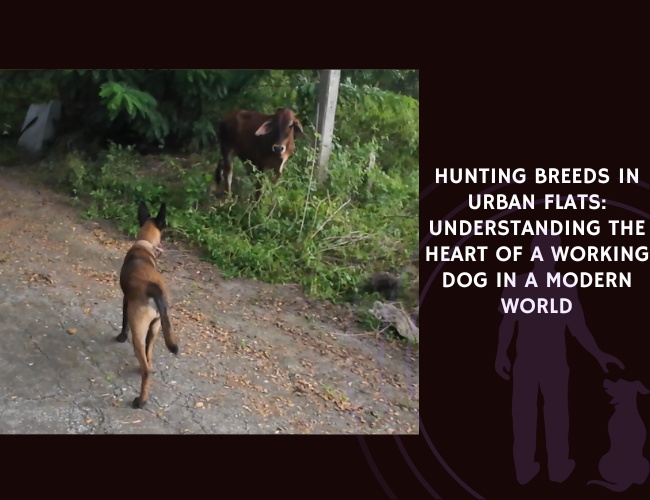
Picture this: a Pointer standing at your apartment window, body tense, eyes scanning the street below with the same intensity their ancestors used to locate game across open fields. Or a Retriever pacing the hallway for the third time this hour, carrying a toy with nowhere to retrieve it to. These aren’t just restless dogs—they’re working breeds whose very DNA whispers instructions their urban environment can’t fulfill.
If you share your city apartment with a hunting breed, you might notice something deeper than simple energy. There’s a kind of longing in their eyes, a purposefulness without purpose. You’re not imagining it, and you’re certainly not alone. The question isn’t whether your Terrier, Setter, or Spaniel can live in an urban flat—it’s whether they can truly thrive there, and what you can do to bridge the gap between their instinctual needs and modern reality.
Let us guide you through the hidden world of your hunting dog’s mind, where ancient drives meet contemporary constraints, and where understanding becomes the first step toward harmony.
The Instinctual Architecture: What Makes a Hunting Breed Different
Understanding Your Dog’s Inner Compass
Your hunting breed isn’t simply energetic—they’re driven by what neuroscientists call the SEEKING system, a fundamental brain circuit that compels exploration, searching, and appetitive behaviors. When a Springer Spaniel quarters back and forth in the park, or when your Beagle’s nose drops to the ground and won’t lift, they’re not being disobedient. They’re responding to neurological imperatives that have been refined over centuries of selective breeding.
Did you know that different hunting breeds actually have distinct brain anatomy that corresponds to their specialized tasks? Research shows that sight hunters, scent hunters, and retrievers possess unique neural architectures that support their specific functions. This means your Vizsla’s need to run and scan the horizon isn’t the same as your Bloodhound’s compulsion to follow scent trails—and both differ from your Labrador’s drive to carry objects in their mouth.
The three primary hunting drive categories you might recognize:
- Scent-based hunters (Beagles, Bloodhounds, Basset Hounds): These dogs possess extraordinary olfactory systems and learn scent-based tasks faster than any other type of cue. In a flat with limited natural scents and no tracking opportunities, their superior sense becomes understimulated, leading to frustration that often manifests as excessive sniffing, destruction, or attention-seeking behaviors.
- Sight-based hunters (Greyhounds, Whippets, Salukis): Built for visual tracking and explosive chasing, these breeds need to engage their remarkable eyesight and speed. Confined spaces severely limit their ability to satisfy these drives, potentially causing heightened reactivity to movement seen through windows or during brief outdoor excursions.
- Versatile retrievers and pointers (Labradors, Golden Retrievers, German Shorthaired Pointers): These dogs were bred to work in partnership with humans—finding, pointing, or retrieving game. Their drive isn’t complete without the cooperative element, which is why they often become velcro dogs in apartments, seeking constant interaction to fulfill their collaborative nature.
🧠 Understanding which category your dog falls into helps you recognize not just what they need, but why they need it.
When Ancient Drives Meet Modern Walls: The Behavioral Consequences
Recognizing the Signs of Environmental Mismatch
Have you noticed your hunting breed engaging in behaviors that seem disproportionate to the situation? Excessive barking at sounds outside, pacing the same path repeatedly, or an inability to settle even after a walk? These aren’t personality flaws—they’re communication. Your dog is telling you that something fundamental is missing from their daily experience.
When innate predatory or exploratory drives remain consistently unmet, dogs don’t simply “get used to it.” Instead, the suppression manifests through their behavior and, fascinatingly, through changes in their brain structure. Studies reveal that anxious dogs show abnormal functional brain networks, particularly in the amygdala, hippocampus, and thalamus—regions that form what neuroscientists call the “anxiety circuit.”
Common behavioral indicators of drive suppression:
- Hypervigilance at windows or doors: Your dog acts as if constantly on patrol, unable to relax because their guarding or hunting instincts have no outlet and no off-switch
- Destructive chewing or digging: Not random destruction, but targeted behaviors—digging at door frames (escape attempts), shredding soft items (prey substitute behaviors)
- Attention deficits during training: Despite being intelligent breeds, they struggle to focus because their SEEKING system is chronically understimulated, creating a state of restless distraction
- Reactivity on leash: Explosive reactions to stimuli that, without appropriate daily decompression, trigger accumulated frustration and redirected arousal
- Compulsive behaviors: Tail chasing, shadow chasing, or repetitive barking that serves as an outlet for undischarged mental energy
Through the NeuroBond approach, we understand these behaviors not as problems to suppress, but as signals pointing toward unmet needs. The solution isn’t more discipline—it’s more fulfillment. 🐾
The Frustration-Aggression Connection
Here’s something that might surprise you: when your normally gentle Retriever snaps at another dog during a walk, or your friendly Spaniel becomes possessive over toys, it might not be a training failure. The frustration-aggression hypothesis explains that inhibition of goal-oriented behaviors—like hunting or exploring—can cause redirected arousal.
Think of it this way: your dog’s brain is constantly generating energy for behaviors it expects to perform. When those behaviors can’t happen, that energy doesn’t disappear. It redirects, often manifesting as:
- Aggression toward other dogs (displaced hunting or competitive drive)
- Possessiveness over objects (substitute prey items)
- Nipping or mouthing humans (play that escalates due to insufficient outlets)
- Barrier frustration (lunging at fences, windows, or on leash)
This isn’t a character flaw in your dog—it’s a predictable outcome when evolutionary drives conflict with modern environments, a phenomenon known as Ethological Mismatch Theory.
The Urban Sensory Landscape: A World That Never Stops
When Rest Becomes Impossible
Your apartment might seem quiet to you, but to your hunting breed’s sensitive systems, it’s a symphony of stimulation that never fully stops. Traffic rumbles, neighbors’ footsteps echo above, sirens pierce the night, and artificial lights disrupt natural darkness. These aren’t just annoyances—they’re physiological stressors that prevent the deep rest essential for emotional regulation.
Research on sensory environments reveals that constant exposure to urban stimuli prevents the necessary reduction in sensory activity required for quality sleep. For dogs, whose hearing range extends far beyond ours and whose olfactory system detects chemical changes we can’t perceive, the urban environment is exponentially more stimulating than we realize.
How urban sensory overload manifests:
- Sleep fragmentation: Your dog seems to rest but never enters deep, restorative sleep phases, leading to chronic fatigue masked as hyperactivity
- Elevated baseline stress: Cortisol levels remain higher than optimal, making it harder for your dog to regulate emotions and respond appropriately to training
- Altered heart rate variability: Their nervous system remains in a semi-alert state, unable to fully activate the parasympathetic (rest and digest) mode
- Compromised learning: Chronic stress interferes with the hippocampus, the brain region responsible for memory formation and spatial learning
Did you know that dogs in stressful situations show reduced cortisol after human interaction? This means your presence, your touch, and your calm energy aren’t just comforting—they’re physiologically therapeutic. Moments of Soul Recall, when your dog gazes at you with complete trust, activate neural reward systems and release oxytocin, strengthening your bond while simultaneously reducing their stress. 🧡
The Missing Element: Natural Decompression
Here’s what most urban dog owners don’t realize: a 30-minute walk on pavement, even if brisk, doesn’t provide what high-drive hunting breeds truly need—decompression in nature. When your dog gets to explore a natural environment where they can engage multiple senses freely, sniff without time pressure, and make choices about where to go and what to investigate, something fundamental shifts in their nervous system.
Natural environments offer:
- Varied terrain that engages proprioception (body awareness) and builds confidence
- Rich scent libraries that provide mental stimulation equivalent to solving complex puzzles
- Choices and agency that activate the SEEKING system in healthy, satisfying ways
- Distance from urban stressors allowing the nervous system to fully downregulate
The absence of this natural decompression creates what we might call “sensory debt”—an accumulating deficit that no amount of indoor enrichment can fully repay.
Spatial Restriction: When Locomotor Patterns Can’t Flow
Understanding Movement as a Need, Not a Want
Movement for hunting breeds isn’t exercise in the way we humans think of it—it’s expression. When a Pointer runs, they’re not burning calories; they’re speaking a language their body knows fluently. When restricted to a flat where the longest straight line might be 15 feet, their locomotor patterns—the natural movement sequences encoded in their neuromuscular system—simply cannot complete.
What restricted space affects:
- Proprioceptive development: Dogs need to move through varied spaces to maintain body awareness and coordination
- Joint health: Repetitive movement on flat, hard surfaces without variety creates uneven wear
- Arousal regulation: The ability to “shake off” stress through physical movement becomes limited
- Natural behavior sequences: Chase-catch-shake-dissect behaviors can’t flow, leaving the behavioral sequence incomplete and unsatisfying
Think about your dog’s movement patterns. Do they have space to:
- Accelerate to full running speed?
- Navigate obstacles or varied terrain?
- Perform natural behaviors like rolling, stretching fully, or playing with other dogs unrestricted?
- Circle and settle in a chosen spot without space constraints?
If the answer is no, your dog is living in a state of physical constraint that affects not just their body, but their emotional regulation.
The Human Factor: How Your Lifestyle Shapes Their Adaptation
The Reality of Working Hours and Available Energy
Let’s be honest about something many urban dog owners feel guilty about: you work long hours, you’re tired when you get home, and some days you just don’t have the energy your hunting breed needs. You’re not a bad person—you’re a human living in a system that wasn’t designed around the needs of high-drive dogs.
Research on human-animal interaction reveals a crucial truth: the quality of your relationship directly impacts your dog’s welfare. This isn’t just about physical activity—it’s about psychological, social, and physical closeness. Your emotional availability, your attentional presence, and your ability to engage meaningfully all mediate how well your hunting breed adapts to urban constraints.
Owner lifestyle factors that influence adaptation:
- Working hours: Dogs left alone for 8-10 hours daily experience isolation that compounds the stress of environmental restriction
- Activity level: Your own energy and fitness directly limit how much appropriate exercise your dog receives
- Emotional regulation: Your stress affects your dog through emotional contagion—they literally sense and mirror your cortisol levels
- Consistency: Hunting breeds thrive on routine and predictability; irregular schedules create additional stress
Many dog owners experience guilt similar to working parents, leaving their companions alone for extended periods. This guilt is valid—it points toward a genuine unmet need. But awareness without judgment is the first step toward finding solutions.
The Power of Co-regulation
Here’s something beautiful: you don’t have to be perfect. What matters more than your activity level or working hours is your ability to co-regulate with your dog. Through the NeuroBond approach, emotional synchrony becomes the foundation for helping high-drive breeds navigate urban life.
What does co-regulation look like in practice?
- Structured calm routines: Predictable patterns that help your dog’s nervous system anticipate and prepare for transitions
- Attentional presence: Even 15 minutes of fully engaged interaction outweighs an hour of distracted coexistence
- Emotional steadiness: Your capacity to remain calm when your dog is reactive teaches them regulation through example
- Physical connection: Touch, massage, and proximity release oxytocin and reduce cortisol in both of you
Dogs’ neural reward systems activate when they smell their owners. Eye contact releases oxytocin. Your presence isn’t just comforting—it’s neurochemically powerful. This means that even in a restrictive environment, a strong human-dog bond can buffer significant stress.
Instinct Translation: Giving Old Drives New Purpose
Scentwork—The Superpower You’re Underutilizing
If there’s one enrichment activity that can transform your hunting breed’s urban experience, it’s scentwork. Because olfaction is considered the dog’s superior sense—they learn olfactory cues faster than any other type—engaging this system provides profound mental stimulation that can partially compensate for limited physical space.
Scentwork isn’t just sniffing. It’s:
- Mental exercise that’s exponentially more tiring than physical activity alone
- Confidence building as your dog successfully uses their primary sense
- Frustration reduction by providing a controllable outlet for the SEEKING system
- A form of meditation that helps dogs enter a focused, calm state
Simple scentwork activities for urban flats:
- Hide treats in boxes, under cups, or in snuffle mats and let your dog search
- Create scent trails using a favorite treat dragged along the floor leading to a reward
- Teach your dog to find specific scented objects (start with essential oils like lavender or vanilla on cotton balls—always research safety first)
- Play “find it” games where you hide toys or treats throughout your home while your dog waits
The beauty of scentwork is that 15 minutes of focused searching can provide as much mental stimulation as an hour of walking. For scent-based hunters especially, this work speaks directly to their neurological strengths.
Retrieval Games—Satisfying the Cooperative Drive
For retrievers and versatile hunting breeds, the act of retrieving isn’t just physical—it’s deeply social. These dogs were bred to work in partnership with humans, and they find profound satisfaction in cooperative tasks.
Retrieval work in small spaces:
- Short-distance retrieves with multiple repetitions (focus on the “give” and “take it again” cycle rather than distance)
- Retrieve-to-hand training that emphasizes the cooperative element
- “Find and bring” games where your dog searches for a specific toy and returns it
- Carry training where your dog holds and carries items during walks, engaging their mouth in productive ways
The key is understanding that for these breeds, the partnership aspect may be more important than the distance or difficulty. Your engagement, your praise, and the sense of working together activates their reward systems powerfully.
Proprioceptive and Tactile Enrichment
In restricted spaces, engaging your dog’s body awareness through proprioceptive exercises can provide surprising benefits. These activities help your dog feel their body in space, build confidence, and offer a physical outlet that doesn’t require extensive room.
Proprioceptive activities for apartments:
- Balance work on wobble boards, cushions, or foam pads
- Cavaletti exercises using broomsticks or pool noodles at various heights
- “Paws up” training on different surfaces and objects
- Gentle stretching and massage routines
- Controlled stair work (if available) focusing on slow, deliberate movement
Research on sensory stimulation suggests that tactile enrichment can improve emotional stability and even sleep regulation. By engaging multiple sensory systems, you provide neurological stimulation that helps compensate for spatial limitations.
Instinct confined. Purpose misplaced.
The hunter’s map still lives within. Four walls cannot mute the SEEKING system’s song; the eyes, nose, and heart remember open ground.
Restlessness speaks of need, not defiance. Pacing, barking, fixation—these are echoes of a drive with nowhere to go.
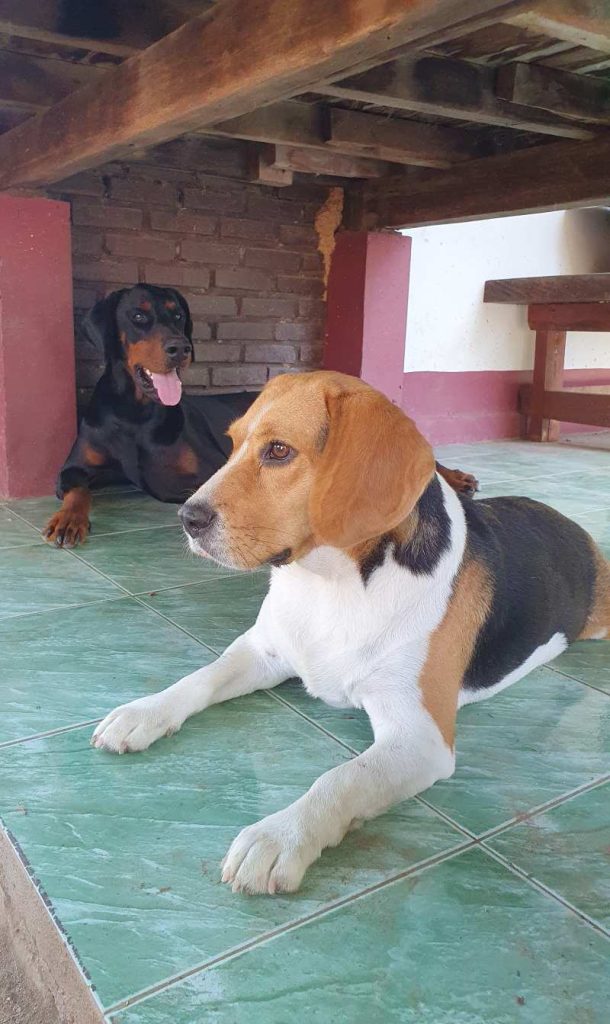
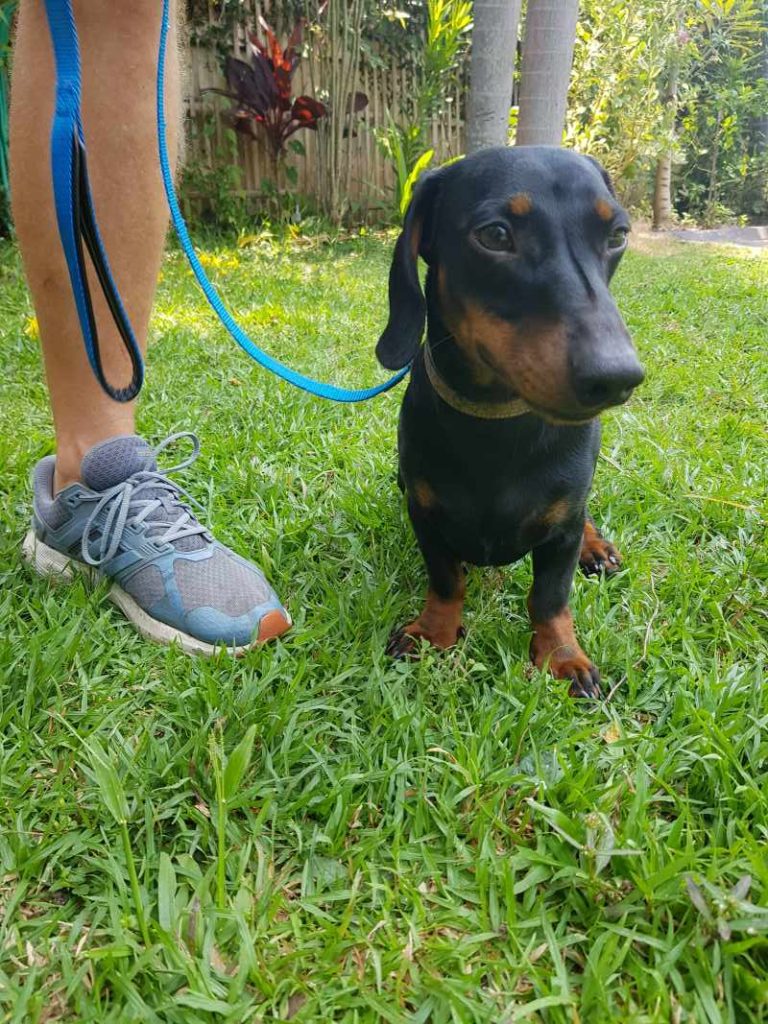
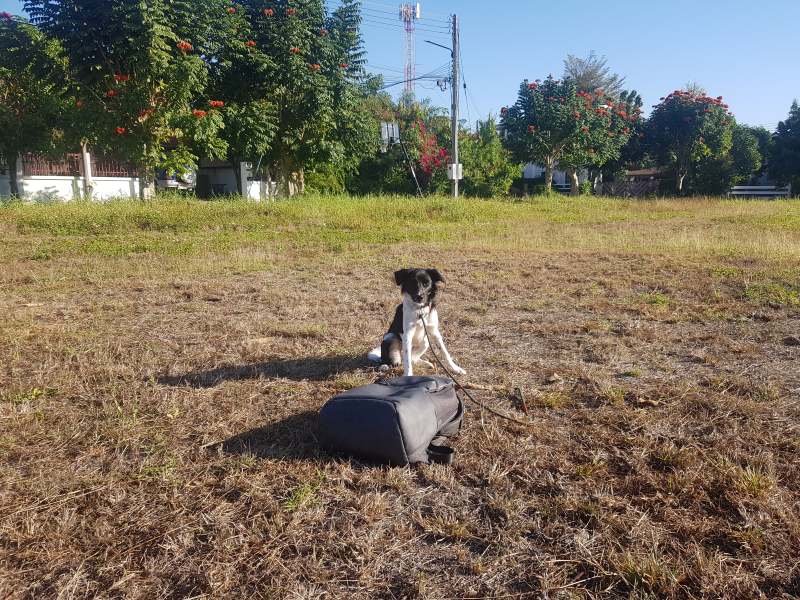
Freedom is not distance—it’s expression. Give scent to follow, tasks to share, movement to match the mind—and the stillness that follows will be peace, not exhaustion.
Environmental Modification: Making Your Flat Work Better
Creating Zones for Different States
Your hunting breed needs psychological space as much as physical space. Creating distinct zones within your apartment helps your dog understand what’s expected in each area and provides mental architecture for their day.
Essential zones to establish:
- Decompression den: A quiet corner with comfortable bedding, away from windows and traffic, where your dog knows it’s time to rest. Consider blackout curtains or covers to reduce stimulation.
- Activity area: Designated space for play, training, and enrichment activities. Even if small, having a clear “work zone” helps your dog shift into engagement mode.
- Observation post: Rather than trying to prevent window watching entirely, create one approved lookout spot where your dog can satisfy vigilance drives on their terms, with the option to be called away.
- Safe solo space: An area where your dog feels secure during alone time, possibly with calming music or white noise to buffer urban sounds.
The goal isn’t to expand your space but to maximize its psychological organization. Clear zones help your dog’s nervous system anticipate and prepare, reducing the cognitive load of constant decision-making in an understimulating environment.
Sensory Optimization
Small environmental changes can significantly impact your dog’s baseline stress levels and sleep quality.
Sound management:
- White noise machines or calming music to mask unpredictable urban sounds
- Acoustic panels or heavy curtains to dampen noise transmission
- Consistent “wind-down” auditory cues (specific music or sounds that signal rest time)
Olfactory enrichment:
- Rotating novel scents (safely): cardboard boxes from different locations, clothing with outdoor smells, or dog-safe aromatherapy
- Fresh air circulation to reduce stale indoor air that lacks olfactory interest
- Herb gardens (dog-safe plants) that provide natural, changing scents
Visual and light control:
- Dimming lights in the evening to support natural circadian rhythms
- Strategic curtain placement to reduce reactive triggers while maintaining enough visibility to prevent barrier frustration
- Providing visual enrichment like a bird feeder outside a window (in the designated observation zone)
The Invisible Leash concept applies here: rather than controlling your dog’s environment through restriction, you’re creating conditions where calm and focus emerge naturally. 🐾
Daily Structure: The Framework for Success
Routine as a Nervous System Tool
For high-drive hunting breeds in restricted environments, consistent daily structure isn’t just helpful—it’s essential for emotional regulation. Predictable routines allow your dog’s nervous system to anticipate transitions, reducing the cortisol spikes that come with uncertainty.
Core daily structure elements:
Morning activation sequence:
- Wake-up routine that signals the day’s start
- Morning toilet break
- Mental stimulation activity (scentwork or training) before breakfast
- Feeding
- Brief physical activity if possible
Midday management:
- If you’re away, consider a dog walker or midday check-in
- Interactive toys or enrichment feeders to provide engagement
- Access to the decompression den for rest
Evening decompression:
- Physical exercise appropriate to your dog’s needs
- Natural environment exposure when possible
- Evening scentwork or retrieval session
- Calm bonding time (massage, gentle play, quiet companionship)
- Wind-down routine signaling bedtime
The transition moments matter most. Rather than abrupt shifts from activity to rest or isolation to interaction, create 5-10 minute buffer periods that help your dog’s nervous system downregulate or upregulate gradually.
The Non-Negotiables
Let’s be clear about what hunting breeds in urban flats absolutely need:
- Daily natural environment access: Even 20 minutes in a park or natural area outweighs an hour on pavement
- Meaningful mental work: Scentwork, retrieval, or problem-solving activities daily
- Social connection: Quality interaction with you or other dogs
- Adequate rest: 12-16 hours of true rest (not just lying down while alert)
- Routine consistency: Predictable daily patterns that reduce stress
If you cannot reliably provide these elements, it’s worth honestly evaluating whether your living situation matches your dog’s needs. This isn’t judgment—it’s respect for the reality of what these remarkable breeds require to thrive.
Health Implications: The Hidden Costs of Adaptation
When Stress Becomes Physical
The behavioral challenges we’ve discussed don’t exist in isolation—they create physiological ripples that affect your dog’s long-term health. Chronic stress from environmental mismatch contributes to:
Cardiovascular impacts:
- Elevated resting heart rate
- Altered heart rate variability (reduced parasympathetic tone)
- Increased blood pressure over time
Immune function:
- Reduced immune competence, making dogs more susceptible to illness
- Chronic inflammation from sustained cortisol elevation
- Delayed wound healing and recovery
Gastrointestinal issues:
- Stress-related digestive problems (diarrhea, constipation, reduced appetite)
- Increased risk of inflammatory bowel conditions
- Food sensitivities that may be partially stress-mediated
Sleep architecture:
- Fragmented sleep preventing restorative deep sleep phases
- REM deprivation affecting memory consolidation and emotional processing
- Chronic fatigue masked as hyperactivity
Research demonstrates that dogs with spinal cord injuries show significant changes in peripheral immune cells, illustrating how physical challenges create systemic responses. Similarly, the chronic stress of environmental mismatch doesn’t just affect behavior—it alters your dog’s entire physiological landscape🧠
Early Warning Signs
Your hunting breed may be experiencing health impacts from urban stress if you notice:
- Changes in coat quality or excessive shedding
- Digestive inconsistencies despite stable diet
- Increased reactivity or lowered bite threshold
- Difficulty recovering from illness or minor injuries
- Weight changes despite consistent feeding
- Increased water consumption or urination patterns
- Changes in touch sensitivity (becoming more sensitive or avoidant of handling)
These signs warrant both veterinary assessment and honest evaluation of your dog’s environmental fit.
Making the Decision: Is Urban Living Fair?
Breed-Environment Compatibility Questions
Before we explore whether your specific situation can work, let’s address the question many urban dog owners avoid: should hunting breeds live in flats at all? The answer is nuanced and depends on multiple factors beyond square footage.
Consider these questions honestly:
About the dog:
- Is this a young, high-drive individual or a lower-energy line/older dog?
- Does this specific dog show adaptability or significant stress in confined spaces?
- Are there existing behavioral issues that urban living might intensify?
About your commitment:
- Can you provide daily natural environment access, not just pavement walks?
- Will you consistently engage in mental enrichment activities?
- Can you structure your day to minimize alone time?
- Are you prepared for potentially years of intensive management?
About your environment:
- Do you have access to quiet outdoor spaces for decompression?
- Is your neighborhood walkable to dog-friendly areas?
- Can your home accommodate necessary environmental modifications?
- Will your living situation remain stable, or might you need to move and potentially upgrade?
The research is clear: urban pet ownership guidelines should incorporate breed-environment compatibility criteria. Veterinarians and adoption agencies have a responsibility to help people make informed decisions that consider both human desires and animal welfare.
When It Can Work
Urban living with hunting breeds can succeed when:
- You’re deeply committed to meeting their needs through creative solutions and consistent effort
- Your specific dog shows adaptability and responds well to instinct substitution activities
- Your lifestyle allows for adequate time, energy, and resources to provide appropriate outlets
- You have access to natural spaces for regular decompression
- You build a strong co-regulatory relationship that buffers environmental stress through emotional connection
Some hunting breeds adapt better than others. Lower-drive lines, older dogs, and individuals bred more for companionship than working ability may navigate urban life more successfully. But make no mistake—even these dogs need more than many urban environments naturally provide.
When It Causes Harm
Urban living becomes unfair when:
- Your dog shows persistent behavioral distress (constant reactivity, anxiety, aggression)
- Physical or mental health deteriorates despite intervention
- You cannot consistently provide the non-negotiable needs outlined earlier
- Your stress about your dog’s wellbeing compromises your own quality of life
- The gap between your dog’s needs and your ability to meet them continues widening
Recognizing that a living situation isn’t working isn’t failure—it’s profound respect for your dog’s welfare. Sometimes the most loving decision is rehoming to an environment better suited to their needs.
The Path Forward: Building Resilience Through Connection
Embracing Instinct Translation
Rather than viewing your hunting breed’s drives as problems to manage, the most successful urban adaptation comes from translating those instincts into appropriate outlets. This is where the NeuroBond framework becomes transformative: instead of suppressing your dog’s nature, you’re channeling it.
Instinct translation principles:
- Respect the drive: Acknowledge that your dog’s seeking, chasing, or retrieving behaviors are neurologically fundamental, not optional preferences
- Provide authentic outlets: Choose enrichment that genuinely engages the relevant brain systems, not just activities that tire your dog
- Build cooperation: Help your dog understand that working with you satisfies their instincts more completely than working against environmental restrictions
- Create success loops: Design activities where your dog experiences completion and satisfaction, building confidence and reducing frustration
When you approach your hunting breed’s needs through instinct translation rather than behavior suppression, you shift from fighting their nature to partnering with it. This philosophical difference transforms the entire relationship.
The Role of Community
Urban living with hunting breeds doesn’t have to be solitary. Building community with other high-drive dog owners creates:
- Shared resources: Coordinated park visits, trading dog-sitting, sharing enrichment equipment
- Emotional support: Others who understand the challenges without judgment
- Motivation: Accountability to maintain routines when motivation wanes
- Social opportunities: Controlled play dates that provide both physical and social outlets for your dogs
Consider joining breed-specific groups, scentwork classes, or retrieving clubs. These communities understand your dog’s needs at a level that general dog owners may not.
Measuring Success Beyond Behavior
How do you know if your urban setup is truly working? Success isn’t just the absence of problem behaviors—it’s the presence of wellbeing indicators:
- Your dog settles calmly and sleeps deeply at home
- They show enthusiasm for enrichment activities without desperation
- Stress responses return to baseline quickly after triggers
- Physical health markers remain stable
- Your dog maintains social confidence and appropriate responses to novelty
- The human-dog bond feels cooperative rather than exhausting
If these indicators are absent despite your best efforts, it may signal that the environmental mismatch is too significant to bridge through management alone. 🧡
Conclusion: The Truth About Hunting Breeds and Urban Life
Here’s what we know: hunting breeds can survive in urban flats. The question is whether they can truly flourish—and whether you, as their guardian, can sustain the level of daily commitment required to bridge the gap between their evolutionary design and modern constraints.
These remarkable dogs—with their specialized brain architecture, their powerful drive systems, and their deep capacity for partnership—deserve environments that honor their nature. When urban life is all we can offer, we owe them extraordinary effort to translate their instincts into appropriate outlets, to provide consistent structure for their nervous systems, and to build relationships based on co-regulation rather than suppression.
Through the NeuroBond approach, we understand that emotional connection becomes the buffer against environmental stress. Your presence, your attentional availability, and your commitment to meeting your dog’s fundamental needs aren’t supplementary—they’re central to whether urban adaptation succeeds or causes harm.
If you’re currently navigating this challenge:
You’re not alone in feeling the weight of responsibility. Many urban dog owners question whether they’re doing enough. The fact that you’re reading this, seeking to understand your hunting breed’s experience, already places you among the most thoughtful guardians.
Moving forward, commit to:
- Honest assessment of your dog’s wellbeing beyond surface-level compliance
- Daily provision of the non-negotiables: natural decompression, mental work, meaningful connection
- Creative instinct translation that respects your dog’s drives rather than fighting them
- Openness to making changes—in routine, environment, or even living situation—if your dog’s welfare demands it
The balance between science and soul, between understanding behavior through neuroscience and feeling into your dog’s emotional experience—that’s the essence of Zoeta Dogsoul. When you honor both, you create the foundation for your hunting breed not just to cope with urban life, but to find genuine contentment within it.
Your furry friend’s well-being rests on the choices you make today. Choose awareness. Choose effort. Choose to see them fully, in all their complex, instinct-driven magnificence. They deserve nothing less. 🐾
Is your hunting breed thriving or merely surviving in your urban environment? Only you can answer this question—but now you have the framework to answer it honestly.










