

Introduction: Beyond the Stereotype
You’ve heard it before—perhaps you’ve even said it yourself. “Oh, that’s just typical Terrier stubbornness,” or “Shepherds are naturally protective,” or “Labs are always friendly.” These phrases roll off the tongue so easily, don’t they? They feel like wisdom, like generations of dog knowledge distilled into simple truths. But what if these convenient labels are actually preventing you from truly understanding your furry friend?
The relationship between humans and dogs spans thousands of years, woven through history, literature, and countless shared moments. Yet somewhere along this journey, we began categorizing canine behavior into neat breed-specific boxes. Media portrayals, individual experiences, and cultural narratives have shaped our perceptions so deeply that we often see what we expect to see, rather than what’s actually happening in front of us.
This is the breed bias—a subtle but powerful cognitive phenomenon that influences everything from how we train our dogs to life-and-death decisions in shelters. Research increasingly challenges these established assumptions, revealing a more complex and hopeful truth: your dog’s behavior is far more individual than any breed label could capture. Let us guide you through the science, the psychology, and most importantly, the path toward truly seeing your dog for who they are.
Understanding Cognitive Bias: How Our Minds Play Tricks
The Hidden Filters We Use
Have you ever noticed how two people can watch the same dog and come away with completely different impressions? This isn’t just a matter of opinion—it’s your brain running powerful pattern-recognition software that sometimes gets it wrong. When you look at a dog, especially one whose breed you recognize, your mind immediately activates a web of associations, expectations, and beliefs about what that dog “should” be like.
This process happens so quickly, so automatically, that you might not even realize it’s occurring. Your brain is trying to help you, actually. It’s using shortcuts called heuristics to make sense of the world efficiently. The problem is, these shortcuts can lead you astray when it comes to understanding your dog’s unique personality and needs.
When Expectations Shape Reality
Imagine watching a medium-sized dog with a blocky head approach you in the park. Before the dog does anything, your mind might already be preparing a response based on breed assumptions. If you’ve been told this breed is “aggressive,” you might tense up, pull your own dog closer, or adopt a defensive posture. The approaching dog, sensitive to your energy and body language, might respond with confusion or even defensiveness—and suddenly, your expectation has created the very behavior you feared.
This is the expectancy effect in action, and it’s remarkably powerful. Research shows that when we expect certain behaviors, we unconsciously create conditions that bring those behaviors about. If you believe a particular breed is “hyper,” you might engage in more stimulating play, inadvertently contributing to high energy levels. If you expect a “lazy” breed, you might provide less exercise, creating the inactive dog you anticipated.
Through the NeuroBond approach, we can begin to recognize these patterns in ourselves. Building trust requires first acknowledging our own biases—only then can we create space for genuine connection based on who our dogs truly are, not who we assume they should be.
The Confirmation Trap
Here’s where it gets even trickier. Once you hold a belief about a breed, your mind becomes remarkably skilled at finding evidence to support it. This is confirmation bias, and it operates like a selective spotlight in your awareness. You notice and remember the behaviors that fit your expectations while overlooking or forgetting those that don’t.
Common Cognitive Heuristics That Fuel Breed Bias:
- Confirmation Bias: Selectively noticing behaviors that match your breed expectations while overlooking contradictory evidence
- Expectancy Effect: Your expectations unconsciously influence your behavior, which then elicits the expected response from your dog
- Availability Heuristic: Overestimating the likelihood of behaviors you’ve heard about frequently, especially from media
- Authority Bias: Accepting breed “facts” from perceived experts without questioning or verifying
- Framing Effect: Interpreting the same behavior differently based on how it’s described (protective vs. aggressive)
- Fundamental Attribution Error: Attributing behavior to internal breed traits rather than situational or environmental factors
- Anchoring Bias: Letting the first breed information you receive heavily influence all subsequent interpretations
Let’s say you’ve adopted a dog described as a “stubborn” breed. When your dog takes a moment to process a command, you interpret it as stubbornness—typical for the breed, you think. When your dog responds quickly, you might barely notice it, or you might explain it away as an exception. Meanwhile, another owner with a “smart” breed might interpret that same processing pause as thoughtful consideration. Same behavior, completely different interpretation based solely on breed label.
This selective attention reinforces stereotypes even when the actual behavior contradicts them. You’re not being intentionally unfair—your brain is simply following its programming to seek patterns and consistency. But this programming can prevent you from seeing the full range of your dog’s capabilities and challenges. 🧠
The Architecture of Attribution: Why We Blame the Breed
Internal Versus External Factors
When your dog does something unexpected, your mind immediately searches for an explanation. This is where Attribution Theory comes into play. Humans have a strong tendency to attribute behaviors to internal, stable characteristics rather than external, situational factors. In dog behavior, this translates to breed-based thinking.
Signs You’re Making a Breed-Based Attribution Error:
- You explain behavior with phrases like “that’s just how this breed is” instead of examining context
- You interpret the same behavior differently depending on the dog’s breed label
- You assume the cause is genetic rather than learned or environmental
- You overlook situational triggers because you’ve already “explained” it with breed
- You expect the behavior to be unchangeable because it’s “in the breed”
- You dismiss successful training with other breeds as irrelevant to “your breed”
- You attribute failures to breed characteristics rather than examining your training approach
If a dog growls, we’re more likely to think “that’s an aggressive breed” than “something in the environment is making that dog uncomfortable.” We attribute the behavior to something inherent in the dog—specifically, in its breed—rather than looking at the context, the dog’s history, or the immediate situation triggering the response.
This attribution error has profound consequences. A neutral growl from a dog labeled as a “potentially aggressive breed” might be interpreted as a sign of imminent attack. The exact same growl from a “companion dog” breed might be dismissed as playful vocalization or even go unnoticed entirely. The behavior is identical; only our interpretation changes, filtered through the lens of breed expectation.
The Authority Effect in Dog Culture
You might wonder where these breed beliefs come from in the first place. Often, they arrive with the weight of authority behind them. Breeders, popular media, well-meaning veterinarians, or even other dog owners become perceived authorities whose words carry extra credibility. When an “expert” tells you that a breed is naturally protective, naturally stubborn, or naturally friendly, you’re more likely to accept this as truth without questioning it.
This authority effect creates and reinforces breed stereotypes across entire communities. Information spreads through social networks, gaining credibility with each repetition. Before long, what started as one person’s observation becomes “common knowledge” about a breed. The Invisible Leash of these expectations extends far beyond individual relationships, shaping shelter policies, insurance decisions, and even legislation.
Framing Makes All the Difference
The words we choose matter more than you might realize. Describing a dog as “protective” versus “prone to aggression” can completely frame how people perceive and interact with that dog—even though both terms might refer to similar underlying behaviors. This is the framing effect, and it’s particularly insidious in breed discussions.
Consider how differently you feel about these descriptions:
- “Terriers are determined and tenacious” versus “Terriers are stubborn and difficult”
- “Huskies are independent thinkers” versus “Huskies are untrainable”
- “Chihuahuas are devoted to their people” versus “Chihuahuas are aggressive and yappy”
Each pair describes similar traits, but the framing dramatically affects whether we see these as positive qualities or problems to overcome. This linguistic packaging shapes not just our perceptions, but our actions—how we train, what we expect, and ultimately, how our dogs behave in response to our expectations.
Media’s Mirror: How Stories Shape Our Beliefs
From Screen to Stereotype
Think about the dogs you’ve seen in films and television. The loyal German Shepherd police dog. The goofy, friendly Labrador. The aggressive pit bull. The pampered, yappy purse dog. These portrayals aren’t just entertainment—they’re powerful shapers of collective belief, creating mental templates that influence how we interpret real-world canine behavior.
Media representations operate through repetition and emotional resonance. When you see a breed portrayed consistently in a certain way across multiple platforms—news stories, social media, films, advertisements—these images accumulate in your mental database. They become your reference point, your expectation, your lens for viewing all dogs of that breed.
The consequences can be severe. Certain breeds are frequently depicted as inherently “aggressive,” creating a cascade effect that leads to discriminatory policies, reduced adoption rates, and even unnecessary euthanasia. Research has documented how pit bulls, for example, have been stereotyped and racialized in media, leading to widespread public fear that doesn’t align with behavioral evidence. These dogs face barriers to adoption, housing, and insurance simply because of how they look, not how they behave.
Social Media’s Amplification Effect
In today’s digital landscape, breed stereotypes spread faster and wider than ever before. A single viral video of a dog behaving badly—with a breed identification in the caption—can reinforce stereotypes for millions of viewers. Conversely, videos of dogs defying their breed stereotypes might be captioned as “unusual” or “not a typical [breed],” which actually reinforces the stereotype by framing the individual dog as an exception.
Red Flags in Social Media Content That Perpetuate Breed Bias:
- Captioning behavior with breed names: “Husky being dramatic” instead of describing the actual behavior
- Framing individual dogs who contradict stereotypes as “rare” or “unusual for the breed”
- Using breed as the punchline or explanation for behavior without context
- Comparing breeds directly as if all members are identical: “Retrievers vs. Terriers”
- Presenting breed-specific training advice as universal truth for that breed
- Celebrating or mocking behaviors as “typical” without examining underlying causes
- Breed reveal content that treats DNA results as personality predictions
Social media algorithms tend to show us more of what we already engage with, creating echo chambers where breed beliefs get reinforced rather than challenged. If you believe Huskies are dramatic, your feed will fill with “dramatic Husky” videos, confirming your belief while filtering out the calm, quiet Huskies who don’t make for viral content.
You might notice how these platforms turn breed traits into memes and entertainment, further embedding stereotypes into popular culture. While these videos can be amusing, they also normalize the idea that certain behaviors are inevitable and unchangeable parts of a breed’s identity. 📱

The News Cycle and Fear
News media plays a particularly influential role in shaping breed perceptions, especially regarding aggression. Studies have shown that dog bite incidents involving certain breeds receive disproportionate coverage compared to incidents involving other breeds. This creates an availability heuristic—because you hear about these incidents more frequently, you overestimate their actual occurrence.
When a dog bite makes the news, the breed is often mentioned prominently if it’s a “dangerous” breed, but might be omitted entirely if it’s a “friendly” breed. This selective reporting creates a distorted picture of which dogs actually pose risks. The result is collective fear that influences policy decisions, from breed-specific legislation to insurance restrictions, all based on perception rather than statistical reality.
The Human Factor: Demographics and Training Philosophy
Who Believes What, and Why
Your own characteristics—your age, education, cultural background, and even personality traits—can influence how likely you are to apply breed-based assumptions. While research shows mixed results on the direct connection between owner personality and dog behavior, there’s clear evidence that owner traits influence how behavior is perceived and reported.
For instance, owners who score high in conscientiousness tend to rate their dogs higher on characteristics like “training focus” and “motivation.” But here’s the question: Are these dogs actually more focused and motivated, or are these owners simply more likely to notice and interpret behaviors through that lens? The answer matters, because it reveals how our own psychological makeup colors our perception of our dogs.
People who have had negative experiences with specific breeds, or who have absorbed cultural narratives about certain breeds being dangerous or difficult, are more likely to interpret ambiguous behaviors through that negative filter. This creates a self-fulfilling cycle where expectations influence interpretation, which then reinforces the original expectation.
Training Philosophy as Bias Amplifier
The approach to training you choose reveals a great deal about how you view dog behavior and breed differences. Traditional trainers who emphasize breed-specific training methods often operate under the assumption that different breeds require fundamentally different approaches. They might believe that “strong-willed” breeds need firmer handling, while “sensitive” breeds need gentler methods.
In contrast, trainers focused on positive reinforcement and learning theory tend to emphasize individual differences over breed categories. They recognize that while genetic factors play some role in behavior, learning principles apply across all breeds. The dog in front of them matters more than the label attached to it.
The challenge is that the dog training field remains largely unregulated, with low rates of professional certification. This means quality and consistency vary wildly, and breed stereotypes can persist unchallenged in training advice. You might hear contradictory information depending on which trainer you consult, and without critical thinking skills, it’s difficult to evaluate whose advice reflects evidence versus who’s repeating breed mythology.
The Power of Community Belief
Dog owner communities—whether online forums, breed-specific groups, or your local dog park—create and maintain shared beliefs about breeds. These social spaces can be wonderfully supportive, but they can also function as echo chambers where breed stereotypes get reinforced through shared anecdotes and collective agreement.
When you join a breed-specific community, you often encounter a consistent narrative about “typical” breed behavior. Newcomers quickly learn the community’s beliefs and may adopt them without question. Experiences that contradict the narrative might be dismissed as exceptions or attributed to mixed breeding. This social reinforcement makes breed beliefs feel even more true and unquestionable, creating resistance to alternative interpretations.
The Language We Use: Words That Trap Understanding
Linguistic Embedding of Stereotypes
“Terrier stubbornness.” “Shepherd protectiveness.” “Retriever friendliness.” These phrases sound descriptive and neutral, but they’re doing something much more powerful—they’re embedding breed assumptions directly into the language we use to talk about dog behavior. Each time you hear or use these terms, the association between breed and behavior gets strengthened in your neural pathways.
This linguistic framing normalizes stereotypes by making them appear factual and unquestionable. These phrases become cognitive shortcuts, simplifying complex, individual behaviors into breed-wide characteristics. Instead of asking “Why is this particular dog hesitant to follow this particular command in this particular moment?”—which would lead to nuanced understanding—we simply think “Terrier stubbornness” and move on.
The danger lies in how these shortcuts close off inquiry. When behavior gets labeled as typical for a breed, we stop looking for the real causes—the environmental triggers, the learning history, the health issues, or the communication gaps that might be driving the behavior. The label becomes both explanation and excuse, preventing deeper understanding and more effective intervention.
Repetition Reinforces Reality
Every time you say or hear “Pit bulls are aggressive” or “Border Collies are hyper” or “Bulldogs are lazy,” the neural association between that breed and that characteristic gets reinforced. It’s not just about whether the statement is true—it’s about how repeated exposure to these linguistic patterns shapes thought patterns.
Moments of Soul Recall—those instances when your dog responds to you with perfect understanding—reveal that the connection between you isn’t about breed characteristics at all. It’s about individual relationship, shared history, and emotional attunement. Yet if you’re constantly filtering your perception through breed-based language, you might miss these revelations entirely.
Consider how linguistic framing affects problem-solving. If you describe your dog’s behavior as “typical Husky independence,” you’re less likely to seek training solutions, assuming the behavior is unchangeable. If instead you describe it as “a dog who hasn’t yet learned to check in with me during walks,” suddenly you have a training goal rather than an immutable breed trait. The behavior is the same; the framing determines whether you see possibility for change.
Creating New Language Patterns
Shifting away from breed-based language requires conscious effort, but it’s not about being overly careful or politically correct. It’s about precision and honesty in describing what you actually observe. Instead of “Beagle nose” to explain a dog who pulls toward every scent, try “strong scent drive” or “finds smelling very reinforcing.” Instead of “Terrier stubbornness,” try “takes time to process new requests” or “highly motivated by specific reinforcers we haven’t identified yet.”
Replace Breed-Based Language with Individual Descriptions:
- Instead of: “Typical Terrier stubbornness”
Try: “Takes time to consider new cues” or “Highly selective about what motivates them” - Instead of: “Shepherd protectiveness”
Try: “Alert to environmental changes” or “Shows vigilance toward unfamiliar people” - Instead of: “Husky independence”
Try: “Strong environmental reinforcers compete with handler attention” or “Benefits from high-value motivation” - Instead of: “Retriever friendliness”
Try: “Seeks social interaction” or “Shows affiliative behaviors toward people and dogs” - Instead of: “Beagle nose”
Try: “Highly motivated by scent work” or “Strong olfactory orientation” - Instead of: “Border Collie intelligence”
Try: “Quick to learn new behaviors” or “High pattern recognition ability” - Instead of: “Chihuahua nervousness”
Try: “Shows fear responses in certain contexts” or “Benefits from gradual exposure work”
This shift in language opens up new avenues for understanding and training. It keeps your focus on the individual dog and the specific context, rather than on category-wide assumptions that may not apply. It also respects your dog’s individuality, acknowledging that they’re more than just a representative of their breed. 💬
Myth Versus Reality: What Research Actually Shows
Let’s examine some of the most persistent breed stereotypes alongside what scientific research actually reveals. This comparison might surprise you—many beliefs you’ve taken for granted simply don’t hold up under scrutiny.
| Common Stereotype | What Research Actually Shows |
|---|---|
| “Pit bulls have locking jaws” | No anatomical difference exists between pit bull-type dogs and other breeds. Their jaw structure is identical to other dogs of similar size. This myth has been thoroughly debunked by veterinary anatomists. |
| “Small dogs are naturally yappy and aggressive” | Small dog aggression and excessive vocalization are learned behaviors, typically reinforced by owner responses and lack of training. Studies show small dogs receive less training and socialization, not that their breed determines aggression. |
| “German Shepherds are naturally protective” | Protectiveness is a trained behavior, not an inherent trait. Unsocialized German Shepherds are often fearful rather than protective. The breed’s reputation comes from selection and training for protection work, not automatic behavior. |
| “Retrievers are automatically good with children” | No breed is automatically safe with children. Temperament testing shows significant individual variation within retriever breeds. Many child-bite incidents involve “family-friendly” breeds because assumptions lead to inadequate supervision. |
| “Huskies are impossible to train off-leash” | Recall ability depends on training method, reinforcement history, and individual motivation—not breed. Many Huskies achieve reliable off-leash behavior with appropriate training approaches. |
| “Certain breeds don’t feel pain as intensely” | This dangerous myth has been thoroughly disproven. All dogs have the same neurological pain pathways. The belief that fighting breeds “don’t feel pain” has justified abuse and delayed medical care. |
| “Breed determines aggression” | Research shows breed explains less than 9% of aggression variance. Factors like socialization, training, owner behavior, and individual experience are far stronger predictors of aggressive behavior than breed. |
| “Border Collies need constant activity or they’ll be destructive” | Activity needs vary tremendously within the breed. Many Border Collies thrive with moderate exercise plus mental enrichment. Destructive behavior typically indicates inadequate enrichment or separation anxiety, not breed-specific energy. |
| “Chihuahuas are naturally nervous and snappy” | Fearfulness and defensive behavior develop from inadequate socialization and being treated like fragile objects rather than dogs. Well-socialized Chihuahuas are typically confident and friendly. |
| “You can’t train terriers because they’re too stubborn” | Terriers often have strong prey drive and can be selective about reinforcers, but they’re highly trainable with appropriate motivators. The “stubborn” label usually means the human hasn’t found what the individual dog finds reinforcing. |
This table barely scratches the surface, but you’ll notice a pattern. Nearly every breed stereotype dissolves when confronted with actual data. What appears to be inherent breed traits almost always turns out to be a combination of selective breeding for specific tasks (which creates tendencies, not certainties), training history, socialization experiences, and—crucially—human interpretation bias.
Understanding this reality frees both you and your dog. You’re no longer constrained by what your dog “should” be based on breed label. Instead, you can discover who they actually are and respond to their individual needs, capacities, and challenges. That’s not just more accurate—it’s more compassionate, more effective, and more honest. ✓
The Cost of Misidentification: Real Consequences for Dogs and People
Training and Management Failures
When you attribute your dog’s behavior to breed rather than individual factors, you risk missing the real issue and the real solution. If your dog barks excessively and you write it off as “that’s just what this breed does,” you might not investigate the anxiety, boredom, territorial concerns, or learned reinforcement patterns actually driving the behavior. The result is a dog whose needs remain unmet and a problem that persists or worsens.
Real Costs of Breed-Based Misattribution:
- Missed Diagnoses: Pain, illness, or cognitive dysfunction dismissed as “typical breed behavior”
- Ineffective Training: Using breed-typical methods rather than what works for your individual dog
- Delayed Intervention: Waiting too long to address problems because you think they’re unchangeable
- Inappropriate Exercise: Under or over-exercising based on breed stereotypes rather than individual needs
- Failed Socialization: Avoiding experiences because you expect breed-typical reactions
- Medication Resistance: Refusing behavioral medication because “it’s just the breed being the breed”
- Reinforcement Errors: Rewarding unwanted behaviors by accepting them as normal for the breed
- Relationship Damage: Frustration builds when your dog doesn’t match breed expectations
- Surrender Risk: Dogs rehomed because they don’t fit the breed profile you expected
Breed-based assumptions can also lead you to use inappropriate training methods. If you believe your dog’s breed requires “firm handling” or “strong corrections,” you might employ aversive techniques even when your individual dog responds better to positive reinforcement. Conversely, if you assume your dog’s breed is “soft” or “sensitive,” you might avoid necessary structure and boundaries, leaving your dog feeling anxious and directionless.
These mismatches between training approach and individual need can seriously impact your dog’s welfare and your relationship. A dog trained with methods that don’t suit their individual learning style and emotional temperament will experience unnecessary stress, confusion, and frustration. Trust erodes, behavior problems multiply, and the human-animal bond suffers.
Quality of Life and Welfare Concerns
The implications of breed bias extend beyond training to every aspect of your dog’s daily experience. Dogs may be subjected to inappropriate living conditions based on breed stereotypes rather than individual needs. An energetic dog from a “lazy” breed might not get enough exercise because the owner assumes they don’t need it. A quiet dog from a “hyper” breed might be over-exercised or constantly overstimulated because the owner expects high energy.
More seriously, dogs may face unnecessary euthanasia when their behaviors are dismissed as unchangeable breed traits. Shelter workers, overwhelmed and under-resourced, might make life-or-death decisions based on breed labels rather than individual behavioral assessment. A dog showing fear-based reactivity might be labeled “aggressive like that breed” rather than recognized as a treatable condition, leading to an outcome that could have been prevented with appropriate intervention.
Dogs subjected to training methods based on breed stereotypes rather than individual needs experience increased stress and fear. Punitive approaches applied to dogs whose behavior is attributed to breed rather than recognized as fear or anxiety can create trauma and worsen the very behaviors they’re meant to address. The dog caught in this cycle suffers confusion about what’s expected, stress from aversive methods, and deterioration of trust in human handlers.
Discrimination and Legislative Consequences
Perhaps nowhere is breed bias more consequential than in breed-specific legislation and policies. Based largely on media-fueled stereotypes rather than behavioral evidence, certain breeds face legal discrimination that affects their ability to find homes, access housing, and even survive. Well-behaved, gentle dogs are denied opportunities, removed from loving homes, or euthanized simply because of how they look.
Insurance companies often refuse coverage or charge exorbitant premiums for households with specific breeds, regardless of the individual dog’s temperament or training. Rental properties may prohibit entire breeds, forcing families to choose between their home and their beloved companion. These policies are typically based on outdated information and fear rather than actuarial data or behavioral science.
The tragedy is that breed-specific legislation has been shown to be ineffective at improving public safety while causing immense suffering for dogs and families. It diverts resources from effective interventions like education, enforcement of existing laws, and support for responsible ownership. It also creates perverse incentives where people might misrepresent their dog’s breed, avoid veterinary care, or neglect socialization out of fear their dog will be identified and removed.
The Numbers Don’t Lie: BSL Effectiveness Data
When we examine the actual data on breed-specific legislation, the evidence is clear and troubling. Jurisdictions that have implemented BSL have not seen the public safety improvements promised, while the costs to communities and dogs have been substantial.
Multiple countries and cities have repealed their breed-specific laws after years of implementation revealed their ineffectiveness. The Netherlands repealed its 15-year pit bull ban in 2008 after finding no evidence it improved public safety. Italy lifted breed-specific restrictions in 2009, shifting instead to owner responsibility laws. Spain repealed its breed-specific dangerous dog list in 2002. These countries recognized that targeting breeds rather than addressing actual dangerous behavior was both ineffective and unjust.
In the United States, several jurisdictions have followed suit. After a 2014 study found no difference in dog bite rates before and after BSL implementation, the town of Reynoldsburg, Ohio repealed its pit bull ban. Denver, Colorado lifted its 31-year pit bull ban in 2021, recognizing that breed identification is unreliable and that focusing on responsible ownership is more effective. Similar repeals have occurred across Massachusetts, Missouri, Nevada, and other states.
Research examining dog bite incidents before and after BSL implementation consistently shows no significant reduction in serious bite incidents. A study comparing jurisdictions with and without BSL found no evidence that such legislation makes communities safer. The rate of dog bite-related hospitalizations remained constant whether or not breed-specific laws were in place, suggesting that factors other than breed—such as owner behavior, socialization, and responsible ownership practices—are the key determinants of public safety.
Meanwhile, the costs are significant. Shelters in areas with BSL report increased euthanasia rates for restricted breeds, regardless of individual temperament. Administrative and enforcement costs strain municipal budgets without producing measurable benefits. Families are forced to relocate or surrender beloved pets. Dogs who pose no actual risk are destroyed simply for fitting a physical profile.
Perhaps most troubling is how BSL disproportionately affects lower-income communities and communities of color, where restricted breeds are more common and where resources to challenge enforcement are limited. The burden of these laws falls heavily on those already facing systemic barriers, adding another layer of injustice to legislation that doesn’t even achieve its stated purpose.
The evidence points to a better path: Calgary, Canada has maintained low dog bite rates through comprehensive responsible ownership bylaws that hold all owners accountable regardless of breed. Their approach includes mandatory licensing, swift enforcement of laws against dangerous dogs of any breed, and education programs. The result is effective public safety without the collateral damage of breed discrimination. This model demonstrates what works—accountability, education, and rapid response to actual dangerous behavior, not prejudgment based on appearance. 📊
Labels. Lenses. Limitations.
Bias begins in the blink of an eye. The moment you name a breed, your mind fills the frame—seeing patterns that may never have been there.
Expectation sculpts behavior. Believing a dog is stubborn, anxious, or protective invites the very story you fear to unfold in front of you.
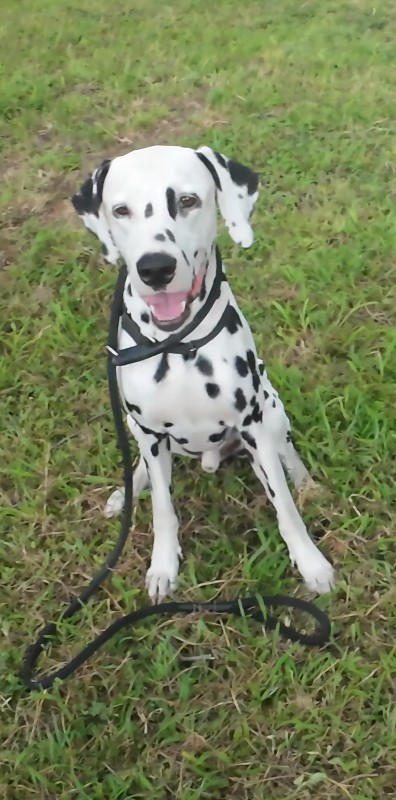

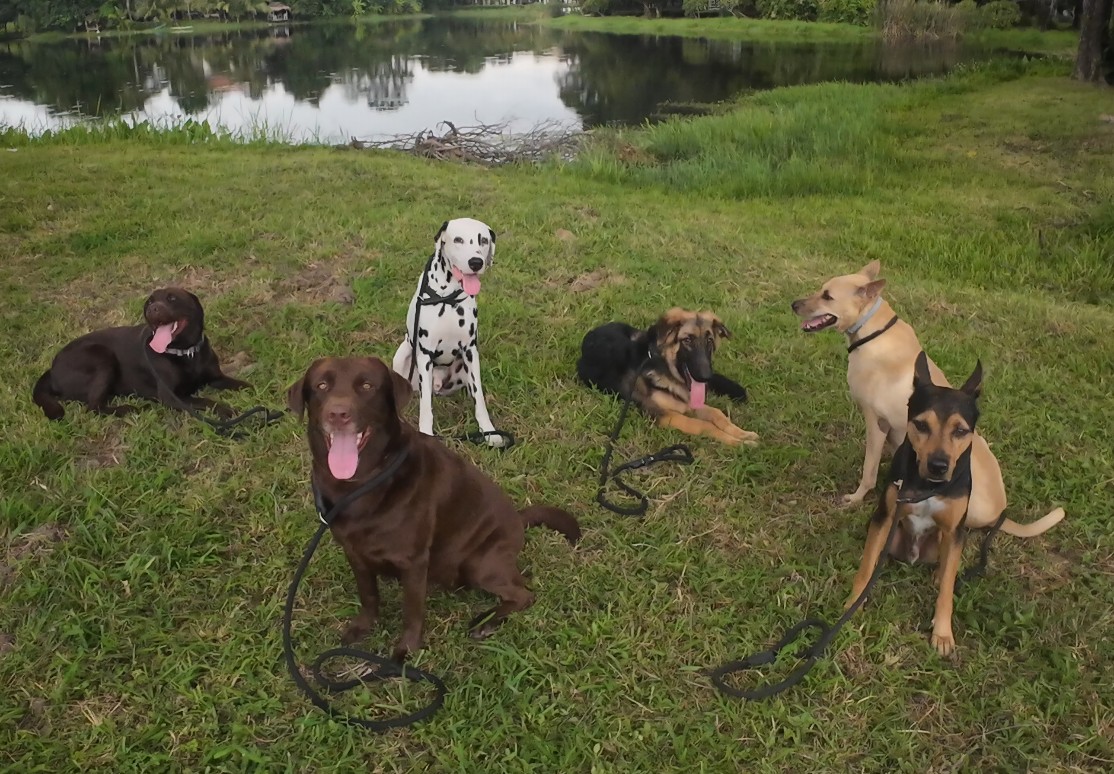
Connection demands curiosity. Strip away the label, and what remains is presence—the living, breathing individual asking to be understood, not defined.
Voices from the Front Lines: What Professionals See
Those who work directly with dogs in shelters and veterinary settings witness the devastating consequences of breed bias daily. Their perspectives reveal the human cost behind the statistics and the urgent need for change.
A shelter behavioral assessor from a large urban facility shares the challenge: “We see dogs come in labeled as ‘pit bull mix’ who are terrified, shut down, just trying to survive. The breed label on their kennel card changes everything—how adopters see them, how long they stay, whether they leave alive. I’ve watched gentle, goofy dogs who love everyone fail to get a second look simply because of what people think their face means.”
The misidentification problem is even more fundamental than most people realize. Studies have shown that shelter staff, veterinary professionals, and even dog trainers identify breeds incorrectly 75% of the time when compared to DNA testing. A dog labeled “pit bull type” might actually be a mix of boxer, mastiff, and pointer with no bull terrier ancestry at all. Yet that visual identification becomes the dog’s death sentence in many jurisdictions.
A veterinary behaviorist explains the clinical impact: “I regularly see dogs whose behavioral issues have been dismissed as ‘typical for the breed’ when they’re actually displaying symptoms of pain, anxiety, or cognitive dysfunction. Owners delayed seeking help because they thought it was just how the breed is. By the time they come to me, the problem has progressed to the point where it’s much harder to treat. If we’d caught it early, if they’d been watching the individual dog instead of the breed stereotype, we could have prevented so much suffering.”
Euthanasia decisions based on breed assumptions rather than actual behavior haunt many shelter professionals. One director describes the ethical anguish: “We’ve had to euthanize dogs who passed every behavioral test, who were friendly and responsive and eager to please, because they looked like a banned breed. These weren’t dangerous dogs—they were victims of appearance-based discrimination. Meanwhile, truly reactive dogs from ‘acceptable’ breeds get chance after chance because people assume they must have been abused or can be fixed. It’s completely backward.”
The emotional toll extends to veterinary staff as well. A veterinary technician describes the pattern: “You see the same thing over and over. Small dog bites someone—it’s dismissed as cute or funny or the victim’s fault for ‘provoking’ them. Large dog from a stigmatized breed does anything remotely similar—even just a warning snap with no contact—and suddenly there are calls for euthanasia. The double standard is maddening because it puts everyone at risk. It means small dog aggression goes unaddressed while large dogs are judged by impossibly high standards.”
Perhaps most tragically, breed bias affects the human-animal bonds that shelter staff work so hard to create. An adoption counselor reflects: “We see people come in looking for their perfect dog, but they’ve already ruled out half the shelter based on breed stereotypes they read online. They walk right past dogs who would be ideal for their lifestyle because of labels. Then they adopt based on breed expectations and return the dog weeks later because ‘it’s not acting like the breed should.’ The mismatch isn’t the dog’s fault—it’s the expectation that was never realistic in the first place.”
These professional insights reveal breed bias not as an abstract concept but as a daily reality that shapes outcomes, ends lives, and prevents connections. Those who work most closely with dogs are calling for change—for individual assessment, for education, for policies based on behavior rather than appearance. Their voices deserve to be heard. 🩺
🧠 The Breed Bias Journey: From Stereotype to Clear Seeing
Understanding how cognitive bias shapes our perception of dogs—and how to break free from labels to truly see your individual companion
Phase 1: Recognition
Identifying Your Hidden Filters
Understanding Cognitive Heuristics
Your brain uses shortcuts called heuristics to make quick decisions. When you see a dog, your mind immediately activates breed associations—what that dog “should” be like based on appearance. This happens so fast you don’t even notice it, but it colors every interaction.
Common Bias Triggers
• Confirmation bias: Noticing only behaviors that match breed expectations
• Expectancy effect: Your expectations create the behaviors you feared
• Authority bias: Accepting breed “facts” from perceived experts
• Framing effect: “Protective” vs. “aggressive” shapes your entire perception
Phase 2: Attribution Analysis
Why We Blame the Breed
The Attribution Error
When a dog growls, most people think “that’s an aggressive breed” rather than “something in the environment is making that dog uncomfortable.” We attribute behavior to internal breed traits instead of examining context, history, or situational triggers.
The Reality Check
The exact same growl from a “potentially aggressive breed” gets interpreted as imminent attack. From a “companion dog” breed? Dismissed as playful. The behavior is identical—only our interpretation changes based on breed expectation.
Breaking the Pattern
Ask yourself: Am I explaining this behavior with breed labels, or am I examining what happened before, what’s reinforcing it, and what the dog’s emotional state actually is? Context over category leads to understanding.
Phase 3: Media Literacy
Recognizing Stereotype Amplification
Social Media Red Flags
• Captioning behavior with breed names as explanation
• Framing dogs who contradict stereotypes as “unusual”
• Using breed as the punchline without examining causes
• Viral videos reinforcing stereotypes for millions of viewers
News Cycle Distortion
Dog bite incidents involving certain breeds receive disproportionate coverage. The breed is mentioned prominently for “dangerous” breeds but omitted for “friendly” breeds. This selective reporting creates availability bias—you overestimate occurrence because you hear about it more.
Phase 4: Linguistic Reframing
Changing How You Describe Behavior
Replace Breed-Based Language
Instead of “Terrier stubbornness” → “Takes time to process new cues”
Instead of “Shepherd protectiveness” → “Alert to environmental changes”
Instead of “Husky independence” → “Strong environmental reinforcers”
Instead of “Beagle nose” → “Highly motivated by scent work”
Why Words Matter
Each time you use breed-based language, you reinforce neural pathways connecting breed with behavior. These shortcuts close off inquiry. When behavior gets labeled as “typical for the breed,” you stop looking for real causes—triggers, learning history, health issues, or communication gaps.
Phase 5: Understanding Costs
The Price of Misidentification
Serious Consequences
• Medical diagnoses missed when symptoms dismissed as “typical breed behavior”
• Training failures using breed-typical methods instead of what works individually
• Unnecessary euthanasia of dogs labeled by appearance, not assessed by behavior
• Families forced to choose between home and companion due to breed restrictions
BSL: The Data Speaks
Netherlands, Italy, Spain, and multiple US cities have repealed breed-specific legislation after finding no improvement in public safety. Research consistently shows no reduction in dog bite incidents with BSL—only increased costs, discrimination, and suffering for dogs and families.
Phase 6: Behavior-Focused Observation
From Labels to Real Understanding
Essential Assessment Questions
• What exactly did the dog do? (Describe actions, not interpretations)
• What happened immediately before this behavior?
• What consequences followed?
• What is the dog’s emotional state?
• What environmental factors might be relevant?
• If I removed breed from consideration, how would I explain this?
The 9% Reality
Research shows breed explains only about 9% of behavioral variation. The other 91%? Early socialization, training methods, owner interaction, environment, health status, recent experiences. Your dog is primarily an individual, secondarily a member of a breed.
Phase 7: Developmental Windows
Why Early Experience Trumps Breed
The Critical 3-14 Week Window
During this brief period, puppies are neurologically primed to form positive associations. What they encounter becomes familiar and safe. What they miss remains potentially frightening throughout life. This socialization impact overwhelms breed differences completely.
Essential Exposures
• People diversity (ages, appearances, abilities)
• Handling and gentle restraint
• Various environments and surfaces
• Sound exposure (traffic, appliances, storms)
• Other animals and appropriate play
• Novel objects and problem-solving opportunities
The Proof
Studies comparing littermates raised differently show more behavioral variation between siblings than between well-socialized dogs of different breeds. Two puppies of an “aggressive” breed—one well-socialized, one isolated—will behave more differently from each other than either differs from a well-socialized “gentle” breed puppy.
Phase 8: NeuroBond in Action
Building Connection Through Individual Attunement
Synchrony Activities
• Parallel relaxation: lying quietly together, breathing in sync
• Cooperative grooming: gentle brushing both find calming
• Synchronized walking: moving together with mutual attention
• Scent work together: collaborative searching
• Heart-rate matching: consciously calming when your dog is anxious
Individual Emotional States Over Breed Assumptions
Instead of “Labs are always happy, so if my Lab is growling I should correct him,” ask: “What is my dog’s emotional state right now? What is he communicating? What need or concern is driving this behavior?” Observation over expectation builds trust.
The Invisible Leash
Awareness, not tension, guides the path. When you and your dog are emotionally attuned, cues become conversations rather than commands. Responses emerge from connection rather than coercion. The breed label becomes background noise when genuine understanding takes center stage.
📊 Myth vs. Reality: What Research Actually Shows
Pit Bulls Have Locking Jaws
Reality: No anatomical difference exists. Jaw structure is identical to other dogs of similar size. Veterinary anatomists have thoroughly debunked this myth.
Small Dogs Are Naturally Yappy
Reality: Learned behaviors reinforced by owner responses and lack of training. Small dogs receive less training and socialization—breed doesn’t determine aggression.
Shepherds Are Naturally Protective
Reality: Protectiveness is trained, not inherent. Unsocialized Shepherds are often fearful rather than protective. Reputation comes from selection and training, not automatic behavior.
Retrievers Are Good With Children
Reality: No breed is automatically safe with children. Significant individual variation exists within retriever breeds. Many child-bite incidents involve “family-friendly” breeds due to inadequate supervision assumptions.
Breed Determines Aggression
Reality: Breed explains less than 9% of aggression variance. Socialization, training, owner behavior, and individual experience are far stronger predictors than breed genetics.
Certain Breeds Feel Less Pain
Reality: Dangerous myth thoroughly disproven. All dogs have identical neurological pain pathways. This belief has justified abuse and delayed medical care.
⚡ Quick Reference: Breaking Breed Bias
The 9-91 Rule: Breed explains ~9% of behavior variance. The other 91% comes from socialization, training, environment, health, and individual experience.
The Socialization Formula: 3-14 weeks of positive, diverse exposure > breed genetics for adult temperament.
The Attribution Test: Before explaining with breed, ask: “What happened before? What’s reinforcing this? What’s the dog’s emotional state?”
The Language Shift: Replace breed labels with behavioral descriptions. “Takes time to process” beats “stubborn Terrier.”
🧡 The Essence of Clear Seeing
Through the NeuroBond approach, we learn that trust becomes the foundation of learning only when we see our dogs clearly—free from the distorting filter of breed stereotypes. The Invisible Leash reminds us that awareness, not tension or expectation, guides the path to genuine connection. In moments of Soul Recall, when your dog’s eyes meet yours with perfect understanding, you realize the connection was never about breed characteristics—it’s about individual relationship, shared history, and emotional attunement.
That balance between science and soul—between understanding genetic influences while honoring individual being—that’s what we’re reaching toward. Your furry friend isn’t a representative of their breed. They’re a unique being with their own story, shaped by experience, learning, and relationship. Every moment is an opportunity to see them clearly and deepen the bond that transcends any label.
This is the essence of Zoeta Dogsoul—seeing clearly, connecting deeply, honoring individuality while understanding universal principles.
© Zoeta Dogsoul – Where neuroscience meets soul in dog training
The Breakdown of Bond
When you filter your dog’s behavior through the lens of breed stereotypes, you may fail to understand their individual communication signals, needs, and personality. This creates distance in the relationship, turning what should be a deep connection into a surface-level interaction based on assumptions rather than true knowing.
Frustration builds on both sides. You expect certain behaviors and are disappointed or confused when your dog doesn’t conform to the breed profile. Your dog tries to communicate their actual needs but gets misunderstood or ignored because their signals don’t match breed expectations. This disconnect can lead to relinquishment—one of the most common reasons dogs are surrendered to shelters is “not what we expected,” often code for “didn’t match the breed stereotype we believed.”
The NeuroBond framework reminds us that trust becomes the foundation of learning only when we see our dogs clearly. If breed labels cloud our vision, we cannot build the deep, authentic connection that both species crave. The relationship becomes transactional rather than transformational, based on control rather than cooperation. 🧡
Pathways to Clarity: Behavior-Focused Education
Shifting from Labels to Observation
The antidote to breed bias begins with education that emphasizes observable behavior over categorical assumptions. You can learn to distinguish between what you see and what you interpret, between a dog’s actual actions and your mental narrative about those actions.
Effective education programs teach you to describe behavior objectively before attaching meaning. Instead of “being stubborn,” you might observe “sits but does not move forward when cued to come.” Instead of “showing dominance,” you might note “stands over the other dog with stiff body and direct stare.” This shift from interpretation to description creates space for multiple explanations and more accurate understanding.
Essential Questions for Behavior-Focused Assessment:
- What exactly did the dog do? (Describe actions, not interpretations)
- What happened immediately before this behavior?
- What consequences followed the behavior?
- How often does this behavior occur, and in what contexts?
- What is the dog’s emotional state during this behavior?
- What environmental factors might be relevant?
- What reinforcers or punishers might be maintaining this behavior?
- Has this dog’s history included experiences relevant to this behavior?
- What does this behavior accomplish for the dog?
- If I removed breed from consideration, how would I explain this?
Context becomes central in this approach. These questions lead to individualized understanding rather than stereotype confirmation. They also empower you to make changes that address root causes rather than just managing symptoms.
Distinguishing Behavior from Personality
Research increasingly clarifies the distinction between observable behavior (what the dog does) and personality or temperament (our interpretations of consistent patterns). While personality traits do exist in dogs, they’re complex, multifaceted, and only partially predicted by breed. More importantly, they develop through the interaction of genetics, early experience, ongoing environment, and learning.
Education that makes this distinction clear helps you understand that breed might contribute to tendencies, but it doesn’t determine destiny. Your dog is not just a product of their breed genetics—they’re shaped by everything they’ve experienced, learned, and felt since conception. This realization is simultaneously humbling and empowering. Humbling because it means you can’t predict everything about your dog based on breed label. Empowering because it means you have far more influence than you might have thought.
The key insight is that behavior is largely polygenic (influenced by many genes) and highly environmental. Even for traits with significant heritability, breed explains only a small fraction of individual variation. Your dog is primarily an individual, secondarily a member of a breed. Education that emphasizes this reality helps shift focus to where it matters most—the unique being in front of you.
The Critical Window: Why Early Experience Matters More Than Breed
If you want to understand what actually shapes your dog’s behavior, look beyond breed genetics to the developmental windows that occur in every puppy’s life. These critical periods have far more influence on adult behavior than breed ancestry does, yet they’re often overlooked in favor of breed-based predictions.
The most crucial window is the socialization period, approximately between 3 and 14 weeks of age. During this brief window, puppies are neurologically primed to form positive associations with novel stimuli. What they encounter during this period—people, animals, environments, sounds, surfaces, handling—becomes familiar and safe. What they don’t encounter remains potentially frightening throughout life.
The impact is profound and long-lasting. A puppy of any breed who experiences diverse, positive interactions during this window typically develops into a confident, sociable adult. A puppy of any breed who misses this critical period—kept isolated from novel experiences—often develops fear-based reactivity regardless of genetic background. The socialization difference overwhelms breed differences.
Critical Socialization Experiences (3-14 Weeks):
- People Diversity: Different ages, genders, ethnicities, sizes, appearances, mobility aids, uniforms
- Handling: Gentle touching of paws, ears, mouth, tail; restraint for grooming and vet care
- Other Animals: Well-socialized dogs of various breeds, sizes, play styles; other species if relevant
- Environments: Various surfaces (grass, concrete, gravel, metal, wood); indoor and outdoor spaces; stairs and elevations
- Sounds: Household appliances, traffic noise, construction, fireworks, storms, children playing
- Objects: Umbrellas, wheelchairs, strollers, bicycles, skateboards, shopping carts
- Situations: Car rides, crowded spaces, quiet spaces, city environments, vet clinic visits
- Experiences: Being alone briefly, crate time, novel toys and enrichment, problem-solving opportunities
Research consistently demonstrates this. Studies comparing puppies from the same litter raised in different environments show more behavioral variation between littermates than between different breeds raised similarly. Two siblings of an “aggressive” breed, with one well-socialized and one isolated, will behave more differently from each other than the well-socialized one differs from a well-socialized puppy of a “gentle” breed.
This matters deeply for understanding your dog’s current behavior. If your adult dog displays fearfulness or reactivity, the relevant question isn’t “what’s typical for this breed?” but rather “what were their early experiences?” A dog from a “confident” breed who missed socialization will be anxious. A dog from a “nervous” breed with excellent early experiences can be remarkably stable. The developmental history trumps the breed label.
The critical period affects specific fears too. Puppies not exposed to children during this window often develop child-related fear regardless of breed. Those who don’t experience handling and restraint may resist grooming and veterinary care throughout life. Urban dogs need exposure to city sounds, surfaces, and chaos during this period or they’ll struggle with city life later, regardless of whether they’re a “city-appropriate breed.”
After the primary socialization window closes around 14-16 weeks, learning continues but becomes more difficult. Fear responses established during this period are remarkably resistant to change. This is why rescue dogs with unknown early histories sometimes display seemingly breed-inappropriate behaviors—a “friendly breed” may be reactive, a “protective breed” may be nervous. These aren’t breed exceptions; they’re products of missed critical periods.
Understanding this developmental reality changes how you evaluate dogs. That nervous adult from a “bold breed” isn’t defective—they likely lacked adequate socialization. That confident adult from a “timid breed” isn’t unusual—they probably had excellent early experiences. The behavior you see is far more about those early weeks than about breed genetics.
For prospective puppy buyers, this knowledge is empowering. Choosing a breeder or rescue who prioritizes extensive, positive early socialization matters more than choosing the “right breed.” A well-socialized puppy from any breed has better odds of becoming a stable adult than a poorly socialized puppy from a “perfect” breed for your lifestyle.
If you have a puppy now, this urgency should light a fire under you. Those weeks between 8 and 14 are the most valuable training period your dog will ever have—not for sit and stay, but for building comfort with the world. Every positive experience during this window is an investment that pays dividends throughout your dog’s life. Breed might influence whether your dog is interested in herding or retrieving, but socialization determines whether they can handle the world calmly or spend their life in fear.
For adult dogs who missed this window, all isn’t lost, but progress requires patience and skilled behavior modification. The neurological plasticity of the critical period is gone, but learning and gradual desensitization remain possible. However, the interventions needed are individual-specific, not breed-specific. A poorly socialized Labrador needs the same careful counterconditioning as a poorly socialized Rottweiler—their breed is irrelevant to the rehabilitation process.
This is why the NeuroBond framework emphasizes individual emotional states and developmental history over breed categorization. Through emotional attunement, you can understand where your dog is right now—what they find safe, what triggers fear, what helps them feel secure. That understanding, combined with knowledge of critical periods, gives you the tools to help your individual dog, regardless of what their breed “should” be like. 🐕
The Role of Professional Guidance
Not all education is created equal, and this is where the unregulated nature of dog training becomes problematic. Seeking guidance from professionals certified by organizations that require evidence-based education and adherence to ethical standards helps ensure you receive information that reflects current science rather than persistent mythology.
Look for trainers and behaviorists who:
- Assess your individual dog rather than making breed-based assumptions
- Use positive reinforcement and learning theory rather than dominance-based approaches
- Discuss genetic influences as tendencies rather than deterministic factors
- Provide customized training plans based on your dog’s unique responses
- Update their knowledge regularly through continuing education
Quality education from knowledgeable professionals can reshape how you understand your dog’s behavior. It can reveal that what you thought was “typical breed behavior” is actually a learned response, a communication attempt, or a symptom of an underlying issue. This knowledge gives you tools to make meaningful changes rather than accepting problems as inevitable. 🎓

The NeuroBond Revolution: From Stereotype to Synchrony
What Is NeuroBond?
The NeuroBond framework represents a fundamental shift in how we conceptualize the human-dog relationship. Rather than starting with breed categories and their associated assumptions, it begins with emotional attunement and shared affective states. It recognizes that the deepest connections emerge not from understanding “this breed” but from tuning into “this being” in real time.
This approach draws on emerging research about physiological synchrony—how the nervous systems of closely bonded individuals can come into alignment through shared experiences and mutual attention. When you’re truly present with your dog, observing without judgment and responding with empathy, your physiological rhythms can actually synchronize. Heart rates, breathing patterns, and stress hormones shift in tandem as you co-regulate each other’s emotional states.
The implications are profound. Instead of asking “What should a dog of this breed be feeling right now?” you ask “What is this dog actually feeling right now?” You learn to read your individual dog’s unique emotional vocabulary—their particular ways of expressing stress, contentment, excitement, fear, and affection. You become fluent in your dog’s language rather than relying on breed-based translations that might be inaccurate.
Individual Emotional States Over Breed Assumptions
Let’s contrast these two approaches practically. The stereotype-based approach might say: “Labs are always happy and friendly, so if my Lab is growling at another dog, I should correct him for inappropriate behavior.” The NeuroBond approach asks: “What is my dog’s emotional state right now? What is he trying to communicate? What need or concern is driving this behavior?”
The first approach imposes expectations based on breed label and corrects deviation from those expectations. The second approach observes, interprets, and responds based on the individual dog’s actual internal experience. One creates conflict and confusion. The other builds understanding and trust.
The NeuroBond framework encourages you to become skilled at reading your dog’s body language—not “typical Shepherd body language” or “how Retrievers usually look when stressed,” but how your specific dog holds their ears, tail, mouth, and posture when experiencing different emotions. You learn the subtle differences between your dog’s “alert” face and their “anxious” face, between playful arousal and aggressive arousal, between tired and uncomfortable.
This individual emotional literacy allows you to respond appropriately to your dog’s actual state rather than your assumptions about their state. When your dog is stressed, you can intervene to help them feel safer rather than pushing through because “this breed is supposed to be confident.” When your dog is genuinely happy, you can celebrate that rather than worrying that they’re “too excited for their breed.” You honor your dog’s emotional reality instead of trying to make them fit a category.
Promoting Physiological Synchrony
The NeuroBond framework goes beyond just observing your dog—it creates practices that deepen connection through shared experience. This might include:
Activities That Build Physiological Synchrony:
- Parallel Relaxation: Lying quietly together, breathing in sync, no demands or interaction required
- Cooperative Grooming: Gentle brushing or massage that both parties find calming
- Synchronized Walking: Moving together with mutual attention, adapting pace to each other
- Calm Training Sessions: Low-arousal learning focused on connection rather than performance
- Shared Stillness: Sitting together observing the environment without distraction
- Gentle Play: Interactive games matched to your dog’s energy and enthusiasm levels
- Scent Work Together: Collaborative activities where you both engage in searching or problem-solving
- Heart-Rate Matching: Consciously slowing your breathing and heart rate when your dog is anxious
- Touch Communication: Learning your dog’s preferred forms of physical contact and affection
- Mindful Feeding: Hand-feeding or enrichment feeding as bonding time rather than routine task
These shared states of calm allow your nervous systems to synchronize, creating a foundation of safety and trust. Walking or hiking together with presence and awareness, where you’re not distracted by your phone or lost in thought but actually attuned to your dog’s experience of the world. Notice what interests them, what concerns them, what brings them joy. This shared exploration builds bond through mutual discovery.
Individualized Communication Strategies
Every dog has a unique learning style, communication preferences, and motivational profile. The NeuroBond framework advocates discovering what works for your specific dog rather than applying generic “breed-appropriate” methods. This means experimenting, observing results, and adjusting based on your dog’s responses.
For some dogs, verbal praise is highly motivating. For others, food rewards work best. Some dogs are motivated by play, others by environmental access. These preferences don’t align neatly with breed categories—they’re individual. Your job is to discover what your dog finds reinforcing and meaningful, then use that knowledge to facilitate learning and communication.
Similarly, stress signals and calming signals vary individually. While there are common patterns across all dogs, your dog might have unique versions or particularly subtle variations. Maybe your dog’s stress signal is a specific ear position you’d miss if you were looking for “typical breed” stress signs. Maybe your dog’s invitation to play looks different from the textbook descriptions. Learning your dog’s individual communication style requires attentive observation free from preconceptions.
This individualized approach doesn’t ignore genetics or breed tendencies—it simply refuses to let them override observation of the actual dog in front of you. If your “low-energy breed” dog is bouncing off the walls, you don’t dismiss it as abnormal—you recognize that this individual needs more exercise than breed stereotypes suggest. If your “high-drive breed” dog seems content with moderate activity, you don’t force intensity—you honor what this individual actually needs.
Challenging and Replacing Stereotypes
By prioritizing your dog’s individual emotional and behavioral reality, the NeuroBond framework inherently challenges breed stereotypes. Each time you respond to your dog as an individual rather than as a category, you weaken the stereotype’s hold on your thinking. Each time you observe behavior that doesn’t match breed expectations without dismissing it as “unusual,” you strengthen your capacity for clear seeing.
This is revolutionary work, quietly performed in the daily interactions between you and your dog. You’re not just training your dog—you’re training yourself to see without filters, to respond to reality rather than expectation. That balance between science and soul—that’s the essence of Zoeta Dogsoul.
The framework creates a ripple effect. As you experience deeper connection with your individual dog, you naturally become skeptical of broad generalizations about breeds. You share your experiences with other dog people, gently questioning breed-based assumptions when they arise. You advocate for individual behavioral assessment in contexts where breed labels might otherwise determine outcomes. You become part of the shift toward more nuanced, accurate, compassionate understanding of canine behavior. 🐾
Technology as Truth-Teller: AI and Data-Driven Insights
Objective Behavioral Assessment
One of the most promising developments in correcting breed misconceptions is the application of artificial intelligence and machine learning to canine behavior analysis. These technologies offer something human observers often can’t—genuine objectivity, free from the confirmation bias and expectancy effects that color our perceptions.
Deep learning methods, particularly convolutional neural networks, can analyze video footage of dog behavior and identify patterns, sequences, and signals without imposing breed-based interpretations. The AI doesn’t “know” that a dog is supposed to be stubborn or aggressive or friendly based on breed—it simply observes what the dog actually does. This objectivity can reveal insights that human observers miss because they’re filtered through expectation.
For instance, an AI system might identify that a dog’s stress signals precede their reactive behavior by several seconds—signals that human handlers were missing because they expected immediate aggression from that breed. Or it might reveal that what owners interpret as “stubbornness” actually consists of confusion signals and conflict behaviors suggesting the dog doesn’t understand what’s being asked.
These tools aren’t meant to replace human judgment and empathy but to enhance them by providing data that challenges our biased perceptions. When you see objective behavioral analysis of your dog, you might discover patterns you’ve been overlooking and capacities you didn’t realize they possessed.
Large-Scale Data Analysis Challenges Assumptions
Projects like Darwin’s Ark have collected vast datasets of owner-reported phenotypes paired with genetic data, allowing researchers to analyze behavioral variation within and across breeds at an unprecedented scale. The findings consistently show that breed explains only a small percentage of individual behavioral variance—typically around 9% or less for most behavioral traits.
This research directly contradicts the breed determinism that fuels stereotypes. It demonstrates empirically that while breed can influence certain tendencies, the majority of behavioral variation exists between individuals within breeds rather than between breeds. Two dogs of the same breed are often more different from each other than dogs of different breeds.
When you understand these statistics, it becomes clear that breed labels provide limited predictive value for individual behavior. Your “aggressive breed” dog is far more likely to be gentle than the stereotype suggests. Your “dumb breed” dog may be brilliantly intelligent. The data liberates both dogs and humans from the constraints of categorical thinking.
These large-scale analyses also reveal which environmental and experiential factors actually predict behavior most strongly. Things like early socialization, training methods, owner interaction style, and life experiences often show stronger correlations with behavior than breed does. This shifts focus to the factors you can actually influence rather than the genetic lottery you cannot.
Making Sense of the Numbers: What “9% Heritability” Really Means
You’ve probably heard the statistic: “Breed explains only about 9% of behavioral variation in dogs.” But what does that actually mean for you and your dog? Let’s break it down in a way that makes the significance clear.
Imagine every dog’s behavior as a pie divided into slices representing different influences. The breed slice—all those genetic factors shared by dogs of the same breed—takes up roughly 9% of that pie. The remaining 91% comes from everything else: individual genetic variation within the breed, early developmental experiences, socialization history, training, current environment, health status, age, recent experiences, and the unique interaction between all these factors.
This means that if you meet ten dogs of the same breed, the behavioral differences between them are ten times larger than the average differences between breeds. A random Labrador is more likely to have a personality similar to a random German Shepherd than to match the “typical Lab” stereotype. The individual dog you’re looking at is primarily an individual, with breed contributing only a small fraction of who they are.
Here’s another way to conceptualize it. If you tried to predict a dog’s behavior using only breed information, you’d be right slightly more often than random guessing—but not much more. You’d be wrong about individual dogs far more than you’d be right. It’s like trying to predict someone’s personality by knowing only what country they were born in. You might catch a few broad tendencies, but you’d miss most of what makes them who they are.
The 9% figure comes from sophisticated genetic studies analyzing thousands of dogs and hundreds of traits. Researchers found that some traits show higher breed influence—certain behaviors related to the original purpose breeds were selected for, like retrieving or herding interest, show around 15-20% breed influence. But for most behavioral traits, especially those relevant to being a companion animal like trainability, aggression, or sociability, breed explains even less than 9%.
What fills that other 91%? Early life experiences during critical developmental periods have massive influence—often more than breed. Socialization between 3-14 weeks of age shapes behavior more powerfully than genetic ancestry. Training methods and consistency matter enormously. The owner’s behavior and emotional state affect the dog constantly. Health issues, including subclinical pain and hormone imbalances, influence behavior significantly. Environmental factors like housing, exercise, and daily routine play huge roles.
This isn’t to say breed has no influence. If you need a dog for specific work—herding livestock, detecting scents, retrieving game—selecting for breeds developed for those purposes increases your odds of finding relevant aptitudes. But even there, individual variation within breeds is substantial. Many Border Collies have no interest in herding. Many Labradors won’t retrieve. The breed tendency is real but far from deterministic.
For the average pet owner, the practical takeaway is liberating. Your dog’s breed gives you only the faintest sketch of who they might be. Everything important—their actual personality, their specific needs, their individual quirks and challenges—you discover through relationship, observation, and attention to the unique being before you. The 91% that isn’t breed is where your dog actually lives, and it’s the 91% you can most influence through how you raise, train, and relate to them.
When someone tells you “that behavior is typical for the breed,” they’re claiming that the 9% explains something that’s actually coming from the 91%. They’re attributing to genetics what’s usually learned, environmental, or individual. Understanding the numbers helps you resist that attribution error and stay focused on what actually matters—the dog you’re living with, not the category they’ve been assigned to. 🧮
Personalized Training and Management
Perhaps the most practical application of AI and data-driven approaches is the development of personalized training and management strategies. By collecting data on how individual dogs respond to different training methods, environmental modifications, and management approaches, these systems can recommend interventions tailored to your specific dog’s needs and learning style.
This moves entirely away from “one-size-fits-all” breed-based advice. Instead of generic suggestions like “this breed needs firm handling” or “that breed requires gentle methods,” you receive guidance based on your dog’s actual responses to various approaches. The system might identify that your dog learns fastest with short, frequent training sessions using food rewards, or that environmental management is more effective than training for a particular problem.
These personalized approaches also account for individual health, age, energy level, and history—factors that significantly influence behavior but get overshadowed by breed stereotypes. The recommendations evolve as your dog changes over time, providing ongoing guidance that reflects your dog’s current reality rather than static breed assumptions.
Early Detection and Intervention
Data-driven behavioral profiling can help identify early indicators of behavioral concerns, allowing for timely intervention before problems become severe. By analyzing patterns across thousands of dogs, AI systems can recognize early warning signs that might escape human notice or be dismissed as “normal for the breed.”
For example, subtle changes in activity patterns, social interactions, or response to stimuli might indicate developing anxiety, pain, or cognitive issues. If these signs are caught early and addressed appropriately—based on actual behavior rather than breed assumptions—welfare outcomes improve dramatically and relinquishment rates can decrease.
This is particularly important because breed-based thinking often delays appropriate intervention. If you believe your dog’s increasing reactivity is “just how the breed is,” you might not seek help until the problem is severe. If instead you have objective data showing concerning trends in your individual dog’s behavior, you’re more likely to address the issue promptly.
Educational Applications
AI-powered tools are being developed to educate owners and trainers in real-time, providing feedback on canine behavior and helping interpret signals accurately. These applications could show you your dog’s body language during interactions, highlighting stress or calming signals you might miss. They could provide instant analysis of training sessions, showing which techniques your individual dog responds to most effectively.
This technology has the potential to reduce cognitive bias by interrupting automatic breed-based interpretations with objective data. When your brain says “that’s typical breed stubbornness,” the app might show you that your dog is actually displaying confusion and offering appeasement signals. This immediate feedback helps retrain your perceptual habits, gradually making you a more accurate observer of your own dog’s behavior.
The educational benefit extends beyond individual owners. As these technologies become more widely used and their findings more widely disseminated, they contribute to collective understanding that challenges breed stereotypes. Data-driven insights can shift entire communities away from mythology toward evidence-based understanding. 💻
Moving Forward: Practical Steps Toward Clarity
Start With Awareness
The first step in overcoming breed bias is simply recognizing that you have it. This isn’t about guilt or self-criticism—it’s about honest acknowledgment that your brain uses shortcuts and filters that sometimes lead you astray. When you catch yourself attributing behavior to breed, pause and ask: “Am I seeing this clearly, or am I seeing my expectations?”
Begin noticing the language you use to describe your dog’s behavior. How often do you reference breed? When you explain your dog’s actions to others, do you say “that’s just how this breed is” rather than describing the specific behavior and context? Awareness of these linguistic patterns reveals underlying thought patterns.
Pay attention to moments when your dog contradicts breed expectations. Instead of dismissing these as exceptions or anomalies, treat them as information about who your dog actually is. Each deviation from the stereotype is an opportunity to see your dog more clearly and adjust your understanding.
Practice Objective Description
Train yourself to describe behavior objectively before interpreting it. This skill takes practice but becomes easier over time. Instead of “my dog is being stubborn,” try “my dog sat but did not come when called.” Instead of “aggressive behavior,” try “lunged toward the other dog while barking with raised hackles.”
This practice accomplishes several things. It slows down your interpretive process, creating space between observation and conclusion. It captures information that might be important for understanding cause and context. And it prevents premature closure on explanations, keeping you open to multiple possibilities.
When you describe behavior objectively, patterns often emerge that breed-based thinking would obscure. You might notice that your dog’s “stubbornness” only happens in certain contexts or times of day. You might realize that their “aggression” always follows specific triggers you’ve been overlooking. These insights lead to effective interventions that breed-based thinking would miss.
Seek Individual Understanding
Commit to understanding your specific dog through observation, experimentation, and relationship rather than through breed profiles and generalizations. This means spending time simply watching your dog without agenda, noticing what they do, how they respond to various stimuli, and what seems to motivate or concern them.
Keep a journal if it helps. Record what you observe about your dog’s preferences, fears, learning patterns, and communication style. Over time, you’ll build a rich, individualized profile that’s far more useful than any breed description could be. You’ll know that your dog loves tug games but not fetch, or that they’re brave about strange objects but wary of unfamiliar people, or that they learn best in the morning when they’re fresh.
This individual knowledge becomes the foundation for training, management, and deepening bond. You can design enrichment activities tailored to your dog’s specific interests. You can anticipate and prevent problems based on your dog’s actual triggers rather than breed stereotypes. You can communicate in ways your individual dog finds clear and meaningful.
Choose Education Wisely
As you seek information about dog behavior and training, be selective about sources. Look for resources that:
- Emphasize learning theory and behavior science over breed mythology
- Discuss individual variation and the limited predictive value of breed
- Provide tools for behavioral assessment rather than breed profiles
- Update content based on current research rather than traditional beliefs
- Acknowledge complexity and avoid overly simplistic explanations
Red Flags in Training Advice (Breed-Stereotype Based):
- “This breed needs firm/dominant handling” (Assumes all individuals require force)
- “That’s typical for the breed, you just have to accept it” (Dismisses trainability)
- “These dogs are naturally good at…” (Ignores individual variation and training needs)
- “Don’t try off-leash work with this breed” (Limits potential based on category)
- “They need X hours of exercise daily because of their breed” (One-size-fits-all prescription)
- “This breed will always be protective/aggressive/nervous” (Assumes unchangeable traits)
- “You can’t train a [breed] like other dogs” (Implies learning principles don’t apply)
- “Their breed makes them unreliable/stubborn/sensitive” (Attribution to genetics over learning)
- Recommends breed-specific tools or methods without individual assessment
- Claims certain breeds “don’t feel pain” or have higher pain tolerance (Dangerous myth)
Be particularly cautious with breed-specific advice that presents behaviors as inevitable or unchangeable. While breed can influence tendencies, almost all behaviors can be modified through appropriate training and environmental management. Don’t accept limitations based on breed label without questioning whether they apply to your individual dog.
Advocate for Individual Assessment
In contexts where your dog’s welfare depends on accurate behavioral evaluation—shelter assessments, insurance decisions, housing applications, veterinary behavior consultations—advocate for individual assessment rather than breed-based assumptions. Provide detailed information about your dog’s actual behavior, training history, and temperament. Challenge policies that rely solely on breed identification.
Support organizations and policies that emphasize evidence-based approaches to canine behavior and public safety. Breed-specific legislation has been repeatedly shown to be ineffective and harmful; alternatives that focus on individual behavior, responsible ownership, and community education are far more effective at reducing incidents while protecting dogs.
When you hear others making breed-based assumptions, gently question them. Share your own experiences with your dog that contradict stereotypes. Point people toward current research on canine behavior and genetics. You don’t need to be confrontational—simply offering alternative perspectives can plant seeds that gradually shift understanding.
Deepen Your Bond
Ultimately, overcoming breed bias isn’t just about being more accurate in your behavioral assessments—it’s about deepening your relationship with your dog. When you see your dog clearly as an individual, free from the distorting filter of breed stereotypes, you create space for authentic connection.
Signs Your Bond Is Deepening Through Individual Understanding:
- You can predict your dog’s reactions based on their history, not breed stereotypes
- You’ve discovered preferences and quirks that don’t match breed profiles
- Training becomes easier because you’re working with your dog’s actual learning style
- You feel less frustrated because you understand their actual motivations
- Your dog’s “problem behaviors” decrease as you address real causes instead of accepting them as breed-typical
- You notice subtle communication signals unique to your dog
- You can advocate for your dog’s needs without defaulting to breed explanations
- Other people’s breed-based comments feel irrelevant or inaccurate
- You choose activities based on your dog’s joy, not breed expectations
- Trust flows both directions—your dog checks in with you, you read their cues accurately
This means being present with your dog, attending to their unique ways of communicating and being in the world. It means responding to who they actually are rather than who you expected them to be. It means celebrating their quirks and respecting their individual needs rather than trying to make them fit a breed-based template.
The Invisible Leash of breed expectations can keep you separated from your dog even when you’re physically together. Releasing those expectations—really seeing your dog for who they are—is how genuine connection emerges. In those moments of true understanding, when your dog’s eyes meet yours and you both just know, the breed label becomes irrelevant. What matters is the being before you and the bond between you. 🧡
Your Journey Forward: A Four-Week Action Plan
Understanding breed bias intellectually is one thing; changing how you perceive and interact with your dog is another. This structured action plan gives you concrete steps to begin the transformation. Take it week by week, allowing each phase to build on the previous one.
Week One: Awareness and Observation
Your first task is simply to notice—without judgment or immediate change—how breed-based thinking shows up in your daily life with your dog.
Day 1-2: Language Audit
- Keep your phone nearby and make a note every time you explain your dog’s behavior using breed terms
- Notice when others use breed language around you and how you respond
- Pay attention to your thoughts, not just your words: “That’s so [breed]” counts even if unspoken
- Goal: Develop awareness of how automatic breed-based thinking has become
Day 3-4: Expectation Tracking
- Before your dog encounters a situation, notice what you expect to happen based on breed
- Write down the expectation, what actually happened, and any mismatch
- Examples: “Expected him to be friendly with that dog because Labs love everyone” or “Expected her to bark at the delivery person because Shepherds are protective”
- Goal: Catch yourself predicting behavior based on breed rather than individual history
Day 5-7: Pure Observation
- Spend 15 minutes daily just watching your dog without any breed frame
- Describe what you see in purely behavioral terms: postures, actions, sequences
- Practice the phrase “I notice that…” without explaining why
- Goal: Strengthen your skill at observation before interpretation
Week One Success Marker: You’ve identified at least 5-10 instances of breed-based thinking in yourself and can describe one behavior without using any breed references.
Week Two: Challenging Assumptions
Now that you’re aware of breed-based thinking, begin actively questioning it.
Day 8-9: Assumption Identification
- List 3-5 specific beliefs you hold about your dog’s breed
- For each belief, ask: “What actual evidence do I have that this applies to my individual dog?”
- Rate each assumption: Clearly true / Sometimes true / Actually false for my dog / I assumed but never verified
- Goal: Distinguish between breed mythology you’ve absorbed and observations of your actual dog
Day 10-12: Alternative Explanations
- Choose 2-3 behaviors you’ve attributed to breed
- For each, brainstorm alternative explanations: learning history, environment, health, context
- Research what behavior science says about these behaviors
- Goal: Break the automatic breed-attribution habit
Day 13-14: Contrary Evidence Collection
- Actively look for behaviors that contradict breed stereotypes
- Document instances where your dog behaves differently than breed expectations
- Share one example with another dog person and notice their reaction
- Goal: Train your attention toward individual variation rather than stereotype confirmation
Week Two Success Marker: You can name three behaviors you previously attributed to breed that you now understand differently, with specific alternative explanations based on your dog’s individual experiences.
Week Three: Individual-Focused Practice
Put your new understanding into action through modified training and interaction approaches.
Day 15-17: Reinforcer Discovery
- Forget what your dog’s breed “should” find motivating
- Test 10+ different potential reinforcers: various foods, toys, access to sniffing, social interaction, verbal praise
- Rank them based on your individual dog’s actual responses
- Goal: Build a motivation profile based on your dog, not stereotypes
Day 18-20: Context-Based Analysis
- Pick a behavior you want to change or understand better
- Map it: When does it happen? What triggers it? What consequences follow? What’s your dog’s emotional state?
- Design an intervention based on this analysis rather than breed-typical approaches
- Goal: Practice context-focused problem-solving
Day 21: Communication Experiment
- Choose one training session or interaction
- Instead of applying breed-typical methods, watch your dog’s feedback closely
- Adjust your approach based entirely on their individual responses
- Goal: Let your dog teach you how they learn best
Week Three Success Marker: You’ve successfully modified at least one interaction or training approach based on individual observation rather than breed assumptions, with better results than your previous breed-based approach.
Week Four: Advocacy and Integration
Extend your individual-focused approach outward while cementing your new habits.
Day 22-24: Sharing New Perspectives
- When someone makes a breed-based assumption about your dog, gently offer an individual-focused reframe
- Share something interesting you learned about your dog that contradicts breed stereotypes
- Practice the phrase: “That’s interesting—my dog is more…”
- Goal: Begin influencing others toward individual assessment
Day 25-26: Resource Evaluation
- Review your training resources, social media follows, and information sources
- Identify which ones emphasize breed stereotypes vs. individual variation
- Add new evidence-based resources to your learning
- Goal: Curate an information environment that supports your new approach
Day 27-28: Reflection and Commitment
- Journal about how your perception of your dog has shifted
- Identify 2-3 concrete ways your relationship has deepened through seeing them more clearly
- Write a personal commitment statement about how you’ll continue this individual-focused approach
- Celebrate the journey—you’ve done important work!
Week Four Success Marker: You’ve successfully redirected at least two breed-based conversations toward individual assessment and feel more connected to your actual dog than to breed expectations.
Beyond Four Weeks: Ongoing Practice
This action plan is just the beginning. Continue these practices:
- Monthly check-ins on breed-based thinking patterns
- Ongoing education about canine behavior science
- Regular observation sessions with your dog
- Engagement with communities that value individual assessment
- Advocacy for policy changes when opportunities arise
Remember, overcoming breed bias isn’t about never acknowledging breed—it’s about keeping breed in its proper place as minor background information while your dog’s individuality takes center stage. The goal is clear seeing, and clear seeing leads to deeper connection, more effective training, and a relationship based on who your dog truly is.
You’ve got this. Your dog is worth the effort. 🌟
Conclusion: Toward a More Honest Understanding
The breed bias is pervasive, persistent, and consequential. It shapes how we perceive dog behavior, what training methods we choose, what management strategies we implement, and ultimately, how we relate to our canine companions. It influences life-and-death decisions in shelters, insurance coverage, housing access, and legislative policy. The costs of this bias—measured in misunderstood dogs, failed training, broken bonds, and unnecessary suffering—are too high to ignore.
But there is a path forward, illuminated by emerging research and deepening understanding. We can learn to recognize our cognitive biases and compensate for them. We can shift from label-based thinking to observation-based understanding. We can leverage technology to provide objective behavioral assessment free from human perceptual filters. We can educate ourselves and others about the limited predictive value of breed and the profound importance of individual variation.
This shift isn’t just about being more accurate—though that matters. It’s about justice for dogs who suffer because of stereotypes that don’t fit them. It’s about creating stronger human-animal bonds based on genuine understanding rather than false expectations. It’s about building communities and policies that are actually effective at protecting both people and dogs.
The journey from stereotype to clear seeing requires effort, awareness, and willingness to question what you’ve been taught. It asks you to observe without immediate judgment, to describe before interpreting, to remain open to being surprised by your dog. It invites you to become a student of your individual dog’s behavior, communication, and inner life.
Through this process, something wonderful happens. As you release breed-based expectations, you discover depths in your dog you never noticed before. Behaviors you dismissed as “typical for the breed” reveal themselves as communications you can learn to understand. Limitations you accepted as inherent turn out to be changeable with appropriate training and support. The dog you thought you knew reveals new dimensions of personality and capacity.
That balance between science and soul—between understanding genetic and environmental influences while honoring individual being—that’s what we’re reaching toward. The NeuroBond framework offers one pathway, emphasizing emotional attunement and physiological synchrony over categorical assumptions. Technology offers another, providing objective data that challenges our biased perceptions. Education offers a third, equipping us with knowledge and tools to see more clearly.
Is this breed right for you? Perhaps that’s the wrong question. Better to ask: “Is this individual dog, with their unique personality, needs, and potential, right for my life and lifestyle?” Better still: “How can I create a life together where we both thrive, free from the limiting expectations that breed labels impose?”
Your furry friend isn’t a representative of their breed—they’re a unique being with their own story, shaped by genetics, experience, learning, and relationship. Every moment you spend with them is an opportunity to see them clearly, respond to their actual needs, and deepen the bond that makes the human-dog relationship one of life’s great joys.
The work of overcoming breed bias is personal and collective, individual and cultural. It happens in quiet moments of observation, in training sessions where you respond to your dog rather than your expectations, in conversations where you gently challenge stereotypes, and in advocacy for policies based on evidence rather than fear. It happens every time you choose to see your dog as they truly are rather than as their breed label suggests they should be.
This is the essence of Zoeta Dogsoul—seeing clearly, connecting deeply, honoring individuality while understanding universal principles. It’s recognizing that trust, communication, and emotional synchrony aren’t determined by breed but created through relationship. It’s knowing that the Invisible Leash of awareness is stronger than any stereotype, and that moments of Soul Recall reveal connections that transcend category.
Your dog is waiting to be truly seen. The journey toward that clear seeing begins now, with awareness, commitment, and the willingness to question what you think you know. The reward is a relationship of depth, authenticity, and mutual understanding—a bond built not on labels, but on love and truth. 🐾
For further exploration of evidence-based approaches to canine behavior, individual behavioral assessment, and deepening the human-animal bond, continue your learning through certified behavior professionals, current research literature, and most importantly, through attentive presence with your own dog.










