
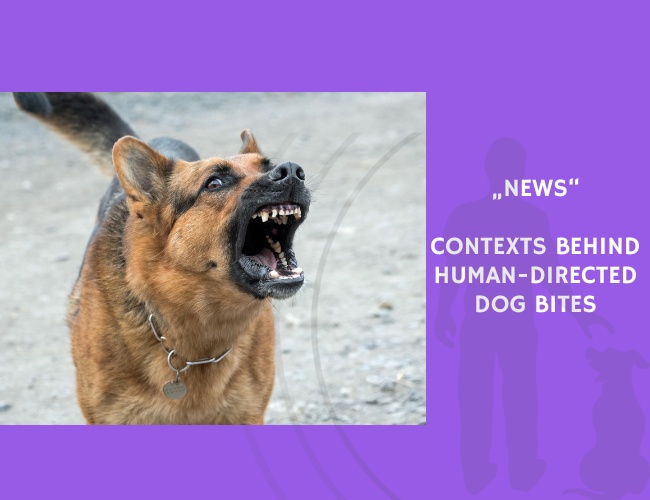
Dog bites are a major public health and welfare concern, yet the situations leading to them are often misunderstood. In a study published in Society & Animals, Elena Gobbo and Manja Zupan Šemrov examined the contextual and behavioral factors surrounding 400 self-reported dog-biting incidents to better understand how and when such aggression occurs.
Using a detailed online questionnaire with both quantitative and qualitative items, the researchers collected data about the circumstances of each bite, including the dog’s background, the victim’s behavior, and the environment. Contrary to previous claims that most bites arise during initially friendly interactions like petting or play, the findings revealed a wider variety of contexts.
Most victims described unprovoked bites occurring during fast movements near the dog, approaching too closely, or incidents where no clear reason was apparent. These events were more likely to occur in public spaces rather than private homes, and often involved purebred dogs with a known history of aggression.
The study highlights the importance of recognizing subtle cues of canine discomfort and respecting personal space. It also underscores the role of owner responsibility and public education in reducing risk. Dogs that have previously shown aggressive behavior may require behavioral intervention and management strategies to prevent recurrence.
By mapping the contexts and triggers of aggression, this research provides valuable insights into preventing human-directed dog bites. Public awareness campaigns, trainer education, and improved reporting systems could contribute to safer human–dog interactions in shared environments.
Source: Gobbo, E., & Šemrov, M. Z. (2021). Factors Affecting Human-Directed Aggression Resulting in Dog Bites: Contextual Aspects of the Biting Incidents. Society & Animals. Published November 15, 2021.










