

Introduction: When Modern Life Meets Ancient Instincts
Have you ever watched your confident, playful companion suddenly freeze at the sight of an elevator door? Or perhaps your furry friend plants their paws firmly on the ground, refusing to step onto an escalator’s moving stairs? You’re not alone in this experience. Many dog guardians face this challenge, and understanding the deeper reasons behind this fear is the first step toward helping your beloved companion navigate our human-centric world with greater confidence.
Dogs are remarkably perceptive and adaptable creatures, yet our modern environments present sensory challenges that their evolutionary history never prepared them for. Elevators and escalators, in particular, create a perfect storm of sensory confusion—combining unpredictable motion, unusual surfaces, confined spaces, and mechanical sounds that can overwhelm even the most resilient dog. This fear isn’t a sign of weakness or poor training; it’s a natural response to environments that conflict with their fundamental sense of balance, stability, and safety.
Through the NeuroBond approach, we recognize that your dog’s fear response is rooted in genuine sensory and neurological experiences. Their vestibular system—the delicate balance mechanism in their inner ear—processes motion differently than ours, and what seems routine to us can feel deeply disorienting to them. When we understand this, we can approach their fear not with frustration, but with compassion and scientifically informed strategies.
In this comprehensive guide, let us explore the multifaceted nature of elevator and escalator fear in dogs. We’ll delve into the sensory mechanisms at play, examine the neurological foundations of fear responses, understand how past experiences shape future behavior, and most importantly, discover effective strategies to help your dog build confidence and trust. Whether you’re dealing with mild hesitation or intense phobia, this guide will equip you with the knowledge and tools to support your furry friend’s emotional well-being. 🧡
The Sensory World of Your Dog: How They Perceive Elevators and Escalators
Understanding the Vestibular System and Motion Detection
Your dog’s inner ear houses a sophisticated system called the vestibular apparatus—think of it as their internal gyroscope. This remarkable system constantly monitors their body’s position in space, detects movement, and helps maintain balance. When your dog runs, jumps, or navigates uneven terrain, their vestibular system seamlessly coordinates with their muscles and eyes to keep them stable and oriented.
Now, imagine introducing sudden, unpredictable motion that doesn’t match the visual or physical cues your dog expects. This is precisely what happens with elevators and escalators. The abrupt acceleration as an elevator begins its ascent, the subtle vibrations transmitted through the floor, the deceleration as it stops—these create motion patterns completely foreign to natural movement. Your dog’s vestibular system receives conflicting information: their eyes might see a stationary interior, but their balance sensors detect movement in ways that don’t align with walking or running.
This sensory mismatch can trigger a cascade of responses. Some dogs experience what essentially amounts to motion sickness—a queasy, unsettled feeling that their brain interprets as danger. Others feel a profound loss of control, as if the ground itself has become unpredictable. For dogs who already have sensitivity in their vestibular system, perhaps due to genetics or previous ear infections, these sensations can be magnified significantly.
The irregular vibrations from mechanical components add another layer of complexity. Unlike the consistent rhythm of a moving car or the predictable bounce of a walk, elevator and escalator vibrations are often irregular, with sudden starts, stops, and humming sounds that travel through the floor into your dog’s sensitive paw pads. These tactile signals tell their brain that something unusual—and potentially threatening—is happening beneath them. 🧠
Visual Depth Cues and Sensory Conflict
Dogs rely heavily on visual information to navigate their world, though their vision differs from ours in important ways. They’re particularly attuned to movement, depth perception at ground level, and contrast. Escalators and elevators present visual challenges that can create what scientists call “sensory conflict”—when different sensory channels provide contradictory information.
Consider an escalator from your dog’s perspective. The steps appear to materialize from beneath the floor, moving continuously upward or downward. For a dog accustomed to solid, predictable ground, watching the surface beneath them literally move and shift can be profoundly unsettling. Their eyes tell them the ground is flowing away, yet their paws feel a solid surface. This visual-tactile disconnect creates confusion and anxiety.
Reflective surfaces in elevators add another dimension to this challenge. Modern elevator interiors often feature mirrors, polished metal panels, or shiny floors. Your dog might see their reflection moving in unexpected ways, perceive depth where there is none, or struggle to distinguish real space from reflected images. Some dogs find these reflections deeply disturbing, as they suggest the presence of another dog in an already confined space.
Transparent or glass elevator floors, though rare, present perhaps the most extreme visual challenge. When your dog looks down and sees empty space beneath them—even though they can feel solid ground—it creates an almost unbearable sensory contradiction. Their survival instincts scream danger, even as their paw pads confirm solid support. This kind of visual depth cue conflict can trigger immediate panic responses, including freezing, attempts to escape, or even defensive aggression born from fear.
The gap between elevator and floor, or the edge where escalator steps disappear, also captures many dogs’ anxious attention. These visual boundaries suggest instability and potential danger—places where a paw might slip or get caught. For dogs with previous negative experiences, even approaching these edges can trigger anticipatory fear.
Breed Considerations: Physical Structure and Fear Susceptibility
While any dog can develop fear of elevators or escalators, certain breeds may face additional challenges due to their physical structure or genetic predispositions. Understanding these breed-specific factors helps us approach training with greater empathy and tailored strategies.
Breeds with heightened vulnerability to elevator/escalator fear:
- Dachshunds, Corgis, Basset Hounds – Short legs make gap navigation challenging; lower perspective changes visual perception
- Bulldogs, French Bulldogs, Pugs – Brachycephalic structure affects breathing under stress; stocky build affects balance adjustments
- Cocker Spaniels, Cavalier King Charles Spaniels – Prone to ear infections that can affect vestibular function
- Dobermans, German Shepherds – May have cervical vertebral instability affecting balance perception
- Great Danes, Mastiffs, Saint Bernards – Substantial weight makes rapid balance adjustments difficult; feel more confined
- Toy breeds (Chihuahuas, Yorkies, Maltese) – Closer to mechanical sounds; higher metabolism means faster stress hormone spikes
- Herding breeds (Border Collies, Australian Shepherds) – Heightened motion sensitivity; more aware of visual movement patterns
- Sight hounds (Greyhounds, Whippets) – Visual depth perception challenges with moving surfaces
- Nervous breeds (Italian Greyhounds, some Terriers) – Generally higher baseline anxiety levels
- Senior dogs of any breed – Declining vision, hearing, and balance increase vulnerability
Short-limbed breeds such as Dachshunds, Corgis, Basset Hounds, and Bulldogs navigate the world from a different perspective—literally closer to the ground with a different center of gravity. When stepping onto a moving escalator, their shorter legs must work harder to maintain balance and adjust to the continuous motion. The gap between escalator steps, while manageable for longer-legged breeds, can seem proportionally larger and more threatening to these dogs. Their lower center of gravity, while helpful for stability on flat ground, doesn’t always translate to advantage on dynamic, moving surfaces.
Breeds with known vestibular sensitivities may also show heightened fear responses. Some breeds are genetically predisposed to inner ear issues or balance sensitivities. Cocker Spaniels, for instance, can be prone to ear infections that affect vestibular function. Dobermans and German Shepherds sometimes show cervical vertebral instability, which can influence balance perception. When these dogs encounter the unusual motion patterns of elevators, they may experience greater discomfort or disorientation than breeds without these predispositions.
Large, heavy breeds like Mastiffs, Great Danes, or Saint Bernards face their own unique challenges. Their substantial weight makes it harder to quickly adjust balance when the surface moves unexpectedly. Imagine being several hundred pounds and suddenly feeling the floor shift beneath you—the momentum alone makes it difficult to compensate quickly. These dogs may also feel more confined in standard elevators, which can amplify anxiety.
Toy and small breeds, while more easily carried, aren’t immune to fear. Their closer proximity to mechanical sounds (which seem louder at ground level), their generally higher metabolism (which can mean faster cortisol spikes), and their vulnerability in confined spaces can all contribute to anxiety. Additionally, well-meaning but counterproductive interventions—like suddenly picking up a small dog when they show fear—can actually worsen the association with elevators and escalators.
That said, breed is only one factor among many. Individual personality, early experiences, overall confidence level, and the quality of the human-dog relationship all play crucial roles in how any dog responds to these challenging environments. 😊
The Neurological and Emotional Landscape of Fear
The Amygdala: Your Dog’s Fear Processing Center
Deep within your dog’s brain lies the amygdala—a small, almond-shaped structure that serves as the central hub for processing emotions, particularly fear and anxiety. This ancient brain region, present in all mammals, acts as a rapid-response threat detection system, constantly scanning incoming sensory information for potential dangers.
When your dog encounters an elevator or escalator, multiple streams of sensory information flood into their brain simultaneously: the visual input of moving steps or confined space, the vestibular signals of unusual motion, the tactile sensation of vibrations through their paws, and the auditory input of mechanical sounds. All of this information converges on the amygdala within milliseconds.
The amygdala doesn’t pause to rationally evaluate whether the threat is real—it responds first, analyzes later. This survival mechanism, honed over millions of years of evolution, prioritizes safety over accuracy. Better to flee from a false alarm than to hesitate before real danger. When the amygdala detects what it interprets as a threat—such as the unpredictable motion patterns of an elevator—it triggers an immediate cascade of physiological responses.
Your dog’s heart rate accelerates rapidly, pumping blood to major muscle groups in preparation for escape. Their pupils dilate to take in more visual information. Stress hormones surge through their system. Muscles tense, ready for explosive movement. Breathing becomes rapid and shallow. All of these changes happen automatically, without conscious thought, preparing your dog for the classic “fight or flight” response.
The interaction between vestibular input and amygdala activation is particularly significant in elevator and escalator fear. When the vestibular system signals instability or disorientation—sensations that evolution has taught animals to interpret as potentially life-threatening—the amygdala amplifies the fear response. This explains why some dogs who show little fear of other novel situations may react intensely to these specific environments: the combination of sensory conflict and perceived loss of physical stability triggers deeper, more primal fear circuits. 🧠
Fear Memory Consolidation and Long-Term Avoidance
One of the most challenging aspects of elevator and escalator fear is how quickly it can become deeply ingrained. Unlike some learned behaviors that require repeated exposure to establish, fear memories can form after a single traumatic experience—a phenomenon psychologists call “one-trial learning.”
Imagine your dog’s first encounter with an escalator. Perhaps they stepped onto the moving platform and immediately felt their paw slip slightly. Or maybe the sudden mechanical noise startled them just as they approached. Even without physical harm, the intense emotional experience—the surge of fear hormones, the activation of the amygdala, the feeling of loss of control—gets encoded into long-term memory with remarkable efficiency.
This encoding happens through a process involving the hippocampus, which works alongside the amygdala to create contextual memories. The hippocampus records the specific details: what the elevator looked like, where you were, what sounds were present, even the time of day. Meanwhile, the amygdala stamps this memory with a powerful emotional tag: “DANGER.”
Once consolidated, these fear memories become remarkably resistant to extinction. Even if your dog subsequently has dozens of neutral or positive encounters with elevators, that original fear memory remains intact, lying dormant until retriggered. This is why desensitization must be so carefully managed—exposure that isn’t properly controlled can actually strengthen the fear memory rather than diminishing it.
The automaticity of these responses is particularly frustrating for caring guardians. You might see the fear response trigger before your dog even consciously processes what they’re seeing. Their body remembers before their conscious mind does. A dog might freeze or begin backing away at the mere sight of elevator doors down a hallway, long before approaching the actual threat. This is the fear memory in action, having generalized from the specific traumatic experience to associated cues.
Research into neural pathways shows that fear memories involve changes at the synaptic level—the connections between neurons literally strengthen, making the fear response pathway more efficient and more easily triggered. This neuroplasticity, while challenging in the context of phobias, also offers hope: with the right approach, new pathways can be built, and through the NeuroBond framework, we can help your dog’s nervous system learn new, safer associations. 🧡

The Neurochemical Symphony of Stress
When your dog encounters a feared elevator or escalator, their body orchestrates a complex neurochemical response involving multiple hormones and neurotransmitters. Understanding these chemical changes helps explain both the intensity of the fear response and the physiological toll that repeated exposure can take.
Cortisol, often called the “stress hormone,” surges through your dog’s system when the hypothalamic-pituitary-adrenal (HPA) axis activates. This increase happens within seconds to minutes of encountering the stressor. Cortisol mobilizes energy reserves, sharpens focus on the perceived threat, and prepares the body for sustained stress response. While short-term cortisol elevations are part of healthy stress management, chronic or repeated elevation can suppress immune function, affect digestion, and contribute to anxiety-related behavior problems.
Norepinephrine floods the system even more rapidly than cortisol, creating the immediate “fight or flight” sensation. This neurotransmitter increases heart rate and blood pressure, enhances alertness, and redirects blood flow from non-essential functions (like digestion) to muscles needed for escape. Your dog becomes hyper-vigilant, their senses heightened, their body primed for explosive movement. This is why fearful dogs often seem to notice every tiny detail in their environment—their norepinephrine-enhanced awareness makes them acutely sensitive to any additional threats.
Dopamine shows more complex fluctuations during fear responses. While we often associate dopamine with pleasure and reward, it also plays roles in motivation, attention, and stress response. Acute stress can cause initial dopamine spikes, but chronic fear or repeated traumatic exposure may lead to dopamine dysregulation. This can affect your dog’s overall motivation and may contribute to learned helplessness if they repeatedly experience situations where they feel they cannot escape.
Other neurochemicals join this cascade:
- Adrenaline (Epinephrine) – Creates rapid physiological arousal; increases heart rate and blood pressure within seconds
- Serotonin fluctuations – Affect mood regulation and anxiety levels; may decrease during chronic stress
- Endorphins – Released as natural pain management, though less common in psychological stress
- Oxytocin – May increase with handler support and physical contact, promoting bonding and calm
- GABA (Gamma-aminobutyric acid) – Primary inhibitory neurotransmitter; low levels associated with increased anxiety
- Glutamate – Excitatory neurotransmitter involved in fear memory formation and consolidation
- CRH (Corticotropin-releasing hormone) – Triggers the stress hormone cascade from the brain
The cumulative effect of these neurochemical changes creates the physical and emotional experience we recognize as fear. Your dog isn’t choosing to be dramatic or stubborn—they’re experiencing a genuine physiological storm that hijacks normal decision-making processes. Recognizing this helps us approach training with greater patience and understanding.
How Experience Shapes Response: Behavioral and Learning Factors
The Power of Previous Negative Experiences
Your dog’s current fear of elevators or escalators rarely emerges from nowhere—it almost always traces back to one or more negative experiences, sometimes so subtle you might not have noticed them at the time. Understanding how these experiences shape lasting behavior is crucial for effective intervention.
Common experiences that trigger elevator/escalator fear:
- Slipping on smooth metal surfaces – Momentary loss of footing creating instant fear association
- Paw caught in escalator grooves – Even briefly, creates intense fear of entrapment
- Sudden mechanical noises – Loud clanks, grinding, or door slams causing startle responses
- Being stepped on in crowded elevators – Physical pain plus spatial stress
- Leash corrections near elevators – Handler tension or punishment creating negative associations
- Motion sickness episodes – Nausea or dizziness during rides
- Elevator getting stuck – Extended confinement triggering panic
- Rapid acceleration/deceleration – Unexpected motion causing loss of balance
- Another dog’s aggressive reaction – Witnessing or experiencing conflict in confined space
- Handler’s visible anxiety – Picking up on guardian’s fear or stress
- Reflections startling them – Unexpected “other dog” in mirror surfaces
- Children’s sudden movements – Unpredictable behavior in elevator creating stress
- Medical visits via elevator – Associating elevator with veterinary fear
- Loud voices or shouting – Acoustic stress in enclosed echo chamber
- Equipment failure sounds – Alarms, buzzing, or unusual mechanical sounds
Slipping incidents rank among the most common triggers. A dog steps onto a moving escalator, their paw slips on the smooth metal surface, and suddenly they feel their secure footing disappear. Even if they catch themselves immediately without falling, that momentary loss of control creates a powerful fear association. The brain marks this experience: “This surface is dangerous—cannot be trusted.” Future encounters trigger anticipatory fear as the dog’s memory warns them away from repeating the experience.
Sudden noise shocks can be equally traumatic. Elevators produce various mechanical sounds—the whir of motors, the clunk of doors closing, the ding of arrival bells, the grinding of cables. If a particularly loud or unexpected noise occurs just as your dog approaches or enters an elevator, it can startle them intensely. This auditory startle response, especially when combined with the already unsettling environment, can create lasting associations between elevators and threat.
Leash tension and handler anxiety contribute significantly to fear development, though often unintentionally. When you sense your dog’s hesitation near an elevator, your own tension naturally increases. You might unconsciously tighten the leash, lean forward, or change your breathing pattern. Your dog, extraordinarily attuned to your emotional state, reads these cues as confirmation of danger: “My human is tense—there must be a real threat here.” The leash itself becomes a conduit for transmitting anxiety bidirectionally between you and your dog.
Crowding and social pressure in confined elevator spaces can overwhelm dogs who are already anxious about the environment. Being pressed close to strangers (both human and canine), unable to maintain comfortable social distance, while simultaneously dealing with the motion and confinement of the elevator, creates a perfect storm of stressors. Dogs with any degree of social anxiety find this particularly challenging.
Single intense events versus repeated mild stress both create lasting fear, but through slightly different mechanisms. A single highly traumatic incident—such as being stepped on in a crowded elevator, or experiencing a mechanical malfunction with sudden stopping—can create immediate, intense phobia through one-trial learning. Conversely, repeated exposures to mild stress (being uncomfortable but not terrified) can create what’s called “learned helplessness,” where your dog gradually gives up trying to cope and simply shuts down when encountering the situation.
Each negative experience strengthens the neural pathways associated with fear, making the response faster and more automatic with each repetition. This is why early intervention matters so much—the longer the fear has to consolidate and generalize, the more challenging it becomes to reverse. 😟
Stimulus Generalization and Specificity
Fear rarely stays neatly contained to the exact situation where it first developed. Through a process called stimulus generalization, your dog’s fear of elevators or escalators often spreads to related situations, sounds, or contexts. Understanding this generalization helps explain why your dog might react in situations that seem unrelated to their original traumatic experience.
Visual generalization might mean your dog becomes fearful of any enclosed space with metal doors, even if it’s not actually an elevator. Garage doors, storage closets, or even certain vehicles might trigger anxiety because they share visual features with the feared elevator. Similarly, any moving floor surface—from moving walkways at airports to even patterned tile floors that create visual motion illusions—might provoke fear responses.
Auditory generalization can extend fear to any mechanical humming or grinding sound similar to elevator machinery. Your dog might startle at the sound of garage door openers, washing machines during spin cycles, or industrial equipment, all because these sounds share acoustic features with the traumatic elevator experience. This auditory sensitivity can make daily life challenging, as these sounds are often unavoidable in modern environments.
Contextual generalization happens when your dog associates specific locations or situations with the feared experience. If the traumatic elevator encounter happened in a veterinary clinic, your dog might develop fear of that entire building, or even all medical facilities. If it occurred in your apartment building, they might become anxious about the entire building, not just the elevator area.
Temporal patterns can also become part of the generalization. If negative experiences consistently occurred at certain times—perhaps during morning rush hour when elevators were crowded and rushed—your dog might show more anxiety during those specific times, even in completely different situations.
Interestingly, some dogs show surprising specificity in their fears. They might fear escalators but tolerate elevators, or vice versa. They might fear glass elevators but handle solid-walled ones relatively well. This specificity provides valuable information about which specific aspects of the experience most troubled them, guiding more targeted intervention strategies.
The Invisible Leash concept reminds us that true control comes not from physical constraint but from emotional connection and trust. When stimulus generalization begins expanding your dog’s fears, it’s often a sign that they need help re-establishing a sense of safety and agency in their environment. 🧡
Forced Exposure: When Help Becomes Harm
Few training mistakes prove as counterproductive as forced exposure to feared stimuli. Yet many well-meaning dog guardians, frustrated by their companion’s refusal to use elevators or escalators, resort to carrying, dragging, or otherwise compelling their dog into these situations. Understanding why this approach backfires is crucial for anyone dealing with canine fears.
Flooding versus graduated exposure represent opposite ends of the behavioral intervention spectrum. Flooding involves intense, prolonged exposure to the feared stimulus without escape until the fear response exhausts itself. While this can sometimes work with specific phobias in controlled therapeutic settings, it carries serious risks. For most dogs, flooding is traumatizing rather than therapeutic. Their fear doesn’t extinguish—it intensifies and generalizes.
When you carry a struggling, fearful dog into an elevator or physically drag them onto an escalator, you’re forcing them into a flooding situation they cannot escape. Their autonomy—their sense of choice and control—vanishes completely. This loss of control often proves more traumatizing than the feared stimulus itself. Your dog learns not “elevators are safe,” but rather “I cannot escape even when terrified, and my trusted human won’t help me.”
Trust erosion represents one of the most damaging consequences of forced exposure. Dogs develop profound trust in their human companions through consistent, reliable behavior. When you ignore your dog’s clear distress signals and force them into frightening situations, you fundamentally breach that trust. Your dog learns they cannot count on you to respect their fears or protect their emotional wellbeing. This damaged trust extends beyond elevators—it can affect your entire relationship.
Physiological fear intensification occurs when forced exposure triggers maximum stress responses without providing coping mechanisms. Cortisol and norepinephrine flood your dog’s system while they desperately seek escape routes. Their heart races, breathing becomes rapid and shallow, muscles tremble. They exist in a state of pure survival fear. Rather than habituating to the stimulus, their body learns an even stronger fear response because now the experience includes both the original fear trigger and the terror of being trapped without escape.
Behavioral fallout from forced exposure can manifest in unexpected ways. Some dogs develop aggression toward the handler, born from fear and desperation. Others shut down completely, showing apparent “acceptance” that’s actually learned helplessness—they’ve given up resisting because resistance proved futile. Some begin showing anxiety in previously comfortable situations, as their overall confidence erodes. Others develop new fears through generalization, expanding their phobic responses to related situations.
Warning signs that forced exposure is causing harm:
- Increased aggression – Growling, snapping, or biting toward handler (defensive behavior)
- Learned helplessness – Complete shutdown, appearing “calm” but actually dissociated
- Generalized anxiety – New fears developing in previously comfortable situations
- Trust regression – Avoiding handler, reluctance to approach, decreased affection
- Appetite loss – Refusing food even in comfortable settings
- Sleep disturbances – Restlessness, nightmares, excessive sleeping (depression)
- Destructive behaviors – Increased at home, stress-relief behaviors
- Self-harming behaviors – Excessive licking, tail chasing, over-grooming
- Hypervigilance – Constant scanning, inability to relax anywhere
- Avoidance behaviors – Hiding, refusing to leave safe spaces
- Regression in other training – Previously mastered skills deteriorating
- Physical symptoms – Diarrhea, vomiting, stress-related illness
- Noise sensitivity – Developing new sound phobias
- Touch sensitivity – Flinching from handling, avoiding physical contact
- Social withdrawal – From both humans and other dogs
Trauma bonding can occur when the dog experiences intense fear in the presence of their handler. Instead of feeling protected, they associate their human with the traumatic experience. This can create approach-avoidance conflict where the dog wants the handler’s comfort but simultaneously fears being forced into frightening situations again.
The NeuroBond framework emphasizes that healing occurs through regulated nervous system states, not through overwhelming them. When we force exposure, we communicate that we don’t trust our dog’s signals and we prioritize our own agenda over their emotional wellbeing. True confidence building happens when dogs have choice and agency in gradually approaching feared stimuli at their own pace, with consistent support from a trusted handler.
The Human Factor: Co-Regulation and Emotional Synchrony
Your Nervous System as Your Dog’s Anchor
One of the most powerful tools in helping your fearful dog—and one of the most frequently overlooked—is your own emotional regulation. Dogs possess extraordinary sensitivity to human emotional states, reading subtle cues in your body language, breathing patterns, heart rate, and even your scent. When you understand how profoundly your emotional state influences your dog’s responses, you unlock a remarkable pathway for supporting them through fear.
Emotional contagion describes the phenomenon where emotions transfer between individuals—a well-documented occurrence in human psychology that extends to interspecies bonds. When you feel anxious approaching an elevator with your fearful dog, that anxiety ripples through your body: your muscles tense, your breathing changes, your heart rate increases, you might unconsciously tighten your grip on the leash. Your dog reads every one of these signals and interprets them as confirmation that danger is near.
Conversely, when you maintain genuine calm—not forced cheerfulness, but authentic, grounded presence—your dog’s nervous system begins to mirror that regulation. This is the essence of co-regulation: using your regulated nervous system state to help your dog find their own regulation. It’s not about pretending fear doesn’t exist or forcing positivity; it’s about embodying the safe, stable presence your dog needs as their anchor in uncertain situations.
Attachment security plays a crucial role in this dynamic. Dogs with secure attachments to their humans use them as a “safe base” from which to explore challenging situations and as a “secure haven” to which they can return when overwhelmed. When your dog trusts that you will remain calm, present, and protective—without forcing them into situations beyond their coping ability—they develop the confidence to gradually expand their comfort zone.
Breathing synchrony offers a tangible entry point for co-regulation. Research shows that dogs often synchronize their breathing patterns with their humans, especially during calm, connected moments. When facing a feared elevator, you can use conscious, slow breathing—inhaling for four counts, exhaling for six—to help regulate both your own nervous system and, through resonance, your dog’s. This isn’t instantaneous magic, but over time and with practice, your dog learns to use your regulated breathing as a cue for safety.
Effective co-regulation techniques:
- Conscious breathing – Slow, deep breaths (4-count inhale, 6-count exhale) to calm both nervous systems
- Grounded body language – Relaxed shoulders, soft eyes, loose posture communicating safety
- Steady heartbeat presence – Remaining physically calm even when your dog shows stress
- Calm voice tones – Speaking in your normal, relaxed voice rather than anxious soothing
- Appropriate physical contact – Gentle hand on side or shoulder (if your dog finds this comforting)
- Parallel positioning – Standing beside rather than facing your dog, reducing social pressure
- Predictable movements – Slow, deliberate actions rather than sudden or jerky motions
- Eye contact modulation – Soft, brief eye contact rather than hard stares
- Shared focus – Looking calmly at the elevator together rather than staring at your dog
- Energy matching then leading – Acknowledging their state, then gradually modeling calm
- Silent support – Simply being present without excessive talking or interaction
- Rhythmic movement – Slow, steady walking pace that encourages regulation
Physical touch and pressure provide additional co-regulation channels when offered appropriately. Some dogs find gentle, steady contact—a hand resting calmly on their side, for instance—grounding and reassuring. However, this varies by individual; some anxious dogs find touch overwhelming in high-stress moments. Learning your dog’s specific needs and respecting them deepens the trust that makes co-regulation possible.
The Invisible Leash concept manifests most powerfully in these moments of co-regulation. You’re not controlling your dog through physical force or commands—you’re offering your regulated presence as a guide, an external nervous system stabilizer that helps them find their own calm. This is the heart of the NeuroBond approach: recognizing that emotional connection and co-regulation form the foundation for all successful behavioral intervention. 🧡
Communication Patterns That Support or Undermine Confidence
How you communicate with your dog around feared stimuli significantly impacts whether they develop confidence or deepen their fear. Many common communication patterns, though well-intentioned, inadvertently reinforce anxiety rather than building resilience.
Communication patterns that undermine confidence:
- Excessive verbal reassurance – “It’s okay, it’s okay” in worried tone reinforces fearful behavior
- High-pitched soothing voices – Signals to your dog that concern is warranted
- Anticipatory tension – Tightening up or changing pace as you approach elevators
- Repeated commands – “Come, come, come on, let’s go” creates confusion and pressure
- Staring at your dog – Intense focus increases their stress and self-consciousness
- Leaning over them – Creates social pressure and feels threatening when anxious
- Sudden movements – Jerky or rushed actions signal that you’re also stressed
- Forced cheerfulness – Fake enthusiasm dogs can see through, creates mistrust
- Talking constantly – Verbal flood overwhelms an already stressed dog
- Pulling on leash – Physical pressure confirms something to fear
- Ignoring stress signals – Not responding to their communication damages trust
- Comparing to other dogs – “Look, that dog isn’t scared” adds shame to fear
- Time pressure language – “We have to go NOW” communicates urgency and stress
- Punishment for fear – Corrections for fearful behavior traumatizes further
- Bribing desperately – Frantic treat offering signals your own anxiety
Verbal reassurance often backfires when provided during fear responses. When your dog shows fear and you immediately respond with “It’s okay, it’s okay” in a soothing, concerned voice, you’re actually marking and reinforcing the fearful behavior. Your dog interprets your sudden attention and changed vocal tone as confirmation that their fear is justified. Instead, the most helpful approach often involves matter-of-fact acknowledgment without emotional amplification.
Anticipatory tension in your voice and body language can trigger fear before your dog even sees the elevator or escalator. If you tighten up, change your walking pace, or shift your vocal tone as you approach these environments, you’re providing a “warning signal” that tells your dog danger is ahead. They read your anticipation and begin their own fear response preemptively.
Authentic calm communication requires speaking to your dog in the same relaxed, friendly tone you’d use in completely comfortable situations. This doesn’t mean ignoring their fear or pretending nothing is happening; rather, it means maintaining vocal steadiness that communicates, “I see this situation, I’m with you, and we’re both fine.” Your tone becomes an external indicator of safety.
Command clarity matters significantly in anxious situations. Anxious humans often repeat commands multiple times or layer multiple instructions together: “Come on, let’s go, it’s okay, come here, good boy, move forward.” This verbal flood overwhelms an already stressed dog. Clear, single cues given in a calm tone—”Come,” pause, reward any movement forward—provide much clearer guidance.
Silence as communication can be powerfully supportive. Sometimes the best gift you can offer your anxious dog is quiet, calm presence. Standing peacefully near the elevator, reading your own calm, breathing steadily, not pressuring or pushing, communicates safety more effectively than any words. Your dog observes that you’re completely relaxed in this environment, which gradually challenges their perception of it as dangerous.
Timing of encouragement should align with brave behavior, not fearful behavior. When your dog takes even tiny steps toward courage—looking at the elevator calmly, taking one step closer, showing curiosity instead of fear—that’s when enthusiastic praise and rewards should flow. This marks the behavior you want to encourage, teaching your dog that approaching (rather than avoiding) leads to positive outcomes.
Body language congruence ensures your physical signals match your verbal ones. If you say “good boy” while leaning away from the elevator with tense shoulders, your mixed message confuses your dog. They trust your body language more than your words, so maintaining relaxed, open posture while encouraging them proves far more effective.
Through consistent, clear, regulated communication, you become a reliable interpreter of the environment for your dog. They learn to read your signals as accurate information about safety levels, which helps them navigate challenging situations with greater confidence. This is how the Invisible Leash functions—not through control, but through trust-based communication that guides without forcing. 😊
Moving. Lifting. Losing Ground.
Motion without meaning breeds fear. Elevators and escalators disrupt your dog’s balance blueprint—eyes say “still,” paws say “moving,” and the brain sounds the alarm.
Conflicting senses confuse safety. The vestibular system scrambles to reconcile vibration, sound, and shifting gravity, turning curiosity into disorientation.

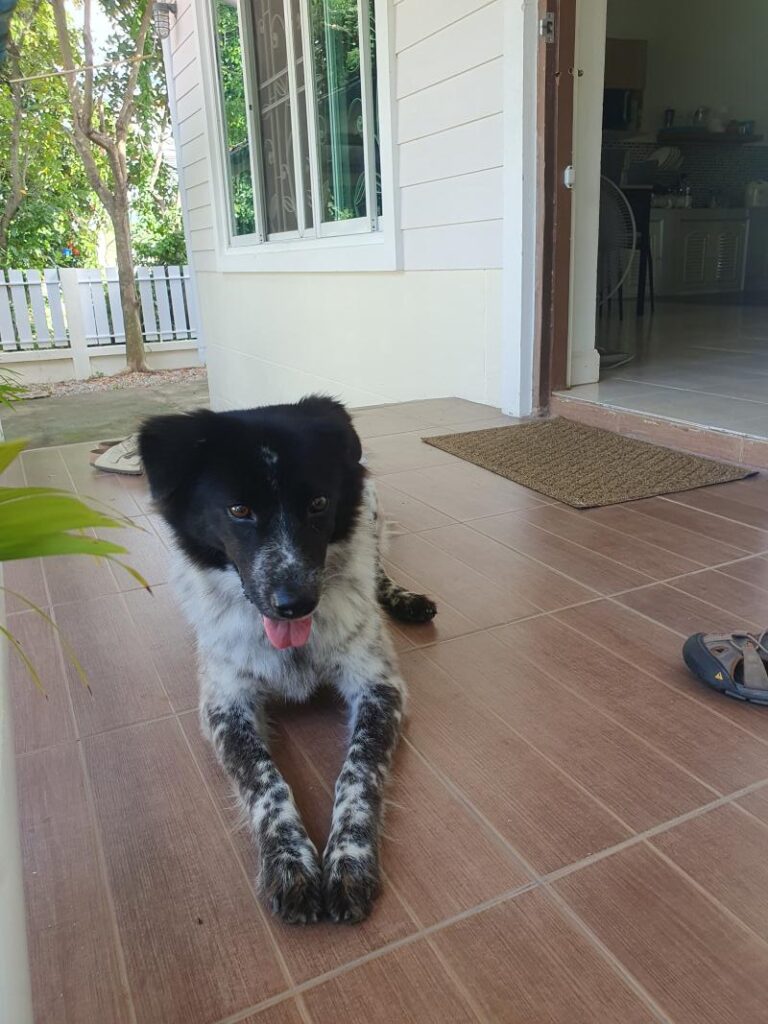

Confidence grows through calibration. Slow exposure, stable footing, and your calm presence rebuild trust. When safety feels predictable again, movement becomes mastery, not mystery.
The Handler’s Emotional Journey
Supporting a fearful dog through phobia recovery requires acknowledging and managing your own emotional responses—frustration, embarrassment, worry, impatience. These feelings are completely normal, yet if left unexamined, they can undermine your dog’s progress.
Frustration often emerges when progress feels slow or nonexistent. You’ve invested time and energy in training, yet your dog still freezes at elevator doors or refuses to approach escalators. This frustration, while understandable, can leak into your interactions through subtle tension, shortened patience, or rushed training sessions. Your dog senses this frustration and may interpret it as pressure or disappointment, which increases rather than decreases their anxiety.
Embarrassment in public settings adds another emotional layer. When your dog melts down in front of other people—barking, trying to flee, or refusing to move—you might feel self-conscious about others’ judgments. This embarrassment can pressure you to prioritize appearances over your dog’s emotional needs, potentially pushing them faster than they’re ready for. Remembering that your dog’s wellbeing matters more than strangers’ opinions helps maintain proper priorities.
Worry and catastrophizing can trap you in unhelpful thought patterns. You might envision permanent limitations: “We’ll never be able to visit friends in apartment buildings” or “My dog will never overcome this fear.” While acknowledging challenges is realistic, excessive worry creates the anxious energy that dogs read so clearly, contributing to the cycle of fear you’re trying to break.
Impatience with the process is perhaps the most common emotional trap. Behavioral change, especially for deeply rooted fears, happens gradually—often more gradually than we’d prefer. Each training session might show only tiny progress, or even apparent regression. Accepting that lasting change requires patience, consistency, and realistic expectations protects both you and your dog from the stress of unrealistic timelines.
Grief for lost expectations sometimes underlies other emotions. Perhaps you envisioned freely exploring the city with your dog, visiting high-rise friends, or traveling together without complications. Accepting that these activities might require significant preparation—or might never be comfortable for your particular dog—involves grieving those expectations while finding new ones that honor your dog’s needs.
Self-compassion and forgiveness prove essential. You’ll make mistakes during this journey—pushing too fast sometimes, missing your dog’s stress signals occasionally, letting frustration show. These moments don’t make you a bad guardian; they make you human. Acknowledging mistakes, adjusting course, and extending yourself the same compassion you offer your dog maintains the emotional sustainability needed for long-term support.
Celebrating small victories sustains motivation and provides positive emotional experiences for both you and your dog. When your dog looks at an elevator without immediately backing away, that’s progress. When they take one more step closer than yesterday, that’s success. Recognizing and genuinely celebrating these incremental achievements maintains the positive emotional tone crucial for learning.
The NeuroBond framework recognizes that the human-dog bond involves mutual influence—your dog affects your emotional state just as you affect theirs. Tending to your own emotional regulation and seeking support when needed (from trainers, veterinarians, or fellow dog guardians) isn’t selfish; it’s essential for providing the stable, regulated presence your fearful dog needs. 🧡
🏢 Understanding & Overcoming Elevator & Escalator Fear in Dogs 🐕
A comprehensive 8-phase approach to helping your dog navigate modern vertical transportation with confidence
Phase 1: Recognition & Assessment
Understanding your dog’s unique fear profile
Why This Fear Develops
Your dog’s vestibular system (inner ear balance) processes motion differently than yours. Elevators create sudden acceleration and vibrations while escalators present moving surfaces that conflict with visual stability cues. This sensory mismatch triggers the amygdala’s fear response, especially if combined with previous negative experiences.
Signs Your Dog Is Fearful
• Freezing or refusing to approach • Pulled-back ears and tense body • Excessive panting or drooling • Attempts to flee or hide behind you • Whale eye (showing whites) • Refusing treats they normally love
Assessment Action Steps
Rate fear intensity (1-10). Identify specific triggers (enclosed spaces, motion, sounds). Document when fear first appeared and any triggering incidents. Schedule veterinary exam to rule out vestibular issues or pain affecting balance confidence.
Phase 2: Understanding the Neuroscience
The brain mechanisms behind the fear
The Amygdala’s Role
The amygdala rapidly processes sensory conflicts as threats, triggering cortisol and norepinephrine surges. When vestibular signals indicate instability while visual cues conflict, this ancient fear center activates survival responses before conscious processing occurs. Through the NeuroBond framework, we recognize this as genuine neurological experience, not stubbornness.
Fear Memory Consolidation
A single traumatic experience (slipping, loud noise, being stepped on) can create lasting fear through one-trial learning. The hippocampus records context while the amygdala stamps it with “DANGER.” These memories resist extinction and trigger automatic responses, explaining why your dog may panic before consciously processing what they’re seeing.
⚠️ Never Force Exposure
Carrying or dragging your fearful dog into elevators traumatizes rather than teaches. This “flooding” approach damages trust, intensifies fear responses, and can cause learned helplessness or defensive aggression. Your dog learns they cannot escape even when terrified, consolidating deeper phobia.
Phase 3: Building Your Emotional Foundation
Co-regulation as your most powerful tool
Your Nervous System as Anchor
Dogs possess extraordinary sensitivity to human emotional states. When you maintain authentic calm—grounded breathing, relaxed shoulders, steady presence—your regulated nervous system helps your dog find their own regulation. This is co-regulation: using your stable state to support theirs, embodying safety rather than forcing it.
Co-Regulation Techniques
• Practice conscious breathing (4-count inhale, 6-count exhale) • Maintain relaxed, open body language • Speak in your normal calm voice, not anxious soothing • Stand beside rather than facing your dog • Offer silent, steady presence without excessive talking • Use gentle touch only if your dog finds it comforting
Managing Your Own Emotions
Acknowledge frustration, embarrassment, or impatience without letting them leak into your interactions. Your dog reads tension in your muscles, changes in breathing, and leash pressure. Self-compassion and realistic expectations protect both your wellbeing and your dog’s progress. The Invisible Leash functions through trust, not control.
Phase 4: Physical Confidence Building
Proprioceptive training for body awareness
Why Physical Training Matters
Proprioception—your dog’s awareness of their body position in space—develops through varied surface experiences. Dogs who’ve confidently navigated wobble boards, balance discs, and diverse textures develop somatic confidence that translates to emotional resilience on moving platforms. Their body knows it can adapt.
Confidence-Building Exercises
• Balance boards starting with minimal movement • Wobble cushions for controlled instability • Walking on varied textures (grass, gravel, metal grates, sand) • Low cavaletti poles for paw placement awareness • Platform work and perch exercises • Gentle rocking motions on mats (with support) • Core strengthening through controlled stair work
Progressive Timeline
Begin with very stable equipment over 2-3 weeks. Gradually increase instability over 4-8 weeks. Always pair with treats and positive associations. This foundational work prepares your dog’s vestibular system for the unique sensations of elevator motion before encountering actual elevators.
Phase 5: Sound & Sensation Desensitization
Separating auditory and tactile components
Sound Playback Protocol
Record elevator sounds (ding, doors opening/closing, mechanical humming, escalator grinding). Play at barely audible volumes during enjoyable activities (meals, play, petting). Over weeks, gradually increase volume while maintaining your dog’s relaxed state. If stress appears, reduce volume immediately. Goal: neutral or positive associations with sounds before encountering actual environments.
Vibration Introduction
Some dogs benefit from controlled vibration exposure using massage devices or specialized platforms at home. Start with minimal vibration during treat delivery, gradually increasing intensity over multiple sessions. This desensitizes the tactile component separately from visual and motion elements.
Timeline Expectations
Sound desensitization typically requires 3-6 weeks of consistent daily or every-other-day sessions. Success indicators: your dog continues eating or playing when sounds play at moderate volume, shows curiosity rather than fear, or ignores sounds entirely. Only progress to real-world exposure after complete comfort at home.
Phase 6: Stationary Exposure & Visual Familiarization
Building comfort before introducing motion
Graduated Distance Approach
Week 1-2: Walk past building at 50+ feet, treats for calm observation. Week 3-4: Enter lobby, remain 30 feet from elevators. Week 5-6: Approach to 10 feet, watch others use elevators. Week 7-8: Stand beside closed elevator doors. Week 9+: Watch doors open/close while delivering ultra-high-value treats continuously. Each step requires your dog showing zero stress signals before progressing.
Entering Stationary Elevators
Begin with one paw inside threshold, immediately exit and reward. Progress to both front paws, then full entry with immediate exit. Build to entering and staying briefly (doors remain open) while eating treats. Only after 10+ successful stationary entries should you consider closing doors briefly. Goal: your dog pulls toward elevator because it predicts amazing things.
Critical Threshold Monitoring
Watch for: hard stares, tense muscles, tucked tail, whale eye, refusing treats, backing away. If you see ANY stress signals, you’ve moved too fast—return to previous easier step. Under-threshold training builds confidence; over-threshold exposure reinforces fear. Patience at this phase determines long-term success.
Phase 7: Progressive Motion Introduction
The critical transition to actual movement
First Motion Experience
Start with single-floor ride (2-3 seconds of motion only). Enter stationary elevator as practiced, then press button for one floor. Deliver continuous stream of premium treats throughout motion and for 5 seconds after stopping. Your dog should be eating eagerly throughout—if they refuse treats, you’ve moved too fast. Success = completing ride while happily eating.
Gradual Duration Increase
After 5-10 successful single-floor rides over 2-3 weeks, add one more floor. Continue this pattern: two floors for several sessions, then three, etc. Vary combinations (up vs. down, different floors) to generalize confidence. Maintain high treat value and frequency throughout motion for first 20-30 rides. Through Soul Recall, these positive experiences gradually override old fear memories.
Escalator Specific Approach
If available, practice on stationary/turned-off escalator first. For moving escalators: approach entry point with continuous treats, guide paws onto first step (support small dogs), maintain treat delivery throughout ride. Practice exits specifically—often trickiest part. Consider muzzle training for safety if your dog might bite from fear. Some dogs never fully comfortable with escalators; elevators may be better focus.
Phase 8: Generalization & Maintenance
Building confidence across contexts
Different Environments
Once comfortable in training elevator, gradually introduce variety: different buildings, various elevator sizes, glass vs. solid walls, crowded vs. empty times. Each new context requires briefly returning to easier steps (stationary entry, then short rides). This prevents context-specific confidence that doesn’t generalize. Your dog learns “all elevators are safe,” not just “that one elevator is okay.”
Adding Distractions Gradually
After success in quiet conditions, introduce mild distractions: quiet conversation, one calm person, gentle sounds. Progress over weeks to moderate distractions: multiple people, talking, movement. Maintain treat rewards during distraction practice. Some dogs never comfortable with crowded elevators—respect these limits while celebrating progress achieved.
Long-Term Maintenance
Continue occasional treat rewards even after fear seems resolved. If your dog shows stress after breaks from elevator use, return to easier steps briefly. Some dogs need lifelong support; others develop complete confidence. Both outcomes represent success when you’ve honored their pace and maintained trust throughout the journey.
🔄 Understanding Different Fear Profiles
Short-Limbed Breeds
Challenge: Escalator gaps seem larger; lower center of gravity doesn’t help on moving surfaces; shorter legs struggle with rapid balance adjustments.
Approach: Focus heavily on proprioceptive training; consider elevator-only training; use longer approach distances for confidence building.
Large/Heavy Breeds
Challenge: Substantial weight makes rapid compensation difficult; feel more confined in standard elevators; momentum harder to control.
Approach: Seek larger/freight elevators when possible; extra emphasis on core strengthening; longer stationary phase to build spatial confidence.
Vestibular-Sensitive Breeds
Challenge: Genetic predisposition to inner ear issues; higher motion sickness susceptibility; may generalize fear to cars and other motion contexts.
Approach: Veterinary assessment critical; medication support may be essential; expect longer timelines (6-12+ months); prioritize accommodation if distress is severe.
Mild Fear (Intensity 1-4)
Signs: Slight hesitation; tense body; willingness to approach with encouragement; accepts treats near trigger.
Timeline: 4-8 weeks typical; may skip some preparatory phases; often responds quickly to counterconditioning alone; good prognosis for complete resolution.
Moderate Fear (Intensity 5-7)
Signs: Active avoidance; pulling away; stress signals (panting, drooling); refuses treats within 10+ feet; may show stress anticipating encounters.
Timeline: 2-4 months typical; requires all preparatory phases; professional guidance recommended; good prognosis with patient, consistent training.
Severe Phobia (Intensity 8-10)
Signs: Panic responses; attempts to flee desperately; may show aggression if forced; complete shutdown/dissociation; refuses treats from distance.
Timeline: 6-12+ months or accommodation; veterinary behaviorist essential; medication often necessary; some never fully comfortable—focus on quality of life over “fixing.”
⚡ Quick Reference Formulas
Session Duration Rule: 5-10 minutes maximum per fear modification session. Quality over quantity—2 successful reps beat 10 stressful ones.
Distance Formula: Start at distance where your dog shows zero stress + 10 feet buffer. This ensures under-threshold training from first exposure.
Treat Value Equation: Reward value must exceed fear intensity. Severe fear requires ultra-premium rewards (fresh chicken, cheese, steak) not regular treats.
Progression Pace: Advance only after 3-5 consecutive successful sessions at current level with zero stress signals. When in doubt, repeat current step.
Timeline Estimation: Mild fear: 4-8 weeks | Moderate fear: 2-4 months | Severe phobia: 6-12+ months. Add 50% time if multiple fears present.
🧡 The Zoeta Dogsoul Philosophy in Action
When your dog freezes before an elevator, you’re witnessing not stubbornness but genuine neurological overwhelm—sensory conflict triggering ancient survival circuits. Through the NeuroBond framework, we recognize that your regulated presence becomes their external nervous system stabilizer, your calm breathing their anchor in sensory chaos.
The Invisible Leash reminds us that true guidance flows not through tension on a physical leash but through trust—the confidence your dog develops that you’ll never force them beyond their capacity, that you read their signals and honor their pace. This emotional connection forms the foundation where behavioral change becomes possible.
And in those breakthrough moments when your previously terrified dog takes one more step toward the elevator, accepts a treat where they once couldn’t, or shows curiosity instead of panic—these are moments of Soul Recall, where positive emotional experiences begin overriding fear memories stored deep in the amygdala. Not through force, but through the gradual accumulation of safety, trust, and supported courage.
The journey from fear to confidence isn’t just about elevators or escalators. It’s about honoring the profound vulnerability your dog shows you, meeting them with patience rather than pressure, and building a relationship where they trust you to guide without forcing, to support without overwhelming. That’s where neuroscience meets soul in the deepest work we do together.
© Zoeta Dogsoul – Where neuroscience meets soul in dog training
Building Blocks of Confidence: Training and Welfare Approaches
Desensitization Strategies That Respect Your Dog’s Pace
Effective desensitization—the process of gradually reducing fear responses through careful, controlled exposure—requires patience, planning, and profound respect for your dog’s emotional limits. Unlike flooding, true desensitization keeps your dog under threshold (not visibly distressed) throughout the process, building positive associations layer by layer.
Stationary elevator familiarization forms the essential first step for many dogs. Before introducing motion, let your dog become completely comfortable with elevators as static spaces. This might begin outside the building, simply walking past elevator lobbies where your dog can observe doors opening and closing from a safe distance. Gradually decrease distance over multiple sessions—possibly weeks—until your dog can stand calmly near elevator doors.
Next, work on entering and immediately exiting stationary elevators when doors open. Keep sessions brief and positive. Walk in, deliver several high-value treats, walk out. Repeat until your dog enters willingly, perhaps even pulling toward the elevator because they’ve learned it predicts good things. Only when your dog shows zero stress during these entries should you consider keeping doors closed briefly while still stationary.
Throughout this process, observe your dog’s body language closely. Signs your dog is over threshold include:
- Hard stares or fixed gaze at the elevator
- Tense, rigid muscles throughout the body
- Pulled-back ears flattened against the head
- Whale eye (showing whites of eyes)
- Excessive panting or drooling
- Tucked tail or tail held rigidly
- Refusing treats they normally love
- Attempts to back away or hide behind you
- Yawning, lip licking, or nose licking (stress signals)
- Trembling or shaking
- Low body posture or crouching
- Sudden shedding or sweaty paw prints
If you see these signs, you’ve moved too fast—back up to an easier step.
Vibration and sound playback addresses the auditory and tactile components separately from visual and motion elements. Record various elevator and escalator sounds: the ding of arrival, doors opening and closing, mechanical humming, the grinding of escalator steps. At home, in a completely comfortable environment, play these sounds at barely audible volumes while your dog engages in enjoyable activities—eating meals, playing with favorite toys, receiving gentle petting.
Over weeks, gradually increase volume while maintaining your dog’s relaxed state. If your dog shows any signs of stress, reduce volume immediately. The goal is creating positive or neutral associations with these sounds before encountering them in the actual anxiety-provoking environment. Some dogs respond well to specialized vibration platforms that mimic elevator motion in controlled ways, allowing them to experience similar sensations in safe, predictable contexts.
Progressive motion pairing introduces the actual experience of elevator or escalator movement only after your dog shows complete comfort with all preceding steps. For elevators, this might mean starting with a single-floor ride—just one or two seconds of motion. Enter the stationary elevator as you’ve practiced, then push the button for one floor up or down. Immediately deliver a steady stream of ultra-high-value treats throughout the brief motion, continuing after the elevator stops.
Important: your dog should be eating treats eagerly throughout this first motion exposure. If they refuse treats or show stress, you’ve moved too fast. The entire experience should feel to them like “standing in that familiar treat-dispensing metal room, except briefly there was some weird motion, but treats kept coming, so it was fine.”
Very gradually—over many successful sessions—increase ride duration: two floors, then three, then different floor combinations. Always maintain high treat value and frequency during motion. Through the NeuroBond lens, these moments become opportunities for deep trust-building, where your dog learns that even in unusual situations, you provide safety and good experiences.
Counterconditioning pairs the feared stimulus (elevator/escalator) with something your dog loves, creating new, positive emotional associations. This goes beyond simple distraction. You’re actually working to change the emotional response itself. When your dog sees the elevator, you want them to feel anticipation and pleasure rather than fear—”The elevator means amazing things are about to happen!”
This requires truly exceptional rewards that your dog rarely encounters otherwise. High-value rewards for counterconditioning:
- Fresh cooked chicken (plain, no seasoning) – Small, soft pieces for quick consumption
- Real cheese (cheddar, mozzarella) – Cut into tiny cubes
- Freeze-dried liver – Intensely aromatic and appealing
- Fresh cooked turkey or beef – Premium protein many dogs adore
- Hot dogs (quality brands) – Cut into tiny pieces, highly motivating
- Peanut butter (xylitol-free) – Dispensed from squeeze tube for licking
- Squeeze cheese – Easy to dispense, very high value
- Sardines – Small pieces, extremely aromatic (use outdoors!)
- Boiled eggs – Crumbled into small pieces
- Baby food (meat flavors, no onion/garlic) – Easy to lick from spoon
- Tripe – If your dog loves it, nothing beats the smell
- Homemade training treats – Liver cake or meat-based recipes
- Commercial high-value treats – Zuke’s, Vital Essentials, or similar premium brands
- Tug toys (for toy-motivated dogs) – Brief play sessions as reward
- Favorite balls or fetch toys – Quick toss and retrieve as reinforcement
For food-motivated dogs, this might be fresh cooked chicken, cheese, or even tiny pieces of steak. For toy-motivated dogs, perhaps their absolute favorite toy that only appears during these training sessions. The reward value must outweigh the fear, which means it needs to be substantially more exciting than everyday treats or toys. 😊
Proprioceptive Training and Physical Confidence Building
While desensitization addresses the emotional and cognitive components of fear, proprioceptive training builds physical confidence and body awareness that help dogs adapt to unstable or unusual surfaces. This approach strengthens the foundation of security they need when facing moving platforms.
Proprioception—your dog’s awareness of their body’s position and movement in space—develops through varied physical experiences. Dogs raised in limited environments with mostly flat, uniform surfaces may lack well-developed proprioceptive skills, making them more vulnerable to fear when encountering surfaces that move or feel unstable.
Proprioceptive and confidence-building exercises:
- Balance boards – Start with minimal movement, gradually increase instability
- Wobble cushions – Inflatable discs that create gentle, controlled wobble
- Balance pods – Multiple small pods for paws, improving coordination
- Foam pads – Soft, unstable surfaces that challenge balance
- Cavaletti poles – Low poles for stepping over, improving body awareness
- Ladder work – Walking through horizontal ladder (on ground), improves paw placement
- Perch work – Front paws on elevated platform, rear on ground
- Platform pivoting – Rotating on platform to improve rear-end awareness
- Tunnel work – Low crawling through fabric tunnels
- A-frame walks – Very low incline boards (properly secured)
- Rock/log walking – Natural uneven surfaces outdoors
- Sand or pebble walking – Unstable substrate that shifts under paws
- Grate walking – Metal or plastic grates (supervise carefully)
- Curb work – Stepping up and down varied height curbs
- Ramp work – Walking up gentle inclines and declines
- Figure-8 weaving – Around cones or objects, improving coordination
- Backing up exercises – Improves rear-end awareness and control
- Diagonal stepping – Cross-patterned movement for coordination
Balance boards and wobble cushions provide controlled instability that builds both physical balance and confidence. Begin with very stable equipment—perhaps just a thick cushion that barely moves. Encourage your dog to place front paws on it while treating and praising. Over weeks, progress to increasingly unstable platforms: wobble boards, balance discs, or specialized canine fitness equipment.
The key is building positive associations with the sensation of ground beneath them moving or feeling different from expectations. Dogs who become confident on balance equipment learn that they can adapt to surface changes, that their body can find stability even on moving platforms, and that unusual sensations under their paws don’t necessarily signal danger.
Varied texture exposure familiarizes dogs with diverse surface sensations. Walk your dog on different substrates regularly: grass, concrete, gravel, sand, wooden bridges, metal grates, rubber mats. Each surface provides different proprioceptive and tactile feedback. Dogs who’ve experienced many surface types develop greater adaptability and reduced anxiety about novel surfaces. The smooth metal of escalator steps becomes less alarming to a dog who’s confidently navigated metal grates, and the vibration of elevators feels less foreign to a dog who’s experienced multiple types of environmental movement.
Elevated surface work builds confidence about height and depth perception. Start low—perhaps a thick book or sturdy box just inches off the ground. Reward your dog for stepping onto it. Gradually increase height over many sessions to small tables, benches, or agility equipment. This work addresses the visual depth perception challenges that trouble many dogs on escalators or in glass elevators, teaching them that elevated positions can be safe and manageable.
Dynamic movement exercises prepare dogs for the sensation of ground moving beneath them while they’re standing still. Pulling a mat slowly while your dog stands on it (with treats and support) mimics aspects of escalator motion. Using a skateboard or similar wheeled platform (safely, with support) introduces the concept of surface movement. These exercises should always be introduced gradually, at your dog’s pace, paired with rewards and calm support.
Core strengthening work develops the muscles dogs use to stabilize themselves. Games like gentle tug-of-war, sit-to-stand exercises, and controlled stair climbing build the core strength that helps dogs maintain balance during the subtle shifts of elevator motion or continuous movement of escalators. Stronger, more balanced dogs feel more physically confident, which translates to emotional confidence.
Through this multifaceted physical training, you’re building what we might call “somatic confidence”—a deep, body-level sense of capability and adaptability. When your dog’s body knows it can handle unstable surfaces and unusual movement, their emotional brain receives that information and recalibrates threat assessment accordingly. This is how physical confidence builds emotional resilience.
Comprehensive Therapy Protocols: Integrating Multiple Approaches
The most effective intervention for elevator and escalator fear combines multiple modalities into a cohesive protocol that addresses physical, emotional, cognitive, and relational dimensions simultaneously. This holistic approach recognizes that fear is multifaceted and requires multifaceted response.
Gradual vestibular adaptation systematically introduces motion sensations in progressively more challenging contexts. This might begin with gentle car rides (if your dog enjoys them), where they experience motion while in a familiar, comfortable context. Progress to gentle rocking while you hold them or they stand on a mat (for small dogs), or slow-moving wheeled platforms (for larger dogs who can be safely supported).
The goal is desensitizing the vestibular system itself to non-standard motion patterns. As your dog’s inner ear and balance systems encounter these sensations repeatedly in safe, positive contexts, they develop new calibration: “Unusual motion doesn’t automatically mean danger—it’s just a novel sensation I can adapt to.” This neurological adaptation, combined with positive emotional associations, creates more comprehensive change than emotional work alone.
Medication support deserves consideration for dogs with severe phobias. Behavioral medications, prescribed by veterinary behaviorists, can lower baseline anxiety levels enough to make training possible. Some dogs exist in such high anxiety states that they simply cannot learn—their stress hormones are too elevated, their cognitive functions too impaired by fear. Appropriate medication doesn’t sedate or change personality; it creates a neurochemical environment where learning becomes possible.
Short-term anti-anxiety medications might be used strategically during unavoidable elevator/escalator encounters while longer-term training progresses. However, medication should never be the sole intervention—it works best supporting behavioral modification, not replacing it. Always work with qualified professionals (veterinary behaviorists or veterinarians with behavioral expertise) when considering pharmaceutical support.
Nutritional considerations can support anxiety management. Some supplements—L-theanine, alpha-casozepine, certain probiotics—show promise in research for supporting calmer emotional states in dogs. While not miracle cures, they may provide modest support as part of comprehensive intervention. Avoid products making dramatic claims or lacking quality research support. Consult your veterinarian before adding any supplements, as some can interact with medications or health conditions.
Environmental management recognizes that sometimes the best welfare decision involves minimizing exposure rather than forcing adaptation. If you live in a building with both stairs and elevators, using stairs might be the kindest choice if your dog shows extreme distress about elevators. If escalators aren’t strictly necessary in your lifestyle, avoiding them while working on related confidence-building skills represents good welfare practice, not failure.
Professional support from certified behavior consultants, veterinary behaviorists, or force-free trainers experienced with fear protocols can make tremendous difference. These professionals offer expert assessment of your individual dog’s needs, customized protocols, and troubleshooting when progress stalls. Fear modification requires nuanced understanding that goes beyond general training knowledge, making professional guidance particularly valuable.
Progress monitoring and adjustment keeps protocols responsive to your dog’s actual experience rather than rigid timelines. Keep simple records of each training session: what you practiced, your dog’s response, any stress signals observed. Over weeks, these records reveal patterns—perhaps your dog progresses quickly with sound desensitization but struggles more with motion, suggesting where to focus additional work. Flexibility based on data ensures you’re truly meeting your dog’s needs rather than following generic timelines.
Through these integrated approaches, grounded in the NeuroBond philosophy of trust, respect, and emotional connection, many dogs can develop substantially greater confidence around elevators and escalators. The timeline varies dramatically—some dogs show significant improvement in weeks, others require many months of patient work—but the journey itself strengthens the bond between you and deepens mutual trust. That alone makes the effort worthwhile. 🧡
The Science Behind the Fear: Theoretical Foundations
Multisensory Integration and Sensory Conflict
Our understanding of why elevators and escalators prove so challenging for some dogs rests partly on multisensory integration theory—a framework explaining how brains combine information from multiple senses to create coherent environmental perception. This theory helps illuminate the specific neurological challenge these environments present.
Under normal circumstances, your dog’s brain seamlessly integrates visual input (what they see), vestibular input (motion and balance information from the inner ear), proprioceptive input (body position information from muscles and joints), tactile input (what they feel through paws and skin), and auditory input (what they hear). These streams of information typically align, creating unified perception: “I’m walking on grass, my body is moving forward, I feel grass under my paws, I see grass moving past my visual field.” This congruence feels safe because it matches expectations.
Elevators and escalators create sensory dissonance—situations where these input streams provide conflicting information. Standing still in an elevator, your dog’s proprioceptive system says “I’m not moving,” their visual system (looking at the interior) confirms “I’m not moving,” yet their vestibular system signals “Motion is occurring.” This mismatch creates confusion at a fundamental neurological level. The brain essentially receives reports from different departments that contradict each other, making it difficult to accurately assess the situation.
On escalators, the dissonance may be even more complex. Visual input shows ground flowing beneath them, suggesting they should be moving relative to their surroundings, yet their body position remains relatively stable on the moving platform. The tactile sensation through paws indicates solid ground, while visual cues suggest flowing, unstable surface. The continuous motion creates ongoing vestibular input that doesn’t match typical walking or running patterns.
Motion-induced anxiety emerges from this sensory conflict because the brain interprets contradictory sensory information as potentially dangerous. Throughout evolutionary history, sensory dissonance often signaled real threats—perhaps environmental instability, neurological impairment, or disorienting environmental conditions. The fear response to such dissonance makes evolutionary sense; caution around situations where senses disagree protected ancestors from danger.
For dogs with particularly sensitive sensory processing—whether due to genetics, past trauma, or neurological variations—this dissonance triggers more intense anxiety responses. Their threshold for sensory conflict is lower, meaning smaller discrepancies between expected and actual sensory input can trigger significant fear. Understanding this helps us appreciate that their fear isn’t irrational or excessive—it’s a proportional response to their genuine sensory experience, which differs from ours. 🧠
Affective Neuroscience and Core Emotional Systems
Jaak Panksepp’s affective neuroscience framework identifies seven core emotional systems in mammalian brains: SEEKING, RAGE, FEAR, LUST, CARE, PANIC/GRIEF, and PLAY. Understanding how these systems interact in the context of elevator and escalator fear provides insight into both the fear response and potential intervention points.
The FEAR system, located in subcortical brain regions including the amygdala and periaqueductal gray, activates when organisms perceive threat. This ancient system, present in all mammals, triggers defensive behaviors: freezing, fleeing, or (when escape is impossible) defensive aggression. When your dog encounters an elevator or escalator, especially if they’ve had negative experiences, their FEAR system activates rapidly, often before conscious processing occurs.
This activation suppresses other emotional systems, particularly SEEKING (the motivation to explore and investigate) and PLAY (the joyful engagement with social partners and environment). This explains why a typically curious, playful dog might become completely shut down near elevators—their FEAR system has taken over, inhibiting the systems that would normally motivate exploration. They’re not choosing to be “stubborn” or “dramatic”; their emotional systems have shifted into survival mode.
The PANIC/GRIEF system, activated during separation from attachment figures or when social bonds are threatened, may also contribute to elevator fear. Confined elevator spaces can trigger feelings of social isolation or separation anxiety, especially if the dog fears being trapped away from their human companion. This system’s activation creates distress vocalizations (whining, howling) and urgent seeking of contact with attachment figures.
Intervention implications from this framework suggest that successful training must not only address the FEAR system but also actively engage other systems. When we pair elevator exposure with food rewards, we’re attempting to activate the SEEKING system—the pleasurable motivation to obtain resources. When we maintain calm, connected presence, we’re supporting the CARE system and reducing PANIC/GRIEF activation. When training involves play and positive social interaction, we’re recruiting the PLAY system, which can’t fully function when FEAR dominates.
Through the lens of Soul Recall—those profound moments of emotional recognition and connection—we can understand that healing happens when positive emotional systems become more strongly associated with the feared context than the FEAR system is. Your dog’s emotional brain gradually learns that elevators predict SEEKING activation (good things are coming), CARE activation (my human is here, calm and supportive), potentially even PLAY activation, rather than purely FEAR. This emotional reconditioning operates at a deeper level than mere cognitive learning. 🧡
Polyvagal Theory and Nervous System States
Stephen Porges’s Polyvagal Theory offers powerful insights into how dogs shift between different physiological and emotional states, particularly relevant for understanding fear responses to elevators and escalators. This theory describes how the vagus nerve—a major nerve connecting brain and body—regulates autonomic nervous system responses.
The theory identifies three hierarchical response systems. The ventral vagal complex represents the most evolved response, associated with social engagement, calm alertness, and ability to connect with others. When your dog is in this state, they’re relaxed, curious, socially responsive, and capable of learning. This is the ideal state for training and normal daily functioning.
When safety feels threatened—perhaps by the unpredictable motion and sensory confusion of an elevator—dogs may shift to sympathetic activation: the classic “fight or flight” response. Heart rate increases, muscles tense, breathing quickens, and the dog becomes hyper-vigilant. In this state, they’re physiologically prepared for action—either escaping the threat or confronting it. Many dogs showing clear anxiety about elevators (pacing, pulling away, whining) are in sympathetic activation.
If the perceived threat intensifies further, or if fight/flight seems impossible (trapped in a moving elevator, restrained by leash), dogs may shift to dorsal vagal activation: the “freeze” or shutdown response. This ancient defensive strategy involves decreased heart rate, slowed breathing, reduced movement, and sometimes dissociation. Dogs in this state might appear “calm” or “accepting,” but they’ve actually shut down—an immobilization response born of overwhelming fear. This is the state that forced exposure most commonly creates, and it represents psychological trauma, not successful habituation.
Co-regulation as described earlier works partly through the vagus nerve’s role in social engagement. When you maintain calm presence (ventral vagal state), your dog’s nervous system can potentially mirror that regulation through the vagus nerve’s influence on heart rate, breathing, and general arousal level. This is why your emotional state matters so profoundly—you’re quite literally providing neurological regulation through presence and connection.
The Invisible Leash manifests through these autonomic states. When your dog trusts that you’ll maintain regulated presence, respect their fear signals, and not force them into overwhelm, their nervous system can remain in or return to ventral vagal states more easily. This trust creates the physiological foundation for learning and gradual confidence building. Conversely, when trust erodes through forced exposure or punishment-based training, the nervous system becomes stuck in defensive states where learning cannot occur.
Learning Theory: Classical and Operant Conditioning
Understanding basic learning theory principles helps explain both how elevator/escalator fear develops and how effective intervention works. Two primary forms of learning—classical and operant conditioning—interact to create and maintain phobic responses.
Classical conditioning, discovered by Ivan Pavlov, involves automatic associations between stimuli. The classic example: a neutral stimulus (elevator) becomes paired with an unconditioned stimulus that naturally produces a response (pain from slipping, fear from loud noise). After this pairing, the previously neutral stimulus alone triggers the response—your dog feels fear simply seeing elevator doors, even before approaching.
This conditioning can occur after a single intense experience (one-trial learning) or through repeated pairings of the elevator/escalator with mild discomfort. Once established, the conditioned fear response becomes automatic and resistant to extinction. Simply experiencing elevators without incident doesn’t reliably eliminate the fear because the emotional association has been deeply encoded.
Operant conditioning, described by B.F. Skinner, involves learning through consequences. Behaviors followed by pleasant consequences increase in frequency; those followed by unpleasant consequences decrease. In phobia contexts, operant conditioning primarily operates through negative reinforcement—not punishment, but rather the removal of something unpleasant.
When your fearful dog pulls away from an elevator and you allow them to leave, the anxiety decreases (removal of fear = negative reinforcement). This reinforces the pulling-away behavior, making it more likely to occur in the future. The dog learns: “Avoiding elevators makes the bad feelings go away.” Each successful avoidance strengthens this learning, which is why phobias tend to worsen over time if not addressed.
Intervention strategies leverage these same learning principles, but deliberately to build positive associations. Counterconditioning pairs the feared stimulus (elevator) with a powerful positive stimulus (amazing treats, favorite toy) to create new emotional associations through classical conditioning. Desensitization keeps fear responses below threshold so that the negative emotional association isn’t reinforced. Positive reinforcement (operant conditioning) rewards brave behavior, making approach behaviors more likely to occur.
The interaction between these learning types explains why training must be carefully managed. If you bring your dog near an elevator, provide treats, but your dog remains visibly anxious, you may inadvertently be classically conditioning fear to occur in the presence of treats—not the goal! The dog must be under threshold (not showing fear) for counterconditioning to work properly.
Through the NeuroBond framework, we recognize that all this learning occurs within the context of relationship. The most powerful associations your dog forms aren’t just about elevators or treats—they’re about whether you, their trusted companion, provide safety and support when they feel vulnerable. This relational learning underlies all other forms and creates the foundation for lasting change. 😊
Practical Implementation: A Step-by-Step Guide
Assessment: Understanding Your Individual Dog
Before beginning any intervention protocol, careful assessment of your specific dog’s fear profile creates the foundation for effective, tailored training. Every dog’s fear manifests somewhat differently, and understanding these individual patterns allows you to design the most helpful approach.
Essential assessment questions to answer:
Fear Intensity & Manifestation:
- How severe is the fear on a scale of 1-10?
- What specific behaviors does your dog show (freezing, fleeing, aggression, shutdown)?
- At what distance from the elevator/escalator does fear begin?
- Can your dog take treats when fearful, or is food refusal complete?
- Does the fear involve panic (active terror) or shutdown (dissociation)?
Trigger Specificity:
- Do they fear elevators, escalators, or both equally?
- Is the fear worse with glass elevators versus solid walls?
- Do they react to the sound before seeing the object?
- Are moving walkways also frightening?
- Do they fear enclosed spaces in general (cars, crates, small rooms)?
Historical Context:
- When did the fear first appear?
- Can you identify a triggering incident?
- Has the fear worsened, improved, or stayed stable over time?
- What have you already tried, and what were the results?
- Were there multiple incidents or a single traumatic event?
Physical Health:
- When was their last veterinary examination?
- Any history of ear infections or vestibular issues?
- Is their vision clear and depth perception good?
- Any mobility issues or joint pain?
- Are they on any medications that might affect anxiety?
Lifestyle Impact:
- How often do you encounter elevators/escalators?
- Are there alternative routes (stairs, ramps) available?
- Does this fear limit necessary activities (vet visits, home access)?
- What is your dog’s overall quality of life despite this fear?
- How much time can you realistically dedicate to training?
Fear intensity evaluation determines where your dog falls on the fear spectrum. Mild fear might involve subtle signs: slightly tense body, brief hesitation, but willingness to approach with encouragement. Moderate fear shows more obvious avoidance: pulling away on leash, refusing to approach beyond certain distance, stress signals like panting or yawning. Severe phobia involves intense panic: attempting to flee desperately, vocalization, possible elimination from fear, or aggressive responses if forced to approach.
Understanding intensity helps establish appropriate starting points. A dog with mild fear might begin training closer to actual elevators or escalators, while severe phobia requires starting much further away, perhaps just working on general confidence building initially.
Trigger identification specifies which elements provoke the strongest reactions. Does your dog fear enclosed spaces in general (claustrophobia) or specifically elevators? Do they react to elevator sounds from distance, or only when approaching? Are escalators more or less frightening than elevators? Which specific aspects—the motion, the sounds, the visual appearance, the confinement—seem most problematic?
You can systematically test these by observing your dog’s reactions to related situations: different types of moving walkways, various enclosed spaces, recorded elevator sounds at home, stationary versus moving platforms. This information guides where to focus initial training efforts.
Physical health screening ensures that physical issues aren’t contributing to fear or balance difficulties. Schedule a veterinary examination that specifically addresses:
- Inner ear health (vestibular function)
- Vision quality (especially depth perception)
- Joint health and mobility
- Any pain issues affecting confidence or balance
- Neurological function
Some dogs showing “fear” of motion may actually be experiencing pain or physical discomfort during movement, which presents differently from purely psychological fear and requires medical intervention rather than behavioral training.
Historical analysis traces the fear’s development. When did you first notice signs? Can you identify any triggering incidents? Has the fear worsened, improved, or remained stable over time? What approaches have you already tried, and how did your dog respond? This history reveals important patterns and helps avoid repeating unsuccessful strategies.
Lifestyle assessment determines how significantly the fear impacts daily life. If you rarely encounter elevators or escalators, the urgency and scope of intervention differ from situations where these encounters occur daily. Consider your dog’s overall quality of life, other stressors they’re managing, and your own capacity for sustained training commitment. Sometimes the most welfare-focused approach involves accommodation (using stairs, planning alternative routes) rather than intensive behavior modification, especially for senior dogs or those with multiple anxieties.
Through careful assessment, you develop a clear picture of your unique dog’s needs, creating the foundation for truly individualized intervention. 🧡
Creating Your Training Plan: Realistic Goals and Timelines
Effective fear modification requires structured planning with realistic expectations. Rushed timelines or vague goals often lead to frustration and potentially worsen fear through poorly executed exposure.
Goal hierarchy breaks the ultimate objective (comfortable elevator/escalator use) into small, achievable steps. For elevator fear, a sample hierarchy might include:
Elevator desensitization hierarchy (customize to your dog):
- Walk calmly past building with elevators at 50+ feet distance
- Enter building lobby, remain relaxed at far end from elevators
- Stand 30 feet from elevator area, observe environment calmly
- Approach within 20 feet of elevator doors, remain under threshold
- Stand 10 feet from elevator doors, watch people use them
- Stand directly beside elevator doors (closed), remain relaxed
- Watch elevator doors open and close calmly from beside them
- Touch elevator door frame with paw while doors are open
- Place both front paws just inside threshold of stationary elevator
- Fully enter stationary elevator, immediately exit (doors remain open)
- Enter stationary elevator, doors close for 2 seconds, immediate exit
- Enter elevator, doors close for 10 seconds, treat party inside
- Single-floor elevator ride (3-5 seconds of motion) with high-value treats
- Two-floor elevator ride with continuous treat delivery
- Three-floor ride with verbal praise and treats
- Multi-floor rides with reduced treat frequency
- Elevator rides with mild distractions (quiet conversation)
- Elevator rides with moderate distractions (other calm people)
- Elevator rides in different buildings, starting easier steps
- Generalized confidence across various elevator types and contexts
For escalator fear, a modified hierarchy:
- Observe escalator from safe distance (20+ feet)
- Approach stationary/turned-off escalator if available
- Walk beside moving escalator at safe distance
- Stand beside escalator entry point, watch steps
- Touch escalator side panel or stationary parts
- Place one paw on first step (stationary escalator if possible)
- Stand on stationary escalator, both feet on same step
- Walk up/down stationary escalator as stairs
- Watch handler demonstrate riding escalator
- Approach moving escalator entry with treats
- Place paw on first moving step, immediately remove
- Both front paws on first step briefly
- Complete entry onto escalator (handler supports/guides)
- Short ride (3-4 steps) with continuous treats
- Half-length escalator ride with support
- Full escalator ride with decreasing treat frequency
- Practice exits specifically (often trickiest part)
- Escalator rides in different locations
- Escalator rides with distractions present
Your specific hierarchy will reflect your dog’s individual needs and triggers. The key principle: each step should feel achievable from the previous step, with enough micro-steps that your dog never faces a jump beyond their current comfort level.
Timeline realism acknowledges that fear modification is measured in weeks to months, rarely days. A dog with mild, recently developed fear might progress through training in 4-8 weeks. Moderate fear typically requires 2-4 months of consistent work. Severe, long-established phobia may need 6-12 months or longer, and some dogs may never achieve complete comfort despite excellent training.
These timelines assume consistent practice (ideally 3-5 short sessions per week), appropriate professional guidance when needed, and absence of setbacks from forced exposure or traumatic incidents during training. Be prepared for the journey to take longer than initially hoped—this patience protects both your dog’s wellbeing and your own emotional sustainability.
Session structure guidelines for fear modification:
Before Each Session:
- Ensure your dog has had physical exercise (mental clarity from tired body)
- Choose quiet times with minimal environmental distractions
- Have all high-value rewards prepared and easily accessible
- Check your own emotional state—proceed only when calm
- Review previous session notes to know exactly where you left off
During Each Session:
- Keep duration short: 5-10 minutes maximum for fear work
- Focus on quality over quantity—2 successful reps beats 10 stressful ones
- Watch your dog constantly for stress signals
- Deliver treats continuously when at threshold level
- Maintain your own calm breathing and body language
- Stop immediately if your dog goes over threshold
- End on a success, even if that means ending after just one good rep
After Each Session:
- Allow decompression time—quiet walk or calm activity
- Note what went well and any concerns in your training log
- Let your dog rest before normal activities resume
- Reward yourself for the patient work—this is hard!
- Review video if you recorded the session
Session Frequency:
- 3-5 sessions per week ideal for most dogs
- Minimum 24-hour rest between sessions
- Build in “rest weeks” every 4-6 weeks to prevent burnout
- Adjust frequency if your dog shows session-to-session stress buildup
- More frequent, shorter sessions usually better than fewer, longer ones
Session structure for fear work differs from regular training. Keep sessions brief—often just 5-10 minutes—to prevent stress accumulation. Always end on success, which sometimes means ending after just one or two successful repetitions rather than pushing for “just one more.” Schedule sessions when your dog is calm and you’re relaxed, not rushed or stressed. Allow rest days between sessions; fear modification is cognitively and emotionally taxing for dogs.
Progress tracking provides objective feedback when subjective assessment becomes difficult. Keep a simple log noting:
- Date and duration of session
- Specific step practiced
- Your dog’s response (stress signals, enthusiastic participation, threshold status)
- Any notable observations or concerns
- Environmental factors (weather, time of day, other stressors present)
Over weeks, these logs reveal patterns and true progress that might not be obvious session to session. They also help identify when you’ve hit a plateau requiring strategy adjustment or professional consultation.
Flexibility and adjustment keep training responsive rather than rigid. If your dog shows increased stress at a particular step despite multiple sessions, break that step into smaller increments. If progress occurs faster than expected at certain stages, you can adjust the pace—though always err on the side of caution. If external factors (illness, major life changes, other stressors) arise, be prepared to pause training or even backtrack to easier steps until your dog’s baseline resilience returns.
Through thoughtful planning that honors your dog’s individual pace and needs, you create the structure within which lasting confidence can develop. This is the essence of Zoeta Dogsoul philosophy: meeting each dog exactly where they are, respecting their journey, and supporting their growth without force or pressure.
Advanced Techniques for Resistant Cases
Some dogs show particularly intense or resistant fear that doesn’t respond to standard desensitization protocols. These cases benefit from additional specialized approaches, ideally implemented with professional guidance.
Red flags indicating you need professional help:
- Intense panic responses – Screaming, thrashing, attempting to escape at all costs
- Aggression toward handler – Biting, snapping, or threatening when near elevators
- Complete shutdown – Total dissociation or collapse, unresponsive to any cues
- No progress after 8-12 weeks – Despite consistent, appropriate training efforts
- Generalization spreading – Fear expanding to more and more situations
- Physical symptoms – Stress colitis, chronic digestive issues, stress-related illness
- Self-harm behaviors – Excessive licking causing wounds, tail biting, etc.
- Severe quality of life impact – Can’t access home, vet care, or necessary locations
- Your own emotional overwhelm – Feeling hopeless, angry, or unable to cope
- Relationship deterioration – Bond with your dog suffering from repeated stress
- Multiple phobias present – This is one of several significant fears
- Past trauma history – Rescue dog with unknown but suspected trauma background
- Medication needed but uncertain – Veterinary behaviorist consultation required
- Physical health concerns – Possible pain or medical issues contributing to fear
- Safety concerns – Risk of injury to dog or people during panic episodes
Systematic desensitization with virtual reality or video exposure allows controlled practice in home environments before facing real situations. High-quality video recordings of elevator and escalator experiences, played on large screens while providing treats and calm presence, can help dogs begin forming positive associations without the actual stress of being in those environments. This works best when combined with related sound desensitization and eventually progressing to real-world practice.
Response prevention techniques, used carefully and ethically, involve preventing the avoidance response while keeping the dog under threshold. This differs crucially from forced exposure. Example: your dog begins pulling away at 15 feet from elevator doors. Rather than allowing complete escape, you stop at 20 feet (before they’re pulling), work on relaxation there with treats and calm presence, then retreat. You’re preventing the successful anxiety-reduction through escape, while never forcing them into the truly frightening zone. Over many sessions, the neutral-association zone gradually extends closer to the feared object.
Medication-assisted training for severe cases might involve daily anxiety-reducing medications that lower baseline arousal enough to make training possible, sometimes combined with event medications for unavoidable elevator encounters. Selective serotonin reuptake inhibitors (SSRIs) or tricyclic antidepressants, prescribed by veterinarians or veterinary behaviorists, can create the neurochemical environment where learning becomes possible. Some dogs benefit from gabapentin or trazodone for specific high-stress situations. Always work with qualified professionals when considering pharmaceutical support.
Alternative reinforcement strategies help when standard treat-based rewards aren’t motivating enough. Some fearful dogs are too anxious to eat treats even at significant distance from triggers. For these dogs, consider:
- Life rewards: moving away from the trigger as the reward for calm behavior near it
- Play-based reinforcement: brief play sessions with favorite toy after successful exposure
- Social reinforcement: access to preferred person or dog companion
- Environmental reinforcement: access to preferred locations or activities
Body work and physical therapies sometimes help dogs release stored tension and trauma. Techniques like TTouch, massage, acupressure, or gentle chiropractic work may support overall anxiety reduction and physical relaxation. While not standalone solutions for phobias, these approaches can complement behavioral training by addressing the physical manifestation of chronic fear and tension.
Scent-based protocols leverage dogs’ powerful olfactory systems. Some trainers successfully use calming scents (lavender, chamomile) or pheromone products (Adaptil/DAP) during training sessions to support relaxation. Scent anchoring—pairing a specific novel scent with calm, safe experiences, then introducing that scent during elevator exposure—can help some dogs access calmer states in challenging environments.
Pattern interruption techniques help dogs who’ve developed such automatic fear responses that they can’t engage with training. These might include:
- Novel routes approaching elevators (always from different directions)
- Unexpected, positive interruptions when fear response begins (sudden game of tug, spontaneous treat scatter)
- Complete pattern changes (if your dog always anticipates elevator attempts during morning walks, temporarily stop morning walks near buildings)
The goal of interruption isn’t distraction from fear, but rather breaking the automatic pattern enough that your dog can begin responding differently. This creates small windows where new learning becomes possible. 😊
Living with Limitation: When Accommodation Is Appropriate
Recognizing Quality of Life Considerations
Not every fear requires elimination. Sometimes, particularly for senior dogs, dogs with multiple anxieties, or those showing extreme distress despite months of appropriate intervention, the most compassionate choice involves accommodation rather than continued attempts at behavior modification.
Welfare assessment considers your dog’s overall quality of life. Ask yourself:
- Does avoiding elevators/escalators significantly limit their ability to access necessary veterinary care, exercise, or social opportunities?
- Are they managing other stressors effectively, or is this fear part of broader anxiety issues?
- Does the training process itself cause significant stress that outweighs benefits?
- What is their age and overall health status?
For an elderly dog living in a walk-up apartment with readily accessible stairs, intensive elevator training might cause more stress than simply continuing to use stairs. For a young, otherwise confident dog whose guardian is moving to a high-rise building, investment in training makes more sense.
Practical accommodation strategies:
Housing & Living Arrangements:
- Choose ground-floor apartments or units with exterior access
- Prioritize buildings with wide, well-lit stairwells
- Look for freight elevators (often larger, less scary) as alternatives
- Consider pet-friendly buildings known for accommodating special needs
- Ensure emergency evacuation plans don’t rely solely on elevators
Veterinary Care:
- Find veterinarians with ground-floor access or ramps
- Schedule appointments during quietest times (early morning/late evening)
- Request first appointment of day to minimize wait time stress
- Ask if staff can meet you outside to minimize elevator use
- Consider mobile vet services for routine care
- Establish relationship with vet who understands your dog’s needs
Urban Navigation:
- Map out walking routes that avoid escalator-heavy areas
- Learn locations of all stairways in frequently visited places
- Use building directories to find stair access points
- Allow extra time for stair use rather than rushing to elevators
- Carry updated “my dog can’t use elevators” information card for building security
Social Life Adaptations:
- Host gatherings at your accessible location rather than visiting high-rises
- Meet friends in parks, ground-floor cafes, or accessible venues
- Be upfront with friends/family about your dog’s limitations
- Suggest outdoor activities over indoor elevator-dependent ones
- Build community with other dog guardians in accessible spaces
Travel Modifications:
- Choose ground-floor hotel rooms (book early, note requirement)
- Look for pet-friendly accommodations with exterior access
- Research destinations thoroughly for accessibility
- Bring documentation of your dog’s needs for hotel staff
- Consider pet sitters or boarding for trips requiring elevator-heavy locations
Alternative planning develops practical strategies that honor your dog’s limitations while maximizing their quality of life.
- Choose housing with ground-floor access or stairs when possible
- Plan urban routes that avoid escalators
- Research pet-friendly elevators in your area (some are larger, quieter, better lit)
- Schedule vet visits during quiet hours to minimize elevator stress
- Build relationships with service providers who accommodate your dog’s needs
Realistic acceptance sometimes means acknowledging that certain activities won’t be part of your life with this particular dog. Perhaps you won’t regularly visit friends in high-rise apartments, or urban downtown exploration will be limited. This acceptance isn’t failure—it’s respectful recognition of your individual dog’s needs and limits.
Celebration of strengths maintains positive perspective. Your dog who fears elevators might be confident, joyful, and well-adjusted in every other way. Focus on what they can do, the adventures you can share, and the bond you’ve built through respecting their vulnerabilities. Many limitations feel larger in anticipation than they prove in reality.
Through the Soul Recall lens—those moments of deep recognition and acceptance—we honor that each dog is a complete individual whose value isn’t diminished by fears or limitations. Some of the deepest bonds form exactly through accepting and working around our companions’ vulnerable spots with patience and creativity. 🧡
Conclusion: The Journey Toward Confidence and Trust
Your dog’s fear of elevators or escalators, while challenging, offers profound opportunity for deepening the bond between you. Through the process of supporting them—maintaining patient presence, respecting their limits, celebrating tiny victories—you communicate volumes about the trustworthiness of your relationship and your commitment to their emotional wellbeing.
Key takeaways for supporting your fearful dog:
- Fear is real and valid – Your dog’s sensory experience of elevators/escalators genuinely differs from yours; respect that
- Patience is essential – Behavior change measures in months, not days; rushing causes setbacks
- Your emotional state matters – Co-regulation means your calm presence helps your dog find their own calm
- Tiny steps succeed – Break training into micro-goals; celebrate every small victory
- Forcing never works – Forced exposure damages trust and worsens fear; always respect threshold
- Physical confidence helps – Proprioceptive training builds body awareness that supports emotional confidence
- High-value rewards matter – Counterconditioning requires truly exceptional treats your dog rarely gets otherwise
- Professional help is valuable – Don’t struggle alone; qualified trainers and behaviorists provide crucial expertise
- Accommodation is acceptable – Sometimes respecting limitations serves welfare better than intensive training
- The bond transcends fear – Your relationship deepens through patient support of vulnerabilities
- Progress isn’t linear – Expect plateaus and setbacks; they’re normal, not failure
- Individual differences count – What works for other dogs may not work for yours; customize approaches
- Trust is everything – Through the NeuroBond framework, emotional connection forms the foundation for all change
- Quality of life is priority – Training should enhance, not diminish, your dog’s overall wellbeing
- You’re not alone – Many dogs face these fears; resources and support exist
We’ve explored the complex interplay of sensory processing, neurological responses, learning history, and emotional regulation that creates and maintains this fear. Understanding these mechanisms isn’t merely academic—it’s the foundation for approaching your dog’s fear with compassion rather than frustration, with science-informed strategies rather than force, with realistic timelines rather than rushed expectations.
The most effective path forward integrates multiple approaches: careful desensitization that respects your dog’s pace, physical confidence building through proprioceptive training, your own emotional regulation providing co-regulation support, and when appropriate, professional guidance and possibly pharmaceutical assistance. Through all of these, the NeuroBond framework reminds us that the quality of your presence and the trustworthiness of your relationship form the foundation on which all behavioral change rests.
Some dogs will progress to comfortable elevator and escalator use. Others will show improvement but never achieve complete ease. Still others may show us that accommodation, rather than modification, best serves their welfare. All of these outcomes are acceptable when approached with your dog’s wellbeing as the primary compass.
Remember that progress isn’t linear—setbacks are normal, plateaus are common, and breakthrough moments often arrive unexpectedly after periods of seeming stagnation. Your dog is learning not just about elevators and escalators, but about whether the world is fundamentally safe, whether you can be trusted in frightening moments, and whether their fears deserve respect or dismissal. The lessons transcend the specific fear.
As you move forward, keep returning to the fundamental principles: patience, respect for your dog’s emotional experience, celebration of small victories, and unwavering commitment to force-free, trust-based approaches. The Invisible Leash—that connection of mutual trust and emotional attunement—guides you both through challenges with grace and resilience.
Whether this journey takes weeks or months, whether it ends with complete comfort or thoughtful accommodation, the time invested in understanding and supporting your dog’s emotional needs strengthens the bond between you in ways that ripple through every aspect of your shared life. That bond, built through patient presence in difficult moments, is the true gift of this challenging work.
That balance between respecting vulnerability and gently encouraging growth, between honoring limits and celebrating progress, between scientific understanding and emotional connection—that’s the essence of Zoeta Dogsoul. 🧡
Remember: Every dog deserves to navigate their world with confidence and joy. When they cannot, they deserve companions who meet them with understanding, patience, and unwavering support. You are that companion for your dog, and your commitment to their emotional wellbeing makes all the difference.










