
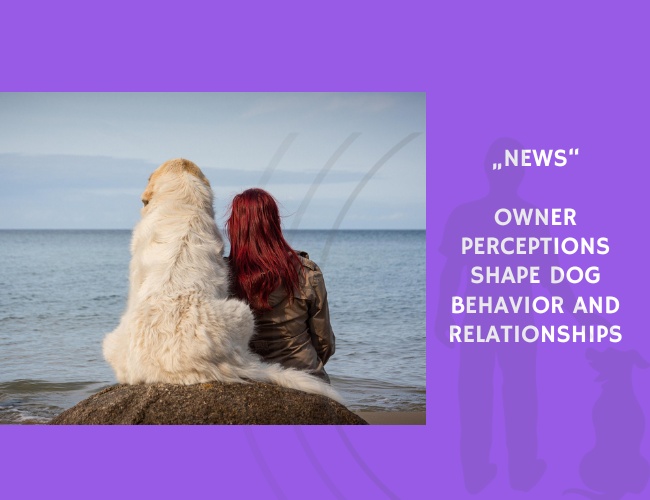
Dog ownership provides well-documented physiological and psychological benefits, including reduced anxiety, lower blood pressure, and companionship across the lifespan. However, dogs may also display unwanted behaviors such as aggression, destructiveness, or fearfulness. In a comprehensive review, Byrd (2012) explored whether owner perceptions of breed knowledge and behavior contributed to how dogs behave and how owners respond to misbehavior.
The study highlighted that owners can inadvertently encourage or reinforce misbehavior through inaccurate perceptions or misguided actions. For example, misinterpreting a dog’s signals or inconsistently responding to behavior can create confusion and exacerbate problems. Survey findings revealed that while many rural owners perceived their pets as well behaved, misbehavior was strongly correlated with the belief that consulting a behaviorist would be beneficial. Interestingly, there was no clear connection between perceived breed knowledge and actual dog behavior.
Byrd emphasized that owner education is likely the most effective way to address misbehavior and aggression. Better understanding of canine communication and behavioral needs can reduce the human–dog communication gap. The research supports the notion that successful human–canine relationships depend less on breed stereotypes and more on how well owners interpret and respond to their dogs’ actions.
Beyond misbehavior, the review contextualized the broader significance of the human–canine bond. Historically one of the oldest human–animal relationships, dogs have been companions, workers, and therapeutic partners. From animal-assisted therapy in children and the elderly to promoting exercise in adults, the positive impact of dogs on human well-being is profound. Yet, to ensure mutual benefit, owners must recognize their role in shaping dog behavior.
Byrd concluded that improving owner education not only enhances dog welfare but also strengthens the emotional bond between people and their pets, fostering healthier and more balanced relationships.
Source: Byrd, B. K. (2012). Human-Canine Relationships: Dog Behavior and Owner Perceptions. Review. Published 2012.










