
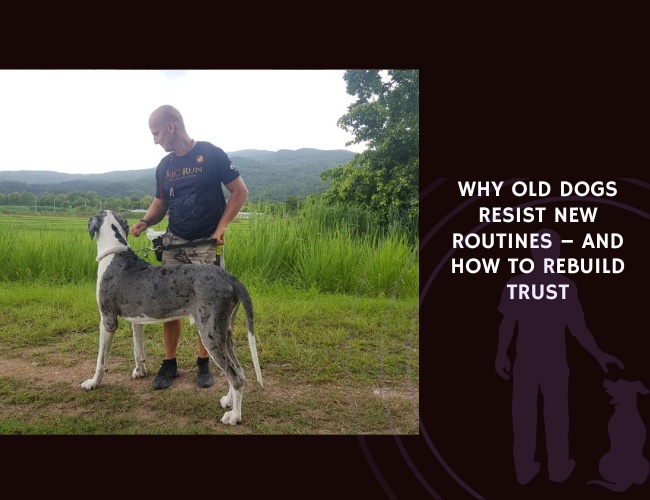
When your once-adaptable companion suddenly refuses to climb into a new car, circles anxiously at an unfamiliar doorway, or withdraws from a changed feeding schedule, you might wonder what shifted. The answer lies not in stubbornness, but in the delicate interplay between aging brain structures, emotional security, and the profound need for predictability that deepens with time.
Understanding why senior dogs resist change isn’t just about managing difficult moments. It’s about honoring the neurological and emotional reality of aging, and discovering how small shifts in our approach can restore confidence, rebuild trust, and help your furry friend navigate their golden years with dignity and calm.
Let us guide you through the science and soul of this journey. 🧡
The Aging Brain: Understanding Cognitive Shifts in Senior Dogs
How Neural Aging Reshapes Your Dog’s World
As your dog ages, their brain undergoes profound structural changes that directly affect how they process, remember, and respond to their environment. The hippocampus—responsible for creating spatial maps and forming new memories—experiences atrophy and neuronal loss. Meanwhile, the prefrontal cortex, which helps generalize environmental features and supports behavioral flexibility, also declines in function.
This isn’t just theoretical neuroscience. It’s the reason your twelve-year-old companion who once bounded into any situation now hesitates at the threshold of unfamiliar spaces. The neural pathways that once updated quickly and adapted seamlessly have lost their elasticity.
Canine Cognitive Dysfunction Syndrome, which shares striking similarities with Alzheimer’s disease in humans, affects a significant portion of aging dogs. Brain atrophy, the development of amyloid-β deposits, and progressive neuronal loss create a cascade of changes that impact daily life in tangible ways.
What this looks like in your home:
- Disorientation in previously familiar spaces—standing in the wrong corner to go outside, forgetting which door leads where
- Altered activity patterns—restlessness at odd hours, decreased interest in once-loved activities
- Reduced problem-solving ability—struggling with tasks they’ve performed hundreds of times
- Slower processing of environmental cues—taking longer to respond to familiar commands
The connection between these physical brain changes and resistance to new routines is direct. When the neural machinery for updating information and integrating novelty operates at reduced capacity, every change becomes a cognitive challenge rather than a simple adjustment.
The Hippocampus and Prefrontal Cortex: Your Dog’s Navigation System
Think of the hippocampus and prefrontal cortex as partners in a sophisticated navigation system. The hippocampus provides the detailed spatial map—every corner, every surface, every familiar scent marker in your home. The prefrontal cortex takes this detailed information and creates generalized understanding, allowing your dog to recognize that “kitchen” means food opportunity, regardless of minor changes.
In aging dogs, this partnership weakens. The hippocampus struggles to encode new spatial information, while the prefrontal cortex loses its ability to flexibly generalize across situations. This creates a rigid cognitive landscape where established neural pathways feel safe, but new routes feel threatening.
Research shows that oscillatory activity normally synchronizes these distant neuronal populations, allowing smooth processing of environmental changes. When this synchronization falters with age, your dog may appear confused or resistant—not from stubbornness, but from genuine difficulty processing what’s happening around them.
Environmental enrichment has been shown to increase prefrontal activity and strengthen its connection with the hippocampus, improving learning and memory. But here’s the crucial point: the type of enrichment matters enormously for older dogs, as we’ll explore later.
When Neuroplasticity Fades: The Rise of Ritualized Behavior
Neuroplasticity—the brain’s ability to form new neural connections and adapt existing ones—naturally declines with age. For your senior dog, this means their brain becomes less adaptable, more reliant on established patterns, and increasingly uncomfortable with disruption.
This reduced neuroplasticity manifests as anxiety when routines change. Your dog’s brain literally struggles to create the new neural pathways needed to accommodate change. The result? A retreat into ritualized behaviors—those familiar, repetitive patterns that require no new learning and provide psychological comfort through predictability.
You might notice your senior dog insisting on the exact same walking route, refusing to eat unless their bowl is in the precise location, or becoming distressed if you rearrange furniture. These aren’t quirks of an aging personality. They’re adaptations to a brain that finds comfort in repetition because novelty has become cognitively expensive.
Synaptic disturbances in the prefrontal cortex and hippocampus lead to behavioral and cognitive impairment. For older animals, the ability to adapt to novelty diminishes significantly, with research showing that environmental changes that younger dogs navigate easily can leave senior dogs showing no decrease in novelty preference—essentially, they remain fixated on the unexpected change rather than habituating to it. 🧠
The Emotional Landscape of Change in Elderly Dogs
How Disrupted Routines Shake Attachment Security
Routine isn’t just about convenience for your senior dog—it’s the foundation of their perceived safety and attachment security. When predictable patterns dissolve, so does their sense of control over their world.
The theoretical framework of attachment emphasizes that predictable social interaction anchors trust during environmental change. For elderly dogs experiencing cognitive decline, this principle becomes even more critical. Your consistent morning routine—wake, bathroom, breakfast, walk—creates a secure base from which your dog navigates each day.
When this routine fractures, whether through necessary changes like a move, a new family member, or altered work schedules, dogs with cognitive dysfunction experience profound disorientation. They may struggle to navigate familiar spaces or understand their surroundings, directly undermining their sense of safety.
Signs that attachment security has been compromised:
- Increased shadowing behavior—following you obsessively from room to room
- Separation anxiety that emerges or intensifies—distress when you leave, even briefly
- Altered interactions—becoming clingy or, conversely, withdrawn
- House-soiling despite previously reliable habits—a sign of both cognitive confusion and stress
- Sleep-wake cycle disturbances—nighttime restlessness or anxiety
These behavioral changes aren’t just symptoms of aging; they’re communication. Your dog is telling you that their emotional foundation has become unstable, and they need help rebuilding that sense of security.
Through the NeuroBond approach, trust becomes the foundation of learning and adaptation, even in senior years. This means recognizing that every interaction with your aging companion either reinforces or undermines their sense of safety.
The Invisible Thread: Does Your Anxiety Affect Your Dog?
While direct research on emotional contagion from anxious owners to dogs in the context of routine changes is limited, the indirect pathways are well-established and significant.
Caregivers facing stress—whether from the challenges of managing an aging pet or from external life pressures—experience measurable impacts on their own mental health. This stress inevitably alters behavior patterns, consistency, and the ability to provide the stable, predictable environment that aging dogs desperately need.
Consider this: if you’re anxious about your dog’s adjustment to a new home, your body language becomes tense, your voice carries stress markers, and your movements may become less predictable or more hurried. Dogs, with their extraordinary sensitivity to human emotional states, perceive these changes even when we think we’re hiding them.
For a senior dog already struggling with cognitive decline and reduced adaptive capacity, an anxious caregiver compounds the challenge. The Invisible Leash reminds us that awareness, not tension, guides the path—and this principle becomes especially crucial when helping an aging dog through transitions.
Supporting your dog through your own emotional regulation:
- Maintain calm, deliberate movements during routine changes
- Use consistent vocal tones and pace of speech
- Practice grounding techniques before interactions during stressful transitions
- Recognize when your anxiety is peaking and create brief separations rather than transmitting tension
- Seek support for yourself—your resilience directly impacts your dog’s resilience
The attachment and emotional regulation framework suggests that your emotional consistency provides the scaffolding your senior dog needs to navigate environmental changes. When you anchor yourself, you anchor them.
The Power of Consistent Caregiving in Building Resilience
Research on resilience across caregiving relationships reveals a powerful truth: perceived social support predicts greater resilience among caregivers, and this principle extends beautifully to the human-animal bond.
Dogs with strong social bonds to consistent caregivers demonstrate greater resilience when confronting life changes. This isn’t mystical—it’s neurobiological. Predictable, secure relationships create neural patterns that support emotional regulation and stress management.
Your consistent presence, predictable responses, and reliable emotional availability form a buffer against the cognitive and emotional challenges of aging. When your senior dog knows you’ll respond to their confusion with patience, their anxiety with calm reassurance, and their resistance with gentle guidance, they develop a foundation of trust that makes adaptation possible.
Elements of resilience-building caregiving:
- Consistency in daily interactions and routines
- Predictable responses to your dog’s behaviors and needs
- Emotional availability—being present, not just physically but emotionally
- Patience with regression or confusion
- Positive reinforcement of brave attempts to engage with change
Moments of Soul Recall reveal how memory and emotion intertwine in behavior. Your senior dog remembers not just routines, but the emotional quality of your interactions. When those memories are layered with security, patience, and gentle guidance, they create a reservoir of trust that supports adaptation even when cognitive capacity declines.

Behavioral Signs: Reading Your Dog’s Resistance
The Language of Discomfort: Avoidance, Vocalization, and Withdrawal
Your senior dog’s resistance to new routines speaks volumes if you know how to listen. Unlike younger dogs who might show clear enthusiasm or opposition, aging dogs often communicate their discomfort through subtler, more varied signals.
Altered interactions with humans and other animals emerge as primary indicators. This might look like avoidance—turning away when you approach with the new harness, walking around rather than through a newly arranged room, or refusing to engage with previously enjoyed activities in novel contexts.
Vocalization patterns change too. Some senior dogs become more vocal when stressed by routine changes, whining or barking in situations they once navigated silently. Others become quieter, their usual communicative sounds diminishing as they withdraw into themselves.
Withdrawal represents one of the most concerning behavioral manifestations. A dog who once greeted morning routines with engagement now remains in their bed, reluctant to participate. This isn’t laziness—it’s a protective response to cognitive overwhelm.
Behavioral signals to watch for:
- Physical avoidance: Moving away from new situations, refusing to enter changed spaces, backing away from novel objects
- Changes in activity patterns: Pacing, restlessness, or conversely, significant decrease in movement and engagement
- Disorientation: Standing in unusual locations, seeming confused about familiar navigation, appearing “lost” in known spaces
- Sleep disruptions: Nighttime wandering, inability to settle, altered sleep-wake cycles
- House-soiling: Accidents in unusual locations, particularly when routine changes occur
- Altered eating patterns: Refusing food in new locations, becoming finicky when bowl placement changes
Research shows that the introduction of sudden novelty in previously stable environments causes excitement in dogs that manifests as increased negative behaviors. For senior dogs with reduced cognitive flexibility, these stress responses become more pronounced and longer-lasting.
Understanding these signals isn’t about fixing behavior—it’s about recognizing when your dog’s brain is struggling to process change and responding with appropriate support. 😊
The Physical Toll: How Chronic Stress Affects Sleep, Appetite, and Cognition
Chronic stress from environmental unpredictability doesn’t just create emotional discomfort—it generates physiological consequences that compound the challenges aging dogs already face.
Sleep-wake cycle disturbances stand as one of the most recognized clinical signs of Canine Cognitive Dysfunction Syndrome. When routine unpredictability adds chronic stress to age-related cognitive decline, sleep architecture deteriorates further. Your dog may experience difficulty falling asleep, fragmented nighttime rest, or complete reversal of day-night patterns.
This sleep disruption creates a vicious cycle. Poor sleep impairs cognitive function, making it even harder to adapt to routine changes, which generates more stress and further disturbs sleep. The accumulated effect is what researchers call allostatic load—the physiological wear and tear from chronic stress that lowers overall resilience.
Appetite changes often accompany stress-related adjustment difficulties. Some senior dogs lose interest in food when routines change, while others show increased food-seeking behavior as a comfort mechanism. The stress hormone cortisol, when chronically elevated, affects both hunger signals and digestive function.
The cognitive performance impact:
Chronic stress places significant cognitive load on an aging brain already experiencing decline. Memory updating becomes more difficult, executive function deteriorates, and attention spans shorten. Tasks your dog previously performed automatically now require conscious effort, leading to mistakes and increased confusion.
This creates what might look like sudden cognitive decline but is actually the interaction between existing age-related changes and stress-induced impairment. When you reduce the stress through routine predictability and emotional consistency, you often see remarkable improvement in cognitive performance—not because the brain tissue regenerates, but because you’ve removed the additional burden of chronic stress.
The relationship between unpredictability and cognitive performance suggests that for senior dogs, environmental stability isn’t a luxury—it’s a cognitive necessity that directly impacts their quality of life and functional capacity.
Rebuilding Trust: Practical Strategies for Caregivers
The Foundation: Routine Predictability and Emotional Consistency
If there’s one principle that underlies successful adjustment support for senior dogs, it’s this: predictable social interaction anchors trust during environmental change. Your senior dog’s reduced cognitive flexibility means they rely heavily on established patterns to navigate their world safely.
Creating and maintaining routine predictability starts with identifying the core elements of your dog’s day and protecting them fiercely, even when other changes must occur. If you’re moving homes, maintain the exact same feeding times and sequences. If your work schedule shifts, preserve the morning greeting ritual and evening walk routine.
Building blocks of routine predictability:
- Consistent timing: Feed, walk, play, and rest at the same times daily—set alarms if needed
- Predictable sequences: Always do activities in the same order (bathroom, then breakfast; walk, then rest)
- Environmental markers: Use specific sounds, phrases, or actions to signal upcoming activities
- Spatial consistency: Keep key resources (food, water, bed) in consistent locations
- Ritual preservation: Maintain small rituals like the pre-walk excitement moment or the bedtime settling routine
Emotional consistency means responding to your dog’s behaviors and needs with predictable, calm, supportive reactions. When your senior dog shows confusion, your response should be gentle redirection without frustration. When they resist change, meet them with patience rather than insistence.
Research shows that perceived social support predicts greater resilience, and your emotional consistency provides that support. You become the reliable organizational caregiver that promotes continuity of care and stronger relationships, fostering trust and empowering your aging companion.
This emotional steadiness communicates safety at a level deeper than words. Your dog learns that even when the world changes, your supportive presence remains constant. This single thread of consistency can sustain them through significant transitions. 🧡
Familiar. Fragile. Faithful.
Age rewires perception. As hippocampal maps fade and prefrontal guidance slows, the known becomes sanctuary. Change demands neural flexibility the aging brain can no longer easily afford.
Routine becomes reassurance. Each repetition anchors safety, each pattern holds memory where clarity once lived. Breaking it feels less like novelty and more like risk.
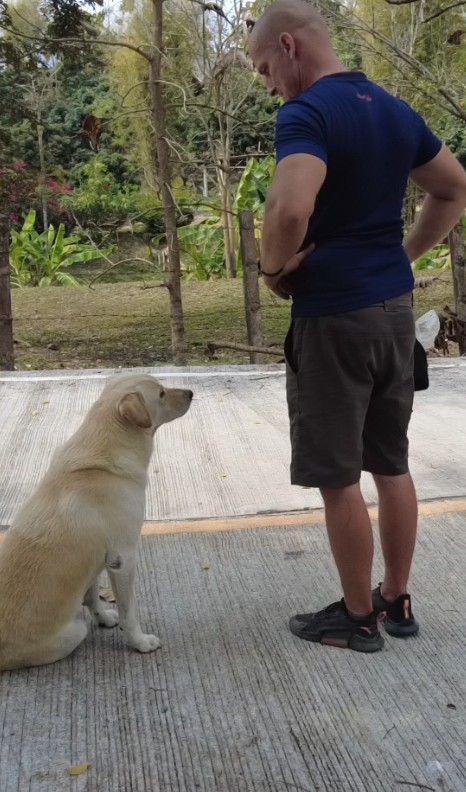

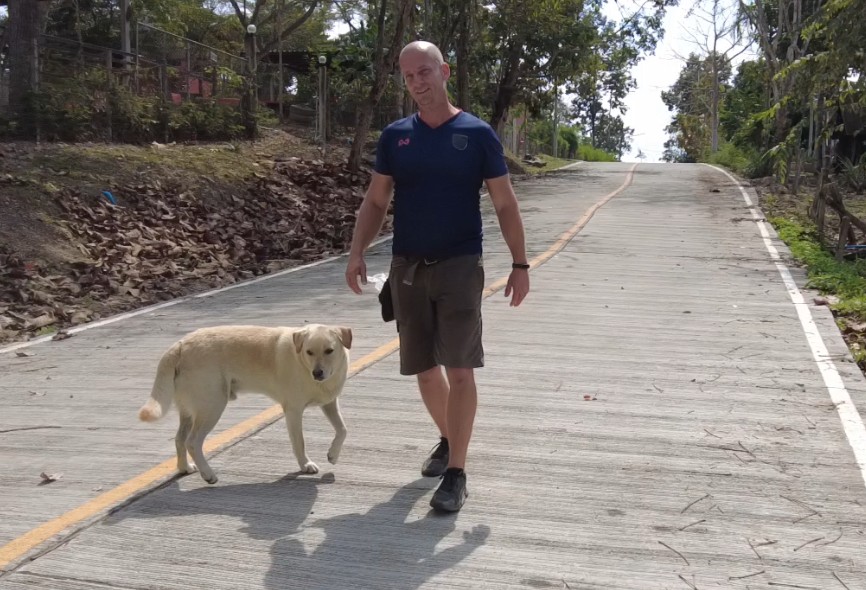
Trust rebuilds through gentleness. Slow introductions, steady tone, familiar scents, and unhurried presence let new experiences merge softly with old ones. When patience replaces pressure, confidence returns—and with it, calm.
Gradual Desensitization: The Art of Slow Introduction
When changes must occur, the method of introduction determines success or struggle. Gradual desensitization—slowly introducing new elements in a controlled, positive manner—allows your senior dog’s reduced neuroplasticity to accommodate change without overwhelming their cognitive capacity.
The principle is simple: break large changes into tiny steps, each one small enough that your dog can process and accept it before moving forward. This respects the reality that older animals struggle more with adaptation compared to younger ones.
Practical desensitization for common transitions:
Moving to a new home:
- Visit the new space multiple times before moving if possible
- Bring familiar items (bedding, toys) to the new location during visits
- Move in stages—perhaps spending an hour, then a morning, then a full day before moving permanently
- Establish familiar routines immediately in the new space
- Create a “safe room” with all familiar items before introducing other areas
Introducing a new family member:
- Allow scent introductions first—clothing items, bedding
- Conduct initial meetings in neutral, familiar spaces
- Keep meetings brief and positive initially
- Maintain your senior dog’s routine rigorously during the adjustment period
- Create separate, predictable spaces for each household member initially
Changing care routines:
- Introduce new elements one at a time over days or weeks
- Pair new experiences with highly valued rewards
- Maintain all other routine elements while changing one
- Practice new sequences briefly before implementing fully
- Celebrate small successes without overwhelming attention
The key to successful desensitization lies in reading your dog’s signals and adjusting pace accordingly. If they show stress signals, you’re moving too quickly. If they engage with curiosity (even mild), you’re at the right pace.
Research confirms that sudden novelty can increase negative behaviors, while carefully managed environmental changes support better outcomes. For your senior dog, slow is fast—taking time upfront prevents setbacks and builds genuine comfort.
Environmental Enrichment: Prioritizing Familiarity Over Novelty
The conventional wisdom around environmental enrichment often emphasizes novelty—new toys, different walking routes, varied experiences. For senior dogs, this approach requires careful reconsideration.
Environmental enrichment remains crucial for maintaining brain activity and slowing cognitive dysfunction progression. However, the type of enrichment must shift from novelty-focused to familiarity-based with strategic, gradual novelty introduction.
Research demonstrates that sudden novelty introduction in otherwise stable environments can cause stress and increase negative behaviors in dogs. Furthermore, environmental enrichment that promotes adaptation in younger animals doesn’t have the same effect in older ones, who may even show resistance to environmental rearrangement.
Familiarity-based enrichment for senior dogs:
- Sensory consistency: Maintain familiar scents in the environment—your clothing, favorite blankets, established room scents
- Object permanence: Keep favorite toys, beds, and comfort items in consistent locations
- Routine enrichment: Add complexity within established routines rather than creating new ones (e.g., different treats during the same feeding ritual)
- Gentle cognitive engagement: Puzzle toys that use familiar skills rather than requiring new learning
- Physical comfort: Practical, comfortable resting areas that support aging joints—orthopedic beds as environmental enrichment
When introducing novelty, do so within a framework of familiarity. A new treat flavor offered in the familiar bowl at the familiar time. A slightly different walking route that starts and ends at the same points. A new toy that’s similar to beloved existing ones.
The goal is cognitive stimulation without stress—maintaining brain activity patterns without overwhelming reduced adaptive capacity. For older dogs, the comfort of the known provides the secure base from which small explorations become possible.
Think of it as tending a garden in autumn rather than spring. You’re not planting wildly new varieties; you’re supporting what’s there, gently introducing compatible additions, and protecting against harsh changes that could damage established growth.
The Healing Power of Connection: Touch, Gaze, and Synchronized Movement
While direct research on oxytocin-boosting interactions in senior dog adaptation is limited, the broader understanding of attachment and emotional regulation strongly supports these practices.
Predictable social interaction anchors trust during environmental change, and specific types of interaction—touch, eye contact, and synchronized movement—appear to strengthen bonds and enhance emotional security in ways that support adaptation.
Touch as reassurance:
Physical contact with trusted caregivers activates neurochemical pathways associated with bonding and stress reduction. For senior dogs facing routine changes, your touch becomes an anchor point—a familiar, positive sensory experience that remains constant even when other elements shift.
Gentle, predictable touching patterns communicate safety. This might be a specific petting sequence your dog knows well, a gentle massage before bed, or simply resting your hand on their shoulder during uncertain moments. The key is consistency—the same quality of touch, in familiar patterns, becomes a reliable source of comfort.
Gaze and attention:
Eye contact between dogs and their humans triggers oxytocin release in both species, strengthening the bond and promoting feelings of wellbeing. For senior dogs, maintaining regular, soft eye contact during interactions reinforces your emotional connection and provides reassurance.
This doesn’t mean staring, which can be threatening. It means those brief moments of mutual recognition—the soft eyes you share when you sit together, the glance and acknowledge during walks, the eye contact that confirms “I see you, I’m here with you.”
Synchronized movement:
Moving together through space creates a form of non-verbal communication that deepens connection. This might be walking side-by-side, settling down to rest together, or simply matching your dog’s pace as they navigate their environment.
For senior dogs with mobility challenges, synchronized movement might mean adjusting your pace to theirs, sitting on the floor at their level, or moving through space with them rather than ahead of them. This communicates respect for their current capacity and reinforces that you’re a team navigating changes together.
Implementing connection practices during transitions:
- Begin and end each day with brief, focused connection time
- Use consistent touch patterns during stressful adjustments
- Create “check-in” moments throughout the day—brief eye contact and gentle touch
- Match your energy level to your dog’s, especially during overwhelm
- Practice calm co-presence—simply being together without demands
These practices don’t eliminate the challenges of routine changes, but they strengthen the foundation of trust that makes adaptation possible. Your consistent, loving presence becomes the through-line in an otherwise changing landscape.
That balance between science and soul—that’s the essence of Zoeta Dogsoul, and it’s never more important than when supporting your aging companion through the vulnerability of change.
Health and Wellness Considerations
Recognizing When Resistance Signals Medical Issues
Not all resistance to new routines stems from cognitive or emotional causes. Sometimes, what appears as behavioral resistance is actually your dog communicating physical discomfort or pain that routine changes have revealed or exacerbated.
Senior dogs often develop age-related medical conditions that affect their ability to navigate environmental changes comfortably. Arthritis might make new flooring surfaces painful. Vision decline could make an unfamiliar space genuinely frightening. Hearing loss might prevent your dog from perceiving your reassurance during transitions.
Medical factors that can appear as behavioral resistance:
- Orthopedic pain: Arthritis, hip dysplasia, or degenerative joint disease making movement through new spaces or up unfamiliar stairs painful
- Vision impairment: Cataracts or progressive retinal atrophy causing genuine difficulty navigating changed environments
- Hearing loss: Inability to hear reassuring cues or commands during transitions
- Vestibular dysfunction: Balance issues causing disorientation that’s exacerbated by environmental changes
- Gastrointestinal discomfort: Digestive issues making altered feeding schedules or locations more stressful
- Urinary or bowel control issues: Physical inability to maintain house-training in changed circumstances
When your senior dog resists routine changes, a thorough veterinary examination should be your first step. Pain management, sensory support, and treatment of underlying conditions can dramatically improve your dog’s ability to adapt to necessary changes.
Additionally, some medical interventions specifically support cognitive function in aging dogs. Nutritional supplements, prescription diets formulated for brain health, and medications that address cognitive dysfunction can enhance neuroplasticity and adaptive capacity.
Supporting Brain Health Through Nutrition and Supplementation
The aging brain has specific nutritional needs, and supporting brain health through diet can enhance your senior dog’s cognitive resilience during routine transitions.
Nutritional considerations for cognitive support:
- Omega-3 fatty acids (DHA and EPA): Support neuronal membrane health and may slow cognitive decline
- Antioxidants (vitamins E and C, selenium): Combat oxidative stress that contributes to neuronal damage
- Medium-chain triglycerides (MCTs): Provide alternative energy source for aging brain cells
- B vitamins: Support neurological function and cellular metabolism
- Phosphatidylserine: May support memory and cognitive function
Senior-specific diets formulated with these nutrients can make a measurable difference in cognitive performance. However, dietary changes themselves represent a routine modification that requires gradual implementation for senior dogs.
Introducing cognitive support nutrition:
- Transition slowly, mixing new food with familiar food over 7-10 days
- Maintain feeding times and locations exactly while changing food content
- Monitor for digestive changes and adjust pace if needed
- Consider single-ingredient additions (like fish oil supplements) before complete diet changes
- Work with your veterinarian to develop an appropriate nutrition plan
The goal is supporting brain function without creating additional stress through abrupt dietary changes—another example of how the method of change matters as much as the change itself.
The Long View: Aging with Dignity and Grace
Accepting Changed Capacity Without Diminishing Value
Perhaps the most profound aspect of supporting senior dogs through routine changes involves our own perspective shift. Your dog’s reduced cognitive flexibility and increased need for predictability don’t represent failure or diminished worth—they represent the natural evolution of a life fully lived.
Accepting that your once-adaptable companion now requires more support, more patience, and more accommodation isn’t about lowering expectations. It’s about honoring where they are now and recognizing that their value never resided in their adaptability.
This perspective shift changes everything. Instead of feeling frustrated when your senior dog resists a necessary change, you can recognize their resistance as communication about their current capacity and respond with compassion rather than disappointment.
Reframing aging-related changes:
- Increased need for routine = deeper wisdom about what creates security
- Reduced flexibility = honoring established preferences built over a lifetime
- Heightened attachment = the full flowering of your bond
- Greater sensitivity to change = refined awareness of their environment
- Need for accommodation = opportunity to practice true caregiving
Your senior dog is teaching you about patience, presence, and the deep meaning of unconditional support. These lessons have profound value, even when they come wrapped in challenging moments.
Creating a Life of Gentle Consistency
The ultimate goal isn’t eliminating all change from your senior dog’s life—that’s neither possible nor necessarily beneficial. Rather, it’s creating a foundation of such solid consistency that necessary changes can be absorbed without shattering security.
Think of it as building a stable structure with deep foundations. The stronger that foundation of routine predictability, emotional consistency, and secure attachment, the more capable your senior dog becomes of weathering inevitable changes.
Elements of gentle consistency:
- Sacred routines: Identify non-negotiable routine elements and protect them fiercely
- Predictable transitions: Create consistent “transition rituals” for any changes
- Environmental anchors: Maintain specific elements that signal safety regardless of other changes
- Relationship constancy: Ensure your emotional availability and support remain unwavering
- Pace awareness: Honor your dog’s processing speed without rushing adaptation
This approach doesn’t prevent all anxiety or resistance, but it creates the conditions under which your senior dog can access their remaining adaptive capacity most effectively.
Conclusion: Is This Journey Right for You?
Supporting a senior dog through routine changes requires something different from everyday pet ownership. It demands heightened awareness, exceptional patience, willingness to prioritize their needs even when inconvenient, and the emotional capacity to meet resistance with compassion rather than frustration.
If you’re navigating this journey, know that you’re not alone. Many caregivers discover that supporting an aging dog through their vulnerability becomes one of the most meaningful experiences of the human-animal bond. The challenges are real, but so are the profound moments of connection, trust, and mutual care.
Questions to ask yourself:
- Can I maintain consistent routines even when my own life becomes chaotic?
- Am I willing to slow down and match my pace to my dog’s processing speed?
- Do I have the emotional resources to respond to regression or resistance with patience?
- Can I view my dog’s changing needs as communication rather than inconvenience?
- Am I prepared to make accommodations that prioritize my dog’s security over my preferences?
If the answer to these questions is yes—or even “I’m willing to try”—then you have what it takes to support your senior companion through their golden years with grace.
The resistance you encounter isn’t rejection or stubbornness. It’s a window into your dog’s internal experience, an invitation to slow down, tune in, and remember that the deepest forms of care often require us to bend toward another’s needs rather than expecting them to adapt to ours.
In supporting your senior dog through routine changes, you’re practicing a form of love that transcends convenience—a love that honors vulnerability, accommodates limitation, and finds meaning in the slow, patient work of maintaining connection across the arc of a life.
That’s the heart of this journey, and it’s a privilege to walk it alongside your faithful friend. 🧡










