

Coming home to find your favorite couch torn apart or your coffee table legs gnawed to splinters can feel like a betrayal from your furry friend. Yet, this destructive behavior tells a deeper story about your dog’s emotional state and unmet needs. Let us guide you through understanding why dogs engage in furniture destruction when left alone, and more importantly, how you can help them overcome this challenging behavior while strengthening your bond together.
Understanding the Root Causes
The Emotional Landscape Behind Destruction
When your dog destroys furniture in your absence, they’re not acting out of spite or revenge – these are human emotions that don’t translate to canine psychology. Instead, your four-legged companion is communicating distress, boredom, or attempting to self-soothe through the only means available to them. Understanding this distinction is the first step toward compassionate and effective intervention.
Dogs experience the world through a complex interplay of instinct, emotion, and learned behavior. When left alone, some dogs struggle with the sudden absence of their human companions, while others simply lack adequate mental and physical stimulation to keep them content. The destruction you discover isn’t personal – it’s behavioral communication that deserves our attention and understanding.
Research shows that destructive behavior significantly impacts the human-animal bond and remains one of the primary reasons dogs are relinquished to shelters. This heartbreaking reality underscores the importance of addressing these behaviors promptly and effectively. By recognizing destruction as a symptom rather than the problem itself, we open the door to lasting solutions that benefit both you and your canine companion.
Behavioral Drivers of Destructive Behavior
Separation Anxiety vs. Boredom: Reading the Signs
Did you know that the pattern of destruction in your home can reveal whether your dog suffers from separation anxiety or simple boredom? These two common causes require distinctly different approaches, making accurate identification crucial for successful intervention.
Separation anxiety manifests as a cluster of distress behaviors that go beyond mere furniture destruction. You might notice:
- Excessive vocalization (barking, howling, or whining) that begins shortly after departure
- Inappropriate elimination despite being house-trained
- Destruction focused on exit points (doors, windows) or items heavily scented with your presence
- Pacing, drooling, or signs of panic visible through security cameras
- Attempts to escape that may result in self-injury
These behaviors stem from attachment disruption and genuine fear of being alone. The destruction serves as a desperate attempt to reunite with you or cope with overwhelming distress. Your dog’s amygdala – the brain’s fear center – becomes hypersensitive, triggering a cascade of stress responses that manifest as destructive behavior.
Boredom or under-stimulation presents differently. Dogs destroying furniture from boredom typically:
- Chew on various household items indiscriminately
- Show no signs of distress when you prepare to leave
- Engage in destruction after being alone for extended periods
- Display attention-seeking behaviors when you’re present but disengaged
- Target items that provide sensory satisfaction (leather, wood, fabric textures)
The distinction matters because treating boredom with separation anxiety protocols won’t address the root cause, and vice versa. Take time to observe your dog’s overall behavior patterns – this investment in understanding will pay dividends in your training approach.
Chewing as Self-Soothing: The Biology of Comfort
When your dog chews during times of stress, they’re engaging in an ancient self-soothing mechanism that releases endorphins – nature’s own feel-good chemicals. This biological response explains why stressed dogs often gravitate toward repetitive chewing behaviors, much like how some humans might bite their nails or fidget when anxious.
The act of chewing promotes numerous benefits for your dog’s well-being:
- Physiological regulation: Chewing helps maintain dental health while providing jaw exercise
- Stress hormone reduction: The repetitive motion can lower cortisol levels
- Endorphin release: Natural pain-relieving and mood-enhancing effects
- Displacement activity: Redirecting anxiety into a manageable physical action
Without appropriate chew outlets, your furniture becomes the unfortunate target of this natural coping mechanism. This isn’t defiance – it’s your dog attempting to self-regulate their emotional state with the tools available to them. Understanding this helps us respond with empathy rather than frustration.
High-Risk Demographics: Is Your Dog More Prone?
Certain dogs face higher risks for developing destructive behaviors when left alone. Recognizing these predispositions helps you implement preventive measures before problems escalate.
Young dogs and puppies naturally explore their world through their mouths. Combine this with:
- Teething discomfort (3-7 months of age)
- Underdeveloped impulse control
- Higher energy levels requiring more outlets
- Limited experience with solitude
Working and herding breeds were selectively bred for intense focus and stamina. When these innate drives lack appropriate outlets:
- Border Collies might redirect herding instincts into obsessive behaviors
- Terriers may express their prey drive through destructive tearing
- Retrievers could mouth and carry inappropriate items
- Guardian breeds might patrol anxiously, leading to barrier destruction
Recently adopted dogs face unique challenges:
- Unknown past experiences with solitude
- Adjustment stress to new environments
- Unclear boundaries and expectations
- Potential past trauma affecting coping mechanisms
If your furry friend falls into these categories, don’t worry – awareness is the first step toward prevention. These dogs simply need more structured support to develop healthy coping strategies 🐾
Breed-Specific Destruction Profiles
Understanding Your Dog’s Genetic Blueprint
Your dog’s breed isn’t just about appearance – it’s a roadmap to understanding their behavioral tendencies, including how they might express stress or boredom through destruction. Centuries of selective breeding have created distinct behavioral patterns that influence how different breeds cope with being alone. Recognizing these breed-specific tendencies helps you anticipate challenges and tailor prevention strategies to your dog’s genetic predispositions.
Terriers: The Tenacious Destroyers
Originally bred to hunt vermin and work independently underground, terriers possess an intensity that can transform into destructive behavior when inadequately channeled. Their destruction often mimics hunting behaviors – they don’t just chew; they “kill” their toys with vigorous shaking and tearing.
Common destructive patterns in terriers:
- Systematic destruction that seems almost methodical
- Focusing on soft furnishings they can “shake to death”
- Digging at carpets or furniture as if pursuing prey
- Destroying items completely rather than just damaging them
- Targeting squeaky toys or items that provide auditory feedback
Your terrier’s destruction often intensifies when they detect sounds or movements they cannot investigate. That rustling outside or neighbor’s footsteps trigger hardwired prey drive responses. Without appropriate outlets, your furniture becomes the unfortunate substitute for their ancestral quarry. Providing dig boxes, flirt poles, and puzzle toys that mimic hunting sequences can redirect these powerful instincts constructively.
Herding Breeds: The Frustrated Patrol Officers
Border Collies, Australian Shepherds, and other herding breeds were developed for intelligence, stamina, and an overwhelming need to control their environment. When left alone, these natural managers often experience frustration from their inability to maintain order, leading to specific destruction patterns.
Herding breed destruction characteristics:
- Barrier destruction at windows and doors (trying to patrol territory)
- Circling behaviors that wear paths in carpets
- Nipping or tearing at curtains and blinds blocking their view
- Obsessive destruction of specific items in repeated patterns
- Creating “escape routes” to continue their perceived duties
These brilliant dogs often develop complex anxiety patterns because they can anticipate your departure long before obvious cues appear. They might notice subtle changes in your morning routine or energy level that signal impending abandonment. Their destruction frequently focuses on gaining access to areas where they can monitor their territory or attempting to follow you to continue their “job” of keeping the family together.
Hounds: The Scent-Driven Excavators
Scent hounds and sight hounds bring unique challenges to destruction prevention. Their powerful sensory drives can lead them on investigative journeys through your home, leaving chaos in their wake. Unlike anxiety-driven destruction, hound devastation often stems from following their extraordinary noses or eyes.
Typical hound destruction patterns:
- Following scent trails leading to destroyed baseboards or walls
- Excavating furniture cushions seeking hidden smells
- Counter surfing resulting in knocked over items
- Destroying doors or barriers to follow interesting scents
- Shredding items that carry intriguing odors
Your hound isn’t being defiant when they destroy the couch seeking that dropped popcorn from movie night three weeks ago – they’re following instincts honed over centuries. Scent work games, snuffle mats, and structured nose work activities can satisfy these drives without sacrificing your furniture. Consider that your hound’s world is far richer in olfactory information than ours, and destruction often represents their attempt to investigate this invisible landscape.
Giant Breeds: The Gentle Giants’ Unintended Chaos
Great Danes, Mastiffs, Saint Bernards, and other giant breeds present a unique challenge: even their normal behaviors can be destructive simply due to their size and strength. A anxious Mastiff’s pawing can gouge doors, while a bored Great Dane’s tail can clear coffee tables like a furry wrecking ball.
Giant breed destruction considerations:
- Accidental destruction from size and enthusiasm
- Leaning behaviors that can damage walls and furniture
- Powerful jaws that destroy even “indestructible” toys quickly
- Height advantage allowing access to counters and tables
- Weight causing furniture collapse during normal use
These gentle giants often suffer from their destruction being misinterpreted as aggression or defiance when it’s simply physics at work. Your 150-pound dog doesn’t realize their strength differs from the Chihuahua next door. Providing appropriately sized and strengthened toys, reinforced furniture, and teaching careful movement patterns from puppyhood can prevent much accidental destruction. Remember, giant breeds often have shorter lifespans and age-related mobility issues can contribute to accidental destruction as coordination declines.
Toy Breeds: Small Dogs, Big Anxiety
Don’t let their size fool you – toy breeds can create surprising destruction relative to their tiny frames. Chihuahuas, Yorkshire Terriers, and similar small breeds often experience higher baseline anxiety levels, possibly due to their vulnerability awareness. Their destruction typically stems from separation distress rather than boredom.
Toy breed destruction patterns:
- Focusing on owner-scented items for comfort
- Stress urination combined with fabric destruction
- Targeting items at their height level
- Creating nest-like areas by destroying bedding
- Repetitive destruction in specific anxiety-triggered locations
Your toy breed’s destruction often intensifies during environmental stressors that larger dogs might ignore – delivery trucks, thunderstorms, or unfamiliar voices can trigger destructive panic. Their small size means they experience the world as more threatening, leading to destruction as a coping mechanism. Creating secure, den-like spaces and addressing anxiety proactively becomes even more crucial for these sensitive souls.

Age-Specific Timeline and Expectations
Developmental Stages: What’s Normal and What’s Not
Understanding your dog’s developmental stage helps you differentiate between normal, age-appropriate behaviors and concerning destruction patterns requiring intervention. Each life stage brings unique challenges and opportunities for preventing or addressing destructive tendencies. Let’s explore what you can expect as your furry friend grows and changes.
8-16 Weeks: The Exploratory Mouthing Phase
Your puppy experiences the world through their mouth during these crucial early weeks. Everything is new, exciting, and worth investigating with teeth and tongue. This isn’t destruction in the traditional sense – it’s education through oral exploration.
What’s happening developmentally:
- Baby teeth are fully emerged but not yet falling out
- Jaw strength is developing through chewing practice
- Texture preferences are being established
- Bite inhibition should be learned through littermate play
- Object discrimination is developing (food vs. non-food)
Normal behaviors at this stage:
- Mouthing hands, feet, and clothing during play
- Carrying objects around constantly
- Gentle exploratory chewing on various textures
- Short attention span leading to sampling many items
- Preference for soft, easily manipulated items
This stage sets the foundation for future chewing habits. Providing appropriate variety now – soft rubber toys, rope toys, different textures – teaches discrimination between acceptable and unacceptable chewing targets. Redirect consistently but gently, understanding that your puppy isn’t being destructive but rather learning about their world.
4-6 Months: Peak Teething Destruction
Welcome to the storm before the calm – or perhaps more accurately, the hurricane of puppy teething. As adult teeth push through inflamed gums, your puppy seeks relief through intensive chewing. This period tests even the most patient owners but remember: it’s temporary and manageable with proper preparation.
Physiological changes driving behavior:
- 28 baby teeth falling out, 42 adult teeth emerging
- Gum inflammation and discomfort
- Increased saliva production
- Fluctuating pain levels throughout the day
- Calcium needs for developing teeth
Destruction patterns during teething:
- Targeting harder items as jaw strength increases
- Preference for cool or textured items providing gum relief
- Increased destruction during evening hours (peak discomfort)
- Wood furniture legs become especially appealing
- Destroying items then abandoning them once relief is achieved
Frozen washcloths, ice cubes, and specially designed teething toys become your best friends during this phase. Rotate options to maintain novelty and provide consistent relief. This intense phase typically peaks around 5 months before gradually subsiding as adult teeth settle.
6-12 Months: The Adolescent Rebellion Period
Just when you thought teething was over, adolescence arrives with its own behavioral challenges. Your teenager isn’t trying to drive you crazy – their brain is literally reconstructing itself, leading to impulsive decisions and testing boundaries previously respected.
Adolescent brain changes affecting behavior:
- Prefrontal cortex (impulse control) still developing
- Hormonal fluctuations affecting mood and energy
- Independence drive conflicting with attachment needs
- Risk-taking behaviors increasing
- Previous training seemingly “forgotten”
Typical adolescent destruction includes:
- Reverting to puppy-like destruction despite previous training
- Testing boundaries with items previously left alone
- Destruction linked to sexual maturity (marking behaviors)
- Increased destruction during hormonal surges
- Selective listening leading to preventable destruction
This challenging phase requires patience and consistency. Your adolescent dog needs clear boundaries while their brain reorganizes itself. Think of it like human teenagers – they need structure even while pushing against it. Increased exercise, mental stimulation, and maintaining training routines help navigate this tumultuous period.
1-2 Years: Sexual Maturity Transitions
As your dog reaches full sexual maturity, hormonal influences on behavior stabilize but may create new destruction patterns, especially in intact animals. This period often determines whether puppy behaviors persist into adulthood or resolve with maturity.
Maturity-related behavioral changes:
- Intact males may destroy barriers to reach females in heat
- Intact females may exhibit nesting destruction behaviors
- Territorial marking potentially damaging furniture
- Competition with other household pets intensifying
- Adult confidence potentially reducing anxiety-driven destruction
Spaying or neutering decisions significantly impact destruction patterns during this period. While not a cure-all for behavioral issues, surgical alteration can reduce hormone-driven destruction. However, timing matters – consult your veterinarian about optimal timing for your individual dog’s physical and behavioral development.
7+ Years: Senior Cognitive Changes
As your faithful companion enters their golden years, new forms of destruction may emerge related to cognitive decline, sensory changes, or physical discomfort. Senior destruction often signals underlying health issues requiring veterinary attention rather than behavioral intervention alone.
Age-related factors influencing destruction:
- Canine cognitive dysfunction causing confusion and anxiety
- Decreased vision or hearing leading to startlement
- Arthritis pain causing irritability and unusual behaviors
- Medication side effects affecting behavior
- Sleep pattern disruptions increasing nighttime destruction
Senior-specific destruction patterns:
- Seeming to “forget” house training or boundaries
- Destroying items while appearing confused or distressed
- Nighttime destruction linked to sleep-wake cycle disruption
- Targeting unusual items never previously of interest
- Repetitive destruction in specific locations (may indicate pain)
Your senior dog deserves compassionate understanding as they navigate aging challenges. Veterinary assessment becomes crucial to identify pain, cognitive decline, or sensory loss contributing to destruction. Environmental modifications – night lights, non-slip surfaces, easier access to resources – can significantly reduce senior destruction while maintaining quality of life 🧡

Nutrition’s Role in Behavior
Feeding the Calm: How Diet Affects Destruction
You might not immediately connect your dog’s food bowl to your shredded sofa, but nutrition plays a surprising role in destructive behavior. Just as children become hyperactive after sugary snacks, your dog’s diet directly influences their energy levels, mood stability, and impulse control. Understanding these connections empowers you to use nutrition as another tool in preventing destruction.
High-Energy Foods and Hyperactivity
Commercial dog foods vary dramatically in their energy density and ingredient quality. High-calorie, high-carbohydrate diets can create energy surpluses that manifest as destructive behavior, especially in less active dogs. Your couch doesn’t stand a chance against a Border Collie fueled by excess calories with nowhere to burn them.
Dietary factors that may increase destruction:
- Excessive protein in sedentary dogs creating energy surplus
- Simple carbohydrates causing blood sugar spikes and crashes
- Artificial colors and preservatives linked to hyperactivity
- High corn or wheat content providing quick energy bursts
- Inadequate fiber leading to rapid digestion and hunger
Consider your dog’s actual energy expenditure when selecting food. Working dogs need high-energy diets, but your average family pet often thrives on moderate protein and complex carbohydrates providing steady energy. The “performance” formula might sound impressive, but it could be fueling your furniture destruction if your dog’s most athletic moment is the walk to their food bowl.
Calming Nutrients and Strategic Feeding
Certain nutrients naturally promote relaxation and emotional stability. Incorporating these into your dog’s diet through food choices or supplements can support behavioral interventions for destruction.
Nutrients that support calm behavior:
- L-tryptophan: Precursor to serotonin, promoting relaxation
- B-vitamins: Essential for nervous system function and stress management
- Omega-3 fatty acids: Reduce inflammation and support brain health
- Magnesium: Natural muscle relaxant and anxiety reducer
- L-theanine: Amino acid promoting alpha brain waves associated with calm alertness
Feeding schedule optimization for alone time:
- Morning feeding 30-60 minutes before departure promotes rest
- Avoid feeding immediately before leaving (excitement association)
- Consider puzzle feeders extending mealtime during absence
- Small protein-rich snack before bed improves sleep quality
- Consistent timing reduces anxiety around food
The post-meal rest period can be your secret weapon against destruction. Dogs naturally become drowsy after eating, so timing meals strategically can encourage napping during your absence rather than furniture demolition.
Food Allergies: The Hidden Behavior Trigger
Food allergies and intolerances create chronic discomfort that can manifest as behavioral problems, including destruction. That constant itchiness or digestive upset makes anyone irritable – your dog expresses this discomfort through destructive outlets.
Signs of food-related behavioral issues:
- Increased destruction coinciding with diet changes
- Restlessness and inability to settle
- Excessive licking or chewing of paws (then furniture)
- Digestive upset preceding destructive episodes
- Skin irritation leading to frustrated destruction
Common allergens include beef, dairy, wheat, egg, chicken, lamb, soy, pork, rabbit, and fish. If you suspect food allergies contribute to destruction, work with your veterinarian on an elimination diet. The behavioral improvements from addressing food allergies can be dramatic – imagine how much better you’d feel without constant stomach pain or itching.
Treats and Chews: Choosing Destruction Prevention Tools
Not all chews are created equal when it comes to preventing destructive behavior. The right choices can occupy your dog for hours, while poor selections might increase frustration or provide insufficient engagement.
Long-lasting chew options for different destruction types:
For anxiety-driven destroyers:
- Frozen Kong toys with layered fillings lasting hours
- Lick mats with frozen wet food or peanut butter
- Himalayan yak chews providing extended comfort chewing
- Raw bones (size-appropriate) for primal satisfaction
For boredom-driven destroyers:
- Puzzle toys requiring manipulation for treat access
- Benebone or Nylabone flavored synthetic chews
- Antlers or horns providing varying textures
- Treat-dispensing balls encouraging movement and play
For teething puppies:
- Frozen carrot sticks or apple slices (supervised)
- Rubber teething toys that can be frozen
- Rope toys soaked in low-sodium broth and frozen
- Soft rubber toys with texture variations
Safety considerations for chews:
- Size appropriately to prevent choking
- Monitor wear and replace when pieces break off
- Avoid cooked bones that can splinter
- Consider your dog’s chewing style (gulpers vs. gnawers)
- Rotate options to maintain interest and prevent obsession
The investment in quality chews pays for itself in saved furniture. Calculate the cost of one destroyed couch against a month’s supply of appropriate chews – the math becomes immediately clear. Plus, appropriate chewing provides dental benefits, making it a win-win solution 🧠
Anxious. Bored. Misunderstood.
Destruction is communication. Torn cushions and chewed wood aren’t acts of revenge—they’re signals of distress or unmet needs expressed through behavior, not malice.
Anxiety leaves clear patterns. Exit-focused damage, vocalization, and panic point to separation anxiety, while indiscriminate chewing often signals boredom and lack of stimulation.

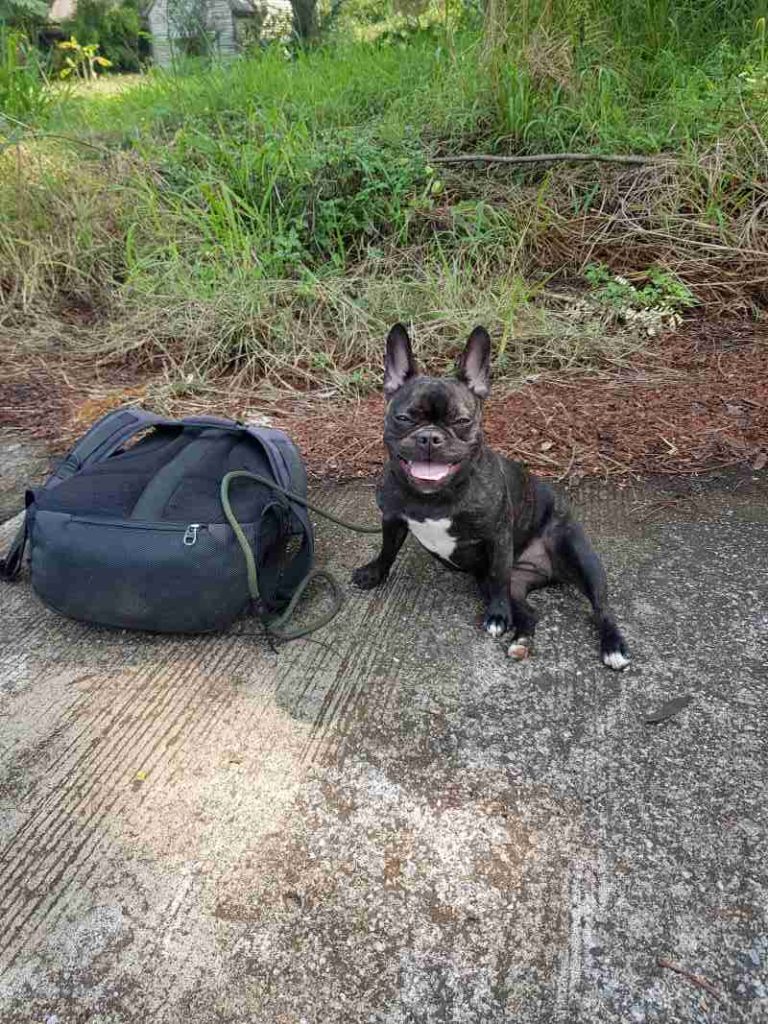
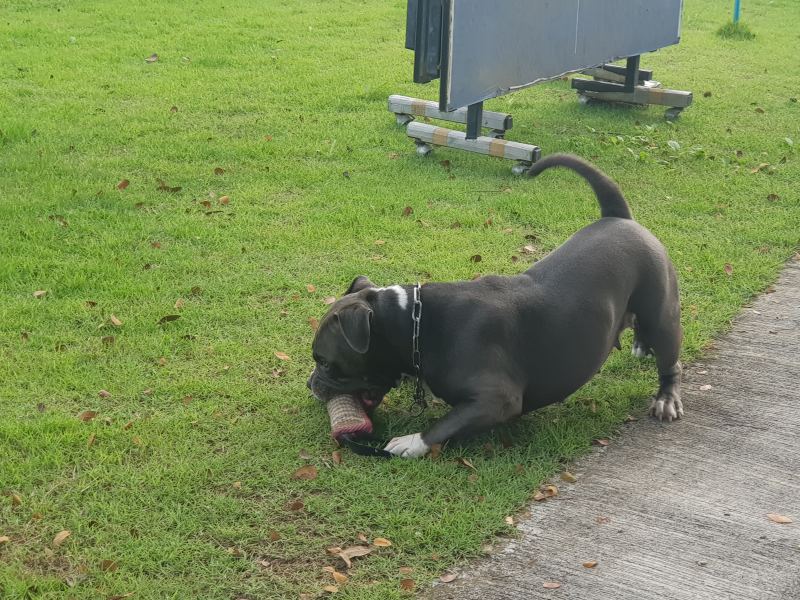
Solutions begin with clarity. By distinguishing fear-driven behaviors from under-stimulation, you target the true cause. Compassion and tailored strategies turn chaos into calm connection.
Neurobiology and Stress Physiology
The HPA Axis: Your Dog’s Stress Highway
Deep within your dog’s brain, the Hypothalamic-Pituitary-Adrenal (HPA) axis acts as a biological alarm system. When triggered by separation or stress, this system floods your dog’s body with cortisol – the primary stress hormone. Understanding this physiological response helps explain why some dogs seem unable to “just calm down” when left alone.
The stress cascade works like this:
- Initial trigger: Your departure cues activate the hypothalamus
- Signal transmission: The pituitary gland receives the distress signal
- Hormone release: Adrenal glands pump cortisol into the bloodstream
- Physical response: Heart rate increases, muscles tense, attention hyper-focuses
In dogs with separation anxiety, this system becomes hypersensitive. Even minor departure cues – picking up your keys, putting on shoes – can trigger a full stress response. Chronic activation of the HPA axis leads to persistently elevated cortisol levels, manifesting as destructive behavior as your dog attempts to cope with overwhelming physiological distress.
This isn’t something your dog can simply “get over” through willpower. The biological response is involuntary, much like how you might feel your heart race before a presentation. Recognizing this helps us approach treatment with appropriate medical and behavioral interventions rather than punishment.
Neurotransmitter Influence: The Chemical Orchestra
Your dog’s brain chemistry plays a symphony of signals that influence their behavior when alone. Dopamine, serotonin, and natural opioids work together to regulate mood, reward-seeking, and compulsive behaviors. When this delicate balance disrupts, destructive patterns can emerge.
Dopamine pathways drive reward-seeking behavior. When your dog successfully destroys something, the accomplishment can trigger dopamine release, creating a self-reinforcing cycle. This explains why some dogs seem almost addicted to destruction – they’re literally getting a chemical reward from the behavior.
Serotonin imbalances affect mood regulation and impulse control. Dogs with lower serotonin activity may struggle more with:
- Anxiety and depression when alone
- Compulsive behaviors like excessive chewing
- Difficulty settling or self-soothing
- Heightened stress responses to triggers
Natural opioid systems provide pain relief and pleasure. Research shows that narcotic antagonists can modify stereotypic self-chewing behaviors, suggesting that repetitive destruction might serve as a form of self-medication through endogenous opioid release.
Understanding these neurobiological factors removes blame from both you and your dog. This isn’t about being a “bad dog” or a “bad owner” – it’s about brain chemistry that can be addressed through appropriate interventions.
Frustration as a Destructive Force
Frustration represents a unique form of psychological stress that can drive destructive behavior. When your dog encounters blocked goals – whether that’s reaching you, accessing entertainment, or fulfilling natural drives – the resulting frustration triggers both physiological and behavioral changes.
Consider these frustration triggers:
- Blocked social access: Seeing you leave but being unable to follow
- Unmet expectations: Anticipating playtime or walks that don’t materialize
- Environmental barriers: Doors, gates, or crates preventing desired movement
- Mental under-stimulation: Intelligence without appropriate challenges
This frustration doesn’t simply dissipate – it builds like pressure in a container. Destructive behavior becomes the release valve, allowing your dog to discharge this accumulated tension through physical action. The destruction isn’t planned or vindictive; it’s a displacement activity that helps regulate intense internal states.
Research demonstrates that hasty introductions to challenges create more stress-related behaviors compared to gradual, supportive approaches. This principle applies directly to helping frustrated dogs: sudden restrictions or changes amplify frustration, while gradual adjustments allow healthy coping strategies to develop 🧠
Environmental and Social Factors
Time Alone: The Ticking Clock of Distress
The relationship between time spent alone and destructive behavior isn’t always linear, but duration matters significantly. For dogs with separation anxiety, each minute alone can feel like an eternity, with stress hormones accumulating and emotional distress intensifying. Meanwhile, dogs prone to boredom may cope well initially but reach a tipping point where accumulated energy demands release.
Understanding your dog’s time threshold helps you plan interventions:
- 0-30 minutes: Most dogs remain calm; anxiety-prone dogs may already show distress
- 30 minutes – 2 hours: Boredom begins setting in for active breeds
- 2-4 hours: Mental stimulation depletes; destructive outlets become appealing
- 4+ hours: Even well-adjusted dogs may struggle without breaks
This timeline varies based on age, breed, temperament, and past experiences. Puppies and adolescent dogs typically have shorter tolerance for solitude, while senior dogs might rest comfortably for longer periods. Working breeds need more frequent mental and physical engagement compared to companion breeds bred for lower activity levels.
The key isn’t avoiding all alone time – that’s unrealistic and can create dependency. Instead, gradually build your dog’s tolerance while ensuring their needs are met before, during, and after solo periods.
Environmental Enrichment: Creating a Satisfying Space
An enriched environment acts as a buffer against destructive behavior, providing your dog with appropriate outlets for their natural behaviors. Think of your home as your dog’s entire world when you’re away – is it engaging enough to prevent boredom-driven destruction?
Physical enrichment addresses your dog’s need for movement and exploration:
- Puzzle feeders that turn mealtime into mental work
- Rotating toy selections to maintain novelty
- Safe chew items with varying textures and difficulties
- Snuffle mats hiding treats for foraging behavior
- Window perches for environmental observation
Sensory enrichment engages multiple senses:
- Classical music or specially designed dog relaxation sounds
- Pheromone diffusers creating calming chemical signals
- Different textures in bedding and play areas
- Safe scents like lavender or your worn clothing for comfort
Cognitive enrichment challenges your dog’s problem-solving abilities:
- Interactive toys requiring manipulation for rewards
- Hidden treats encouraging search behaviors
- Training sessions before departure depleting mental energy
- Food-dispensing toys extending engagement time
Research confirms that enriched environments reduce threat perception and mitigate adverse effects of stress. Your investment in environmental enrichment pays dividends through reduced destruction and improved emotional well-being.
Owner Routines: The Power of Predictability
Your daily routines profoundly impact your dog’s emotional security and coping abilities. Dogs are masters at reading environmental cues, quickly learning to associate specific actions with your impending departure. How you structure these routines can either heighten or reduce anxiety-driven destruction.
Departure cues that may trigger anxiety:
- Picking up keys or work bag
- Putting on specific clothing or shoes
- Morning bathroom routines
- Checking phones or turning off lights
- Saying goodbye phrases
To reduce the emotional charge of these cues, practice “fake departures” – perform your leaving routine but don’t actually leave. This breaks the predictive association between cues and abandonment. You might pick up your keys, then sit down to watch TV. Put on your coat, then take it off and prepare dinner. These exercises help desensitize your dog to departure triggers.
Return greetings also influence behavior. While it’s natural to enthusiastically greet your dog after absence, overly excited reunions can inadvertently reinforce anxiety. If your return is the highlight of your dog’s day, the separation becomes even more distressing by contrast. Instead, keep greetings calm and low-key, waiting for your dog to settle before providing attention.
Creating predictable schedules helps your dog anticipate and prepare for alone time:
- Consistent departure and return times when possible
- Regular exercise before leaving to tire them physically
- Feeding schedules that promote rest during absence
- Established quiet time routines teaching independent relaxation
This predictability builds emotional security, helping your dog understand that departures are temporary and manageable 🧡

Training and Behavioral Interventions
Desensitization: Rewiring the Anxiety Response
Desensitization represents one of the most effective approaches for addressing separation-related destruction. This systematic process gradually exposes your dog to departure cues and brief absences without triggering full-blown anxiety, allowing new, calmer associations to form.
Begin with micro-departures that don’t trigger anxiety:
- Stand and sit immediately – reward calm behavior
- Walk to the door and return – no actual leaving
- Touch the doorknob – gradually increase interaction
- Open and close the door – remain visible
- Step outside briefly – seconds at first
- Gradually extend duration – increase by small increments
The key is progressing slowly enough that your dog remains calm throughout. If you notice signs of distress (whining, pacing, excessive attention-seeking), you’ve moved too quickly. Return to the previous successful step and practice there longer before advancing.
Departure cue desensitization runs parallel to absence training:
- Pick up keys randomly throughout the day without leaving
- Put on “leaving clothes” during relaxation times
- Carry your work bag around the house casually
- Practice your morning routine on weekends without departing
This process requires patience – expect weeks to months for significant improvement. However, the investment yields lasting results, creating a dog who can cope confidently with solitude.
Crate Training: Creating a Safe Haven
When properly introduced, a crate becomes your dog’s personal sanctuary – a safe space that prevents destructive behavior while providing security. The emphasis here is on “properly introduced,” as forced confinement without preparation can worsen anxiety and create negative associations.
Phase 1: Introduction (Days 1-7) Make the crate inviting without any pressure:
- Place comfortable bedding and favorite toys inside
- Feed meals near, then inside the open crate
- Hide special treats for discovery
- Never force entry or close the door initially
Phase 2: Positive Association (Days 8-14) Build voluntary crate use:
- Toss treats inside throughout the day
- Provide special chew toys only available in the crate
- Practice “crate” command with immediate rewards
- Begin closing door briefly during meals
Phase 3: Duration Building (Weeks 3-4) Gradually extend crate time:
- Close door for seconds, then minutes while you’re present
- Move around the room while dog is crated
- Practice brief departures from the room
- Slowly increase duration based on comfort level
Phase 4: Integration (Week 5+) Incorporate crate use into daily routine:
- Use during your actual departures
- Ensure exercise and bathroom needs are met first
- Provide long-lasting enrichment items
- Keep departures and returns low-key
Remember, the crate should never feel like punishment. It’s a management tool that, when used correctly, provides structure and security that many dogs find comforting.
Interactive Solutions: Engagement During Absence
Modern technology and creative solutions offer ways to keep your dog engaged even when you’re not home. These interactive approaches can significantly reduce destructive behavior by addressing boredom and providing mental stimulation.
Puzzle toys and feeders transform mealtime into an engaging activity:
- Start with simple puzzles, gradually increasing difficulty
- Rotate different types to maintain interest
- Use portion of daily food ration to avoid overfeeding
- Consider time-release feeders for extended engagement
Technology-based solutions provide remote interaction:
- Pet cameras with two-way audio for check-ins
- Treat-dispensing cameras for remote rewards
- Automated ball launchers for physical exercise
- Pet entertainment robots offering interactive play
Environmental management creates ongoing stimulation:
- Leave TV or radio on appropriate channels
- Rotate accessible toys daily
- Create treasure hunts with hidden treats
- Provide window access for environmental watching
Professional services offer human interaction:
- Midday dog walker visits
- Doggy daycare for social dogs
- Pet sitters for extended absences
- Neighbor check-ins for brief interactions
The goal isn’t to eliminate all alone time but to make it more manageable and enriching. Combining multiple strategies creates a comprehensive approach addressing different aspects of your dog’s needs.
Calming Aids: Supporting the Journey
While training addresses the root cause of destructive behavior, calming aids can provide valuable support during the modification process. These tools help reduce overall anxiety levels, making it easier for your dog to learn new coping strategies.
Pheromone therapy mimics natural calming signals:
- Dog Appeasing Pheromone (DAP) diffusers for ongoing support
- Spray formulations for specific areas or travel
- Collar applications for continuous exposure
- Evidence shows reduced stress indicators in many dogs
Anxiety wraps provide gentle pressure:
- Thundershirts or similar compression garments
- Calming effect similar to swaddling infants
- Most effective when introduced gradually
- Can be worn during departures or throughout the day
Nutraceutical supplements support neurological balance:
- L-theanine for promoting relaxation
- Alpha-casozepine mimicking natural calming proteins
- Tryptophan supporting serotonin production
- CBD products (consult veterinarian for proper use)
- Always introduce gradually and monitor response
Prescription medications for severe cases:
- Anti-anxiety medications prescribed by veterinarians
- Often combined with behavior modification
- Not a standalone solution but part of comprehensive treatment
- Regular monitoring and adjustment needed
These aids work best as part of a multi-modal approach. They’re tools to support behavior modification, not replacements for addressing underlying causes. Always consult with your veterinarian before starting any supplement or medication regimen.
Welfare and Practical Implications
The Human-Dog Bond: Protecting What Matters Most
Destructive behavior tests even the strongest human-dog relationships. The frustration of returning home to destroyed belongings, combined with financial strain from replacements and repairs, can erode the patience and affection that form your bond’s foundation. Understanding this impact helps us appreciate why addressing destruction is crucial for both species’ welfare.
When destruction becomes chronic, owners often experience:
- Emotional exhaustion from constant vigilance and cleanup
- Financial pressure from replacing damaged items
- Social embarrassment when visitors see the damage
- Housing concerns with rental property damage
- Relationship stress when family members disagree on solutions
Your dog suffers equally when the bond weakens:
- Increased anxiety from owner frustration
- Reduced positive interactions and playtime
- Potential punishment that worsens anxiety
- Risk of relinquishment to shelters
- Loss of their primary attachment figure
Research reveals that behavioral issues remain the primary reason for dog relinquishment to shelters, with destructive behavior ranking among the top concerns. This heartbreaking outcome is largely preventable through early intervention and appropriate support. By addressing destruction proactively, you’re not just saving your furniture – you’re preserving the relationship that enriches both your lives.
Veterinary Involvement: When Professional Help is Essential
Your veterinarian should be your first stop when destructive behavior emerges, yet many owners don’t think to mention behavioral concerns during routine visits. Veterinary professionals can provide crucial insights and interventions that complement training efforts.
Medical rule-outs ensure physical health isn’t contributing:
- Dental pain driving excessive chewing
- Gastrointestinal issues causing pica (eating non-food items)
- Neurological conditions affecting behavior
- Hormonal imbalances influencing anxiety levels
- Age-related cognitive changes in senior dogs
Behavioral screening during routine exams helps identify issues early:
- Questions about alone-time behavior
- Assessment of anxiety indicators
- Discussion of recent changes or stressors
- Evaluation of overall emotional well-being
- Recommendations for preventive strategies
Professional referrals connect you with specialists:
- Certified veterinary behaviorists for complex cases
- Qualified dog trainers experienced with separation anxiety
- Support groups for owners facing similar challenges
- Resources for ongoing education and guidance
Don’t wait for destruction to become severe before seeking help. Early intervention often means simpler solutions and better outcomes. Your veterinarian can also document behavioral concerns, which may be important for insurance claims or housing situations.
Prevention During Puppyhood: Setting the Foundation
The seeds of destructive behavior are often planted during puppyhood, making early intervention crucial. Breeders, trainers, and new puppy owners all play vital roles in preventing future problems through thoughtful early experiences.
Critical socialization period (3-14 weeks) shapes future coping abilities:
- Gradual introduction to alone time in tiny increments
- Positive associations with confinement areas
- Exposure to various environments and stimuli
- Building confidence through controlled challenges
- Teaching self-soothing through appropriate chew items
Independence training builds resilience:
- Start with seconds of separation, not minutes
- Practice in different rooms while puppy is occupied
- Use baby gates before closed doors
- Reward calm, independent play
- Avoid making departures and returns dramatic events
Appropriate outlet establishment channels natural behaviors:
- Provide variety of safe chew textures
- Rotate toys to maintain novelty
- Redirect inappropriate chewing immediately but gently
- Reward choosing appropriate items
- Make appropriate items more appealing than furniture
Breeder responsibilities extend beyond basic care:
- Early neurological stimulation protocols
- Gradual weaning promoting emotional independence
- Individual time away from littermates
- Introduction to various surfaces and textures
- Documentation of temperament for placement decisions
Puppyhood represents a golden opportunity for prevention. The effort invested during these formative months pays dividends throughout your dog’s lifetime, potentially preventing years of destructive behavior and strengthening your lifelong bond 🐾
Advanced Strategies and Long-term Management
Building Emotional Resilience
Emotional resilience – your dog’s ability to cope with stress and recover from challenges – forms the foundation of long-term success. Rather than simply managing symptoms, we’re building your dog’s capacity to handle solitude confidently.
Confidence-building exercises strengthen emotional foundations:
- Trick training developing problem-solving skills
- Agility or nose work promoting independence
- Controlled exposure to novel experiences
- Successful challenge completion building self-efficacy
- Positive reinforcement for brave choices
Predictable routines create security:
- Consistent daily structure reducing uncertainty
- Clear communication through established cues
- Regular relaxation periods teaching calm as default
- Balanced activity and rest cycles
- Reliable owner responses to needs
Relationship strengthening enhances trust:
- Quality time focused on connection, not just training
- Play sessions building positive associations
- Gentle handling and grooming promoting calm touch
- Synchronized breathing exercises for co-regulation
- Celebrating small victories together
This approach shifts focus from problem elimination to capacity building. You’re not just stopping destruction; you’re creating a emotionally robust dog who can face challenges with confidence.
The Role of Exercise and Mental Stimulation
“A tired dog is a good dog” oversimplifies the relationship between exercise and behavior, but physical and mental activity undeniably influence destructive tendencies. The key lies in finding the right balance for your individual dog.
Physical exercise requirements vary dramatically:
- Working breeds may need 2+ hours of activity daily
- Senior dogs might require gentle, shorter sessions
- Puppies need frequent but brief play periods
- Consider swimming for joint-friendly exercise
- Match intensity to fitness level, building gradually
Mental stimulation often matters more than physical exercise:
- 15 minutes of training can equal an hour’s walk in tiredness
- Scent work engages natural abilities
- Food puzzles provide problem-solving opportunities
- New experiences create cognitive challenges
- Social interaction with appropriate playmates
Timing considerations maximize benefit:
- Morning exercise sets calm tone for the day
- Avoid intense activity immediately before departure
- Allow cool-down period preventing heightened arousal
- Evening activities promote better sleep
- Weekend adventures don’t replace daily needs
The goal isn’t exhaustion but satisfaction. An appropriately exercised and mentally stimulated dog has less need for destructive outlets. However, over-exercise can create an athlete who requires increasingly intense activity, so find your dog’s sweet spot.
Creating Support Networks
Addressing destructive behavior shouldn’t be a solitary journey. Building a support network provides resources, encouragement, and practical assistance during challenging times.
Professional team members offer expertise:
- Veterinarian overseeing medical aspects
- Certified trainer providing technique guidance
- Veterinary behaviorist for complex cases
- Dog walker or daycare for additional support
- Pet sitter familiar with your dog’s needs
Community connections provide ongoing support:
- Local training clubs for continued education
- Online forums connecting with others facing similar challenges
- Neighbor networks for emergency assistance
- Play date arrangements for socialization
- Support groups for emotional encouragement
Family involvement ensures consistency:
- All household members understanding the plan
- Consistent responses to behaviors
- Shared responsibility for exercise and training
- Open communication about challenges
- Celebration of progress together
Remember, seeking help demonstrates wisdom, not weakness. The most successful outcomes often involve multiple perspectives and resources working together toward your dog’s well-being.
Success Stories and Case Studies
From Destruction to Peace: Real Transformations
Understanding that change is possible can provide hope during difficult moments. Let’s explore how the principles we’ve discussed translate into real-world success.
Consider Max, a two-year-old Border Collie mix whose destruction focused on door frames and windows when left alone. His owners initially tried punishment, which worsened his anxiety. Through careful observation, they recognized separation anxiety patterns: destruction at exit points, excessive drooling, and neighbor reports of continuous barking.
Their intervention combined multiple strategies:
- Gradual desensitization over three months
- Crate training with positive associations
- DAP diffuser installation
- Morning agility training before work
- Lunchtime walker visits
- Prescription anti-anxiety medication (temporary)
Progress wasn’t linear – setbacks occurred during schedule changes and after a thunderstorm increased overall anxiety. However, after six months, Max could stay alone for six hours without destruction. The key was patience, consistency, and addressing anxiety’s root cause rather than just symptoms.
Another success involved Bella, a young Labrador whose boredom-driven destruction included three couches in her first year. Her family realized she needed more than physical exercise – she craved mental challenges. They implemented:
- Puzzle feeders for all meals
- Rotating toy collection maintaining novelty
- Frozen Kong toys lasting hours
- Scent work training engaging natural abilities
- Doggy daycare twice weekly for social stimulation
Within weeks, destruction decreased dramatically. Bella’s story illustrates how matching interventions to underlying causes creates lasting change. She didn’t need anxiety medication – she needed appropriate outlets for her intelligence and energy.
Troubleshooting Common Challenges
When Progress Stalls
Even well-designed intervention plans sometimes hit plateaus. Recognizing common obstacles helps you adjust strategies rather than abandoning hope.
Inconsistent implementation undermines progress:
- All family members must follow protocols
- Document daily training to identify gaps
- Use phone reminders for training sessions
- Consider video recording for technique review
- Adjust plans to be more realistically achievable
Extinction bursts may temporarily worsen behavior:
- Destruction might increase before improving
- This indicates the intervention is working
- Maintain consistency through this phase
- Prepare for potential property protection
- Remember this is temporary
Environmental changes can trigger setbacks:
- Moving homes, new family members, or schedule changes
- Temporarily increase support during transitions
- Gradually reestablish routines
- Expect some regression as normal
- Celebrate returning to baseline as success
Hidden medical issues may emerge later:
- Subtle pain increasing anxiety
- Cognitive decline in aging dogs
- Sensory changes affecting perception
- Regular veterinary checkups catch changes
- Adjust plans based on medical findings
When progress stalls, avoid dramatic strategy changes. Small adjustments often restart forward movement. Document patterns to identify triggers, and don’t hesitate to seek professional guidance.
The Road to Recovery: Your Action Plan
Immediate Steps to Take Today
Starting your journey toward resolution doesn’t require perfection – it requires action. Here’s your practical roadmap for beginning immediately:
Today:
- Document current destruction patterns with photos
- Remove or protect valuable items temporarily
- Provide appropriate chew alternatives immediately
- Schedule veterinary appointment for health check
- Begin departure cue desensitization casually
This Week:
- Implement basic environmental enrichment
- Start micro-departures if anxiety is suspected
- Increase daily exercise by 20%
- Research local trainers or behaviorists
- Join online support community
This Month:
- Establish consistent daily routine
- Begin formal training protocol
- Evaluate need for calming aids
- Track progress in behavior journal
- Adjust plan based on results
Ongoing:
- Maintain training consistency
- Gradually increase alone time
- Continue enrichment variety
- Monitor for new stressors
- Celebrate incremental improvements
Remember, every dog progresses at their own pace. Some show improvement within days, while others need months of patient work. The key is starting and maintaining forward momentum, no matter how small the steps.
Conclusion: Hope for Harmony
Destructive behavior when alone doesn’t define your dog or predict your future together. It’s a solvable problem that, when addressed with understanding and appropriate intervention, can actually strengthen your bond through the journey of resolution.
You’ve learned that destruction stems from emotional distress, boredom, or unmet needs – not spite or bad character. You understand the neurobiological factors driving these behaviors and recognize environmental and social influences. Most importantly, you now have practical tools for creating positive change.
The path forward requires patience, consistency, and sometimes professional support. There will be setbacks and frustrations, but also breakthrough moments that remind you why you fell in love with your furry friend in the first place. Each small success builds toward a future where both you and your dog feel secure and content, whether together or apart.
Your commitment to understanding and addressing your dog’s destructive behavior demonstrates the depth of your bond. This challenging phase will pass, replaced by years of companionship built on mutual trust and understanding. Your furniture will be safe, but more importantly, your dog will be emotionally secure and your relationship will be stronger than ever.
Take heart in knowing you’re not alone in this journey. With the right approach, professional support when needed, and unwavering patience, you and your dog will overcome this challenge together. The peaceful homecomings you envision are not just possible – they’re waiting just around the corner 🧡










