Introduction
Have you ever watched your Border Collie stare intensely at shadows for hours, or witnessed your German Shepherd pace relentlessly despite a long morning run? You’re not alone in wondering why your intelligent, athletic companion seems unable to settle, even after what should be exhausting exercise. The phenomenon of over-motivated dogs represents one of the most misunderstood aspects of canine behavior, where exceptional drive—the very trait that makes these dogs remarkable workers—transforms into a source of frustration for both dog and owner.
Let us guide you through understanding this complex behavioral pattern that affects thousands of working breed dogs living in companion homes today. The journey from healthy motivation to destructive energy isn’t simply about “too much energy”—it’s a neurobiological cascade involving specific brain systems, genetic predispositions, and environmental triggers that we’re only beginning to fully comprehend.
Understanding the Neurobiological Foundation
The Brain Chemistry Behind Your Dog’s Drive
Your dog’s motivation isn’t just a personality trait—it’s a carefully orchestrated symphony of neurotransmitters dancing through specialized brain pathways. When you watch your furry friend fixate on that tennis ball with laser-like intensity, you’re witnessing the dopaminergic system in full activation. This powerful neuromodulator doesn’t just influence wakefulness; it fundamentally shapes how your dog experiences rewards, processes motivation, and maintains behavioral activation.
Key Neurotransmitter Systems at Work:
- Dopamine (DA): Controls reward processing, motivation intensity, and goal-directed behavior—this is why your dog never tires of their favorite game
- Norepinephrine (NE): Manages arousal levels, vigilance, and attention focus—responsible for that laser-sharp concentration during work
- Serotonin: Regulates mood stability and impulse control—when depleted, compulsive behaviors emerge
- GABA: Acts as the brain’s “brake pedal”—insufficient GABA activity means your dog can’t self-soothe
- Cortisol: The stress hormone that, in excess, maintains chronic states of hypervigilance
The noradrenergic system, particularly centered in a brain region called the locus coeruleus, works alongside dopamine to create what researchers describe as a “wakeful and rewarded configuration.” Think of it as your dog’s internal accelerator pedal—when properly regulated, it drives focused attention, appropriate arousal, and productive engagement. But when these systems become overactivated without appropriate outlets, that same accelerator gets stuck, pushing your companion past the point of healthy stimulation into a state of chronic overdrive.
Did you know that the same neurotransmitter systems that help search-and-rescue dogs maintain hours of focused searching can, when dysregulated, lead to compulsive tail-chasing or shadow-stalking? This dual nature of neurobiological drive reveals why understanding your dog’s brain chemistry matters far more than simply providing “more exercise.”
When Motivation Tips Into Stress
The transition from healthy enthusiasm to destructive anxiety follows a predictable neurological pattern that every owner of a high-drive dog should recognize. As arousal levels climb without resolution, your dog’s hypothalamic-pituitary-adrenocortical (HPA) axis—essentially their stress response headquarters—begins pumping out cortisol and adrenaline at unsustainable rates.
Progressive Warning Signs to Watch:
- Early Stage: Slightly faster responses, occasional demand barking, difficulty waiting for cues
- Escalation Phase: Snatching treats or toys, whining during calm activities, shortened attention span
- Pre-Threshold: Inability to respond to known cues, dilated pupils even in bright light, excessive panting without heat
- Over-Threshold: Frantic repetitive behaviors, redirected frustration onto objects or other pets, complete disconnection from handler
- Crisis State: Self-injurious behaviors, prolonged vocalization, inability to eat or rest
This biochemical shift doesn’t happen suddenly. You might notice your usually focused retriever beginning to snatch at the ball rather than waiting for release, or your typically attentive shepherd starting to vocalize with increasing pitch and frequency during training sessions. These subtle changes signal that arousal is exceeding your dog’s capacity for self-regulation, pushing them toward what behaviorists call “over-threshold” states.
The amygdala, your dog’s emotional processing center, becomes hypersensitive during these periods, interpreting neutral stimuli as significant threats or opportunities requiring immediate action. A rustling leaf becomes a must-chase target; a distant dog bark triggers frantic fence-running; the mail carrier’s daily arrival precipitates an explosion of defensive behavior that seems wildly disproportionate to the actual “threat.” 🧠
Recognizing Behavioral Manifestations
The Destructive Energy Spectrum
Understanding how over-motivation manifests requires looking beyond simple “bad behavior” labels to recognize the underlying emotional states driving these actions. Your over-motivated dog isn’t being defiant—they’re desperately trying to self-regulate in the only ways available to them.
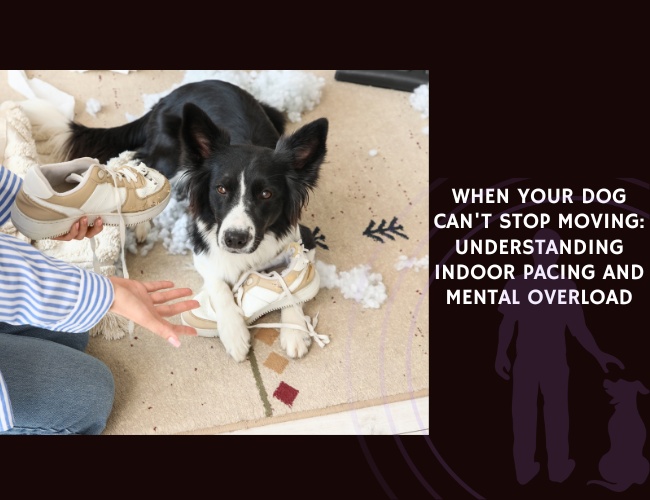
Physical Destruction Patterns emerge as primary outlets when mental stimulation falls short of matching physical energy expenditure. That destroyed couch cushion represents more than mischief; it’s often a dog attempting to engage problem-solving drives through texture exploration and systematic deconstruction.
Common Destructive Behaviors by Category:
- Oral Destruction: Shredding pillows, de-stuffing toys, stripping wallpaper, chewing furniture legs—satisfies investigation and dissection drives
- Environmental Modification: Digging at carpets, scratching doors, creating den-like spaces—attempts to control environment when internally chaotic
- Object Obsession: Fixating on specific items, hoarding toys, resource guarding random objects—creating predictable control when overwhelmed
- Self-Directed: Excessive licking, tail chasing, flank sucking, fur pulling—self-soothing behaviors that become compulsive
- Barrier Frustration: Destroying crates, breaking through screens, jumping fences—desperate attempts to reach perceived goals
Compulsive Repetitive Behaviors develop when normal behavioral sequences become “stuck” in endless loops. You might observe your dog engaging in marathon sessions of ball-fixation, where even exhaustion doesn’t diminish the intense staring and whining. Shadow-chasing, light-pursuing, or imaginary fly-snapping represent the brain’s attempt to create achievable goals when real ones remain persistently out of reach.
Vocalization Escalation Patterns:
- Quiet whining → Intermittent barking → Continuous barking → High-pitched screaming
- Context-specific barking → Generalized alert barking → Non-stop vocalization
- Attention whines → Demand barks → Frustrated growling → Redirected aggression
Over-Motivation Versus Under-Stimulation
The distinction between an over-motivated dog and a simply bored one lies in their physiological state and behavioral presentation. Understanding these differences is crucial for appropriate intervention.
Bored Dog Indicators:
- Sleeps excessively but wakes easily and engages readily
- Mild destructive behavior that stops when interrupted
- Seeks interaction but accepts “not now” signals
- Quick recovery after activities (5-10 minutes to settle)
- Maintains appetite and normal social behaviors
- Performance improves immediately with engagement
Over-Motivated Dog Indicators:
- Restless sleep, startles awake, remains vigilant even when “resting”
- Intense, focused destruction that continues despite interruption
- Demands interaction, escalates when denied
- Prolonged recovery time (30+ minutes to achieve baseline calm)
- Eating too fast or skipping meals due to arousal
- Performance deteriorates with increased stimulation
- Physical signs: dilated pupils, persistent panting, muscle tension
Your over-motivated companion exists in a state of chronic physiological arousal that mere activity cannot resolve. They might complete an agility course flawlessly yet remain frantically seeking the next task within seconds of finishing. This dog doesn’t need more stimulation—they need help learning to process and regulate the stimulation they’re already experiencing. 🐾
Breed-Specific Considerations
Working Heritage and Modern Challenges
The genetic architecture of working breeds represents thousands of years of selective breeding for intense, sustained focus and drive. Your Border Collie’s ancestors needed to maintain vigilant attention on sheep for entire days; your Malinois’s predecessors required explosive energy reserves for protection work; your Jack Russell’s forebears pursued quarry with relentless determination through underground tunnels.
High-Risk Breed Categories and Their Specific Challenges:
Herding Breeds (Australian Shepherds, Border Collies, German Shepherds, Australian Cattle Dogs):
- Genetic Drives: Eye-stalk-chase sequences, movement control, gathering instincts
- Modern Manifestations: Chasing cars/bikes/joggers, nipping at children’s heels, obsessive shadow tracking
- Management Needs: Structured “herding” games using toys, regular obedience work, mental puzzles
- Risk Factors: OCD behaviors, noise phobias, separation anxiety
Protection Breeds (Belgian Malinois, Dutch Shepherds, Rottweilers, Dobermans):
- Genetic Drives: Territory monitoring, threat assessment, defensive reactions
- Modern Manifestations: Hypervigilance at windows, excessive barking at sounds, barrier aggression
- Management Needs: Controlled protection sports, confidence building, clear on/off switches
- Risk Factors: Redirected aggression, handler sensitivity, environmental reactivity
Terrier Breeds (Jack Russell, Rat Terriers, Patterdale, Bull Terriers):
- Genetic Drives: Independent hunting, prey pursuit, “shake and kill” sequences
- Modern Manifestations: Destroying squeaky toys obsessively, digging, small animal chasing
- Management Needs: Barn hunt activities, flirt pole games with rules, dig boxes
- Risk Factors: Dog aggression, resource guarding, frustration intolerance
Sporting Breeds (Vizslas, German Shorthaired Pointers, Weimaraners, Brittanys):
- Genetic Drives: Sustained searching, pointing/flushing, soft-mouth retrieval
- Modern Manifestations: Carrying objects constantly, restless pacing, stealing items for attention
- Management Needs: Structured fetch with finding component, scent work, swimming
- Risk Factors: Separation distress, oral fixations, attention-seeking behaviors
Individual Variation Within Breeds
Not every Border Collie becomes obsessive, and not every Labrador remains eternally mellow. Individual genetic variation, combined with early developmental experiences, creates unique behavioral phenotypes even within highly selected breed lines.
Factors Influencing Individual Arousal Thresholds:
- Genetic Line: Working lines versus show lines can differ dramatically in drive intensity
- Birth Order: First and last puppies often show extremes in confidence and arousal
- Early Nutrition: Nutritional stress during gestation affects stress reactivity throughout life
- Maternal Stress: Stressed mothers produce puppies with lower stress thresholds
- Weaning Age: Early weaning (before 8 weeks) correlates with increased anxiety
- Initial Home Environment: Chaotic or sterile environments during critical periods affect regulation
- Socialization Quality: Varied, positive experiences between 3-14 weeks build resilience
- Trauma History: Single traumatic events can permanently alter arousal baselines
The quality of maternal care also influences stress reactivity. Puppies whose mothers displayed calm, attentive behavior inherit not just genes but also learned coping strategies through observational learning. This explains why two littermates can display vastly different arousal thresholds despite identical genetics—their individual experiences shape neurological development in profound ways.

Environmental and Human Factors
The Role of Modern Lifestyle
Contemporary dog ownership often inadvertently creates perfect storms for over-motivation problems. You might provide what seems like abundant exercise—hour-long runs, endless fetch sessions, dog park visits—yet find your dog more wired than ever. This paradox reveals a fundamental misunderstanding about canine enrichment needs.
Modern Lifestyle Factors That Exacerbate Over-Motivation:
- Urban Sensory Overload: Constant sirens, construction noise, dense foot traffic, limited green space
- Suburban Isolation: Large yards without structured activities, barrier frustration from fences, limited social opportunities
- Apartment Restrictions: Insufficient space for natural movement, elevator/stairwell stress, neighbor noise
- Work Schedule Conflicts: Long alone periods followed by guilt-driven intense exercise, weekend warrior syndrome
- Digital Age Distractions: Owners on phones during walks, missed communication signals, reduced genuine interaction
- Social Media Pressure: Comparing dogs to internet-famous pets, attempting viral tricks, overstimulation for content
- Over-scheduling: Agility, dock diving, and flyball in same week—no recovery time
Physical exercise alone, particularly repetitive high-arousal activities, can actually exacerbate over-motivation problems. Each ball chase floods your dog’s brain with dopamine and norepinephrine, creating an addiction-like cycle where increasing amounts of stimulation produce diminishing satisfaction.
Human Influence on Arousal Patterns
We unconsciously shape our dogs’ arousal patterns through our own energy, expectations, and interaction styles. That excited greeting when you return home, while emotionally satisfying for humans, can push an already aroused dog past their regulation threshold.
Common Human Behaviors That Escalate Arousal:
Morning Routine Mistakes:
- Immediately engaging in exciting play upon waking
- Feeding during peak excitement
- Using high-pitched “baby talk” voices
- Rushing through bathroom breaks
- Creating frantic “getting ready” energy
Exercise Errors:
- Relying solely on fetch or chase games
- Exercising only on weekends (weekend warrior syndrome)
- Stopping activities abruptly without cool-down
- Using dog parks as primary exercise
- Competing with other owners for “tired dog” status
Training Pitfalls:
- Rapid-fire command repetition
- Increasing voice volume when dog doesn’t respond
- Practicing only high-energy behaviors
- Training when frustrated or impatient
- Inconsistent reward timing
Social Mishaps:
- Allowing jumping greetings with guests
- Encouraging play-fighting with other dogs
- Permitting demand behaviors for attention
- Reinforcing excitement around other dogs
- Creating “party atmosphere” for visitors
Environmental Chaos:
- Constant background TV/music
- Unpredictable household schedules
- Frequent furniture rearrangement
- Inconsistent rules between rooms
- Multiple simultaneous activities
Household Inconsistencies That Create Anxiety:
- One family member allows couch access, another doesn’t
- Different commands used for same behavior (“down” vs “off” vs “get down”)
- Varying responses to same behavior (sometimes jumping is cute, sometimes punished)
- Irregular enforcement of rules (no begging except when eating pizza)
- Mixed signals about territory (guard the house but be friendly to strangers)
- Conflicting training methods between family members
- Random changes in routine without warning
The timing and type of exercise provided significantly impact arousal patterns. Morning runs immediately followed by eight hours alone create arousal spikes without resolution opportunities. Evening training sessions right before bedtime prevent the gradual arousal decline necessary for restorative sleep. 😊
Effective Intervention Strategies
Impulse Control Foundations
Building impulse control in over-motivated dogs requires systematic, progressive training that strengthens their behavioral “braking system.” You’re essentially teaching your dog to pause between stimulus and response, creating space for thoughtful rather than reactive behavior.
Core Impulse Control Exercises:
Permission-Based Living Protocol:
- Meals: Wait for eye contact and stillness before releasing to eat
- Doors: Automatic sit-stay before any threshold crossing
- Play: Toys remain boring until calm behavior “activates” them
- Affection: Petting only follows relaxed body language
- Walks: Leash attachment requires four feet on floor
- Furniture: Invitation required before jumping up
- Car: Must wait for release word before exiting
The Relaxation Protocol Progression:
Week 1 – Foundation:
- Reward simple down-stay for 5 seconds
- Gradually increase to 30 seconds
- Add duration in 5-second increments
- Practice in quietest room of house
- 3-5 sessions daily, 5 minutes each
Week 2 – Minor Distractions:
- Drop a pen while dog stays
- Take one step away and return
- Clap hands softly once
- Sit in chair near dog
- Open and close door quietly
Week 3 – Movement Challenges:
- Walk in circle around dog
- Jog in place briefly
- Bend down to tie shoe
- Walk to different room briefly
- Have helper walk past at distance
Week 4 – Environmental Sounds:
- Play doorbell sound at low volume
- Knock on table gently
- Crinkle paper bag
- Drop book on floor
- Play dog barking sounds quietly
Week 5 – Real-World Application:
- Practice during meal preparation
- Stay while you answer door
- Remain settled during phone calls
- Hold position while other pets move
- Maintain calm during TV watching
Structured Enrichment Protocols
True enrichment for over-motivated dogs involves more than just “tiring them out”—it requires engaging specific cognitive processes that promote satisfaction and neurological balance.
Scent Work Progression Schedule:
Foundation Phase (Weeks 1-2):
- Simple food searches in 3-5 cardboard boxes
- Increase box numbers gradually to 10-12
- Add height variation—some boxes on chairs
- Introduce “blank” boxes without rewards
- Begin naming the search cue (“find it”)
Discrimination Phase (Weeks 3-4):
- Introduce specific scent (birch or anise oil)
- Pair scent with food initially
- Gradually fade food, reward only for scent indication
- Add multiple search areas in same session
- Increase hide difficulty progressively
Advanced Applications (Ongoing):
- Vehicle searches (exterior first, then interior)
- Outdoor searches with weather variables
- Extended aged scent challenges (24+ hours)
- Buried source problems
- Multiple scent discrimination
- Blind hides (handler doesn’t know location)
Problem-Solving Challenge Levels:
- Level 1: Single-action solutions (flip bowl, move towel, open box)
- Level 2: Two-step sequences (open door then retrieve, remove lid then dig)
- Level 3: Choice points (select correct path among three options)
- Level 4: Tool use (use one object to access another)
- Level 5: Abstract concepts (match shapes, color discrimination, size sorting)
Cooperative Care Training Weekly Schedule:
- Monday: Nail trim positioning—reward for voluntary paw placement
- Tuesday: Tooth inspection—reward for lip lifts and mouth handling
- Wednesday: Ear checks—reward for head stillness during examination
- Thursday: Brushing cooperation—reward for standing still, position shifts
- Friday: Veterinary positions—practice lateral restraint, standing exam
- Saturday: Bath training—reward for tub entry, water tolerance
- Sunday: Integration—combine multiple procedures in one session
Environmental Management Solutions
Creating an environment that supports arousal regulation requires thoughtful design of both physical spaces and daily routines.
Essential Environmental Modifications:
Calm Zone Requirements:
- Location: Quietest room, away from street-facing windows
- Setup: Comfortable bedding, dim lighting capability, white noise machine
- Temperature: Slightly cool (65-68°F) to prevent overheating
- Scent: Consider lavender or chamomile diffusion
- Rules: No toys, no training, no exciting interactions
- Associations: Gentle massage, long-lasting chews, relaxation music
- Access: Always available as voluntary retreat space
Activity Zone Design:
- Space: Largest available area, easy-clean flooring
- Equipment: Training tools, puzzle toys, agility equipment safely stored
- Lighting: Bright for training, dimmable for cool-down
- Sound: Can play training music or motivation sounds
- Rules: All active play happens here exclusively
- Schedule: Specific times for activation (predictability)
- Transition: Always follow activity with cool-down protocol
Standard Cool-Down Sequence (20-minute protocol):
- Active Recovery (5 minutes): Gentle leash walk with encouraged sniffing
- Mental Transition (5 minutes): Simple nose work or find-it games
- Physical Calming (5 minutes): Slow massage or TTouch techniques
- Settle Practice (5 minutes): Mat work with long-lasting chew
- Free Time: Released only after achieving baseline calm
Visual and Auditory Management Strategies:
- Window Films: Frosted bottom half prevents fence-fighting triggers
- Strategic Furniture: Bookcases block high-traffic sight lines
- Sound Masking: White noise during peak neighborhood activity
- Curtain Schedules: Close during mail delivery, school bus times
- Designated Lookouts: One window left clear for supervised watching
- Calming Music: Classical or reggae during rest periods
- TV Guidelines: Nature documentaries only, no exciting animal shows
Driven. Restless. Unbalanced.
Motivation without balance becomes a burden. What begins as joyful focus quickly mutates into restlessness when your dog’s inner accelerator never finds release. The same systems that make working breeds brilliant partners can, unchecked, drive them into a cycle of compulsive energy.
Stress replaces clarity when arousal never fades. Elevated cortisol and adrenaline lock the body in survival mode, turning enthusiasm into anxiety. Instead of resting, the dog’s system fuels hypervigilance, leaving no space for calm recovery.
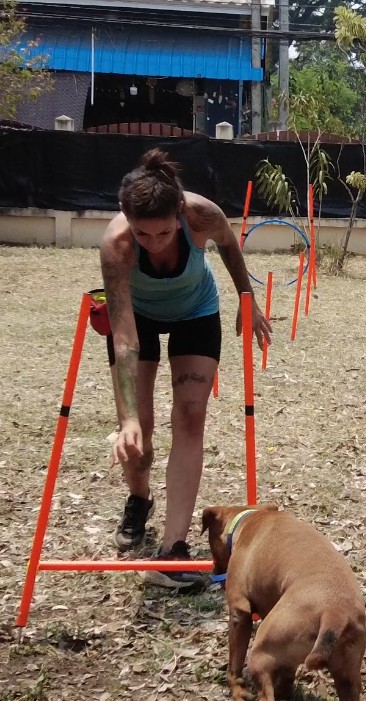
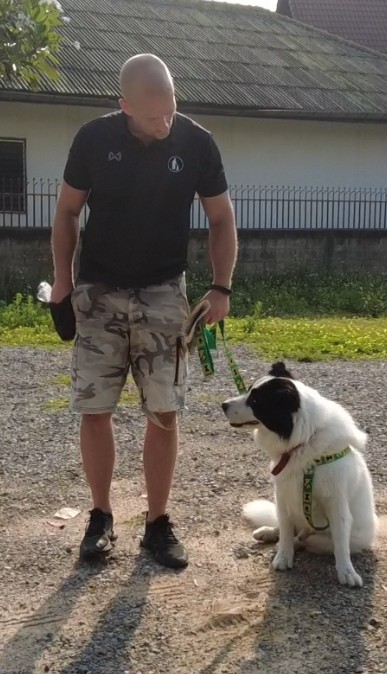
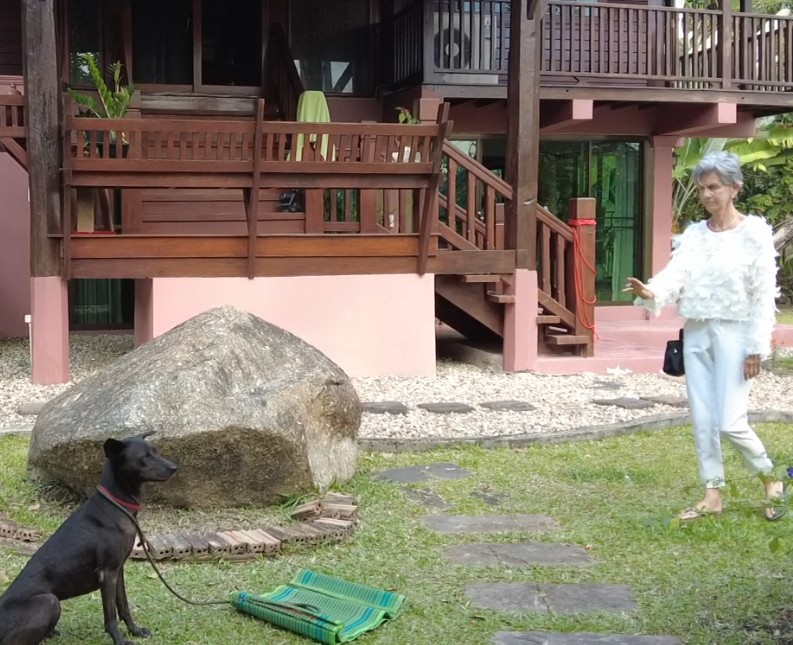
Unresolved drive erodes connection. When a dog tips into over-motivation, presence with the handler dissolves. Play, training, and partnership lose harmony as instinctive intensity overrides emotional alignment, transforming potential into destructive strain.
Long-term Management Approaches
Lifestyle Adaptations
Successfully managing an over-motivated dog requires embracing lifestyle changes that might initially seem restrictive but ultimately create more freedom for both you and your companion.
Daily Schedule Template for Over-Motivated Dogs:
Morning Routine (6:00-8:00 AM):
- 6:00 – Calm wake-up, no interaction for 5 minutes
- 6:15 – Bathroom break with sniffing time
- 6:30 – Breakfast using puzzle feeder
- 7:00 – Training session (10 minutes calm behaviors)
- 7:15 – Grooming and cooperative care
- 7:45 – Final potty break before workday
Midday Break (12:00-1:00 PM):
- Brief physical exercise (15 minutes structured walk)
- Scent work or mental enrichment (10 minutes)
- Calm settling practice (5 minutes)
- Bathroom opportunity
Evening Routine (5:00-9:00 PM):
- 5:00 – Decompression walk with sniffing
- 5:30 – Training focusing on impulse control
- 6:00 – Dinner in enrichment toy
- 7:00 – Calm indoor activities (chewing, gentle play)
- 8:00 – Final walk, rewarding calm behavior
- 9:00 – Begin settling routine for night
Weekly Decompression Schedule:
- Monday/Wednesday/Friday: Regular enrichment days with structured activities
- Tuesday/Thursday: Reduced stimulation days, focus on calm behaviors
- Saturday: Novel environment exploration (new trail, different park)
- Sunday: Complete decompression—minimal activities, lots of rest
Activity Quality Guidelines:
- Prioritize mental enrichment over physical exhaustion
- Vary activities to prevent pattern obsession
- Include “do nothing” training sessions
- Balance solo and interactive activities
- Incorporate choice and control opportunities
- End every session before peak arousal
Building Frustration Tolerance
Over-motivated dogs often display remarkably low frustration tolerance, expecting immediate gratification and struggling when goals remain blocked.
Graduated Waiting Exercise Protocol:
Week 1 – Foundation Building:
- 1-second waits before meals—build to 5 seconds
- 2-second waits before toy release—build to 7 seconds
- 3-second waits at doorways—build to 10 seconds
- Practice 20+ repetitions daily
- Success rate goal: 90% before progressing
Week 2 – Duration Extension:
- 5-second waits for high-value items
- 10-second waits for moderate rewards
- 15-second waits for low-value rewards
- Introduce “wait” in 3 new locations
- Add mild distractions during waits
Week 3-4 – Advanced Challenges:
- Waits with toy movement (rolling ball past)
- Distance waits (handler steps 10 feet away)
- Duration waits (up to 60 seconds)
- Multiple waits in sequence (wait-release-wait)
- Waits during play sessions
Frustration Tolerance Building Exercises:
- It’s Your Choice Game: Closed fist with treats opens only for calm
- Zen Doorways: Door opens when dog moves away, closes for pushing
- Reverse Fetch: Dog must drop and wait before next throw
- Dinner Meditation: Each piece of food requires renewed calmness
- Toy Time-Out: Excessive arousal causes toy to “go to sleep”
Common Frustration Triggers and Solutions:
- Barrier Frustration: Practice “zen doorways”—door opens when dog backs away
- Resource Impatience: Food appears faster when dog lies away from bowl
- Play Interruption: Games resume quicker after calm versus pestering
- Attention Seeking: Eye contact for quiet sitting, withdrawal for demanding
- Training Confusion: Break complex behaviors into micro-steps
Extinction Burst Management Tips:
- Document baseline behavior before starting
- Warn family members about temporary worsening
- Maintain absolute consistency during burst phase
- Never give in during escalation
- Celebrate small improvements after burst
- Expect 3-7 days of increased intensity
- Have management strategies ready

Professional Support Networks
Recognizing when professional help becomes necessary marks responsible ownership rather than failure.
When to Seek Professional Help – Red Flag Checklist:
- Destructive behavior escalating despite consistent training
- Self-injurious behaviors appearing (excessive licking, tail biting)
- Sleep patterns severely disrupted (less than 12 hours daily)
- Appetite changes (eating too fast, refusing food, weight loss)
- Regression in previously learned behaviors
- Family stress reaching unsustainable levels
- Safety concerns for dog or household members
- Quality of life significantly decreased
Types of Professionals and Their Roles:
Veterinary Behaviorists (DVM, DACVB):
- Medical degree plus behavior specialty certification
- Can prescribe medication when needed
- Diagnose underlying medical contributors
- Create comprehensive treatment plans
- Best for: Severe cases requiring pharmaceutical support
Certified Behavior Consultants (CBCC-KA, CDBC):
- Advanced behavior modification expertise
- Design systematic intervention protocols
- Provide ongoing case management
- Train owners in specialized techniques
- Best for: Complex behavioral cases without medical components
Professional Dog Trainers (CCPDT, KPA-CTP):
- Foundation training and maintenance
- Group class instruction options
- Basic behavior modification
- Ongoing skill development
- Best for: Prevention and early intervention
Questions to Ask Potential Professionals:
- What is your experience with over-arousal in working breeds?
- How do you approach medication as part of treatment?
- What is your position on aversive training methods?
- How do you measure progress in arousal reduction?
- What support do you provide between sessions?
- Can you provide references from similar cases?
- What is your estimated timeline for improvement?
- How do you involve family members in treatment?
Building Your Support Team:
- Primary Veterinarian: Health monitoring, medical rule-outs
- Behavior Professional: Lead intervention planning
- Training Support: Weekly accountability sessions
- Pet Care Providers: Trained in your protocols
- Family Members: Consistent implementation
- Online Community: Peer support and resources
- Emergency Contacts: 24/7 crisis support options
Understanding Healthy Drive Versus Dysfunction
Indicators of Balanced Motivation
Healthy drive manifests as focused intensity that enhances rather than impairs function. Your well-regulated working dog displays eager anticipation before activities, sustained concentration during tasks, and voluntary disengagement afterward.
Positive Drive Indicators – Physical Signs:
- Bright, alert eyes that soften during rest
- Muscle tone that’s athletic but not rigid
- Breathing elevates during work but recovers within 5 minutes
- Appetite remains consistent, eating pace normal
- Sleep totaling 14-16 hours daily with deep rest phases
- Body temperature regulation normal after activity
- Coat healthy and shiny, no stress shedding
Positive Drive Indicators – Behavioral Signs:
- Clear on/off switches between work and rest modes
- Thinking through problems rather than frantically reacting
- Maintaining trained behaviors under moderate distraction
- Social engagement remains appropriate and reciprocal
- Recovery from excitement within 5-10 minutes
- Performance improves with practice
- Voluntary disengagement when satisfied
Positive Drive Indicators – Emotional Signs:
- Enthusiasm without desperation
- Focus without fixation
- Determination without frustration
- Engagement includes handler awareness
- Joy visible in work and play
- Calm confidence between activities
- Affection freely given and received
Recognizing When Drive Becomes Destructive
The transition from healthy to destructive drive often occurs gradually, making early recognition crucial for intervention success.
Physiological Warning Signs – Early Stage:
- Resting heart rate elevated (over 80 bpm large dogs, over 100 bpm small dogs)
- Panting at room temperature without exercise
- Dilated pupils persisting after triggers removed
- Excessive drooling during mild stimulation
- Muscle tremors during supposed rest
- Stress yawning and lip licking increase
- Drinking water excessively or not at all
Physiological Warning Signs – Advanced Stage:
- Chronic diarrhea or constipation
- Excessive shedding or coat quality decline
- Weight loss despite adequate food intake
- Stress colitis or recurring UTIs
- Hot spots or acral lick dermatitis
- Seizure activity in predisposed dogs
- Immune system compromise (frequent illness)
Behavioral Red Flags – Escalation Pattern:
- Stage 1: Slightly pushy, occasional demand barking, quick to excitement
- Stage 2: Difficulty settling after walks, destroying toys rapidly, pulling harder
- Stage 3: Cannot relax at night, redirecting onto inappropriate items, reactivity increasing
- Stage 4: Self-injurious behaviors, complete training regression, aggression emergence
- Stage 5: Total behavioral breakdown, welfare severely compromised
Performance Deterioration Indicators:
- Previously reliable recall becomes selective
- Known tricks performed frantically or incorrectly
- Agility dogs knocking bars they easily cleared
- Tracking dogs casting frantically versus methodically
- Protection dogs unable to release on command
- Therapy dogs becoming overstimulated by clients
- Show dogs unable to stand for examination
Critical Intervention Points:
- When two or more physiological signs persist over 1 week
- When behavioral issues escalate despite consistent training
- When emotional changes affect quality of life
- When family relationships become strained
- When safety concerns emerge for any party
- When you dread interacting with your dog
- When considering rehoming or euthanasia
Conclusion: Creating Sustainable Balance
Living successfully with an over-motivated dog means accepting that their intensity isn’t a problem to eliminate but rather a trait to channel constructively. Your journey involves becoming fluent in reading arousal states, implementing management strategies before crisis points, and celebrating small victories in emotional regulation.
Key Takeaways for Long-Term Success:
- Progress follows non-linear patterns—expect setbacks alongside breakthroughs
- Focus on weekly trends rather than daily fluctuations
- Celebrate small improvements in arousal regulation
- Document changes through video and behavioral logs
- Maintain consistency even when progress seems slow
- Remember that neurological change requires time
- Build support networks before crisis moments
- Prioritize your own mental health throughout
Your Action Plan Checklist:
Immediate Interventions (Week 1): ☐ Create dedicated calm zone in home ☐ Implement 5-minute cool-down after all activities ☐ Start basic impulse control exercises ☐ Remove or limit high-arousal triggers ☐ Begin documenting baseline behaviors ☐ Establish predictable daily routine ☐ Stop all fetch/ball play temporarily
Short-Term Goals (Month 1): ☐ Introduce scent work or puzzle feeders ☐ Practice relaxation protocol daily ☐ Implement arousal interruption cues ☐ Schedule veterinary consultation ☐ Join online support community ☐ Begin frustration tolerance exercises ☐ Evaluate current exercise routine
Medium-Term Objectives (Months 2-3): ☐ Build complete enrichment rotation ☐ Expand environmental management ☐ Consider professional consultation ☐ Evaluate need for medication ☐ Involve all family members ☐ Document progress weekly ☐ Adjust protocols based on data
Long-Term Maintenance (Ongoing): ☐ Regular decompression days ☐ Quarterly progress evaluations ☐ Continued education on arousal ☐ Support network maintenance ☐ Lifestyle adjustments as needed ☐ Celebrate successes regularly ☐ Share knowledge with others
The relationship between you and your over-motivated companion can become extraordinarily rewarding when built on understanding rather than frustration. These dogs offer unparalleled loyalty, remarkable intelligence, and profound connection opportunities for owners willing to meet their complex needs. They teach us patience, consistency, and the importance of seeing behavior as communication rather than defiance.
Your commitment to understanding and supporting your over-motivated dog transforms potential destructiveness into productive partnership. Through careful management, appropriate enrichment, and compassionate training, that overwhelming drive becomes the very trait that makes your dog exceptional. The journey requires dedication, but the destination—a balanced, fulfilled companion who channels their intensity into positive outcomes—makes every effort worthwhile.
Is this high-drive lifestyle right for you? Only you can answer that question, but armed with knowledge about the neurobiology, behavior patterns, and intervention strategies we’ve explored, you’re equipped to make informed decisions that benefit both you and your remarkable, driven companion. The path forward requires commitment, but for those willing to embrace the challenge, over-motivated dogs offer partnerships unlike any other—intense, rewarding, and profoundly transformative.
Final Thoughts: Your Journey Forward
Questions for Self-Assessment
Before committing to this journey, honestly evaluate your readiness:
Lifestyle Compatibility Check:
- Can you commit to 2-3 hours daily for training and enrichment?
- Will you maintain consistency even when exhausted?
- Can you afford potential behavior consultations and medications?
- Are all household members willing to follow protocols?
- Can you handle judgment from others about your dog’s needs?
- Will you prioritize your dog’s needs over social conveniences?
- Can you find joy in small improvements rather than quick fixes?
Personal Growth Opportunities:
- Learning to read subtle body language
- Developing patience beyond your current limits
- Building consistency in your own behaviors
- Creating structured routines for yourself
- Finding calm within chaos
- Celebrating process over outcomes
- Accepting imperfection while striving for better
Success Stories and Hope
Remember that many over-motivated dogs have transformed into balanced, fulfilled companions with proper support. Your dog’s intensity, when channeled correctly, can lead to extraordinary achievements—whether in sports, service work, or simply as an deeply connected companion. The same drive causing today’s challenges could become tomorrow’s greatest strength.
Common Breakthroughs Owners Report:
- The first voluntary settle without being asked
- Choosing a toy over a trigger for the first time
- Successfully ignoring a previous obsession
- Offering eye contact during high arousal
- Self-regulating by going to their calm zone
- Playing appropriately with another dog
- Sleeping through the night consistently
These moments will come. They’ll arrive quietly, often when you least expect them, and they’ll remind you why this journey matters. Your over-motivated dog isn’t broken—they’re simply wired differently, needing your guidance to navigate a world that wasn’t designed for their intensity.
A Message of Encouragement
To those in the trenches with their over-motivated companions: You’re not alone. Every owner of these exceptional dogs has questioned their ability, mourned the “easy” dog they imagined, and wondered if things will ever improve. They will. Not overnight, not without setbacks, but with dedication and understanding, progress is inevitable.
Your dog’s brain is remarkably plastic, capable of forming new neural pathways at any age. Every calm moment you reinforce, every successful impulse control exercise, every peaceful settling—these all build new connections that make the next calm moment easier to achieve. You’re literally rewiring your dog’s brain, one patient repetition at a time.
Some days, you’ll feel like you’re making no progress. Document everything—videos, notes, charts—because progress with over-motivated dogs often happens in micro-increments invisible to daily observation. That dog who now takes “only” 20 minutes to settle once took an hour. That’s profound progress, even if 20 minutes still feels long.
After exploring the complex world of over-motivated dogs—from their unique neurobiology to the intensive management they require—we return to the essential question every prospective or current owner must answer: Is this the right match for your life?
The Reality Check:
- These dogs will challenge you in ways you never anticipated
- They’ll require more time, energy, and resources than “normal” dogs
- Your social life may need significant adjustment
- Vacations become complicated logistics operations
- Your home will be modified around their needs
- Some days, you’ll wonder why you didn’t get a goldfish instead
The Rewards:
- You’ll develop a bond deeper than most people ever experience with an animal
- You’ll learn about yourself—your limits, capabilities, and capacity for growth
- You’ll join a community of dedicated owners who understand your journey
- You’ll witness remarkable transformations that seem impossible at the start
- You’ll develop skills applicable to all areas of life—patience, consistency, observation
- You’ll have a partner whose loyalty and intensity matches your dedication
For those already committed to an over-motivated dog, remember that seeking help isn’t failure—it’s wisdom. These dogs often require village-level support, and building that network early prevents crisis situations. There’s no shame in medication, no weakness in management strategies, and no failure in adapting your life to meet your dog’s needs.
For those considering such a dog, honest self-assessment is crucial. These aren’t dogs for everyone, and that’s okay. Recognizing a mismatch before commitment prevents suffering for both species. But if you have the resources—emotional, temporal, and financial—these dogs offer relationships of unparalleled depth and reward.
The journey with an over-motivated dog isn’t just about managing problematic behaviors—it’s about understanding a unique mind, building inter-species communication, and creating a life that honors both your needs and your dog’s neurological reality. It’s about seeing past the destruction to the desperation, past the intensity to the intelligence, past the challenges to the incredible potential waiting to be channeled.
Your over-motivated dog came into your life for a reason. Whether by careful choice or happy accident, you now have the opportunity to provide what they desperately need: understanding, structure, and patient guidance toward balance. The road ahead won’t be easy, but for those willing to travel it, the destination—a fulfilled, balanced, incredible canine partner—makes every difficult step worthwhile.
Trust the process. Celebrate small victories. Rest when needed. Seek support freely. And remember: your dog’s overwhelming drive isn’t their weakness—with your help, it will become their greatest strength. Together, you’ll transform what seems like too much into exactly enough.
The question isn’t really whether this dog is right for you—it’s whether you’re ready to become the person this dog needs you to be. If you are, if you’re willing to grow alongside your exceptional companion, then yes—this challenging, exhausting, remarkable journey is absolutely right for you.
Welcome to the transformative world of living with an over-motivated dog. Your life will never be the same—and once you experience the profound connection possible with these extraordinary animals, you wouldn’t want it any other way. 🧡🐾