
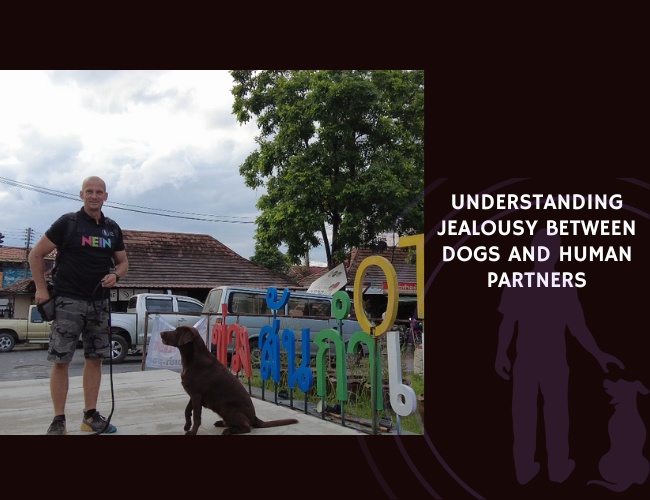
Have you ever noticed your furry companion nudging between you and your partner during an embrace? Or perhaps you’ve witnessed those soulful eyes watching intently as you show affection to someone else? You’re not alone. What you’re observing isn’t simply attention-seeking or mischief—it’s a complex emotional response rooted in attachment, memory, and the profound bond your dog shares with you.
Jealousy in dogs represents one of the most fascinating intersections of emotion, cognition, and relationship dynamics. As we explore this topic together, we’ll uncover the neurobiological foundations of these behaviors, understand what your dog is truly experiencing, and discover how to nurture a household where every relationship thrives. Let us guide you through the science and soul of canine jealousy, so you can build a more harmonious home for everyone you love. 🧡
The Emotional Foundation: What Science Tells Us About Canine Jealousy
Understanding Attachment in Dogs
Your dog’s relationship with you mirrors something profound found in human psychology—primary attachment bonds. Just as infants form crucial connections with their caregivers, your dog has built an emotional foundation with you that goes far beyond simple companionship. This attachment serves as a secure base from which your dog explores the world and a safe haven during moments of uncertainty or stress.
Research in canine behavior reveals that dogs display human-analogue attachment behaviors with striking consistency. You might notice your dog seeks your proximity when uncertain, uses you as a launching point for confident exploration, and shows visible distress during separation. These aren’t coincidental behaviors—they’re expressions of a deeply wired attachment system.
The strength of this social bond creates the very context in which jealousy emerges. When your dog perceives a threat to this precious connection, whether from another dog or a human partner, an ancient survival mechanism activates. This response isn’t about dominance or spite—it’s about preserving what matters most to your companion’s emotional security.
Signs Your Dog Has Formed a Secure Attachment Bond:
- Seeks your proximity when uncertain or in new environments
- Uses you as a “secure base” to explore confidently from
- Shows visible distress during separations but recovers upon reunion
- Checks in with you visually during activities or walks
- Relaxes more fully in your presence than when alone
- Greets you enthusiastically after absences
- Demonstrates preference for your company over other rewards when given a choice
The Neurobiological Dance of Emotion
Behind those watchful eyes and concerned whimpers lies a sophisticated emotional architecture. While we’re still mapping the complete neurobiological picture, we understand that jealousy-like behaviors emerge from complex interactions within your dog’s brain. Emotional arousal systems activate when social bonds feel threatened, triggering cascades of physiological and behavioral responses.
Your dog’s amygdala—the brain’s emotional processing center—becomes hypersensitive to perceived social threats. This heightened state of alertness explains why a simple hug between you and your partner might trigger an immediate reaction. Your dog isn’t overreacting; rather, their brain is doing exactly what evolution designed it to do: protect valuable social connections.
The interplay between stress hormones and bonding neurochemicals creates a delicate balance. When your dog feels secure in their relationship with you, they can navigate social situations with calm confidence. When that security feels uncertain, however, their entire emotional landscape shifts toward vigilance and protective behaviors.
The Social Rivalry Hypothesis
Think of jealousy as an adaptive mechanism—a tool that helped ancestral dogs (and their wolf cousins) maintain crucial social positions within pack structures. When we frame jealousy this way, your dog’s behavior during those intimate moments with your partner makes perfect sense. They’re not being difficult; they’re attempting to preserve social closeness and prevent relationship displacement.
Observational studies consistently document jealousy-like behaviors, particularly when caregivers engage in affiliative interactions with others. The key word here is “affiliative”—actions that signal bonding, warmth, and connection. Your dog reads these social cues with remarkable accuracy, understanding that touch, sustained eye contact, and gentle vocalizations represent the same currency of connection you share with them.
This social intelligence, while beautiful, creates the conditions for jealousy to emerge. Your dog recognizes when the resources that matter most—your attention, affection, and proximity—are being directed elsewhere. Next, we’ll explore how dogs actually perceive and interpret these social dynamics.
Perception and Recognition: How Your Dog Reads the Room
The Remarkable Canine Capacity for Emotional Reading
Your dog possesses an extraordinary ability to perceive and functionally use emotional information from human expressions. This isn’t anthropomorphism—it’s documented science. Dogs can infer implicit information from your emotional expressions, demonstrating cognitive skills that extend far beyond immediate perception.
What does this mean for jealousy? When you interact with your partner, your dog isn’t just seeing two humans in proximity. They’re reading your body language, analyzing your facial expressions, interpreting your tone of voice, and synthesizing this information into an understanding of the emotional significance of the interaction. They know when affection is being shared, when bonds are being strengthened, and when their position might be vulnerable.
Emotional Signals Your Dog Reads During Partner Interactions:
- Body orientation and spatial positioning
- Eye contact duration and intensity
- Vocal tone, pitch, and softness
- Touch frequency, location, and gentleness
- Facial expressions and micro-expressions
- Energy level and emotional arousal
- Breathing patterns and body tension
- Laughter and playful sounds
Research reveals that dogs attend primarily to bodily emotional expressions rather than facial cues alone. Your posture, the way you lean toward someone, the openness of your gestures—these communicate volumes to your observant companion. This explains why your dog might react more strongly to a full embrace than to a simple conversation, even though both involve your attention being directed away from them.
Visual and Contextual Processing
The question of how dogs process different types of information—visual versus olfactory, for instance—reveals fascinating aspects of their jealousy responses. While we’re still exploring the specific contributions of each sensory channel, we know that visual cues play a dominant role in triggering jealousy-related behaviors.
When your dog sees you touching or hugging your partner, this visual information activates their social monitoring systems immediately. The physical interposition—your dog literally placing themselves between you and your partner—suggests they’re responding to what they see as a spatial arrangement that excludes them from a valued social connection.
Context matters enormously in how your dog interprets situations. A greeting at the door might trigger different responses than prolonged cuddling on the couch. Your dog learns through repeated experience which contexts typically include them and which don’t. When patterns shift unexpectedly, their vigilance increases.
Recognizing Loss of Exclusivity
Can your dog actually recognize when they’re no longer the exclusive recipient of your affection? The evidence strongly suggests yes. Dogs respond in jealousy-consistent ways when their caregivers direct attention toward third parties, whether those parties are real dogs, fake dogs, or even inanimate objects that receive caregiver attention.
This recognition implies sophisticated cognitive processing. Your dog must maintain a mental model of their relationship with you, notice when patterns deviate from that model, and evaluate the significance of those deviations. Through the NeuroBond approach, this capacity for relationship awareness becomes a foundation for trust rather than a trigger for insecurity.
Your dog’s ability to detect shifts in exclusivity doesn’t mean you can’t have other relationships—it means you must help your dog understand that new relationships expand rather than replace your bond with them. We’ll explore practical strategies for this shortly. 🐾
Observable Behaviors: Recognizing Jealousy in Your Dog
Common Jealousy Expressions
Jealousy in dogs manifests through a predictable repertoire of behaviors, though individual dogs may emphasize certain expressions over others. Understanding these behaviors helps you distinguish genuine jealousy from general anxiety, frustration, or simple attention-seeking.
The Jealousy Behavior Spectrum:
- Physical interposition: Placing body between you and partner, disrupting contact
- Nudging and pawing: Pushing nose against hands, pawing at legs or arms repeatedly
- Vocal protests: Whining, huffing, barking, or grumbling sounds during affection
- Leaning or pushing: Applying body weight against you or your partner
- Attention-demanding behaviors: Sudden “need” to go out, bringing toys, performing tricks
- Hovering and monitoring: Standing nearby, maintaining intense visual focus
- Restless movement: Pacing, circling, inability to settle during partner interactions
- Attempting to climb onto laps: Inserting themselves physically into the interaction space
- Mouthing or gentle nipping: Taking hands or clothing in mouth to redirect attention
- Stealing objects: Taking items to create distraction or redirect focus
- Blocking access: Positioning between partner and doorways or furniture
Physical interposition represents perhaps the most recognizable jealousy behavior. Your dog literally places their body between you and your partner, disrupting physical contact. This isn’t accidental—it’s a deliberate strategy to reestablish proximity and reclaim access to your attention.
Nudging and pawing serve as gentler escalation tactics. Your dog might push their nose against your hand, paw at your leg, or bump against you repeatedly. These behaviors communicate a clear message: “Notice me. Include me. Don’t forget I’m here.”
Vocal protests range from subtle whining to more assertive barking or huffing sounds. Some dogs develop sophisticated vocal repertoires, using different sounds to communicate varying intensities of concern or demand. You might notice your dog reserves certain vocalizations specifically for situations where you’re showing affection to others.
Attention-demanding behaviors become amplified during jealousy episodes. Your normally calm companion might suddenly need to go outside, bring you toys, or engage in behaviors they know typically elicit your response. These aren’t manipulations—they’re attempts to redirect your focus back to them through proven strategies.
Distinguishing Jealousy from Other Emotional States
How do you know your dog is experiencing jealousy rather than general anxiety, frustration, or excitement? The context provides crucial clues. Jealousy-related behaviors emerge specifically during affiliative interactions between you and others, particularly when those interactions involve touch, sustained eye contact, or other bonding behaviors.
Jealousy vs. Other Emotional States:
JealousyGeneral AnxietyTriggered specifically by partner affectionAppears across multiple unrelated contextsFocuses on social interactions involving youTriggered by various environmental stressorsIncludes interposition and attention-seekingShows avoidance, hiding, or generalized stress signalsSubsides when attention returns to dogPersists even without social triggers
JealousyFrustrationContext-specific to social bonding behaviorsRelated to blocked goals or unmet needsDirected at "rival" or toward youDirected at obstacles or barriersInvolves social monitoring and proximity-seekingInvolves persistent attempts to achieve specific goalCalm when included or reassuredPersistent until goal achieved or redirected
JealousyGeneral Attention-SeekingTriggered by specific partner interactionsOccurs indiscriminately across situationsIntensity matches perceived threat levelConsistent intensity regardless of contextFocused on reclaiming position in relationshipFocused on any form of engagementReduces with secure attachment buildingResponds primarily to reinforcement patterns
Anxiety typically manifests more broadly, appearing across various situations beyond social interactions. An anxious dog might show stress signals like excessive panting, trembling, or avoidance behaviors in multiple contexts, not just when you’re showing affection to others.
Frustration often relates to blocked goals or unmet expectations. A frustrated dog might bark at a closed door or paw at an empty food bowl. While jealousy can involve frustration (the blocked goal being your exclusive attention), jealousy specifically emerges in social contexts involving perceived rivals.
Attention-seeking without jealousy tends to be more indiscriminate. A dog simply seeking attention might interrupt various activities, not specifically those involving affectionate interactions with others. Jealousy-related behaviors show clear patterns tied to your bonding behaviors with others.
Context-Specific Patterns
Does your dog react only during physical affection like hugging, or do they monitor all interactions with your partner? Research suggests jealousy displays can be context-specific, with particularly strong reactions during affiliative interactions that signal bonding.
You might notice your dog remains calm when you and your partner have neutral conversations but becomes vigilant when you sit close together or engage in prolonged eye contact. This discrimination reveals your dog’s sophisticated understanding of which behaviors strengthen social bonds and which represent routine social interaction.
Some dogs develop generalized responses, monitoring all interactions with apparent concern. This pattern often indicates deeper insecurity about their position within the household social structure. These dogs benefit most from intentional relationship-building exercises that reinforce their secure attachment with both you and your partner.
The Role of Memory and Learning in Jealousy Responses
Emotional Memory and Behavioral Patterns
Your dog’s jealousy responses don’t emerge in a vacuum—they’re shaped by accumulated experiences and the emotional memories associated with them. Each time your dog experiences a situation where your attention shifts to someone else, their brain encodes information about the context, their emotional state, and the outcome.
Moments of Soul Recall illuminate how deeply emotional memories influence present behavior. When your dog encounters a situation similar to past experiences of perceived social threat, those memories activate automatically, triggering familiar behavioral responses. This explains why some dogs develop increasingly intense reactions over time if jealousy situations remain unaddressed.
The positive side of emotional memory is equally powerful. When your dog experiences situations where new relationships or attention-sharing lead to positive outcomes for them—perhaps treats, play, or reassurance—they build new neural pathways associating these contexts with security rather than threat.
Prior Social Reward Patterns
Your dog’s expectations about social interactions develop through consistent patterns of reward and response. If you’ve historically provided immediate attention when your dog interrupts intimate moments with your partner, you’ve inadvertently reinforced jealousy-related behaviors. Your dog learned that intervention successfully redirects your focus.
Conversely, if your dog has experienced consistent reassurance that your affection for others doesn’t diminish your bond with them, they develop different expectations. They learn that your capacity for love and attention isn’t zero-sum—that loving others doesn’t mean loving them less.
Understanding these learned patterns helps explain why some dogs seem more prone to jealousy than others. It’s not necessarily about individual personality—it’s about the accumulated history of social experiences and what your dog has learned about relationship security through those experiences.
The Influence of Household Composition
Dogs raised in multi-dog households often develop different social skills than single-dog companions. Multi-dog households provide natural opportunities to practice attention-sharing, develop frustration tolerance, and understand that resources (including human attention) can be distributed among multiple recipients.
However, multi-dog experience doesn’t automatically prevent jealousy toward human partners. Your dog might be perfectly comfortable sharing you with other dogs while finding it more challenging when a human receives the affection they consider their domain. These distinctions reveal the nuanced ways dogs categorize different types of relationships. 🧡
Human Influence: How Your Behavior Shapes Your Dog’s Responses
The Power of Emotional Contagion
Dogs possess a remarkable capacity for emotional contagion—the tendency to mirror and amplify human emotional states. When you feel tense about potential jealousy conflicts between your dog and partner, your dog detects this tension through subtle changes in your posture, breathing, tone of voice, and energy.
This creates reciprocal feedback loops where your anticipatory anxiety about your dog’s jealousy actually increases the likelihood of jealousy behaviors. Your dog reads your tension as confirmation that something is indeed threatening about the situation, validating their own concerns and amplifying their response.
Signs Your Tension Is Amplifying Your Dog’s Jealousy:
- Your dog reacts more intensely when you’re stressed about potential jealousy
- Jealousy behaviors escalate when you anticipate them verbally or mentally
- Your dog seems calmer during partner interactions when you’re relaxed and confident
- You notice yourself becoming physically tense before partner affection begins
- Your dog’s vigilance increases when you glance nervously at them during partner contact
- Jealousy episodes are worse during periods of general household stress
- Your partner reports different reactions when they interact with you versus when you’re not present
The reverse is equally true. When you approach interactions with calm confidence, projecting emotional clarity about the security of all relationships, your dog absorbs this confidence. Your emotional state serves as a barometer they use to evaluate social situations. Through this understanding, the Invisible Leash emerges—not physical control, but energetic alignment that guides behavior through shared emotional awareness.
Body Language and Attentional Cues
Your dog monitors your attention with extraordinary precision. They notice when your gaze fixes on someone else, when your body orients away from them, and when your voice takes on tones reserved for intimate conversation. These attentional cues signal the direction and intensity of your emotional investment.
Research confirms that dogs are highly sensitive to human attentional states, producing more facial expressions and communicative behaviors when humans are attentive versus distracted. This sensitivity means your dog is constantly assessing whether they’re within your sphere of attention or outside it.
When you engage with your partner, consider what your body language communicates to your dog. Do you physically turn away, creating spatial exclusion? Does your posture close off, suggesting the interaction is private? Or do you maintain occasional visual acknowledgment of your dog, signaling that they remain part of your awareness even while you connect with someone else?
Small adjustments in how you position yourself during partner interactions can dramatically affect your dog’s sense of inclusion versus exclusion. This doesn’t mean constantly prioritizing your dog’s demands—it means being intentionally aware of the social signals you’re broadcasting.
Body Language Adjustments That Reduce Jealousy Triggers:
- Maintain open body posture rather than completely turning away from your dog
- Periodically glance toward your dog with soft, calm eyes during partner interactions
- Position yourself where your dog remains partially in your field of vision
- Use verbal acknowledgments (“good settle”) without breaking partner connection
- Avoid physically closing off spaces by turning backs or blocking sightlines completely
- Include micro-pauses in extended partner affection where you briefly check in with your dog
- Create spatial configurations that allow your dog to be nearby without physically between you
- Use calm, steady breathing that your dog can synchronize with rather than holding breath during tension
The Impact of Inconsistency and Attachment Patterns
Inconsistent affection patterns create profound insecurity in dogs. When your responses to your dog’s bids for attention vary unpredictably—sometimes ignored, sometimes enthusiastically rewarded—your dog can’t develop a stable internal model of relationship security. This unpredictability breeds the kind of anxious attachment that makes jealousy responses more likely and more intense.
Overbonding presents a different challenge. When a dog has exclusive attachment to one person without clear structure or boundaries, they may develop possessive tendencies that manifest as intense jealousy. This pattern often emerges when one household member becomes the dog’s entire social and emotional world, leaving the dog ill-equipped to tolerate that person forming connections with others.
The concept of “secure base” attachment provides a healthier model. Your dog should feel confident in your reliability and availability while also maintaining enough independence to tolerate your engagement with others. This balance—connection with autonomy—creates resilience against jealousy triggers.
Emotional Clarity and Boundary Co-Regulation
The principles of emotional clarity and boundary co-regulation offer powerful tools for reducing possessive attachment tendencies. Emotional clarity means your dog receives consistent, readable signals about relationship dynamics. They understand what behaviors receive reinforcement, what boundaries exist, and what they can reliably expect from you.
Boundary co-regulation involves teaching your dog to modulate their emotional responses in coordination with your guidance. Rather than suppressing their feelings or forcing compliance, you help them develop the capacity to experience emotional arousal (like jealousy) while maintaining behavioral control. This process respects their emotional experience while building self-regulation skills.
When your dog begins showing jealousy signs during partner interactions, emotional clarity means they can predict your response. Will you immediately redirect attention to them, reinforcing the jealousy? Will you harshly reject their approach, creating anxiety? Or will you calmly acknowledge their presence while maintaining boundaries, communicating that all is well?
This consistent, emotionally transparent approach helps your dog develop trust in the stability of relationships, reducing the anxious monitoring that fuels intense jealousy responses. Next, we’ll explore specific training strategies that implement these principles. 🐾
Training Approaches: Building Security and Reducing Jealousy
Foundations of Secure Attachment Training
Effective jealousy management begins not with suppressing behaviors but with strengthening the underlying security your dog feels within your relationship. When your dog trusts that your bond remains stable regardless of attention fluctuations, jealousy loses much of its urgency and intensity.
Consistent availability forms the foundation of secure attachment. This doesn’t mean constant attention—it means predictable responsiveness. Your dog should learn that their genuine needs for connection receive reliable acknowledgment, even if immediate attention isn’t always possible. This reliability creates confidence that attention delayed isn’t attention denied.
Structured independence balances connection with healthy autonomy. Practice brief separations within the home, rewarding your dog for calm behavior when you’re visible but not directly engaging. This builds the emotional capacity to tolerate your attention being directed elsewhere without experiencing it as abandonment or threat.
Positive associations with partner interactions transform the context from threatening to benign or even rewarding. When you begin showing affection to your partner, your dog might receive a special enrichment toy, a scatter of treats, or access to a favorite resting spot. Over time, your dog learns to associate these interactions with positive outcomes for themselves.
Controlled Exposure and Desensitization
Systematic desensitization helps your dog build tolerance for gradually increasing levels of partner affection without triggering overwhelming jealousy responses. This process requires patience and careful calibration to your dog’s current capacity.
Start below threshold. Begin with partner interactions mild enough that your dog notices but doesn’t feel compelled to intervene. This might be simply sitting near each other or brief verbal exchanges. At this level, reward your dog for calm observation.
Gradually increase intensity. As your dog demonstrates comfort at one level, incrementally increase the affiliative nature of partner interactions. Progress from proximity to hand-holding, from hand-holding to brief hugs, from brief hugs to prolonged embraces. Each step should be small enough that your dog maintains calm confidence.
Reinforce calm co-presence. The goal isn’t teaching your dog to ignore partner affection through suppression—it’s building genuine comfort with these situations. Reward relaxed body language, settled positioning, and calm attention. Your dog learns that good things happen when they remain composed during partner interactions.
Create positive predictability. Establish routines where partner affection time becomes predictable and includes positive elements for your dog. Perhaps evening couch time means your dog receives a long-lasting chew while you and your partner cuddle nearby. Predictability reduces anxiety and creates positive anticipation rather than jealous vigilance.
Affection. Attention. Alarm.
Jealousy is attachment in motion. When love shifts direction, your dog’s nervous system lights up—not from dominance, but from fear of disconnection. The amygdala sounds the alarm: “I’m losing my place in the bond.”
They’re not competing for power, but for presence. The same oxytocin circuits that calm them in your arms now ache when attention flows elsewhere.
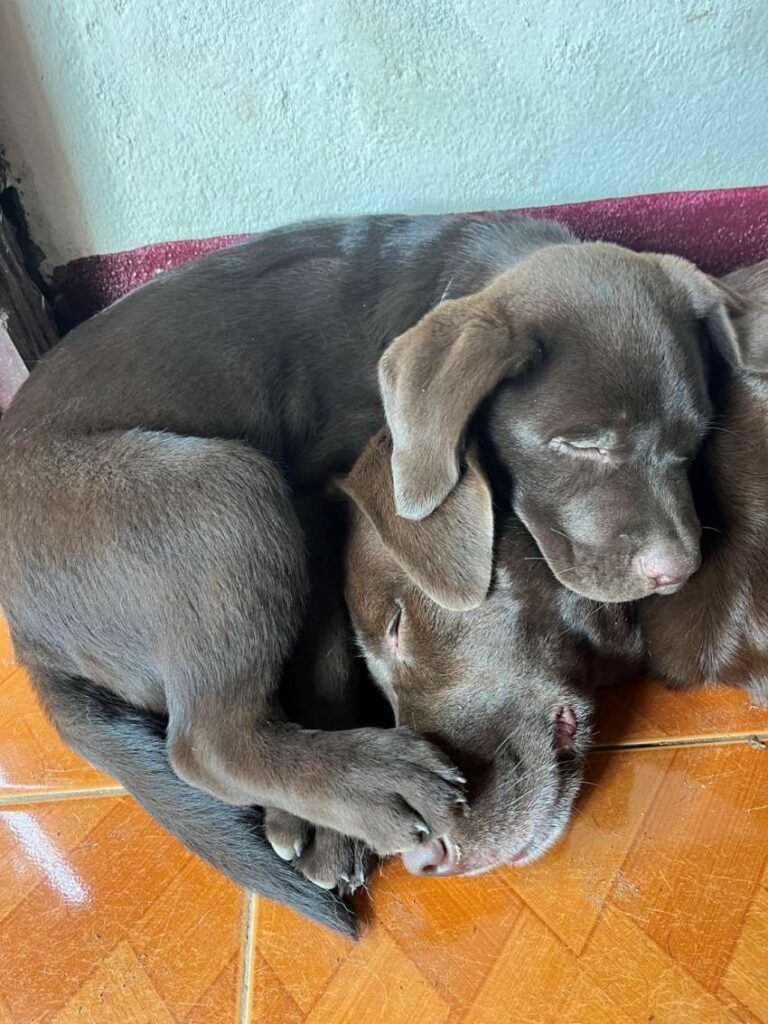
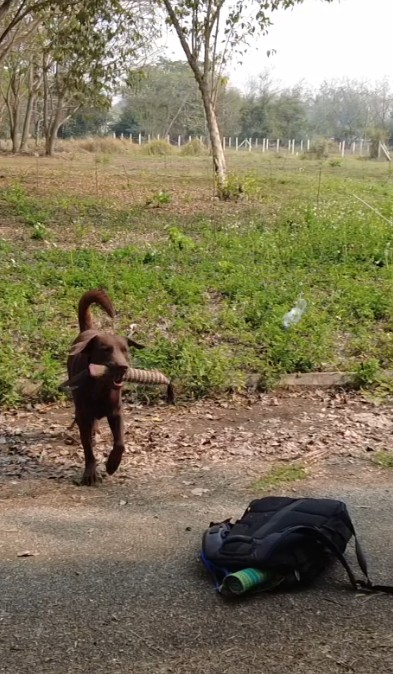
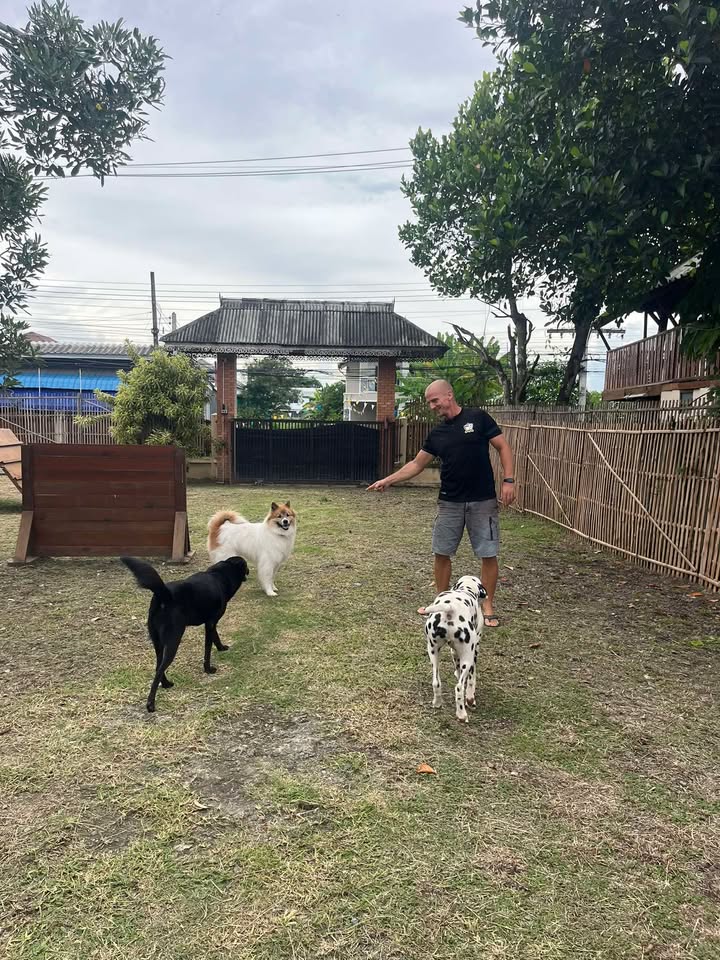
Reassurance rewires reaction. Include, don’t exclude—gentle touch, shared calm, predictable routines. When connection feels secure again, vigilance fades, and love finds its balance between hearts, not sides.
The Role of the Partner in Building Trust
Your partner plays a crucial role in reshaping your dog’s emotional responses. When jealousy emerges from perceived threat to the dog-owner bond, the “rival” becoming a source of positive experiences fundamentally transforms the dynamic.
Independent relationship building allows your partner to develop their own connection with your dog, separate from their relationship with you. Individual walks, training sessions, play time, or feeding interactions create positive associations independent of the jealousy context.
Partner as reward-giver during gradual exposure exercises proves particularly powerful. When you and your partner show affection, your partner can be the one to offer treats, toys, or verbal praise to your dog for calm behavior. This repositions your partner from rival to provider of good things.
Calm, consistent energy from your partner helps your dog feel safe. Anxious or resentful energy toward the dog reinforces the sense of social rivalry. Warm, patient, confident energy communicates that there’s room for everyone in this social structure.
When to Seek Professional Support
Some jealousy patterns benefit from professional behavioral guidance, particularly when:
Indicators That Professional Support Would Be Beneficial:
- Jealousy behaviors escalate to aggression (growling, snapping, biting) toward people
- Your dog shows intense distress that persists despite gradual exposure attempts
- Property damage occurs during jealousy episodes (destructive behaviors)
- Multiple relationship dynamics create complex, overlapping competition patterns
- Underlying anxiety manifests across multiple contexts beyond partner interactions
- Previous trauma history influences current jealousy responses
- Your dog’s jealousy behaviors are worsening rather than improving over time
- Household safety feels compromised due to unpredictable reactions
- Your relationship with your partner is suffering due to the jealousy dynamics
- You feel overwhelmed and unsure how to proceed despite implementing basic strategies
- Your dog shows signs of chronic stress (poor sleep, digestive issues, constant vigilance)
- Other behavioral issues (separation anxiety, reactivity) co-occur with jealousy
A certified animal behavior consultant or veterinary behaviorist can assess the complete picture, identify contributing factors you might not recognize, and design customized intervention strategies. This isn’t an admission of failure—it’s an investment in your dog’s emotional wellbeing and your household harmony. 🧡
💔 Understanding Jealousy Between Dogs and Human Partners 🐕
A comprehensive guide to recognizing, understanding, and harmoniously resolving canine jealousy in multi-relationship households
Phase 1: Recognition & Awareness
Identifying the emotional landscape
Jealousy in dogs emerges from primary attachment bonds—similar to infant-caregiver dynamics in humans. Your dog’s brain perceives your partner as a potential threat to their emotional security. This isn’t misbehavior; it’s an adaptive mechanism designed to preserve valuable social connections.
Watch for these telltale indicators:
- Physical interposition between you and your partner
- Nudging, pawing, or attention-demanding behaviors
- Vocal protests (whining, huffing, barking)
- Restless pacing or inability to settle during partner affection
Phase 2: Comprehensive Assessment
Mapping your unique situation
Track these critical elements for 1-2 weeks:
- Specific interactions that trigger jealousy (hugging, kissing, extended conversation)
- Times of day when reactions are strongest
- Locations in your home where jealousy peaks
- Intensity levels on a 1-10 scale
Ask yourself: Can your dog settle when you’re home but not engaged? Do they show confidence during brief separations? These indicators reveal underlying attachment security that influences jealousy intensity.
Seek immediate expert guidance if jealousy includes aggression (growling, snapping, biting), property destruction, or causes chronic stress affecting your dog’s health and sleep quality.
Phase 3: Security Foundation Building
Strengthening the core attachment
Establish predictable responsiveness patterns. Your dog learns that attention delayed isn’t attention denied. Through the NeuroBond approach, this reliability creates confidence that your bond remains stable regardless of temporary attention fluctuations.
Build your dog’s capacity to tolerate your attention being directed elsewhere:
- Practice brief separations while remaining visible
- Reward calm behavior when not directly engaging
- Create positive associations with independent activities
Your emotional state directly influences your dog’s response. When you approach partner interactions with calm confidence rather than anticipatory anxiety, your dog absorbs this reassurance. The Invisible Leash emerges here—energetic alignment guiding behavior without physical control.
Phase 4: Quick-Win Strategies
Immediate changes for rapid impact
Designate a high-value toy or puzzle that ONLY appears during partner affection time. This creates immediate positive association and gives your dog something rewarding to focus on instead of monitoring your interaction.
Every 30-60 seconds during partner interactions, offer a calm glance and soft word to your dog. This maintains connection without reinforcing interruption behavior, communicating that they remain within your awareness.
When your dog attempts physical interposition, pause partner interaction, calmly guide them to an appropriate nearby position, and only resume when they settle. This teaches that calm observation—not intervention—maintains your presence.
Phase 5: Progressive Desensitization
Building tolerance systematically
Systematic exposure building:
- Weeks 1-2: Neutral activities together (watching TV, reading) with calm rewards
- Weeks 3-4: Mild affiliative interactions (sitting close, brief hand-holding)
- Weeks 5-6: Extended duration at tolerable intensity levels
- Weeks 7-8: Varying contexts (different rooms, times of day)
- Weeks 9-12: Real-world integration with intermittent reinforcement
Always start with interaction intensity mild enough that your dog notices but doesn’t feel compelled to intervene. If they show concern (stiffening, moving closer), you’ve increased too quickly. Return to the previous level and build more foundation.
Progress takes time. Most dogs show noticeable improvement within 4-6 weeks of consistent practice, but complete comfort may require 3-6 months. Patience and consistency matter more than speed.
Phase 6: Partner as Ally, Not Rival
Transforming the relationship dynamic
Your partner should develop their own positive relationship with your dog:
- Individual walks (without you present)
- One-on-one training sessions teaching new tricks
- Feeding duties that create positive associations
- Gentle grooming or massage sessions building trust through touch
- Play sessions with favorite toys
During gradual exposure exercises, your partner should be the one offering treats, toys, or praise to your dog for calm behavior. This repositions them from rival to provider of good things—a powerful psychological shift.
Your partner’s emotional state matters enormously. Frustration or resentment toward the dog reinforces the sense of rivalry. Warm, patient, confident energy communicates that there’s room for everyone in this social structure.
Phase 7: Multi-Dog & Multi-Human Households
Navigating complex social dynamics
Each dog needs individual relationship time with their preferred humans. “Fair” doesn’t mean mathematically equal—it means each dog receives attention appropriate to their needs in ways they find meaningful. Dogs can adapt to different patterns if those patterns remain consistent.
Prevent hierarchy conflicts through intentional rotation:
- Rotate which dog receives first attention during greetings
- Alternate who accompanies you for errands or activities
- Create distinct activities playing to each dog’s strengths
- Notice and engage dogs who withdraw rather than compete
When a new romantic partner enters the household, introduce them gradually. Allow your dog to become familiar through positive, low-pressure interactions before overnight stays or moving in. Maintain core routines that anchor your dog’s sense of continuity.
Phase 8: Sustainable Harmony & Maintenance
Creating lasting household balance
As calm behavior during partner affection becomes your dog’s new normal, reduce explicit reward frequency. Transition from continuous to occasional acknowledgment, maintaining just enough reinforcement to sustain the behavior pattern.
Long-term success markers include:
- Your dog settles quickly during partner interactions
- Vigilant monitoring decreases significantly
- Your dog can relax in their own space during your together-time
- General anxiety levels decrease across contexts
- Sleep quality and appetite remain stable and healthy
Temporary regressions are normal during household stress or schedule disruptions. Simply return to a level where your dog consistently succeeds and rebuild from there. Progress isn’t always linear—patience and consistency matter more than perfection.
🔍 Jealousy Patterns Across Different Contexts
Characteristics: Often develop stronger exclusive attachment to primary caregiver. May show more intense reactions to human partner attention since they’re unaccustomed to sharing.
Approach: Focus heavily on building partner-dog independent relationship and creating positive associations with three-way activities.
Characteristics: Dogs experienced in sharing attention may adapt more easily. However, can develop complex competition patterns where jealousy extends to both dogs and human partners.
Approach: Implement structured rotation systems and ensure each dog receives individual relationship time with all household humans.
Characteristics: High energy and still developing impulse control. May show more physical intervention behaviors like jumping or inserting themselves between partners.
Approach: Emphasize energy outlets and structured activities. Use high-value distractions during training. Progress may be faster once maturity increases self-regulation.
Characteristics: Established behavioral patterns are more ingrained. May have reduced tolerance for household changes. However, generally calmer energy makes training easier.
Approach: Allow more time for adjustment. Maintain consistency with established routines. Use gentler, patience-focused interventions respecting their age-related needs.
Characteristics: May bring previous relationship trauma or insecurity. Could show heightened attachment anxiety leading to more intense jealousy responses.
Approach: Prioritize building secure base attachment before introducing complex social situations. May benefit from professional behavioral support for trauma-informed training.
Characteristics: Generally higher stress reactivity means jealousy can generalize to broader anxiety. May show stress signals beyond the immediate jealousy context.
Approach: Use especially gradual exposure progressions. Consider anxiety-management protocols alongside jealousy training. Monitor for signs of chronic stress affecting health.
The 3:1 Ratio: For every 1 minute of partner affection, provide 3 minutes of quality one-on-one dog time earlier in the day. This builds security reserves.
The 30-Second Rule: During partner interactions, check in with your dog visually every 30 seconds. This maintains connection without reinforcing interruption.
The Below-Threshold Principle: If your dog shows stress signals (stiffening, approaching, vocalizing), you’re at 80% threshold. Drop intensity to 50% and rebuild gradually.
The 48-Hour Consistency Window: Practice training exercises at least once every 48 hours. Longer gaps can lead to regression, especially in early phases.
Jealousy in dogs reveals the profound depth of their attachment to us—it’s not a behavioral flaw but an expression of love and the need for security. Through the NeuroBond approach, we recognize that emotional alignment and transparent interaction prevent the relational ambiguity that triggers insecurity. The Invisible Leash reminds us that awareness and calm energy, not physical control or suppression, guide our dogs through complex social situations. In moments of Soul Recall, we see how emotional memory and intuitive responses shape jealousy patterns—and how new, positive experiences can reshape that emotional landscape.
When we approach jealousy with compassion, patience, and understanding, we transform it from a problem into an opportunity for deeper trust. We teach our dogs that love multiplies rather than divides, that attention shared doesn’t mean connection lost, and that security comes from the quality of our bond—not from exclusive possession. That balance between honoring emotional experience and building behavioral capacity, between science and soul—that’s the essence of harmonious multi-relationship households.
© Zoeta Dogsoul – Where neuroscience meets soul in dog training
Multi-Dog and Multi-Human Households: Navigating Complex Social Dynamics
The Challenge of Divided Attention
Households with multiple dogs and multiple humans create intricate social webs where jealousy can emerge along several axes. Your dog might not only monitor your interactions with your human partner but also track attention distribution among household dogs and between different human-dog pairs.
This complexity requires intentional attention management. Each dog needs to feel secure in their individual relationship with their primary caregiver while also tolerating attention directed to other household members. This doesn’t necessarily mean perfectly equal attention—dogs can adapt to different attention patterns if those patterns remain consistent and each dog receives sufficient individual connection.
Individual relationship time becomes essential in multi-dog households. Each dog benefits from solo interactions with their preferred humans, time when they receive undivided attention and can relax their social monitoring. These individual connections provide the secure base from which dogs can more generously tolerate shared attention contexts.
Fair but not identical describes a realistic approach to attention distribution. Dogs notice patterns of interaction, and gross inequities breed resentment and jealousy. However, “fair” doesn’t require mathematical equality—it means each dog receives attention appropriate to their needs and temperament in ways they find meaningful.
Strategies for Equitable Attention Distribution in Multi-Dog Homes:
- Establish predictable individual time with each dog daily, even if durations vary
- Rotate which dog receives first attention during greetings to prevent hierarchy conflicts
- Create distinct activities that play to each dog’s strengths and preferences
- Notice and intentionally engage dogs who tend to withdraw rather than compete
- Use separate feeding locations to prevent resource guarding of human proximity
- Alternate which dog accompanies you for errands, walks, or activities
- Provide simultaneous but individualized attention (one dog being petted while another receives verbal praise)
- Recognize that attention needs fluctuate based on age, health, and temperament
- Build in “whole pack” activities where everyone participates together harmoniously
Managing Inter-Dog Relationships
Sometimes the jealousy isn’t about your human partner but about other dogs receiving attention from you. Inter-dog jealousy presents unique challenges because it involves competition within species-typical social structures.
Structured group activities help dogs learn to share your attention constructively. Group training sessions where each dog receives individual attention in turn, while others wait calmly, builds tolerance for attention-sharing. The predictability of “everyone gets a turn” reduces anxiety about missing out.
Preventing resource guarding of human attention requires consistent expectations that aggressive or possessive behaviors toward other dogs don’t successfully monopolize your focus. When one dog attempts to block another’s access to you through aggression, they should lose access to you temporarily while the other dog receives calm attention. This teaches that cooperation, not competition, provides the best path to your attention.
Recognizing individual needs means understanding that some dogs genuinely require more attention, reassurance, or interaction than others. This isn’t about favoritism—it’s about meeting each dog’s actual needs. A sensitive dog who needs more frequent check-ins isn’t being demanding; they’re expressing legitimate emotional needs that, when met, help them feel secure enough to share you with others.
When New Partners Enter the Household
The introduction of a new romantic partner into a home where you and your dog have established routines presents particular jealousy challenges. Your dog experiences a fundamental shift in household social structure, often with little preparation or understanding of what’s happening.
Gradual integration serves both relationships better than abrupt changes. Allow your dog to become familiar with your new partner through positive, low-pressure interactions before that person begins staying overnight or moving in. Each escalation in the partner’s presence should include maintaining your dog’s established routines and connection time with you.
Maintaining core routines signals to your dog that fundamental aspects of your relationship remain stable even as the household changes. If your morning walk together has been your bonding ritual, preserve this even as your new partner becomes part of your life. Your dog needs anchors of continuity during social restructuring.
Three-way relationship building helps your dog understand that your partner’s presence can enhance rather than diminish their life. Positive experiences involving all three of you—walks, play sessions, training activities—create a new social configuration where everyone belongs.
Creating Household Emotional Balance
Balanced attention in complex households requires mindful awareness of relationship dynamics. You might notice patterns where one person inadvertently receives disproportionate vigilance from dogs, or where certain dogs consistently position themselves competitively while others withdraw.
Intentional inclusion practices ensure no household member—human or canine—consistently feels excluded from social interactions. This might mean periodically inviting a watching dog to join an interaction, verbally acknowledging household members even when directly engaged with someone else, or structuring activities that naturally include multiple participants.
Emotional transparency among household humans prevents dogs from absorbing tension or competition between people. When human relationships contain unresolved conflict or resentment, dogs perceive and respond to this emotional undercurrent, often with increased vigilance and jealousy behaviors.
Respecting natural affinities while building broad connections represents realistic relationship management. Your dog may naturally prefer certain household members, and forcing equal enthusiasm for everyone often backfires. Honor these preferences while gently building positive associations with less-preferred individuals. 🐾
Welfare Implications: Honoring Your Dog’s Emotional Experience
The Cost of Chronic Jealousy
Persistent jealousy creates ongoing stress that affects your dog’s physical and emotional health. Chronic vigilance activates stress response systems repeatedly, potentially leading to elevated cortisol levels, compromised immune function, and heightened anxiety across multiple contexts.
Physical and Emotional Signs of Chronic Jealousy-Related Stress:
- Difficulty settling or relaxing even during quiet times
- Increased general reactivity to sounds, movements, or environmental changes
- Restless sleep patterns, frequent waking, or positional hypervigilance during rest
- Digestive disturbances (diarrhea, decreased appetite, or stress-related vomiting)
- Excessive shedding beyond normal seasonal patterns
- Development of stress-related behaviors (excessive licking, pacing, circling)
- Decreased interest in previously enjoyed activities or toys
- Heightened startle responses throughout the day
- Changes in coat quality or skin condition
- Increased frequency of illness or slower recovery from minor ailments
- Generalized anxiety that extends beyond the original jealousy context
You might notice your dog seems generally more reactive, has difficulty settling, or shows other anxiety indicators beyond the specific jealousy situations. This generalization suggests the jealousy has created a broader state of insecurity requiring intervention.
Sleep quality often suffers when dogs experience ongoing relationship anxiety. Your dog might startle easily, position themselves where they can monitor your activities even during rest times, or show restless sleep patterns. Quality sleep provides essential recovery for emotional regulation systems, so compromised rest compounds jealousy challenges.
The Importance of Relationship Security
Intervening to reduce jealousy isn’t about suppressing legitimate emotions or forcing your dog to tolerate situations that feel threatening. Rather, it’s about building genuine security so those situations no longer register as threats. This distinction matters enormously for your dog’s welfare.
Suppression-based approaches that punish jealousy behaviors without addressing underlying insecurity often create worse outcomes. Your dog’s emotional experience doesn’t change—they simply learn to inhibit outward expressions while internal distress continues or escalates. This can lead to sudden behavioral escalations, increased generalized anxiety, or displacement behaviors.
Security-based approaches honor your dog’s emotional experience while building capacity to navigate complex social situations with confidence. Your dog learns through experience that your attention expanding to include others doesn’t threaten their bond with you. This learned security provides lasting welfare benefits extending far beyond reduced jealousy behaviors.
Emotional Validation and Behavioral Guidance
You can simultaneously validate your dog’s emotional experience while establishing behavioral boundaries. Validation means acknowledging that your dog’s jealousy reflects genuine feelings rooted in attachment and care. Behavioral guidance means teaching appropriate ways to navigate those feelings without disruption or distress.
This might sound like: “I see you’re feeling uncertain right now, and that’s okay. You’re safe. Let’s take a moment together, and then you can relax on your bed while I finish talking with [partner].” This language acknowledges emotion, provides reassurance, offers connection, and establishes a behavioral expectation—all without dismissing or suppressing your dog’s experience.
Emotional co-regulation during jealousy moments teaches your dog to use your calm presence as a reference point for their own emotional state. Rather than matching their arousal with your own concern or frustration, you maintain steady, reassuring energy that helps them down-regulate. Over time, this external regulation becomes internalized self-regulation.
Long-Term Relationship Health
Investing attention in jealousy management pays dividends throughout your dog’s life and across multiple relationships. Dogs who develop confidence in relationship security become more resilient, adaptable, and emotionally stable generally. These benefits extend beyond jealousy contexts into separation tolerance, sociability with other dogs, and overall emotional wellbeing.
The skills you’re building—emotional clarity, secure attachment, frustration tolerance, and social confidence—serve your dog across their lifespan. Senior dogs who’ve developed these capacities navigate aging-related changes with greater resilience. Dogs who trust relationship stability adapt more successfully to household changes like new babies, moves, or schedule shifts.
That balance between honoring emotional experience and building behavioral capacity—that’s where welfare and training harmonize into something deeper. Next, we’ll bring all these elements together into actionable guidance for your specific situation. 🧡
Practical Implementation: Your Action Plan for Reducing Jealousy
Assessment: Understanding Your Unique Situation
Before implementing changes, take time to assess your specific jealousy patterns. This observation phase provides crucial information for customizing interventions to your household’s needs.
Comprehensive Jealousy Assessment Checklist:
Trigger Identification:
- What specific behaviors trigger jealousy? (hugging, kissing, sitting close, conversation, eye contact)
- Which locations in the home show strongest reactions? (bedroom, couch, entryway)
- What times of day are most challenging? (morning, evening, bedtime)
- How long has this pattern been occurring? (recent weeks, months, years)
- Did specific events coincide with jealousy onset? (partner moving in, schedule changes, other stressors)
Intensity and Duration:
- Rate typical jealousy intensity (1-10 scale)
- How long do jealousy episodes typically last? (seconds, minutes, extended periods)
- How quickly does your dog recover after episodes?
- Are reactions escalating, stable, or improving over time?
Behavioral Patterns:
- Which specific behaviors does your dog display? (refer to behavior spectrum list)
- Does your dog ever show aggressive behaviors during jealousy episodes?
- What happens immediately after your dog displays jealousy? (attention received, correction given, partner’s response)
- Does your dog calm when included, or continue escalating?
Baseline Security Indicators:
- Can your dog settle when you’re home but not directly engaged?
- How does your dog handle brief separations from you?
- Does your dog show confidence in neutral contexts with your partner present?
- Can your dog relax when you interact with other household members or pets?
- Does your dog exhibit anxiety in contexts beyond jealousy situations?
Track triggers and intensity. For one to two weeks, notice what specifically triggers jealousy responses in your dog. Is it physical touch between you and your partner? Extended conversation? Particular times of day? Certain locations in the home? How intense are the reactions, and what behaviors emerge?
Identify current patterns. What happens after your dog displays jealousy behaviors? Do they successfully redirect your attention? Does your partner become frustrated? Does tension escalate? Understanding these response patterns reveals what’s currently being reinforced.
Assess security indicators. Beyond jealousy moments, how does your dog demonstrate attachment security? Can they settle when you’re home but not directly engaged? Do they show confidence during brief separations? Can they relax when you’re interacting with others in neutral contexts? These indicators suggest baseline attachment security.
Consider individual differences. Has your dog always shown jealousy tendencies, or is this recent? Have there been household changes? How does your dog respond to attention-sharing with other dogs versus humans? Individual history and temperament significantly influence effective interventions.
Immediate Changes for Quick Impact
Several adjustments can begin reducing jealousy intensity relatively quickly while you build longer-term security:
Quick-Win Strategies to Implement Today:
- The Special Toy Protocol: Designate a high-value toy or puzzle that ONLY appears during partner affection time. This creates positive association and gives your dog something rewarding to focus on.
- The Three-Second Check-In: Every 30-60 seconds during partner interactions, offer a calm glance and soft word to your dog. This maintains connection without reinforcing interruption.
- The Calm Invitation: Before partner affection, spend 2-3 minutes doing gentle touch or calm activity with your dog. This primes relaxation rather than arousal.
- The Redirect Position: When your dog attempts physical interposition, calmly guide them to a nearby spot (couch end, dog bed visible to you) where they can observe without inserting themselves. Reward calm observation.
- The Partner Treat Delivery: Have your partner offer your dog a treat or favorite toy before you two engage in affection. This makes your partner a predictor of good things.
- The Gradual Duration Build: Start with 10-second partner interactions, rewarding your dog’s calm observation. Gradually extend duration as success builds.
- The Consistent Routine: Establish a predictable pattern (partner arrives → dog gets special activity → partner and you have connection time). Predictability reduces anxiety.
- The Non-Reward of Intervention: When your dog interrupts, pause partner interaction, calmly move dog to appropriate position, and only resume when dog settles. This teaches that calm, not intervention, maintains your presence.
Create positive associations. Starting today, when you begin showing affection to your partner, your dog receives something valuable—a special toy, a food-dispensing puzzle, access to a favorite spot. This immediate pairing begins reshaping the emotional valence of these moments.
Establish calm rituals. Before partner affection time, engage in a brief calming activity with your dog—a few minutes of gentle petting, a short training session with high-value rewards, or a sniff activity. This primes your dog for relaxation rather than arousal.
Maintain connection signals. During partner interactions, occasionally glance toward your dog, offer a calm verbal acknowledgment, or even invite them to rest nearby (but not between you). These signals maintain their sense of inclusion while establishing that calm proximity is acceptable but active intervention isn’t.
Avoid reinforcing intervention. When your dog attempts to physically separate you and your partner, avoid immediately redirecting your full attention to them. This reinforces that intervention works. Instead, calmly guide them to an appropriate position (perhaps nearby but not between you) before offering attention.
Progressive Training Plan
Systematic skill-building creates lasting change. This progression can be adapted to your dog’s current capacity and advancement rate:
Week 1-2: Foundation Building
Focus on reinforcing calm behavior in your dog’s presence while you and your partner engage in neutral activities—watching television, reading, having conversations. Reward your dog periodically for settled behavior, building an association between your together-time and good things happening for them.
Week 3-4: Gradual Intensity Increase
Begin introducing mildly affiliative interactions—sitting closer together, brief hand-holding, casual touch. Continue rewarding your dog’s calm observation. If they show signs of concern (stiffening, alert posture, moving closer), you’ve increased intensity too quickly. Return to the previous level until they’re consistently comfortable.
Week 5-6: Building Duration
At whatever level of partner affection your dog tolerates calmly, begin extending the duration. If brief hugs are okay, gradually make them longer. Reward your dog for maintaining calm comportment throughout extended interactions.
Week 7-8: Varying Contexts
Practice in different locations and times of day. Jealousy often becomes context-dependent, so generalization requires varied practice. Your dog might be comfortable with couch cuddling but reactive to bedroom affection, requiring separate desensitization.
Week 9-12: Real-World Integration
Reduce the frequency of explicit rewards as calm behavior during partner affection becomes your dog’s new normal. Continue occasionally acknowledging and rewarding particularly good choices, but transition from continuous to intermittent reinforcement.
Partner Participation Strategies
Your partner’s active involvement accelerates progress and builds important relationships:
Solo bonding time. Your partner should regularly engage in positive activities exclusively with your dog—walks, training sessions, play, or simple companionable presence. These independent positive associations reduce the perception of your partner as rival.
Effective Partner-Dog Bonding Activities:
- Individual morning or evening walks (without you present)
- One-on-one training sessions teaching new tricks or commands
- Feeding duties that create positive associations with the partner
- Gentle grooming or massage sessions that build trust through touch
- Play sessions with your dog’s favorite toys (fetch, tug, hide-and-seek)
- Car rides to enjoyable destinations (park, pet store, hiking trail)
- Calm parallel activities like reading while dog rests nearby
- Interactive puzzle toys or food enrichment presented by partner
- Outdoor exploration or sniff walks led by partner
- Quiet companionship during your absences, building independent relationship
Partner-delivered rewards. During gradual exposure exercises, having your partner provide treats or praise to your dog creates powerful positive associations. Your partner becomes a predictor of good things rather than a threat.
Calm, consistent energy. Your partner should approach interactions with your dog from a place of patient, nonreactive presence. Frustration or anxiety about your dog’s jealousy communicates through subtle channels your dog readily perceives, potentially intensifying rather than reducing jealousy.
Three-party activities. Regular activities involving all three of you in cooperative, positive contexts help your dog understand that everyone can coexist harmoniously. Group walks, training games where you take turns, or simple parallel relaxation build this understanding.
Troubleshooting Common Challenges
Progress plateaus. If improvement stalls, you might be progressing too quickly or missing an underlying contributor. Consider whether baseline security needs strengthening, whether sufficient individual attention continues, or whether inconsistency in approach is confusing your dog.
Regression after progress. Temporary setbacks are normal, especially during household stress or schedule disruptions. Don’t interpret regression as failure—simply return to a level where your dog consistently succeeds and rebuild from there.
Escalation to aggression. If jealousy behaviors include growling, snapping, or biting toward you, your partner, or others, professional intervention becomes important. These patterns suggest heightened distress requiring expert assessment and customized intervention.
One person’s absence. Sometimes jealousy reduces simply because the “rival” isn’t present. While this provides temporary relief, it doesn’t build long-term security. Gradual, positive exposure when your partner is present creates sustainable harmony. 🐾
The Deeper Meaning: What Jealousy Teaches Us About Love
Attachment as a Two-Way Street
Your dog’s jealousy, while challenging, reveals something beautiful—the depth of their attachment to you. This response emerges not from possessiveness or dominance but from genuine emotional investment in your relationship. They care about you deeply enough that potential threats to that connection trigger protective responses.
Recognizing this helps frame your perspective. You’re not dealing with a behavioral problem in need of correction; you’re witnessing emotional vulnerability from a being who loves you. This shift in understanding naturally influences how you respond, bringing more compassion and less frustration to the process.
The goal isn’t eliminating your dog’s capacity for attachment-related emotion. Rather, it’s building sufficient security that your dog’s deep bond with you becomes a source of confidence rather than anxiety. Through this lens, jealousy management becomes relationship enrichment.
The Wisdom of Emotional Honesty
Dogs live with remarkable emotional honesty. They don’t hide feelings, manipulate with subtlety, or maintain false facades. When your dog experiences jealousy, they show you directly. This transparency, while sometimes inconvenient, offers opportunities for deeper connection and understanding.
What would it mean to honor this emotional honesty while guiding your dog toward more constructive expressions? You create space for authentic feeling while building skills for regulation and appropriate behavior. This balance respects your dog’s emotional integrity while supporting their development of social competence.
Moments of Soul Recall during jealousy episodes connect us to the fundamental truth of interspecies relationship—that emotional experience is real, valid, and worthy of respect across species boundaries. Your dog’s jealousy isn’t lesser than human jealousy; it’s a different manifestation of the same fundamental attachment dynamics that govern mammalian social bonds.
Building Trust Across the Household
Ultimately, jealousy management creates opportunities for building trust throughout your household social network. When your dog learns through repeated experience that your attention expanding doesn’t diminish your bond with them, they develop a more generous, confident approach to relationships generally.
This trust extends beyond the immediate jealousy context. Dogs who feel secure in relationship stability show greater resilience across multiple challenges. They adapt more easily to change, recover more quickly from stress, and maintain more stable emotional baselines. The work you invest in jealousy management pays forward into your dog’s overall quality of life.
Your partner, too, develops deeper understanding of canine emotional experience and the patience required to build interspecies trust. These lessons enrich your partner’s relationship not only with your dog but with their understanding of emotional dynamics generally.
The Circle of Connection
There’s profound beauty in a household where a dog feels secure enough to rest peacefully while their humans show affection to each other. That relaxed confidence represents trust built through consistent experience—trust that love multiplies rather than divides, that attention shared doesn’t mean attention lost, that relationships can expand without threatening existing bonds.
Creating this harmony requires patience, consistency, and the willingness to honor your dog’s emotional experience while guiding their behavioral development. It asks you to maintain clear boundaries while offering abundant reassurance, to recognize legitimate feelings while establishing appropriate expectations.
That balance between security and structure, emotion and guidance, science and soul—that’s the essence of Zoeta Dogsoul. When we approach jealousy not as a problem to eliminate but as an opportunity to deepen trust and build confidence, we transform challenging behaviors into pathways for richer connection. 🧡
Key Principles for Managing Canine Jealousy:
✓ Jealousy reflects attachment depth, not behavioral deficiency – Honor the emotion while guiding the expression
✓ Security-building outperforms behavior suppression – Focus on building confidence rather than punishing reactions
✓ Emotional clarity reduces relational ambiguity – Consistent, readable signals help your dog understand relationship stability
✓ Partners can transform from rivals to resources – Independent positive relationships reshape social dynamics
✓ Gradual exposure respects emotional capacity – Progress at your dog’s pace, never forcing overwhelming situations
✓ Your emotional state influences your dog’s response – Calm confidence communicates safety more than anxious management
✓ Attention expansion doesn’t require attention subtraction – Dogs can learn that love multiplies rather than divides
✓ Context matters as much as content – Where, when, and how jealousy emerges reveals important intervention points
✓ Professional support represents wisdom, not weakness – Complex patterns benefit from expert assessment and guidance
✓ Long-term harmony requires patient consistency – Sustainable change develops through accumulated positive experiences
Conclusion: Creating Harmony in Your Multi-Relationship Home
As we’ve explored together, jealousy between dogs and human partners emerges from the profound attachment bonds dogs form with their caregivers. This emotional response isn’t defective or inappropriate—it’s a natural expression of your dog’s deep investment in your relationship. Understanding the neurobiological foundations, recognizing the observable behaviors, and respecting the emotional experience behind jealousy allows you to respond with both compassion and effectiveness.
The path forward centers on building security rather than suppressing symptoms. When your dog develops confidence that your capacity for love and attention isn’t zero-sum—that forming connections with your human partner doesn’t diminish your bond with them—jealousy naturally reduces in intensity and frequency. This security emerges through consistent experience, emotional clarity, and the patient work of gradual exposure paired with positive associations.
Your role involves maintaining clear boundaries while offering abundant reassurance, honoring emotional honesty while guiding behavioral expression, and creating positive experiences that reshape your dog’s understanding of household relationship dynamics. Your partner’s role includes building an independent positive relationship with your dog, participating calmly and consistently in training exercises, and approaching the situation with patience rather than resentment.
The rewards for this investment extend far beyond reduced jealousy behaviors. You’ll build a more resilient, confident, emotionally stable companion who navigates social complexity with grace. You’ll create a household atmosphere where all relationships can flourish without competition or anxiety. You’ll develop deeper insight into canine emotional experience and the skills to support your dog’s wellbeing across their lifetime.
Remember: this journey takes time. Be patient with yourself, your partner, and especially your dog as everyone learns new patterns and builds new trust. Celebrate small victories—a moment of calm during a hug, a relaxed body position while you and your partner talk, the first time your dog chooses to rest peacefully rather than intervene. These moments reveal growing security and confidence.
If you find yourself struggling despite implementing these strategies, don’t hesitate to seek professional support. Certified animal behavior consultants and veterinary behaviorists can provide customized guidance for complex situations, underlying anxiety disorders, or patterns that require expert intervention.
You have the capacity to create a home where your dog feels secure, your human relationships thrive, and everyone experiences the harmony that comes from trust, clear communication, and mutual respect. Your willingness to understand your dog’s emotional world and invest in their security demonstrates the kind of thoughtful caregiving that transforms relationships.
May your journey toward household harmony be filled with patience, progress, and the quiet joy of watching your dog rest peacefully while you embrace the ones you love—secure in the knowledge that there’s room in your heart for everyone. 🧡🐾










