
Introduction
Remember when your puppy responded to every command with eager enthusiasm? Then seemingly overnight, that same dog starts ignoring your calls, testing every boundary, and acting as though they’ve forgotten everything you taught them. You’re not imagining it—and you’re certainly not alone. Welcome to canine adolescence, a phase as challenging as it is fascinating.
This period, often referred to as the “teenage dog” phase, involves a complex interplay of surging hormones and significant neural reorganization. What you’re witnessing isn’t defiance or a loss of intelligence—it’s a biological storm reshaping your dog’s brain and behavior in profound ways. Understanding these changes isn’t just fascinating science; it’s the key to supporting your furry friend through one of their most vulnerable developmental windows.
From the neurobiological dance of testosterone and cortisol to the rewiring of their prefrontal cortex, adolescent dogs are navigating changes that mirror human puberty in remarkable ways. This journey will transform how you see your dog’s behavior, helping you recognize when they’re adapting successfully and when they might need extra support. Let us guide you through the remarkable world of canine adolescence, where every behavioral shift tells a story and every challenge presents an opportunity to deepen your bond. Through the NeuroBond approach, we can learn to see this turbulent phase not as a problem to solve, but as a critical period to nurture with understanding and patience. 🧡
The Neuroendocrine Storm: Understanding the Biological Foundation
Hormonal Fluctuations and Their Behavioral Impact
Your teenage dog’s body is experiencing a hormonal revolution. Testosterone and estrogen surge through their system, while cortisol—the stress hormone—fluctuates in ways that can leave both of you feeling overwhelmed. But what do these hormones actually do to your dog’s behavior?
Research reveals that testosterone during puberty fundamentally shifts how emotional control develops. In adolescent mammals, including dogs, this hormone helps transition emotional processing from primitive subcortical pathways to the more sophisticated anterior prefrontal cortex. Think of it as your dog’s brain upgrading its operating system—except the installation process is messy, unpredictable, and can temporarily disrupt everything that was working smoothly before.
Common Behavioral Signs of Hormonal Surges:
- Increased marking behavior in previously housetrained dogs, as territorial instincts intensify
- Mounting behaviors toward other dogs, objects, or even people—often related to excitement rather than sexual maturity alone
- Heightened reactivity to other dogs, especially same-sex individuals, as social hierarchy awareness develops
- Sudden fearfulness of previously accepted stimuli as cortisol fluctuations heighten threat perception
- Restlessness and difficulty settling, reflecting the internal biochemical turbulence
- Increased vocalization including barking, whining, or howling in response to environmental triggers
Cortisol adds another layer of complexity. Early life stress can elevate cortisol levels during adolescence, contributing to increased anxiety and what researchers call “curiosity-like behavior”—which you might experience as your dog suddenly becoming obsessed with investigating every new smell, sound, or situation. This heightened stress response isn’t a character flaw; it’s a biological reality that shapes how your dog perceives and responds to the world.
The interplay between these hormones creates what scientists describe as a “prefrontal-limbic imbalance.” Your dog’s emotional center (the limbic system) is firing on all cylinders, while the part of their brain responsible for self-control (the prefrontal cortex) is still under construction. This is why your once-obedient adolescent might see a squirrel and completely “forget” their recall training—their reward-seeking system is temporarily overriding their impulse control.
The Dopamine and Serotonin Shift: Why Everything Becomes More Exciting
If you’ve noticed your teenage dog seems obsessed with rewards, constantly seeking novelty, and willing to take risks they would have avoided as a puppy, you can thank dopamine and serotonin for that transformation.
Dopamine, the “motivation molecule,” undergoes significant remodeling during adolescence. Research shows that adolescent animals exhibit enhanced motivation to invest effort for larger rewards, and their dopamine D1-like receptor expression actually decreases in key brain regions during this period. This neurochemical shift creates an augmented need for social and environmental stimulation—your dog literally craves more engagement, more rewards, more everything.
Elevated dopamine levels correlate with increased curiosity and novelty-seeking behavior. That new hiking trail? Absolutely thrilling. The neighborhood dog they’ve walked past a hundred times? Suddenly fascinating. This isn’t your dog being difficult; their brain is biochemically wired to seek out new experiences during this developmental window.
Recognizing Dopamine-Driven Behaviors in Your Adolescent Dog:
- Intense interest in novel environments, even becoming overexcited or overstimulated in new places
- Difficulty maintaining focus when more interesting stimuli appear, as their brain prioritizes novelty over learned responses
- Increased play drive and energy, sometimes to the point of seeming “unable to turn off”
- Stronger pull toward other dogs or animals during walks, driven by social reward-seeking
- Obsessive interest in specific activities they find rewarding, like ball-chasing or sniffing particular areas
- Forgetting previously solid behaviors when something more rewarding appears, as dopamine pathways override trained responses
Serotonin, meanwhile, plays a crucial role in behavioral inhibition—the ability to stop and think before acting. During adolescence, the serotonergic system is also developing, and alterations in its function contribute to the risk-taking behaviors you’re observing. Some research even suggests that stimulation of certain serotonin receptors during the prepuberal period can increase novelty-seeking and risk-taking propensity that persists into adulthood.
The combination creates a powerful cocktail: heightened reward sensitivity, intense curiosity about novelty, and reduced behavioral inhibition. Your teenage dog isn’t trying to make your life difficult—they’re biologically compelled to explore, test, and push boundaries. 🐾
Neural Reorganization: The Prefrontal Cortex Under Construction
Here’s the most important thing to understand about your adolescent dog’s brain: their prefrontal cortex—the command center for executive functions, impulse control, and consistent learned behavior—is still being built. And construction zones are inherently unpredictable.
During adolescence, the prefrontal cortex undergoes extraordinary changes. Working memory improves, but neurophysiological changes aren’t uniform across all brain layers. Research shows that persistent activity crucial for maintaining working memory changes most dramatically in intermediate layers, while deeper layers show improved stimulus discrimination. What does this mean for your dog? Their cognitive abilities are developing unevenly, creating inconsistency in performance.
The developing amygdala-prefrontal cortical circuit also shows increased structural plasticity during late adolescence. Scientists measure this through elevated levels of polysialylated neural cell adhesion molecule (PSA-NCAM), which indicates active neural remodeling. This plasticity is strongly associated with how adolescent dogs evaluate effort and rewards—they’re literally building the circuits that will determine their adult decision-making patterns.
This neural construction project explains why your dog might perform a behavior perfectly one day and completely ignore it the next. The neural pathways aren’t stable yet. Synaptic pruning—where the brain eliminates unnecessary neural connections—and myelination—where remaining connections become faster and more efficient—are actively reshaping behavior patterns. Previously stable pathways for learned behaviors might be temporarily less efficient while new, more salient pathways for novelty-seeking take precedence.
Think of it this way: you’re not training a dog with a finished brain; you’re guiding a dog whose brain is actively rewiring itself. Patience isn’t just virtuous—it’s neurologically necessary.
What Neural Reorganization Looks Like Day-to-Day:
- “Good day, bad day” performance patterns where your dog seems to know a behavior perfectly one session and completely forgets it the next
- Sudden regression in previously mastered skills, like loose-leash walking or reliable recall
- Inconsistent emotional responses to familiar situations—calm one day, reactive the next
- Difficulty generalizing learned behaviors to new contexts, as neural pathways are still forming stable connections
- Apparent “stubbornness” that’s actually cognitive overload from competing neural priorities
- Variable attention spans that fluctuate based on developmental surges and neural consolidation phases
Behavioral Manifestations: Decoding the Teenage Dog
Selective Hearing, Boundary Testing, and Obedience Regression
You call your dog. They look directly at you, acknowledge your presence, and then… continue sniffing that fascinating spot on the ground. Sound familiar? This “selective hearing” is one of the most frustrating manifestations of canine adolescence, but it’s rooted in concrete neurobiological changes.
The behavioral trifecta of adolescence—selective hearing, boundary testing, and obedience regression—stems from that critical imbalance between reward sensitivity and cognitive control. Your adolescent dog’s brain is experiencing peak reward sensitivity before their cognitive control fully develops. This means that immediate rewards (that amazing scent, the exciting dog across the park) can easily override previously learned commands.
Boundary testing is equally natural from a developmental perspective. As adolescents explore their environment and social standing, they push limits to understand consequences. This behavior is driven by the developing mesocorticolimbic dopamine system, which fuels motivation and reward-seeking. If testing a boundary—say, ignoring a “stay” command to investigate something interesting—leads to a perceived reward, it reinforces that behavior, especially when the cognitive control to inhibit such impulses is still maturing.
Obedience regression can feel like your training has evaporated, but remember that ongoing synaptic pruning and myelination are actively reshaping behavioral patterns. Your dog hasn’t “forgotten” their training; their brain is simply prioritizing different developmental tasks. Previously stable neural pathways are being reorganized, and new pathways for novelty-seeking might temporarily take precedence.
The key insight? This isn’t about respect or dominance—it’s about neurodevelopment. Your consistent, patient response during this phase will shape their adult behavior far more than punishment or frustration ever could.
Practical Responses to Common Adolescent Behaviors:
- For selective hearing: Return to basics with higher-value rewards, shorter distances, and less distracting environments. Rebuild the behavior as if starting fresh, because neurologically, you are.
- For boundary testing: Maintain consistent consequences (not punishment, but predictable outcomes). If jumping on counters yields nothing interesting, the behavior eventually extinguishes as reward pathways aren’t reinforced.
- For obedience regression: Increase reward value and frequency temporarily. Your dog isn’t being defiant—their brain literally needs stronger motivation to override competing neural pathways.
- For leash pulling: Practice engagement exercises before walks. A dog whose attention you have before leaving is easier to keep connected during the walk.
- For ignoring known cues: Check that you’re not over-cuing. Give one clear cue, wait, then help your dog succeed rather than repeating commands they’re neurologically struggling to process.

Understanding Adolescent Reactivity: Temporary Phase or Future Temperament?
When your adolescent dog suddenly starts reacting to stimuli they previously ignored—barking at passing dogs, startling at sounds, or displaying heightened anxiety—you might wonder: Is this just a phase, or is this who my dog is becoming?
The answer is both reassuring and complex. Adolescent reactivity is largely a temporary phase driven by intense neural restructuring, but experiences during this sensitive period can lay groundwork for long-term temperament.
The prefrontal-limbic imbalance creates heightened emotional reactivity and impulsivity. Your dog’s limbic system (emotional processing center) is highly active while their prefrontal cortex (regulatory center) is still maturing. This imbalance naturally increases emotional volatility. The brain’s heightened plasticity during this window means it’s highly adaptable—but also highly vulnerable.
Research on early life stress demonstrates this dual nature. Dogs experiencing stress during adolescence can develop patterns that persist into adulthood, including anxiety and social deficits. However, the same plasticity that creates vulnerability also offers opportunity. Positive interventions during this critical window can profoundly shape adult temperament in beneficial ways.
Genetic factors also play a role. Studies on cloned dogs (who are genetically identical) show more behavioral consistency than control groups, suggesting that baseline temperament has biological roots. Your dog’s genetic predisposition influences how transient or enduring their reactive phases might be.
The takeaway? While adolescent reactivity typically subsides as the brain matures, the experiences and support you provide during this period significantly influence whether temporary reactions become lasting patterns. Your steady, supportive presence acts as a scaffold, helping your dog navigate this turbulent phase toward emotional stability. 🧠
Building Resilience During the Reactive Phase:
- Keep a behavior journal to identify patterns in reactivity—time of day, specific triggers, hormonal cycles (for intact dogs)
- Create distance from triggers rather than forcing exposure, allowing your dog to observe while staying under threshold
- Reward calm observation of previously triggering stimuli, reinforcing the neural pathway for measured responses
- Maintain predictable routines that provide security amid internal chaos
- Use calming protocols like “Settle on a Mat” or “Find It” games to teach emotional regulation skills
- Avoid punishment for reactive displays, which increases stress hormones and worsens the underlying anxiety
The Dance Between Fear Sensitivity and Social Confidence
Adolescence presents a fascinating paradox: dogs simultaneously become bolder risk-takers and more fearful of novel experiences. This seemingly contradictory behavior reflects the complex interplay between developing fear responses and evolving social dynamics.
Your adolescent dog’s drive to explore and engage with novel stimuli is powerful, but it’s modulated by their inherent fear sensitivity. Dogs experiencing heightened anxiety might exhibit risk-averse behaviors in certain contexts while paradoxically seeking risky social interactions in others—perhaps to alleviate anxiety or establish social standing.
Social dominance testing is a prominent feature of this phase. Adolescent dogs are biologically driven to understand their position within social hierarchies, including their relationship with you and other dogs. This social testing involves inherent risks, and how your dog balances fear sensitivity with social confidence reveals much about their developing temperament.
The neurobiological systems underlying these responses are intricate. Altered amygdala function during adolescence impacts how fear is processed and how it interacts with reward-seeking and social dominance drives. A dog with high fear sensitivity might avoid novel situations entirely, while one with a strong drive for social confidence might take considerable risks to establish or maintain social position.
Understanding this dance helps you provide appropriate support. A fearful adolescent needs gentle exposure and confidence-building, not flooding with overwhelming stimuli. A overly confident risk-taker needs clear boundaries and redirected energy, not punishment that might create confusion or anxiety. The Invisible Leash reminds us that awareness, not tension, guides the path—reading your dog’s emotional state and responding with calibrated support creates the foundation for balanced adult behavior.
Supporting Balanced Development Between Fear and Confidence:
- For fear-sensitive adolescents: Gradual exposure at a distance where your dog can observe without reacting, paired with high-value rewards for calm behavior
- For overly confident risk-takers: Clear, consistent boundaries enforced through management (leashes, gates, supervision) rather than harsh corrections
- For dogs showing both traits: Recognize this as normal developmental oscillation and adjust support based on which aspect is presenting in the moment
- Build confidence systematically: Success experiences in controlled environments create positive neural associations that counter fear responses
- Channel boldness appropriately: Provide outlets like scent work, appropriate play with balanced dogs, or training challenges that satisfy exploration drives safely
- Watch for stress accumulation: Even confident-appearing dogs can be internally stressed. Monitor for displacement behaviors like excessive panting, yawning, or lip-licking
Social and Environmental Influences: The Power of Your Presence
How Your Consistency Shapes Their Stability
During the biological storm of adolescence, you become your dog’s anchor. Your consistency, tone, and reinforcement patterns don’t just influence behavior—they actively modulate the hormone-driven swings your dog is experiencing.
Research on human-animal bonds reveals that consistent co-regulation stabilizes emotional volatility during puberty. Think about what consistency actually means: predictable responses to behaviors, stable daily routines, and reliable communication. When your dog’s internal world is chaotic with hormonal fluctuations and neural reorganization, your external consistency provides essential structure.
Your tone matters profoundly. An inconsistent owner, or one using unpredictable or harsh tones, can exacerbate emotional volatility driven by hormonal changes. This increases stress, which elevates cortisol levels and creates a feedback loop of anxiety and reactivity. Conversely, consistent, calm communication helps your adolescent dog understand expectations, providing security that reduces anxiety.
Signs Your Consistency Is Working:
- Your dog checks in with you during walks, even when distracted by novel stimuli
- Stressful situations see your dog seeking your presence for reassurance
- Recovery time from reactive episodes gradually decreases over time
- Your dog shows increased willingness to try new behaviors despite initial hesitation
- Previously “forgotten” commands begin re-emerging with continued practice
Positive reinforcement becomes especially powerful during this phase. With reward sensitivity at its peak and cognitive control still developing, consistent positive reinforcement effectively shapes desired behaviors while working with, not against, your dog’s neurochemistry. Reward-based methods support learning while building confidence and strengthening your bond.
Your predictable, patient presence acts as external regulation during internal instability. You’re not just training behaviors; you’re providing the emotional scaffolding that helps your dog’s developing brain build stable, adaptive neural pathways. Every calm, consistent interaction deposits into the emotional bank account that will carry your relationship through this challenging phase and beyond.
The Protective Power of Secure Attachment
Can your bond with your dog actually buffer against hormonal chaos? Research suggests yes—and the mechanism is fascinating.
Stable attachment provides more than emotional comfort; it actively influences physiological stress responses. Studies show that social support protects against psychological distress in adolescent humans, and similar principles apply to dogs. A secure attachment figure provides a “safe base” from which adolescent dogs can explore while knowing they have support when needed.
The neurochemical basis for this protection involves oxytocin, often called the “bonding hormone.” Research demonstrates that oxytocin treatment during adolescence can reverse negative effects of early life stress on later psychopathology and addiction vulnerability. It also attenuates stress-induced corticosterone (cortisol) levels—meaning that oxytocin literally calms the physiological stress response.
For your dog, secure attachment to you promotes oxytocin release through positive interactions: gentle petting, calm vocalizations, play, and simply being a reliable, supportive presence. These interactions don’t just feel good—they create biochemical changes that reduce stress hormones and support emotional regulation.
Moments of Soul Recall reveal how memory and emotion intertwine in behavior. Your adolescent dog might suddenly become clingy or seek reassurance during a developmental surge. This isn’t regression—it’s healthy attachment-seeking during stress. Responding with patience and availability reinforces that you’re a secure base, strengthening resilience.
Stable attachment fosters behavioral resilience by reducing anxiety, promoting emotional stability, and supporting adaptive coping mechanisms. Your consistent emotional availability during this turbulent phase isn’t just comforting—it’s physiologically protective, helping your dog navigate hormonal upheaval with greater stability. 🧡
Strengthening Attachment During Adolescence:
- Respond to proximity-seeking behavior rather than dismissing it as clinginess—your dog is self-regulating by seeking their secure base
- Maintain connection during difficult moments rather than isolating your dog when they’re struggling behaviorally
- Be predictably available for check-ins during walks or novel situations, reinforcing that you’re a reliable support
- Create calm connection rituals like morning greeting routines or evening settling time that strengthen your bond
- Recognize attachment behaviors such as following you between rooms, relaxing when you’re present, or seeking eye contact during uncertainty
- Balance independence and connection by encouraging brief separations with positive associations while maintaining overall availability
Surging. Shifting. Storming.
Hormones rewrite behavior. Testosterone sharpens drives, cortisol amplifies emotions, and the maturing brain struggles to balance both. Each surge sparks curiosity and chaos—your dog feels every wave.
Impulse outpaces control. The limbic system races ahead while the prefrontal brakes lag behind. What looks like rebellion is simply biology in motion—emotion louder than logic.


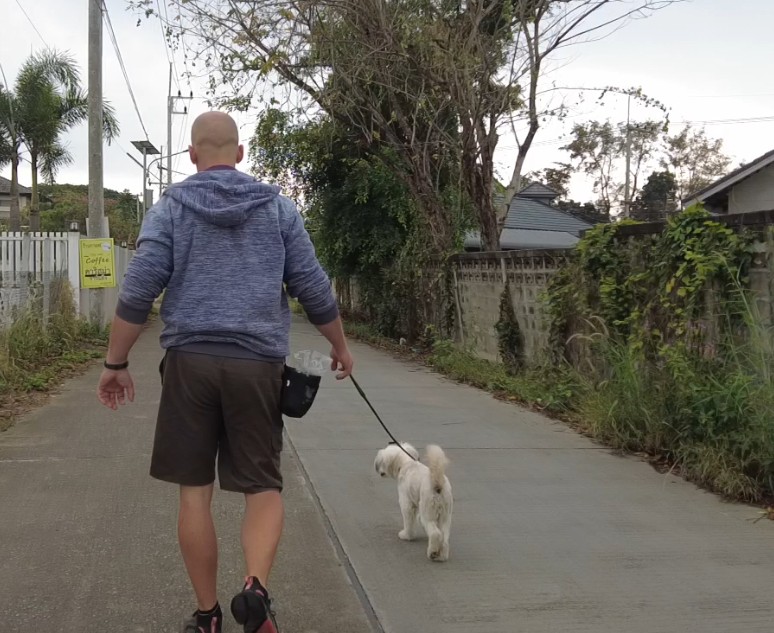
Guidance restores balance. Gentle structure, steady tone, and predictable routines help stabilize the storm. When patience meets neuroscience, adolescence becomes transformation—not turmoil.
The Neutering Question: Timing and Developmental Considerations
One of the most common questions during this phase concerns neutering or spaying: Should I do it now, wait until after adolescence, or does timing even matter?
While the research papers provided don’t contain specific information about neutering timing’s influence on emotional maturity or learning stability, this remains a crucial consideration for many dog owners. Current veterinary guidance increasingly recognizes that one-size-fits-all approaches may not serve all dogs equally.
What we do know is that sex hormones play significant roles in brain development, behavior regulation, and physical maturation. Removing these hormones during active developmental periods potentially influences the trajectory of neural maturation, though research continues to evolve on exactly how.
If you’re considering neutering or spaying during your dog’s adolescence, have an in-depth conversation with your veterinarian about:
Critical Questions to Discuss with Your Veterinarian:
- Your dog’s breed and size: Larger breeds may benefit from delayed neutering for orthopedic development, while smaller breeds often mature faster
- Behavioral concerns: Existing anxiety, reactivity, or aggression patterns that might be influenced by hormonal factors
- Health considerations: Breed-specific cancer risks, urinary incontinence susceptibility, or other medical factors
- Your management capacity: Can you safely manage an intact adolescent dog’s behaviors, including marking, mounting, or increased roaming drive?
- Local regulations and requirements: Some areas have mandatory spay/neuter laws that influence your options
- Competition or breeding plans: If you plan to participate in certain sports or ethically breed, timing considerations differ
The decision should be individualized based on your specific dog’s needs, your circumstances, and current veterinary recommendations. What matters most is that whatever timing you choose, you continue providing the consistent support, training, and emotional scaffolding that will carry your dog through this transformative period.
Training and Welfare Applications: Practical Strategies for Navigating the Storm
Adapting Training for the Adolescent Brain
Traditional training approaches often fail during adolescence because they assume a fully developed brain with stable executive function. Your adolescent dog needs training protocols specifically adapted to their neurological reality.
Work with fluctuating attention and motivation:
The adolescent prefrontal cortex is still developing working memory and sustained attention. Long training sessions that would challenge even an adult dog become nearly impossible for an adolescent whose attention naturally wanders.
Key Training Adaptations for the Adolescent Brain:
- Short, high-value training bursts: Sessions of 3-5 minutes, multiple times daily, work far better than one 30-minute session. This approach matches your dog’s attention span and prevents frustration while maintaining engagement.
- Leverage reward sensitivity: Your adolescent dog’s dopamine system is primed for reward-seeking. Use high-value rewards—whatever your dog finds most motivating—to capture attention and reinforce desired behaviors. This isn’t bribery; it’s working intelligently with their neurochemistry.
- Incorporate novelty strategically: Since adolescent dogs are hardwired for novelty-seeking, vary training locations, rewards, and activities. This satisfies their neurological drive while keeping training engaging. However, balance novelty with enough consistency that they can actually learn and consolidate new behaviors.
- Practice gradual difficulty increases: Don’t expect adult-level performance. If your dog performed a behavior reliably as a puppy, they may need to relearn it during adolescence as their brain reorganizes. Start with easier versions and gradually increase complexity and duration, celebrating small victories.
- Embrace patience as strategy: Your frustration can elevate stress hormones in both you and your dog, creating a negative feedback loop. Patience isn’t just kind—it’s neurologically informed training practice.
Remember, you’re not training a dog with a finished brain. You’re guiding a dog through active neural construction. Through the NeuroBond approach, trust becomes the foundation of learning, allowing you to work collaboratively through this challenging phase rather than fighting against developmental biology.
Reframing Adolescence as a Second Critical Period
Early puppyhood is universally recognized as a critical socialization window, but emerging research suggests we should view adolescence similarly—as a second critical period requiring renewed socialization, patience, and intentional positive experiences.
Why adolescence deserves critical period status:
The extensive neural reorganization during adolescence—including synaptic pruning and myelination—creates a brain that’s highly adaptable and sensitive to environmental input. The increased structural plasticity in circuits governing reward valuation, emotional processing, and social behavior means experiences during this window have outsized, lasting impacts.
Adolescent dogs show an inherent drive for social interaction and environmental exploration. This isn’t inconvenient behavior to suppress; it’s a biological imperative signaling that their brain is ready and hungry for specific types of input. Positive social experiences during this window can profoundly shape adult social competence, while negative experiences or social deprivation can create lasting behavioral challenges.
Applying the critical period framework:
Renewed Socialization Strategies:
- Renew socialization intentionally: Your adolescent dog needs continued, positive exposure to various people, dogs, environments, and experiences. Don’t assume that puppy socialization was sufficient. Their brain is forming new connections and pruning others—give it positive material to work with.
- Protect against overwhelming experiences: While exposure is important, the heightened emotional reactivity of adolescence means overwhelming or traumatic experiences can have lasting negative impacts. Manage socialization carefully, ensuring your dog remains comfortable and under threshold.
- Invest in professional support if needed: Just as you might hire a puppy trainer, consider working with a qualified force-free trainer during adolescence. Professional guidance during this critical window prevents small issues from becoming ingrained patterns.
- Increase patience expectations: If you thought puppyhood required patience, adolescence demands even more. Understanding that this is a critical developmental period—not just “bad behavior”—helps frame your mindset appropriately.
- Document progress and setbacks: Keep a journal of your dog’s responses to different situations. Patterns emerge that help you identify triggers and track genuine developmental progress amid day-to-day inconsistency.
Research shows that interventions during adolescence can reverse negative effects of earlier stress or developmental challenges. This means adolescence isn’t just a period to survive—it’s an opportunity to actively shape your dog’s adult temperament and behavior through thoughtful, positive experiences. 🐾
Harnessing Oxytocin: The Biochemistry of Bonding During Stress
Can the way you interact with your dog actually change their hormonal responses to stress? Absolutely—and the key player is oxytocin.
Oxytocin is a neuropeptide involved in social bonding, trust, and stress reduction. Research demonstrates that interactions promoting oxytocin release can buffer against stress and impulsivity, making it a powerful tool during adolescent hormonal upheaval.
Evidence for oxytocin’s protective effects:
Studies show that adolescent oxytocin treatment can reverse effects of early life stress on later psychopathology and addiction vulnerability. It restores oxytocin levels and attenuates stress-induced cortisol responses—directly calming the physiological stress response that can spiral during adolescence.
Maternal care strategies involving significant oxytocin release impact adolescent offspring cognition and anxiety-like behavior. For your dog, you’ve taken on that primary attachment role, and your care strategies similarly influence their hormonal and behavioral responses.
Practical oxytocin-enhancing strategies:
Daily Bonding Rituals That Promote Oxytocin Release:
- Gentle physical contact: Slow, calm petting (especially along the back and chest) promotes oxytocin release in both dogs and humans. Make this a daily practice, particularly during calmer moments. Aim for 5-10 minutes of quiet connection time each day.
- Calm vocalizations: Speaking to your dog in soft, reassuring tones activates social bonding circuits. Your voice is a powerful regulatory tool. Narrate peaceful activities together or simply offer verbal reassurance during stressful moments.
- Positive training interactions: Training sessions using positive reinforcement combine learning with bonding, creating oxytocin release while building skills. Even brief 2-minute training moments scattered throughout the day strengthen your bond.
- Secure base behavior: Simply being a consistent, available presence allows your dog to check in with you for reassurance, which promotes oxytocin release and emotional regulation. Notice and acknowledge when your dog seeks proximity during uncertainty.
- Play and joyful interaction: Appropriate play that your dog enjoys (not overwhelming rough play) releases oxytocin while satisfying their need for social engagement. Follow your dog’s play style preferences—some love fetch, others prefer gentle tug or sniffing games together.
- Synchronized activities: Walking together at a matched pace, parallel relaxation (you reading while your dog settles nearby), or mutual gaze during calm moments all promote oxytocin and strengthen your bond.
These interactions work by reducing stress (attenuating physiological stress response), improving emotional regulation (fostering security and calm), and potentially modulating impulsivity (promoting prosocial behaviors and supporting developing cognitive control).
During the hormonal chaos of adolescence, intentionally fostering oxytocin-enhancing interactions provides a biochemical buffer that supports your dog’s emotional stability and strengthens your bond. You’re not just being a good owner—you’re actively influencing your dog’s neurochemistry in ways that promote resilience and wellbeing.
Health and Wellness Considerations During the Teenage Phase
Nutritional Needs for a Developing Brain and Body
Your adolescent dog isn’t just growing behaviorally—their body and brain remain in active development, creating specific nutritional requirements.
During adolescence, your dog’s brain is undergoing extensive remodeling. Omega-3 fatty acids, particularly DHA (docosahexaenoic acid), support neural development and may help optimize the synaptic pruning and myelination processes occurring in their prefrontal cortex. Quality protein provides amino acids essential for neurotransmitter production—remember, dopamine and serotonin synthesis depends on dietary precursors.
Physical growth continues, though at a slower rate than during puppyhood. Large and giant breeds still require careful nutritional balance to support healthy skeletal development without encouraging too-rapid growth that can predispose to orthopedic problems.
Key Nutritional Strategies for Adolescent Dogs:
- Maintain appropriate body condition: Obesity during adolescence can impact joint development and may influence hormonal balance. Keep your dog lean and fit with visible waist definition.
- Support brain development: Include high-quality omega-3 sources like fish oil to support ongoing neural maturation. Look for products providing both EPA and DHA.
- Don’t underfeed: Adolescent energy requirements remain high due to activity levels and continued growth. Underfeeding can impact development and may increase stress-related behaviors as your dog feels chronically unsatisfied.
- Consider breed-specific needs: Large breeds need different calcium and phosphorus ratios than small breeds to support healthy skeletal development without encouraging too-rapid growth.
- Provide mental enrichment through feeding: Use puzzle feeders, snuffle mats, or frozen Kong toys to satisfy the novelty-seeking drive while providing nutrition.
- Monitor and adjust: Your adolescent dog’s caloric needs may fluctuate with growth spurts and activity changes. Adjust portions based on body condition, not just age or package recommendations.
Consult your veterinarian about whether your adolescent dog should remain on puppy food, transition to adult food, or use a specifically formulated adolescent diet. The timing depends on breed size and individual development.
Exercise Requirements: Balancing Energy and Safety
Your adolescent dog seems to have boundless energy one moment and crashes the next. How much exercise do they actually need, and can you overdo it?
The dopamine-driven reward-seeking and novelty-seeking of adolescence means your dog may seem insatiable for activity. However, physical development—particularly skeletal and joint maturation—continues during this phase, requiring thoughtful exercise management.
Balanced Exercise Guidelines for Adolescent Dogs:
- Provide adequate mental and physical stimulation: Under-exercised adolescent dogs redirect their energy into behaviors you won’t appreciate—destructive chewing, excessive barking, hyperactivity. Regular exercise helps regulate mood and behavior by providing appropriate outlets for hormonal energy.
- Avoid repetitive high-impact activities: For large and giant breeds still experiencing skeletal growth, excessive jumping, long-distance running on hard surfaces, or repetitive ball-throwing can stress developing joints. Save intense athletic training for after skeletal maturity (12-24 months depending on breed).
- Emphasize varied, moderate activities: Sniffing walks, swimming, age-appropriate play with other dogs, and training sessions provide excellent outlets without joint stress. Variety also satisfies the novelty-seeking drive.
- Adjust for individual needs: High-energy working breeds need substantially more exercise than less active breeds. Know your dog’s breed tendencies and individual temperament. A Border Collie adolescent needs far more stimulation than a Basset Hound adolescent.
- Use exercise to support emotional regulation: Regular physical activity helps regulate stress hormones and provides appropriate outlets for the restless energy driven by hormonal fluctuations. Consistent exercise timing can also support better sleep patterns.
- Include decompression activities: Not all exercise should be structured. Allow your adolescent dog time to simply sniff and explore on a long line in safe areas, satisfying their exploration drive without constant direction.
Balance is key. An exhausted adolescent dog may be easier to live with short-term, but excessive exercise doesn’t address the underlying developmental needs and may create physical problems. Aim for regular, varied, developmentally appropriate activity that satisfies their breed-specific needs while protecting still-developing bodies.
Sleep and Rest: The Underappreciated Recovery Tool
Amid the chaos of adolescent behavior, it’s easy to overlook a critical factor: sleep. Your teenage dog needs substantial rest for their brain to consolidate learning and for their body to support ongoing development.
Sleep plays a crucial role in memory consolidation and neural plasticity. The synaptic pruning and myelination happening in your adolescent dog’s brain partially occurs during sleep. Additionally, hormonal regulation depends partly on adequate rest—sleep deprivation can exacerbate hormonal volatility.
Creating Optimal Sleep Conditions for Neural Development:
- Maintain consistent sleep schedules: Regular sleep-wake cycles support circadian rhythm and hormonal balance. Try to keep bedtime and wake-up times consistent, even on weekends.
- Provide a calm sleeping environment: Adolescent dogs may be more sensitive to environmental stimuli due to heightened reactivity. Ensure their sleeping area is quiet, secure, and away from high-traffic zones.
- Recognize adequate sleep needs: Adolescent dogs may need 14-16 hours of sleep daily, though this varies by breed and individual. If your dog seems unusually irritable, has difficulty focusing, or shows increased reactivity, they may be overtired.
- Use quiet time strategically: After stimulating activities, provide enforced quiet time in a crate or calm space to help your dog regulate their arousal level and rest adequately. This teaches self-soothing skills.
- Monitor sleep quality, not just quantity: Restless sleep, frequent waking, or inability to settle may indicate stress, discomfort, or inadequate daytime exercise.
Quality sleep isn’t a luxury during adolescence—it’s a neurological necessity supporting the very brain development that will eventually bring you the well-adjusted adult dog you’re working toward.
Signs Your Dog May Be Sleep-Deprived:
- Increased irritability or reactivity to normal household activities
- Difficulty focusing during training sessions or persistent distraction
- Hyperactivity that seems almost frantic rather than joyful, indicating overtiredness
- Increased mouthing, nipping, or destructive behavior as impulse control deteriorates with fatigue
- Slower learning or retention of new behaviors due to inadequate memory consolidation
- Physical signs like excessive yawning, slow blinking, or seeking quiet spaces during the day
Emotional Support Strategies for Owners
Managing Your Own Expectations and Frustrations
Let’s acknowledge something important: adolescent dogs can be incredibly frustrating. The dog who was progressing beautifully suddenly seems to have forgotten everything, tests every boundary, and ignores commands they previously performed flawlessly. Your frustration is valid and completely normal.
However, your emotional state significantly impacts your dog’s behavior and your relationship. Dogs are remarkably attuned to human emotions, and your frustration elevates stress in both of you, creating a negative feedback loop that makes everything harder.
Strategies for Managing Your Emotional Response:
- Reframe your perspective: Understanding the neurobiological basis for adolescent behavior transforms frustration into compassion. Your dog isn’t being difficult—their brain is literally under construction. This isn’t defiance; it’s development.
- Adjust expectations: If you expect your adolescent dog to perform like an adult, you’ll constantly feel disappointed. Expect inconsistency, plan for setbacks, and celebrate small victories. Success might look like your dog recalling after three calls instead of ignoring you completely.
- Take breaks when needed: If you feel frustration mounting during training, end the session positively and step away. Pushing through frustration benefits neither you nor your dog and can damage your relationship.
- Connect with support: Join online communities or local groups of people navigating adolescent dogs. Sharing experiences normalizes the challenges and provides practical tips. You’ll discover you’re far from alone.
- Remember the timeline: Adolescence is temporary. Most dogs begin settling between 18-24 months (though large breeds may take longer). This challenging phase will pass, and the foundation you build now determines your future relationship.
- Celebrate your commitment: You’re choosing to understand and support your dog through a difficult developmental period rather than relinquishing them to a shelter (where many adolescent dogs unfortunately end up). That commitment matters immensely.
- Practice self-care: Your wellbeing directly impacts your capacity for patience. Ensure you’re meeting your own needs for rest, support, and stress relief.
Your patience and understanding during this phase isn’t just character-building for you—it’s literally shaping your dog’s adult brain and determining the long-term quality of your relationship. That balance between science and soul—that’s the essence of Zoeta Dogsoul. 🧡
Recognizing When to Seek Professional Support
While adolescent challenges are normal, certain situations warrant professional guidance:
Red Flags That Indicate Professional Support Is Needed:
- Aggression emerges or escalates toward people or other animals, particularly if it includes biting, lunging, or sustained threatening displays
- Fear responses become severe or generalized, limiting your dog’s ability to function in normal environments or causing significant distress
- Anxiety manifests as persistent, distressing symptoms such as destructive behavior when alone, constant hypervigilance, inability to settle even in familiar environments, or compulsive behaviors
- Your dog’s behavior endangers themselves or others, including escaping, running into traffic, or resource guarding that escalates to dangerous levels
- You feel consistently overwhelmed and unable to manage behavior, experiencing burnout, dread around your dog, or considering rehoming
- Multiple training approaches have failed and behaviors are worsening rather than improving despite your best efforts
- Your dog shows signs of pain or illness that might be contributing to behavioral changes—always rule out medical causes
Early intervention during this critical period can prevent temporary adolescent challenges from becoming ingrained adult problems. Professional support isn’t an admission of failure—it’s an investment in your dog’s future wellbeing and your relationship.
Finding the Right Professional:
Ensure any professional you work with:
- Uses exclusively positive reinforcement and force-free methods (avoid anyone recommending prong collars, shock collars, alpha rolls, or dominance-based approaches)
- Holds current certifications from recognized organizations (CCPDT, IAABC, KPA, etc.)
- Understands developmental considerations and adolescent neurobiology
- Creates individualized plans rather than one-size-fits-all approaches
- Provides clear explanations of why behaviors occur and how interventions work
- Shows you measurable progress markers and adjusts plans based on your dog’s response
The right professional can provide tailored strategies, help you manage specific challenges, and offer reassurance that you’re on the right track.
Conclusion: Embracing the Storm with Knowledge and Compassion
Canine adolescence is undeniably challenging—a period of hormonal surges, neural reorganization, behavioral turbulence, and emotional development that tests even the most patient owners. But armed with understanding of the neurobiological foundations driving these changes, you can transform frustration into compassion and weather the storm with confidence.
Your adolescent dog isn’t being difficult for the sake of it. Their testosterone, estrogen, and cortisol are fluctuating wildly. Their dopamine system is driving intense reward-seeking and novelty-seeking. Their serotonin pathways are still learning to regulate behavioral inhibition. Most critically, their prefrontal cortex—that crucial brain region governing impulse control, working memory, and consistent behavior—remains actively under construction.
The selective hearing, boundary testing, and obedience regression you’re experiencing aren’t signs of training failure or disrespect. They’re predictable manifestations of a brain in flux, where reward sensitivity peaks before cognitive control fully develops. This is temporary, though it may feel endless in the moment.
What matters most during this critical period is your response. Your consistency provides essential external regulation during internal chaos. Your patient, positive reinforcement works with, not against, your dog’s developing neurobiology. Your stable attachment serves as a powerful buffer against hormonal volatility, promoting oxytocin release that literally calms stress responses and supports emotional regulation.
Reframe adolescence not as a problem to solve but as a second critical period to nurture—a developmental window where your understanding, patience, and intentional positive experiences profoundly shape your dog’s adult temperament. The brain’s heightened plasticity means experiences during this phase have outsized, lasting impacts. Every calm, consistent interaction deposits into the neural pathways that will determine your dog’s adult behavior.
Adapt your training for fluctuating attention and motivation. Provide short, engaging sessions with high-value rewards. Gradually increase difficulty rather than expecting adult-level performance. Embrace patience as a neurologically informed strategy, not just a virtue.
Support your dog’s physical needs through appropriate nutrition for a developing brain and body, developmentally suitable exercise that balances energy needs with skeletal safety, and adequate sleep for memory consolidation and neural remodeling.
And crucially, manage your own expectations and emotions. Your frustration is valid, but understanding the biological basis for adolescent behavior transforms it into compassion. This challenging phase is temporary—most dogs begin settling between 18-24 months—and your commitment to understanding and supporting your dog through it literally shapes their adult brain and your lifelong relationship.
Seek professional support if needed. Early intervention during this critical window prevents temporary challenges from becoming permanent patterns.
Through the Invisible Leash of awareness and understanding, through the NeuroBond of patient, consistent presence, through moments of Soul Recall that remind us why we chose this journey—you have the tools to guide your adolescent dog through this biological storm toward the well-adjusted adult companion waiting on the other side.
This period won’t last forever, but the foundation you build during it will support your relationship for a lifetime. Navigate the storm with knowledge and compassion, trust the process of neural maturation, and remember that behind every frustrating behavior is a developing brain doing exactly what it’s biologically programmed to do. Your understanding and support during this vulnerable window is quite simply one of the greatest gifts you can give your dog. 🐾










