

Have you ever wondered why some dogs seem to thrive despite living in environments that don’t quite match their breed’s traditional needs? Picture a high-energy Border Collie contentedly napping in a small apartment, or a hunting-bred Beagle perfectly happy with short neighborhood walks. These remarkable canines challenge our assumptions about breed-specific requirements and open fascinating questions about adaptability, resilience, and the hidden costs of environmental mismatch.
Let us guide you through the complex world of canine adaptation, where genetics meets environment and where some dogs surprisingly outperform expectations while others struggle despite seemingly ideal conditions. Understanding these dynamics isn’t just academically interesting—it’s crucial for making better adoption matches, improving welfare practices, and helping our furry friends live their best lives, regardless of circumstances.
Character & Behavior: The Foundation of Adaptability
Understanding Temperament’s Role
Your dog’s ability to adapt to less-than-ideal circumstances begins with temperament—those inherited personality traits that manifest early in life, typically during the first year. Think of temperament as your pup’s emotional blueprint, encompassing everything from reactivity and self-regulation to sociability and sensitivity. These genetic gifts (or challenges) fundamentally shape how your dog processes and responds to environmental stressors.
Key temperament traits that promote adaptability include:
- Emotional stability: Dogs with steady emotional baselines can better buffer against inadequate enrichment or exercise
- Flexibility: The canine equivalent of “going with the flow” helps dogs adjust to unexpected changes
- Moderate sensitivity: Neither too reactive nor too aloof—finding that sweet spot matters
- Self-regulation capacity: The ability to calm down independently without constant external support
Did you know that emotional stability in dogs mirrors human psychological patterns? Just as emotionally stable people cope better with life challenges, dogs with this trait maintain better mental and physical health despite environmental shortcomings. .
Cognitive Flexibility: The Problem-Solving Advantage
Beyond basic temperament lies another crucial factor—cognitive flexibility. Dogs with higher problem-solving abilities demonstrate remarkable creativity in meeting their needs when primary outlets aren’t available. Picture a working-bred German Shepherd in a suburban home who learns to “herd” tennis balls in the backyard or creates elaborate games with household objects.
Signs of high cognitive flexibility:
- Creating self-entertainment when bored
- Learning household routines quickly and adapting behavior accordingly
- Finding alternative ways to express natural drives
- Showing curiosity rather than frustration when faced with limitations
These cognitively flexible dogs essentially become architects of their own enrichment, transforming mundane environments into engaging playgrounds through sheer mental creativity.
The Resilience Factor
Resilience—that remarkable capacity to recover from or adjust to misfortune—separates the dogs who merely survive from those who genuinely thrive. This isn’t about accepting a poor quality of life; rather, it’s about maintaining psychological well-being despite imperfect circumstances. Resilient dogs bounce back from disappointments (like a cancelled walk) without spiraling into destructive behaviors or chronic stress patterns.
Genetics & Breed Predispositions: Nature’s Blueprint
Breed-Specific Adaptability Patterns
Not all breeds are created equal when it comes to environmental flexibility. Your Cavalier King Charles Spaniel, bred for centuries as a companion, carries genetic programming for adaptability to human lifestyles. Meanwhile, that magnificent Siberian Husky next door comes from generations selected for endurance running in harsh conditions—a heritage that doesn’t easily compress into suburban living.
Breeds typically showing higher adaptability to low-stimulation environments:
- Companion breeds (Cavaliers, Pugs, French Bulldogs): Genetically selected for human proximity over activity
- Toy breeds (Maltese, Yorkies): Often content with indoor enrichment and shorter exercise sessions
- Some giant breeds (Great Danes, Mastiffs): Despite their size, many have lower energy requirements
- Senior-oriented breeds (Shih Tzus, Pekingese): Bred for lap-warming rather than working
Breeds often struggling with environmental mismatch:
- Herding breeds (Border Collies, Australian Shepherds): High drive and need for mental stimulation
- Northern breeds (Huskies, Malamutes): Bred for endurance and independence
- Terriers (Jack Russells, Fox Terriers): High prey drive and energy in compact packages
- Pointing/Retrieving breeds (German Shorthaired Pointers, Vizslas): Intense focus and exercise needs
But here’s where it gets interesting—individual variation within breeds can be enormous. You might encounter a couch-potato Border Collie or a high-energy Bulldog, reminding us that genetics provides tendencies, not destinies 🐾.
Epigenetic Influences: When Early Life Rewrites the Script
The fascinating field of epigenetics reveals how early experiences can actually alter gene expression without changing the DNA sequence itself. A puppy’s first weeks and months create molecular changes that influence stress responsiveness throughout life. This means two genetically identical puppies raised in different environments might show dramatically different adaptation capacities as adults.
Critical early-life factors affecting resilience:
- Maternal stress levels during pregnancy can pre-program puppy stress responses
- Early socialization quality between 3-14 weeks shapes lifelong coping mechanisms
- Exposure to mild stressors (handled appropriately) builds stress resilience
- Nutritional status during development affects brain structure and function
This epigenetic flexibility offers hope—even dogs from challenging backgrounds can develop remarkable resilience with proper early intervention. Conversely, it warns us that poor early experiences can handicap even genetically advantaged puppies.
The Hidden Genetics of Adaptability
Recent research suggests specific genetic markers might influence adaptability independent of breed. Some dogs carry genetic variants affecting neurotransmitter production, stress hormone regulation, and even cognitive processing speed. These hidden genetic factors might explain why some individuals within traditionally “difficult” breeds adapt beautifully to challenging environments while others from “easy” breeds struggle unexpectedly.
Environmental & Social Influences: The Power of Connection
Owner Interaction Styles: Making or Breaking Adaptation
Your interaction style profoundly impacts your dog’s ability to cope with environmental limitations. Think of yourself as either a stress buffer or a stress amplifier—there’s rarely neutral ground. Dogs with emotionally attuned, consistent handlers show remarkable resilience even in suboptimal environments, while those with inconsistent or emotionally volatile owners struggle even in ideal settings.
Interaction styles that promote adaptation:
- Structured routines: Predictability reduces anxiety and helps dogs self-regulate
- Emotional attunement: Reading and responding to your dog’s emotional states
- Clear communication: Consistent cues and expectations reduce confusion
- Positive reinforcement focus: Building confidence through success experiences
Problematic patterns that hinder adaptation:
- Inconsistent rules and boundaries creating uncertainty
- Emotional dumping (using your dog as an emotional support without reciprocation)
- Over-protection preventing natural coping skill development
- Neglectful patterns leaving dogs to figure everything out alone
You might notice how a nervous owner’s anxiety transmits directly to their dog, creating a feedback loop of stress. Conversely, a calm, confident handler can help even a naturally anxious dog find stability 😄.

The Human-Dog Bond: Nature’s Stress Buffer
The quality of your bond with your dog acts as a powerful mediator between environmental stress and welfare outcomes. This isn’t just about love—though that matters—but about the security, communication, and mutual understanding that develops through consistent positive interactions. A strong bond can literally alter your dog’s stress physiology, lowering baseline cortisol levels and improving recovery from stressors.
Elements of a stress-buffering bond:
- Secure attachment: Your dog trusts you’ll meet their needs
- Bidirectional communication: You understand each other’s signals
- Shared activities: Regular positive experiences together
- Physical affection: Appropriate touch releases bonding hormones
- Reliability: You’re a predictable source of safety and comfort
Research shows that dogs with secure human attachments show lower stress responses to environmental challenges, better emotional regulation, and even improved immune function. This bond can literally help your furry friend weather environmental storms that might overwhelm a less-connected dog.
Urban vs. Rural: Different Challenges, Different Adaptations
Contrary to popular belief, urban dogs don’t necessarily adapt better to enrichment deficits. City living presents unique stressors—noise pollution, crowding, limited green space—that can actually increase social fearfulness and anxiety. Rural dogs face different challenges: isolation, limited socialization opportunities, and sometimes excessive space without structure.
Urban adaptation challenges:
- Constant sensory overload requiring strong stress management
- Limited opportunity for natural behaviors (digging, running freely)
- Higher exposure to unfamiliar dogs and people
- Concrete environments lacking natural enrichment
Rural adaptation considerations:
- Potential for under-socialization leading to fearfulness
- Excessive freedom without boundaries causing anxiety
- Limited mental stimulation from environmental monotony
- Different predator and wildlife stress factors
The key isn’t urban versus rural, but rather how well the specific environment matches your individual dog’s needs and how effectively you bridge any gaps through management and enrichment.
Stress, Welfare & Hidden Costs: Reading the Signs
Behavioral Indicators: What Your Dog Is Really Telling You
Your dog constantly communicates their coping status through behavior—you just need to know how to read the signs. While some indicators are obvious (destructive behavior, excessive barking), others are subtle and easily missed. Understanding these signals helps you distinguish between a dog who’s genuinely adapting and one who’s merely suppressing stress.
Signs of successful adaptation:
- Behavioral flexibility: Smoothly transitioning between activities and rest
- Appropriate play behavior: Engaging joyfully without obsession
- Normal sleep patterns: Deep, restorative rest without hypervigilance
- Healthy appetite: Eating with enthusiasm but not desperation
- Social engagement: Seeking interaction without clinginess
Red flags indicating poor coping:
- Displacement behaviors: Excessive grooming, pacing, or repetitive actions
- Learned helplessness: Giving up trying to engage with environment
- Hypervigilance: Never fully relaxing, always “on guard”
- Resource guarding escalation: Increasing possessiveness over time
- Social withdrawal: Decreasing interest in interaction
That “awake but motionless” behavior you might interpret as calm contentment? Research suggests it might actually indicate a depression-like state, particularly in dogs who’ve experienced major life changes. Similarly, what looks like good behavior might be emotional shutdown—a concerning sign that your dog has given up trying to meet their needs.
The Physiology of “Making Do”: Allostatic Load
Here’s where things get particularly interesting—and concerning. Dogs who appear to thrive despite environmental mismatch might be paying hidden physiological costs through something called allostatic load. Think of it as the “wear and tear” on your dog’s stress response systems from constantly adapting to suboptimal conditions.
Physiological markers of chronic stress:
- Elevated baseline cortisol: The stress hormone that should fluctuate but remains high
- Compromised heart rate variability: Indicating reduced stress system flexibility
- Immune system dysregulation: More frequent infections or allergic responses
- Altered neurotransmitter levels: Affecting mood and behavior regulation
- Inflammatory markers: Suggesting systemic stress responses
Even dogs who seem perfectly happy might be experiencing these hidden costs. That cheerful Labrador who seems fine with minimal exercise? They might be maintaining behavioral normalcy at the expense of increased allostatic load, potentially leading to earlier onset of age-related diseases or reduced lifespan. This isn’t meant to alarm you, but to highlight why meeting your dog’s needs matters even when they seem “fine” 🧡.
Long-term Welfare Implications
The cumulative effects of environmental mismatch extend beyond immediate stress. Dogs experiencing chronic low-level stress from poor environmental fit show accelerated aging, increased susceptibility to behavioral problems later in life, and compromised ability to handle additional stressors. It’s like running your car engine slightly too hot—everything seems fine until suddenly it isn’t.
Potential long-term consequences:
- Earlier onset of cognitive dysfunction syndrome (doggy dementia)
- Increased risk of anxiety disorders developing over time
- Compromised ability to handle medical stressors
- Reduced capacity for new learning as adults
- Shortened overall lifespan in severe cases
Understanding these long-term implications emphasizes why proper environmental matching matters, even when dogs seem to be managing in the short term.
Adaptable. Resilient. Surprising.
Temperament sets the stage. Emotional stability, flexibility, and self-regulation determine whether a dog thrives or falters in less-than-ideal environments. Genetics writes the blueprint for adaptation.
Mismatch isn’t destiny. A high-drive breed may still flourish in modest conditions if temperament balances their needs. Meanwhile, sensitive dogs can struggle despite seemingly perfect setups.

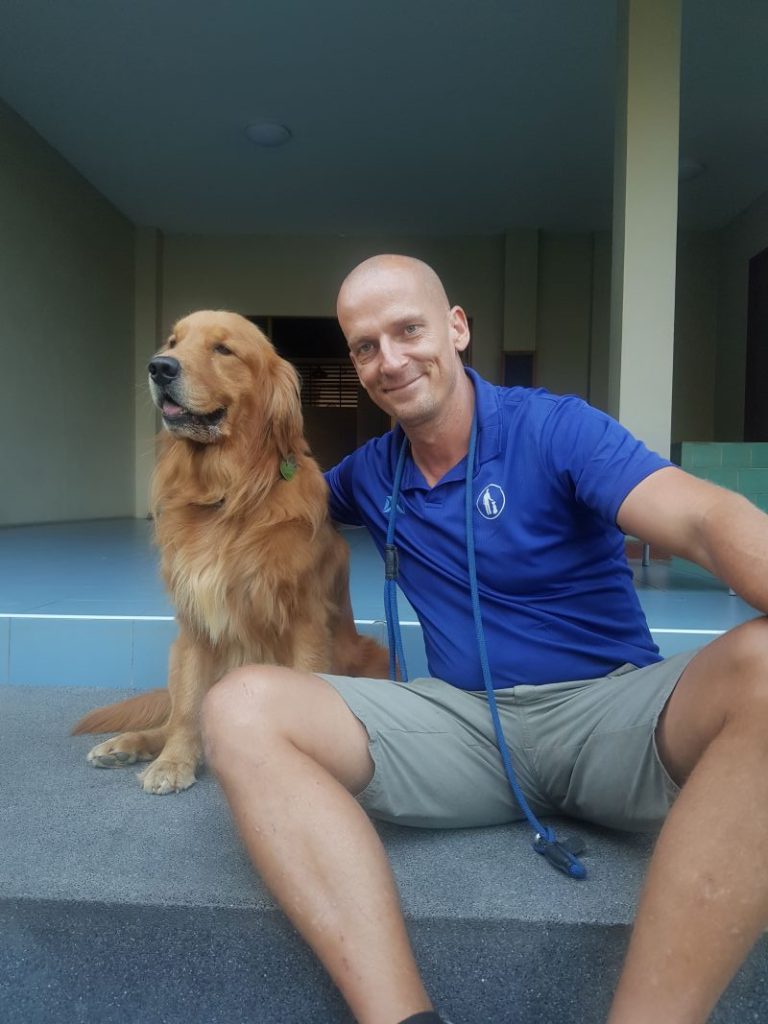

Adaptability carries hidden costs. Some dogs outperform their environment, but resilience often masks unmet needs. Recognizing these trade-offs ensures welfare and harmony beyond appearances.
Training & Education: Building Adaptive Capacity
Resilience Training: Teaching Coping Skills
Just as humans can learn coping strategies, dogs can be taught resilience-building skills that help them adapt to imperfect environments. This isn’t about lowering standards for welfare, but about giving dogs tools to handle unavoidable stressors more effectively.
Core resilience-building exercises:
- Impulse control games: Teaching delayed gratification and emotional regulation
- Problem-solving tasks: Building cognitive flexibility and confidence
- Gradual challenge exposure: Controlled exposure to mild stressors with support
- Relaxation protocols: Teaching active calm and self-soothing
- Choice-based training: Allowing dogs to make decisions builds confidence
Start with simple exercises like “doggy zen” (rewards for not immediately grabbing treats) and gradually increase complexity. You’re essentially teaching your dog that temporary frustration leads to better outcomes—a crucial life skill for any environment.
Mental Enrichment as Environmental Compensation
When physical environment falls short, mental enrichment becomes even more crucial. Think of it as giving your dog’s brain a workout when their body can’t get one. This isn’t a perfect substitute for proper exercise and environment, but it can significantly improve quality of life for dogs in challenging situations.
Effective mental enrichment strategies:
- Puzzle feeders: Every meal becomes a brain game
- Scent work: Tapping into natural abilities regardless of space
- Training new tricks: Continuous learning keeps minds active
- Rotation of toys: Maintaining novelty without constant purchasing
- DIY enrichment: Cardboard boxes, paper bags, and household items become entertainment
The beauty of mental enrichment is its accessibility—even owners with limited time, space, or resources can provide meaningful cognitive stimulation. A Border Collie in an apartment might never herd sheep, but learning complex trick sequences can partially satisfy that need for mental challenge.
Relationship-Based Interventions
The human-dog relationship itself becomes a powerful intervention tool. By strengthening your bond and communication, you create a buffer against environmental stressors. This isn’t just feel-good advice—research shows that relationship quality directly impacts stress physiology and behavioral outcomes.
Bonding activities that build resilience:
- Synchronized walking: Moving together builds connection
- Grooming rituals: Physical care deepens trust
- Play therapy: Appropriate play reduces stress and builds confidence
- Training as communication: Learning becomes bonding time
- Quiet companionship: Simply being present together matters
These interventions work because they address the social and emotional needs that transcend physical environment. A dog with a strong human bond has a portable source of security that travels with them regardless of setting.
Health Concerns: The Physical Impact of Mismatch
Stress-Related Health Conditions
Environmental mismatch doesn’t just affect behavior—it manifests in physical health problems that can significantly impact quality and length of life. Understanding these connections helps you recognize when adaptation isn’t working and intervention is needed.
Common stress-related health issues:
- Gastrointestinal problems: Chronic stress affects gut health and digestion
- Skin conditions: Stress-induced allergies and hot spots
- Cardiovascular strain: Chronic stress elevates blood pressure
- Immune suppression: Increased susceptibility to infections
- Musculoskeletal tension: Physical manifestation of psychological stress
You might notice your stressed dog developing recurring ear infections, digestive upset during environmental changes, or excessive shedding during challenging periods. These aren’t separate issues—they’re interconnected manifestations of systemic stress from environmental mismatch.
Monitoring Physiological Welfare
Modern technology offers new ways to monitor your dog’s physiological welfare beyond obvious behavioral signs. While not all owners need high-tech solutions, understanding available options helps make informed decisions about your dog’s health monitoring.
Welfare monitoring approaches:
- Regular veterinary wellness checks: Baseline health assessments
- Stress hormone testing: Cortisol levels through saliva or hair analysis
- Activity monitors: Tracking sleep quality and activity patterns
- Heart rate variability devices: Measuring stress system flexibility
- Behavioral diaries: Tracking patterns over time
These tools help distinguish between successful adaptation and hidden suffering, providing objective data to guide welfare decisions. Remember, the goal isn’t perfection but rather ensuring your dog’s needs are adequately met.
Nutritional Support for Stressed Systems
Diet becomes particularly important for dogs managing environmental stress. Proper nutrition can support stress resilience, while poor diet can exacerbate adaptation challenges. Think of nutrition as providing the raw materials for stress management—without proper fuel, even resilient dogs struggle.
Nutritional strategies for environmental stress:
- Omega-3 fatty acids: Supporting brain health and reducing inflammation
- B-vitamins: Essential for neurotransmitter production
- Antioxidants: Protecting against stress-induced cellular damage
- Probiotics: Supporting the gut-brain axis
- Adaptogenic herbs: Under veterinary guidance for stress support
Consult with your veterinarian before making significant dietary changes, especially for dogs already managing health conditions.
Lifestyle & Environment: Optimizing What You Have
Small Space, Big Impact: Maximizing Limited Environments
Living in a small apartment doesn’t doom your dog to poor welfare—it just requires creativity and intentionality. Many dogs thrive in small spaces when their needs are met through thoughtful management and enrichment. The key is quality over quantity in every aspect of care.
Small space optimization strategies:
- Vertical enrichment: Using wall space for climbing or puzzle feeders
- Routine-based exercise: Consistent, high-quality outdoor time
- Indoor agility: Creating obstacle courses with household items
- Sensory gardens: Small spaces with varied textures and scents
- Time-sharing spaces: Rotating room access to maintain novelty
Remember, a small space with engaged, attentive owners often provides better welfare than a large yard with neglectful ones. Your involvement matters more than square footage.
Creating Predictable Flexibility
Dogs thrive on routine, but rigid schedules can create their own stress when life inevitably disrupts them. The solution? Predictable flexibility—consistent patterns with built-in variation that teaches adaptation while maintaining security.
Building adaptive routines:
- Core schedule with variation: Same wake/sleep times, varied midday activities
- Flexible feeding enrichment: Meals at consistent times but varied presentation
- Rotating walking routes: Familiar neighborhoods explored differently
- Structured free time: Designated “choice” periods within routine
- Gradual change introduction: Slowly modifying routines rather than sudden shifts
This approach builds resilience by teaching your dog that change is safe and manageable while maintaining the security of predictability. You’re essentially innoculating against future stress by creating controlled, positive experiences with variation.
Social Networks and Support Systems
Your dog’s social environment extends beyond just your household. Creating robust social networks provides additional resilience resources, especially important for dogs in challenging environments. Think of it as building a village for your dog’s welfare.
Building support networks:
- Regular playdate partners: Consistent social enrichment
- Trusted caregivers: Reducing separation anxiety through familiarity
- Training class communities: Ongoing learning and socialization
- Neighborhood relationships: Friendly faces on walks reduce stress
- Professional support team: Veterinarian, trainer, groomer as extended care network
These networks provide stability during transitions, additional enrichment opportunities, and safety nets during challenging times. A dog with multiple secure relationships shows greater resilience to environmental stressors.
Senior Care Considerations: Adaptation Across Life Stages
Age-Related Changes in Adaptability
As dogs age, their capacity for environmental adaptation changes—sometimes improving, sometimes declining. Understanding these shifts helps you adjust management strategies to maintain welfare throughout your dog’s life. That energetic young Border Collie who struggled in your apartment might become perfectly content as a senior, while your adaptable young Labrador might need more support with age.
Senior adaptation patterns:
- Decreased physical demands: Lower exercise needs might better match limited environments
- Increased anxiety: Cognitive changes can reduce adaptation capacity
- Sensory changes: Vision/hearing loss affects environmental navigation
- Reduced flexibility: Both physical and behavioral rigidity increases
- Medical considerations: Health issues complicate environmental management
Monitoring these changes helps you provide appropriate support without over-managing. The goal is maintaining quality of life while respecting your senior dog’s changing capacities.
Supporting Cognitive Health in Suboptimal Environments
Cognitive dysfunction syndrome (doggy dementia) risk increases with chronic stress and poor environmental fit. However, targeted interventions can protect cognitive health even in challenging environments. Think of it as brain fitness training becoming even more crucial when other factors aren’t ideal.
Cognitive protection strategies:
- Novel learning: Teaching new tricks to old dogs really does matter
- Sensory enrichment: Engaging multiple senses maintains neural pathways
- Social engagement: Continued interaction prevents cognitive decline
- Physical exercise: Whatever level possible supports brain health
- Dietary support: Brain-healthy nutrition becomes crucial
These interventions work synergistically—combining multiple approaches provides better protection than any single strategy alone.
Assessment & Adoption: Making Better Matches
Beyond Breed: Individual Assessment Tools
Modern adoption programs increasingly recognize that breed alone poorly predicts environmental fit. Individual assessment tools evaluating temperament, resilience, and adaptability provide much better matching potential. These tools move beyond surface behaviors to evaluate underlying traits that predict adaptation success.
Key assessment dimensions:
- Stress recovery rate: How quickly dogs bounce back from stressors
- Environmental sensitivity: Reaction intensity to novel stimuli
- Social flexibility: Ability to adjust to different social situations
- Frustration tolerance: Response to delayed gratification
- Learning style: How dogs approach problem-solving
These assessments aren’t about finding “perfect” dogs but rather matching individual dogs with appropriate homes. A dog with lower adaptability isn’t inferior—they just need more carefully matched environments.
Adoption Counseling for Realistic Expectations
Successful adoptions require honest conversations about both dog needs and owner capacities. This means moving beyond feel-good adoption stories to have real discussions about what different dogs require for welfare. Adoption counselors who understand resilience and adaptation can make better matches and provide appropriate support.
Critical adoption considerations:
- Lifestyle reality checks: Honest assessment of time, space, and resources
- Resilience factors: Evaluating both dog and family adaptation capacity
- Support needs: Identifying necessary resources for success
- Red flags: Recognizing poor matches before problems develop
- Contingency planning: Preparing for life changes affecting dog care
Better matching reduces returns, improves welfare, and creates more successful human-dog relationships. It’s not about being exclusive but about being thoughtfully inclusive.
Post-Adoption Support Systems
Even well-matched adoptions benefit from ongoing support, especially when dogs are adapting to imperfect environments. Post-adoption programs that provide continued guidance help families navigate challenges before they become crises.
Effective support components:
- Regular check-ins: Proactive problem identification
- Training resources: Continued education opportunities
- Behavior support: Access to professional guidance
- Community connections: Linking families with similar challenges
- Crisis intervention: Rapid response to emerging problems
These programs recognize that adaptation is a process, not an event, requiring ongoing support for optimal outcomes 🐾.
Conclusion: Is Environmental Matching Everything?
After exploring the complex interplay of genetics, environment, and individual resilience, we arrive at a nuanced understanding: while environmental matching matters tremendously, it’s not everything. Some remarkable dogs do indeed outperform their environments, drawing on resilience, cognitive flexibility, and human bonds to thrive despite imperfect circumstances. Yet this doesn’t mean we should be cavalier about environmental fit.
The hidden costs of environmental mismatch—the allostatic load, the subtle stress indicators, the long-term health implications—remind us that just because a dog can adapt doesn’t mean they should have to. Our responsibility as caregivers is to provide the best possible environment while recognizing that perfection isn’t always achievable. When gaps exist, we can bridge them through enrichment, strong relationships, and careful management.
Understanding which dogs might successfully adapt to challenging environments helps make better adoption matches and provides hope for dogs already in suboptimal situations. A resilient dog with strong human bonds and appropriate mental stimulation might genuinely thrive in a small apartment, while a sensitive dog might struggle even in seemingly ideal conditions.
The key takeaway? Know your individual dog—not just their breed, but their unique personality, history, and needs. Build strong relationships that buffer against stress. Provide mental enrichment when physical environment falls short. Monitor for hidden stress signs. And most importantly, remain committed to continuous improvement in your dog’s welfare, even when they seem to be “managing just fine.”
Your dog’s ability to adapt is remarkable, but it shouldn’t be taken for granted. By understanding the science of resilience and the reality of environmental mismatch, you can make informed decisions that support your furry friend’s welfare throughout their life. Whether you’re choosing a new dog, supporting a current companion, or working in animal welfare, remember: resilience is a resource to be protected, not exploited.
The dogs who outperform their environments are testament to canine adaptability, but they also remind us of our responsibility to do better. Every dog deserves an environment that meets their needs, and when that’s not possible, they deserve our most thoughtful, informed efforts to bridge the gap 🧡.










