Introduction: The Silent Companion at Your Heels
Have you ever noticed that quiet presence trailing behind you as you move from kitchen to living room, from bedroom to bathroom? That gentle padding of paws, the soft click of nails on hardwood, the watchful eyes that track your every move? If you share your life with a dog who seems magnetically drawn to your orbit, you’re experiencing one of the most common yet deeply misunderstood behaviors in the canine world.
This room-to-room following, affectionately called “shadowing,” is far more than simple devotion or clinginess. Beneath this seemingly straightforward behavior lies a fascinating tapestry of emotional bonds, neurobiological mechanisms, and cognitive processes that reveal the profound depth of the human-dog connection. Some dogs follow with calm confidence, content simply to be near. Others trail with anxious urgency, unable to settle when separated even by a single wall.
Understanding why your dog follows you everywhere isn’t just about satisfying curiosity. It’s about recognizing whether your companion is expressing healthy attachment or signaling deeper emotional needs. Through the lens of attachment theory, neuroscience, and behavioral observation, we can learn to distinguish between a dog who chooses to be near you and one who cannot bear to be apart. That distinction matters enormously for your dog’s emotional wellbeing and your relationship’s long-term health.
In this comprehensive guide, you’ll discover:
- The three primary attachment styles in dogs and how they manifest in following behavior
- The neurobiological mechanisms driving proximity-seeking (oxytocin, vasopressin, and the autonomic nervous system)
- Clear behavioral markers that distinguish healthy attachment from anxiety-driven dependency
- How your own behavior and emotional state unconsciously shape your dog’s following patterns
- Practical training strategies including place training, check-ins, and progressive separation exercises
- When following behavior signals developing separation anxiety requiring professional intervention
- The NeuroBond approach to building confidence through connection rather than forced independence
- Special considerations for puppies, senior dogs, and breed-specific tendencies
Let us guide you through this journey of understanding, where science meets soul, and where the invisible threads connecting you to your four-legged shadow become visible, meaningful, and actionable.
The Science of Following: Attachment, Security, and Social Bonds
Understanding Canine Attachment Styles
Just as human infants develop distinct attachment patterns with their caregivers, dogs form primary attachments to their human companions that profoundly shape their behavior. The groundbreaking work in attachment theory, originally developed for human relationships, has been successfully adapted to understand the canine-human bond.
Dogs typically exhibit one of three attachment styles, each manifesting differently in following behavior:
Secure Attachment represents the healthy ideal. These dogs follow their owners with flexible interest rather than desperate need. You might notice your securely attached dog checking in periodically, perhaps following you to the kitchen but then wandering back to their favorite sunbeam. They balance proximity with confident independence, comfortable exploring even when you’re in another room. Their following feels collaborative rather than compulsive.
Signs your dog has secure attachment:
- Follows you to new rooms but settles quickly once there
- Can choose to stay behind when comfortable or engaged in something interesting
- Greets you warmly after absences but calms within 30-60 seconds
- Explores environments confidently when you’re present
- Shows relaxed body language while following (soft eyes, loose tail, natural pace)
- Sleeps peacefully when you’re in other rooms
- Responds to your departure cues without stress signals
- Maintains “loose orbit” proximity rather than constant physical contact
Anxious Attachment creates a different picture entirely. Dogs with this pattern follow with visible tension, often positioning themselves directly underfoot. They may pant, whine softly, or show stress signals when you move toward a door. These dogs struggle to settle when you’re home, constantly monitoring your location. Their following isn’t just preference; it’s driven by an underlying fear that separation equals abandonment.
Anxious attachment warning signs:
- Positions themselves on your feet or touching you constantly
- Paces or remains standing even when you’re stationary
- Shows stress signals (panting, whale eye, pinned ears) during normal household movement
- Blocks doorways or follows urgently when you approach exits
- Cannot settle to sleep unless in direct contact with you
- Whines or vocalizes when you move to different rooms
- Shows hyper-vigilance even in familiar, safe environments
- Abandons food, toys, or comfortable resting spots to follow you
Avoidant Attachment, though less obvious, also influences proximity behavior. These dogs may not physically follow closely, but they frequently check your location from a distance. They want to know where you are without necessarily being near you, maintaining emotional connection through surveillance rather than physical closeness. 🧠
Through the NeuroBond framework, we understand that secure attachment develops not from constant physical proximity but through shared experiences of calm co-regulation. Your dog learns that they can move away and return, that separation is temporary, and that your connection transcends physical distance.
The Neurobiology of Proximity: What’s Happening in Your Dog’s Brain
When your dog follows you from room to room, a complex neurochemical symphony plays out in their brain. Two hormones deserve particular attention: oxytocin and vasopressin.
Oxytocin, often called the “bonding hormone,” surges when you and your dog make eye contact, share physical affection, or engage in positive interactions. This neurochemical creates feelings of safety, comfort, and connection. For many dogs, your physical presence triggers oxytocin release, making proximity literally feel good at a biological level. When you leave the room, that comforting neurochemical bath diminishes, creating motivation to follow.
How oxytocin influences following behavior:
- Increases during mutual gaze between you and your dog (creating bonding reinforcement)
- Surges during physical touch and gentle petting (rewarding proximity)
- Rises when your dog successfully finds you after brief separation (reinforcing seeking behavior)
- Creates positive associations with your presence (making following feel emotionally rewarding)
- Can become dysregulated in anxious dogs (leading to oxytocin dependency for emotional stability)
- Works synergistically with dopamine to create “reward pathways” for proximity
- Reduces stress responses when properly balanced (your presence literally calms their nervous system)
Vasopressin, oxytocin’s lesser-known partner, plays a crucial role in social memory and pair bonding. It helps your dog remember the positive associations with your presence and maintains the motivation to seek proximity. In balanced amounts, these systems create healthy social bonds. However, when dysregulated through anxiety or insecure attachment, they can contribute to excessive proximity-seeking.
Your dog’s autonomic nervous system also plays a critical role. The Polyvagal Theory helps us understand how your presence influences your dog’s physiological state. When you’re near, many dogs experience what’s called “co-regulation”—your calm nervous system helps stabilize theirs. The vagus nerve, which regulates heart rate, breathing, and the social engagement system, functions more smoothly when you’re present. For anxious dogs, leaving the room can trigger a cascade of stress responses as this co-regulatory support vanishes. ðŸ§
This is where the Invisible Leash concept becomes relevant. The healthiest relationships aren’t built on your dog’s constant need for your physical presence to maintain regulation. Instead, they’re built on your dog’s internalized sense of safety—the ability to carry your calming influence even when you’re not visible.
Social Referencing and Cognitive Motivation
Your dog isn’t just following blindly; they’re gathering information. Dogs are masters of social referencing, using human cues to interpret their environment and make decisions. When your dog follows you into a room, they may be checking: Is this space safe? What are we doing next? Should I be alert or relaxed?
This cognitive aspect of following reveals your dog’s remarkable intelligence. They’ve learned that your movements predict important events. When you head toward the kitchen, dinner might be coming. When you grab keys, departure is imminent. When you move toward the bedroom at night, it’s settling time. Your dog isn’t just attached; they’re anticipating, planning, and gathering contextual information.
What your dog learns by following you:
- Which of your movements predict feeding time, walks, or play sessions
- How to read your emotional state through posture, pace, and breathing patterns
- Whether environments are safe based on your relaxed or tense behavior
- When departures are imminent (putting on shoes, grabbing keys, checking phone)
- Which rooms contain potential rewards or interesting activities
- Your daily routine patterns and what they mean for the dog’s schedule
- Social cues about whether to be alert, relaxed, excited, or calm
- How to position themselves for optimal interaction opportunities
Some dogs develop what researchers call “learned anticipation.” They’ve connected your movements to outcomes that matter to them—food, walks, play, comfort. This creates a reinforcement loop where following is rewarded, not necessarily by your deliberate actions, but by the events that naturally occur when they stay close.
Did you know that dogs who follow more intensely often score higher on social cognition tests? They’re not less intelligent or more dependent—they’re simply more attuned to human behavioral patterns and more motivated to track social information. This insight helps us appreciate that following can reflect cognitive engagement, not just emotional neediness.

Distinguishing Healthy Following from Problematic Dependency
Signs of Balanced Attachment
How can you tell if your dog’s following represents healthy attachment rather than anxiety-driven dependency? Several behavioral markers provide clarity:
Signs of healthy, balanced following:
- Calm body language: Soft eyes, relaxed mouth, loose tail carriage, natural breathing rhythm
- Flexible distance: Follows at comfortable distance (2-6 feet) rather than underfoot
- Easy settling: Can lie down and relax within 1-2 minutes of reaching a new room with you
- Selective following: Sometimes chooses to stay behind when comfortable or engaged
- Independent interests: Maintains engagement with toys, windows, or resting spots even when you’re present
- Measured reunions: Greets you after separation with joy but calms within 30-60 seconds
- Confident exploration: Investigates environments, smells, and objects while you’re nearby
- Peaceful door tolerance: Remains calm when closed doors temporarily separate you
Calm Following: Your dog trails you with relaxed body language—soft eyes, loose posture, natural tail carriage. They follow at a comfortable distance, not pressing against your legs. When you stop, they settle easily rather than pacing or remaining hypervigilant.
Flexible Proximity: Your dog sometimes chooses not to follow, particularly if they’re comfortable, tired, or engaged in something interesting. They can make independent decisions about their location without apparent distress.
Easy Settling: When you’re home but in different rooms, your dog can relax. They might sleep, chew a toy, or simply rest without constantly checking your location. Doors between you don’t create panic.
Positive Separation Behavior: During brief separations (even just stepping outside to get mail), your dog shows mild interest in your return but doesn’t exhibit hyper-arousal, excessive jumping, or difficulty calming down. Their greeting is joyful but not desperate.
Exploration Confidence: Your dog explores environments, investigates interesting smells, and engages with their surroundings even when you’re present. Your proximity enhances their confidence rather than being the sole source of it. ðŸ¾
This balanced pattern reflects what we see in secure attachment—your dog values your presence without being defined or destabilized by it.
Red Flags: When Following Signals Distress
In contrast, certain patterns suggest your dog’s following stems from anxiety rather than preference:
Red flags indicating anxiety-driven following:
- Constant physical contact: Must be touching you or within inches; becomes agitated when you shift position
- Stress vocalizations: Whining, whimpering, or soft crying sounds while following
- Hypervigilance: Cannot relax; remains standing, pacing, or scanning even when you’re stationary
- Door distress: Paws, scratches, or vocalizes urgently at closed doors separating you
- Panting and drooling: Shows stress-related physical symptoms even in comfortable temperatures
- Loss of appetite: Won’t eat unless you’re present; abandons food to follow you
- Frantic reunions: Jumps, spins, cannot calm down for 5+ minutes after brief separations
- Sleep disruption: Cannot sleep soundly unless in direct contact with you
- Anticipatory anxiety: Shows stress signals before you even move (reading your pre-departure cues)
- Destructive behavior: Engages in scratching, chewing, or elimination when separated
- Physical symptoms: Develops stress-related issues like digestive upset, excessive shedding, or skin problems
Persistent Physical Contact: Your dog must be touching you or within inches at all times. They position themselves on your feet, lean heavily against you, or become agitated when you shift position.
Distress Signals: Following is accompanied by panting, whining, excessive drooling, or other stress indicators even in the absence of obvious stressors. Your dog’s body language shows tension—whale eye, pinned ears, stiff movement.
Inability to Settle: Even when you’re stationary, your dog cannot relax. They remain standing, pacing, or hyper-alert. If you’re sitting, they repeatedly get up to confirm your position or adjust their location.
Separation Reactivity: When you move toward exits or transition to rooms where your dog cannot follow (bathroom, for example), they show immediate distress. They may paw at doors, vocalize urgently, or engage in destructive behavior.
Post-Separation Intensity: After even brief separations, your dog greets you with frantic energy that takes significant time to settle. They may shake, jump repeatedly, or need extended physical contact before calming.
Loss of Normal Behaviors: Your dog stops engaging in activities they typically enjoy—eating, playing with toys, investigating interesting things—when you’re not immediately present.
Physical Symptoms: Some dogs develop stress-related physical issues including digestive upset, excessive shedding, skin problems, or changes in appetite connected to your movements and departures. 🧡
If your dog exhibits multiple red flags, their following likely reflects genuine distress rather than simple preference. This is when intervention becomes important for their emotional wellbeing.
The Grey Area: Context and Individual Differences
Not all following fits neatly into “healthy” or “problematic” categories. Context matters enormously. A dog who follows more intensely during thunderstorms isn’t necessarily anxious overall—they’re seeking co-regulation during a genuinely stressful event. Similarly, dogs may follow more closely after you return from travel, reestablishing connection after disruption.
Breed characteristics also influence following behavior. Herding breeds like Border Collies, Australian Shepherds, and Corgis are genetically predisposed to maintain visual contact with their “flock.” Velcro breeds like Vizslas and German Shorthaired Pointers were literally bred for constant human proximity. For these dogs, following is partly genetic expression rather than purely emotional need.
Age and life stage matter too. Puppies naturally follow more intensely as they learn about their environment and build security. Senior dogs may follow more closely due to reduced sensory function (they need to stay closer to track you) or because age-related anxiety increases their need for reassurance.
Your own behavior significantly influences your dog’s following patterns. If you consistently reinforce following through attention, treats, or engagement specifically when your dog is shadowing you, you’re teaching that proximity produces rewards. Many owners inadvertently strengthen following behavior by only interacting warmly with their dogs when they’re close, ignoring them when they’re independently settled elsewhere in the home.
Proximity. Purpose. Peace.
Connection seeks closeness. Your dog’s silent pursuit isn’t obsession—it’s attachment in motion, a living signal that trust feels safest near you.
Anxiety imitates love. When following turns frantic, the leash is invisible—woven from uncertainty rather than comfort.

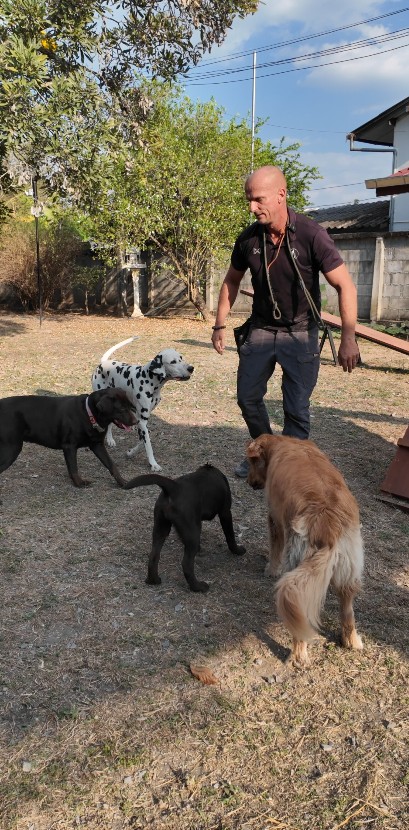
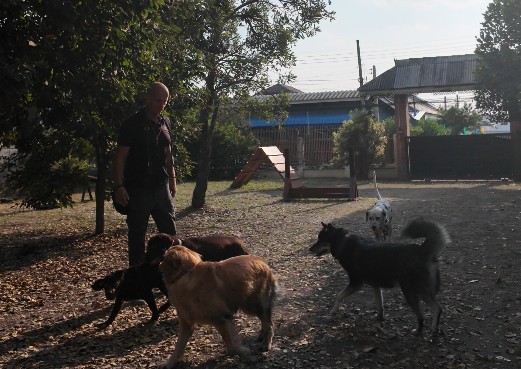
Presence builds freedom. Calm leadership, gentle boundaries, and emotional steadiness teach your shadow to rest in confidence, not dependence.
The Owner’s Role: How Your Behavior Shapes Following Patterns
Inadvertent Reinforcement: Are You Encouraging Following?
You might be reinforcing your dog’s constant following without realizing it. Consider these common scenarios:
Common ways owners accidentally reinforce following:
- Kitchen rewards: Giving treats or food scraps specifically when your dog follows you to the kitchen
- Proximity-only affection: Only talking to, petting, or engaging with your dog when they’re physically close
- Movement-triggered interaction: Initiating play or training sessions specifically when your dog follows you
- Attention for following: Looking at, talking to, or acknowledging your dog each time they follow
- Ignoring independence: Not rewarding or acknowledging when your dog settles calmly in another location
- Departure drama: Providing excessive affection or emotional goodbyes right before leaving
- Arrival celebrations: Creating highly emotional, prolonged reunion rituals after absences
- Following-based routine: Consistently doing activities (feeding, walking, playing) only when dog follows to specific locations
Every time your dog follows you to the kitchen, you give them a treat or scrap of food. You talk to your dog warmly only when they’re physically near you. When your dog follows you outside, you initiate play. When they’re settled independently in another room, you don’t seek them out for interaction.
These patterns teach your dog a clear lesson: proximity equals good things. The solution isn’t to stop being affectionate—it’s to randomize when and where positive interactions occur. Occasionally bring treats to your dog when they’re calmly settled away from you. Initiate play sessions in various locations. Offer warm verbal praise when you pass by your independently resting dog, reinforcing that calm independence is also valued.
🐾 Understanding Your Dog’s Following Behavior
A Journey Through Attachment Styles, Security Seeking, and Emotional Connection
Phase 1: Recognition
Identifying Your Dog’s Following Pattern
What Following Reveals
Your dog’s room-to-room shadowing isn’t random behavior. It reflects their attachment style, emotional security, and neurobiological state. Every follow tells a story about trust, anxiety, or simple preference.
Observable Patterns
• Watch frequency: Every movement or selective following?
• Notice distance: Underfoot or comfortable space?
• Read body language: Relaxed tail or tense posture?
• Track context: Time of day, activities, emotional states
Phase 2: Assessment
Distinguishing Healthy Attachment from Anxiety
Signs of Secure Attachment
• Follows with relaxed body language and soft eyes
• Can settle within 1-2 minutes of entering new room
• Sometimes chooses to stay behind when comfortable
• Greets calmly after brief separations
Red Flags for Anxiety
• Constant physical contact required; cannot settle
• Panting, whining, or stress signals while following
• Distress at closed doors or brief separations
• Frantic reunions that take 5+ minutes to calm
The Neuroscience Connection
Oxytocin surges during proximity create feelings of safety. Your presence literally calms your dog’s nervous system through co-regulation. Anxious dogs become dependent on this neurochemical comfort.
Phase 3: Understanding
Your Role in Following Patterns
Inadvertent Reinforcement
Many owners unknowingly strengthen following by providing treats, attention, or interaction specifically when dogs shadow them. Your dog learns: proximity equals rewards.
Emotional Contagion
Your stress, anxiety, or frustration radiates to your dog through breathing patterns, posture, and chemical signals. Dogs respond by increasing proximity-seeking to understand and regulate your emotional state.
Creating Calm Foundation
• Reward independent settling with occasional treats
• Maintain calm energy during transitions
• Provide predictable daily routines
• Acknowledge when dog chooses to rest away from you
Phase 4: Foundation Building
Place Training and Calm Independence
Place Training Protocol
Teach your dog that specific spots mean safety and relaxation. Use high-value rewards for voluntary settling. Gradually increase duration and practice while you move around the space.
The Check-In Alternative
Rather than constant shadowing, teach periodic check-ins. Reward when your dog voluntarily approaches, interact briefly, then release them back to independent activity. This builds connection without dependence.
Enrichment Essentials
• Puzzle feeders for mental engagement
• Frozen Kongs for extended solo time
• Scent work games for independent exploration
• Rotating toys to maintain novelty
Phase 5: Progressive Separation
Building Confidence Through Gradual Challenge
Micro-Separation Practice
Start with 5-second departures from sight. Return before distress occurs. Reward calm behavior. Gradually extend duration: 10 seconds, 30 seconds, 1 minute. Progress at your dog’s individual pace.
Context Variations
Dogs don’t automatically generalize. Practice separations in different rooms, with doors open then closed, inside then outside. Each context requires its own gradual desensitization.
Reading Progress Signs
Success looks like: relaxed body during separation, continuation of activities, calm reunions, and choosing to remain settled even when you return to view.
Phase 6: Departure & Arrival Rituals
Calm Transitions Build Security
Calm Departure Strategy
• Complete preparations early (15-30 minutes before)
• Provide engaging activity 5 minutes before leaving
• Use simple, neutral phrase: “I’ll be back”
• Exit matter-of-factly without prolonged goodbyes
Measured Arrival Protocol
Enter quietly without excited greetings. Attend to your needs first. Wait for four paws on floor before acknowledging. Offer low-key greeting then return to normal activities.
The Message You’re Sending
Emotional departures and arrivals communicate that leaving is significant and concerning. Calm rituals teach that separations are temporary, unremarkable, and safe.
Phase 7: Integration
Balanced Connection and Independence
The NeuroBond Principle
True security develops not from constant proximity but from internalized safety. Your dog learns to carry your calming presence within them, drawing on shared emotional foundation even during separation.
Success Indicators
• Your dog chooses proximity but can also choose independence
• Following feels collaborative, not compulsive
• Brief separations create no visible distress
• Your dog engages with environment even when alone
Ongoing Practice
Attachment security requires consistent reinforcement. Continue rewarding independent choices, maintaining calm transitions, and honoring your dog’s need for both connection and autonomy.
Phase 8: Special Considerations
Life Stages and Individual Needs
Puppies and Following
Natural developmental need for proximity. Focus on building secure attachment while teaching that brief independence is safe through age-appropriate separation practice.
Senior Dogs
Increased following often stems from sensory decline, cognitive changes, or physical discomfort. Accommodate increased proximity needs while ruling out medical issues.
Breed Considerations
Herding breeds and “velcro” dogs follow due to genetic design, not anxiety. Honor breed tendencies while building confidence in brief separations.
🔍 Following Behavior Comparison Matrix
Secure Attachment
Body Language: Relaxed, soft eyes, loose tail
Distance: Comfortable 2-6 feet
Settling: Within 1-2 minutes
Independence: Sometimes chooses to stay behind
Anxious Attachment
Body Language: Tense, whale eye, panting
Distance: Must touch or be within inches
Settling: Cannot settle; paces
Independence: Panics when separated
Social Preference
Motivation: Enjoys your company
Separation: Mild interest, no distress
Behavior: Calm, flexible, confident
Key Difference: Choice, not compulsion
Separation Anxiety
Motivation: Fear of abandonment
Separation: Panic, destruction, distress
Behavior: Hyper-vigilant, frantic
Key Difference: Genuine suffering
Herding Instinct
Breeds: Border Collies, Aussies, Corgis
Behavior: Visual tracking, positioning
Motivation: Genetic programming
Management: Honor while building independence
Velcro Breeds
Breeds: Vizslas, GSPs, Labs
Behavior: Constant proximity seeking
Motivation: Bred for human partnership
Management: Teach confident check-ins
⚡ Quick Assessment Formula
Healthy Following = Relaxed body language + Flexible distance + Easy settling + Sometimes choosing independence
Concerning Following = Tense body + Constant contact + Cannot settle + Distress at separation
Action Threshold: If your dog shows 3+ red flags consistently, consider professional consultation
🧡 The Invisible Leash Philosophy
True connection transcends physical proximity. Through the NeuroBond approach, your dog learns that security lives within them, not just beside you. The Invisible Leash reminds us that awareness and emotional resonance guide the path more powerfully than constant contact. In moments of Soul Recall, your dog carries your calming presence even during separation—the deepest expression of trust. That balance between togetherness and confident independence, that’s where science meets soul, where attachment becomes freedom rather than constraint. That’s the essence of Zoeta Dogsoul.
© Zoeta Dogsoul – Where neuroscience meets soul in dog training
Your Emotional State Matters More Than You Think
Dogs are exceptional readers of human emotion, detecting changes in your breathing patterns, posture, facial expressions, and even chemical signals. When you’re stressed, anxious, or emotionally dysregulated, your dog notices and often responds by increasing proximity-seeking.
How your emotional state influences your dog’s following:
- Stress contagion: Your elevated cortisol and rapid breathing signal danger, triggering your dog’s proximity-seeking
- Anxiety feedback loops: Your worry about your dog’s following increases their anxiety about separation
- Tension transmission: Your frustration creates energy your dog tries to understand by staying close
- Emotional checking: Your dog follows to assess and respond to your changing emotional states
- Co-regulation seeking: Your dog attempts to help regulate your stress through physical proximity
- Confusion responses: Inconsistent emotional signals from you increase your dog’s need to monitor closely
- Safety assessment: Your anxiety suggests environmental threats, prompting protective following
This creates interesting dynamics. If you feel anxious when your dog doesn’t follow you (worrying something is wrong), your dog may sense that anxiety and follow more to check on you. If you feel frustrated by constant following and radiate tension, your dog may paradoxically follow more, trying to understand and respond to your emotional state.
The concept of co-regulation works both ways. Just as your calm presence can settle your dog, your agitated state can unsettle them. Dogs with anxious attachment styles are particularly sensitive to owner emotional states, creating a feedback loop where owner stress increases dog anxiety, which increases following, which increases owner stress. 😄
Cultivating your own emotional regulation—through mindfulness, stress management, or simply awareness—directly impacts your dog’s proximity-seeking behavior. When you can remain calmly neutral about whether your dog follows or doesn’t follow, you remove emotional charge from the behavior, often reducing its intensity.
The Power of Routine and Predictability
Dogs thrive on predictable patterns. When your movements and daily routines are chaotic or unpredictable, following increases because your dog cannot anticipate what’s coming next. They must maintain constant surveillance to gather information and prepare for transitions.
How predictable routines reduce following intensity:
- Morning patterns: Consistent wake-up, feeding, and walking sequences help your dog anticipate the day’s flow
- Work routines: Regular desk time or work-from-home schedules teach your dog extended settling periods
- Meal schedules: Predictable feeding times reduce food-related following and kitchen monitoring
- Evening wind-down: Consistent nighttime routines signal settling time without constant checking
- Departure cues: Regular leaving sequences allow your dog to anticipate rather than panic
- Return times: Somewhat consistent arrival windows reduce anxious waiting and hypervigilance
- Activity patterns: Knowing when walks, play, or training typically occur reduces constant hopeful following
- Rest periods: Established quiet times teach your dog when independence is expected and rewarded
Creating clear routines doesn’t mean rigid schedules, but it does mean establishing recognizable patterns. If your dog learns that after your morning coffee, you always settle at your desk for two hours, they can relax rather than following every micro-movement. If they know that your evening TV time means everyone relaxes together, they don’t need to monitor whether you’re about to leave.
Predictable departure and return routines prove particularly important. When leaving becomes consistent—you put on shoes, grab keys, say a specific phrase, then depart—your dog can anticipate the sequence without panic. Erratic departures (sometimes you grab your jacket and leave, sometimes you grab your jacket and don’t leave) create uncertainty that increases vigilance and following.
Building Healthy Independence: Practical Strategies
Place Training: Creating Safe Independence Zones
One of the most effective tools for reducing anxiety-driven following is teaching your dog that specific locations mean safety, comfort, and good things happen. “Place” training designates a specific spot—a mat, bed, or designated area—where your dog learns to settle independently.
Step-by-step place training protocol:
- Choose the location: Select a comfortable spot where your dog can see you but isn’t directly underfoot
- Introduce the place: Use high-value treats (chicken, cheese, hot dog pieces) to lure your dog onto the mat
- Mark and reward: Say “yes” or click when all four paws are on the mat, then immediately reward
- Build duration: Gradually increase time on the mat from 5 seconds to 30 seconds to several minutes
- Add the cue: Once your dog goes voluntarily, add a verbal cue like “place” or “mat”
- Reward settling: Move from rewarding presence to rewarding calm, relaxed body language
- Practice with movement: Walk around the room while rewarding your dog for staying on their place
- Increase distance: Gradually move farther from the mat while your dog remains settled
- Brief departures: Step out of sight for 5 seconds, return, reward calm behavior
- Build independence: Extend out-of-sight duration gradually, always returning before distress occurs
- Vary locations: Practice place training with multiple mats in different rooms
- Generalize the behavior: Use the cue in new environments and situations
Start simply. Place a comfortable bed or mat in a location where your dog can see you but isn’t directly underfoot. Use high-value treats to reward your dog for voluntarily going to this spot. Gradually increase the duration they remain there, always rewarding calm settling rather than just physically being in the location.
As your dog becomes comfortable, practice while you move around the room. Reward your dog for staying on their place as you walk past, shift positions, or engage in activities. This teaches that your movement doesn’t require their movement—they can remain settled and still be part of the social environment.
Eventually, practice with brief departures from the room. Step out for five seconds, return, reward calm behavior. Gradually extend duration, building your dog’s confidence that your disappearance is temporary and non-threatening. The goal isn’t forced separation but rather teaching that independence is safe and rewarding. ðŸ¾
The “Check-In” Alternative to Constant Following
Rather than preventing following entirely, you can reshape it into something healthier. Teach your dog to “check in” rather than shadow continuously. This involves rewarding your dog for periodically choosing to come find you, interact briefly, then return to independent activity.
Start by noticing when your dog naturally approaches you from another location. Immediately reward this with calm praise, a treat, or brief affection. Then release them with a phrase like “okay, go explore” or “free time.” This teaches that checking in produces positive outcomes but is meant to be temporary.
Gradually, your dog learns a new pattern: instead of maintaining constant proximity, they periodically verify your location, receive acknowledgment, then confidently return to their own activities. This mirrors the healthy attachment pattern where children “check in” with parents during play—maintaining connection without sacrificing independence.
This approach honors your dog’s desire for connection while building confidence in temporary separation. Through the Invisible Leash concept, your dog develops internalized security rather than depending on constant physical proximity.
Captured Calmness: Rewarding Independent Relaxation
Many owners accidentally train their dogs that activity, proximity, and attention-seeking produce rewards, while calm independence is ignored. Reversing this pattern proves powerful.
Throughout your day, notice moments when your dog is calmly settled away from you—napping on the couch while you’re in another room, chewing a toy independently, or simply resting. Approach quietly and deliver a treat or gentle praise, then immediately withdraw. You’re rewarding the state of peaceful independence rather than proximity-seeking.
Initially, your dog might get up to follow when you approach. That’s fine—simply wait for them to settle again, then reward. Over time, they learn that relaxed independence is valued and produces good outcomes. This “capturing calmness” technique gradually shifts your dog’s understanding of what behaviors earn rewards.
Be patient and consistent. If your dog has spent months or years being primarily rewarded for following and proximity, reshaping these patterns takes time. But the investment pays dividends in a more confident, independently content companion.
Enrichment and Mental Stimulation: Reducing the Need to Follow
Sometimes excessive following stems from boredom or under-stimulation. A dog with insufficient mental and physical engagement may follow simply because monitoring your movements is the most interesting available activity.
Enrichment activities that reduce following by providing alternatives:
- Puzzle feeders: Slow-feed bowls, puzzle toys, or snuffle mats turn meals into 15-30 minute activities
- Frozen Kongs: Stuff with wet food, peanut butter, or yogurt and freeze for long-lasting engagement
- Scent work games: Hide treats around rooms for your dog to search and discover independently
- Rotating toy selection: Keep 5-6 toys available, storing others to maintain novelty when rotated
- Long-lasting chews: Bully sticks, yak chews, beef trachea, or appropriate raw bones
- Food-dispensing toys: Balls or cubes that release kibble as your dog manipulates them
- Window watching stations: Comfortable perches where your dog can observe outdoor activity
- Digging boxes: Designated sand or ball pit areas where digging is encouraged
- Lick mats: Spread peanut butter, pumpkin, or wet food on textured mats for extended licking
- Training sessions: 5-10 minute sessions teaching new tricks provide mental exhaustion
- Indoor agility: Create simple obstacle courses using household items
- Interactive play: Tug, fetch, or flirt pole sessions before settling periods
Provide engaging alternatives that capture your dog’s attention and energy. Puzzle feeders transform meals into extended problem-solving sessions. Snuffle mats engage your dog’s powerful scenting abilities. Long-lasting chews (bully sticks, frozen Kongs, appropriate bones) give your dog absorbing independent activities.
Regular physical exercise proves essential but isn’t sufficient alone. Mental stimulation often exhausts dogs more effectively than physical activity. Training sessions teaching new tricks, scent work games where your dog searches for hidden treats, and even just rotating toys to maintain novelty all reduce the likelihood that following you becomes your dog’s primary source of stimulation. 🧡
When your dog has genuinely engaging alternatives, following becomes a choice rather than the default behavior born from having nothing better to do.
When Following Reflects Separation Anxiety: Recognizing the Deeper Issue
Early Warning Signs
Constant following can be an early indicator of developing separation anxiety, particularly when accompanied by other behavioral changes. Dogs with separation anxiety don’t just prefer your company; they experience genuine distress when separated from you.
Early warning signs of developing separation anxiety:
- Pre-departure anxiety: Panting, pacing, or drooling when you gather keys, put on shoes, or prepare to leave
- Shadow intensification: Following becomes more urgent and closer as departure time approaches
- Exit blocking: Physically positioning themselves between you and doors
- Increased vocalization: More whining, whimpering, or soft barking when you move toward exits
- Loss of interest: Abandoning food, toys, or normally enjoyed activities when you’re preparing to leave
- Hypervigilance: Constant scanning and monitoring of your location throughout the day
- Sleep disruption: Difficulty settling or frequent waking to check your location during night
- Physical symptoms: Digestive upset, reduced appetite, or excessive shedding during your workdays
- Reunion intensity: Greetings becoming increasingly frantic and harder to calm
- Destructive exploration: Chewing door frames, window sills, or items with your scent during absences
- House soiling: Elimination indoors specifically during your absences despite being fully housetrained
- Escape attempts: Trying to dig under doors, jump windows, or break out of confinement areas
Watch for these warning signs that following may reflect anxiety:
Your dog begins panting, pacing, or showing stress signals before you even leave. They follow you with increasing urgency to transitions areas like doors or where you prepare to depart. Destructive behavior, house soiling, or excessive vocalization occurs during your absences, even brief ones. Your dog’s greeting intensity upon your return seems disproportionate to the duration of separation.
Physical symptoms often accompany behavioral changes. Some dogs develop digestive upset before or after separations. Others engage in repetitive behaviors like excessive licking or tail-chasing specifically connected to your presence or absence. Sleep disturbances, reduced appetite, or generalized anxiety throughout the day can indicate that separation concerns are affecting your dog’s overall wellbeing.
The distinction between normal attachment and separation anxiety often lies in the intensity and persistence of distress. All dogs prefer company and may show mild concern when left alone. Dogs with separation anxiety experience panic-level distress that doesn’t diminish with habituation and significantly impairs their quality of life.
The Role of Past Trauma and Life Changes
Previous experiences profoundly shape how dogs manage separation. Rescue dogs with unknown histories may have experienced abandonment, multiple rehomings, or extended shelter stays that created deep insecurity about human permanence. These dogs often follow intensely because past experience taught them that humans who leave might not return.
Even dogs raised in stable homes can develop separation concerns following life changes. Moving to a new home, changes in household composition (new baby, family member leaving, another pet’s death), shifts in your schedule, or traumatic events (break-in, natural disaster, veterinary emergency) can trigger increased following and separation difficulty.
Illness or pain also influences following patterns. A dog experiencing discomfort may seek proximity for reassurance and co-regulation. If your previously independent dog suddenly begins following constantly, rule out medical issues before assuming purely behavioral causes. Conditions affecting vision, hearing, cognitive function, or causing pain can all increase proximity-seeking.
Understanding your dog’s history and recent experiences helps contextualize following behavior and informs appropriate interventions.
Professional Intervention: When to Seek Help
If your dog’s following is accompanied by genuine separation distress, professional guidance often proves essential. A qualified veterinary behaviorist or certified behavior consultant can assess whether anxiety requires medical intervention alongside behavioral modification.
Situations requiring immediate professional consultation:
- Self-injury: Dog breaks teeth, injures paws, or harms themselves attempting to escape or reach you
- Severe destruction: Damage threatens safety (chewing electrical cords) or housing situation (destroying doors, walls)
- Persistent distress: Anxiety shows no improvement after 2-3 weeks of consistent training efforts
- Quality of life impact: Your ability to work, maintain employment, or fulfill basic needs is significantly affected
- Escalating intensity: Following and separation reactions are getting worse rather than better over time
- Physical health decline: Dog stops eating adequately, loses weight, or develops stress-related illness
- Multiple panic indicators: Dog shows severe panic symptoms including excessive drooling, vomiting, diarrhea during separations
- Aggressive responses: Dog becomes aggressive when prevented from following or when separated
- Complete inability to separate: Cannot leave dog even for 5-10 minutes without severe distress
- Failed previous interventions: Multiple training approaches have been tried without improvement
Certain situations warrant immediate professional consultation:
Your dog injures themselves during your absences (breaking teeth trying to escape crates, injuring paws scratching at doors). Destructive behavior threatens their safety or your housing situation. Your dog’s distress doesn’t improve with basic environmental management and training. Separation anxiety is affecting your quality of life significantly, limiting your ability to work, run errands, or maintain social connections.
Many separation anxiety cases benefit from a multi-modal approach combining behavior modification protocols, environmental management, enrichment strategies, and sometimes anti-anxiety medication. There’s no shame in seeking help—separation anxiety represents genuine suffering for your dog, and effective interventions can dramatically improve both your lives.
The NeuroBond Approach: Building Confidence Through Connection
Understanding Emotional Regulation and Co-regulation
The NeuroBond framework offers a sophisticated approach to attachment that goes beyond simple training techniques. It recognizes that the deepest security comes not from constant proximity but from your dog’s internalized sense of safety and their ability to regulate their emotional state even during temporary separation.
Co-regulation—the process where your calm presence helps stabilize your dog’s nervous system—is natural and healthy. However, healthy attachment also requires your dog to develop self-regulation capabilities. This doesn’t mean they should be independent of you, but rather that they’ve internalized your stabilizing influence so they can carry it with them even when you’re not visible.
Think of it like a child learning to swim with their parent in the pool. Initially, they need physical contact—hands supporting them, parent within reaching distance. Gradually, they become comfortable with the parent nearby but not touching. Eventually, they can swim independently while the parent watches from poolside. The parent’s presence still matters; it provides emotional security. But the child has internalized the skills and confidence to function independently within that secure base.
Your dog’s emotional development follows similar patterns. The goal isn’t creating distance in your relationship but rather building your dog’s confidence that connection transcends physical proximity. Through moments of Soul Recall—when your dog experiences your reassuring presence in memory and carries that feeling—they develop the capacity for calm independence that doesn’t threaten your bond.
Calm Departure and Arrival Protocols
How you leave and return home profoundly influences your dog’s security. Many well-meaning owners inadvertently increase anxiety through overly emotional departures and arrivals.
Calm departure protocol (step-by-step):
- Complete preparations early: Gather work items, prepare your bag 15-30 minutes before leaving
- Provide engagement: Give your dog a stuffed Kong, puzzle feeder, or special chew 5 minutes before departure
- Minimize verbal interaction: Reduce talking to your dog as departure approaches
- Avoid prolonged goodbyes: No extended petting, hugging, or emotional farewell rituals
- Use consistent cue: Offer simple, neutral phrase like “I’ll be back” without emotional charge
- Maintain calm energy: Keep your breathing steady, movements relaxed, posture casual
- Don’t acknowledge distress: If your dog shows anxiety, don’t comfort or reassure (which reinforces)
- Exit matter-of-factly: Leave calmly as if it’s completely unremarkable
- Avoid pre-departure attention: Don’t increase affection in the 30 minutes before leaving
- Create positive departure associations: Sometimes put on shoes/grab keys but don’t leave (breaks the pattern)
Calm arrival protocol (step-by-step):
- Enter quietly: Come home calmly without excited greetings or high-pitched voice
- Ignore initial excitement: Don’t make eye contact, speak to, or touch your dog immediately
- Attend to your needs first: Put down your bags, remove shoes, settle yourself before engaging
- Wait for calm: Only acknowledge your dog when they show four paws on floor and relaxed posture
- Offer low-key greeting: Calm voice, gentle touch, brief interaction rather than prolonged celebration
- Return to normal quickly: Resume normal household activities without extended reunion rituals
- Reward calmness throughout: Notice and reinforce when your dog settles after initial greeting
Departures work best when they’re calm, predictable, and emotionally neutral. Long goodbyes, excessive affection right before leaving, or anxious energy as you prepare to depart all communicate to your dog that leaving is significant and potentially concerning. Instead, create a boring departure routine: complete your preparations, offer a simple “I’ll be back” without fanfare, provide an engaging activity (stuffed Kong, puzzle feeder), and leave calmly.
Similarly, arrivals should be measured. When you return home to an excited, potentially anxious dog, your calm demeanor communicates that departures and reunions are normal, unremarkable events. Wait until your dog shows calm behavior before providing attention. This doesn’t mean ignoring your dog—it means responding to calmness rather than excitement, teaching that relaxed greetings produce connection.
Over time, this protocol reduces the emotional intensity around transitions. Your dog learns that departures don’t require distress because arrivals always follow, and that frantic greetings aren’t necessary because calm reconnection is reliable.
Progressive Separation Exercises
Building comfort with separation happens gradually through systematic exposure at your dog’s individual pace. Progressive separation exercises involve creating very brief separation experiences that remain below your dog’s distress threshold, then slowly increasing challenge as confidence builds.
Start with micro-separations—literally five seconds. Step out of sight, immediately return, reward calm behavior. No fanfare, no drama, just matter-of-fact coming and going. Practice multiple times daily in various locations within your home.
Gradually extend duration: ten seconds, twenty seconds, one minute. If your dog shows distress at any level, you’ve progressed too quickly. Return to the previous successful duration and practice more at that level before advancing.
Vary the type of separation. Practice stepping into another room with the door open. Then with the door closed. Then stepping outside. Then starting your car. Each context may require separate desensitization because dogs don’t automatically generalize—being comfortable when you’re in the next room doesn’t guarantee comfort when you’re outside.
These exercises aren’t about forcing independence but rather proving through repeated experience that separations are temporary, predictable, and safe. Your dog develops confidence based on evidence rather than just being told to relax.
Special Considerations: Life Stages and Individual Differences
Puppies and Following: Building Early Security
Puppy following is natural, expected, and actually important for healthy development. Young puppies need proximity to their primary caregiver as they learn about the world, build confidence, and establish secure attachment. The goal during puppyhood isn’t minimizing following but rather shaping it into healthy patterns.
Use your puppy’s natural following tendency to teach check-ins and recalls. When your puppy follows you, acknowledge and reward periodically, then encourage them to explore. Play “find me” games where you hide and call your puppy, rewarding them for seeking you out. This builds the foundation for reliable recall while teaching that finding you is rewarding and successful.
Simultaneously, create opportunities for your puppy to practice calm independence. Enforce nap times in a crate or pen near but not directly attached to you. Provide engaging toys and puzzles. Reward calm behavior when your puppy chooses to rest independently rather than shadowing your every move.
The socialization period (roughly 3-14 weeks) is ideal for teaching that brief separations are normal. Practice very short absences, ensuring your puppy has positive experiences being alone or with other trusted caregivers. Puppies who learn early that separations are temporary and unremarkable typically develop more secure attachment patterns. ðŸ§
Senior Dogs: When Following Increases with Age
Many owners notice their senior dogs begin following more intensely than they did in younger years. This increase often stems from multiple intersecting factors related to aging.
Sensory decline makes it harder for older dogs to track your location without maintaining proximity. Vision and hearing loss mean your dog can no longer easily monitor where you are from across the house. Following compensates for these sensory changes, keeping you within their reduced perceptual range.
Cognitive changes associated with canine cognitive dysfunction (similar to dementia in humans) can increase anxiety and disorientation. Dogs experiencing cognitive decline often seek proximity for reassurance and to reduce confusion. They may forget where you are or become anxious when they cannot immediately locate you.
Physical discomfort, arthritis, and other age-related conditions may increase your dog’s need for comfort and security. Pain creates vulnerability; following you might provide emotional support during physical discomfort. Additionally, older dogs sometimes develop anxiety as other life changes occur—reduced exercise ability, less engagement with previously enjoyed activities, changes in family dynamics.
For senior dogs, increased following isn’t necessarily problematic unless it’s causing distress. Often, accommodating your older companion’s increased need for proximity honors the lifetime of companionship you’ve shared. Ensure they have comfortable resting spots near your common locations, consider nightlights if vision is declining, and consult your veterinarian about pain management and cognitive support supplements.
Breed-Specific Tendencies: Genetics and Following
Breed characteristics significantly influence following behavior, and understanding your dog’s genetic predispositions helps set realistic expectations. Certain breeds were specifically developed for constant human proximity and show following as typical breed expression rather than anxiety.
Breeds with strong following tendencies and why:
- Herding breeds (Border Collies, Australian Shepherds, Corgis, German Shepherds): Genetically designed to maintain visual contact with flock; tracking movement is their job
- Velcro breeds (Vizslas, German Shorthaired Pointers, Weimaraners): Bred to work in close partnership with hunters; proximity is their natural state
- Toy companion breeds (Cavalier King Charles Spaniels, Havanese, Maltese): Developed specifically as constant human companions; lap dogs by design
- Retrievers (Labrador Retrievers, Golden Retrievers): Bred to work closely with handlers; naturally attentive to human movement and cues
- Livestock guardians (Great Pyrenees, Anatolian Shepherds): Monitor flock location constantly; transfer this to human family members
- Terriers (Jack Russell Terriers, Cairn Terriers): Highly alert and human-focused for hunting partnerships
- Spaniels (Cocker Spaniels, Springer Spaniels): Developed for close hunting cooperation; naturally track handler location
- Bull breeds (Staffordshire Bull Terriers, American Pit Bull Terriers): Despite tough appearance, often extremely bonded and proximity-seeking with family
Breeds with more independent tendencies:
- Northern breeds (Siberian Huskies, Alaskan Malamutes, Samoyeds): Bred to work in teams with less human direction
- Primitive breeds (Basenjis, Shiba Inus, Afghan Hounds): Ancient breeds with strong independence
- Scenthounds (Beagles, Bloodhounds, Basset Hounds): Bred to follow scent trails independently
- Livestock guardians at work (when in guardian mode, may patrol rather than shadow)
Herding breeds (Border Collies, Australian Shepherds, Corgis, German Shepherds) were bred to maintain constant awareness of their flock’s location. For these dogs, tracking your movements isn’t anxiety—it’s genetic calling. They’re literally doing what thousands of years of selective breeding designed them to do.
Velcro breeds (Vizslas, German Shorthaired Pointers, Italian Greyhounds, Labrador Retrievers) were developed to work in close partnership with hunters or as constant companions. These breeds typically bond intensely with their people and naturally seek proximity.
Guardian breeds (Great Pyrenees, Anatolian Shepherds, Rottweilers) may follow to maintain protective awareness. They’re monitoring your location and the surrounding environment for potential threats.
Independent breeds (Basenjis, Akitas, Afghan Hounds, Shiba Inus) were developed to work autonomously and typically show less intense following behavior. For these breeds, constant shadowing might actually be more concerning, potentially indicating anxiety since it contradicts their typical independence.
Understanding breed tendencies doesn’t mean accepting problematic behavior, but it does help calibrate expectations. Teaching a Vizsla to tolerate separation entirely differently than their breed instincts might prove frustrating for both of you. Instead, honor their genetic predisposition while building confidence in brief independence. 🧡
The Emotional Landscape: What Following Means for Your Relationship
When Following Strengthens Bonds
Healthy following actually enhances your relationship when it stems from secure attachment and mutual enjoyment. A dog who chooses your company, who follows with calm contentment simply because they prefer being near you, is expressing profound trust and affection.
These relaxed proximity patterns create opportunities for deeper connection. Quiet moments of parallel existence—you reading while your dog naps nearby, your dog following you to the kitchen and settling while you cook, shared presence without constant interaction—build what attachment researchers call “attunement.” You’re existing together, comfortable in each other’s space, communicating through presence rather than constant engagement.
Dogs who follow in this balanced way often show what’s called “secure base behavior.” They use your presence as a foundation from which to confidently explore, returning periodically for reassurance before venturing out again. This mirrors the healthiest human attachment patterns and indicates strong relational foundations.
The key differentiator: your dog’s following enhances both your lives rather than constraining them. You enjoy their company; they enjoy yours. Their presence feels collaborative rather than compulsive, chosen rather than desperate.
When Following Creates Relationship Strain
Conversely, anxiety-driven following can damage relationships despite both parties’ best intentions. When following becomes constant, intense, and driven by distress, it creates frustration, restriction, and sometimes resentment that undermines the bond both species value.
Owners of anxiously attached dogs often report feeling suffocated, restricted in movement, guilty for needing space, frustrated by their inability to help, and sometimes resentful of the constraints on their freedom. These feelings are normal and understandable—constant monitoring feels draining even when you love your dog deeply.
For the dog, anxiety-driven following represents ongoing distress. They’re not happily choosing proximity; they’re compulsively maintaining it because separation triggers overwhelming fear. This chronic stress affects their physical and emotional health while preventing them from experiencing calm independence.
Addressing problematic following benefits both ends of the leash. Your dog gains confidence and emotional regulation skills that reduce suffering. You regain freedom of movement and release the guilt that often accompanies needing personal space. The relationship can transform from one characterized by anxious clinging to one built on mutual trust and secure attachment. 🧠
Practical Assessment: Understanding Your Dog’s Following Pattern
Observing and Recording Behavior
To truly understand your dog’s following behavior, systematic observation proves valuable. Spend several days consciously noticing:
Complete behavioral observation checklist:
Frequency patterns:
- How many times per hour does your dog follow when you change rooms?
- Is it every single movement or context-dependent?
- Does frequency change based on time of day (more following in evening vs. morning)?
- Are certain days of the week more intense?
Distance and positioning:
- How closely does your dog follow (underfoot, within arm’s reach, several feet away)?
- Do they position themselves between you and exits?
- Can they follow while maintaining relaxed distance?
- Do they need physical contact or is visual contact sufficient?
Body language indicators:
- Tail position (high, neutral, low, tucked)?
- Ear position (forward, neutral, pinned back)?
- Eye expression (soft, hard stare, whale eye)?
- Mouth position (relaxed, tight, panting)?
- Overall posture (loose, tense, crouched)?
- Movement quality (fluid, stiff, hesitant)?
Context variations:
- Does following increase when visitors are present?
- Changes during meal preparation times?
- More intense before your typical departure times?
- Different when other family members are home?
- Weather-related patterns (worse during storms)?
Settling ability:
- How long until your dog settles after following (immediately, 1-5 minutes, 10+ minutes, never)?
- Can they achieve deep sleep or remain in light doze?
- Do they startle easily once settled?
- Can they remain settled if you shift position?
Barrier responses:
- What happens when a closed door separates you?
- Calm waiting, mild interest, or active distress?
- Vocalizations (none, occasional whining, constant crying)?
- Physical attempts to breach barrier (scratching, pawing)?
Separation aftermath:
- How long does reunion excitement last?
- Can your dog calm within 30 seconds, 2 minutes, 5+ minutes?
- Do they need extended physical contact to settle?
- Any signs of distress during absence (discovered upon return)?
Frequency: How many times per hour does your dog follow when you move rooms? Is it every single movement or selective following based on context?
Distance: How closely does your dog follow? Are they underfoot, within arm’s reach, or maintaining several feet of distance?
Body Language: What’s your dog’s physical state while following? Relaxed or tense? Soft eyes or hard stare? Wagging tail or tucked? Panting or breathing normally?
Context Patterns: When does following increase or decrease? Time of day? Your activities? Presence of other people or pets? Recent events?
Settling Ability: When you’re stationary, how long until your dog settles? Can they relax completely or do they remain vigilant?
Response to Barriers: What happens when a door separates you? Calm waiting, mild interest, or distress signals like whining, scratching, or pacing?
Recording these observations for several days reveals patterns you might miss through casual awareness. You might discover your dog follows more intensely in evening hours, or that certain rooms trigger more anxiety, or that their following relates more to your emotional state than actual separation.
Simple Tests for Attachment Security
A few gentle exercises can help assess whether your dog’s following reflects secure or anxious attachment:
The Room Transition Test: While your dog is resting comfortably, move to an adjacent room where you’re still partially visible (door open). Don’t call or interact; simply observe. A securely attached dog might glance up but stay resting, or leisurely follow after a moment. An anxiously attached dog will immediately follow, often with stress signals.
The Engagement Test: Provide your dog with a high-value activity (stuffed Kong, favorite toy, special chew) and move to another nearby room. Check every few minutes. A confident dog remains engaged with the activity. An anxious dog abandons it to track your location.
The Departure Cue Test: Put on shoes or grab keys without actually leaving. A dog with minimal separation anxiety shows mild interest or continues their activity. A dog with separation concerns shows immediate stress responses—panting, pacing, whining, blocking the door.
The Return Response: After a brief absence (even just five minutes), how does your dog greet you? Joyful but quickly settling indicates security. Frantic, unable to calm, excessively intense greeting suggests anxiety.
These tests aren’t diagnostic but provide information about where your dog falls on the security-anxiety spectrum. Always keep observations in context of your individual dog’s personality, breed tendencies, and history.
Conclusion: Embracing the Balance Between Connection and Independence
The dog who shadows your every step is offering you something profound: unwavering companionship, deep attachment, and trust in your presence. This behavior, whether stemming from secure affection or anxious need, reveals the remarkable depth of the human-canine bond.
Your journey involves understanding what your dog’s following truly means. Is it the calm choice of a confident companion who simply prefers your company? Or is it the desperate tracking of an anxious soul who cannot bear separation? The answer shapes your response and determines whether intervention is needed.
Remember that the goal isn’t creating distance in your relationship or forcing independence your dog isn’t ready for. Through the framework of balanced attachment, we recognize that the strongest bonds allow for both togetherness and confident separation. Your dog should know that being near you is wonderful, but that brief independence is safe.
The Invisible Leash and moments of Soul Recall teach us that true connection transcends physical proximity. Your dog carries your stabilizing presence within them, drawing on your shared emotional foundation even when you’re in different rooms. This internalized security, developed through patient practice and understanding, represents the highest form of trust.
Whether your dog follows with calm contentment or anxious urgency, you now have the knowledge to understand their motivation and the tools to support healthier patterns if needed. Honor the attachment your dog demonstrates while gently building their confidence in temporary independence. Celebrate the moments of parallel existence while teaching that separation doesn’t threaten your bond.
That balance between connection and independence—between being together and being apart—that’s the essence of secure attachment. That’s where science meets soul, where neurochemistry meets emotion, where behavior reveals the heart beneath it. That’s the essence of Zoeta Dogsoul.
Your dog’s following tells a story. By learning to read that story with wisdom, compassion, and scientific understanding, you strengthen the very bond that inspired the behavior in the first place. And isn’t that a beautiful thing?