Introduction: When Love Becomes a Shadow
Picture this: your furry companion following you from room to room, their eyes tracking your every movement, a soft whine escaping when you dare close the bathroom door. While this devoted behavior might warm your heart initially, it raises an important question—where does healthy attachment end and emotional dependence begin?
The bond between humans and dogs represents one of nature’s most remarkable interspecies relationships, shaped by thousands of years of co-evolution. Yet this profound connection can sometimes transform into something more complex. Understanding the delicate balance between secure attachment and maladaptive dependence isn’t just academic curiosity—it’s essential for promoting your dog’s emotional resilience and ensuring a harmonious relationship that enriches both your lives.
Let us guide you through the intricate world of canine attachment, where neuroscience meets behavior, and early puppyhood experiences shape lifelong patterns. You’ll discover how to recognize the signs of unhealthy dependence, understand the biological mechanisms at play, and most importantly, learn how to nurture a secure, confident bond with your four-legged friend. 🐾
Character & Behavior: The Many Faces of Canine Attachment
Understanding Your Dog’s Attachment Style
Did you know that dogs, much like human children, develop distinct attachment styles based on their early life experiences? Researchers have identified patterns remarkably similar to those observed in child psychology—secure, insecure-avoidant, insecure-ambivalent, and even disorganized attachment styles. Your dog’s way of relating to you tells a profound story about their internal emotional world.
Secure attachment manifests as a beautiful balance. These dogs greet you enthusiastically after separation but can also entertain themselves, explore confidently in new environments when you’re present, and recover quickly from mild stressors. They use you as what behaviorists call a “secure base”—a source of comfort that enables brave exploration rather than restricts it.
Insecure attachment patterns paint a different picture. You might notice your dog becoming virtually your shadow, unable to settle unless touching you, or conversely, seeming oddly detached even during reunions. These patterns often trace back to early life experiences, where inconsistent care or premature separation from littermates disrupted the natural development of emotional regulation skills.
The Neurobiology Behind the Bond
Beneath every tail wag and anxious whimper lies a complex neurochemical orchestra. The hypothalamic-pituitary-adrenal (HPA) axis—your dog’s primary stress response system—plays a starring role in attachment behaviors. When this system functions properly, your dog can navigate daily stressors with resilience. But early life adversity can dysregulate this delicate system, leaving lasting imprints on how your dog processes separation and seeks comfort.
Oxytocin and cortisol engage in an intricate dance within your dog’s brain. Oxytocin, often called the “love hormone,” strengthens social bonds and promotes feelings of safety. Meanwhile, cortisol, the stress hormone, surges during challenging moments. Dogs with secure attachments show healthy fluctuations in these chemicals—cortisol rises during stress but returns to baseline quickly when comfort is available. However, dogs with insecure attachments often display chronically elevated cortisol levels, keeping them in a state of perpetual alertness that manifests as clinginess.
Research reveals that adverse early experiences actually alter the expression of genes controlling these crucial hormones. Methylation changes in glucocorticoid and oxytocin receptor genes create a biological predisposition toward anxiety and insecure attachment. This means that your clingy dog isn’t just “being dramatic”—their brain is literally wired to perceive more threat in separation.
Behavioral Manifestations: Reading the Signs
When Affection Crosses Into Dependence
Every dog owner cherishes those moments of pure devotion—the excited greeting at the door, the gentle lean against your leg, the contented sigh as they settle beside you. But how can you distinguish between healthy affection and problematic dependence? The key lies in flexibility and context.
Healthy attachment behaviors include:
- Seeking comfort during thunderstorms but settling once reassured – your dog uses you as a source of comfort but can self-soothe
- Following you occasionally but also having favorite independent resting spots throughout your home
- Showing excitement at your return that’s proportional to the length of separation rather than frantic regardless of time apart
- Exploring new environments confidently when you’re present, using you as a “secure base” for adventures
- Eating meals and playing with toys whether you’re in the room or not
Indicators of unhealthy dependence tell a different story:
- Unable to eat, drink, or eliminate unless you’re physically present in the room
- Excessive vocalization (whining, barking, howling) when you move to another room, even if still visible
- Destructive behaviors specifically targeting exit points like doors, windows, or door frames
- Physical symptoms of panic including panting, drooling, trembling, or stress diarrhea when they anticipate separation
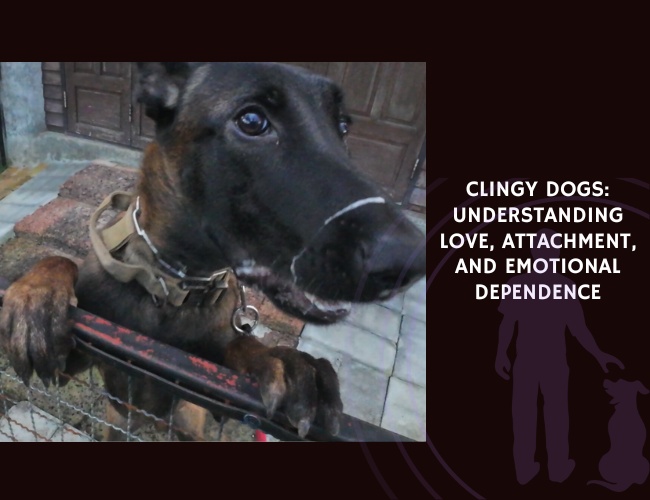
- Following so closely they trip you or refuse to let you close doors, even bathroom doors
- Inability to engage with other family members when you’re present – you become their sole focus
The shadowing phenomenon deserves special attention. While following you occasionally is normal canine behavior—after all, you’re the source of most good things in their life—constant shadowing indicates hypervigilance. These dogs cannot rest because they’re perpetually monitoring your movements, ready to spring into action at the slightest indication you might leave. This exhausting state of alertness often leads to chronic stress and its associated health impacts.
The Escalation Pattern
Clingy behaviors rarely remain static. Without intervention, they tend to follow a predictable escalation pattern that can culminate in full-blown separation anxiety disorder. Initially, you might notice mild protests when you prepare to leave—perhaps some whining or attempts to block the door. These behaviors might seem endearing, even flattering. “Look how much they love me!” you might think.
But as the pattern reinforces itself, the behaviors intensify. Mild whining becomes frantic barking. Following becomes frantic pawing at closed doors. What started as preference for your company transforms into inability to cope without it. This progression isn’t inevitable, but understanding it helps you recognize when professional intervention might be necessary.
Vocalization & Communication: How Clingy Dogs “Talk”
The Language of Anxiety
Your clingy dog has a rich vocabulary of sounds, each conveying different levels of distress or need for reassurance. Understanding this vocal repertoire helps you respond appropriately rather than inadvertently reinforcing anxiety-driven behaviors.
Whimpering and whining often represent the first tier of distress vocalization. These high-pitched, repetitive sounds activate our caregiving instincts—they’re designed by evolution to be difficult to ignore. In clingy dogs, whining might occur whenever you’re out of physical contact, even if you’re clearly visible. This vocalization pattern indicates your dog is experiencing genuine emotional distress, not manipulation.
Demand barking develops when dogs learn that vocalization brings owner attention. This sharp, repetitive bark differs from alert barking in its rhythm and context. You’ll notice it occurs specifically when your dog wants access to you—perhaps when you’re working at your desk or trying to use the bathroom alone. While it might seem like deliberate defiance, demand barking often masks underlying anxiety about separation.
Howling and prolonged vocalization represent more severe distress. These primal sounds, inherited from their wolf ancestors, serve as long-distance communication attempts. When your clingy dog howls during separation, they’re essentially calling for their pack—you—to return. This behavior indicates significant emotional dysregulation and often accompanies other symptoms of separation anxiety.
Body Language Signals
Beyond vocalization, clingy dogs communicate their emotional state through subtle and not-so-subtle body language. Learning to read these signals helps you identify rising anxiety before it reaches crisis levels.
Early warning signs of rising anxiety:
- Lip licking or tongue flicks when not eating or drinking
- Yawning repeatedly when not tired – a classic stress signal
- Panting in cool temperatures or without physical exertion
- “Whale eye” – showing the whites of their eyes while tracking your movements
- Ears pinned back against their head even in familiar settings
- Trembling or shaking that starts subtly in the legs
- Excessive grooming or scratching without medical cause
Watch for stress indicators like excessive panting when not hot or after exercise, dilated pupils in normal lighting conditions, tucked tail even in familiar environments, and lip licking or yawning when not tired. These signs suggest your dog’s stress response system is activated, even if the situation seems benign to you.
Proximity-seeking behaviors in clingy dogs go beyond normal affection. You might notice your dog positioning themselves to maintain physical contact—lying on your feet, leaning heavily against your legs, or even trying to climb into your lap regardless of their size. This constant need for touch provides them with reassurance but prevents them from developing independent coping strategies. 🧠
Training & Education: Building Independence with Compassion
The Foundation: Gradual Independence Training
Helping your clingy dog develop healthy independence requires patience, consistency, and a deep understanding that you’re essentially rewiring deeply ingrained neural pathways. This isn’t about making your dog love you less—it’s about helping them feel secure enough to enjoy time apart.
The step-by-step independence protocol:
- Start with micro-separations of just 2-3 seconds while in the same room
- Gradually increase to 10 seconds, then 30 seconds, then 1 minute
- Add distance incrementally – first across the room, then just outside the doorway
- Progress to different rooms while keeping durations short initially
- Practice with doors open before attempting closed doors
- Always return before your dog shows distress signals
- Reward calm behavior with quiet praise or small treats
Start with micro-separations within your home. Place your dog on their bed with a special treat or puzzle toy, then step just outside their immediate space—maybe to the other side of the room. Initially, return before they show signs of distress. This might be mere seconds for severely clingy dogs. Gradually increase both distance and duration, always returning before anxiety peaks. This approach builds your dog’s confidence that separation is temporary and survivable.
The “calm waiting” protocol transforms everyday moments into training opportunities. Before meals, walks, or play sessions, ask your dog to wait calmly for a few seconds. Start with whatever they can manage—even one second of calm behavior deserves reward. This teaches them that good things come from emotional regulation, not from anxious proximity-seeking.
Invisible boundaries help your dog understand that physical separation doesn’t mean emotional abandonment. Practice having your dog stay on their bed while you move around the room. Reward them for remaining in place with calm praise and occasional treats. This exercise builds their ability to feel connected to you without constant physical contact.
Confidence-Building Exercises
Confidence is the antidote to clinginess. Dogs who trust in their own abilities don’t need constant reassurance from their owners. Building this self-assurance requires thoughtful exposure to manageable challenges.
Enrichment activities serve dual purposes—they provide mental stimulation and create positive associations with independent activity. Puzzle feeders, snuffle mats, and Kong toys filled with frozen treats can occupy your dog’s attention while you’re nearby but not actively engaging. Gradually introduce these activities when you’re slightly further away, building your dog’s capacity for solo enjoyment.
Structured training sessions boost confidence through achievement. Teaching new commands or tricks gives your dog a sense of mastery. Focus on behaviors that promote independence—”go to your bed,” “find it” (searching for hidden treats), or “settle” (relaxing on cue). Each successful repetition strengthens neural pathways associated with calm, confident behavior.
Controlled social experiences help clingy dogs realize that the world beyond their owner can be safe and even enjoyable. Arrange brief, positive interactions with trusted friends or calm dogs. Keep initial exposures short and sweet—the goal is to build positive associations, not overwhelm. As your dog’s confidence grows, they’ll develop a broader sense of security that doesn’t depend entirely on your presence.
The Role of Routine
Predictability is profoundly calming for anxious dogs. When your clingy companion knows what to expect, their stress response system can relax from its state of constant vigilance.
Establish consistent patterns for departures and returns. Anxious dogs often become experts at reading “pre-departure cues”—picking up keys, putting on shoes, grabbing a coat. By practicing these cues without actually leaving, you can desensitize your dog to these triggers. Alternatively, create a specific “departure routine” that includes calming activities like a special puzzle toy that only appears when you leave.
Scheduled independence time helps normalize separation. Designate specific periods each day for “parallel activities”—you might read while your dog enjoys a chew toy in their bed across the room. Starting with very brief periods and gradually extending them teaches your dog that independent time is a normal, non-threatening part of daily life.

Nutritional Support: Feeding the Anxious Mind
The Gut-Brain Connection
The relationship between diet and behavior is more profound than many realize. Your dog’s digestive system contains millions of neurons—often called the “second brain”—that communicate directly with the central nervous system. This gut-brain axis plays a crucial role in emotional regulation, and nutritional interventions can significantly impact anxiety-driven behaviors like clinginess.
Tryptophan-rich proteins serve as precursors to serotonin, the neurotransmitter associated with feelings of well-being and emotional stability. Turkey, chicken, and fish provide high-quality proteins that support optimal neurotransmitter production. Some clingy dogs benefit from diets with slightly higher tryptophan ratios, though any dietary changes should be made gradually and with veterinary guidance.
Complex carbohydrates help facilitate tryptophan’s journey across the blood-brain barrier. Sweet potatoes, brown rice, and oats provide steady energy without the blood sugar spikes that can exacerbate anxiety. The stable energy these foods provide helps maintain emotional equilibrium throughout the day.
Omega-3 fatty acids from fish oil or algae sources have demonstrated anti-anxiety effects in numerous studies. These essential fats support neural membrane health and reduce inflammation that can impact mood regulation. Many owners report noticeable improvements in their clingy dog’s overall demeanor after several weeks of omega-3 supplementation.
Calming Supplements and Nutraceuticals
While not a substitute for behavioral intervention, certain supplements can support your efforts to reduce clingy behaviors. Always consult your veterinarian before adding supplements, as individual dogs may have specific health considerations.
Evidence-based calming supplements to discuss with your vet:
- L-theanine (50-200mg depending on size) – promotes relaxation without sedation
- Melatonin (1-6mg based on weight) – helps regulate sleep cycles and reduce anxiety
- Probiotics with specific strains like Lactobacillus rhamnosus – supports gut-brain axis
- Fish oil rich in EPA/DHA – reduces inflammation affecting mood regulation
- Magnesium glycinate – supports nervous system function and muscle relaxation
- Ashwagandha extract – adaptogenic herb for stress resilience
- Alpha-casozepine (milk protein derivative) – naturally calming properties
L-theanine, an amino acid found in green tea, promotes relaxation without sedation. It works by increasing alpha brain waves associated with calm alertness. Some dogs show reduced anxiety-related behaviors when L-theanine is administered before potentially stressful situations.
Probiotics influence behavior through the gut-brain axis. Specific strains like Lactobacillus rhamnosus have shown promise in reducing anxiety-like behaviors in animal studies. A healthy gut microbiome supports optimal neurotransmitter production and may help stabilize mood.
Adaptogenic herbs like ashwagandha and rhodiola help the body adapt to stress. While research in dogs is limited, some veterinary behaviorists report success using these herbs as part of comprehensive anxiety management protocols. These should only be used under professional guidance, as dosing and quality vary significantly. 🧡
Health Concerns: When Clinginess Signals Deeper Issues
Medical Conditions That Mimic or Exacerbate Clinginess
Sometimes, what appears to be emotional dependence actually stems from underlying medical issues. Physical discomfort or sensory changes can make dogs seek more reassurance from their trusted humans.
Cognitive dysfunction syndrome in senior dogs often manifests as increased clinginess. As cognitive abilities decline, dogs may become disoriented and seek the comfort of their owner’s presence more frequently. You might notice your older dog becoming distressed when they can’t find you, even in familiar spaces, or showing increased vocalization at night.
Vision or hearing loss can make dogs more dependent on their owners for navigation and security. A dog losing their sight might stay closer to you as a guide, while hearing loss might make them anxious when they can’t monitor your movements aurally. These sensory changes often develop gradually, making the behavioral changes easy to attribute to personality rather than medical issues.
Pain conditions frequently trigger clingy behavior. Arthritis, dental disease, or internal discomfort can make dogs seek comfort through proximity to their owners. The challenge lies in recognizing subtle pain signs, as dogs instinctively hide discomfort. Watch for changes in movement patterns, reluctance to engage in previously enjoyed activities, or clinginess that worsens at specific times.
The Stress-Health Spiral
Chronic anxiety from unhealthy attachment patterns doesn’t just affect behavior—it impacts physical health through multiple pathways. Understanding these connections motivates early intervention.
Immune system suppression occurs when cortisol remains chronically elevated. Clingy dogs with persistent anxiety may experience more frequent infections, slower wound healing, and increased susceptibility to various illnesses. This weakened immunity creates a vicious cycle where illness increases dependence, which perpetuates stress.
Gastrointestinal issues commonly plague anxious dogs. Chronic stress alters gut motility and microbiome composition, potentially leading to diarrhea, vomiting, or inflammatory bowel conditions. Many owners report digestive issues appearing or worsening during periods of separation, highlighting the profound mind-gut connection.
Cardiovascular strain results from the constant activation of the stress response system. While acute stress responses are adaptive, chronic activation puts unnecessary strain on the heart and blood vessels. Over time, this can contribute to hypertension and other cardiac issues, particularly in predisposed breeds.
Devoted. Dependent. Distressed.
Attachment can empower or entangle. A secure bond allows dogs to explore, rest, and recover with confidence, but when dependence replaces resilience, love transforms into constant shadowing and unease.
Neurochemistry writes the script of closeness. Oxytocin fosters safety, while cortisol sustains vigilance. Insecurely attached dogs linger in heightened stress, their biology keeping them tethered by fear rather than trust.



Early experiences shape lifelong bonds. Inconsistent care or premature separation imprints the nervous system, predisposing some dogs to clinginess. Nurturing patience, independence, and trust helps shift dependence into healthy attachment.
Lifestyle & Environment: Creating Security Through Structure
Environmental Management for the Clingy Dog
Your home environment profoundly influences your dog’s sense of security. Strategic modifications can help reduce anxiety-driven clinginess while promoting healthy independence.
Essential environmental modifications for anxious dogs:
- Create multiple safe zones with comfortable bedding in different rooms
- Install baby gates to create gentle boundaries without isolation
- Provide elevated perches or hiding spots for small dogs
- Use white noise machines or calming music to mask triggering sounds
- Install pheromone diffusers in main living areas
- Keep curtains partially closed to reduce visual triggers from outside
- Maintain consistent lighting patterns to support circadian rhythms
- Place water bowls in multiple locations to encourage movement
Create dedicated safe spaces throughout your home where your dog can retreat and feel secure without your immediate presence. This might include a cozy corner with their favorite bed, elevated perches for small dogs who find height comforting, or covered “den-like” spaces that tap into ancestral comfort patterns. These spaces should contain comforting items like worn clothing with your scent, but shouldn’t require your physical presence to be soothing.
Visual barriers can help reduce hypervigilance in clingy dogs. If your dog constantly monitors your movements, consider using baby gates or strategic furniture placement to create gentle boundaries. This doesn’t mean isolation—rather, it teaches your dog that not having direct sight lines to you is acceptable and safe.
Sensory enrichment provides alternative focus points for anxious attention. White noise machines or calming music can mask triggering sounds like footsteps or door movements. Pheromone diffusers may help some dogs feel more settled, though individual responses vary. The goal is creating an environment rich enough to compete with the compulsive need for owner proximity.
The Human Factor: How Your Behavior Influences Clinginess
Your responses to clingy behavior powerfully shape whether it increases or decreases over time. Well-meaning owners often inadvertently reinforce the very behaviors they wish to reduce.
Examine your departure and arrival routines. Lengthy, emotional goodbyes teach your dog that separation is indeed something to worry about. Similarly, exuberant reunions—while joyful—can reinforce the idea that your absence was a crisis worth celebrating when resolved. Instead, keep departures and returns low-key, waiting to engage until your dog has settled.
Consider your response to attention-seeking. When your dog paws at you, whines for attention, or demonstrates other clingy behaviors, how do you respond? Even negative attention can reinforce these behaviors. Instead, practice “capturing calmness”—actively rewarding your dog when they’re resting independently, even if they didn’t seek this reward.
Model confident behavior yourself. Dogs are remarkably attuned to human emotions, and anxious owners often have anxious dogs. If you feel guilty about leaving or anxious about your dog’s response, they’ll detect these emotions and mirror them. Projecting calm confidence—even when you don’t entirely feel it—helps your dog develop their own emotional stability.
Breed Predispositions: Nature Meets Nurture
Companion Breeds vs. Working Dogs
Genetic heritage plays a significant role in attachment patterns, though individual variation always exists within breeds. Understanding breed tendencies helps set realistic expectations and tailor interventions appropriately.
Companion breeds like Cavalier King Charles Spaniels, Maltese, and Havanese were specifically selected for close human bonding. Their ancestors were lap dogs, bred to provide comfort and companionship to nobility. This genetic programming toward human focus can predispose them to clinginess when not balanced with independence training. These breeds often struggle more with separation and may require extra support developing autonomous behaviors.
Working breeds such as Border Collies, German Shepherds, and Labrador Retrievers were bred for partnership rather than pure companionship. While deeply bonded to their handlers, their genetic programming includes independent decision-making and task focus. However, when under-stimulated or lacking proper outlets for their working drive, these breeds may redirect their intensity into hypervigilant attachment behaviors.
Herding breeds present unique challenges. Bred to keep groups together and monitor for threats, breeds like Australian Shepherds and Corgis may translate these instincts into obsessive monitoring of family members. What looks like clinginess might actually be frustrated herding behavior seeking an outlet. These dogs often benefit from structured activities that satisfy their need for vigilance and control.
Age-Related Attachment Patterns
Attachment styles evolve throughout your dog’s life, influenced by developmental stages, experiences, and aging processes.
Puppyhood (8 weeks to 6 months) represents the critical window for attachment formation. During this period, the brain is remarkably plastic, forming neural pathways that will influence lifelong behavior patterns. Puppies separated too early from littermates or exposed to inconsistent care during this window show higher rates of insecure attachment. Conversely, thoughtful socialization and consistent, responsive care during puppyhood builds resilience against later anxiety.
Adolescence (6 months to 2 years) often brings temporary changes in attachment behavior. Previously confident puppies might suddenly become clingy as hormonal changes and neural reorganization create temporary insecurity. This “fear period” is normal but requires careful handling to prevent permanent anxiety patterns from developing. Maintaining consistent routines and avoiding major changes during this period helps adolescent dogs navigate this challenging phase.
Senior years (7+ years, varying by breed) frequently see increased clinginess, but the underlying causes differ from younger dogs. Cognitive decline, sensory losses, and physical discomfort all contribute to increased dependency. What might seem like emotional regression often reflects very real changes in your dog’s ability to navigate their world independently. Senior dogs benefit from modified independence training that accounts for their changing capabilities while still promoting whatever autonomy remains possible. 😄
Intervention Strategies: Professional Support and Advanced Techniques
When to Seek Professional Help
Recognizing when clinginess has exceeded normal variation and requires professional intervention can save both you and your dog considerable distress.
Behavioral red flags requiring immediate professional consultation:
- Self-injurious behaviors during separation (bloody paws from scratching, broken teeth from crate escape attempts)
- Complete inability to eat, drink, or eliminate when alone for even brief periods
- Aggression when people or other pets approach you (resource guarding of owner)
- Panic attacks with physical symptoms like collapse, seizures, or loss of bladder control
- Regression in house training specifically linked to separation
- Vocalizations that result in neighbor complaints or eviction notices
- Owner injury from dog’s frantic attempts to maintain contact
- Depression or complete shutdown when separated
Types of professionals who can help:
- Veterinary behaviorists – DVMs with specialized behavioral training for severe cases
- Certified applied animal behaviorists (CAAB) – PhD-level behavior experts
- Certified dog behavior consultants (CDBC) – extensive training in behavior modification
- Veterinarians with behavioral interests – can prescribe medication and provide guidance
- Certified professional dog trainers (CPDT-KA) – for mild to moderate cases
Behavioral red flags that warrant professional consultation include self-injurious behaviors during separation attempts, complete inability to eat or eliminate when alone, aggression when people approach you (resource guarding of owner), panic attacks with physical symptoms like collapse or seizures, and regression in house training linked to separation. These signs indicate your dog’s distress has reached clinical levels requiring expert support.
Veterinary behaviorists offer the highest level of expertise for severe cases. These professionals combine veterinary medical training with specialized behavioral knowledge, allowing them to address both physical and psychological components of extreme clinginess. They can prescribe medications when appropriate and design comprehensive treatment protocols tailored to your specific situation.
Certified trainers and behavior consultants provide valuable support for mild to moderate clinginess. Look for professionals certified through reputable organizations who use force-free, science-based methods. These experts can design systematic desensitization protocols, teach you to read subtle stress signals, and provide ongoing support as you work through the modification process.
Medical Support Options
While behavioral intervention remains primary, medication can provide crucial support for dogs whose anxiety prevents them from learning new patterns.
Short-term anxiolytics may be prescribed for specific situations like moving homes or during initial stages of behavior modification. These medications reduce acute anxiety enough for learning to occur but aren’t intended for long-term use. Your veterinarian might prescribe medications like trazodone or gabapentin for situational support.
Long-term medications like fluoxetine or clomipramine may be necessary for dogs with severe separation anxiety or generalized anxiety underlying their clinginess. These medications work by adjusting neurotransmitter levels, essentially providing the chemical support needed for behavioral interventions to succeed. They’re not “quick fixes” but rather tools that enable more effective behavior modification.
Natural alternatives appeal to owners preferring to avoid pharmaceuticals. While generally less potent than prescription medications, options like CBD oil (where legal and veterinary-approved), valerian root, or specialized pheromone products may provide mild support. Always discuss these options with your veterinarian, as “natural” doesn’t automatically mean safe or appropriate for every dog.
The Human-Dog Bond: Redefining Healthy Connection
Building Secure Attachment Without Dependence
The goal isn’t to weaken your bond with your clingy dog but to transform it into something healthier and more resilient. Secure attachment provides the foundation for confident exploration, not anxious clinging.
Quality over quantity in interactions makes a profound difference. Rather than constant but distracted presence, offer focused, enriching interactions at specific times. A five-minute training session where you’re fully present provides more security than hours of anxious shadowing. This teaches your dog that connection is reliable and satisfying, not something requiring constant vigilance to maintain.
Encourage autonomous decision-making within safe parameters. Allow your dog to choose between appropriate options—which toy to play with, which path to take on walks (within reason), or where to rest. This agency builds confidence and reduces the learned helplessness that often underlies extreme clinginess.
Celebrate small victories in independence. Did your dog choose to lie in their bed instead of at your feet? Did they investigate a new toy without seeking reassurance first? These moments deserve recognition—not overwhelming praise that might create pressure, but calm acknowledgment that reinforces the behavior.
The Impact on Human Wellbeing
Living with a clingy dog affects human mental health and life quality in ways that deserve acknowledgment and address.
Caregiver fatigue is real and valid. The constant neediness of an anxiously attached dog can be emotionally exhausting, particularly when combined with guilt about not meeting their perceived needs. Recognize that taking breaks and maintaining boundaries isn’t cruel—it’s necessary for sustainable caregiving. A depleted owner cannot provide the stable, confident presence an anxious dog needs.
Social limitations often accompany life with a clingy dog. You might find yourself declining invitations, working from home more than preferred, or structuring your entire life around minimizing your dog’s distress. While some accommodation is part of responsible pet ownership, excessive limitation of human activities can breed resentment that undermines the human-dog bond.
The guilt cycle traps many owners of clingy dogs. You feel guilty for leaving, which creates anxiety your dog detects and mirrors. Their increased distress intensifies your guilt, creating an escalating cycle. Breaking this pattern requires recognizing that appropriate independence is a gift you give your dog, not a betrayal of their trust.
Looking Forward: Success Stories and Realistic Expectations
The Journey of Change
Transforming clingy behavior into healthy attachment is a journey measured in months, not days. Understanding the typical progression helps maintain motivation during challenging periods.
The initial resistance phase often sees temporary worsening of clingy behaviors. This “extinction burst” occurs as your dog tries harder to maintain familiar patterns. Rather than indicating failure, this actually suggests your interventions are having an effect. Consistency during this challenging period is crucial—inconsistent responses can actually strengthen the unwanted behaviors.
Breakthrough moments arrive unexpectedly. One day, you might realize your dog chose to nap in another room. Or they greet you calmly after an absence instead of frantically. These moments might seem small, but they represent fundamental shifts in your dog’s neural pathways and emotional regulation abilities.
Plateaus and setbacks are normal parts of the process. Stress, illness, or environmental changes can trigger temporary regression. Rather than viewing these as failures, consider them opportunities to practice resilience. Dogs who successfully navigate setbacks often emerge with stronger coping skills than those who never faced challenges.
Creating Lasting Change
Sustainable transformation requires shifting from managing symptoms to addressing root causes of insecure attachment.
Consistency across all family members proves essential. If one person maintains boundaries while another reinforces clingy behavior, your dog remains confused and anxious. Regular family meetings to discuss and align approaches prevent mixed messages that undermine progress.
Environmental stability during the modification period helps your dog focus on emotional growth rather than adapting to change. This doesn’t mean avoiding all variation, but rather minimizing unnecessary stressors while working on attachment issues.
Long-term maintenance continues even after apparent success. Like any learned behavior, healthy independence requires ongoing reinforcement. Regular “independence exercises,” continued enrichment activities, and mindful interaction patterns prevent regression to old patterns.
Conclusion: Is Your Dog’s Attachment Style Right for Your Life?
As we’ve explored throughout this journey into canine attachment, the line between devoted companionship and problematic dependence isn’t always clear. What matters most is finding a balance that supports both your wellbeing and your dog’s emotional health.
Consider honestly whether your lifestyle can accommodate a dog requiring intensive attachment work. Some owners thrive on the close bond with a velcro dog, while others need more independence. Neither preference is wrong, but mismatches create stress for everyone involved. If you’re considering adopting, discussing attachment tendencies with shelter staff or breeders helps ensure compatibility.
For those already living with clingy dogs, remember that change is possible. The neuroplasticity that allowed problematic patterns to develop also enables healing and growth. With patience, consistency, and often professional support, even severely anxious dogs can develop healthier attachment patterns. The key lies not in weakening your bond but in strengthening your dog’s confidence and resilience.
The journey from anxious dependence to secure attachment transforms more than just your dog’s behavior—it revolutionizes their entire experience of the world. Instead of living in constant fear of abandonment, they discover the joy of confident exploration. Rather than exhausting themselves with hypervigilance, they learn the peace of trusting in your return. This transformation doesn’t happen overnight, but each small step toward independence is a victory worth celebrating.
Your clingy dog’s devoted heart doesn’t need to change—just the anxious patterns preventing them from fully enjoying life. By understanding the science behind attachment, recognizing the signs of unhealthy dependence, and committing to compassionate intervention, you’re not just addressing problematic behaviors. You’re giving your dog the gift of emotional freedom and the security that comes from knowing they are loved enough to be allowed independence. In the end, that’s perhaps the deepest expression of the human-dog bond—loving them enough to help them become their best, most confident selves. 🐾