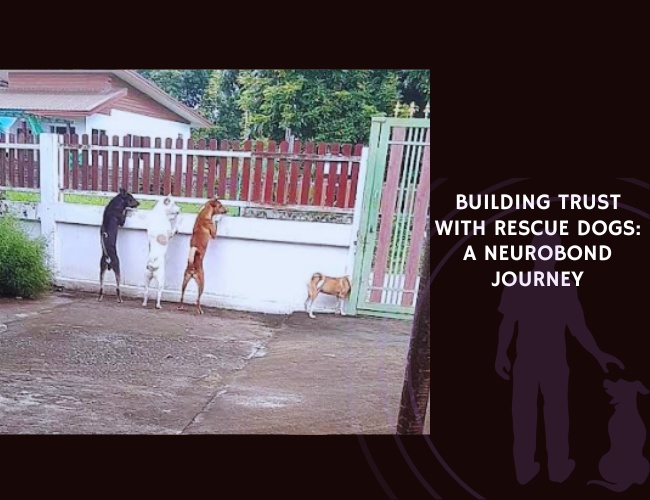
When you first meet a rescue dog, you’re not just meeting an animal – you’re encountering a complex tapestry of experiences, emotions, and neural pathways that have been shaped by their past. Each tentative tail wag, every cautious approach, and those watchful eyes tell a story of survival, adaptation, and the remarkable capacity for healing. Let us guide you through the profound journey of building trust with these extraordinary survivors, where neuroscience meets compassion, and patience becomes the bridge to transformation.
Understanding the Rescue Dog’s Mind
The Neurological Landscape of Trauma
Your rescue dog’s brain carries an invisible map of their experiences. When trauma occurs, it fundamentally alters neural circuits, creating hyperactivation in the amygdala – that ancient alarm system that screams “danger” even in safe situations. You might notice your furry friend startling at sudden movements or freezing when encountering new people. This isn’t defiance or stubbornness; it’s their brain’s hypervigilant protection mode, where cortisol levels remain elevated long after the threat has passed.
The prefrontal cortex, responsible for emotional regulation and decision-making, may struggle to override these fear responses. Think of it like a smoke detector that’s become too sensitive – going off even when you’re just making toast. This amygdala hypersensitivity means your dog might perceive threats where none exist, leading to behaviors that seem puzzling but are actually logical survival strategies in their world.
Observable Signs of Emerging Trust
Body Language Speaks Volumes
As trust begins to bloom, you’ll witness a beautiful transformation in your dog’s physical presence. A relaxed tail that wags in wide, sweeping motions tells a different story than the tight, rapid wag of anxiety. Watch for these encouraging signals:
- Soft eye contact that lingers without tension, sometimes accompanied by slow blinks
- Play bows and bringing toys to you – these are invitations into their world
- The “lean-in” where your dog gently presses against you, seeking comfort
- Voluntary proximity – choosing to rest near you without prompting
Vocalization Changes
Did you know that the quality of your dog’s vocalizations can indicate their emotional state? As trust develops, harsh barking may soften into conversational grumbles or playful “talking.” You might hear contented sighs when they settle beside you, or excited whimpers that say “I’m happy you’re home!” rather than anxious whining.
The Timeline Reality Check
Building trust with a rescue dog isn’t measured in days or weeks – it’s a journey of months and sometimes years. Unlike puppies who form attachments during critical socialization windows, or well-socialized dogs who transfer trust readily, rescue dogs need time to unlearn survival patterns. Your rescue might take three months just to show their true personality, six months to fully decompress, and a year or more to develop deep, secure attachment.
This extended timeline isn’t a failure on your part or theirs. It’s neuroplasticity at work – the brain literally rewiring itself to accommodate new, positive experiences. Every gentle interaction, every predictable routine, every patient moment contributes to this neural reconstruction. 🧠
The NeuroBond Approach: Connection Over Control
Letting the Dog Be Themselves
The NeuroBond philosophy revolutionizes how we approach rescue dog rehabilitation. Rather than suppressing natural behaviors, we guide them toward constructive outcomes. Your dog’s instincts aren’t problems to solve – they’re pathways to learning. When your rescue dog wants to hide behind the couch during thunderstorms, that’s not weakness; it’s a valid coping strategy that deserves respect while you gradually introduce alternatives.
This approach recognizes that every behavior has a function. The dog who resource guards their food isn’t being aggressive – they’re expressing a survival mechanism that once kept them alive. By acknowledging this, you can work with their instincts rather than against them, creating new neural pathways that lead to security rather than scarcity.
Building the Invisible Leash
First Steps: Establishing the Bond
Before any formal training begins, focus on becoming your dog’s safe haven. This means:
- Predictable presence – being consistently calm and available
- Non-demanding interaction – sitting nearby without forcing contact
- Positive associations – becoming the source of good things without strings attached
The invisible leash isn’t about control – it’s about your dog choosing proximity because being near you feels safer than being anywhere else. This voluntary connection becomes stronger than any physical restraint could ever be.
From Bond to Behavior
Once trust is established, training becomes a collaborative conversation rather than a one-way command system. Your rescue dog learns to check in with you during walks not because you demanded it, but because looking to you for guidance has become their default response to uncertainty. This is the magic of NeuroBond – behaviors emerge from relationship rather than obedience.
Neurobiological Healing Mechanisms
The Oxytocin-Cortisol Dance
Every positive interaction with your rescue dog triggers a fascinating neurochemical cascade. When you gently stroke their fur or speak in soothing tones, oxytocin – the bonding hormone – begins to flow. This remarkable neuropeptide doesn’t just make your dog feel good; it actively regulates their stress response system, helping to lower chronically elevated cortisol levels.
Think of oxytocin as nature’s antidote to trauma. It enhances social bonding while simultaneously calming the hyperactive HPA (hypothalamic-pituitary-adrenal) axis that keeps traumatized dogs in a state of constant alert. Each positive interaction literally changes your dog’s brain chemistry, creating a biological foundation for trust.
Neuroplasticity: The Brain’s Healing Power
Rewiring Fear Circuits
Your rescue dog’s brain possesses an extraordinary capacity for change. Research shows that targeted interventions can normalize activation in fear circuits, essentially teaching the amygdala to dial down its alarm response. This isn’t just suppressing fear – it’s actually restructuring how the brain processes potentially threatening stimuli.
Environmental enrichment plays a crucial role here. Calming scents like lavender have been shown to reduce stress-related behaviors in shelter dogs. But it’s not just about adding pleasant stimuli – it’s about creating predictable, positive experiences that give the brain new templates for interpreting the world.
Creating New Attachment Pathways
Just as trauma creates neural highways of fear and avoidance, positive experiences carve new pathways of approach and connection. Every time your rescue dog experiences safety in your presence, synaptic connections strengthen, building what we might call “trust highways” in their brain. Over time, these new pathways can become stronger than the old trauma routes, though those original paths never completely disappear – they simply become less traveled.
Early Interventions That Make a Difference
Preventing Fear-Based Withdrawal
The key to preventing your rescue dog from retreating into fear-based behaviors lies in proactive, gentle intervention. Low-stress handling techniques have proven remarkably effective in reducing fear indicators like lip licks, whale eye, and low head posture. These aren’t just cosmetic improvements – they represent genuine reductions in stress and improvements in emotional state.
Environmental Management Strategies
Your home environment should feel like a sanctuary, not a challenge course. Consider:
- Safe zones where your dog can retreat without being followed
- Predictable routines that reduce anxiety about what comes next
- Gradual exposure to new stimuli rather than flooding
- Choice-based interactions where your dog can opt in or out
Remember, every time your dog successfully navigates a mildly challenging situation with your support, they’re building resilience. You’re not just managing behavior – you’re teaching coping skills that will serve them throughout their life. 🐾
The Power of Consistency
Dogs thrive on predictability, but for rescue dogs, consistency isn’t just comforting – it’s therapeutic. When mealtimes, walks, and bedtimes follow a reliable pattern, your dog’s nervous system can finally downregulate. They stop spending energy anticipating threats and start investing in connection.
This doesn’t mean rigid inflexibility. Think of it as creating a secure framework within which spontaneity can safely occur. Once your dog trusts the basic structure of their day, small variations become interesting rather than threatening.
Understanding Your Dog’s Past
The Impact of Early Life Experiences
Neglect and Abandonment Patterns
Dogs who experienced early neglect often struggle with what we call “learned helplessness” – a state where they’ve given up trying to influence their environment. You might notice your rescue dog doesn’t ask to go outside, doesn’t seek play, or seems disconnected from their surroundings. This isn’t depression in the human sense, but rather a learned survival strategy: if nothing you do matters, why waste energy trying?
These dogs need gentle encouragement to re-engage with the world. Start small – reward any sign of interest or initiative, no matter how minor. Did they sniff a toy? Celebrate it. Did they look out the window? That’s engagement worth acknowledging.
Abuse and Its Lasting Effects
Dogs who’ve experienced abuse carry different wounds. They might show hypervigilance, defensive aggression, or complete shutdown in certain situations. Men might trigger fear if their abuser was male. Raised hands might cause cowering. These responses are deeply embedded in neural pathways, requiring patience and careful counterconditioning to address.
The beautiful truth is that dogs don’t hold grudges – they hold patterns. Once they learn new patterns that lead to safety and comfort, they can often move past their trauma more readily than humans might expect.
Shelter Life Versus Street Survival
The Shelter Dog’s Unique Challenges
Long-term shelter stays create specific behavioral patterns. These dogs have learned to cope with:
- Constant stimulation from barking neighbors and busy environments
- Limited human interaction that may be task-focused rather than relationship-based
- Kennel stress that elevates cortisol and creates chronic anxiety
- Competitive dynamics around resources and attention
Shelter dogs often need decompression time – sometimes several weeks – just to realize they’re in a different environment. During this period, you might see shutdown behavior that masks their true personality. Be patient; their authentic self will emerge as they realize this new life is permanent.
Street Dogs: Survivors with Skills
Dogs who survived on the streets bring different strengths and challenges. They’re often incredibly resourceful, with well-developed problem-solving abilities and strong survival instincts. However, they may struggle with:
- House training (the whole world was their bathroom)
- Resource guarding (when your next meal is uncertain, protecting food makes sense)
- Independence that can look like aloofness
- Prey drive that helped them survive
These dogs often respond beautifully to having their intelligence acknowledged. Puzzle feeders, scent work, and problem-solving games can channel their street-smart skills into bonding activities.
Practical Training Strategies
Trauma-Informed Training Approaches
Desensitization and Counterconditioning
Traditional desensitization involves gradual exposure to triggers at sub-threshold levels. But with rescue dogs, we add a trauma-informed twist. Instead of just exposing them to their fears, we create positive associations while respecting their emotional boundaries.
For example, if your dog fears men, don’t start with direct interaction. Have male friends simply exist in the space, tossing treats without making eye contact. Let your dog discover that men predict good things without forcing confrontation. This respects their autonomy while gently challenging their assumptions.
The Power of Choice
Giving your rescue dog choices accelerates trust-building dramatically. This might look like:
- Two different walking routes to choose from
- Multiple resting spots throughout your home
- The option to approach or retreat during training
- Different toys or activities to select
When dogs realize they have agency in their lives, their confidence soars. They stop being passive recipients of their fate and become active participants in their recovery. 😄
Building Security Through Routine
The Daily Trust Ritual
Establish rituals that become anchors of security in your dog’s day. A morning greeting routine, an evening wind-down sequence, or a special “checking in” moment during walks – these become emotional touchstones that remind your dog they’re safe and loved.
Your rescue dog might develop their own trust rituals too. Maybe they bring you a toy each morning, or perform a little spinning dance before meals. Recognize and honor these behaviors – they’re your dog’s way of participating in the trust-building process.
Progressive Relationship Building
Start with low-pressure interactions and gradually increase intimacy as your dog shows readiness:
- Parallel existence – simply being in the same space
- Indirect interaction – tossing treats, soft talking
- Invited contact – letting the dog initiate touch
- Cooperative activities – walks, gentle play
- Deep bonding – grooming, training, adventure
Remember, your dog sets the pace. Pushing too fast can set back weeks of progress, while respecting their boundaries builds trust exponentially.
Survival. Trust. Transformation.
From Survival to Safety.
A rescue dog’s brain often runs on old alarms—amygdala on high alert, cortisol still echoing past threats. What looks like hesitation or withdrawal is simply survival coded into their neural circuits.
Trust rewires the map.
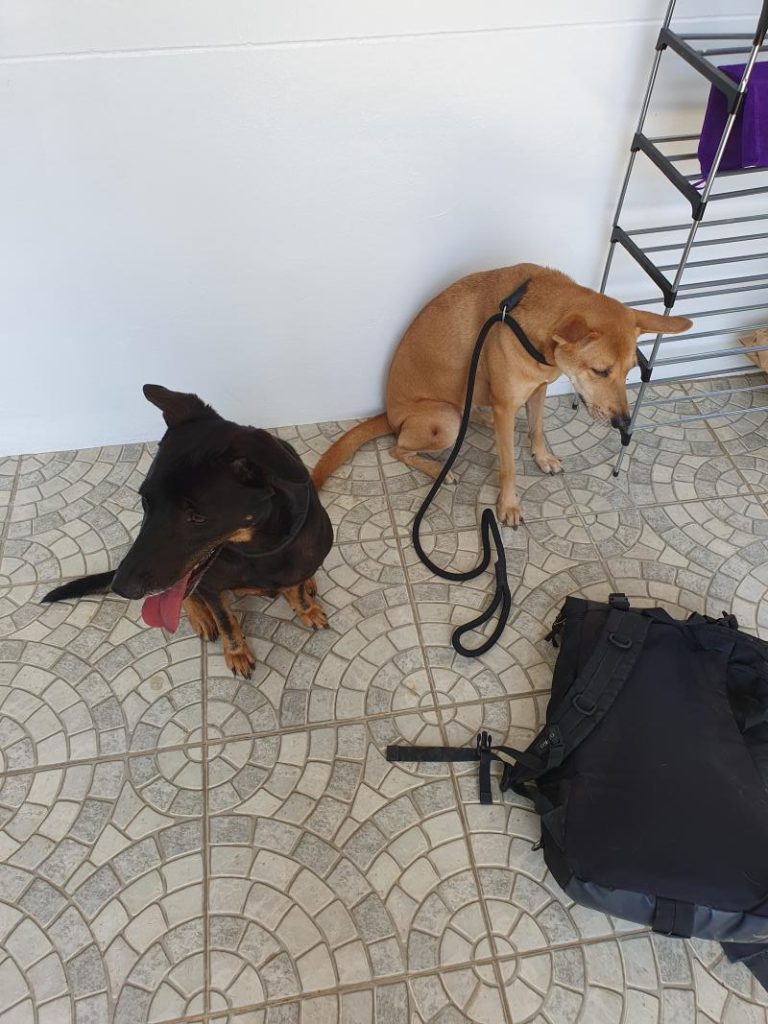
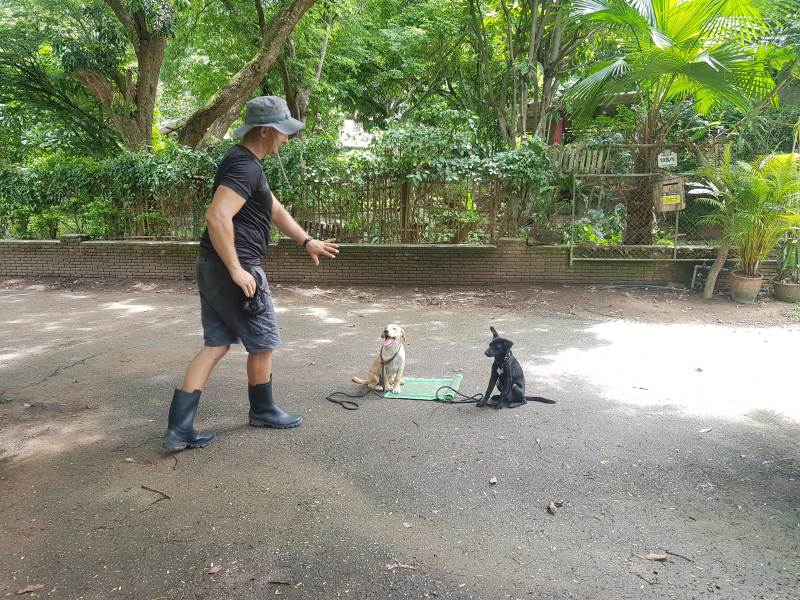
With time, routine, and compassion, the prefrontal cortex begins to calm the noise, allowing new associations to form. Each soft blink, each lean-in, each playful bow is evidence of neuroplasticity in action—healing, one safe moment at a time.

Patience becomes power.
Rescue dogs don’t rush into trust; they grow into it. Months, sometimes years, unfold before you see the full bloom. But when they finally choose you—not from dependency, but from security—you witness the deepest bond of all: a NeuroBond born from survival, rebuilt through connection.
The Role of Environment in Healing
Creating Safe Spaces
The Sanctuary Room Concept
Every rescue dog needs a space that’s unequivocally theirs. This isn’t about isolation – it’s about providing a retreat where they can process experiences and self-regulate. Your dog’s sanctuary might include:
- Comfortable bedding with familiar scents
- Calming music or white noise
- Diffused lavender or other calming scents
- Limited traffic and disturbance
- Access to water and safe toys
This space becomes crucial during overwhelming moments. Instead of shutting down or acting out, your dog learns they can retreat, reset, and return when ready.
Foster Care Versus Shelter Environments
The Foster Advantage
Foster homes provide something shelters simply can’t: normalized family life. In foster care, dogs learn:
- House rhythms and routines
- How to be alone without panic
- Appropriate play with humans
- Basic manners in a low-stress setting
The individualized attention in foster care allows for tailored trust-building approaches. Foster caregivers can identify specific triggers and work through them systematically, providing detailed information to eventual adopters.
Making Shelter Stays More Beneficial
For dogs remaining in shelters, structured trust-building protocols can make an enormous difference. Regular volunteers who work with specific dogs, consistent handling approaches, and enrichment programs all contribute to maintaining a dog’s capacity for trust despite the challenging environment.
Long-Term Success Strategies
Building Lasting Bonds
The Investment Principle
Think of trust-building as an investment account. Every positive interaction is a deposit, while scary or confusing experiences might cause withdrawals. Your goal is to make so many deposits that even occasional withdrawals don’t bankrupt the relationship.
This means being intentional about creating positive experiences. It’s not enough to simply avoid negative ones – you need to actively pursue opportunities for connection, play, and shared joy.
Recognizing Progress Markers
Celebrate small victories that indicate growing trust:
- Your dog sleeping deeply in your presence
- Seeking comfort during storms or fireworks
- Play behavior emerging after weeks of seriousness
- Voluntary eye contact without stress signals
- Choosing to follow you from room to room
These might seem like small things, but each represents massive neural restructuring and emotional growth. 🧡
Preventing Adoption Failure
Setting Realistic Expectations
Many adoption failures stem from unrealistic timelines and misunderstood behaviors. Educate yourself and your family about:
- The 3-3-3 rule (3 days to decompress, 3 weeks to learn routines, 3 months to feel at home)
- Species-specific behaviors that are normal, not problematic
- The difference between fear-based and aggressive behaviors
- The time investment required for rehabilitation
Building Support Networks
Successful rescue dog adoption rarely happens in isolation. Build your support team:
- A veterinarian experienced with rescue dogs
- A trauma-informed dog trainer or behaviorist
- Online communities of rescue dog adopters
- Friends who understand your journey
Having support makes the challenging moments manageable and the victories even sweeter.
The Neuroscience of Recovery
Understanding Behavioral Feedback
Reading the Messages
Every behavior your rescue dog displays is communication. Pulling on the leash might say “I’m overwhelmed and need to escape.” Barking at strangers might mean “I’m scared and trying to make the scary thing go away.” Resource guarding says “I’m afraid of scarcity.
When you understand behavior as feedback rather than defiance, your response changes. Instead of correction, you offer support. Instead of punishment, you provide alternatives. This shift in perspective is fundamental to trauma-informed care.
The Healing Timeline
Phases of Recovery
Rescue dogs typically move through predictable phases:
- Honeymoon/Shutdown (Days 1-14): Either perfectly behaved or completely withdrawn
- Testing (Weeks 2-8): True personality emerges, boundaries tested
- Adjustment (Months 2-6): Learning new patterns, occasional regression
- Integration (Months 6-12): Becoming family, trust solidifying
- Thriving (Year 1+): Confidence blooming, full personality expressed
Understanding these phases helps you maintain perspective during challenging moments. That “regression” at month four? It’s actually progress – your dog feels safe enough to express their needs.
Advanced Trust-Building Techniques
The NeuroBond Method in Practice
Instinct as Teacher
The NeuroBond approach recognizes that your dog’s instincts aren’t obstacles – they’re opportunities. When your rescue dog wants to sniff every blade of grass on a walk, they’re not being stubborn. They’re gathering information, building confidence, and engaging with their environment in the way that makes sense to them.
By working with these instincts, you accelerate learning. Let them sniff, but teach them that checking in with you during sniff sessions brings rewards. Soon, they’ll naturally balance their investigative needs with connection to you.
Creating Invisible Commands
Traditional training relies on verbal commands and physical cues. NeuroBond training creates responses that flow from relationship. Your dog learns to:
- Walk beside you because that’s where good things happen
- Come when called because you represent safety and fun
- Settle when you settle because your calm is contagious
These aren’t commanded behaviors – they’re chosen responses born from trust and connection.
Addressing Specific Trauma Responses
Fear-Based Aggression
When rescue dogs show aggression, it’s almost always fear in disguise. The dog who lunges at other dogs isn’t trying to start fights – they’re trying to end threats before they begin. Understanding this changes everything about how you respond.
Instead of punishing the aggression (which confirms their fear), you:
- Increase distance from triggers
- Reward calm behavior at safe distances
- Gradually decrease distance as confidence builds
- Celebrate every moment of non-reactive behavior
Separation Anxiety
Many rescue dogs panic when left alone, fearing abandonment will happen again. This isn’t manipulation or spite – it’s genuine terror. Address it with compassion:
- Start with micro-separations (seconds, not minutes)
- Build positive associations with alone time
- Create departure rituals that predict return
- Consider calming aids during the learning process
Remember, your rescue dog isn’t trying to be difficult. They’re trying to survive using the only strategies they know.
The Welfare Impact
Improving Adoption Success
The Prepared Adopter
Successful adoptions happen when adopters understand what they’re signing up for. This means shelters and rescues should:
- Provide comprehensive behavioral histories
- Offer post-adoption support programs
- Connect adopters with appropriate resources
- Set realistic timelines and expectations
When adopters feel supported and informed, they’re more likely to weather the storms and reach the rainbow.
Reducing Return Rates
Dogs returned to shelters experience repeated trauma, making future trust-building even harder. Prevent returns by:
- Matching dogs with appropriate homes
- Providing trial periods when possible
- Offering behavior support hotlines
- Creating adopter education programs
Every successful adoption breaks the cycle of abandonment and builds a dog’s capacity for future trust.
Conclusion: The Journey Forward
Building trust with a rescue dog isn’t just about rehabilitation – it’s about transformation. You’re not simply teaching commands or modifying behaviors; you’re literally rewiring neural pathways, healing trauma, and creating new possibilities for connection. This journey requires patience that stretches beyond weeks into months and years, but the reward is a bond forged in understanding, strengthened by challenge, and sealed with mutual trust.
Your rescue dog brings a unique combination of resilience and vulnerability, survival skills and trust deficits, fear and incredible capacity for love. By understanding the neuroscience behind their behavior, respecting their past while building their future, and approaching training through the lens of relationship rather than dominance, you become more than an owner – you become a healer, a safe haven, and ultimately, family.
Remember, every rescue dog’s timeline is different. Some will bound into your life with tail wagging, ready to trust again. Others will take months to make eye contact. Both journeys are valid. Both dogs are worthy. And both will teach you profound lessons about resilience, patience, and the transformative power of unconditional love.
Is a rescue dog right for you? If you can offer patience without deadlines, love without conditions, and understanding without judgment, then yes – you’re ready for one of life’s most rewarding adventures. Your rescue dog isn’t just waiting for a home; they’re waiting for someone who understands that trust, once earned, becomes unbreakable. And in saving them, you might just find they save you too. 🐾
The journey from rescue to trust isn’t always linear, but it’s always worth it. Every small step forward, every moment of connection, every breakthrough builds toward something beautiful: a dog who knows they’re finally, truly home. And there’s no greater privilege than being the person who helps them believe in love again.