Introduction: The Walking Paradox Every Dog Owner Faces
You’ve just returned from a 45-minute walk with your furry friend, yet there they are – pacing, whining, or bringing you their favorite toy with that unmistakable “let’s play” energy. Sound familiar? You’re not alone in this puzzling experience that challenges everything we thought we knew about tiring out our dogs.
For generations, the daily walk has been considered the gold standard of dog care – that magical solution to behavioral problems, excess energy, and canine contentment. Yet modern canine science reveals a more complex truth: while walks provide essential movement and routine, they often fall short of addressing your dog’s complete spectrum of needs. Did you know that a dog’s brain can consume up to 20% of their total energy, similar to humans? This means mental fatigue plays just as crucial a role as physical tiredness in achieving that peaceful, satisfied state we all seek for our companions.
Let us guide you through understanding why your energetic Border Collie remains restless after a two-mile walk, or why your seemingly lazy Bulldog still manages to redesign your sofa cushions despite regular outings. The answer lies not in walking more, but in walking smarter – and supplementing those walks with activities that engage your dog’s remarkable cognitive abilities, emotional needs, and natural instincts.
The Science Behind Physical Exercise: Why Movement Alone Isn’t Enough
Understanding Your Dog’s Energy Systems
Your dog’s body operates on multiple energy systems, each requiring different types of stimulation to achieve true fatigue. When you take your pup for that morning stroll around the neighborhood, you’re primarily engaging their aerobic system – the steady-state energy production that powers moderate, sustained activity. But here’s what you might not realize: most leash walks barely scratch the surface of your dog’s physiological capabilities.
The aerobic threshold in dogs varies dramatically by breed and individual fitness level. Your high-drive German Shepherd or athletic Vizsla needs sustained cardiovascular activity at 60-70% of their maximum heart rate for at least 20-30 minutes to even begin experiencing aerobic benefits. Meanwhile, that casual 30-minute neighborhood walk? It typically keeps them operating at just 30-40% capacity – enough for basic movement but insufficient for true physical fatigue.
The anaerobic system – responsible for those explosive bursts of energy you see at the dog park – remains completely untapped during structured leash walks. This system, crucial for working breeds and high-energy dogs, requires short, intense bursts of activity like sprinting, jumping, or rapid direction changes. Without engaging this system, your dog retains that pent-up explosive energy that manifests as zoomies in your living room or sudden outbursts of seemingly inexplicable excitement.
Breed-Specific Exercise Requirements
Not all dogs are created equal when it comes to exercise needs, and understanding your dog’s genetic programming is essential for meeting their physical requirements. The disconnect between breeding purpose and modern lifestyle creates what researchers call “the fulfillment gap.”
Working breeds like Border Collies, Australian Shepherds, and Belgian Malinois were designed for 8-12 hours of sustained physical and mental activity daily. Their bodies produce higher levels of dopamine and norepinephrine – neurotransmitters that drive motivation and arousal. A standard walk for these breeds is like asking a marathon runner to be satisfied with a gentle stretch. Their muscles, cardiovascular system, and neural pathways are literally built for endurance and problem-solving under physical stress.
Terriers and hounds present unique challenges – their prey drive and scent-tracking instincts mean their brains remain hypervigilant during walks, actually increasing arousal rather than decreasing it. That seemingly calm Beagle on a leash? Their olfactory bulb is processing up to 100,000 times more scent information than you are, creating mental stimulation that can paradoxically increase their energy if not properly channeled.
Even companion breeds like Cavalier King Charles Spaniels or French Bulldogs, while requiring less intense exercise, need specific types of movement to maintain musculoskeletal health. Their shortened respiratory systems mean traditional sustained walking can actually create stress rather than relaxation if not paced appropriately.
The Obesity and Frustration Connection
Insufficient exercise creates a devastating cycle that impacts both physical and behavioral health. Currently, over 56% of dogs in developed nations are classified as overweight or obese – a statistic directly linked to inadequate energy expenditure despite regular walking routines.
When your dog doesn’t burn sufficient calories through appropriate exercise, their body begins storing excess energy as fat. But here’s the overlooked consequence: adipose tissue (fat cells) produces inflammatory hormones called adipokines, which directly impact your dog’s mood, energy levels, and stress response. This means an overweight dog isn’t just physically compromised – they’re biochemically predisposed to anxiety, frustration, and behavioral problems.
Frustration behaviors emerge when energy has nowhere to go. You might notice:
- Excessive barking at windows or passersby
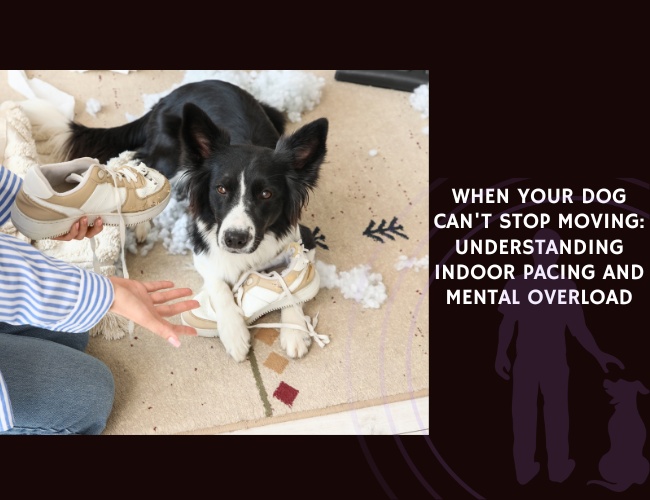
- Destructive chewing beyond the puppy stage
- Obsessive behaviors like tail chasing or shadow chasing
- Hypervigilance and inability to settle
- Redirected aggression toward other pets or even furniture
These aren’t signs of a “bad dog” – they’re symptoms of an energy management crisis that walks alone cannot solve. The stress hormone cortisol, elevated in under-exercised dogs, impairs their ability to learn, relax, and form positive associations, creating a self-perpetuating cycle of frustration and problematic behavior 🐾
Cognitive & Emotional Engagement: The Hidden Energy Drain
Your Dog’s Thinking Brain Needs a Workout Too
Imagine trying to tire out a chess grandmaster by having them walk on a treadmill. Sure, they’d experience some physical fatigue, but their mind would remain sharp, alert, and hungry for stimulation. Your dog’s brain works similarly – it requires specific types of cognitive challenges to achieve mental exhaustion.
The canine prefrontal cortex, responsible for executive function, decision-making, and impulse control, remains largely inactive during routine walks. This region consumes enormous amounts of glucose and oxygen when engaged, creating a type of fatigue that physical exercise alone cannot achieve. When you see your dog deeply focused on a puzzle toy or training task, their brain is burning energy at rates comparable to intense physical exercise.
Neural plasticity in dogs means their brains are constantly ready to form new connections and solve problems. Without regular cognitive challenges, this capacity turns inward, manifesting as anxiety, obsessive behaviors, or what we often mislabel as “stubbornness.” Your dog isn’t being difficult – their brain is literally seeking the stimulation it’s designed to process.
Research in canine cognition reveals that 15 minutes of intensive mental work can tire a dog more effectively than a 30-minute walk. This is because problem-solving activates multiple brain regions simultaneously: the hippocampus for memory, the amygdala for emotional processing, and the cerebellum for motor planning. This whole-brain activation creates deep, satisfying exhaustion that promotes better sleep and calmer behavior.
The Power of Scent Work and Problem-Solving
Your dog’s nose contains up to 300 million olfactory receptors (compared to your mere 6 million), and the portion of their brain devoted to analyzing smells is 40 times larger than ours, proportionally. This means scent work isn’t just sniffing – it’s complex data processing that rivals any supercomputer.
Scent discrimination exercises require your dog to:
- Isolate specific odor molecules from thousands of competing smells
- Create mental maps of scent trails
- Remember and categorize different scents
- Make decisions based on scent intensity and age
- Problem-solve when scent trails go cold or cross
This level of cognitive processing explains why just 10 minutes of focused scent work can leave your dog more exhausted than an hour-long walk. The mental energy required to process, categorize, and act on olfactory information engages their brain in ways that physical movement simply cannot match.
Problem-solving tasks activate your dog’s lateral thinking abilities. When your dog works through a puzzle feeder or figures out how to retrieve a toy from under furniture, they’re using complex cognitive skills including:
- Spatial reasoning and object permanence
- Cause-and-effect understanding
- Memory recall and pattern recognition
- Frustration tolerance and persistence
- Creative problem-solving strategies
These mental gymnastics trigger the release of dopamine upon success, creating positive feedback loops that reinforce calm, focused behavior rather than the adrenaline-fueled excitement of purely physical activity.
Understanding Boredom vs. True Fatigue
There’s a crucial distinction between a physically tired dog and a fulfilled dog, and recognizing this difference can transform your approach to exercise and enrichment.
Boredom manifests even after physical exercise when mental needs remain unmet. Signs include:
- Attention-seeking behaviors immediately after walks
- Inability to settle despite seeming tired
- Destructive behaviors targeting specific items (your belongings, not their toys)
- Excessive vocalization or demand barking
- Restless sleep patterns or frequent waking
This isn’t defiance – it’s your dog’s brain crying out for appropriate stimulation. Boredom stress actually elevates cortisol levels similarly to physical stress, explaining why a bored dog often seems anxious or reactive.
True fatigue encompasses both physical and mental exhaustion, creating a state of genuine contentment. You’ll recognize it through:
- Deep, peaceful sleep with full muscle relaxation
- Calm, soft body language when awake
- Ability to self-soothe and entertain themselves appropriately
- Reduced reactivity to environmental triggers
- Improved focus and learning capacity during training
The neurochemical signature of true fatigue includes elevated serotonin (promoting calm), reduced cortisol (lowering stress), and stable dopamine levels (reducing seeking behaviors). This biochemical balance is impossible to achieve through physical exercise alone 🧠
The Human-Dog Connection: Quality Over Quantity
Transforming Walks Into Bonding Experiences
Every interaction with your dog either strengthens or weakens your relational bond, and nowhere is this more evident than during daily walks. The quality of your presence and engagement during these outings directly impacts your dog’s emotional fulfillment and behavioral outcomes.
Active engagement during walks means you’re not just physically present – you’re emotionally and mentally connected with your dog. This involves:
- Making frequent eye contact and responding to your dog’s check-ins
- Varying your pace and direction based on your dog’s interest and energy
- Incorporating mini-training sessions at random intervals
- Celebrating small victories like voluntary attention or good leash manners
- Being genuinely interested in what captures your dog’s attention
When you’re truly present, your dog’s mirror neurons – specialized cells that help them read and respond to your emotional state – activate differently. They sense your engagement and reciprocate with increased attention, creating a positive feedback loop that transforms a mundane walk into meaningful shared experience.
The “Invisible Leash” phenomenon occurs when your dog maintains connection with you not through physical restraint but through relationship. Dogs walking with engaged, attentive owners show lower cortisol levels, reduced pulling behaviors, and increased voluntary check-ins. This isn’t about control – it’s about conversation. Your dog learns that staying connected with you leads to interesting experiences, making the walk itself rewarding beyond just the physical movement.
Research reveals that dogs walked by attentive owners display more balanced arousal levels, with heart rate variability patterns indicating relaxation rather than stress. The synchronized breathing and movement patterns that develop between bonded pairs actually promote mutual calm through a process called autonomic synchrony.
The Destructive Impact of Distracted Walking
In our hyperconnected world, it’s tempting to multitask during dog walks – checking emails, scrolling social media, or catching up on phone calls. But this distraction comes at a significant cost to your dog’s wellbeing and your relationship.
Missed communication opportunities occur every few seconds during a typical walk. Your dog offers subtle signals:
- Quick glances seeking permission or information
- Body language shifts indicating interest, concern, or excitement
- Attempts to initiate play or interaction
- Stress signals requiring your support or intervention
When you’re distracted, these bids for connection go unanswered, teaching your dog that you’re unavailable even when physically present. Over time, this erodes trust and increases anxiety-driven behaviors.
Safety implications extend beyond the obvious. A distracted owner misses early warning signs of reactivity, fear, or overarousal, allowing situations to escalate unnecessarily. Your delayed responses to your dog’s needs can reinforce unwanted behaviors or create negative associations with walking itself.
Studies show that dogs walked by phone-distracted owners pull 73% more, display increased stress signals, and show reduced recall reliability. The walk becomes a source of frustration rather than fulfillment, explaining why many dogs remain unsettled despite seemingly adequate exercise.
Building Purpose and Partnership
Dogs are biologically programmed for purposeful activity – their ancestors worked alongside humans for thousands of years, and this collaborative instinct remains strong. Traditional walks often lack this sense of shared purpose, leaving dogs feeling unfulfilled despite physical movement.
Cooperative activities transform walks into missions. Consider:
- “Find it” games where your dog helps locate hidden objects along your route
- Carrying a small backpack with their own water and supplies
- Practicing urban agility using benches, walls, and natural obstacles
- Creating photo opportunities where your dog “poses” at specific locations
- Training sequences that build toward completing a “job” during the walk
This sense of purpose activates your dog’s seeking system differently than aimless wandering, engaging reward pathways associated with accomplishment rather than simple movement.
Structured training integration doesn’t mean militant obedience – it means creating predictable patterns that give your dog confidence and clarity. When your dog knows that certain landmarks mean specific activities (the big tree means sniff time, the bench means trick practice), they develop anticipation and engagement that enhances mental stimulation throughout the walk 🧡

Environmental Factors: Location, Location, Location
Urban vs. Natural Environments
The environment where you walk your dog profoundly impacts the quality of their experience and the type of fatigue they achieve. Understanding these differences can help you make strategic choices about when and where to exercise your furry companion.
Urban environments present unique challenges that can actually increase arousal rather than promote relaxation:
- Constant vigilance required for traffic, bicycles, and unpredictable human behavior
- Limited olfactory variety with predominance of artificial scents
- Restricted movement patterns on narrow sidewalks
- Acoustic stress from traffic, construction, and city noise (dogs hear frequencies up to 65,000 Hz compared to human’s 20,000 Hz)
- Visual overstimulation from rapid movement and artificial lighting
Your dog’s primitive brain interprets these stimuli as potential threats, maintaining a state of hypervigilance that prevents true relaxation. The amygdala remains activated throughout urban walks, processing potential dangers rather than allowing for restorative mental processes.
Natural environments offer what researchers call “soft fascination” – gentle sensory engagement that promotes restoration rather than stress:
- Rich, varied scent landscapes that change with weather and seasons
- Natural movement patterns over uneven terrain, engaging proprioceptors
- Opportunities for species-specific behaviors like digging, rolling, and exploring
- Biophilic responses that lower stress hormones and blood pressure
- Negative ions from moving water and plants that promote calm alertness
Studies show dogs walked in natural settings display 40% lower cortisol levels post-walk compared to urban-walked dogs, with benefits lasting up to 8 hours after the experience.
The Freedom Factor: Off-Leash Benefits
The difference between on-leash and off-leash exercise extends far beyond simple freedom of movement – it fundamentally changes how your dog’s body and brain function during exercise.
Biomechanical advantages of off-leash movement include:
- Natural gait patterns that prevent repetitive stress injuries
- Variable speed changes that engage different muscle groups
- Ability to self-regulate intensity based on fitness and energy
- Three-dimensional movement (jumping, climbing, swimming) versus linear walking
- Proprioceptive challenges from varied terrain navigation
When off-leash, dogs typically cover 2-3 times the distance of their human companion through natural exploration patterns, achieving more complete physical exhaustion.
Cognitive benefits multiply exponentially off-leash:
- Decision-making opportunities about direction and pace
- Risk assessment and management skills
- Social learning through appropriate dog-dog interactions
- Environmental problem-solving without human intervention
- Development of recall and checking-in behaviors through choice rather than compulsion
The autonomy experienced during off-leash exercise promotes psychological wellbeing through what scientists call “self-determination fulfillment” – meeting basic needs for competence, autonomy, and relatedness.
Sensory Engagement and Sniffing Time
Allowing adequate sniffing time during walks isn’t indulgence – it’s essential mental health care for your dog. The canine olfactory experience is so rich and complex that rushing through it is like forcing someone to speed-read their favorite novel.
The sniff-to-contentment ratio reveals that dogs allowed to sniff freely for at least 30% of their walk time show:
- Reduced anxiety-related behaviors at home
- Improved sleep quality and duration
- Better appetite regulation
- Decreased reactivity to triggers
- Enhanced learning capacity in training sessions
Each sniff provides your dog with information about other animals’ health, emotional state, diet, and recent activities. This “social media for dogs” fulfills crucial social needs even without direct interaction.
Sniffing as meditation serves a similar function for dogs as mindfulness does for humans. The focused attention required for scent analysis activates the parasympathetic nervous system, promoting the “rest and digest” response that counters stress. Deep, investigative sniffing actually slows your dog’s heart rate and promotes rhythmic breathing patterns associated with relaxation.
When you understand that one fire hydrant might contain hundreds of distinct scent messages, you can appreciate why your dog needs time to “read” this information thoroughly. Rushing this process creates frustration and incomplete mental processing, similar to constantly interrupting someone mid-conversation 🐾
Restless. Unmet. Misunderstood.
Movement without fulfillment. Standard leash walks rarely touch your dog’s true energy systems, leaving both aerobic and anaerobic needs unmet. What seems like exercise often falls short.
Genetics demand purpose. Working, herding, and hunting breeds carry programming for hours of activity and problem-solving. Without outlets, instincts turn inward, fueling frustration and restlessness.
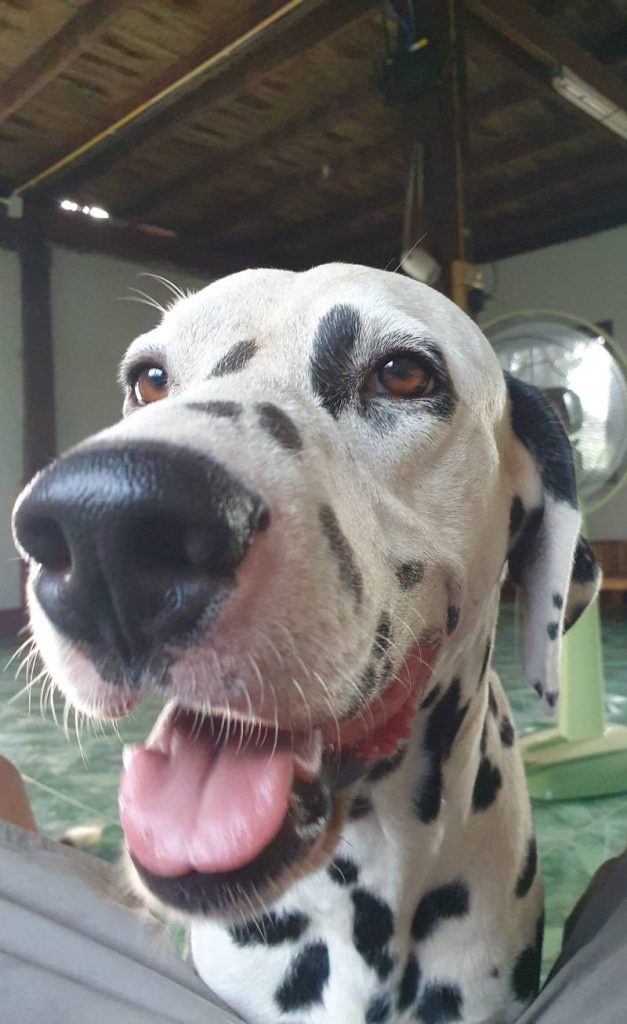

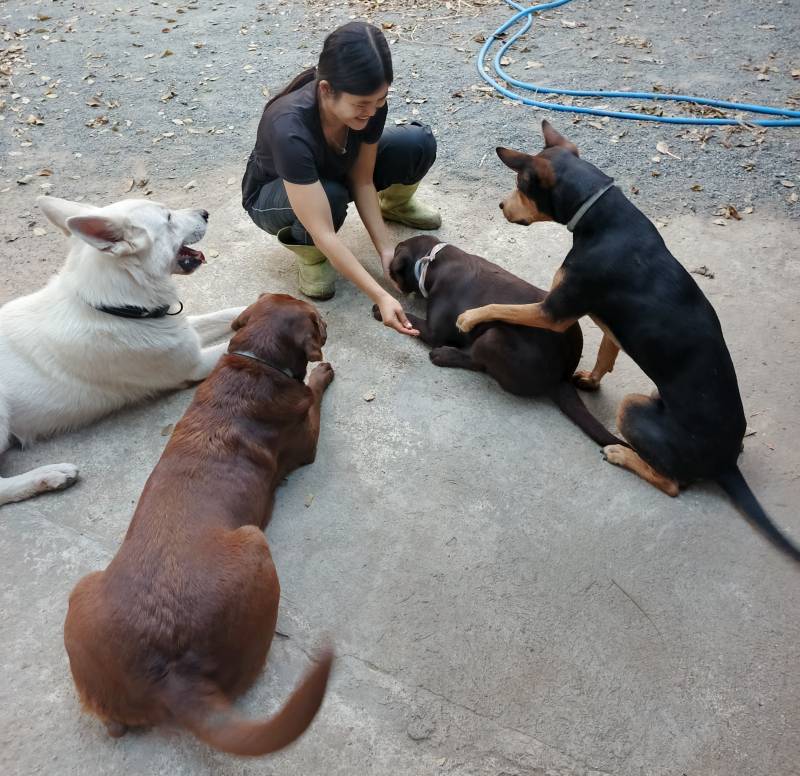
Energy mismanaged becomes chaos. Obesity, inflammation, and behavioral spirals arise when walks alone can’t resolve the fulfillment gap. The solution lies in smarter, tailored engagement beyond routine steps.
Alternative Enrichment Strategies: Beyond the Walk
Structured Play That Exhausts Mind and Body
Not all play is created equal when it comes to achieving balanced fatigue. While free play has its place, structured play combines physical activity with mental engagement and impulse control, creating deeper exhaustion than either element alone.
Layered retrieval games transform simple fetch into complex cognitive exercise:
- Start with basic retrieval, then add “wait” commands of increasing duration
- Introduce directional cues (left, right, far, close) to guide your dog to hidden toys
- Create sequences: fetch the ball, then the rope, then return to the ball
- Add obstacles to navigate during retrieval
- Incorporate scent discrimination by having them find specific toys by smell
This progression engages executive function, working memory, and physical coordination simultaneously, exhausting your dog on multiple levels.
Tug with rules becomes a powerful teaching tool:
- “Take it” and “drop it” on cue builds impulse control
- Varying intensity teaches arousal regulation
- Position changes (standing, sitting, down) during play adds physical challenge
- Brief obedience breaks between tugging sessions promote cognitive flexibility
- Win-loss ratios (let your dog win 70% of the time) build confidence
The combination of physical exertion, mental focus, and emotional regulation required for structured tug creates comprehensive fatigue that free play cannot achieve.
Interactive puzzle progressions should challenge without frustrating:
- Begin with simple treat-dispensing balls
- Graduate to multi-step puzzle feeders
- Create DIY challenges using cardboard boxes, towels, and containers
- Hide puzzles within puzzles for extended engagement
- Rotate puzzles to maintain novelty and interest
The key is finding your dog’s “challenge sweet spot” – difficult enough to require effort but achievable enough to maintain motivation. This zone promotes flow state, where time seems to disappear and deep satisfaction follows.
Training as Mental Exercise
Every training session is an opportunity for mental exhaustion that surpasses physical exercise in its fatigue-inducing potential. The cognitive load of learning new behaviors or refining existing ones demands intense neural activity that burns substantial energy.
Microtraining throughout the day maximizes mental stimulation without overwhelming:
- 2-3 minute sessions every few hours are more effective than one long session
- Practice in different rooms and environments to promote generalization
- Chain behaviors together to create complex sequences
- Add duration, distance, and distraction gradually
- Celebrate small improvements to maintain motivation
This distributed practice promotes better learning and retention while preventing mental fatigue from becoming frustration.
Trick training progressions offer endless cognitive challenges:
- Start with basic body awareness (touch, spin, back up)
- Build to object interaction (close doors, fetch specific items)
- Advance to multi-step behaviors (tidy up toys, bring slippers)
- Create performative sequences for mental rehearsal
- Film progress to track improvement and maintain motivation
Each new trick requires your dog to form novel neural pathways, a process that demands significant energy and promotes healthy brain aging.
Impulse control exercises are particularly exhausting:
- “Leave it” with increasingly tempting distractions
- Stay with duration, distance, and distraction challenges
- Wait at thresholds with varying door openings
- Settle on mat despite environmental activity
- Eye contact maintenance despite distractions
These exercises engage the prefrontal cortex intensively, creating mental fatigue that promotes natural calmness afterward.
Home-Based Enrichment Solutions
Transforming your home into an enrichment playground ensures your dog receives constant low-level stimulation that contributes to overall fatigue without requiring dedicated exercise time.
Feeding enrichment should replace every boring bowl meal:
- Scatter feeding in grass or on snuffle mats
- Frozen Kong toys with layered ingredients
- Puzzle feeders of varying difficulty
- Hide portions around the house for hunting
- Lick mats with different textures and spreads
This approach can transform a 30-second gobbling session into 20 minutes of engaged problem-solving.
Environmental enrichment stations create ongoing engagement:
- Rotating toy boxes with weekly “new” selections
- Sensory gardens with different textures and safe plants
- Digging boxes filled with sand or soft soil
- Window perches for visual stimulation
- Sound enrichment with calming music or nature sounds
These passive enrichment options allow your dog to self-regulate their stimulation needs throughout the day.
DIY brain games use household items creatively:
- Toilet paper roll treat puzzles
- Muffin tin games with tennis balls
- Towel roll-up challenges
- Box fort exploration zones
- Bottle spinning treat dispensers
The novelty of homemade puzzles often engages dogs more than expensive commercial toys, and creating new challenges keeps both you and your dog mentally stimulated 🧠
Creating Your Dog’s Perfect Exercise Formula
Assessing Your Individual Dog’s Needs
Every dog is unique, and developing the optimal exercise and enrichment plan requires careful observation and adjustment. Your dog’s perfect formula depends on multiple intersecting factors that change over time.
Age considerations dramatically impact exercise needs and capabilities:
- Puppies (up to 18 months): Need frequent, short bursts of varied activity. The “5 minutes per month of age” rule for structured exercise protects developing joints while allowing for natural play
- Young adults (18 months-3 years): Peak energy requiring maximum physical and mental stimulation
- Adults (3-7 years): Sustained energy with increasing appreciation for mental challenges
- Seniors (7+ years): Reduced physical intensity but maintained need for mental stimulation and gentle movement
Your senior dog’s need for cognitive enrichment actually increases with age as mental exercise helps maintain neural plasticity and can slow cognitive decline.
Breed-specific traits inform exercise priorities:
- Herding breeds need movement combined with decision-making
- Hunting breeds require scent work and search activities
- Working breeds thrive on task-completion and problem-solving
- Toy breeds benefit from confidence-building activities
- Mixed breeds often need varied approaches to satisfy diverse genetic drives
Understanding your dog’s genetic predispositions helps you provide targeted enrichment that satisfies deep-rooted instincts.
Individual personality factors fine-tune the program:
- Confidence levels determine appropriate challenge difficulty
- Social preferences influence group vs. solo activity choices
- Sensory sensitivities guide environmental selections
- Previous experiences shape current exercise associations
- Health conditions require specific modifications
Regular reassessment ensures your program evolves with your dog’s changing needs.
Designing a Balanced Daily Routine
Creating a sustainable daily routine that meets all your dog’s needs requires strategic planning and realistic expectations. The goal is consistency with flexibility – a framework that provides structure while allowing for life’s inevitable variations.
Morning activation sets the tone for the day:
- 10-minute sniff walk for mental awakening
- 5-minute training session during breakfast prep
- Puzzle feeder breakfast for cognitive engagement
- Brief play session to burn initial energy
- Calm settling practice before you start your day
This sequence addresses multiple needs efficiently, preparing your dog for a balanced day.
Midday maintenance prevents energy accumulation:
- Lunchtime enrichment feeding
- 15-minute structured walk or backyard training
- Interactive toy rotation
- Brief social interaction if possible
- Rest period in designated calm space
These activities prevent the restlessness that builds from morning to evening.
Evening wind-down promotes restful sleep:
- Longer exploratory walk with ample sniffing
- Calm training focusing on duration behaviors
- Gentle grooming or massage session
- Quiet enrichment like licking or chewing
- Established bedtime routine signaling day’s end
This progression naturally decreases arousal, preparing your dog for restorative sleep.
Weekend intensification compensates for weekday limitations:
- Extended adventure walks in natural settings
- Dog sport practice or classes
- Social play dates with compatible dogs
- New location exploration
- Project training for complex behaviors
These higher-intensity activities provide novel stimulation and deeper fatigue that sustains through the following week.
Troubleshooting Common Challenges
Even with the best-designed program, you’ll encounter obstacles that require creative problem-solving. Understanding common challenges and their solutions helps maintain consistency when life gets complicated.
Time constraints needn’t derail enrichment:
- Combine activities (training during walks, puzzles during meals)
- Utilize passive enrichment (frozen Kongs, puzzle toys)
- Involve family members in different aspects
- Prioritize quality over quantity
- Build enrichment into existing routines rather than adding separate activities
Remember: 10 minutes of focused engagement surpasses 30 minutes of distracted presence.
Weather limitations require indoor alternatives:
- Indoor scent games using hidden treats or toys
- Stair climbing for physical exercise (if safe for your dog)
- Training sessions focusing on precision and duration
- DIY agility courses using household items
- Treadmill training for dogs comfortable with equipment
Bad weather becomes an opportunity for creative indoor enrichment rather than an exercise obstacle.
Behavioral challenges during enrichment need patient modification:
- Start below threshold and gradually increase difficulty
- Use higher value rewards for challenging tasks
- Break complex behaviors into smaller steps
- Allow processing time between attempts
- Celebrate small successes to build confidence
Frustration during enrichment defeats its purpose – adjust difficulty to maintain positive associations.
Multi-dog households require individual attention:
- Separate feeding enrichment to prevent competition
- Rotate one-on-one training time
- Utilize different rooms for simultaneous activities
- Match activities to each dog’s needs
- Monitor for stress signs during group activities
Each dog deserves individualized enrichment tailored to their specific needs, not one-size-fits-all solutions 🧡
Conclusion: Is Your Current Routine Meeting Your Dog’s Needs?
As we’ve explored throughout this comprehensive guide, the simple daily walk – while valuable and necessary – represents just one piece of a much larger puzzle in meeting your dog’s complete needs. Your furry friend’s restlessness after that morning stroll isn’t defiance or excess energy alone; it’s their brain and body asking for the diverse stimulation they’re biologically programmed to seek.
The path forward isn’t about walking more miles or spending hours at the dog park. Instead, it’s about understanding that true canine fatigue comes from engaging multiple systems – physical, cognitive, emotional, and sensory. When you provide this holistic enrichment, you’ll witness a transformation: the peaceful, content dog who sleeps soundly, responds calmly to daily life, and maintains that soft, relaxed demeanor that signals genuine satisfaction.
Ask yourself these essential questions:
- Does my dog settle peacefully after our daily activities, or do they seem to seek more stimulation?
- Am I providing opportunities for both their body and brain to work?
- Do our walks include sniffing, exploring, and decision-making, or are they purely about covering distance?
- When did I last see my dog deeply focused on a mental challenge?
- Is our exercise routine a conversation between us, or am I simply going through the motions?
Remember, you’re not failing if walks alone haven’t been enough – you’re simply learning that your intelligent, complex companion needs more than what traditional advice has suggested. By implementing even a few of the strategies we’ve discussed – adding scent work to walks, incorporating training games, providing puzzle feeders, or simply being more present during your outings – you’ll begin seeing changes in your dog’s overall demeanor and satisfaction.
The journey toward optimal canine enrichment isn’t about perfection; it’s about progress. Start where you are, use what you have, and gradually build a routine that honors your dog’s full spectrum of needs. Your reward? A truly tired, deeply content companion who’s living their best life alongside you.
The next time your dog looks at you with those expectant eyes after a walk, you’ll know exactly what they need – and more importantly, you’ll have the tools to provide it. Because at the end of the day, our dogs aren’t asking for more of our time; they’re asking for more of our engagement, creativity, and understanding. And that’s something every dog owner can provide, one enriched moment at a time 🐾