Introduction: Building the Foundation for Your Puppy’s Future
Welcome to the transformative journey of puppy training—a critical period that shapes not just behaviors, but the very essence of your dog’s emotional wellbeing and your lifelong bond together. Those first precious weeks with your furry friend represent far more than teaching basic commands; they’re about nurturing a confident, resilient companion who thrives in our complex human world.
The science behind puppy development reveals fascinating windows of opportunity that, when properly understood, can guide you toward raising an emotionally balanced and well-adjusted dog. From the tender age of three weeks through their fourth month, puppies undergo remarkable neurological changes that determine how they’ll perceive and respond to their environment for the rest of their lives. This isn’t just about obedience—it’s about creating a foundation of trust, security, and mutual understanding that will define your relationship.
Recent research, particularly studies conducted during the pandemic’s “Puppy Boom,” has illuminated both the resilience and vulnerability of our canine companions during their formative weeks. These insights offer us unprecedented understanding of how early experiences shape adult behavior, and more importantly, how we can optimize these crucial developmental periods. Let us guide you through the intricate dance of neuroscience, behavior, and practical training that will help your puppy flourish into a confident, well-adjusted adult dog. 🐾
Critical Developmental Windows & Timing
Understanding the 3-16 Week Socialisation Period
The period between 3 and 12 weeks of age represents what developmental ethologists call the “sensitive period”—a biological window where your puppy’s brain is extraordinarily receptive to forming lifelong behavioral patterns. During this time, the amygdala (your puppy’s emotional processing center) is developing crucial neural pathways that will determine how they respond to new experiences throughout their life.
The Primary Socialisation Window (3-7 weeks): This earliest phase typically occurs while puppies are still with their littermates and mother. During these weeks, puppies learn fundamental canine communication skills, bite inhibition through play with siblings, and basic emotional regulation. The neural circuits for social bonding are actively forming, making positive experiences during this time particularly impactful.
The Secondary Socialisation Window (7-12 weeks): This is when most puppies transition to their new homes, making it a critical period for human-directed socialisation. Your puppy’s brain is primed to form attachments and learn about their new environment. Research shows that puppies exposed to varied, positive experiences during this window develop greater emotional resilience and adaptability as adults.
The Extended Learning Period (12-16 weeks): While the primary socialisation window may be closing, this period remains crucial for consolidating early learning and preventing the development of fear-based behaviors. Studies on “Pandemic Puppies” revealed that those who missed key experiences before 16 weeks showed significantly higher rates of behavioral challenges by 21 months of age.
The Neuroscience of Missed Opportunities
When socialisation experiences are limited or negative during these critical windows, the consequences can be profound and lasting. The amygdala develops hypersensitivity to novel stimuli, creating a neurological predisposition toward fear and anxiety responses. This isn’t simply a matter of inexperience—it’s a fundamental alteration in how the brain processes information.
Key Socialisation Experiences Your Puppy Needs (3-16 weeks):
- People variety: Children, elderly individuals, people wearing hats/uniforms, different ethnicities, people using mobility aids, bearded individuals, and people with different gaits or movements
- Environmental stimuli: Various flooring textures (carpet, tile, grass, gravel), stairs and elevators, automatic doors, different weather conditions, and household appliances
- Sounds: Traffic noises, sirens, thunderstorms, fireworks recordings (at low volume), doorbell, vacuum cleaner, and children playing
- Animals: Well-socialized adult dogs, puppies of similar age, cats (if you have them), and observation of other animals from safe distances
- Handling experiences: Gentle restraint, paw touching, ear examination, teeth checking, brushing, and mock veterinary examinations
- Movement experiences: Car rides, being carried, walking on different surfaces, and gentle exposure to moving objects like skateboards or bicycles
Research has shown that puppies with restricted early socialisation demonstrate increased cortisol responses (stress hormones) when encountering new situations as adults. These dogs often struggle with what behaviorists call “behavioral flexibility”—the ability to adapt their responses to changing environments. The neural pathways that should facilitate curiosity and exploration instead default to caution and withdrawal.
However, it’s important to note that while these windows are critical, they’re not absolute. The concept of neuroplasticity—the brain’s ability to form new neural connections—means that patient, consistent training can help dogs overcome early deficits. Yet prevention through appropriate early socialisation remains far more effective than later intervention. This understanding should inspire urgency without creating panic; every positive experience during these weeks is an investment in your puppy’s emotional future. 🧠
Learning & Cognitive Foundations
How Puppies Process and Retain Information
Your puppy’s developing brain processes information quite differently from an adult dog’s. The prefrontal cortex, responsible for executive function and impulse control, is still forming connections well into adolescence. This means puppies learn through different mechanisms than their adult counterparts, relying more heavily on associative learning and immediate consequences.
Pattern Recognition Development: Puppies begin recognizing patterns in their environment from as early as 4 weeks old. They quickly learn to associate specific cues with outcomes—the sound of food preparation with mealtime, your putting on shoes with potential walks. This pattern recognition forms the foundation for command learning, but it requires consistency to solidify properly.
Working Memory Limitations: A young puppy’s working memory—their ability to hold and manipulate information in the moment—is limited to just a few seconds initially. This explains why training sessions must be brief (3-5 minutes for very young puppies) and why immediate reinforcement is crucial. As neural connections strengthen, this capacity expands, allowing for more complex command sequences by 4-6 months.
The Role of Sleep in Consolidation: Puppies sleep 18-20 hours daily, and this isn’t just physical rest—it’s when crucial memory consolidation occurs. During REM sleep, the hippocampus transfers short-term memories to long-term storage in the cortex. This means that a training session followed by a nap can actually enhance learning retention, as the brain processes and solidifies the new information.
Building Reliable Behaviors Through Reinforcement Science
The principles of operant conditioning reveal that behavior is shaped by its consequences, but the timing and consistency of these consequences determine their effectiveness. For puppies, this relationship is even more critical due to their developing neural networks.
Essential Training Progression Checklist (8-16 weeks):
- Week 8-10: Name recognition, gentle handling acceptance, house training introduction, “come” when called indoors, basic toy play skills, and crate comfort building
- Week 10-12: “Sit” on cue, beginning “down” training, leash introduction indoors, meeting 3-5 new people weekly, controlled puppy play sessions, and meal-time impulse control
- Week 12-14: “Stay” for 5 seconds, loose leash walking basics, recall with mild distractions, polite greetings (four feet on floor), and “leave it” introduction
- Week 14-16: Generalization to 3+ environments, “wait” at doorways, reliable house training, calm car travel, and basic grooming cooperation
The Power of Immediate Reinforcement: Research shows that reinforcement must occur within 0.5-3 seconds of the desired behavior for puppies to form strong associations. This narrow window exists because the puppy’s brain is still developing the neural pathways that connect actions with outcomes. Using a marker word (“yes!”) or clicker can bridge the gap between behavior and reward delivery.
Variable Reinforcement Schedules: Once a behavior is initially learned through continuous reinforcement (rewarding every correct response), transitioning to variable reinforcement actually strengthens the behavior’s persistence. This mirrors natural learning patterns—not every hunt results in prey, but the possibility keeps the behavior strong. For puppies, this might mean rewarding sits randomly after initial learning, maintaining engagement while building reliability.
Context Dependency and Generalization: Puppies initially learn commands as highly context-specific behaviors. “Sit” learned in the kitchen may not translate to “sit” in the park without deliberate generalization training. This isn’t stubbornness—it’s how the developing brain categorizes information. Successful generalization requires practicing commands in at least 5-7 different environments, gradually increasing distraction levels.
Cognitive Load and Training Complexity
Understanding your puppy’s cognitive capacity helps optimize training sessions for maximum effectiveness. Young puppies can typically focus on one criterion at a time—either duration, distance, or distraction, but not all three simultaneously.
The “Three D’s” progression works like this: First, establish the behavior with minimal distractions in a familiar environment. Once reliable, you can increase duration (holding a sit longer), distance (moving away while they stay), or distraction level (practicing near other dogs). Attempting to increase multiple variables simultaneously overwhelms the puppy’s processing capacity, leading to confusion and potential training setbacks.
This staged approach aligns with how the brain builds neural networks—starting with simple connections and gradually adding complexity as myelination (the insulation of neural pathways) improves with age and practice. By respecting these cognitive limitations, you’re working with your puppy’s biology rather than against it. 😊
Emotional & Social Development
The Neurobiology of Trust and Attachment
The bond between you and your puppy isn’t just emotional—it’s neurobiological. When positive interactions occur, both human and canine brains release oxytocin, often called the “bonding hormone.” This creates a feedback loop that strengthens attachment and promotes prosocial behaviors. Understanding this process helps us appreciate why training methods matter so profoundly for relationship building.
Secure Attachment Formation: Puppies form attachment styles similar to human infants. Consistent, positive responses to their needs create secure attachment, characterized by confidence in exploration and quick recovery from stress. These puppies use their human as a “secure base,” venturing out to explore but checking back for reassurance. This attachment style correlates with better trainability and reduced anxiety throughout life.
The Impact of Aversive Methods: Research reveals that aversive training techniques don’t just fail to build trust—they actively damage it. When punishment or intimidation is used, the puppy’s stress response system becomes hyperactive. Cortisol levels spike, and the amygdala becomes hypersensitive to potential threats. Studies show that 82.3% of “Pandemic Puppies” experienced aversive training methods, correlating with increased behavioral problems by 21 months of age.
Positive Reinforcement and Emotional Regulation: Conversely, positive reinforcement training activates the brain’s reward centers, releasing dopamine and strengthening neural pathways associated with learning and pleasure. This creates what behaviorists call “appetitive motivation”—the puppy actively seeks opportunities to engage and learn because the process itself becomes rewarding. This intrinsic motivation proves far more powerful and lasting than avoidance of punishment.
Preventing and Addressing Anxiety-Related Behaviors
Anxiety disorders in dogs often have their roots in early puppyhood, but proactive training can significantly reduce their development. The key lies in creating positive associations before negative ones can form.
Early Warning Signs of Anxiety Development:
- Body language signals: Excessive lip licking, yawning when not tired, whale eye (showing whites of eyes), trembling without being cold, and tucked tail even in familiar environments
- Behavioral indicators: Inability to settle even when tired, excessive attachment to one person, reluctance to explore new environments, freezing or fleeing from novel stimuli, and persistent whining or vocalization
- Physical symptoms: Excessive shedding during mild stress, dilated pupils in normal light, panting when not hot or active, drooling when not food-motivated, and loss of bladder control during greetings
- Social concerns: Inability to engage with toys when mildly stressed, refusal of high-value treats in new environments, excessive vigilance or scanning, and regression in previously learned behaviors
Separation Anxiety Prevention: Nearly one-third of pandemic puppies developed separation-related behaviors by 21 months—a sobering statistic that highlights the importance of early intervention. Prevention involves graduated departures starting from day one. Begin with seconds-long absences, gradually building to minutes, then hours. The puppy learns that departures predict returns, preventing the panic response from developing.
Noise Sensitivity and Counterconditioning: Noise fears affect up to 67% of dogs, but early intervention proves highly effective. During the socialisation window, pairing low-level noise exposure with high-value rewards creates positive associations. Start with recordings at barely audible levels during meal times, gradually increasing volume over weeks. This proactive approach is far more effective than trying to treat established phobias.
Building Emotional Resilience: Research on early “challenge exercises” shows that mild, controlled stressors between 3-6 weeks can enhance coping abilities. While most puppy owners won’t implement these during the breeder phase, the principle applies later too. Allowing puppies to work through mild frustrations (like puzzle feeders) builds problem-solving skills and frustration tolerance, crucial for emotional stability.
Social Learning with Other Dogs
Interactions with well-socialized adult dogs provide irreplaceable learning opportunities that humans simply cannot replicate. These experiences shape crucial social skills and emotional regulation abilities.
Bite Inhibition Through Play: While littermates begin teaching bite inhibition, continued practice with other dogs refines this crucial skill. Adult dogs provide clear, consistent feedback about appropriate play intensity. A well-timed yelp or play cessation from another dog teaches more effectively than any human intervention. This learning must occur during the critical period; adult dogs who missed these experiences struggle to develop appropriate bite inhibition.
Reading Calming Signals: Dogs communicate through subtle body language that puppies must learn to interpret and produce. The play bow, the head turn, the lip lick—these signals regulate social interactions and prevent conflicts. Puppies who interact regularly with patient adult dogs during weeks 7-14 develop superior communication skills, reducing likelihood of dog-directed aggression later.
Impulse Control Through Social Play: Watch puppies playing, and you’ll notice natural pauses—brief moments where they disengage before re-engaging. These self-imposed breaks teach crucial impulse control. Well-socialized adult dogs model and enforce these breaks, teaching puppies that excitement must be balanced with self-regulation. This translates to better impulse control in all contexts, from greeting people to responding to environmental stimuli. 🐾
Training Methodology & Techniques
Science-Based Approaches to Early Learning
Modern puppy training has evolved far beyond simple command teaching, incorporating insights from neuroscience, developmental psychology, and ethology. The most effective approaches recognize that puppies aren’t just small dogs—they’re developing organisms with unique learning needs.
Errorless Learning Principles: Setting puppies up for success rather than allowing mistakes to occur repeatedly proves more effective for skill acquisition. This means managing the environment to prevent unwanted behaviors while reinforcing desired ones. For instance, using baby gates prevents unsupervised access to areas where accidents might occur, while providing appropriate chew toys prevents furniture destruction. Each successful choice strengthens the neural pathways for that behavior.
Capturing vs. Luring: While luring (using food to guide behavior) works quickly, capturing natural behaviors creates stronger, more reliable responses. When your puppy spontaneously sits, marking and rewarding that moment teaches them that the behavior itself has value, not just following food. This approach develops what trainers call “offered behaviors”—the puppy actively problem-solves to earn reinforcement.
The Premack Principle in Practice: Also known as “Grandma’s Rule” (finish your vegetables before dessert), this principle uses more probable behaviors to reinforce less probable ones. For puppies, this might mean using the opportunity to greet a person (high probability behavior) as reinforcement for sitting calmly first (lower probability behavior). This creates functional reinforcers beyond just food, building real-world reliability.
Preventing Common Behavioral Challenges
Proactive training during puppyhood can prevent many behaviors that become problematic in adult dogs. Understanding the function of behavior—why puppies do what they do—allows us to address root causes rather than just symptoms.
Daily Routine Schedule for Optimal Development (3-month-old puppy):
- 6:30 AM: Wake up, immediate potty break, breakfast using puzzle feeder (15 mins mental stimulation)
- 7:30 AM: Short training session (5 minutes) practicing basic cues with breakfast leftovers
- 8:00 AM: Supervised play and exploration time, followed by enforced nap (2 hours)
- 10:00 AM: Potty break, brief socialisation or novel experience (meeting one new person, exploring new texture)
- 10:30 AM: Interactive play session focusing on impulse control games (10 minutes)
- 11:00 AM: Quiet time/nap in crate or pen (2 hours)
- 1:00 PM: Lunch, potty break, short leash practice session indoors (5 minutes)
- 1:30 PM: Calm enrichment activity (snuffle mat, lick mat) followed by nap time
- 3:30 PM: Potty break, structured outdoor exploration (15 minutes following the 5-minute rule)
- 4:00 PM: Training session incorporating distractions (5 minutes)
- 4:30 PM: Supervised free time with appropriate chews, then rest
- 6:00 PM: Dinner, family interaction time with handling practice
- 7:00 PM: Final training session reviewing the day’s skills (5 minutes)
- 7:30 PM: Calm evening routine, gentle play, bonding time
- 9:00 PM: Last potty break, settle for night with appropriate chew
- 2:00 AM: Middle-of-night potty break for younger puppies (phase out by 4-5 months)
Resource Guarding Prevention: Rather than waiting for guarding to develop, actively teach puppies that human approach to valued items predicts good things. Practice “trade” games where approaching the puppy’s food bowl means adding something delicious. Handle toys and treats while the puppy enjoys them, always adding value rather than just taking away. This creates a positive emotional response to sharing rather than defensive behavior.
Appropriate Greeting Behaviors: Jumping up is a natural puppy greeting behavior—face-to-face contact is how puppies interact with their mothers. Rather than punishing this natural behavior, teach an incompatible alternative. Four feet on the floor or sitting becomes the “key” that unlocks social interaction. Consistency from all family members during weeks 8-16 can establish this pattern for life.
Leash Skills and Frustration Tolerance: Leash pulling stems from opposition reflex (pulling against pressure) and excitement about moving forward. Starting leash training indoors, without the overwhelming stimulation of the outside world, allows puppies to learn that loose leash = forward movement. Building this foundation before overwhelming outdoor exposure prevents the development of chronic pulling.
Managing the Adolescent Transition
Around 4-6 months, hormonal changes begin affecting your puppy’s behavior and learning capacity. Understanding these changes helps maintain training progress through this challenging period.
The Teenage Brain Phenomenon: During adolescence, the brain undergoes “synaptic pruning”—eliminating unused neural connections to increase efficiency. This can cause previously learned behaviors to temporarily deteriorate. Rather than assuming defiance, recognize this as a biological process requiring patient reteaching. Behaviors practiced consistently during puppyhood are more likely to survive this pruning process intact.
Increased Environmental Awareness: Adolescent puppies suddenly notice things that previously didn’t register. The neighbor’s cat becomes fascinating; other dogs become either threatening or exciting. This isn’t regression—it’s developmental progression. Maintaining distance from triggers while reinforcing calm behavior helps navigate this sensitive period without developing reactivity.
Social Maturity Challenges: Between 12-24 months, puppies develop adult social preferences. The puppy who loved everyone may become more selective. This is normal maturation, not a training failure. Continuing positive but controlled social experiences helps maintain social skills while respecting the dog’s developing maturity.
Environmental & Family Factors
Creating an Optimal Learning Environment
Your home environment profoundly influences your puppy’s development and training success. The physical space, daily routines, and overall atmosphere all contribute to shaping behavior and emotional wellbeing.
Environmental Enrichment Design: A properly enriched environment encourages appropriate behaviors while preventing problems. Strategically placed puzzle feeders and interactive toys provide mental stimulation, reducing destructive behaviors born from boredom. Rotating toys weekly maintains novelty, keeping engagement high. Create specific zones—a quiet rest area, an active play space, a designated potty area—helping your puppy learn contextual behavior appropriate to each space.
Managing Multi-Dog Households: Introducing a puppy to existing dogs requires careful orchestration. Adult dogs shouldn’t bear sole responsibility for puppy education—this creates stress and potential conflict. Instead, provide separate training sessions initially, allowing the puppy to develop skills without competition. Gradually integrate training, using the adult dog’s calmer behavior as a model while preventing overwhelming puppy energy from disrupting the established dog’s routine.
Consistency Across Family Members: Mixed messages confuse puppies and slow learning. Research shows that inconsistent reinforcement can actually strengthen unwanted behaviors through intermittent reinforcement schedules. Create a family training plan with specific cues, rewards, and rules everyone follows. Post a chart with agreed-upon commands and behaviors—is jumping allowed for greetings? Where can the puppy go? Who feeds at what times? This consistency accelerates learning and reduces puppy anxiety.
Urban vs. Rural Developmental Considerations
The environment where your puppy grows up significantly influences their behavioral development and training needs. Each setting presents unique challenges and opportunities.
Urban Puppy Challenges: City puppies face intense sensory stimulation from day one. Traffic, crowds, elevators, and confined spaces require careful desensitization. However, this environment also offers rich socialisation opportunities if properly managed. Start with observation from a distance—watching the world from a park bench allows processing without overwhelming. Urban puppies often develop excellent impulse control and frustration tolerance when properly guided through their environment’s challenges.
Rural Puppy Considerations: Country puppies may have fewer early socialisation opportunities with diverse people and dogs, requiring deliberate effort to seek these experiences. However, they often develop stronger recall and off-leash skills due to available space. The challenge lies in preparing these puppies for occasional urban experiences—vet visits, town trips—which can be overwhelming without preparation. Regular “field trips” to busier environments during the critical period prevents later fearfulness.
Suburban Balance: Suburban environments offer a middle ground but require intentional exposure to both extremes. These puppies might be comfortable with moderate activity but struggle with either urban intensity or rural wildlife encounters. Deliberate exposure to varied environments during weeks 8-14 creates adaptability that serves them throughout life.
The Human Factor: How Owner Characteristics Shape Outcomes
Your emotional state, experience level, and training approach profoundly influence your puppy’s development. Understanding these dynamics helps optimize the training relationship.
First-Time Owner Considerations: Research shows first-time owners often underestimate training difficulty, with almost one-third of pandemic puppy owners falling into this category. This optimism, while admirable, can lead to frustration when reality doesn’t match expectations. First-time owners benefit enormously from professional guidance early—prevention costs far less than behavior modification. Joining puppy classes provides both education and support networks crucial for success.
Stress Contagion and Emotional Regulation: Dogs are remarkably attuned to human emotional states, with puppies being especially susceptible to “emotional contagion.” Your stress becomes their stress, affecting learning capacity and behavior. When training feels frustrating, taking breaks protects both your emotional state and your puppy’s learning ability. Practicing mindfulness or simple breathing exercises before training sessions can improve outcomes for both species.
Lifestyle Matching and Realistic Expectations: Mismatched expectations create chronic stress for both puppies and owners. High-energy puppies in sedentary households, or sensitive puppies in chaotic environments, struggle to adapt. Honest assessment of your lifestyle, energy level, and training commitment before bringing home a puppy prevents many behavioral issues. Remember, puppies don’t fail—environments and expectations do. 🧡
Special Circumstances & Accessibility
Training Adaptations for Owners with Disabilities
Every person deserves the joy and companionship of a well-trained puppy, regardless of physical limitations or disabilities. The key lies in adapting training techniques to work with your specific abilities while maintaining effectiveness for your puppy’s learning.
Essential Adaptive Training Tools & Techniques:
- For mobility challenges: Treat dispensers attached to wheelchairs or walkers, extended target sticks for distance training, platform/mat training instead of traditional heeling, voice-activated clickers or verbal markers, and strategically placed treat stations throughout the home
- For visual impairments: Textured floor markers for training zones, consistent verbal cue patterns with tonal variations, tactile reward systems combining touch with treats, scent markers for different rooms or areas, and partner check-ins for body language assessment
- For hearing differences: Visual marker systems using flashlights or hand signals, vibration collars for attention (not punishment), consistent facial expressions as rewards, floor vibrations for recall training, and visual schedules for routine establishment
- For chronic fatigue/pain: Short 2-3 minute training bursts throughout the day, seated training positions for most exercises, automated feeders for consistent meal training, puzzle toys for independent mental stimulation, and designated “low energy” training days with calm behaviors
- For cognitive differences: Visual schedule boards with picture cues, simplified one-step commands initially, consistent routine-based training, recorded verbal cues for consistency, and family/caregiver support systems
Mobility Adaptations: If you use a wheelchair or have limited mobility, training can actually offer unique advantages. Your seated position naturally encourages your puppy to make eye contact and maintain focus. Use a treat pouch attached to your chair for easy access, and consider a target stick or extending pointer for distance cues. Teaching your puppy to respond to verbal cues primarily, rather than relying heavily on physical gestures, creates a more accessible training system. Platform training, where the puppy learns to go to a specific mat or platform, can replace traditional heeling for wheelchair users while still teaching positional awareness.
Visual Impairment Considerations: Puppies naturally tune into auditory and olfactory cues, making them highly adaptable to owners with visual impairments. Establish consistent verbal markers and use tactile rewards (gentle petting) paired with treats. Create textured pathways in your home using different rugs or runners to help both you and your puppy navigate predictably. Bell training for doors and distinctive scents for different areas can enhance environmental awareness for both of you. Partner with a sighted friend initially to ensure your puppy’s body language is progressing appropriately.
Hearing Differences: Deaf or hard-of-hearing owners often excel at puppy training because they naturally rely on visual communication—something dogs inherently understand. Hand signals, facial expressions, and body language become your primary tools. Use vibration collars (not shock) as attention-getters, and teach your puppy to check in visually frequently. Light signals can replace verbal markers—a flashlight flick can mark desired behaviors as effectively as a clicker. Your heightened visual awareness often results in better reading of subtle puppy body language.
Single-Person Household Dynamics
Raising a puppy alone presents unique challenges but also offers consistency advantages that multi-person households sometimes lack. Your puppy won’t receive mixed messages from different family members, allowing for faster, clearer learning.
Solo Puppy Parent Survival Strategies:
- Morning routine (15 minutes total): Immediate potty break (2 min), breakfast in puzzle feeder (5 min), quick training session with remaining kibble (3 min), second potty opportunity (2 min), settle in pen with safe chew (3 min)
- Lunch break routine (20-30 minutes): Potty break immediately upon arrival (2 min), brief play or training session (5-10 min), snack in food toy (5 min), final potty before leaving (2 min), calm departure with special toy (1 min)
- Evening schedule (staggered activities): Arrival potty break and decompress time (10 min), training or enrichment activity (15 min), dinner preparation and feeding (20 min), evening walk or play session (20-30 min), wind-down routine with chew toy (30 min)
- Weekend socialization priorities: Puppy class or play date (1-2 hours), novel environment exposure (30 min), handling practice with friends (20 min), alone time practice (gradually increasing), grooming and husbandry practice (15 min)
Socialization Responsibilities: Without built-in household variety, you must deliberately create diverse social experiences. Enlist friends, neighbors, or professional dog walkers to occasionally handle training sessions, ensuring your puppy doesn’t become overly dependent on only your cues. Puppy playdates become essential—not just for dog socialization but for experiencing different human handling styles. Consider hiring a trusted pet sitter occasionally even when you’re home, allowing your puppy to build confidence with others.
Separation Training Challenges: Single-person households face particular difficulty with separation training since the puppy may never experience alone time naturally. Start separation exercises from day one, even when working from home. Use baby gates to create visual barriers while remaining in the house. Practice “fake departures” where you go through leaving routines but don’t actually leave. This prevents the development of hyper-attachment that can lead to severe separation anxiety.
Emergency Planning: Create a support network immediately. Identify at least three people who could care for your puppy in emergencies. Introduce these individuals during the socialization period, having them participate in training and care routines. Document your puppy’s routine, training cues, and behavioral quirks in a shared digital document. This preparation reduces stress for both you and your puppy should unexpected situations arise.
Multi-Generational Household Considerations
When grandparents, parents, and children all interact with your puppy, coordination becomes crucial for consistent training while respecting everyone’s capabilities and comfort levels.
Age-Appropriate Puppy Responsibilities:
- Ages 3-5 (with supervision): Ring the potty bell when puppy needs out, help fill water bowls with pre-measured water, put toys in the toy basket during cleanup, practice “statue” game when puppy jumps, give puppy their special calm-time toy
- Ages 6-8 (with guidance): Lead simple “sit” and “down” commands with treats, help prepare Kong toys with supervision, practice “find it” games in the yard, brush puppy with soft brush during calm times, be the “cookie dispenser” during adult-led training
- Ages 9-12 (semi-independent): Conduct 5-minute training sessions with basic commands, responsible for one daily feeding with measurement, lead structured play sessions with rules, help track training progress on charts, teach puppy one special trick
- Teenagers (independent with check-ins): Primary responsibility for morning or evening walk, lead intermediate training sessions, manage puppy’s social media training diary, coordinate puppy play dates with friends’ dogs, assist with grooming and nail trim practice
- Grandparents/elderly (seated activities): “Settle” training during TV time, treat dispenser during calm behaviors, storytelling time with gentle petting, puzzle toy supervisor, gentle grooming and handling practice
Elderly Family Members: Older adults may struggle with puppy energy but often excel at calm, patient training exercises. Assign them “settle” training, where the puppy learns to relax on a mat while grandma reads or watches TV. They can practice “gentle” commands and become the go-to person for calm activities. Ensure pathways are clear of toys to prevent falls, and establish rules about jumping that everyone enforces to protect vulnerable family members.
Young Children Integration: Children under 10 should always be supervised with puppies, but they can participate meaningfully in training. Teach children to be “tree” (standing still with arms crossed) when the puppy jumps, naturally extinguishing the behavior. Children can help with “find it” games, hiding treats for mental stimulation. Assign age-appropriate responsibilities: younger children can ring the potty bell, while older ones can lead simple training sessions. This involvement teaches both species appropriate interaction while maintaining safety.
Consistency Across Generations: Create visual aids that all family members can reference—a chart with agreed-upon commands, hand signals, and rules posted prominently. Hold weekly “family training meetings” where everyone practices the same exercises. Use consistent treat containers and training pouches that even young children can manage safely. Designate one person as the “primary trainer” for complex behaviors while others reinforce basics, preventing confusion while maintaining household involvement.
Work Schedule Adaptations
Your work schedule profoundly impacts your puppy’s routine and training opportunities. Rather than viewing certain schedules as limiting, adapt training to maximize your specific situation’s advantages.
Schedule-Specific Training Strategies:
- 9-5 Traditional schedule: 5:30 AM wake-up for substantial morning routine, midday walker or lunch visit essential for puppies under 5 months, evening training should focus on calm behaviors not excitement, weekend intensive socialization and training sessions, and meal prep Sundays including Kong stuffing for the week
- Remote work optimization: Scheduled “work hours” with puppy in separate space (prevent over-dependence), Pomodoro technique training (25 min work, 5 min puppy training), lunch hour for major exercise/socialization opportunity, varied routine daily to prevent rigid expectations, and “fake departures” throughout day for separation practice
- Shift work adaptation (nights): Blackout curtains and white noise for daytime sleeping, coordinate with neighbors for midday potty breaks, evening socialization before work shifts, weekend schedule flexibility maintains adaptability, and gradually adjust puppy’s schedule before shift changes
- Hybrid schedule management: Consistent morning routine regardless of work location, different expectations for office vs. home days, practice separation on work-from-home days, utilize office days for puppy social activities (daycare/playdate), and maintain training consistency across both environments
- Gig economy/irregular hours: Focus on routine anchors (meals, potty times) rather than clock times, teach flexibility from the start with varied schedules, utilize support network for unexpected schedule changes, prioritize quality interactions over quantity, and build strong independence skills early
Work-From-Home Optimization: Remote work offers incredible training opportunities but requires deliberate structure to prevent over-dependence. Schedule “working hours” where the puppy must self-entertain in a pen or separate room, even though you’re home. Use break times for brief, focused training sessions—five minutes every two hours is more effective than one long session. The constant presence allows for immediate reinforcement of house training and prevents rehearsal of unwanted behaviors. However, vary your routine deliberately; puppies with work-from-home owners can develop anxiety when routines suddenly change.
Outside Work Strategies: Traditional work schedules require efficient morning and evening training routines. Prioritize mental stimulation over physical exercise before work—a tired puppy sleeps while you’re gone, while a mentally satisfied puppy remains calmer. Lunch visits, even brief ones, provide crucial socialization and training opportunities during peak learning windows. Consider doggy daycare 1-2 days weekly, not for exercise but for continued socialization during critical periods. Evening training should focus on bonding and calm behaviors rather than exciting activities that might disrupt sleep.
Shift Work Challenges: Irregular schedules can actually benefit puppy development by preventing rigid routine dependence. Your puppy learns flexibility and adaptability from the start. However, maintain consistent rules regardless of time—potty training happens every time they wake up, whether that’s 3 AM or 3 PM. Use blackout curtains and white noise to help your puppy adjust to unconventional sleep schedules. Coordinate with neighbors or services for mid-shift potty breaks if needed.
The Littermate Challenge
Raising two puppies simultaneously seems appealing but creates unique developmental challenges requiring specific management strategies to prevent “littermate syndrome”—an unhealthy co-dependence that impairs individual development.
Littermate Management Schedule (Daily Requirements):
- Individual training: Each puppy gets 3 separate 5-minute sessions daily (30 minutes total commitment), practiced in different rooms without visual access to sibling, focusing on different skills to prevent competition, using different reward types to maintain motivation, and tracked separately to monitor individual progress
- Separate socialization: Alternate puppies for vet visits and grooming appointments, different puppy classes on different nights if possible, individual walks in opposite directions initially, solo car rides for errands and exposure, and separate play dates with other dogs
- Independent life skills: Feeding in separate rooms with doors closed, crate training in different areas of house, individual bonding time with each family member, separate “adventure days” once weekly, and different enrichment activities simultaneously
- Together time (limited and structured): Supervised play for 15-20 minutes 2-3 times daily, parallel training (both doing same thing) once basics are solid individually, tandem walks only after leash manners established separately, calm settling practice in same room but separate beds, and gradual car ride practice together after individual comfort established
Separate But Equal Training: Each puppy needs individual training time daily, completely apart from their sibling. This means double the time investment—what works for one puppy becomes a 2X commitment. Train in separate rooms initially, as even visual access to their littermate can impair focus. Each puppy should master basic commands independently before attempting tandem training. This individual attention prevents the weaker personality from becoming overly dependent on the more confident sibling.
Preventing Hyper-Attachment: Littermates must learn to function independently. Separate crates in different rooms, individual walks, and solo vet visits are essential. Each puppy should spend time as an “only dog” regularly—one goes to puppy class while the other stays home, alternating weekly. This prevents the devastating anxiety that occurs when circumstances force separation later. Some experts recommend completely separate living arrangements for several hours daily during the critical socialization period.
Managing Competition and Conflict: Resource guarding between littermates can escalate quickly due to constant proximity. Feed in separate rooms with doors closed. Provide duplicate toys rather than expecting sharing. Monitor play carefully—littermate play can become obsessive, excluding interest in human interaction or other dogs. Interrupt play regularly, enforcing calm periods. If aggression develops, immediate professional intervention is crucial, as littermate aggression can become severe and intractable without early management. 🐾
Foundational. Sensitive. Lasting.
Early weeks shape forever. Between 3 and 16 weeks, your puppy’s brain is uniquely primed for socialisation. Positive experiences here forge resilience that lasts a lifetime.
Missed windows leave marks. Limited or negative exposure during these periods wires the amygdala for fear, creating long-term anxiety patterns that training alone can’t erase.
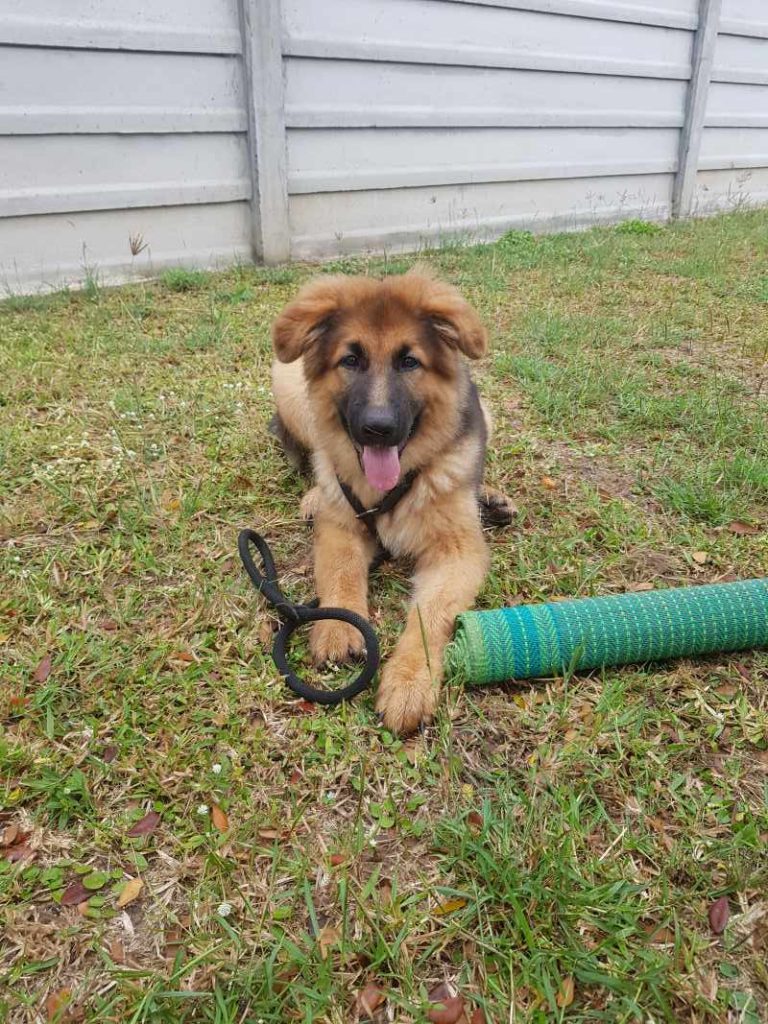
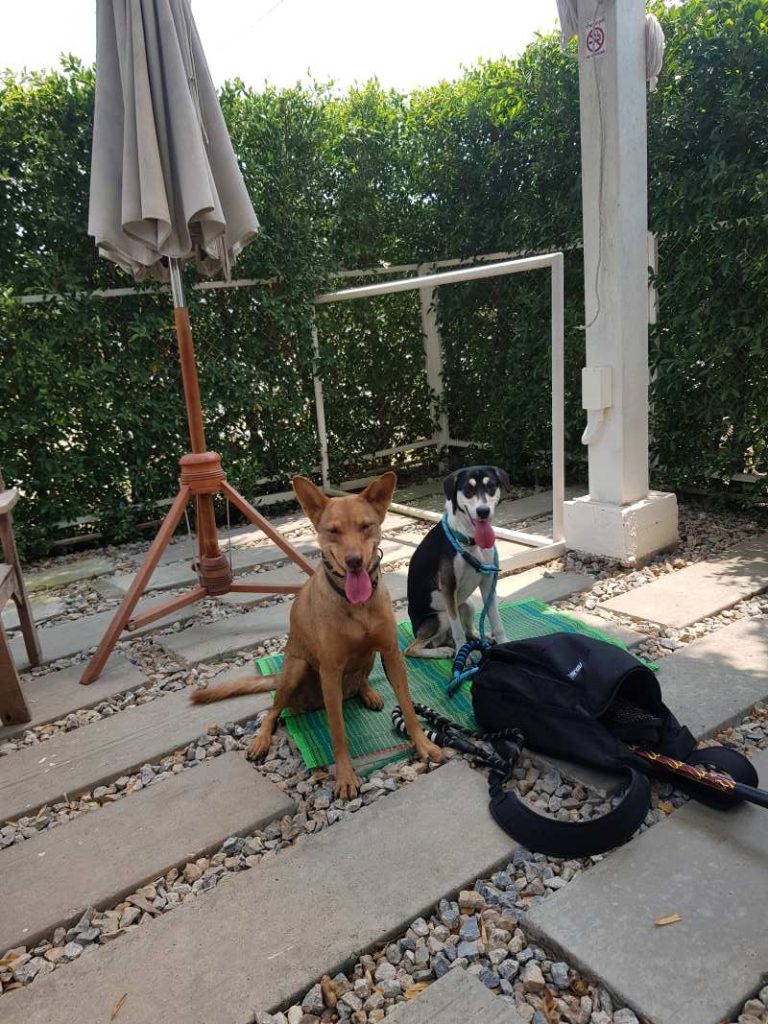
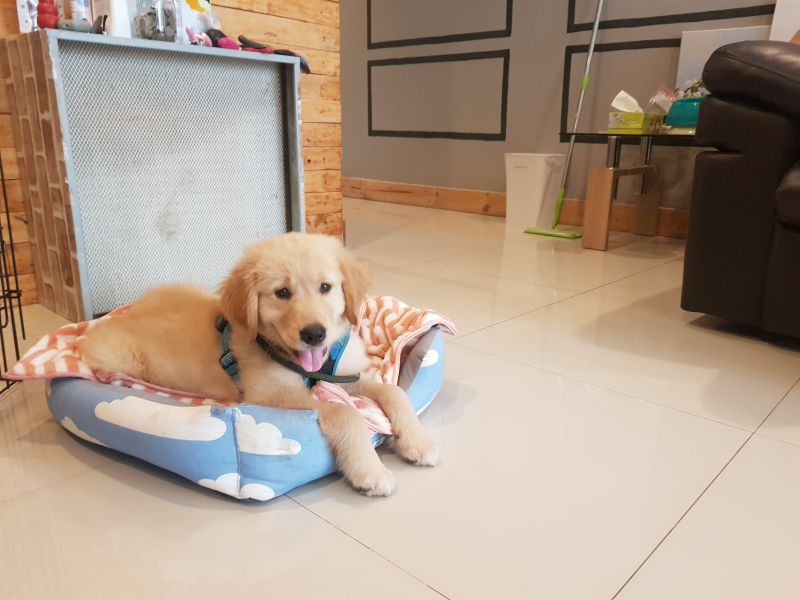
Diverse exposure builds balance. Meeting varied people, environments, sounds, and gentle handling teaches adaptability. Each safe experience expands confidence, securing emotional wellbeing into adulthood.
Health, Nutrition & Physical Development
Nutritional Foundations for Behavioral Success
The connection between nutrition and behavior is more profound than many realize. Your puppy’s diet directly influences neurotransmitter production, energy levels, and cognitive function—all crucial for training success.
Protein Quality and Neurotransmitter Production: High-quality proteins provide amino acids like tryptophan, precursor to serotonin (the “happiness” neurotransmitter). Adequate serotonin levels promote calm, focused behavior conducive to learning. Conversely, poor-quality proteins or imbalanced amino acid profiles can contribute to anxiety, hyperactivity, or aggression. Look for named meat sources as primary ingredients, avoiding by-products or meal derivatives.
Blood Sugar Stability and Training: Puppies have rapid metabolisms but small stomachs, requiring frequent, balanced meals to maintain stable blood sugar. Hypoglycemia (low blood sugar) causes irritability, poor focus, and reduced learning capacity. Training sessions scheduled 30-60 minutes after meals optimize cognitive function. Using part of meals for training treats ensures puppies don’t become overfed while maintaining motivation.
Omega-3 Fatty Acids and Brain Development: DHA (docosahexaenoic acid), an omega-3 fatty acid, is crucial for brain development and cognitive function. Puppies whose mothers received DHA supplementation during pregnancy show improved trainability and reduced fearfulness. Continuing supplementation through puppyhood supports ongoing neural development. Look for puppy foods enriched with fish oil or consider supplementation under veterinary guidance.
Exercise, Rest, and the Developing Body
Physical development and behavioral development are intricately connected. Understanding your puppy’s physical limitations protects their growing bodies while optimizing their learning capacity.
The Five-Minute Rule: A general guideline suggests five minutes of structured exercise per month of age, twice daily. This means a three-month-old puppy should have two 15-minute structured exercise sessions. Over-exercise can damage developing joints and growth plates, potentially causing lifelong orthopedic issues. However, self-directed play and exploration don’t count toward this limit—puppies naturally self-regulate during free play.
Mental vs. Physical Fatigue: A tired puppy isn’t necessarily a good puppy—an overtired puppy becomes cranky, bitey, and unable to learn. Mental exercise through training, puzzle toys, and novel experiences often tires puppies more effectively than physical exercise alone. Fifteen minutes of training or scent work can be more exhausting than a 30-minute walk. Balance both types of activity for optimal development.
Sleep and Memory Consolidation: Puppies require 18-20 hours of sleep daily for proper development and learning consolidation. Enforced nap times prevent overtired behavior often mistaken for hyperactivity. Create a consistent sleep schedule with a quiet, comfortable space. Many behavioral “problems” resolve simply by ensuring adequate rest. Post-training naps enhance memory consolidation, making lessons more likely to “stick.”
Veterinary Partnership in Behavioral Health
Your veterinarian plays a crucial role in your puppy’s behavioral development, beyond just physical health maintenance.
Early Health Screening: Undiagnosed health issues profoundly affect behavior and trainability. Pain from hip dysplasia, discomfort from food allergies, or vision problems can manifest as aggression, house training failures, or fearfulness. Early detection through regular veterinary checks ensures training addresses behavior, not hidden medical issues.
Vaccine Timing and Socialisation: The traditional advice to avoid socialisation until fully vaccinated conflicts with critical developmental periods. Modern veterinary consensus supports carefully managed socialisation before vaccination completion. Puppy classes in sanitized environments, play dates with known healthy dogs, and carrying puppies through public spaces balance disease risk with socialisation needs.
Behavioral Medication Considerations: While medication is rarely needed for typical puppies, severe anxiety or fear may benefit from pharmaceutical support during critical learning periods. Early intervention with appropriate medication can prevent lifelong anxiety disorders. Your veterinarian can assess whether behavioral medication might help your puppy benefit from training when anxiety prevents learning.
Nutrition-Behavior Deep Dive
Understanding Problematic Ingredients
The connection between diet and behavior extends far beyond simple energy levels. Specific ingredients can directly impact your puppy’s neurochemistry, affecting everything from impulse control to anxiety levels. Recognizing these connections helps you make informed nutritional choices that support training success.
Common Problematic Ingredients & Their Behavioral Effects:
- Artificial colors (Red 40, Yellow 5, Blue 2): Linked to hyperactivity, reduced focus, increased impulsivity, difficulty settling, and potential aggression in sensitive individuals
- Chemical preservatives (BHA, BHT, ethoxyquin): May cause restlessness, anxiety-like behaviors, reduced learning retention, irritability, and disrupted sleep patterns
- Excessive grains/fillers (corn, wheat, soy as primary ingredients): Blood sugar instability leading to mood swings, energy crashes affecting training sessions, reduced cognitive function, increased frustration tolerance issues, and difficulty maintaining attention
- By-products and meal derivatives: Inconsistent amino acid profiles affecting neurotransmitter production, potential for increased anxiety, reduced stress resilience, poor impulse control, and decreased training motivation
- Added sugars (corn syrup, sucrose, molasses): Hyperactivity followed by lethargy, increased demand behaviors, difficulty with calm behaviors, reduced frustration tolerance, and potential for addictive-like treat-seeking
Artificial Additives and Hyperactivity: Certain artificial colors, particularly Yellow 5 (Tartrazine) and Red 40, have been linked to hyperactivity and reduced impulse control in sensitive individuals. These additives offer no nutritional value while potentially disrupting neurotransmitter function. BHA and BHT, synthetic preservatives, may affect dopamine regulation, impacting focus and learning capacity. Propylene glycol, used to maintain moisture, can cause behavioral changes in sensitive puppies. Always check ingredient labels, avoiding foods with artificial colors, flavors, or chemical preservatives when possible.
Sugar and Carbohydrate Impacts: Excessive simple carbohydrates cause blood sugar spikes followed by crashes, creating a behavioral roller coaster. Puppies experiencing these fluctuations show increased irritability, reduced focus, and difficulty settling. Foods with corn syrup, sucrose, or excessive grain content can trigger these patterns. Complex carbohydrates from sweet potatoes, brown rice, or oats provide steadier energy, supporting consistent behavior and improved learning retention.
Protein Quality and Amino Acid Balance: Not all proteins are created equal. Poor-quality protein sources or imbalanced amino acid profiles can affect neurotransmitter production. Insufficient tryptophan reduces serotonin synthesis, potentially increasing anxiety and aggression. Excessive protein without balanced carbohydrates can elevate arousal levels, making calm behavior difficult. Look for foods with named meat sources providing complete amino acid profiles, balanced with appropriate complex carbohydrates for optimal behavioral support.
Therapeutic Diets for Behavioral Support
Emerging research reveals that specialized nutrition can function as an adjunct to behavioral modification, supporting your training efforts at the cellular level.
Anxiety-Reducing Formulations: Diets enriched with L-tryptophan, alpha-casozepine (a milk protein derivative), and L-theanine can naturally support calm behavior. These ingredients promote GABA production, the brain’s primary inhibitory neurotransmitter. Some therapeutic diets include valerian root or chamomile, providing mild calming effects without sedation. While not a replacement for training, these diets can reduce baseline anxiety, making behavior modification more effective.
Cognitive Support Nutrition: Medium-chain triglycerides (MCTs) from coconut oil provide alternative brain fuel, potentially improving learning and memory. Antioxidants like vitamin E, vitamin C, and selenium protect developing neural tissue from oxidative stress. B-vitamins, particularly B6 and B12, support neurotransmitter synthesis and nerve function. Puppies on cognitive-support diets often show improved training retention and faster skill acquisition.
Microbiome Modulation: Probiotic-enriched diets influence the gut-brain axis, affecting behavior through multiple pathways. Specific strains like Lactobacillus helveticus and Bifidobacterium longum have shown anxiety-reducing properties in research studies. Prebiotic fibers feed beneficial bacteria, supporting a balanced microbiome associated with improved stress resilience. Consider foods with added probiotics or supplement with veterinary-approved products during stressful periods like adoption or training intensives.
Treat Economics and Training Calculations
Treats are your primary training currency, but poor treat management can lead to obesity, nutritional imbalances, and reduced food motivation. Understanding treat economics optimizes training while maintaining health.
Sample Daily Treat Calculations for a 20-pound Puppy:
- Base calculation: 600 calories daily requirement × 10% = 60 calories for treats
- Commercial training treats: Average 5 calories each = only 12 treats daily (insufficient for proper training frequency)
- Kibble as treats: 3 calories per piece = 20 reinforcement opportunities (still limited for intensive training)
- Mixed approach optimization: 30 pieces of kibble (90 calories from daily meals) + 5 special treats (25 calories) + 10 vegetable pieces (10 calories) = 45 training reinforcements within healthy limits
- Heavy training day adjustment: Reduce breakfast by 50% using that kibble for morning training, reduce dinner by 25% for evening sessions, add unlimited green beans or ice cubes for volume, use play/praise as reinforcement for established behaviors, save high-value treats for breakthrough moments only
Strategic Treat Solutions: Use your puppy’s regular kibble for routine training, reserving special treats for challenging behaviors or distracting environments. Create a “treat hierarchy”—kibble for easy behaviors, freeze-dried meat for moderate challenges, and “jackpot” rewards like cheese or liver for breakthroughs. Reduce meal portions on heavy training days, using that food for training instead. This maintains nutritional balance while providing adequate reinforcement opportunities.
Homemade Training Treats: Creating your own treats allows precise caloric control and ingredient quality. Baked sweet potato cubes (1 calorie each), frozen green bean pieces (practically calorie-free), or tiny chicken breast bits provide high-value rewards without excessive calories. Prepare weekly batches, portioning daily allowances to prevent overfeeding. This approach can triple available training reinforcements while maintaining caloric balance.
Food Puzzle Progression Through Development
Mental stimulation through feeding enrichment supports cognitive development while preventing behavior problems. However, puzzle difficulty must match developmental capabilities to prevent frustration.
8-12 Weeks – Introduction Phase: Start with simple challenges that build confidence. Scatter feeding on a snuffle mat or towel introduces the concept of working for food. Toilet paper rolls with kibble inside teach basic problem-solving. Kong toys with loose kibble that falls out easily provide success experiences. These activities should take 5-10 minutes, building positive associations with mental challenge.
3-5 Months – Skill Building: Increase complexity gradually as problem-solving abilities develop. Puzzle feeders with sliding compartments or flip lids challenge developing motor skills. Frozen Kongs with layered ingredients extend engagement time. Hide-and-seek feeding games throughout the house build memory and search strategies. Sessions can extend to 15-20 minutes, providing substantial mental stimulation.
6+ Months – Advanced Challenges: Adolescent puppies need significant mental stimulation to prevent destructive behaviors. Multi-step puzzle feeders requiring sequential solving engage complex reasoning. Create DIY puzzles using cardboard boxes within boxes, requiring systematic deconstruction. Meal-dispensing balls that require specific movements teach persistence and strategy. These challenges can occupy 30+ minutes, providing essential mental fatigue.
Microbiome Influence on Behavior
The gut-brain axis represents one of the most exciting frontiers in behavioral science, with profound implications for puppy development and training.
Early Microbiome Establishment: The first 12 weeks of life establish your puppy’s core microbiome, influencing lifelong behavioral tendencies. Puppies born via C-section or weaned early may have compromised microbiomes, potentially affecting stress resilience and learning capacity. Early probiotic supplementation during these cases can support normal behavioral development. Avoid unnecessary antibiotics during this critical period unless medically essential, as they can disrupt beneficial bacteria colonization.
Stress and Gut Health: Chronic stress alters gut bacteria composition, creating a vicious cycle where dysbiosis (imbalanced gut bacteria) increases anxiety, which further disrupts the microbiome. Signs of gut-related behavioral issues include increased fearfulness, reduced training responsiveness, and inconsistent appetite. Supporting gut health through diet becomes part of comprehensive behavior modification. Fermented foods like plain kefir or yogurt (in small amounts) can provide natural probiotics.
Dietary Diversity Benefits: Varied protein sources and vegetable additions promote microbiome diversity, associated with improved behavioral flexibility and stress resilience. Rotating between 2-3 high-quality foods prevents both microbiome stagnation and food sensitivity development. Adding small amounts of dog-safe vegetables like pumpkin, green beans, or carrots provides prebiotic fibers that feed beneficial bacteria. This nutritional variety supports both physical and behavioral health throughout development. 🧠
Myth-Busting: Separating Science from Fiction
Debunking Dominance Theory
Perhaps no myth has caused more harm to dog training than the persistent belief in “dominance” and “alpha” dynamics. Understanding why this theory persists and why it’s scientifically inaccurate helps you choose effective, humane training methods.
Scientific Evidence Against Dominance Training:
- Wolf research corrections: David Mech’s original wolf studies were conducted on unrelated captive wolves in artificial settings, natural wolf packs are actually family units with cooperative parenting, no “alpha battles” occur in wild wolves—parents naturally guide offspring, forced pack creation caused stress behaviors never seen in nature, and Mech himself has spent 20+ years refuting his misinterpreted early work
- Dog-specific behavioral science: Dogs recognize humans as a different species (not pack competitors), interspecies dominance hierarchies don’t exist in nature, resource guarding is about resource value not “status”, canine social structures are fluid and context-dependent, and cooperation not competition drove dog-human co-evolution
- Harmful effects of dominance-based training: Increased aggression in dogs trained with confrontational methods, elevated stress hormones persisting long after training, reduced problem-solving abilities and cognitive flexibility, damaged human-animal bond and trust, and higher rates of anxiety and fear-based behaviors
- Modern understanding of behavior: Most “dominance” behaviors are actually fear, frustration, or confusion, dogs learn through consequences not hierarchy, positive reinforcement activates learning centers in the brain, force-based training only suppresses behavior temporarily, and cooperation yields faster, more reliable results than coercion
The Flawed Foundation: Dominance theory originated from studies of captive wolves in the 1940s-1960s, where unrelated adults were forced together in artificial environments. These stressed animals displayed aggressive hierarchical behaviors never seen in natural wolf families. The original researcher, David Mech, has spent decades trying to correct this misunderstanding, explaining that wolf packs are actually family units with parents guiding offspring through cooperation, not dominance.
Why Alpha Rolling is Harmful: The practice of forcing dogs onto their backs to establish “dominance” doesn’t teach respect—it teaches fear. When puppies naturally roll over, they’re demonstrating trust and requesting play or showing appeasement. Forcing this position destroys trust, potentially triggering defensive aggression. Research shows dogs subjected to alpha rolls show increased stress markers, reduced learning capacity, and higher rates of anxiety-based behaviors. What appears to be “submission” is actually learned helplessness—the puppy gives up trying to communicate or escape.
The Science of Actual Dog Behavior: Dogs don’t view humans as competing for “pack status.” They recognize us as a different species with whom they’ve co-evolved for cooperation. Resource guarding, pulling on leash, or jumping up aren’t “dominance” behaviors—they’re normal dog behaviors that need training, not suppression. Modern ethology shows dogs operate through associative learning and consequence-based decisions, not hierarchical power struggles. Training through positive reinforcement creates willing cooperation rather than fearful compliance.
The “Cry It Out” Catastrophe
The belief that puppies should “cry it out” when distressed, particularly during crate training or separation, can cause lasting psychological damage during critical developmental periods.
Neurological Impact of Prolonged Distress: When puppies experience extended distress, their brains flood with cortisol and other stress hormones. During the critical socialization period, this can literally alter brain architecture, creating hypersensitive stress response systems. The amygdala becomes oversized relative to regulatory regions, predisposing the puppy to anxiety disorders. Unlike human babies who eventually develop object permanence, puppies in distress may believe they’ve been permanently abandoned, creating trauma rather than independence.
Learned Helplessness vs. Learning: Puppies who eventually stop crying haven’t learned to self-soothe—they’ve learned that their distress signals don’t work. This learned helplessness extends beyond the immediate situation, reducing the puppy’s willingness to communicate needs or engage in problem-solving. These puppies often develop depression-like symptoms: reduced play interest, decreased appetite, and social withdrawal. What seems like “calm” behavior is actually psychological shutdown.
Effective Alternatives: Gradual desensitization respects your puppy’s emotional development while building genuine confidence. Start with microseconds of separation, returning before distress begins. Slowly extend duration as the puppy remains calm, building positive associations. Use calming aids like heartbeat simulators, worn clothing with your scent, or white noise. This approach may take longer initially but creates lasting emotional stability rather than suppressed panic.
Quality Over Quantity Socialization
The misconception that puppies need to meet every dog and person they encounter can actually create behavioral problems rather than prevent them.
Optimal Socialization Guidelines by Age:
- 3-6 weeks (breeder period): Gentle handling by 3-4 different people, exposure to household sounds at low volume, different textures under feet (towel, newspaper, carpet), temperature variations within comfort range, and beginning separation from mother for minutes
- 7-9 weeks (transition period): Meet 3-5 new people weekly in calm settings, observe other dogs from safe distance, experience 2-3 new environments weekly, practice gentle restraint and handling, and introduce car rides for positive destinations
- 10-12 weeks (prime socialization): Controlled play with 1-2 appropriate puppy playmates, meet people of varied appearances (hats, uniforms, different ages), explore different surfaces and elevations, experience various weather conditions briefly, and practice calm observation of busy environments
- 13-16 weeks (consolidation): Quality interactions with known, safe dogs, continued varied human interactions with focus on calm greetings, gradual exposure to busier environments, building duration in previously experienced situations, and beginning adolescent-preparation experiences
- 16+ weeks (maintenance): Regular but controlled social interactions, continued positive experiences with variety, focus on maintaining calm behavior around stimuli, practicing trained behaviors in social contexts, and preventing negative experiences during fear periods
Overwhelming Experiences Backfire: Flooding puppies with too many social experiences, especially if they’re overwhelming or negative, can create fearful or reactive dogs. One study found that puppies exposed to more than 10 new dogs weekly during early socialization showed higher rates of dog-directed aggression as adults. Quality matters far more than quantity—five positive, controlled interactions benefit puppies more than twenty chaotic ones.
Creating Positive Associations: Effective socialization means creating positive emotional responses to various stimuli, not just exposure. Watching calm dogs from a distance while receiving treats builds positive associations without overwhelming direct interaction. Meeting one gentle, well-socialized adult dog teaches more valuable lessons than playing with multiple inappropriate playmates. Focus on emotional state during experiences—a happy, confident puppy during limited exposures develops better than a stressed puppy with extensive but overwhelming socialization.
The Observation Alternative: Puppies can learn social skills through observation without direct interaction. Sitting outside a dog park (not inside) allows puppies to watch dog body language while remaining at comfortable distances. Observing children playing from across a park teaches that kids exist without forcing potentially overwhelming interaction. This measured approach prevents both fearfulness and over-excitement, creating neutral to positive associations with various stimuli.
The “They’ll Grow Out of It” Fallacy
Many puppy behaviors that owners hope will naturally resolve actually worsen without intervention, becoming entrenched adult problems.
Behaviors That NEVER Self-Resolve Without Training:
- Resource guarding progression: Mild food bowl protection → guarding toys and treats → space guarding (couch, bed) → owner guarding from other people/pets → potential bite incidents requiring behavioral euthanasia
- Demand behaviors escalation: Cute puppy pawing → insistent scratching → demand barking → destructive attention-seeking → continuous vocalization that disturbs neighbors → potential surrender to shelter
- Leash pulling development: Small puppy tugging → stronger adolescent pulling → adult dog dragging owner → walk avoidance due to difficulty → reduced exercise and enrichment → secondary behavior problems from frustration
- Separation anxiety intensification: Mild whimpering when alone → destructive behavior when separated → self-injury from escape attempts → inability to be left alone at all → owner lifestyle severely restricted → relationship breakdown
- Inappropriate play/mounting: Playful puppy jumping → rough adolescent body slams → adult dog knocking people over → liability concerns and injuries → social isolation from lack of control → potential legal issues
Behaviors That Intensify Without Training: Resource guarding typically escalates from puppy food-bowl protectiveness to adult aggression over space, toys, and people. Demand barking strengthens through intermittent reinforcement when owners occasionally give in. Leash pulling becomes physically stronger and more determined as puppies grow. Separation anxiety compounds as attachment deepens without independence training. These behaviors don’t improve with maturity—they require active intervention during puppyhood when modification is most effective.
Critical Intervention Windows: Certain behaviors have optimal intervention periods. Fear-based behaviors addressed before 6 months show 85% improvement rates, while those left until adulthood show only 35% improvement. House training becomes exponentially harder after 6 months as substrate preferences solidify. Play biting must be addressed before adult teeth emerge at 6-7 months, when bite strength can cause serious injury. Missing these windows doesn’t make training impossible, but it significantly increases difficulty and duration.
The Rehearsal Problem: Every time a puppy practices an unwanted behavior, neural pathways strengthening that behavior become more established. A puppy who successfully counter-surfs once will try again with increased determination. Jump-greetings rehearsed throughout puppyhood become muscle memory requiring extensive retraining. Each rehearsal makes the behavior more resistant to change, turning manageable puppy issues into serious adult problems.
Resilience vs. Trauma: The Single Experience Myth
While early experiences profoundly impact development, the belief that one negative experience permanently “ruins” a puppy oversimplifies neuroplasticity and resilience.
Understanding Trauma vs. Stress: True trauma requires specific conditions: the experience must overwhelm coping capacity, occur during sensitive periods, and lack recovery support. A puppy who gets startled by a skateboard hasn’t experienced trauma—they’ve experienced stress. With proper counter-conditioning, this single experience won’t create lasting fear. However, repeated negative experiences or one severe incident during fear periods can create lasting impact without intervention.
Building Resilience Through Recovery: How you handle negative experiences matters more than the experience itself. A puppy who gets knocked over by an enthusiastic dog but then has positive, controlled dog interactions builds resilience. The key is providing recovery experiences that rebuild confidence. Research shows puppies who experience mild stressors followed by successful coping show better adult stress management than those in completely protected environments.
The Protective Factor of Positive History: Puppies with strong foundations of positive experiences show remarkable resilience to occasional negative events. A well-socialized puppy who has one bad grooming experience can recover quickly with patient reconditioning. However, puppies with limited positive history have no resilience reserve—negative experiences impact them more severely. This understanding emphasizes the importance of building positive experience banks during critical periods rather than avoiding all potential stressors. 😊
Senior Planning & Long-Term Success
Adolescence Through Adulthood Transition
The journey from puppyhood through adolescence into adulthood requires adaptive training strategies that evolve with your dog’s changing needs.
Maintaining Training Through Social Maturity: Between 18-36 months, dogs reach social maturity, potentially developing new behavioral patterns. The friendly puppy might become dog-selective; the confident youngster might develop territorial behaviors. Continuing training through this period, rather than assuming “training is done,” prevents problems from solidifying. Regular practice of established behaviors while remaining alert to emerging challenges maintains the human-animal bond.
Transitioning from Management to Trust: Puppy training relies heavily on environmental management—gates, crates, supervised access. As dogs mature and demonstrate reliability, gradually increasing freedom tests their training while building confidence. This transition shouldn’t be rushed; premature freedom often results in setbacks requiring renewed management. Each dog progresses at their own pace.
Lifelong Learning Benefits: Dogs who continue learning throughout life show reduced cognitive decline in senior years. The neural stimulation from ongoing training maintains brain plasticity, potentially delaying or preventing canine cognitive dysfunction. Teaching new tricks to old dogs isn’t just possible—it’s beneficial for their longterm welfare.
Creating Resilient, Adaptable Adult Dogs
The ultimate goal of puppy training extends beyond obedience to creating emotionally resilient dogs who navigate life’s challenges with confidence.
Stress Inoculation Theory: Controlled exposure to mild stressors during puppyhood, followed by successful coping, builds resilience. This doesn’t mean overwhelming puppies but rather allowing them to work through manageable challenges. A puppy who learns to recover from a startling noise, solve a puzzle for dinner, or navigate a wobbly surface develops confidence in their ability to handle novelty.
Behavioral Flexibility Training: Dogs who learn multiple ways to achieve goals show better adaptation to change. Teach various paths to the same outcome—sitting OR lying down for greetings, coming when called to different locations for rewards. This flexibility prevents rigid behavior patterns that break down under stress.
Preparation for Life Events: Anticipate future needs during puppy training. Practice handling exercises for future veterinary exams, grooming procedures, or potential medical care. Introduce experiences like car rides, overnight stays, or temporary caregivers during the socialisation period. These preparations prevent trauma when life necessitates these experiences.
Breed-Specific Considerations
While core training principles apply universally, breed-specific traits influence training approaches and long-term management needs.
Herding Breeds and Motion Sensitivity: Breeds like Border Collies and Australian Shepherds have heightened sensitivity to movement, stemming from selective breeding for livestock work. Channel this instinct through appropriate outlets—agility, frisbee, or herding trials—while teaching impulse control around inappropriate targets like children or cars. Early exposure to various movement types during socialisation helps moderate reactivity.
Terrier Tenacity and Frustration: Terriers’ bred-in persistence, valuable for vermin hunting, can manifest as frustration when thwarted. Teaching “give up” or “leave it” cues early, combined with appropriate outlets for their intensity (flirt poles, dig boxes), prevents problematic behaviors. Understanding this isn’t stubbornness but genetic programming helps maintain patience during training.
Guardian Breeds and Stranger Wariness: Breeds developed for protection naturally become wary of strangers during social maturity. Extensive positive socialisation during puppyhood won’t eliminate this tendency but creates a foundation for appropriate discrimination. These dogs benefit from continued controlled exposure to various people throughout life, maintaining social skills while respecting their genetic inclinations.
Troubleshooting Common Challenges
When Progress Stalls
Every puppy’s learning journey includes plateaus and setbacks. Understanding why progress stalls helps identify solutions without frustration or blame.
Developmental Regression Phases: Around 4-5 months and again at 8-10 months, many puppies experience apparent regression in trained behaviors. This corresponds with brain reorganization phases where neural pruning temporarily disrupts established patterns. Patient reteaching, rather than increased pressure, helps navigate these phases. Behaviors with the strongest reinforcement history survive these periods best.
Environmental Threshold Changes: A puppy who performed perfectly indoors might “forget” everything outside. This isn’t defiance—it’s overwhelm. The outdoor environment provides competing reinforcers and cognitive load that interfere with recall of trained behaviors. Reduce criteria (expect less), increase reinforcement value, and gradually rebuild behaviors in the challenging environment.
Reinforcement Competition: Sometimes training stalls because environmental reinforcers overpower your offerings. The squirrel is more interesting than your treats; playing with other dogs beats coming when called. Rather than escalating confrontation, change the economics. Train when competing reinforcers are less available, use higher value rewards, or incorporate the competing reinforcer into training (recalls that lead to play).
Addressing Fear Periods
Most puppies experience two fear periods—around 8-11 weeks and again at 6-14 months. These evolutionary adaptations helped wild puppies survive by increasing caution during vulnerable developmental stages.
Recognizing Fear Period Onset: Suddenly fearful reactions to previously accepted stimuli signal a fear period. The puppy who loved meeting people might cower behind your legs; familiar objects become suspicious. This isn’t poor socialisation—it’s normal development requiring adjusted handling.
Management During Fear Periods: Avoid overwhelming exposures during these sensitive times. Don’t force interactions; instead, allow observation from comfortable distances. Pair mildly concerning stimuli with extremely high-value rewards, creating positive associations without flooding. Most fear periods resolve within 2-3 weeks with appropriate management.
Preventing Lasting Impact: Single traumatic events during fear periods can have lasting effects due to the brain’s heightened plasticity. Postpone potentially stressful events (grooming, vet visits) when possible. If unavoidable, take extra precautions to ensure positive experiences. The investment in careful handling during these weeks prevents months of behavior modification later. 😊
Professional Resources & Support Systems
When to Seek Professional Help
Recognizing when professional intervention would benefit your puppy’s development prevents small issues from becoming significant problems.
Red Flags Requiring Immediate Professional Consultation:
- Aggression indicators: Growling, snapping, or biting family members (beyond normal puppy mouthing), resource guarding escalating despite management, aggressive displays toward other puppies during play, or frozen/stiff body language when approached
- Extreme fear responses: Persistent trembling or hiding lasting over 30 minutes, complete shutdown in new environments, fear of specific family members, or panic responses to normal household activities
- Developmental concerns: No improvement in house training by 5 months, inability to settle even when exhausted, complete lack of interest in play or interaction, or failure to respond to name after two weeks of training
- Compulsive behaviors: Excessive licking or chewing of self, persistent tail chasing, shadow or light fixation, or repetitive behaviors that interrupt normal activities
- Social dysfunction: Complete inability to interact with other dogs, extreme separation distress from day one, or absence of normal puppy exploration behaviors
Early Intervention Indicators: Certain behaviors warrant immediate professional consultation: excessive fearfulness despite appropriate socialisation, inability to settle or relax, persistent house training failures beyond 5 months, or any aggressive displays toward family members. Early intervention during puppyhood is exponentially more effective than addressing established adult behaviors.
Choosing Qualified Professionals: Not all dog trainers possess equal qualifications or use science-based methods. Look for certifications from recognized bodies (CCPDT, IAABC, KPA) indicating formal education and examination. Observe a class before enrolling—positive reinforcement should dominate, with no use of punishment-based tools like prong collars or shock devices. Qualified trainers welcome questions about methods and provide references.
Veterinary Behaviorists vs. Trainers: Complex cases might require veterinary behaviorists—veterinarians with additional specialization in behavior. They can prescribe medication when needed and address behaviors with potential medical components. Trainers handle training and minor behavior issues; veterinary behaviorists address pathological behaviors requiring medical intervention.
Building Your Support Network
Raising a well-adjusted puppy benefits from community support and shared knowledge.
Puppy Kindergarten Benefits: Quality puppy classes offer more than basic training—they provide controlled socialisation, owner education, and early problem identification. Research shows attendance at puppy classes correlates with reduced behavior problems and decreased use of aversive training methods. The social support from other puppy owners navigating similar challenges proves invaluable.
Online Communities and Resources: Virtual support networks expanded dramatically during the pandemic, offering accessible education and community. However, evaluate advice sources carefully—anyone can claim expertise online. Prioritize groups moderated by certified professionals and be wary of advice promoting punishment-based methods or dismissing concerning behaviors as “dominance.”
Creating Practice Groups: Organizing regular training walks or play sessions with other puppy owners provides practice opportunities in controlled settings. Puppies learn to focus despite distractions while maintaining appropriate social skills. These groups often become lifelong resources for dog-related support and friendship. 🐾
Conclusion: Is Structured Puppy Training Right for You?
As we’ve explored throughout this comprehensive guide, the science is unequivocal: structured, positive training during your puppy’s critical developmental periods shapes not just behaviors, but their fundamental capacity for resilience, learning, and emotional wellbeing throughout life. The investment you make in these early weeks and months pays dividends for the next decade or more.
The research on “Pandemic Puppies” serves as both a cautionary tale and a beacon of hope. While restricted socialisation and increased use of aversive methods led to higher rates of behavioral problems, those puppies who received appropriate early intervention through online classes and positive training showed remarkable resilience. This demonstrates that even in challenging circumstances, informed, compassionate approaches to puppy training can overcome environmental limitations.
Consider whether you’re prepared to embrace the commitment that effective puppy training requires. It’s not just about time—though consistency does demand daily investment. It’s about approaching your puppy’s development with curiosity rather than frustration, seeing mistakes as learning opportunities rather than failures, and understanding that you’re shaping a sentient being’s entire worldview during these precious early months.
The journey from dependent puppy to confident adult dog is filled with challenges, setbacks, and incredible moments of connection and achievement. By understanding the science behind your puppy’s development—from critical socialisation windows to the neurobiology of attachment—you’re equipped to make informed decisions that support their growth. Remember that perfection isn’t the goal; progress is. Every positive interaction, every successful training session, every patient repetition strengthens the neural pathways that will define your dog’s behavior and your relationship for years to come.
Whether you’re a first-time owner navigating the unexpected complexities of puppy raising or an experienced handler refining your approach with newfound scientific insights, remember that seeking support is a sign of wisdom, not weakness. Professional trainers, veterinary partners, and fellow puppy owners all contribute to the village it takes to raise a well-adjusted dog.
As you embark on or continue this remarkable journey, carry with you the knowledge that every moment invested in positive, structured training during puppyhood is a gift to your future selves—both human and canine. The patient repetitions, the middle-of-the-night potty breaks, the careful socialisation expeditions—they all contribute to creating not just an obedient dog, but a confident, resilient companion ready to share in all of life’s adventures.
Your puppy’s potential is limitless, waiting to be unlocked through understanding, patience, and science-based training approaches. The question isn’t whether structured puppy training is important—the research makes that abundantly clear. The question is whether you’re ready to embrace this transformative journey with the dedication, compassion, and joy it deserves. If you are, the rewards—in wagging tails, trusting gazes, and unbreakable bonds—will exceed your wildest expectations.
Next, we’ll explore additional resources and quick reference guides to support your ongoing journey with your puppy. Remember, you’re not just training a dog; you’re nurturing a relationship that will enrich both your lives immeasurably. Welcome to the extraordinary adventure of raising a puppy with science, love, and intention. 🧡