
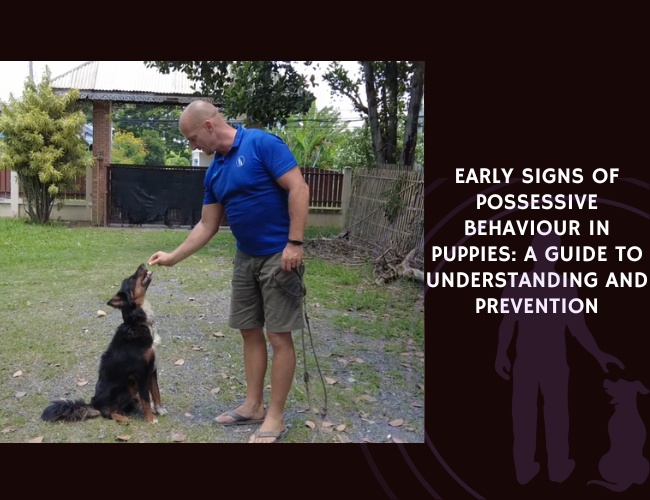
You’ve just welcomed a precious puppy into your home, and everything feels magical—until that moment when your little one growls over a toy, stiffens around their food bowl, or refuses to let go of a treasured stick. Your heart sinks. Is this normal? Will it get worse? These questions weigh heavy on the minds of many new puppy parents, and you’re not alone in wondering whether these early signs are fleeting developmental quirks or red flags for future challenges.
Understanding possessive behaviour in puppies isn’t just about managing inconvenient moments—it’s about recognizing the emotional landscape of a developing mind and creating pathways toward trust, security, and cooperative living. Through the NeuroBond approach, we can see these early behaviours not as defiance, but as windows into your puppy’s inner world, revealing their needs, fears, and learning patterns.
Let us guide you through the fascinating journey of puppy development, where instinct meets learning, and where your gentle intervention can shape a lifetime of healthy relationships with resources, people, and the world around them.
Understanding Puppy Development and Resource Behaviour
When Do Possessive Tendencies First Emerge?
Your puppy’s relationship with resources begins surprisingly early. Between 3 to 8 weeks of age, during the critical socialization period, you might notice your puppy exhibiting their first resource-related behaviours. These early moments often occur in the nest, where competition for maternal resources and interactions with littermates create the first lessons about ownership and access.
What you might observe:
- Holding onto objects with increased determination
- Body blocking between a sibling and a desired resource
- Vocalization changes when resources are approached
- Preferential positioning near food sources or the mother
These behaviours emerge as part of normal development, rooted in survival instincts that have served dogs’ ancestors for millennia. Your puppy isn’t being “bad”—they’re following deeply embedded programming that once meant the difference between thriving and merely surviving.
The critical question isn’t whether these behaviours appear, but rather how they’re shaped by early experiences. Environmental tuning during this developmental window can set the stage for adult behaviour patterns, much like a musician learning their first scales—these early notes influence the entire symphony to come.
Developmental Stages vs. Concerning Patterns
Not all possessive behaviour in puppyhood predicts adult resource guarding. Understanding the difference between transient developmental stages and emerging problematic patterns requires careful observation and context.
Transient developmental behaviours typically include:
- Brief moments of resource holding without aggression
- Playful possession that shifts easily with distraction
- Behaviour that diminishes with maturity and positive training
- Context-specific responses that don’t generalize across situations
Concerning patterns that warrant attention:
- Escalating intensity of guarding responses over time
- Generalization of guarding from one resource type to multiple items
- Fear-based defensive displays accompanied by stress signals
- Aggressive responses that appear disproportionate to the situation
The distinction often lies in the emotional undertone. Is your puppy confident and simply learning boundaries, or are they anxious and using possession as a coping mechanism? This emotional context becomes the compass guiding your intervention approach.
Genetic and Breed-Related Influences
The Architecture of Behaviour
Just as some breeds naturally excel at herding while others shine in retrieving, certain genetic predispositions can influence possessive tendencies. Human selection over generations has shaped consistent behavioural traits across breed clusters, though individual variation always plays a significant role.
Breeds with historically higher resource guarding tendencies may include:
- Terrier groups: Bred for independent hunting and tenacious holding of prey
- Livestock guardian breeds: Selected for protective instincts over resources
- Some working breeds: Bred for intense focus and task completion
- Certain toy breeds: Historically kept as companion animals with selective feeding
However, breed stereotypes don’t always align with individual reality. Your Labrador Retriever might show guarding tendencies despite the breed’s generally easygoing reputation, while your terrier mix might be perfectly generous with their belongings. The genetic architecture provides a foundation, but early environment and learning experiences build the house.
Maternal Genetics and Temperament
The influence of genetics extends beyond breed characteristics. Dam genetics and temperament significantly impact offspring behavioural predispositions. A mother dog’s stress levels during pregnancy, her maternal care style, and her own relationship with resources all contribute to shaping her puppies’ future responses.
Research shows that maternal care ranks among the four major factors affecting puppy development. Your puppy’s biological mother taught them their first lessons about resource management—whether through calm sharing, assertive correction, or anxious hoarding. These early imprints create neural pathways that influence how your puppy perceives ownership and sharing throughout their life.
Maternal Behaviour and Early Environmental Shaping
The Mother’s Influence on Resource Attitudes
Before your puppy ever entered your home, their mother was already shaping their understanding of possession and sharing. A dam’s behaviour around resources creates the first social curriculum your puppy experiences.
Maternal behaviours that foster healthy resource attitudes:
- Calm resource sharing where the mother allows supervised puppy access to her food
- Gentle correction that teaches boundaries without inducing fear
- Confidence modeling showing relaxed body language around valued items
- Protective balance that shields puppies from genuine threats while allowing normal competition
Mothers who guard intensely or show anxiety around resources may inadvertently teach their puppies that the world is scarce and threatening. Conversely, mothers who model cooperative behaviour and stress resilience help puppies develop a secure attachment style—not just to their mother, but to the concept of resource availability itself. 🧡
The Critical Role of Litter Dynamics
The relationship between littermates creates a microcosm of social learning. Competition within the litter isn’t inherently problematic—in fact, it’s a natural and necessary part of learning social boundaries. However, the intensity and context of this competition matter profoundly.
Litter factors that influence possessive tendencies:
- Litter size: Larger litters may intensify competition for resources
- Feeding order consistency: Puppies consistently at a disadvantage may develop defensive strategies
- Resource availability: Scarcity during critical periods can heighten competitive drives
- Breeder intervention: Active management of feeding and resource access shapes learning
A crowded developmental environment, whether in fruit flies or puppies, can promote lasting changes in how individuals approach resource acquisition. Puppies who experience intense competition may internalize the lesson that vigilance and guarding ensure survival. This doesn’t doom them to a lifetime of guarding, but it does highlight the importance of your interventions moving forward.
Controlled Weaning and Shared Feeding Protocols
The weaning process offers a powerful opportunity to shape resource behaviour. Breeders who implement controlled weaning and shared feeding protocols can significantly reduce competitive resource behaviour in their litters.
Effective protocols include:
- Gradual weaning transitions that reduce stress and competition
- Multiple feeding stations ensuring each puppy has reliable access
- Supervised group feeding where calm behaviour is reinforced
- Individual attention during feeding to build positive human associations
These practices mirror early intervention programs in other species, where structured approaches to resource introduction foster healthy self-regulation and cooperation. By emphasizing equitable access and reducing intense competition, breeders create a foundation for puppies to approach resources with confidence rather than anxiety.
Socialisation and Human Interaction Patterns
The Power of Early Human Intervention
Your interactions with your puppy around resources create lasting impressions. Hand-feeding, object exchange exercises, and your emotional responses during resource moments all contribute to shaping how your puppy perceives human involvement with their valued items.
Positive early interventions include:
- Hand-feeding portions of meals to build trust associations
- Gentle object exchange games where giving up an item leads to rewards
- Calm presence during resource enjoyment without immediate removal
- Predictable routines that reduce resource-related anxiety
Through consistent positive intervention, you teach your puppy that humans are sources of resources rather than threats to them. This builds what we call the Invisible Leash—an emotional connection where awareness and trust guide behaviour rather than tension and control.
The urban environment and social context significantly impact how puppies respond to social feedback. Your puppy learns not just about individual interactions, but about patterns and predictions. When you consistently demonstrate that approaching their food bowl means something good happens, their brain begins rewiring defensive impulses into anticipatory cooperation.
The Impact of Play Style and Reinforcement Consistency
The games you play and how you play them matter more than you might realize. Rough play or inconsistent reinforcement during puppyhood can inadvertently increase guarding-related anxiety and confusion.
Play patterns to avoid:
- Aggressive tug-of-war without clear release cues
- Chasing games where the puppy always “wins” by keeping the object
- Inconsistent rules about which items are acceptable toys
- Punishment-based taking that creates negative associations with giving
Beneficial play patterns include:
- Cooperative tug with clear “take it” and “drop it” cues
- Trade-up games where releasing an item leads to something better
- Multi-toy rotation preventing obsessive attachment to single items
- Consent-based handling where the puppy chooses participation
Evidence-based approaches consistently show that structured, positive interactions improve behavioural outcomes. When you establish clear, kind patterns, your puppy’s anxiety decreases and their trust increases. This emotional security becomes the foundation for releasing possessive responses. �
Recognising Behavioural and Emotional Indicators
Decoding Your Puppy’s Body Language
Understanding what your puppy is communicating through their body language allows you to intervene before possessive behaviour escalates. Your puppy “talks” through posture, movement, and subtle signals that reveal their emotional state.
Key indicators of emerging possessiveness:
- Tense body posture with muscles visibly stiff
- Head lowering over the resource, creating a protective shield
- Eye contact freezing with a hard, fixed stare
- Lip curling or exposing teeth
- Low growling or rumbling vocalizations
- Body blocking between you and the valued item
- Rapid consumption eating or chewing frantically when approached
These signals often appear on a spectrum, starting subtle and intensifying if the puppy feels increasingly threatened. Your skill in reading these early signs allows you to address the behaviour while it’s still manageable, before fear or defensive aggression becomes the default response.
Confidence-Based Possession vs. Fear-Based Guarding
Not all possession looks the same emotionally. Distinguishing between confidence-based possession and fear-based resource guarding shapes your entire intervention approach.
Confidence-based possession characteristics:
- Relaxed body language while holding items
- Willingness to move away with the resource rather than defensively holding position
- Soft eye contact or looking away without tension
- Playful energy without defensive displays
- Easy redirection with minimal intervention
Fear-based guarding characteristics:
- Multiple stress signals (lip licking, yawning, whale eye, pinned ears)
- Defensive vocalizations accompanied by retreat or cowering
- Disproportionate intensity to the perceived threat
- Generalization of guarding across multiple contexts
- Difficulty calming even after the “threat” withdraws
The emotional foundation matters profoundly. Confidence-based possession often resolves naturally with maturity and gentle boundary-setting. Fear-based guarding requires compassionate intervention that addresses the underlying insecurity. Evidence-based methodologies emphasize understanding context and emotional state when assessing canine behaviour, recognizing that human influence plays a significant role in how these patterns develop.
The Emotional Traits Behind Possessive Behaviour
Early possessive behaviours often link to broader emotional traits that extend beyond resource contexts. Understanding these underlying characteristics helps you address root causes rather than just managing symptoms.
Common emotional traits associated with possessiveness:
- Insecurity: A puppy uncertain about resource availability may preemptively guard
- Impulsivity: Quick, intense reactions without apparent forethought
- Low frustration tolerance: Difficulty managing disappointment or delay
- Anxiety sensitivity: Heightened stress responses to environmental changes
- Attachment insecurity: Difficulty trusting that caregivers will meet needs
These traits aren’t character flaws—they’re information about your puppy’s emotional regulation capacity and their perception of the world’s reliability. Puppies experiencing insecurity might manifest heightened needs to control resources, while impulsivity could lead to rapid, aggressive responses before conscious thought intervenes.
Through moments of Soul Recall—those instances when emotional memory and intuitive response intertwine—you can begin to understand the deeper story your puppy’s behaviour tells. Addressing these underlying emotional patterns creates lasting change that extends far beyond resource contexts. 🧠
Early. Gentle. Guided.
Possession begins in fear. Even the smallest growl is a whisper of insecurity, not dominance.
Safety teaches sharing. When a puppy learns resources never disappear, trust replaces control.
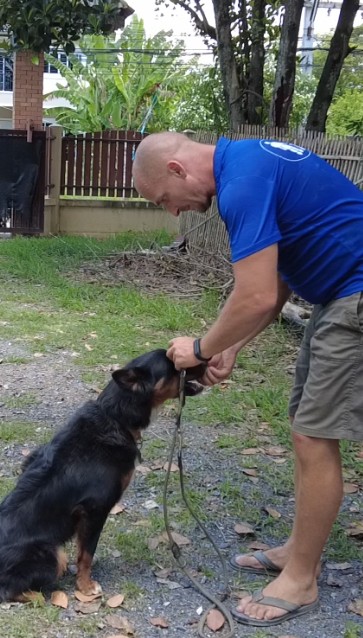
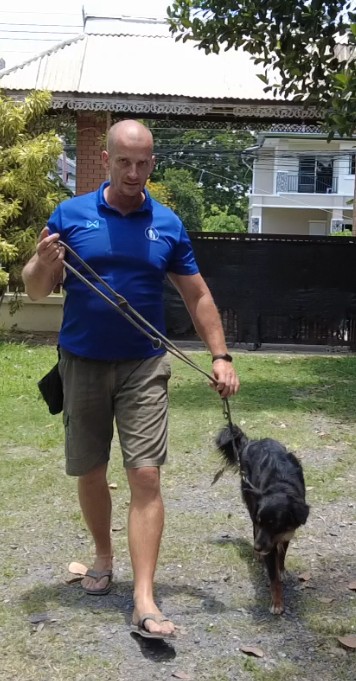
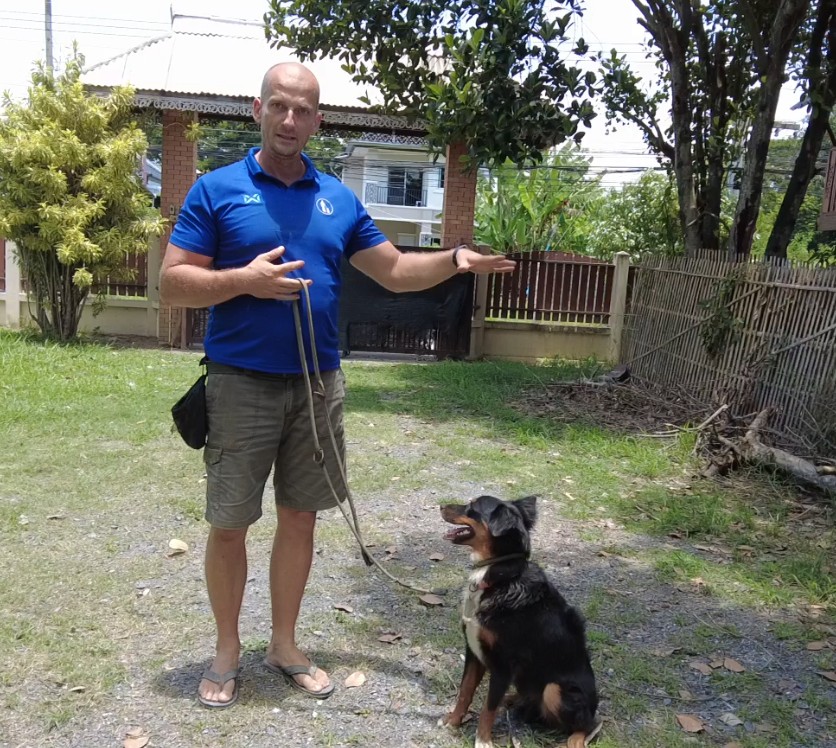
Shape calm through connection. Your steadiness today writes the emotional code your dog will live by tomorrow. 🧡
Theoretical Frameworks for Understanding Resource Behaviour
Developmental Ethology and Adaptive Behaviour
From an evolutionary perspective, resource competition represents adaptive behaviour essential for survival. Your puppy’s instinct to secure access to food, shelter, and valued items served their ancestors well in environments of genuine scarcity.
However, dogs evolved as social species, requiring moderation of these competitive drives through social learning. The balance between individual resource acquisition and social cooperation defines successful integration into a pack or family structure. Environmental tuning during development shapes how puppies navigate this balance, creating adult behaviour patterns that reflect early experiences.
Your puppy isn’t broken when they show possessive tendencies—they’re displaying normal protective instincts that simply need guidance toward more cooperative expressions within your human-dog family dynamic.
Social Learning and Modeling
Puppies learn by observation and imitation, absorbing lessons from their mother, littermates, and eventually, you. This social learning theory suggests that resource behaviour is as much learned as it is instinctual.
Key learning sources include:
- Maternal modeling: Mother’s resource behaviour sets initial templates
- Littermate interactions: Siblings teach consequences of various strategies
- Human demonstration: Your responses model appropriate behaviour patterns
- Environmental feedback: Consistent outcomes shape future behavioural choices
If your puppy observes guarding behaviour being rewarded (even inadvertently), they internalize that guarding works. Conversely, when they see calm sharing leading to positive outcomes, cooperation becomes the preferred strategy. This makes your role as a teacher and model absolutely crucial in shaping your puppy’s resource attitudes.
Emotional Regulation and Coping Mechanisms
Many possessive behaviours emerge as coping mechanisms for underlying emotional challenges. Puppies experiencing insecurity, frustration, or anxiety may resort to guarding as a way to control their environment and reduce perceived threats.
The emotional regulation framework considers:
- Stress tolerance: How much uncertainty can your puppy manage?
- Impulse control development: Can they delay gratification or think before reacting?
- Environmental predictability: Does your puppy know what to expect?
- Attachment security: Do they trust that needs will be met?
Puppies with developing emotional regulation skills might struggle to manage the frustration of delayed access or the anxiety of potential resource loss. Early interventions that build confidence, teach appropriate coping strategies, and create environmental predictability help puppies develop healthier emotional responses that reduce defensive behaviour.
Neurobiological Foundations
The neurobiological basis of possessive behaviour involves complex interactions between neurotransmitters, brain structures, and hormonal influences. While this might sound technical, understanding these basics helps you appreciate why simple commands sometimes aren’t enough.
Neurobiological factors influencing possessive behaviour:
- Dopamine pathways: Influence motivation and reward-seeking behaviour
- Serotonin regulation: Affects impulse control and emotional stability
- Stress hormone responses: Cortisol levels impact anxiety and reactivity
- Amygdala sensitivity: Emotional processing center influencing threat perception
Variations in these neurochemical systems can predispose certain puppies to heightened competitive drives or reduced impulse control. This doesn’t mean behaviour is fixed—neuroplasticity allows for significant change through experience and training—but it does explain why some puppies require more patient, systematic intervention than others.
Understanding this biological foundation prevents you from taking possessive behaviour personally and helps you approach training with compassionate persistence rather than frustration.
Prevention Through Early Intervention Programs
Building Trust Through Positive Reinforcement
Early intervention programs grounded in positive reinforcement create lasting behavioural change by addressing both the behaviour and the underlying emotional state. These programs don’t just manage symptoms—they prevent escalation into adult guarding patterns.
Core principles of effective early intervention:
- Positive associations: Every resource interaction should predict good outcomes
- Consent-based handling: Puppies learn they have safe choices
- Predictable patterns: Consistency reduces anxiety and builds trust
- Emotional safety: Security precedes behavioural change
Research across species demonstrates that early, structured interventions significantly improve outcomes. For puppies, programs incorporating hand-feeding, structured object exchange, and consent-based resource handling teach them that human interaction with resources is safe and often rewarding.
Practical early intervention exercises:
The Foundation Hand-Feeding Protocol
- Begin feeding portions of meals directly from your hand
- Approach the food bowl with treats, dropping them in while your puppy eats
- Practice “bowl enrichment” where you add better food as you approach
- Build the association: human approach = good things happen
Trade-Up Conditioning
- Offer a low-value item to your puppy
- Present a higher-value treat while calmly saying “drop it” or “trade”
- When puppy releases the item, immediately provide the treat
- Return the original item when appropriate, teaching that giving doesn’t mean permanent loss
- Gradually increase the value of items being exchanged
Consent-Based Object Exchange
- Present your hand near (not reaching for) an item your puppy has
- If they move away, respect that boundary and try again later
- If they remain comfortable, offer a treat without taking the item
- Build duration before introducing gentle item removal
- Always return items periodically to build trust that release isn’t permanent
Through the NeuroBond approach, these exercises become more than mechanical training—they’re conversations about trust, building neural pathways that associate your presence with safety and opportunity rather than threat and loss.
Structured Socialization Curricula
Breeders and puppy schools play a crucial role in preventing resource guarding by incorporating structured sharing and tolerance exercises into socialization curricula. These early experiences create templates for cooperative behaviour that puppies carry throughout their lives.
Recommended curriculum components:
Group Feeding Exercises
- Multiple puppies fed simultaneously with individual bowls spaced appropriately
- Human supervision ensures calm, non-competitive energy
- Puppies learning that resources are abundant and predictable
- Gradual decrease in bowl spacing as puppies demonstrate comfort
Shared Play Resource Management
- Multiple toys available exceeding the number of puppies
- Rotation of toy types to prevent obsessive attachment
- Cooperative games that require teamwork rather than competition
- Human facilitation of turn-taking and sharing
Tolerance Building Activities
- Puppies learn to accept human proximity during valued activities
- Gentle handling during chew time with simultaneous treats
- Environmental enrichment that doesn’t require resource defense
- Positive associations with presence of other animals near resources
These structured approaches mirror successful early intervention programs in other contexts, where promoting healthy patterns from the start creates self-regulation capacity and cooperative tendencies that persist into adulthood.
Owner Education and Management Strategies
Understanding Inadvertent Reinforcement
Many well-meaning owners inadvertently reinforce the very behaviours they hope to eliminate. Understanding these patterns allows you to shift from accidentally encouraging guarding to actively promoting cooperation.
Common inadvertent reinforcement patterns:
- Attention for guarding: Responding dramatically to guarding behaviour (even negatively) can reinforce it
- Inconsistent boundaries: Sometimes allowing possession, sometimes not, creates anxiety and testing
- Punishment-based removal: Creating negative associations with approach and resource loss
- Chasing games: Pursuing a puppy who has a forbidden item makes keeping it more rewarding
- Emotional reactions: Your anxiety or frustration communicating that resources are indeed scarce or threatening
Better alternative approaches:
- Remain calm and neutral when addressing possessive behaviour
- Establish consistent, clear boundaries about acceptable items
- Use positive interruption and redirection rather than confrontation
- Teach “drop it” and “leave it” as rewarded behaviours separate from emotional moments
- Manage environment to prevent access to items that trigger intense guarding
Creating Resource Security
Many possessive behaviours stem from perceived scarcity. Creating environmental conditions where your puppy experiences reliable resource abundance reduces the perceived need to guard defensively.
Strategies for building resource security:
Predictable Feeding Schedules
- Consistent meal times reduce food anxiety
- Adequate portions appropriate for age and size
- Protected feeding spaces where puppy eats without interruption
- Occasional surprise treats building positive associations with unpredictability
Toy Abundance and Rotation
- Multiple toys available simultaneously
- Regular rotation preventing obsessive attachment to single items
- Interactive toys that require human participation building positive associations
- Periodic new toy introduction maintaining interest without scarcity
Safe Spaces and Resource Zones
- Designated areas where puppy can enjoy resources undisturbed
- Teaching household members to respect these boundaries
- Gradual increase in resource security building confidence
- Protected chew time as a non-negotiable puppy right
When your puppy experiences that resources reliably appear and rarely disappear without good reason, their nervous system can relax. This security becomes the foundation for cooperative behaviour—the Invisible Leash of trust and emotional safety that guides interactions more effectively than any physical control. 🧡
Reading and Responding to Body Language
Owner education must include developing literacy in canine body language. You cannot address what you cannot recognize, and early intervention depends on catching subtle signals before they escalate.
Essential body language education includes:
- Recognizing the ladder of aggression and early warning signs
- Understanding distance-increasing signals (please give me space)
- Identifying stress signals distinct from guarding-specific displays
- Distinguishing play intensity from defensive behaviour
- Knowing when to intervene vs. allowing natural conflict resolution
Appropriate responses to early possessive signals:
- If you notice stiffening: Pause, don’t approach further, create a positive reason for the puppy to move away from the resource
- If you hear low growling: Respect the warning, create distance, reassess your approach strategy
- If you see resource blocking: Use environmental management (closed doors, baby gates) rather than confrontation
- If displays escalate: Consult a qualified trainer or veterinary behaviourist rather than attempting correction alone
The key is responding to your puppy’s communication rather than punishing it. When puppies learn that growling doesn’t work (because they’re punished for it), they may skip warning signals and proceed directly to more dangerous behaviours. Respecting communication maintains safety while you address underlying causes.
Long-Term Prevention and Lifestyle Integration
Maintaining Cooperative Patterns Through Development
Prevention isn’t a single intervention—it’s an ongoing commitment to maintaining cooperative patterns as your puppy matures through adolescence into adulthood. Developmental stages bring new challenges requiring adapted approaches.
Age-appropriate prevention strategies:
8-16 Weeks (Early Socialization)
- Focus on positive resource associations and gentle handling
- Emphasize trust-building over behaviour correction
- Expose to varied resource types and contexts
- Build foundation for “drop it” and “leave it” cues
4-6 Months (Juvenile Period)
- Reinforce early lessons as testing behaviours emerge
- Maintain consistency despite increased puppy confidence
- Introduce slightly more challenging trade-up scenarios
- Continue consent-based handling practices
6-18 Months (Adolescence)
- Expect some regression and maintain patient consistency
- Address emerging territorial or maturing protective instincts
- Differentiate normal adolescent testing from problematic escalation
- Increase real-world practice in varied environments
18+ Months (Young Adulthood)
- Solidify mature cooperative behaviour patterns
- Address any remaining resource-specific concerns with professional support
- Maintain periodic trust-building exercises
- Recognize this is a lifelong relationship, not a completed project
Through each stage, the essence of Zoeta Dogsoul remains constant: recognizing that behaviour emerges from emotional states, relationships, and learning histories. That balance between science and soul guides your approach across your dog’s entire life journey.
Building Emotional Resilience
Beyond specific resource training, building overall emotional resilience helps your puppy navigate challenges, including resource moments, with flexibility and confidence.
Resilience-building practices include:
- Gradual exposure to frustration: Teaching that waiting and delayed gratification are safe
- Problem-solving opportunities: Puzzle toys and challenges building confidence
- Calm-down protocols: Training the ability to self-regulate when excited or anxious
- Secure attachment: Reliable, responsive caregiving creating emotional safety
- Stress inoculation: Small, manageable challenges building coping capacity
Puppies with strong emotional resilience don’t simply learn not to guard resources—they develop the internal capacity to manage resource-related emotions, reducing the need for defensive behaviour in the first place.
Recognising When Professional Help Is Needed
Despite your best prevention efforts, some puppies require professional intervention. Recognising when to seek help prevents escalation and ensures both safety and success.
Indicators requiring professional support:
- Guarding behaviour intensifying rather than improving with your interventions
- Multiple bite incidents or bite attempts, even if inhibited
- Generalisation of guarding across numerous resource types
- Fear-based guarding accompanied by severe anxiety signals
- Your own fear or uncertainty preventing effective intervention
- Household members, especially children, at risk due to guarding behaviour
Seeking help from a qualified veterinary behaviourist or certified professional trainer specialising in resource guarding isn’t admission of failure—it’s responsible caregiving. These professionals can provide behaviour modification protocols, assess for underlying medical or neurological factors, and create safety plans while addressing the root causes.
Conclusion: Nurturing Cooperative Souls from the Start
The early signs of possessive behaviour in puppies tell a story—a story about security and scarcity, trust and threat, instinct and learning. When you understand this narrative, you transform from someone managing problems into someone nurturing potential, guiding a developing mind toward cooperative grace.
Your puppy’s resource behaviour isn’t destiny. Those first signs of stiffening around a toy or growling near a food bowl are communication, not character. They’re asking questions: “Is the world reliable? Can I trust you? Will there be enough?” Your responses to these questions, delivered through consistent, compassionate intervention, write the answers into your puppy’s developing neural architecture.
Through moments of Soul Recall, when your puppy looks to you during uncertainty and finds reassurance, when they release a valued item and discover reward rather than loss, when they experience that trust deepens rather than depletes security—these moments become the foundation of your relationship. They create the NeuroBond between you, that shared understanding where communication flows beyond command and compliance into genuine cooperation.
The journey from possessive puppy to generous adult doesn’t happen through force or dominance. It emerges through countless small interactions where you demonstrate that the world is abundant, humans are trustworthy, and sharing creates rather than diminishes joy. This is the essence of Zoeta Dogsoul—recognising that the emotional landscape matters as much as the behavioural outcome, that the relationship is the method, and that prevention begins not with correction, but with connection.
Your next steps:
- Observe your puppy’s current resource behaviour with fresh understanding, looking for emotional context rather than just actions
- Implement gradual trust-building exercises starting with hand-feeding and simple trade-up games
- Create environmental abundance reducing perceived scarcity
- Seek professional guidance early if concerning patterns emerge
- Remember that you’re not controlling behaviour—you’re building a relationship where cooperation becomes the natural, rewarding choice
The early signs of possessive behaviour in puppies don’t predict a difficult future—they present an opportunity. An opportunity to shape emotional resilience, to build trust that will carry through a lifetime, and to create the kind of human-animal bond where giving feels as safe as receiving. That’s the gift you give your puppy through early, compassionate intervention. That’s the promise of prevention built on understanding rather than control. �
Is this approach right for you and your puppy? If you’re willing to invest time in understanding your puppy’s emotional world, to respond to behaviour with curiosity rather than frustration, and to build cooperation through trust rather than demand it through authority—then yes, this journey is yours to take. Your puppy is waiting, ready to learn that sharing is safe, that humans are kind, and that the world holds enough for everyone. Let that learning begin today.










