

Introduction
Have you ever noticed your dog pacing restlessly after dinner, unable to settle down despite a full belly? You’re not imagining it. While we often think of mealtime as a calming ritual, for some dogs, eating can trigger a cascade of metabolic events that leave them feeling anything but relaxed. The culprit? Blood sugar swings that create invisible waves of discomfort, restlessness, and even anxiety.
Understanding the connection between what your dog eats and how they feel afterward opens a door to deeper wellness. This isn’t just about nutrition on paper—it’s about recognizing that your furry friend’s post-meal behavior tells a story written in glucose, insulin, and the delicate dance of hormones. When we learn to read this story, we can transform mealtimes from potential triggers into anchors of calm and stability.
Let us guide you through the science of postprandial behavior—a journey that connects metabolic health with emotional wellbeing. Through the NeuroBond approach, we’ll explore how trust in feeding practices becomes the foundation of your dog’s daily rhythm and long-term vitality.
The Metabolic Foundation: What Happens After Your Dog Eats
Understanding Postprandial Dynamics
The moment food enters your dog’s digestive system, a complex metabolic symphony begins. This isn’t simply about breaking down proteins, fats, and carbohydrates—it’s a carefully orchestrated hormonal response that affects every system in the body, from energy production to mood regulation.
The Glucose-Insulin Dance
When your dog consumes a meal, carbohydrates break down into glucose, which enters the bloodstream. The pancreas responds by releasing insulin, a hormone that acts as a key, unlocking cells so they can absorb glucose for energy. In an ideal scenario, this process unfolds smoothly—glucose rises gradually, insulin responds proportionally, and energy remains stable for hours.
But here’s where things get interesting. Not all meals create this harmonious response. The macronutrient composition of what your dog eats dramatically influences how high glucose spikes, how quickly insulin surges, and whether the body can maintain equilibrium or tips into metabolic chaos.
Different Foods, Different Responses
Research reveals fascinating differences in how dogs metabolize various food types. High-fat, low-carbohydrate meals stimulate the release of powerful signaling hormones called incretins—specifically gastric inhibitory peptide and glucagon-like peptide-1. Yet paradoxically, these same meals produce the lowest insulin increases compared to other food compositions.
This might sound beneficial at first, but the relationship between fat intake, incretin release, and insulin response creates a complex puzzle. While moderate fat helps slow glucose absorption, chronic high-fat feeding in dogs leads to significant metabolic dysfunction over time, including impaired insulin sensitivity and increased demands on pancreatic beta cells—the very cells responsible for producing insulin.
Conversely, meals high in refined carbohydrates create rapid glucose spikes that demand aggressive insulin responses. Your dog’s body essentially overreacts, flooding the bloodstream with insulin to handle the sudden sugar surge. This sets the stage for the roller coaster we’re about to explore. 🧠
The Glycemic Index: A Key to Understanding Food Impact
Not all carbohydrates affect blood sugar equally. The Glycemic Index (GI) measures how quickly a food raises blood glucose levels. Foods rich in protein, fat, or fiber typically have a low GI, meaning they release glucose slowly and steadily. Foods containing refined carbohydrates and sugars have a high GI, causing rapid spikes.
Why This Matters for Your Dog
Low-GI diets are associated with improved glycemic control and better metabolic stability. When your dog eats low-GI foods, glucose enters the bloodstream gradually, insulin responds appropriately, and energy remains consistent. The result? A calm, settled dog who can rest comfortably after meals.
High-GI diets, however, create metabolic turbulence. The rapid glucose surge triggers an exaggerated insulin response—often more than necessary. This is where the trouble begins, because what goes up must come down, and sometimes it comes down too far, too fast.
The Reactive Hypoglycemia Phenomenon
When Blood Sugar Overcorrects
Reactive hypoglycemia is the technical term for what happens when your dog’s insulin response overshoots its target. It typically occurs 2 to 5 hours after eating a high-glycemic meal, though sensitive dogs may experience it sooner.
Here’s the sequence: Your dog eats a meal high in refined carbohydrates or simple sugars. Blood glucose spikes rapidly. The pancreas releases a flood of insulin to bring glucose down. But the insulin response is so aggressive that it drives blood sugar below normal levels—sometimes significantly below.
What Does Low Blood Sugar Feel Like?
In humans, reactive hypoglycemia causes palpitations, sweating, dizziness, shakiness, and intense discomfort. While we can’t ask dogs to describe their sensations, we can observe the behavioral manifestations. The physiological discomfort and altered mental state that accompany hypoglycemia likely translate to what we see as restlessness, pacing, panting, seeking behavior, or even anxious hyperactivity in our canine companions.
Your dog isn’t being difficult—they’re experiencing genuine physical distress. Their brain, which depends almost entirely on glucose for fuel, suddenly finds itself running on empty. The stress hormones that kick in to raise glucose back to normal levels create their own cascade of uncomfortable sensations.
The Cycle of Instability
For some dogs, this becomes a recurring pattern. A high-GI breakfast leads to mid-morning restlessness. Another carbohydrate-heavy meal triggers afternoon agitation. Over time, this chronic metabolic instability doesn’t just affect behavior in the hours after meals—it can contribute to ongoing anxiety, difficulty relaxing, and a general sense that your dog can never quite settle.
Research shows that reactive glucose patterns following high glycemic loads are relatively prevalent and can be modulated by dietary interventions, particularly fiber supplementation. This gives us a clear path forward: by adjusting what we feed and when, we can break this cycle. 🧡
Who’s Most Vulnerable?
While any dog can experience blood sugar swings, certain individuals may be more susceptible:
- Metabolically sensitive dogs: Those with pre-existing insulin resistance or compromised glucose regulation
- High-energy working breeds: Dogs with intense metabolic demands whose systems are finely tuned
- Lean, athletic dogs: With lower body fat reserves, they may have less metabolic buffer
- Anxious or reactive dogs: Chronic stress already affects cortisol and glucose regulation
- Dogs on chronic high-fat diets: These diets can impair insulin sensitivity over time
If your dog falls into any of these categories, paying attention to their post-meal behavior becomes even more crucial. You might notice patterns you’d previously dismissed as personality quirks or training challenges.
The Hormone Connection: Beyond Glucose and Insulin
Cortisol: The Stress Hormone Factor
The relationship between diet and behavior extends beyond simple blood sugar mechanics. Cortisol, your dog’s primary stress hormone, plays a surprising role in post-meal responses.
Studies reveal that high-glycemic index diets significantly increase cortisol levels. When your dog consumes foods that spike blood sugar, their body doesn’t just respond with insulin—it also triggers a cortisol release. This makes sense evolutionarily; the body perceives rapid metabolic fluctuations as a form of stress requiring hormonal intervention.
The Behavioral Impact of Elevated Cortisol
Elevated cortisol creates a state of physiological alertness. Your dog’s body is essentially signaling that something requires attention, even though the “threat” is merely metabolic instability. This can manifest as:
- Difficulty settling or relaxing
- Increased vigilance or scanning behavior
- Heightened reactivity to environmental stimuli
- Restless movement or position changes
- Attention-seeking behaviors
In contrast, low-GI diets have been associated with decreased cortisol levels and hormonal patterns that support calmness. The shift away from stress hormones toward a more balanced state creates the physiological foundation for your dog to genuinely relax after meals.
The Neurotransmitter Question
While research specifically linking glucose fluctuations to neurotransmitter balance in dogs remains limited, we understand fundamental principles from neuroscience: glucose is the brain’s primary fuel source, and its availability directly impacts neurotransmitter synthesis and release.
Serotonin and Dopamine: The Mood Regulators
Serotonin influences feelings of contentment, calm, and satisfaction. Dopamine drives motivation, reward-seeking, and arousal. Both require adequate and stable glucose to maintain proper balance. When blood sugar drops sharply, the brain’s ability to produce and regulate these neurotransmitters becomes compromised.
This may explain why some dogs transition from post-meal hyperactivity to sudden fatigue or mood changes. The initial glucose spike might trigger dopamine-related arousal, while the subsequent crash depletes the resources needed for stable serotonin production, leading to irritability or restless dissatisfaction.
Through moments of Soul Recall—those intuitive observations where you sense something is “off” with your dog—you’re likely detecting these neurochemical shifts before they become obvious behavioral problems.

The Circadian Connection: Why Timing Matters as Much as Content
Your Dog’s Internal Clock and Metabolic Health
The circadian timing system isn’t just about sleep and wake cycles—it’s a master regulator of metabolism, including glucose processing. Your dog’s body expects food at certain times, and this expectation shapes how efficiently nutrients are metabolized.
Feeding-Fasting Rhythms
In nature, dogs (and their wolf ancestors) eat periodically rather than constantly. This creates natural feeding-fasting rhythms that entrain peripheral circadian clocks—specialized timing mechanisms in tissues throughout the body that regulate nutrient assimilation, glucose metabolism, and lipid processing.
When feeding occurs at consistent, appropriate times aligned with your dog’s natural activity rhythms, these peripheral clocks remain synchronized with the central circadian system. Metabolism hums along efficiently, glucose is handled smoothly, and behavioral rhythms remain stable.
What Happens with Circadian Desynchronization
Chronic misalignment of feeding times creates metabolic chaos. Research in mice demonstrates that disrupted feeding-fasting rhythms lead to:
- Nocturnal hyperglycemia (elevated blood sugar at inappropriate times)
- Glucose intolerance (inability to process glucose effectively)
- Hyperinsulinemia (chronically elevated insulin levels)
- Behavioral desynchronization (activity patterns becoming scattered and unpredictable)
While we must be cautious about directly translating rodent studies to dogs, the fundamental principles apply: mistimed feeding disrupts not only metabolism but also the behavioral rhythms that depend on metabolic signals.
Studies show that feeding activity becomes distributed across both appropriate and inappropriate hours when circadian rhythms are disrupted, highlighting the profound importance of consistent meal timing for both metabolic health and behavioral stability.
Practical Implications: Aligning Meals with Natural Rhythms
The Invisible Leash reminds us that true guidance comes from understanding energy flow and natural patterns rather than rigid control. When it comes to feeding:
Morning meals should ideally occur after your dog has been awake and lightly active for a period, allowing cortisol’s natural morning peak to support metabolism rather than compete with food-induced hormonal responses.
Evening meals benefit from earlier timing—late-night feeding can disrupt the natural decline in metabolic activity that prepares the body for rest and repair during sleep.
Training sessions should generally avoid the immediate post-meal period when glucose and insulin are fluctuating most dramatically. Instead, consider scheduling training either before meals (when hunger can motivate focus) or at least 2-3 hours afterward (when metabolic stability has returned).
Rest periods naturally align with the period 30 minutes to 2 hours after eating, when parasympathetic activity should dominate and digestion proceeds smoothly. Forcing activity during this window works against your dog’s physiology. 😊
Reading Your Dog’s Postprandial Behavior: The Signs of Metabolic Stress
Observable Behavioral Indicators
While research hasn’t established a definitive checklist of canine postprandial metabolic stress behaviors, we can draw connections from related studies and clinical observations. Here’s what to watch for in the hours after your dog eats:
Within 30 minutes to 1 hour (Potential glucose spike phase):
- Sudden increase in activity or arousal that seems disconnected from environmental stimuli
- Difficulty settling despite having just eaten (when satiation should promote rest)
- Increased vocalization or attention-seeking
- Restless position changes—standing, sitting, lying down repeatedly
- Excessive water consumption
Between 1 to 3 hours (Potential reactive hypoglycemia phase):
- Pacing or wandering without clear purpose
- Panting despite comfortable temperature and lack of physical exertion
- Scanning or vigilant behavior as if searching for something
- Subtle trembling or muscle tension
- Seeking behavior—following you persistently, bringing toys, requesting attention
- Sudden lethargy or apparent mood drop after initial restlessness
- Dilated pupils or “glassy” appearance to eyes
Chronic patterns (Repeated exposure to metabolic instability):
- Increased overall anxiety or reactivity
- Difficulty with impulse control or settling on cue
- Disrupted sleep patterns
- Changes in food motivation or meal anticipation (some dogs become anxious around feeding time)
- Unexplained behavioral regression in training
Individual Variability
Remember that dogs are individuals. What creates noticeable metabolic stress in one dog might be well-tolerated by another. Factors influencing individual sensitivity include:
- Genetic predisposition to insulin sensitivity or resistance
- Body composition (lean mass versus fat reserves)
- Activity level and metabolic rate
- Age (puppies and senior dogs may show different patterns)
- Pre-existing health conditions affecting metabolism
- Temperament and baseline stress reactivity
The key is to observe your specific dog’s patterns. Keep a brief log for a week or two, noting meal composition, timing, and any behavioral changes in the subsequent hours. You might discover correlations you’d never noticed before.
Spiked. Crashed. Unsettled.
Metabolism mirrors emotion. When glucose rushes and insulin overcorrects, calm dissolves into restlessness. The body searches for balance; the mind follows its rhythm.
Food is tempo. Slow carbohydrates, stable fats, and steady proteins keep blood sugar from swinging—and behavior from spiraling.


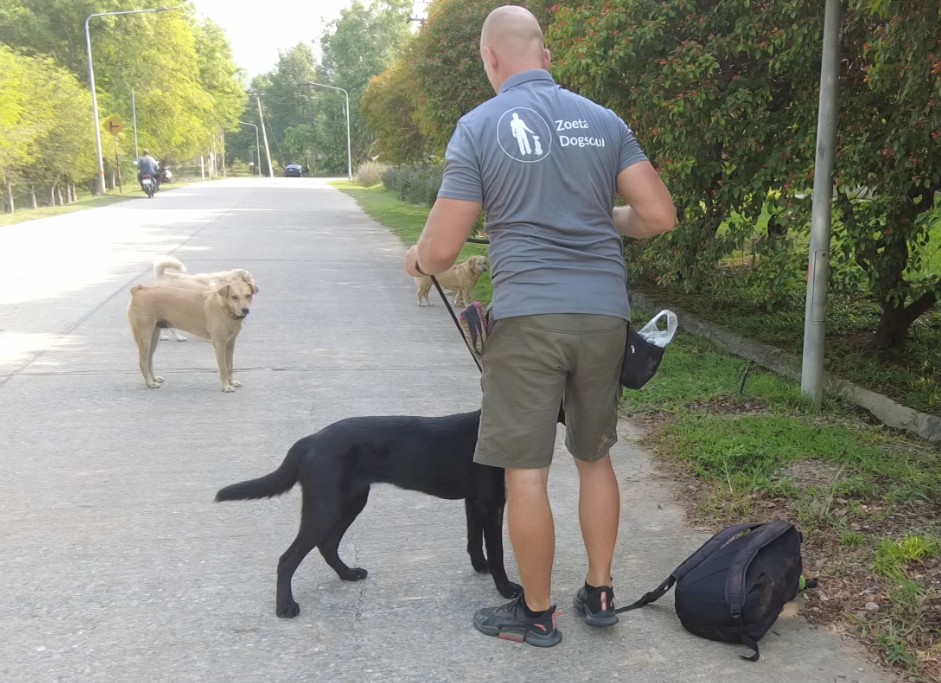
Feed for flow, not fuel. When mealtime stops jolting the system, the nervous system can exhale. Peace isn’t taught after eating—it’s prepared before the bowl is filled. 🧡
Nutritional Strategies for Metabolic and Behavioral Stability
Low-Glycemic, High-Fiber Diets: The Foundation of Stability
The most effective dietary intervention for preventing postprandial blood sugar swings is adopting a low-glycemic, high-fiber approach. This isn’t about following a fad—it’s about working with your dog’s physiology to create genuine calm from the inside out.
Why Low-GI Foods Work
Foods with a low glycemic index release glucose gradually. The pancreas responds with modest, appropriate amounts of insulin. Blood sugar rises to a healthy level and stays there for hours rather than spiking and crashing. The result is sustained energy without the metabolic roller coaster.
The Role of Fiber
Dietary fiber slows glucose absorption from the intestines, effectively lowering the glycemic impact of any meal. It also promotes satiation, supports healthy gut bacteria, and aids in overall digestive health. For dogs experiencing reactive hypoglycemia patterns, fiber supplementation has shown particular promise in modulating glucose responses.
Protein and Fat: The Stabilizing Macronutrients
Protein-rich and fat-rich meals, which are naturally low in carbohydrates, curtail the meal-induced anabolic hormonal response and prevent excessive glucose fluctuations. Human studies demonstrate that these macronutrients reduce both the incremental peak and the overall area under the curve for glucose and insulin responses.
In dogs, balanced meals containing adequate protein and moderate healthy fats (avoiding the chronic high-fat feeding that impairs insulin sensitivity) provide:
- Sustained energy release over 4-6 hours
- Stable blood sugar without sharp peaks
- Better satiation and reduced food-seeking behavior
- Support for lean muscle mass and metabolic health
Building the Ideal Metabolically-Stable Meal
Base ingredients to emphasize:
- High-quality animal proteins (chicken, turkey, beef, fish, eggs)
- Non-starchy vegetables (leafy greens, broccoli, cauliflower, zucchini)
- Fiber-rich additions (pumpkin, sweet potato in moderation, green beans)
- Healthy fats in moderate amounts (fish oil, coconut oil, olive oil)
- Small amounts of low-GI carbohydrates if needed (quinoa, oats, lentils)
Ingredients to minimize or avoid:
- White rice and other refined grains (use brown rice or oats if grains are included)
- High-glycemic vegetables (white potatoes, corn in large amounts)
- Added sugars or sweeteners
- Heavily processed foods with isolated starches or fillers
- Meals dominated by carbohydrates with insufficient protein and fat
Practical feeding approaches:
- Whole food diets: Fresh, home-prepared meals give you complete control over macronutrient ratios
- High-quality commercial foods: Look for named meat proteins as first ingredients, moderate fat (12-18% for most dogs), meaningful fiber content, and minimal refined grains
- Meal toppers: Add fresh proteins and vegetables to commercial kibble to lower the overall glycemic load
- Frequent smaller meals: For highly sensitive dogs, splitting the daily ration into 3-4 smaller meals can prevent any single glucose spike while maintaining stable energy
Hormonal Benefits Beyond Glucose
The metabolic stability created by low-GI, high-fiber diets produces hormonal shifts that support behavioral calmness. Research shows that such diets are associated with:
- Increased testosterone (which, despite common misconceptions, promotes confidence and calm assertiveness in both sexes)
- Decreased cortisol (reducing physiological stress signaling)
- Better satiety hormone regulation (less food-seeking anxiety)
- More stable energy throughout the day (eliminating the peaks and valleys that drive restless behavior)
That balance between science and soul—between understanding metabolic pathways and recognizing your dog’s individual needs—that’s the essence of Zoeta Dogsoul. 🧡
Synchronizing Feeding with Your Dog’s Daily Rhythm
The Power of Consistent Timing
The timing of food intake serves as a powerful signal for peripheral circadian clocks throughout your dog’s body. These clocks regulate not just digestion, but also glucose metabolism, lipid processing, hormone release, and even gene expression related to energy management.
Creating a Feeding Schedule That Supports Wellbeing
Ideally, establish a consistent daily rhythm:
- Morning meal: 30-60 minutes after waking and initial activity (bathroom break, brief outdoor time)
- Evening meal: 3-4 hours before bedtime to allow digestion to settle before rest
- Spacing: If feeding twice daily, aim for roughly 10-12 hours between meals; if three times daily, 6-8 hours
The Training Connection
Coordinate feeding times with your training and activity schedule:
- Avoid training immediately after meals (30 minutes to 2 hours post-meal is a rest window)
- Consider light training before meals when appropriate—hunger can enhance motivation and focus
- Schedule more intense activities for 2-3 hours after meals when glucose is stable but digestion has progressed
- Use the natural post-meal rest period for calm bonding activities: gentle grooming, quiet companionship, massage
Reinstating Circadian Synchrony
If your dog’s feeding schedule has been irregular, reinstating consistency offers a powerful intervention for improving insulin sensitivity and metabolic health. The benefits extend far beyond glucose regulation:
- More predictable energy levels throughout the day
- Better sleep quality and duration
- Improved digestive function and gut health
- Enhanced behavioral stability and emotional regulation
- Stronger capacity for learning and attention during training
Think of consistent feeding timing as setting your dog’s internal metronome. When all physiological systems know what to expect and when, they operate more efficiently and harmoniously. This isn’t about rigid control—it’s about respecting your dog’s biological need for rhythm and predictability.
Special Considerations for Sensitive Dogs
Identifying Your Metabolically Sensitive Dog
Some dogs require extra attention to their nutritional management. You might have a metabolically sensitive dog if you notice:
- Persistent difficulty settling after meals despite otherwise appropriate behavior
- Dramatic energy swings during the day
- Increased anxiety or reactivity that seems to follow feeding patterns
- Lean body type with difficulty maintaining weight
- History of working or high-drive breeding
- Pre-existing health conditions (diabetes, pancreatitis, thyroid disorders)
- Age-related metabolic changes (senior dogs, growing puppies)
Targeted Approaches for High-Need Dogs
Frequent, Smaller Meals
Dividing the daily food ration into three or even four smaller meals helps prevent any single glucose spike or insulin surge. This approach, recommended for managing reactive hypoglycemia in humans, can provide similar benefits for sensitive dogs.
Benefits include:
- More stable blood sugar throughout the day
- Reduced demands on the pancreas at any one time
- Better energy consistency
- Decreased food-seeking anxiety
- Improved digestive comfort
Enhanced Fiber Supplementation
If switching to a low-GI diet doesn’t fully resolve symptoms, consider adding supplemental fiber sources:
- Psyllium husk (start with 1/4 teaspoon per 25 lbs body weight)
- Ground flaxseed (provides fiber plus omega-3 fatty acids)
- Chia seeds (rich in soluble fiber)
- Pureed pumpkin (not pumpkin pie filling—just pure pumpkin)
- Leafy greens blended into meals
Introduce fiber gradually to avoid digestive upset, and ensure adequate water intake.
Protein Distribution
Ensuring protein is present at every meal, even small ones, helps stabilize postprandial glucose responses. Protein stimulates a modest insulin release while simultaneously promoting glucagon secretion, creating a balanced hormonal environment that prevents excessive glucose swings.
Monitoring and Adjusting
Keep a behavior journal noting:
- Meal composition and timing
- Post-meal behavior in 30-minute increments for 3-4 hours
- Overall daily energy levels
- Sleep quality
- Training responsiveness
- Any anxiety or stress signals
After 2-3 weeks of consistent dietary management, review the journal. You should see patterns emerging—hopefully showing improvement in settling behavior, energy stability, and overall calmness.
When to Consult Your Veterinarian
While nutritional management resolves many cases of postprandial restlessness, some situations require veterinary evaluation:
- Symptoms persist despite 4-6 weeks of appropriate dietary management
- Weight loss or failure to maintain healthy body condition
- Excessive thirst or urination (possible diabetes indicators)
- Vomiting, diarrhea, or other digestive symptoms
- Sudden behavioral changes or apparent pain
- Extreme lethargy or weakness following meals
Your veterinarian can run blood work to assess glucose regulation, insulin levels, thyroid function, and other metabolic markers that might reveal underlying conditions requiring medical intervention.
Beyond Nutrition: Supporting Overall Metabolic Wellness
The Role of Physical Activity
Regular exercise plays a crucial role in glucose regulation and insulin sensitivity. Physical activity helps cells absorb glucose more efficiently, even without insulin, and builds metabolic resilience over time.
Designing Activity for Metabolic Health:
- Daily walks at consistent times (circadian entrainment)
- Mix of aerobic activity (sustained movement) and brief higher-intensity play (metabolic challenge)
- Mental enrichment activities that engage without creating stress
- Age-appropriate and breed-appropriate exercise—neither too much nor too little
Stress Management and the Metabolic Connection
Chronic stress elevates cortisol, which directly impacts glucose metabolism by promoting glucose production and reducing insulin sensitivity. Managing your dog’s stress levels isn’t just about behavior—it’s about metabolic health too.
Stress-reduction strategies:
- Predictable daily routines (feeding, walking, training, rest)
- Adequate rest and recovery time between stimulating activities
- Safe, comfortable rest spaces where your dog can truly relax
- Positive training methods that build confidence rather than creating fear or anxiety
- Appropriate socialization without overwhelming experiences
- Calming activities: massage, slow sniffing walks, gentle play
Sleep Quality
Quality sleep is when much of metabolic restoration occurs. Dogs experiencing blood sugar instability may also have disrupted sleep, creating a vicious cycle where poor metabolic health interferes with sleep, and poor sleep further compromises glucose regulation.
Supporting sleep through the lens of metabolic health:
- Evening meals timed to complete initial digestion before sleep
- Consistent sleep-wake schedule
- Comfortable sleeping environment (temperature, bedding, darkness)
- Calm evening routine that promotes relaxation
- Avoiding late-night treats or high-energy play
Long-Term Health Implications
The Cumulative Effects of Metabolic Instability
When blood sugar swings become chronic, the implications extend far beyond post-meal restlessness. Repeated cycles of glucose spikes and crashes, accompanied by excessive insulin demands, can contribute to:
Insulin resistance: Over time, cells become less responsive to insulin’s signals, requiring ever-higher amounts to achieve the same glucose uptake. This is the pathway toward metabolic syndrome and type 2 diabetes.
Pancreatic stress: Constant demand for high insulin output fatigues pancreatic beta cells, potentially leading to reduced insulin production capacity.
Systemic inflammation: Glucose fluctuations and insulin resistance promote inflammatory processes throughout the body, affecting joint health, cardiovascular function, and overall aging.
Obesity and weight management challenges: Dysregulated glucose and insulin make it difficult for the body to properly utilize stored fat for energy, while excess insulin promotes fat storage.
The Promise of Prevention
The encouraging news? Implementing nutritional and lifestyle strategies to stabilize glucose regulation doesn’t just improve immediate behavior—it protects long-term health. By preventing insulin resistance, supporting pancreatic function, and maintaining metabolic flexibility, you’re investing in your dog’s healthspan, not just their lifespan.
Dogs maintained on metabolically appropriate diets with consistent feeding rhythms, adequate activity, and stress management show:
- Better maintenance of lean muscle mass into senior years
- More stable energy and mood across their lifetime
- Reduced risk of metabolic diseases
- Enhanced cognitive function and trainability
- Improved resilience to physical and emotional stressors
Creating Your Personalized Protocol
Step 1: Assess Your Current Situation
Begin by honestly evaluating where you are now:
Current diet composition:
- What is the primary protein source?
- What percentage is carbohydrate? What types?
- Is there meaningful fiber content?
- What’s the fat level?
- Are there ingredients likely to be high-glycemic (white rice, corn, potato)?
Current feeding schedule:
- How many meals per day?
- At what times?
- Is timing consistent day to day?
- How does feeding align with activity and rest?
Current behavioral observations:
- Does your dog settle easily after meals?
- Are there predictable times of day when restlessness occurs?
- How is overall energy stability throughout the day?
- Any correlation between specific foods and behavior?
Step 2: Implement Foundational Changes
Start with the most impactful interventions:
Dietary adjustment (Week 1-2):
- Transition to a lower-glycemic food or modify current food with appropriate additions
- Increase protein proportion if currently low
- Add fiber-rich vegetables or supplements
- Reduce or eliminate refined carbohydrates and simple sugars
- Use gradual transition (mix old and new foods) to avoid digestive upset
Feeding schedule optimization (Week 1-2):
- Establish consistent meal times
- Space meals appropriately for your dog’s needs
- Align feeding with natural activity-rest rhythms
- Consider increasing meal frequency for sensitive dogs
Environmental support (Ongoing):
- Create a calm feeding environment without stress or competition
- Provide a comfortable rest space for post-meal settling
- Establish a post-meal routine that promotes digestion (short, slow walk followed by quiet time)
Step 3: Monitor and Refine
Week 2-4: Observation and adjustment
- Keep your behavior journal consistently
- Note improvements and remaining challenges
- Make incremental adjustments based on observations
- Be patient—metabolic adaptation takes time
Week 4-6: Consolidation
- Patterns should be emerging clearly
- Fine-tune meal composition if needed
- Adjust portion sizes or meal frequency as indicated
- Celebrate improvements, even if not yet perfect
Week 6+: Long-term maintenance
- Maintain successful strategies consistently
- Remain observant of seasonal changes (activity level shifts)
- Adjust for life stage transitions (puppy to adult, adult to senior)
- Use your knowledge to make informed decisions about treats, training rewards, and special occasions
Step 4: Integration with Training and Lifestyle
The ultimate goal isn’t just stable blood sugar—it’s a calm, confident, well-regulated dog who can learn, adapt, and thrive. As metabolic stability improves, you’ll likely notice:
Enhanced training responsiveness:
- Better focus and attention
- Improved impulse control
- More consistent performance
- Easier acquisition of new skills
Increased emotional resilience:
- Better recovery from stressful events
- Reduced overall anxiety
- More stable mood throughout the day
- Greater tolerance for change and novelty
Deeper bond:
- Through understanding and addressing your dog’s physiological needs
- By creating consistent, predictable care that builds trust
- In those moments of recognition when you see genuine comfort and contentment
This deeper connection—this awareness that what nourishes the body also calms the mind and steadies the spirit—reflects the profound relationship possible when we honor both science and intuition in our care. �
Conclusion: From Understanding to Transformation
The restless pacing after dinner, the inexplicable hyperactivity, the difficulty settling into calm—these aren’t character flaws or training failures. They’re often the visible manifestations of invisible metabolic turbulence, the behavioral language through which your dog communicates physiological discomfort.
By understanding the intricate dance of glucose, insulin, cortisol, and circadian rhythms, you’ve gained more than knowledge—you’ve gained a new lens through which to see your dog’s behavior. Those post-meal antics that once seemed random or frustrating now tell a coherent story, one that points toward specific, actionable solutions.
The path forward is clear:
Embrace low-glycemic, high-fiber nutrition that provides sustained energy without metabolic chaos. Honor your dog’s circadian biology by establishing consistent feeding rhythms aligned with natural activity and rest cycles. Support the whole system—not just meals, but also exercise, stress management, and quality sleep—recognizing that metabolic health weaves through every aspect of wellbeing.
The transformation happens gradually:
You’ll notice the small changes first—an extra minute of settled rest after meals, slightly less intense pacing, better focus during training. Over weeks, these accumulate into something more profound: a dog who radiates calm confidence, who can modulate their own energy, who trusts their body to provide what they need when they needuh it.
This is the promise of informed, compassionate care:
When we move beyond simply feeding our dogs to truly nourishing them, we create the foundation for everything else we hope to achieve together—the training goals, the adventures, the quiet companionship. We build not through force or management, but through understanding and alignment with their biological truth.
Your dog’s behavior tells you stories. Learning to read them, especially the metabolic narratives written in glucose and hormones, transforms you from someone who simply cares for a dog into someone who truly understands them. In that understanding lies the possibility of genuine partnership, where your awareness guides their wellbeing, and their trust reflects your care.
That’s the essence of Zoeta Dogsoul—the recognition that every behavioral moment connects to a physiological reality, that the path to a calmer, more confident dog runs through the body as much as the mind, and that true training begins not with commands, but with creating the internal stability that makes all learning possible.
Your journey toward a more settled, metabolically balanced dog starts with the next meal. Choose ingredients that support rather than disrupt, establish rhythms that align with nature rather than fight against it, and observe with the curiosity of someone learning a new language. The story your dog has been trying to tell you is about to become beautifully, clearly understood. 🧡










