Study Chiang Mai, Thailand, December 22, 2025 – A South Korean survey of more than 500 dog owners identifies key behavioral and lifestyle factors that predict whether a dog is likely to be relinquished, offering actionable insights for improving canine welfare.
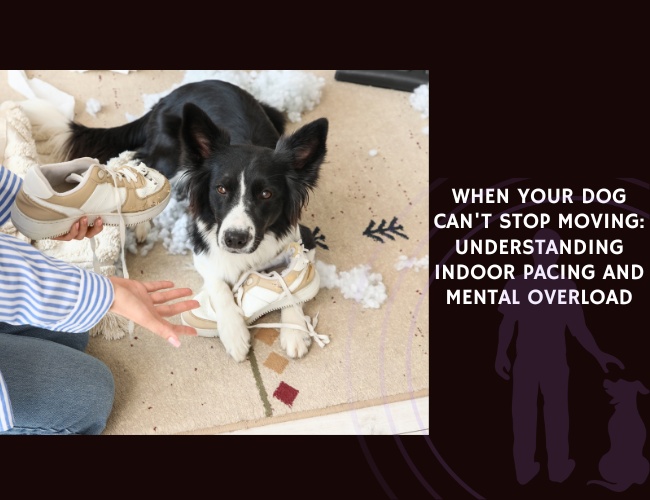
The study by Kim, Abd el-aty, Hwang, Lee, and Lee (2009) analyzed 501 owner questionnaires to examine which canine behavior problems were most strongly associated with relinquishment. The findings reveal that 81.6% of surveyed dogs exhibited at least one undesirable behavior, with house-soiling being the most frequently reported problem. Destructiveness, excessive activity, excessive barking, and aggression were also common, reflecting behavioral challenges that can strain the human–dog relationship.
Several significant risk factors emerged. Younger dogs under two years old were more likely to display problem behaviors and to be relinquished. Dogs that spent less time engaged in structured daily activities—including training, play, or exercise—were also at much higher risk. The number of behavior problems a dog exhibited further increased the likelihood of relinquishment, underscoring how cumulative stressors shape owner decision-making.
Among the five common behavior categories, destructiveness, house-soiling, and aggression were the most strongly linked to relinquishment. These findings suggest that owners may tolerate mild or infrequent issues, but more disruptive or safety-related behaviors sharply increase the risk of abandonment. These patterns parallel global trends in canine relinquishment and highlight the importance of early intervention.
The study emphasizes that many behavioral risks are preventable. Improving owner education, providing access to training resources, and encouraging structured activity routines can dramatically reduce the behaviors most associated with relinquishment. In turn, such preventive measures support stronger bonds between people and dogs and reduce the number of animals entering shelters.
Source: Kim, Y.-M., Abd el-aty, A. M., Hwang, S.-H., Lee, J.-H., & Lee, S.-M. (2009). Risk factors of relinquishment regarding canine behavior problems in South Korea. Berliner und Münchener tierärztliche Wochenschrift. No DOI provided in summary.