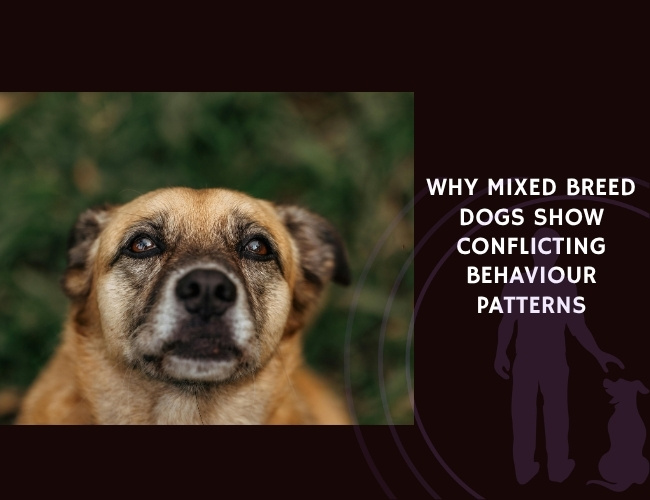
In a thought-provoking article published in Animal Sentience, Peter F. Cook challenges conventional frameworks for understanding canine emotion. Historically, studies have emphasized observable expressions—facial cues, vocalizations, or postures—to infer emotional states. However, Cook argues that such methods risk anthropomorphism and may overlook the biological mechanisms underpinning emotion.
Drawing from affective neuroscience, Cook suggests that emotion in dogs should be understood through functional physiological processes, such as hormonal activity, neural reward systems, and peripheral body state representations. Rather than asking whether dogs “feel” emotions as humans do, researchers should examine how emotional systems guide behavior, decision-making, and learning.
He cites emerging neuroimaging and endocrinological evidence showing that dogs’ brains activate reward pathways when interacting with humans—for instance, when smelling their owners’ scent or receiving praise. These findings highlight a complex emotional processing system that evolved to fit the dog’s unique role within the human social niche, but not necessarily to replicate human emotional experience.
Cook emphasizes that behavioral signals alone cannot reveal internal emotional states. Instead, combining neurobiological tools such as MRI and hormone analysis offers a more accurate and ethical framework for studying canine emotion. This approach, he argues, can deepen our understanding of how evolution has shaped the social and emotional intelligence of dogs, while avoiding the projection of human-like feelings onto them.
Ultimately, Cook’s review invites a paradigm shift in animal emotion research—one that moves from interpreting expression to exploring biological function and adaptive emotion as part of dogs’ evolutionary partnership with humans.
Source: Cook, P. (2017). Studying dog emotion beyond expression and without concern for feeling. Animal Sentience: An Interdisciplinary Journal on Animal Feeling, 2, 15.