
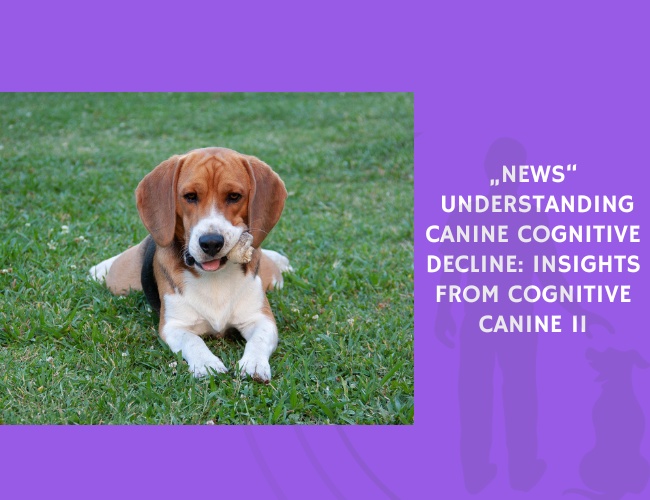
Cognitive Canine II (2021) brings together a wide array of research addressing cognitive changes, impairments, and age-related behavioral decline in dogs. The collection includes studies examining early detection, stress-related impacts on cognition, therapeutic innovations, and behavioral assessments used in shelters and clinical settings.
A major theme of the compilation is the description and progression of canine cognitive dysfunction syndrome (CDS), often compared to human dementia. Several included works explore preliminary screening tools for identifying cognitive impairment, emphasizing observational measures of disorientation, altered social interaction, sleep–wake disturbances, and changes in activity levels.
Research is also presented on the role of biological markers such as plasma amyloid peptides, which may help track cognitive decline in aging dogs. These findings align with growing interest in translational models of neurodegeneration, positioning dogs as a valuable species for studying naturally occurring cognitive dysfunction.
Management strategies feature prominently, including nutritional supplementation, environmental enrichment, and structured behavioral therapy approaches inspired by cognitive-behavioral principles. Emerging pharmaceutical options, such as compounds under investigation for reducing oxidative stress or neuroinflammation, are also highlighted.
Additional chapters address how cognition affects shelter dog behavior evaluations, underscoring the challenges of distinguishing between stress-induced behaviors and true cognitive deficits. Long-term observational studies provide insight into how cognitive decline progresses over time, informing both veterinary practice and caregiver expectations.
Overall, Cognitive Canine II underscores the complexity of canine cognitive aging and emphasizes the importance of early detection, multimodal management, and continued research. Its integrated perspective spans clinical assessment, biological mechanisms, therapeutic strategies, and welfare considerations for aging dogs.
Source: Cognitive Canine II (2021). Medicine & Psychology. Compilation of research on canine cognition, impairment, and management of canine cognitive dysfunction.










