
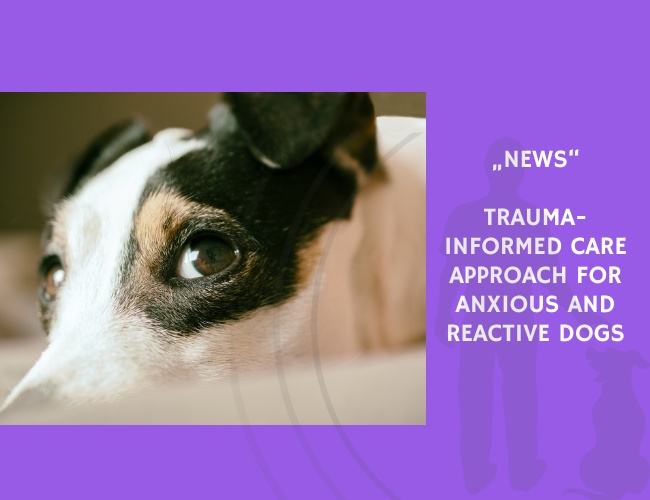
Many dogs presented for behavioral consultation exhibit responses that seem exaggerated or unpredictable, particularly when fearful or aggressive. In a comprehensive review published in Animals, Claire Lorraine Corridan and colleagues propose that these behaviors may stem from previous traumatic experiences and advocate for a trauma-informed care (TIC) approach in canine practice.
TIC, widely used in human mental health and social care, emphasizes understanding the role of early adverse experiences in shaping lifelong behavior and stress responses. Applied to dogs, this framework encourages caregivers and clinicians to interpret problematic behaviors—such as reactivity, impulsivity, or aggression—through a lens of compassion and past trauma rather than defiance or disobedience.
The review highlights the parallels between adverse early experiences in dogs and humans, including the lasting neurobiological and behavioral consequences of early stress. It recommends that professionals involved in canine welfare—veterinarians, behaviorists, trainers, and rescue workers—avoid re-traumatization during assessment and treatment by minimizing exposure to triggering stimuli, creating predictable and safe environments, and employing gentle behavioral modification techniques.
Furthermore, a TIC approach encourages preventive care by protecting puppies from adverse experiences during critical developmental stages and by providing structured support for dogs entering new homes or rescue environments. This shift toward trauma-sensitive assessment reframes behavioral challenges as expressions of distress rather than defiance, promoting interventions grounded in trust, empathy, and long-term welfare.
By adopting trauma-informed principles, practitioners can foster deeper understanding and compassion, ultimately improving emotional resilience and quality of life in dogs affected by anxiety or fear-based disorders.
Source: Corridan, C. L., Dawson, S. E., & Mullan, S. (2024). Potential Benefits of a ‘Trauma-Informed Care’ Approach to Improve the Assessment and Management of Dogs Presented with Anxiety Disorders. Animals, 14. Published January 31, 2024.










