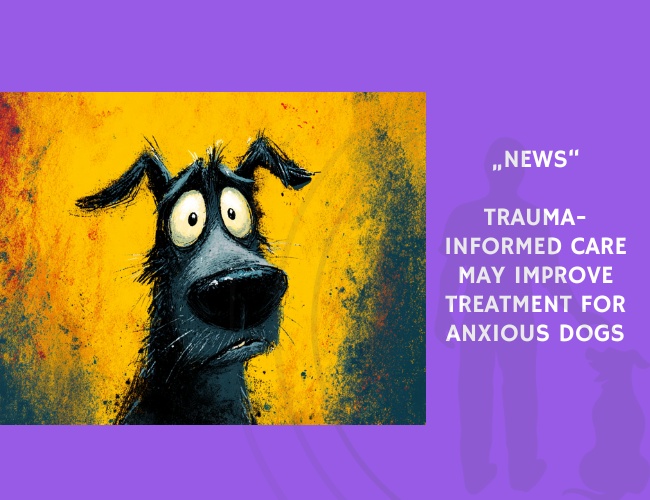
Dogs with anxiety or fear-based behavioral problems often exhibit exaggerated or unpredictable responses that can be misinterpreted as aggression or disobedience. In their 2024 review published in Animals, Corridan, Dawson, and Mullan argued that these reactions may reflect triggered memories from past trauma and that clinical treatment should adopt a more compassionate and trauma-informed perspective.
Trauma-informed care (TIC) is a well-established framework in human psychology that prioritizes understanding the lasting effects of adverse early experiences (AEE) on emotional regulation and behavior. Applying TIC to dogs encourages caregivers, veterinarians, and behaviorists to view reactive behaviors as potential signs of past emotional injury rather than willful disobedience. This perspective aims to reduce stigma, enhance welfare, and guide clinicians toward less invasive, more empathetic assessment techniques.
The authors reviewed literature on both human and canine trauma to identify overlapping principles. They found strong parallels between early-life stress in humans and dogs—including prenatal stress, neglect, and inconsistent caregiving—and their long-term impact on stress reactivity, resilience, and social behavior. A TIC approach would promote early prevention by protecting puppies from adverse experiences, using calm handling, predictable environments, and positive socialization opportunities.
For dogs already affected by trauma, the study emphasizes avoiding re-traumatization during diagnosis and treatment. Behaviorists should recognize that certain environments, sounds, or handling procedures might trigger fear memories. Instead, clinicians are encouraged to adapt protocols to the dog’s emotional “window of tolerance,” apply TIC-based behavior modification techniques, and provide owner counseling on the effects of trauma and the importance of emotional safety. Through this approach, reactive or fearful dogs can be treated with greater compassion and efficacy, improving both their welfare and long-term recovery outcomes.
Source: Corridan, C. L., Dawson, S. E., & Mullan, S. (2024). Potential Benefits of a ‘Trauma-Informed Care’ Approach to Improve the Assessment and Management of Dogs Presented with Anxiety Disorders. Animals, 14, published January 31, 2024.