
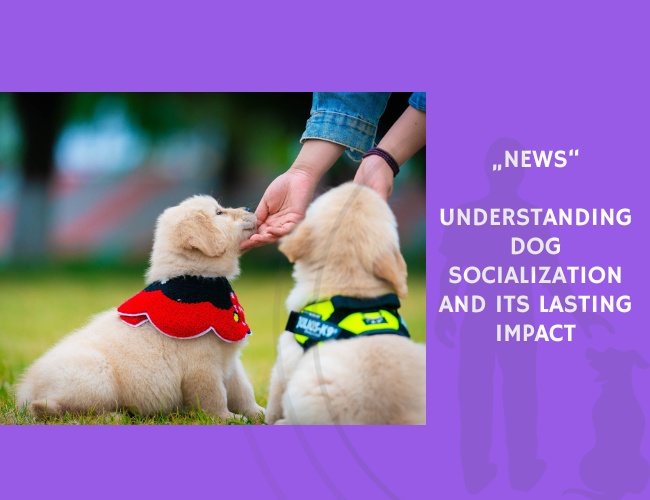
Socialization during puppyhood profoundly influences a dog’s lifelong behavior, emotional health, and ability to adapt to human environments. In a comprehensive narrative review published in Animals, Vicky McEvoy and colleagues examined 29 studies spanning several decades to assess what is known—and what remains unclear—about the timing, methods, and impact of early social experiences in dogs.
The review revealed that most available data come from retrospective owner questionnaires rather than controlled experiments. Many of these studies date back more than 50 years, underscoring the need for updated, experimentally validated evidence. While ethical considerations now prevent the use of completely unsocialized control groups, the authors note that variability in modern dog breeds and lifestyles calls for renewed investigation into minimum effective socialization levels and breed-specific timing for optimal development.
McEvoy et al. reaffirm that insufficient early socialization is strongly linked to fearfulness, aggression, and maladaptive behavior in adulthood. Yet, despite widespread public awareness of its importance, practical guidelines often rely on anecdote rather than science. The review highlights the need for new, evidence-driven protocols that consider differences in breed temperament, environment, and individual learning capacity.
Ultimately, the authors advocate for a modernized framework for socialization—one that integrates behavioral science, veterinary expertise, and owner education. Such progress would help ensure that puppies grow into confident, emotionally stable adults capable of thriving in the complex human world.
Source: McEvoy, V., Espinosa, U. B., Crump, A., & Arnott, G. (2022). Canine Socialisation: A Narrative Systematic Review. Animals, 12. Published October 22, 2022.










