
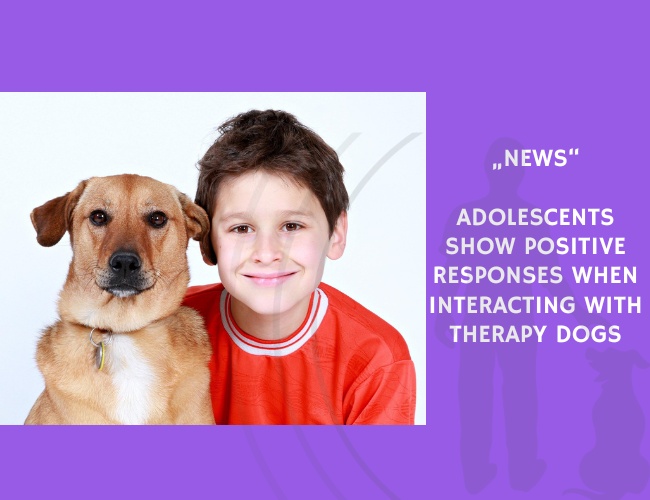
With therapy dogs increasingly integrated into youth mental health services, understanding the nature of human–dog interactions is vital for welfare and therapeutic outcomes. Dowling-Guyer et al. (2024) explored how adolescents and therapy dogs behave in structured stress tasks, focusing on the role of physical contact.
The researchers developed detailed ethograms to code youth and dog behaviors during a social stress test. Participants were assigned to interact with either a live therapy dog or a stuffed dog, with conditions varying based on whether they were allowed to touch the dog. This design allowed comparison of emotional and behavioral responses under different interaction contexts.
Results showed that interacting with a live dog encouraged more positive adolescent behaviors, such as increased smiling and engagement, compared to the stuffed dog. Therapy dogs, in turn, exhibited distinct behavioral patterns depending on whether touch was permitted, underscoring the importance of managing physical contact in animal-assisted interventions.
This study highlights how the quality of interaction—particularly the presence of live dogs and the ability to touch them—can shape outcomes for both youth and dogs. The findings provide a framework for refining therapy dog programs, balancing therapeutic benefits with animal welfare considerations.
Source: Dowling-Guyer, S., Dabney, K., Robertson, E. A. R., & Mueller, M. K. (2024). Behavior Coding of Adolescent and Therapy Dog Interactions During a Social Stress Task. Veterinary Sciences, 11. Published December 1, 2024.










